What Is a Draft Beer? A Complete Guide Explaining Its Taste, Serving & Types
A draft beer is beer served from a keg rather than a bottle or can, typically poured fresh through a tap system. It is chilled and pushed to the tap by carbon dioxide or a gas blend, offering a fresher taste and smoother texture compared to packaged beer. Understanding what is a draft beer helps enthusiasts and casual drinkers appreciate its unique serving methods and flavor profiles.
This information suits beer lovers looking to explore draft selections at bars, breweries, or even at home. You’ll learn how draft beer differs from bottled or canned options, the types of draft beer available, and how factors like temperature and gas affect its quality and flavor.
Key Takeaways
- Draft beer is served from kegs using gas pressure, usually carbon dioxide or a nitrogen blend, for freshness and texture.
- The ideal serving temperature for most draft beers ranges between 38 and 42 degrees Fahrenheit to maintain flavor and carbonation.
- Cask ales serve best at slightly higher cellar temperatures around 50 to 55 degrees Fahrenheit to improve aromas and taste.
- Using a 75% nitrogen and 25% CO2 gas mix provides creamy textures but can make other beer styles taste flat toward the keg’s end.
- Non-pasteurized draft beer remains fresh up to 60 days when properly refrigerated, while pasteurized versions last longer.
- Draft and bottled versions of the same beer can differ in alcohol content and flavor profile due to production methods.
What Exactly Is Draft Beer and How Is It Served?
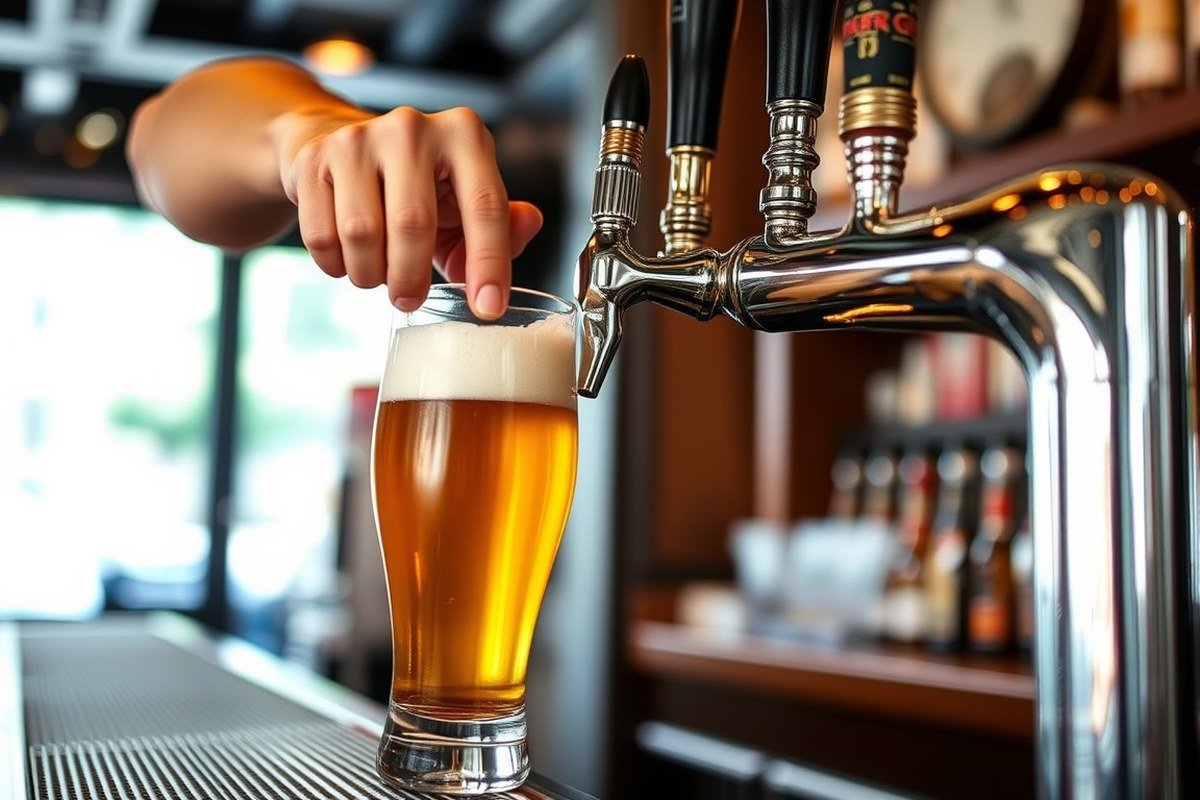
Draft beer is beer served directly from a keg or cask through taps or spigots into a glass. It stands apart because it is poured fresh, often unpasteurized, and stored under controlled conditions to preserve its flavor. While most draft beer comes from kegs, it can also be served from casks using different methods.
Definition of Draft Beer
Draft beer refers to beer kept in bulk containers such as kegs or casks and dispensed from these containers directly into a glass, rather than from bottles or cans. The defining factor is the serving method, not the style or brewery. This means that even a beer usually bottled can be called draft beer if it’s served from a keg or cask on tap. Typically, draft beer is stored cold and kept under pressure in stainless steel kegs to maintain freshness and carbonation.
Unlike packaged beer, draft beer is generally not pasteurized and is kept chilly from brewery to bar, often at cellar temperature near 54 degrees Fahrenheit or served chilled around 38 to 42 degrees Fahrenheit. This storage and handling method usually results in a fresher, smoother beer with better aroma and mouthfeel.
Common Serving Equipment
Draft beer service relies on a few key pieces of equipment that work together to deliver consistent quality. The primary components are the keg or cask, beer lines, taps or faucets, and, in most cases, a supply of gas to push the beer out of the keg.
Kegs are stainless steel barrels that hold the beer and are usually kept pressurized with carbon dioxide or a blend of gases to maintain carbonation and freshness. The keg coupler connects the keg to the draft system and allows beer and gas to flow through the beer lines to the taps. The gas tanks typically contain CO2 or a gas mix, which regulates pressure to ensure smooth flow and prevent foaming.
How Draft Beer Is Poured
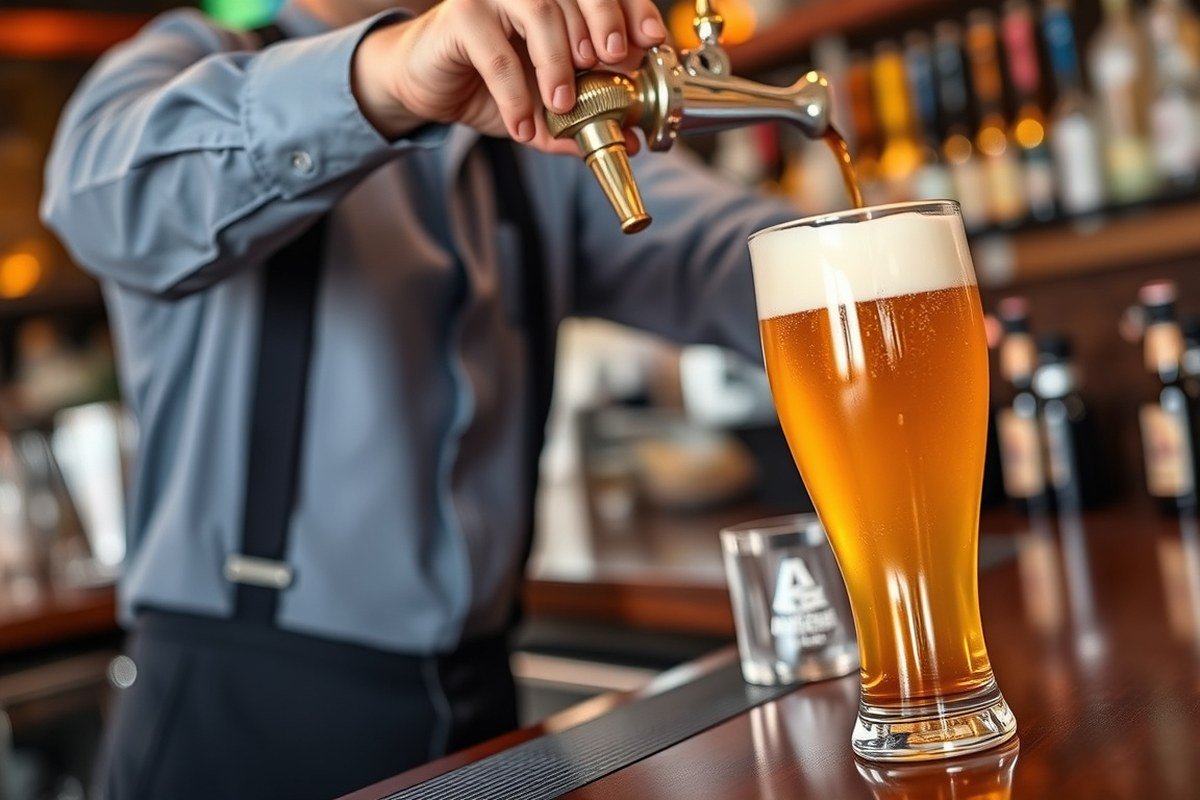
Poring draft beer correctly matters to preserve carbonation and minimize foam. Your goal is a clean, well-balanced pour that fills the glass without excessive head. Follow these steps for a proper draft beer pour:
- Chill the glass to near serving temperature (around 38, 42°F).
- Hold the glass at a 45-degree angle beneath the tap.
- Open the tap fully and let beer flow gently down the inside of the glass.
- Straighten the glass as it fills when about halfway full.
- Close the tap firmly once the glass is about 80 to 90 percent full to leave some head (around 1 to 1.5 inches).
- Place the glass on a flat surface and pour foam into a small cap if needed.
This process limits excessive carbonation loss and reduces foaming, which can waste beer. Over-pouring foam or using a warm glass can lead to poor presentation and affect the beer’s taste experience.
How Draft Beer Differs from Bottled and Canned Beer
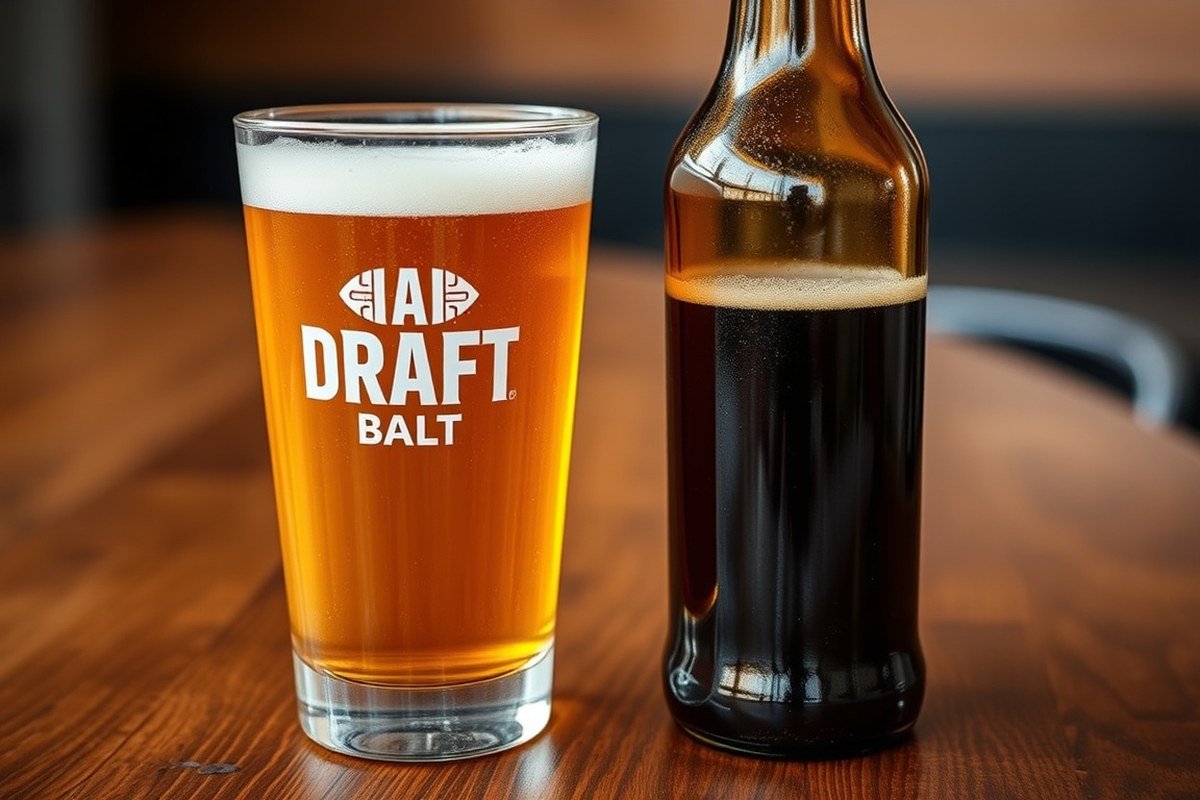
Draft beer differs mainly in how it’s stored and served compared to bottled and canned beer, which influences freshness, taste, and carbonation. Freshness stands out as the main difference. Draft beer travels through a shorter supply chain, reaching your glass sooner after production. This reduced time from brewery to tap preserves the beer’s bright flavors and crisp carbonation, qualities that bottled and canned beers can lose during longer storage.
In a keg, draft beer stays sealed and chilled under controlled pressure, shielding it from oxygen and temperature fluctuations that harm beer quality. Bottled and canned beers face longer periods of storage in warehouses or on retail shelves at varying temperatures, sometimes for months, which dulls their flavor and carbonation. Packaging methods like filtering or pasteurization used for bottles and cans can alter the beer’s character.
Carbonation also behaves differently. Draft beer’s carbonation is maintained by gas systems tailored to keep pressure and CO2 levels stable throughout dispensing. Bottled and canned beers rely on sealed container pressure, which can decrease over time, leading to flatter taste. Serving temperature reinforces these differences; draft beer is often kept colder on tap, improving its refreshing feel and taste clarity compared to room-warmed bottles or cans.
| Aspect | Draft Beer | Bottled/Canned Beer |
|---|---|---|
| Freshness | Served closer to production date; shorter supply chain | Can sit on shelves for months; longer distribution and storage |
| Flavor | Brighter, more pronounced flavors due to freshness and storage | Duller flavors can develop over time; filtering/pasteurization may affect taste |
| Carbonation | Stable carbonation through integrated gas system and pressure control | Relies on container seal; can lose carbonation with time and temperature changes |
| Storage | Kegs kept sealed and refrigerated at consistent pressure and temperature | Individual bottles/cans stored at varying temperatures; risk of oxidation after opening |
| Serving Temperature | Usually served colder, often near 38-40°F (3-4°C) | Often served warmer; depends on consumer handling and environment |
| Portability | Less portable; requires tap system and keg handling | Highly portable; sold in individual bottles or cans |
Choosing draft over bottled or canned beer usually provides a fresher and more flavorful drinking experience. Draft beer’s controlled storage conditions protect it from oxygen exposure and maintain carbonation better. Those who want the best in taste often prefer draft for its crispness and bright flavor profile. Use refrigeration and a proper gas blend when dispensing draft to keep these qualities intact.
Always check the date and condition of kegging and storage; freshness depends heavily on how well the draft system is maintained and how soon the beer is consumed after tapping.
What Types of Draft Beer Are There and How Do They Differ?
Draft beer comes in several types that differ in how they are stored, served, and taste. The main categories are keg beer, cask ale (or real ale), and nitrogenated draft beer. Each type uses a unique system and gas mixture that affects the beer’s texture and flavour.
Keg Beer Explained
Keg beer is the most common form of draft beer you’ll find in bars and restaurants. The beer is stored in stainless steel kegs and served under pressure from a CO2 or gas blend tank pushing the beer out through a tap. This pressurization preserves carbonation and ensures a consistent pour.
Lagers and ciders often use a 60:40 mix of CO2 and nitrogen to maintain the right carbonation level without excessive foaming. Keg beer is generally filtered and pasteurized, which means it stays fresh longer and requires less maintenance than traditional cask ale. It can be served cold, typically between 38°F and 45°F, with a stable, brisk carbonation that gives a crisp mouthfeel.
Cask (Real Ale) Beer Basics
Cask ale, also known as real ale, undergoes secondary fermentation inside the cask where it is stored unfiltered and unpasteurized. The yeast continues to ferment sugars, naturally carbonating and conditioning the beer. This traditional style is often served by gravity or a hand-pull beer engine, without additional gas pressure.
Unlike keg beer, cask ale requires careful handling. It needs to be tapped and vented a couple of days before serving to allow sediment to settle and achieve clarity. Temperatures are generally higher, around 50°F to 55°F, to improve flavour complexity. The carbonation in cask ale is light and natural, producing a softer mouthfeel with more pronounced yeast and malt flavours. This style tends to have a shorter shelf life once tapped and demands more attention from bar staff.
Nitrogenated Draft Beer
Some stouts, cream ales, and bitters use nitrogen or nitrogen-CO2 mixes to produce a smooth, creamy mouthfeel. Nitrogen bubbles are smaller than CO2 bubbles, creating a thick, dense head and a velvety texture. Typical premixed gas blends for these beers are around 75% nitrogen and 25% CO2, sometimes called Guinness Gas or Beer Gas.
Nitrogenated beers are usually served at similar cold temperatures as keg beers, but the gas blend and special taps create a slower, cascading pour that changes the beer’s perception. This type is common for richly flavoured beers where a creamy finish complements the taste, but isn’t suitable for all beer styles because it mutes carbonation bite. The table below compares these draft beer types on key features like pressure, carbonation, serving method, and taste profile.
| Feature | Keg Beer | Cask Ale (Real Ale) | Nitrogenated Draft |
|---|---|---|---|
| Container | Pressurized steel keg | Unpressurized cask | Pressurized keg with mixed gases |
| Gas Used | CO2 or 60:40 CO2/N2 | Natural yeast fermentation (no added gas) | 75% N2, 25% CO2 |
| Carbonation Level | Higher, brisk | Light, natural | Light, creamy mouthfeel |
| Serving Method | Tap with gas pressure | Gravity or hand pull beer engine | Special stout or creamy tap |
| Serving Temperature | 38°F, 45°F (3°C, 7°C) | 50°F, 55°F (10°C, 13°C) | 38°F, 45°F (3°C, 7°C) |
| Taste Profile | Crisp, clean, carbonated | Complex, softer carbonation, full flavour | Smooth, creamy, rich mouthfeel |
| Care Required | Lower | High (venting, settling needed) | Moderate |
Choosing between these draft types depends on the beer style and serving environment. Keg beers are easier to handle and have longer shelf life on taps, making them ideal for busy pubs. Real ales deliver more flavour complexity but demand more care. Nitrogenated beers are perfect for creamy stouts or smooth ales, providing a distinctive mouthfeel not found in standard CO2-conditioned drafts.
How Temperature and Gas Affect Draft Beer Quality
Draft beer is best served between 38 and 45 degrees Fahrenheit, depending on the style. Lighter lagers taste best at the colder end, around 38°F, while fuller ales and stouts reveal more flavor closer to 45°F. Temperature control matters because warmer beer can taste flat or overly bitter, while overly cold beer mutes the aroma and dulls the flavor. Keeping beer in a temperature-controlled keg storage area and using refrigerated draft lines can maintain the ideal serving temperature consistently.
Carbon dioxide (CO2) and nitrogen (N2) play key roles in draft beer’s taste, carbonation, and foam. Most draft systems use 100% CO2 to carbonate and push beer through the lines. CO2 dissolves in the beer, providing sharp, fizzy bubbles typical of many lagers and pilsners. However, too much CO2 or incorrect pressure settings can cause excessive foam or overly carbonated beer that tastes harsh.
Nitrogen is less soluble in beer than CO2, so adding nitrogen to the gas mix results in smaller bubbles and a creamier, smoother mouthfeel with more stable, thick foam. Nitrogen blends, often about 70% nitrogen and 30% CO2, are common for stouts and some ales, giving draft beer a distinctive velvety texture rarely found in bottled versions. This “beer gas” mix also helps avoid over-carbonation while maintaining proper draft pressure to push the beer through long tap lines without flattening the taste.
Pressure and gas purity are as important as temperature. Typical draft systems apply 10 to 15 psi of pressure to deliver beer through standard line lengths of 5 to 15 feet. Excessive pressure can over-carbonate or cause foaming, while too low pressure may result in flat beer. Different beer styles or keg sizes may require adjustments to pressure and gas mixture for optimal flow and taste.
Keeping draft beer at the right temperature and gas balance requires some setup and monitoring. Commercial systems often include temperature gauges, pressure regulators, and specific gas blends. Home brewers or bar owners can invest in stainless steel growlers that pressurize with a CO2 cartridge, preserving carbonation and freshness if storing draft beer off-tap. Expect costs for these systems and supplies to range from a few hundred to several thousand dollars depending on sophistication and size.
For best results, check temperature regularly, use clean and properly set pressure regulators, and select the right gas mix for the beer style: pure CO2 for crisp lagers, nitrogen blends for creamy ales and stouts. Avoid using beer gas mixes on light lagers as this can leave the last 5 to 10% of the keg tasting flat. Fine-tuning these factors maintains draft beer’s fresh taste, appealing carbonation, and ideal foam head every time. Keeping these elements aligned helps both casual drinkers and enthusiasts enjoy the full draft beer experience as intended by the brewer.
How to Maintain Draft Beer Systems for Fresh Taste
Maintaining your draft beer system is essential to preserving the freshness and flavor that draft beer is known for. Beer residues, yeast, and bacteria quickly accumulate inside draft lines and on equipment surfaces, leading to off-flavors, contamination, and foamy pours that waste product. Standard practice calls for cleaning draft lines every two weeks. Without this routine, beer stone and microbial growth will degrade the taste and may clog taps or connectors.
Proper cleaning involves flushing the lines with an appropriate cleaning solution designed specifically for beer systems. This removes build-up and sanitizes the pathways from keg to tap. The process usually requires removing the keg, disconnecting lines, and circling cleaner through lines and faucets for 20 to 30 minutes before thoroughly rinsing. Many bars invest in cleaning kits and establish maintenance schedules to protect their draft pours.
- Disconnect keg and remove beer from lines
- Attach cleaner bottle and pump cleaning solution through lines
- Flush lines for 20, 30 minutes with cleaner at recommended concentration
- Rinse lines thoroughly with clean water to remove cleaner residue
- Check and clean faucets, couplers, and other fittings manually
- Reconnect keg and test for proper flow and taste
- Keep records of cleaning dates and note any unusual pour characteristics
Routine maintenance also includes inspecting the CO2 or nitrogen gas supply for proper pressure and leak-free seals. Improper gas balance can cause foaming or flat beer even if lines are clean. Check the keg couplers and tap handles regularly to ensure no dirt or damage affects the seal and flow rate. Temperature should be maintained between 34°F and 38°F for most lagers and ales, avoiding warmer conditions that spoil beer quickly.
Failing to clean draft lines can result in sour smells, off-flavors, and even health risks, avoid these issues by sticking to a strict two-week cleaning schedule.
If you notice consistent foaming, slow pour rates, or beer tasting “off”, troubleshoot by checking for clogged lines, proper gas pressure (usually 10-14 psi for CO2), and clean faucets. A thorough line cleaning often solves these common issues. In some setups with longer lines, more frequent cleaning or specialized equipment may be needed due to increased residue buildup over distance.
Why Draft Beer Often Tastes Fresher and Better
Draft beer often tastes fresher and better because it generally avoids the flavor changes caused by light and temperature fluctuations that bottled beer faces. Exposure to UV rays can cause bottled beer to develop a skunky flavor, which draft beer is protected from since kegs are opaque and stored in controlled environments. The fresher taste comes from draft beer usually being served from kegs that are less processed and less exposed to oxygen, reducing oxidation that dulls flavors.
Kegged draft beer typically skips pasteurization and stays fresh for up to 60 days. Bottled beers that are pasteurized can maintain quality for 90 to 120 days. Although bottled beer hangs around longer, draft beer’s shorter shelf life often delivers a fresher taste, which appeals to many drinkers seeking richer flavors.
Carbonation in draft beer is typically softer and more natural than in bottled beer because it uses natural carbonation methods inside the keg. This creates a smoother mouthfeel and helps bring out the beer’s aroma more clearly. Bottled beer often undergoes artificial carbonation, which can be more aggressive and less balanced. That difference can affect how the beer feels on your palate and how aromas are released when you drink.
Aroma and foam also play key roles in draft beer’s appeal. Draft systems frequently use nitrogen or a mix of carbon dioxide and nitrogen gases, which helps create a denser, creamier foam head. This foam traps aromas, improving the overall sensory experience. Maintaining proper keg temperatures around 38°F and clean dispensing equipment ensures that foam holds well and aromas stay intact. Dirty or warm draft lines can cause off-flavors and droopy foam, which ruin the experience.
To keep draft beer tasting fresh and flavorful, store kegs at stable cold temperatures and avoid agitation. At bars or home setups, clean tap lines and faucets regularly, ideally every two weeks, to prevent buildup that affects taste and aroma. Pour beer immediately after attaching the tap to minimize oxidation, and keep gas pressure controlled, typically between 10 and 14 psi, depending on the beer style. Controlling these variables ensures the beer pours clear, with balanced carbonation and the best aroma possible.
Can You Serve and Enjoy Draft Beer at Home?
You can definitely serve and enjoy draft beer at home through several options, including kegerators, growlers, and mini taps. Each provides a way to get that fresh draft taste, but your choice depends on your space, budget, and how much beer you want available on tap. Home draft systems require some initial setup and care to keep your beer fresh and tasting its best.
Setting Up a Home Draft System
A kegerator is the most straightforward way to serve draft beer at home. It’s a specialized refrigerator designed to hold and dispense kegs through a tap. Kegerators come in various sizes and prices, typically ranging from $300 for a basic compact unit to over $1,000 for larger models with multiple taps.
Installation usually involves placing the keg inside the unit, connecting it to a CO2 tank that maintains pressure, and attaching the beer line to the faucet. This setup mimics how bars serve draft beer, helping you enjoy beer closer to fresh brewery conditions.
Mini taps and portable beer dispensers are an alternative for occasional use or smaller spaces. These usually work with smaller kegs or canisters but may not maintain ideal temperature or pressure as well as kegerators, potentially affecting freshness.
- Choose a kegerator size based on keg type and how many beers you want on tap.
- Install a CO2 tank and regulator to maintain consistent pressure (usually 10-14 psi for most beers).
- Connect the keg to the beer line and tap faucet, ensuring secure fittings to prevent leaks.
- Set the kegerator temperature between 36-38°F to keep beer cold without freezing.
- Test pour to adjust pressure and flow rate for the best taste and foam.
- Position the kegerator in a convenient spot near an electrical outlet and away from direct sunlight.
- Monitor gas levels and replace CO2 tanks before they run out to avoid flat or foamy beer.
Using Growlers for Draft Beer at Home
Growlers are a popular way to bring draft beer home from a brewery or taproom. They typically come in glass, stainless steel, or ceramic containers holding 64 ounces. Filling a growler provides an easier, less costly way to enjoy draft beer without a full draft system at home.
To keep beer fresh, growlers must be capped tightly right after filling and refrigerated immediately. Oxygen exposure is the main enemy of freshness, so consuming a growler within 24 to 48 hours after filling delivers the best taste. Some breweries use pressurized growlers or special caps that help preserve carbonation longer.
Growlers don’t require any setup at home other than having a clean glass to pour the beer into. However, the freshness window is short compared to kegerators, so this option suits casual drinkers who want fresh draft beer occasionally without investing in equipment.
Maintenance Tips for Home Draft Beer
Maintaining cleanliness is critical for keeping your home draft beer tasting fresh and avoiding off-flavors or bacterial contamination. Beer lines, faucets, and faucets seals can build up residue and bacteria, which spoil the beer.
Cleaning should happen at least once every two weeks for occasional users, and weekly if you serve beer daily. Use a beer line cleaning kit with proper cleaning solution and follow the steps carefully to prevent damage or incomplete cleaning.
- Disconnect the keg and remove the beer line from the faucet.
- Fill the beer line cleaning kit with a recommended cleaning solution designed for draft systems.
- Attach the cleaning kit to the beer line and pump the solution through the line until it comes out clean.
- Soak and brush faucet parts to remove any build-up.
- Rinse all parts thoroughly with water to remove cleaning residues.
- Reassemble the system and reconnect the keg.
- Flush the system with beer to clear any residual water before pouring your next glass.
Proper cleaning prevents off-tastes and foam problems, helping your home draft system deliver the fresh, crisp beer experience closest to a bar tap.
Common Myths and Mistakes About Draft Beer
Draft beer is often seen as superior to bottled beer, but that depends on how it’s stored and served. Draft beer does not spoil immediately after tapping, but it can degrade quickly if left exposed to air or improperly chilled. Not all beers are suitable for draft service; some delicate or low-demand beers may not hold up well in kegs or may require special handling to maintain their flavor.
Common mistakes affect the taste and freshness of draft beer more than the beer type itself. Poor cleaning of the draft lines, inconsistent serving temperatures, and incorrect gas pressure can turn fresh beer flat or foamy. Serving draft beer too warm or too cold masks its flavor profile, while dirty lines introduce off-flavors that spoil the experience.
- Never leave a tapped keg unrefrigerated for more than 24 hours to prevent rapid spoilage.
- Clean draft lines every two weeks to avoid buildup that skews taste and hygiene.
- Maintain serving temperatures between 36°F and 40°F for most beers to balance carbonation and flavor.
- Use the correct gas mixture, usually 95% nitrogen and 5% CO2 for stouts, 100% CO2 for lagers, to avoid over or under-carbonation.
- Test draft taps regularly to ensure proper pressure and flow rate, reducing excessive foam or flat pours.
- Choose the same beer in both draft and bottled form to compare freshness and flavor accuracy personally.
Choosing draft beer solely for its label as “fresh” can be misleading if it’s not handled correctly. “Draft” refers only to the serving method. Some bottled beers labelled as draft are misusing the term, as true draft beer always comes from a keg. Differences in alcohol content can exist between draft and bottled versions of the same beer, affecting taste and strength.
Always check that draft lines have been cleaned recently before ordering to enjoy the beer’s true flavor.
Step-by-Step Action Plan for Enjoying Draft Beer
Use this plan to start experiencing draft beer with fresh taste and proper serving, whether at a bar or at home.
- Before you start: Learn the basics about draft beer lines, kegs, and gases to understand how they affect flavor.
- Day 1: Visit a local bar known for good draft beer and observe how it’s served chilled and poured properly to avoid excess foam.
- Week 1: If setting up at home, acquire a draft beer system with temperature control and CO2 or mixed gas regulators for freshness.
- Week 2: Check and clean draft lines regularly (every two weeks) to prevent off-flavors and maintain quality.
- After 2 weeks: Experiment with different types of draft beers, noting how temperature and gas pressure change the taste.
- Month 1: Maintain your system by replacing worn parts and keeping kegs cold to prolong freshness.
- Ongoing: Avoid common mistakes like using tap lines too long or storing beer too warm, which affect quality.
Frequently Asked Questions
What Is Considered a Draft Beer?
Draft beer is beer served from a keg or cask rather than from a bottle or can. It’s poured through a tap, making it usually fresher and served cold at bars, restaurants, or draft systems at home.
What’s the Difference Between Draft Beer and Regular Beer?
The main difference is how they’re served; draft beer comes from a keg through a tap, while regular beer is bottled or canned. Draft beer is often fresher because it’s consumed quicker and stored cold under pressure.
What Is so Special About Draft Beer?
Draft beer often offers a fresher taste and better quality than beer in bottles or cans since it’s kept in kegs and poured on tap soon after, which helps preserve temperature and carbonation.
How Big Are Tall Boys?
Tall boys typically hold 16 ounces of beer, which is slightly more than a standard 12-ounce bottle or can. They offer a larger single-serving option, often found in cans rather than draft beer servings.
Is There a Difference Between Draft and Draught Beer?
No, draft and draught beer are the same; it’s just a spelling difference. Both terms describe beer served from a keg through a tap system.
Can Draft Beer Be Stored at Home for Long Periods?
Draft beer loses freshness faster once tapped; ideally, it should be consumed within a few days, as it degrades quicker than bottled beer when exposed to air and warmer temperatures.
Wrapping Up
Draft beer stands out for its freshness and flavor due to how it’s stored and served under controlled conditions. You can enjoy this quality at home by maintaining the right system and handling. Start by checking your local bars’ draft pouring practices or begin with a home setup to appreciate draft beer’s true taste. This first step will deepen your appreciation for what makes draft beer special.