How to Use a Pizza Stone for Perfectly Crispy Homemade Pizza
Using a pizza stone correctly involves preheating it in your oven at a high temperature to mimic a traditional pizza oven’s cooking surface. Place the stone on the oven rack before preheating, then slide your prepared pizza directly onto the hot stone for even, crispy baking.
A pizza stone absorbs and distributes heat uniformly, which helps create a crisp crust with a chewy interior, much like those from pizzerias. Understanding how to use and care for the stone can elevate your homemade pizza game significantly.
This article will cover the essentials of using a pizza stone, including preparation, baking techniques, cleaning, and what types of pizza stones are available so you can choose the best pizza stone for home oven use and bake like a pro.
Preparing and Preheating Your Pizza Stone

Placement of the Stone in the Oven
Position the pizza stone on the middle or lower rack of your oven to allow even heat distribution and prevent scorching. Avoid placing the stone on a glass rack or near heating elements to reduce the risk of cracking.
Make sure the stone is completely flat and stable to prevent the pizza from sliding off when moved. Preheating a cold stone helps it reach the correct cooking temperature and prevents sticking.
How Long and at What Temperature to Preheat
Heat the pizza stone in the oven at 475-500°F (245-260°C) for at least 30 to 45 minutes. This duration ensures the stone absorbs ample heat to crisp the pizza crust evenly.
Lower temperatures or insufficient preheating may result in uneven baking and a soggy bottom. Using an oven thermometer can help verify you're at the proper temperature.
- Use oven thermometer for accuracy
- Do not preheat at temperatures below 450°F
- Allow 30-45 minutes for heating
Transferring Pizza Onto and Off the Stone
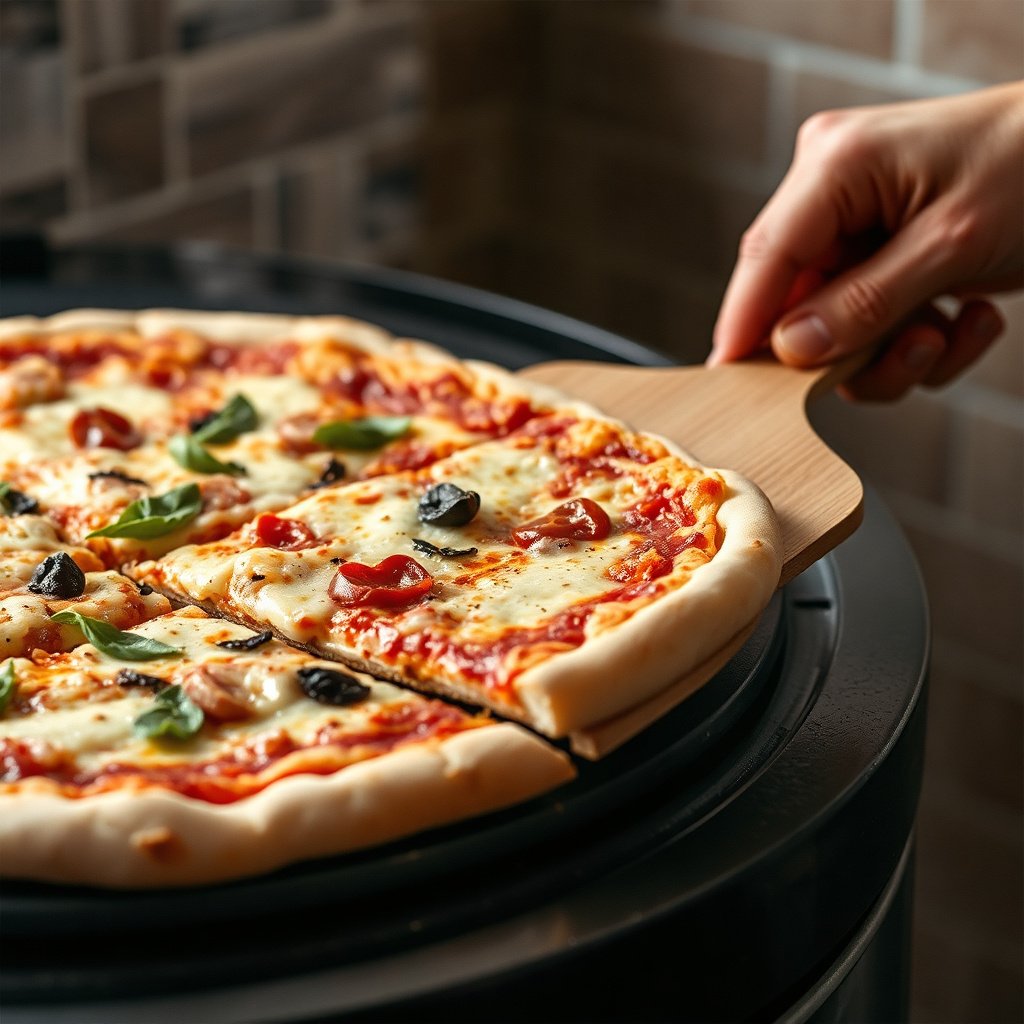
Using a Pizza Peel for Safe Handling
A pizza peel—a flat wooden or metal board with a handle—is essential to slide the pizza onto and off the hot stone safely. Lightly dust the peel with flour or cornmeal to prevent dough from sticking.
Gently shake the peel back and forth to loosen the pizza before sliding it onto the stone. For removal, use the peel to lift the pizza carefully to avoid burns or damage to the crust.
- Dust with flour or cornmeal
- Shake peel to loosen pizza
- Lift gently when removing
Alternatives to a Pizza Peel
If you don’t have a pizza peel, a rimless baking sheet or cutting board can be used as a platform to transfer the pizza. Just be sure to prepare it with flour or cornmeal and work quickly once the stone is hot to avoid dough sticking.
Using parchment paper underneath the pizza can facilitate sliding it onto the stone and later removing it without sticking or burning.
- Use rimless baking sheet
- Try parchment paper as a sling
- Prepare surfaces with flour or cornmeal
Baking Tips for Using a Pizza Stone

Optimal Baking Time and Monitoring
Typical pizzas bake on a stone for 7 to 12 minutes depending on thickness and toppings. Monitor the pizza closely after 6 minutes to prevent burning, especially with thin crusts or heavy toppings.
Rotate the pizza halfway through baking if your oven has hot spots to ensure even browning on the crust and cheese.
- Bake 7-12 minutes
- Check after 6 minutes
- Rotate pizza halfway
For more on this, see our related guide: How to Make Pizza at Home Fast and Easy with Perfect Dough and Baking Tips.
Handling Different Pizza Styles
Thicker crust or stuffed pizzas may need longer baking times or a slightly lower temperature to cook all the way through without burning the crust. Thin-crust pizzas benefit most from high heat and the stone’s radiant heat retention.
Adjust toppings moisture by draining or pre-cooking ingredients like vegetables or wet cheeses to avoid sogginess.
Cleaning and Maintenance of Your Pizza Stone

How to Clean Without Damaging
Allow the pizza stone to cool completely before cleaning it to avoid cracks from thermal shock. Use a stiff brush or scraper to remove stuck-on food gently. Avoid soap as the stone is porous and can absorb chemicals.
Rinse with warm water only and dry thoroughly before storing to prevent mold and odor buildup.
- Let stone cool fully
- Scrape with stiff brush or scraper
- No soap or detergents
- Dry completely after rinsing
Preventing Cracks and Breakage
Avoid drastic temperature changes by never placing a cold stone into a hot oven or immersing a hot stone in water. Store the stone in a dry place and never stack heavy items on top to prevent breakage.
Regular use will naturally season the stone and improve non-stick performance over time.
- Avoid rapid temperature changes
- Store stone flat and dry
- Do not stack heavy items on stone
Choosing the Right Pizza Stone for Your Oven
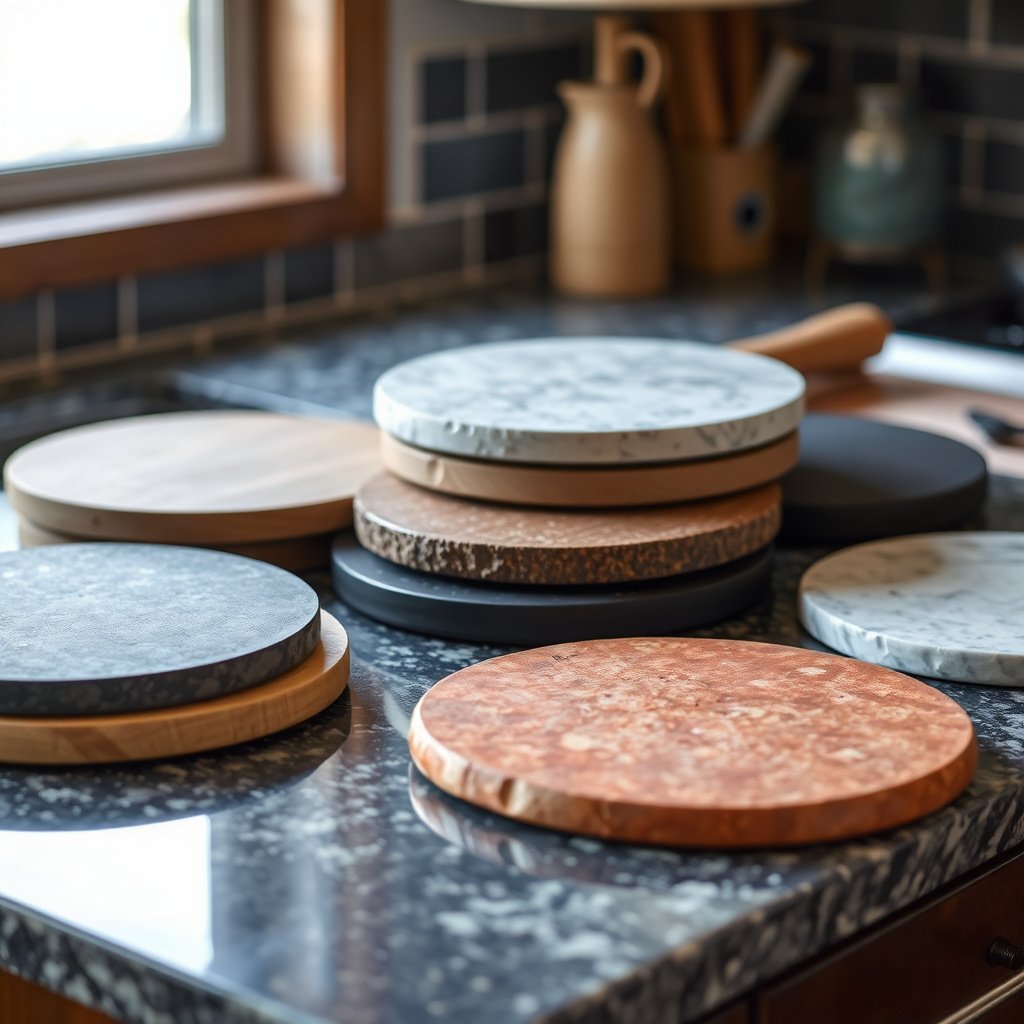
Material Types: Ceramic, Cordierite, and Steel
Ceramic stones heat evenly but can be fragile and prone to cracking, especially if thermal shock occurs. Cordierite stones are highly durable, withstand rapid temperature changes, and offer excellent heat retention.
Steel pizza stones conduct heat faster than ceramic or cordierite, resulting in extremely crisp crusts but can be heavier and more expensive.
- Ceramic: even heating, fragile
- Cordierite: durable, resistant to cracking
- Steel: fast heat conduction, heavy
For more on this, see our related guide: How to Make Homemade Pizza Dough: A Complete Guide with Pro Tips.
Size and Shape Considerations
Select a pizza stone size that fits comfortably inside your oven with some clearance for air circulation. Round stones are traditional, but rectangular stones maximize oven rack space and suit sheet pan pizzas.
Thicker stones hold heat longer but take more time to preheat; thinner options heat faster but may cool down more quickly.
- Match size to oven interior
- Round vs rectangular shape
- Consider thickness for heat retention
Enhancing Your Pizza Stone Experience

Best Flour or Cornmeal for Sliding Pizza
Dusting the pizza peel with semolina flour or fine cornmeal helps the dough slide easily onto the stone without sticking. Semolina adds a slightly gritty texture that minimizes friction better than regular flour.
Avoid heavy flour coatings that can burn on the stone and alter the pizza crust's flavor.
- Use semolina flour for dusting
- Cornmeal is a good alternative
- Avoid too much flour causing burnt spots
For a deeper understanding of pizza stones and their history, you can visit the pizza stone Wikipedia article. pizza stone Wikipedia article.
Preheating Tips Beyond the Stone
Place an empty metal baking sheet or cast iron skillet in the oven during preheating to create additional radiant heat, improving baking performance. This complements the pizza stone’s effect and helps cook toppings evenly.
Also, open the oven door as little as possible during baking to maintain temperature stability.
- Use extra metal pans for radiant heat
- Keep oven door closed during baking
Pizza Stone Material Comparison
Here’s a comparison of common pizza stone materials to help you select the best pizza stone for home oven use based on durability, heat retention, and price.
| Material | Durability | Heat Retention | Price Range | Weight |
|---|---|---|---|---|
| Ceramic | Low (prone to cracking) | Moderate | Low | Lightweight |
| Cordierite | High (resists thermal shock) | High | Medium | Moderate |
| Steel | Very High (almost unbreakable) | Very High (conductive) | High | Heavy |
| Cast Iron | High | High | Medium | Heavy |
Frequently Asked Questions
Can I use a pizza stone in a conventional oven?
Yes, pizza stones are designed for conventional ovens. Place the stone on a middle rack and preheat the oven fully to allow the stone to absorb heat for crisp cooking.
How do I prevent my pizza from sticking to the stone?
Dust the pizza peel with semolina flour or cornmeal before sliding the pizza onto the stone. Also, thoroughly preheat the stone to create a dry, hot surface that reduces sticking.
Can I wash my pizza stone with soap?
No, avoid soap as pizza stones are porous and can absorb detergents. Instead, scrape off residue once cooled and rinse with warm water only.
What is the best temperature to bake pizza on a stone?
Bake pizzas between 475°F and 500°F (245°C–260°C) for best results. This high heat helps achieve a crisp crust and properly cooked toppings.
Do pizza stones break easily?
They can crack if exposed to sudden temperature changes, such as putting a cold stone into a hot oven or washing it with cold water when hot. Proper handling reduces breakage risk.
Key Takeaways
- Preheat pizza stone at high temperature for at least 30 minutes
- Use a pizza peel dusted with semolina or cornmeal for easy transfer
- Avoid soap when cleaning and allow stone to cool fully before washing
- Choose stone material based on durability and heat retention needs
Conclusion
Mastering how to use a pizza stone hinges on proper preheating, handling, and maintenance. The stone’s ability to retain and evenly distribute heat plays a critical role in mimicking pizzeria-style baking at home. By treating your pizza stone with care and using the right techniques, you can consistently create crispy, delicious pizzas that rival those from commercial ovens. The decision also depends on matching your pizza baking preferences and oven capabilities with the appropriate stone material and size.
For those seeking durable, long-lasting tools, cordierite stones offer excellent resistance to cracking and solid heat retention, making them ideal for frequent bakers. If you desire rapid heat conduction and super crispy crusts, steel pizza stones provide a different baking experience but weigh more and come at higher costs. Beginners and casual users might find ceramic stones affordable but should handle them gently. Selecting the right pizza stone for home oven use ensures a satisfying cooking experience every time.
Start by ensuring your oven can accommodate the stone size you pick, dedicate time to thorough preheating, and consider investing in a good pizza peel to manage transfers safely. Regular cleaning using gentle scraping methods will keep your stone ready for the next pizza night. Try experimenting with various dough thicknesses and toppings to find your perfect homemade pizza formula using your pizza stone.