General Electric Dishwasher Parts: What to Know Before You Contact Them
Are you tired of dealing with a dishwasher that just isn’t cleaning like it used to? You’re not alone—many people struggle with finding the right parts or troubleshooting issues on their own. Knowing a bit about common components can make fixing your GE dishwasher much easier.
Before contacting General Electric for dishwasher parts, know that key components like racks, spray arms, filters, door seals, motors, pumps, and heating elements all play important roles in cleaning and drying.
You’ll want to check your model number for compatible parts and maintain filters and pumps regularly to avoid issues. Simple fixes like cleaning spray arms or resetting the system can solve common problems.
If you keep going, you’ll uncover helpful tips for troubleshooting and maintenance.
Key Takeaways
- Verify your GE dishwasher model number to make sure you’re ordering the right replacement parts.
- Get familiar with key parts like racks, spray arms, filters, and control panels so you can communicate clearly when needed.
- Keep filters and spray arms clean and maintained regularly to prevent clogs and keep your dishwasher running smoothly.
- Watch out for signs like strange noises or leaks to help diagnose problems before reaching out for support.
- Try simple fixes first, like checking the door latch or cleaning filters, to fix minor issues on your own.
What Makes General Electric Dishwashers Unique
What sets General Electric dishwashers apart? When you choose a GE dishwasher, you’re getting thoughtful design features that make using it easier and more effective.
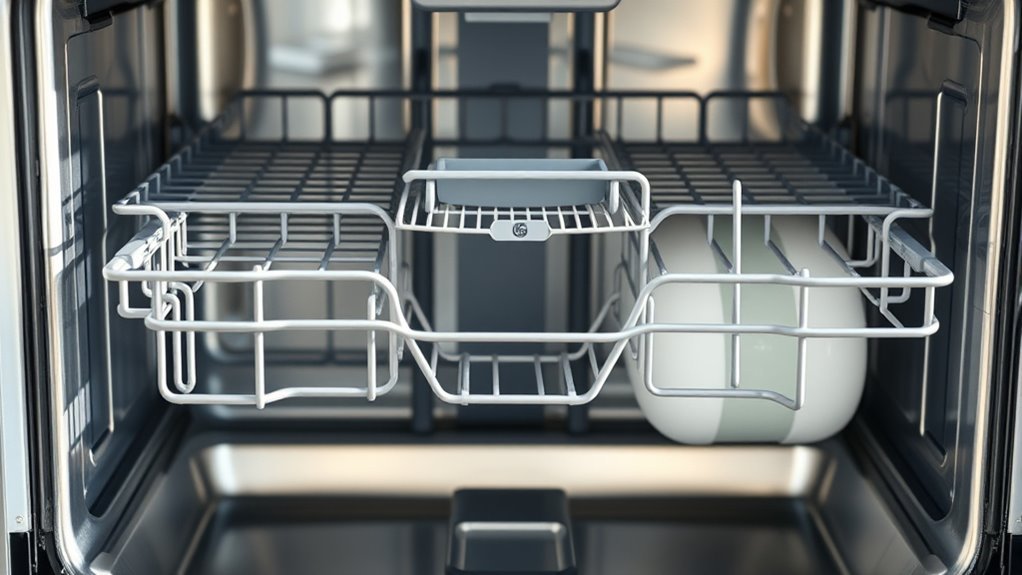
You’ll notice adjustable racks, flexible loading options, and special wash cycles made for different dishwashing needs. These features help you fit all kinds of dishes and ensure a thorough clean every time.
GE dishwashers also focus on energy efficiency. They use advanced technology to cut water and electricity use without losing cleaning power. This helps you save on utility bills and reduces your environmental impact. Many models meet or even exceed ENERGY STAR standards, making them a smart choice for eco-conscious households.
GE dishwashers combine advanced technology with energy efficiency to save on bills and protect the environment.
All these aspects show why GE dishwashers stand out—they deliver reliable, efficient cleaning combined with user-friendly design that easily fits into your kitchen routine.
Essential GE Dishwasher Parts Overview
Several key parts work together to make your GE dishwasher perform smoothly and efficiently. Understanding these essential dishwasher components helps you troubleshoot issues and find the right replacements easily.
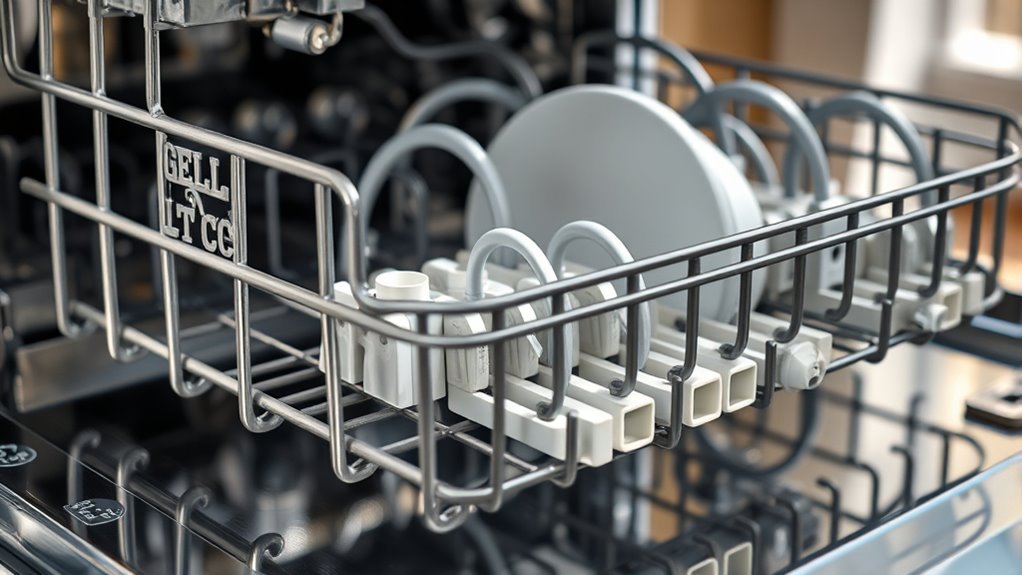
Common parts include racks, spray arms, door seals, control panels, and filters. Each plays an important role, from holding dishes securely to directing water flow and preventing leaks with a tight seal.
When looking for replacement parts, part compatibility is crucial. GE dishwashers come in various models, so a component that fits one might not work for another. Always check your model number before ordering to avoid mismatched parts.
Using compatible dishwasher parts ensures your appliance runs effectively and lasts longer. Being familiar with these parts also helps you communicate better with GE or parts suppliers, saving you time and hassle.
Motor and Pump: Powering Water Flow in Your GE Dishwasher
Your GE dishwasher’s motor is like the engine that powers the pump, helping to move water around so your dishes get clean. It’s pretty fascinating how this little part works behind the scenes to keep everything running smoothly.
Knowing a bit about the different types of motors can actually help you catch problems early on. And don’t forget—regular pump maintenance is key. It keeps the water flowing just right and can save you from some pretty costly repairs down the line.
Motor Function and Types
Although you might not see it, the motor plays an essential role in your GE dishwasher by driving the pump that circulates water throughout each wash cycle. The motor’s efficiency directly impacts how well your dishwasher cleans and how much energy it consumes.
GE dishwashers typically use induction motors known for their durability and quiet operation, which helps extend the motor lifespan. Some models might feature brushless motors, enhancing motor efficiency even further while reducing wear and tear.
Understanding the type of motor in your dishwasher helps you anticipate performance and potential issues. Keeping the motor functioning properly guarantees consistent water flow and thorough cleaning every time you run a cycle, making it a critical component in your dishwasher’s operation.
Pump Maintenance Tips
Because the pump works closely with the motor to power water flow, maintaining both is essential for your GE dishwasher’s performance. Start by setting a regular maintenance schedule to keep your pump in top shape.
During each pump inspection, check for debris or blockages that could hinder water movement. Also, look for signs of wear or damage on seals and impellers.
Cleaning the pump filter regularly prevents clogs and guarantees smooth operation. Don’t forget to examine electrical connections to avoid power issues.
Sticking to this maintenance schedule helps prevent costly repairs and extends your dishwasher’s lifespan. If you notice unusual noises or poor water flow, perform a prompt pump inspection.
Proper care keeps your dishwasher running efficiently and reliably.
Spray Arms: The Key to Cleaning in GE Dishwashers
Three spray arms work together in GE dishwashers to deliver powerful jets of water that tackle stubborn food residue on your dishes. To keep them working efficiently, regularly check for clogs and debris.
You can remove the spray arms easily for cleaning, making sure the holes are clear for ideal water flow. Sometimes, adjustments are needed if they don’t spin properly or hit all areas inside the tub.
Small tweaks can really improve your dishwasher’s cleaning performance. For example, check the spray arm parts and follow these tips:
| Spray Arm Part | Maintenance Tip |
|---|---|
| Upper Spray Arm | Clean holes monthly |
| Lower Spray Arm | Remove debris after each cycle |
| Middle Spray Arm | Check for cracks or damage |
| Spray Arm Bearings | Lubricate if squeaky |
| Spray Arm Nozzles | Clear clogs with a toothpick |
Regular upkeep of spray arms guarantees your GE dishwasher cleans thoroughly every time.
Filters and Drain System: Keeping Water Moving Smoothly
Keeping your dishwasher’s spray arms clean is just one part of guaranteeing top performance. Regular filter maintenance and drain cleaning are equally important to keep water flowing smoothly through your GE dishwasher.
The filter traps food particles and debris, preventing clogs and ensuring efficient drainage. If you skip filter care, debris can build up, causing water to pool or drain slowly. Remove and rinse the filter under running water every few weeks to keep it in good shape.
Drain cleaning is just as essential. A clogged drain can cause bad odors and poor water circulation. Check the drain area for blockages and clear away any food scraps or residue.
Keeping both the filter and drain system clean helps your dishwasher run efficiently, lasts longer, and saves you from costly repairs. Don’t wait until drainage issues pop up—regular upkeep makes things easier and hassle-free.
How the Control Panel Runs Your GE Dishwasher
While the dishwasher’s internal components handle cleaning, the control panel lets you take charge of every cycle. The control panel is designed to make your experience simple. It acts as a command center, letting you select wash cycles, adjust settings, and monitor progress.
With easy-to-use buttons or touchpads, you’ll find everything clearly labeled for quick navigation. Some models even have LED displays or indicator lights that show cycle status or error codes. This makes it simple to understand what your dishwasher is doing.
The control panel communicates with the internal systems to ensure your chosen settings are carried out accurately. Whether you want a quick wash, heavy-duty cycle, or delay start, it responds immediately. If any issues come up, it can alert you to problems so you know when maintenance is needed.
Understanding how the control panel works can help you troubleshoot minor issues before calling for support. This makes your dishwasher more reliable and user-friendly.
Heating Element’s Role in GE Dishwasher Drying
Efficiency is key to how well your GE dishwasher dries dishes, and the heating element is at the center of this process. It heats the air inside the dishwasher during the drying cycle, helping water evaporate faster from your dishes. Without a properly working heating element, drying becomes less effective, and your dishes may end up wet or spotted.
Here’s a simple breakdown of what the heating element does:
| Function | Impact on Drying | Result |
|---|---|---|
| Heats air inside the tub | Speeds up water evaporation | Faster drying times |
| Maintains temperature | Ensures consistent drying | Even drying across dishes |
| Works with fans | Circulates warm air | Better moisture removal |
| Activates during drying | Saves energy by timing use | Energy-efficient operation |
Knowing this helps you understand why the heating element is so important for drying efficiency and overall dishwasher performance.
Common Signs of GE Dishwasher Problems
If your GE dishwasher suddenly starts making strange noises, that’s usually a good sign something’s not quite right. It can be pretty annoying, but it’s also a heads-up that you should take a closer look.
You might also notice that your dishes aren’t coming out as clean as they used to, or maybe you see water pooling around the base of the appliance. These little signs can indicate there’s a problem brewing inside.
It’s best to check the parts and get things fixed early on, so you can avoid bigger issues down the line. A quick inspection now can save you a lot of hassle later!
Unusual Noises During Operation
When your GE dishwasher starts making unusual noises during operation, it’s a clear sign that something isn’t right. Common noise sources include a clogged spray arm, loose or worn-out pump motor bearings, or debris caught in the drain pump.
You might also hear grinding sounds if the chopper blade is damaged or blocked. To troubleshoot, first check for any visible obstructions inside the dishwasher. Next, inspect the spray arms for blockages and make sure they spin freely.
Listen closely to pinpoint where the noise comes from—motor area, spray arms, or drain pump. If you find debris, clear it out carefully. Following these tips can help you spot minor issues before they turn into bigger problems, saving you time and money on repairs.
Incomplete Dish Cleaning
Unusual noises often signal underlying issues that can also affect how well your dishwasher cleans. If you notice your dishes coming out dirty or spotty, it’s time to review your dishwashing techniques.
Overloading the dishwasher or improper loading can block spray arms, reducing water flow and cleaning efficiency. Make sure you’re using the right detergent and that the water temperature is hot enough for effective cleaning.
Clogged filters or spray arms are common culprits, so inspect and clean them regularly. Another troubleshooting tip is to check the dishwasher’s drainage; poor drainage can leave residue on dishes.
Water Leakage Issues
Water leakage in your GE dishwasher often signals worn seals, damaged hoses, or loose connections that need immediate attention. Ignoring these signs can cause water damage and reduce your dishwasher’s efficiency. You should perform regular leak detection and address issues promptly. Repair solutions may include replacing faulty door gaskets, tightening clamps, or fixing cracked hoses.
| Common Leak Causes | Repair Solutions |
|---|---|
| Worn door seals | Replace with new gasket |
| Damaged water hoses | Install new hose |
| Loose connections | Tighten or reseal joints |
| Clogged drain pump | Clean or replace pump |
Quick detection helps prevent costly repairs. Stay proactive to keep your GE dishwasher leak-free and running smoothly.
Simple Fixes You Can Try Before Calling Support
Before you reach out for support, you can often fix common dishwasher problems with a few simple checks and adjustments. Start with basic troubleshooting: make sure the door latch is secure, since a loose latch can stop the cycle from starting.
Check the spray arms for clogs or debris that could block water flow. Cleaning the filter regularly helps prevent buildup that can impact performance. Also, ensure the water supply valve is fully open.
For quick fixes, inspect the detergent dispenser to see if it’s jammed or broken. Sometimes, unplugging the dishwasher for a few minutes can reset it and clear minor electronic glitches. Look for any leaks around door seals and replace worn gaskets if needed.
These easy steps often fix common issues without needing professional help, saving you time and money before calling GE support.
When to Contact GE Customer Service or a Technician
How do you know when it’s time to call GE Customer Service or a technician? If you’ve tried basic troubleshooting tips like checking for clogs, resetting the dishwasher, or inspecting the door latch and the problem persists, it’s a clear sign to reach out.
Also, if you notice unusual noises, persistent error codes, or water leaks, don’t wait—contact customer service promptly. They can guide you through advanced troubleshooting or help schedule a professional repair.
Avoid attempting complex repairs yourself, as this might void your warranty or cause further damage. When you call, have your model number and a detailed description of the issue ready; this helps customer service assist you efficiently.
Frequently Asked Questions
Are GE Dishwasher Parts Compatible With Other Dishwasher Brands?
GE parts compatibility with other dishwasher brands is generally limited. You shouldn’t assume GE dishwasher parts will fit or work with different dishwasher brands because manufacturers design parts specifically for their models.
Trying to mix parts can lead to installation issues or poor performance. It’s best to check part numbers and specifications carefully or ask professionals to make sure you get the right GE parts for your dishwasher.
Where Can I Buy GEnuine GE Dishwasher Replacement Parts?
You know what they say: “Don’t put off until tomorrow what you can do today.” To get genuine GE dishwasher replacement parts, start with official sources like GE’s website or authorized dealers.
You can also check trusted online retailers like Amazon or RepairClinic, which offer verified parts. Always compare prices and verify authenticity to avoid counterfeit components.
This way, you’ll keep your dishwasher running smoothly without any hassle.
How Long Is the Warranty on GE Dishwasher Parts?
The warranty coverage on GE dishwasher parts usually lasts one year from the purchase date. To keep your parts protected, make sure to register your warranty as soon as you buy them.
This way, you can easily claim repairs or replacements if something goes wrong during the coverage period. Always check the specific warranty details for your part, since some components might have different terms or conditions.
Can I Upgrade My GE Dishwasher With Newer Parts?
Yes, you can upgrade your GE dishwasher with newer parts, but you’ll want to check compatibility carefully. Not all upgrades fit every model, so it’s important to verify that the new parts match your dishwasher’s specifications.
Using compatible parts ensures your upgrade works smoothly and helps avoid potential damage. Always double-check your model number and follow the manufacturer’s guidelines before buying to make sure the parts will fit and work properly.
Do GE Dishwashers Have Energy-Efficient Part Options?
Yes, GE dishwashers offer energy-efficient part options designed to boost energy savings. When you choose these parts, you’re tapping into eco-friendly features like advanced sensors and efficient motors that reduce water and electricity use.
Upgrading with these components helps lower your utility bills and shrink your environmental footprint. So, if you want a greener, more cost-effective dishwasher, opting for energy-saving GE parts is a smart move.
Conclusion
Regarding your GE dishwasher, knowing the key parts helps you tackle minor issues confidently. Remember, “a stitch in time saves nine”—address small problems early to avoid costly repairs.
You can try simple fixes yourself, like checking the door latch or cleaning filters. But don’t hesitate to reach out to GE support or a technician if things get complicated.
Staying informed about parts like the pump, motor, and spray arms means your dishwasher will keep running smoothly. This saves you time and hassle in the long run.