How to Use a Muddler: A Simple Guide to Crafting Perfect Cocktails
Using a muddler is essential for bringing out the fresh flavors in many classic cocktails. A muddler helps crush fruits, herbs, and spices to release their oils and juices, providing a richer, more aromatic drink experience. By properly muddling ingredients like mint leaves or lime wedges, you can significantly elevate the taste of your cocktails.
Many bartenders rely on a muddler to maximize the flavor profile of their drinks, including mojitos, old fashioneds, and caipirinhas. Knowing how to use a muddler correctly ensures you don't over-muddle, which can cause bitterness, or under-muddle, which can make flavors bland. This tool gives you control over how much flavor you extract and when to stop.
This guide will explain the basics of using a muddler, including choosing the right muddler for different ingredients, techniques for effective muddling, and common mistakes to avoid. By the end, you’ll be ready to confidently use this versatile bar tool to enhance your cocktail-making skills.
Choosing the Right Muddler for Your Cocktails

Material and Design Options
Muddlers come in different materials such as wood, stainless steel, and plastic. Wooden muddlers provide a classic feel and are gentle on glassware, while stainless steel muddlers offer durability and easy cleaning. Plastic muddlers may be lightweight and colorful but often lack long-term durability.
The design can also affect your muddling. A muddler with a textured or toothed end helps crush ingredients more effectively, whereas a smooth end is better when gently pressing herbs or soft fruits.
- Wood: classic, gentle grip, natural feel
- Stainless steel: durable, easy to sanitize
- Plastic: affordable, lightweight but less durable
- Textured vs. smooth end for different muddling needs
Size and Grip Considerations
A muddler should fit comfortably in your hand for good control. Most muddlers range from 6 to 10 inches long. Longer muddlers are suited for tall glasses, while shorter ones work well in standard rocks or old-fashioned glasses.
Grip comfort is important, especially if you’re muddling multiple drinks. Some muddlers have ergonomic handles or rubber grips to prevent slipping during use.
- Length appropriate for glass size
- Ergonomic handle for better control
- Non-slip grips to prevent accidents
Step-by-Step Muddling Techniques

Preparing Ingredients Before Muddling
Before muddling, gently wash fresh herbs like mint or basil and pat them dry to prevent wilting. Cut fruits into small wedges or slices to make crushing easier and more uniform.
Avoid overloading your glass with too many ingredients at once, as this can make muddling inconsistent. Start with a few pieces and add more if necessary.
- Wash and dry herbs carefully
- Cut fruits into manageable pieces
- Add ingredients in small batches
The Proper Muddling Motion
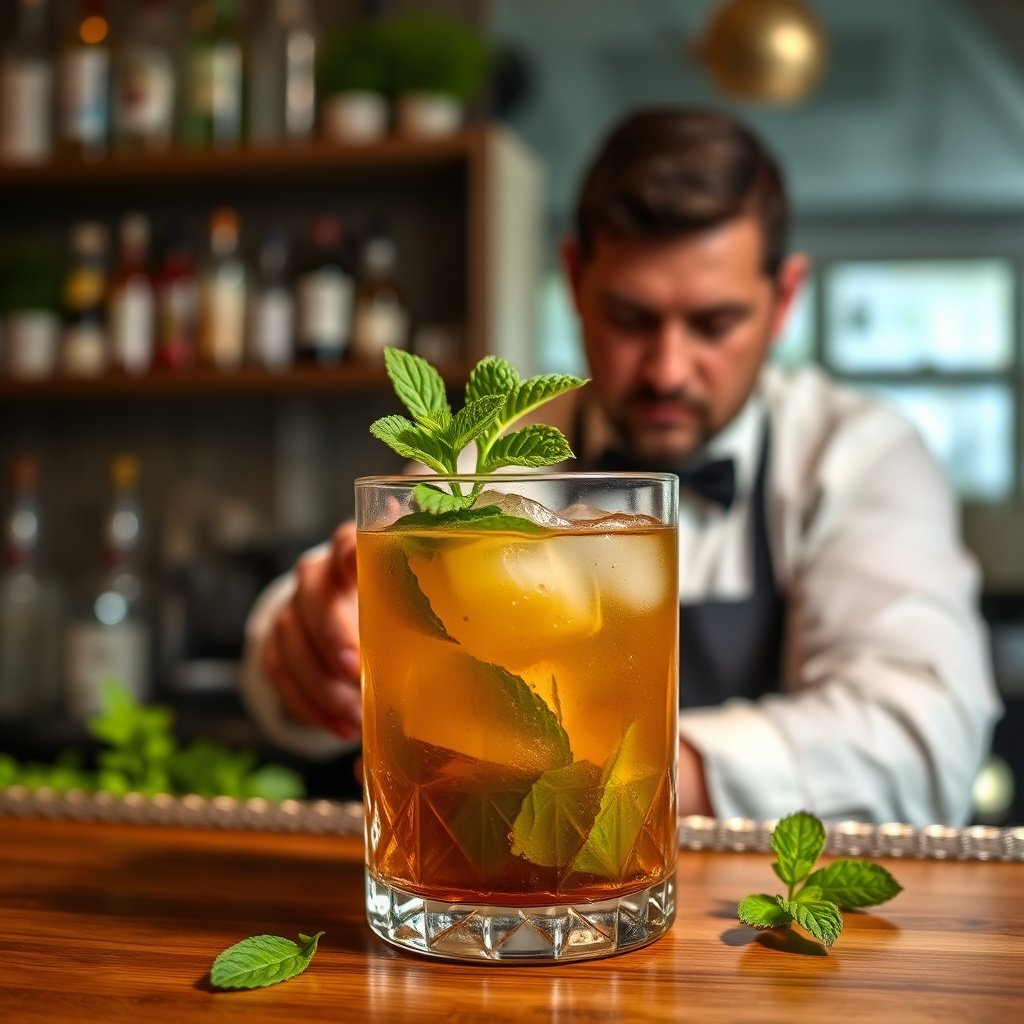
Use a gentle pressing and twisting motion rather than aggressive pounding. Press down lightly and roll the muddler to crush herbs or fruits, releasing oils without pulverizing them into mush. Over-muddling herbs can result in bitterness from broken stems.
Focus on the aromatic parts of the ingredients, such as mint leaves or lime peels, and muddle just enough to release essential oils and juices for balanced flavor.
- Press and twist, avoid pounding
- Muddle herbs gently to prevent bitterness
- Release oils without pulverizing
Common Mistakes to Avoid When Using a Muddler
Over-Muddling and Its Effects
Over-muddling herbs or fruits can crush stems and seeds, releasing unpleasant bitter flavors. This can overpower the drink’s intended balance and make the cocktail taste harsh or grassy.
To avoid this, use just enough pressure to release flavors and stop once you notice a fragrant aroma or visible juice extraction. Keep an eye on the texture of muddled ingredients as you go.
- Avoid crushing stems and seeds
- Stop when aroma and juices release
- Monitor ingredient texture during muddling
Using the Wrong Glassware or Muddler
Using too large or small a muddler for your glass can cause spills or damage to the glass. Also, muddling directly in fragile glass can lead to cracks if excessive force is used.
Consider using a sturdy mixing glass or shaker tin for muddling if your glassware is thin or delicate. Matching muddler size to glass height ensures better control and safety.
- Match muddler size to glass height
- Use sturdy glass or shaker for muddling
- Apply moderate force to avoid damage
Cleaning and Maintaining Your Muddler

Cleaning Techniques for Different Materials
Wooden muddlers should be hand-washed with mild soap and warm water to prevent warping or cracking. Avoid soaking wooden muddlers for prolonged periods. Stainless steel muddler can usually be cleaned in a dishwasher or hand-washed for longevity.
Plastic muddlers require basic cleaning but check for scratches that can harbor bacteria. Regular cleaning maintains hygiene and prevents flavor contamination between uses.
- Wood: hand wash, no soaking
- Stainless steel: dishwasher safe or hand wash
- Plastic: inspect for scratches regularly
Proper Storage Tips
Store muddlers in a dry place to prevent mold or rust. Wooden muddlers last longer if periodically treated with food-safe mineral oil to maintain moisture and prevent cracking.
Avoid storing muddlers in humid or damp drawer corners. Keeping them with other bar tools in an organized rack reduces damage and ensures quick access.
- Keep dry and avoid damp areas
- Treat wooden muddlers with mineral oil occasionally
- Store with bar tools in organized rack
Advanced Uses for a Muddler in Cocktail Making

Muddling Herbs and Spices for Complex Flavors
Beyond standard mint or citrus, bartenders often muddle spices like cardamom pods, peppercorns, or fresh ginger for added depth. Light muddling releases essential oils without overpowering the drink.
Experimenting with different herb and spice combinations opens creative possibilities for signature cocktails that stand out with unique aromatic profiles.
- Use light muddling for spices
- Combine multiple herbs for signature blends
- Adjust pressure based on ingredient hardness
For a deeper look at the history and variations of muddlers, you can visit the Muddler information on Wikipedia. Muddler information on Wikipedia.
Using a Muddler in Different Cocktail Styles
Muddling plays a key role in cocktails like mojitos, juleps, and caipirinhas, but can also be used in craft cocktails involving fresh berries, cucumbers, or jalapeños. Each ingredient requires tailored muddling technique for best results.
Understanding flavors and textures helps you decide when and how to muddle within the cocktail preparation steps, balancing taste with drink clarity and presentation.
- Mojitos: muddle mint and lime
- Juleps: muddle mint with sugar
- Caipirinhas: muddle lime wedges with sugar
- Creative cocktails: berries and herb muddling techniques
Muddler Types and Their Uses Comparison
Compare various muddler types based on material, durability, grip, and ideal uses to find the best option for your cocktail needs.
| Type | Material | Durability | Best Use | Cleaning Ease |
|---|---|---|---|---|
| Classic Wooden Muddler | Wood | Moderate | Gentle muddling of herbs and soft fruits | Hand wash only, avoid soaking |
| Stainless Steel Muddler | Stainless Steel | High | Heavy-duty muddling, including tougher ingredients | Dishwasher safe or hand wash |
| Plastic Muddler | Plastic | Low to Moderate | Light muddling, beginners, casual use | Simple hand wash |
| Textured End Muddler | Wood or Metal | Moderate to High | Effective crushing of seeds and tougher items | Varies by material |
| Smooth End Muddler | Wood or Metal | Moderate to High | Gentle pressing, ideal for delicate herbs | Varies by material |
Frequently Asked Questions
Can I use a spoon instead of a muddler?
While a spoon can crush some ingredients gently, it lacks the surface area and grip of a muddler, making muddling less efficient and more uneven. For consistent results, a dedicated muddler is preferred.
How do I prevent mint leaves from turning bitter when muddling?
Use a gentle pressing and twisting motion rather than pounding. Avoid over-muddling stems or bruising leaves too aggressively, which releases bitter tannins and ruins the flavor.
Is it necessary to muddle all cocktails with fresh ingredients?
Not all cocktails require muddling. Muddling is used primarily when extracting flavors from fresh herbs, fruits, or spices to enhance taste. Many cocktails rely on shaking, stirring, or blending instead.
How often should I replace my muddler?
Replace your muddler if it becomes cracked, excessively worn, or develops an unpleasant odor. Proper cleaning and maintenance can extend its lifespan significantly.
Can muddlers damage glassware?
If excessive force is used or if you muddle in thin, delicate glasses, there is a risk of damage or cracking. Using a sturdy mixing glass or shaker tin is safer when applying firm pressure.
Key Takeaways
- Use gentle pressing and twisting to avoid bitterness when muddling herbs.
- Choose a muddler material and size based on your typical cocktail glass and ingredients.
- Clean and store your muddler properly to extend its lifespan.
- Experiment with different ingredients to enhance cocktail complexity using muddling.
Conclusion
Mastering the use of a muddler involves understanding both the tool and the ingredients you’re working with. The goal is to extract the essential oils and fresh juices that amplify your cocktail’s flavor without crushing ingredients to a pulp. This balance requires practice and attention to texture, pressure, and motion, allowing you to make drinks that are vibrant and evenly flavored.
Different muddlers suit different styles of cocktails. For example, wooden muddlers work best for gentle herb muddling in mojitos, while stainless steel muddlers handle robust crushing like in caipirinhas with ease. If you prefer lighter, aromatic herbal cocktails, a smooth-ended muddler is ideal. Experiment with the techniques described here to find what best complements your favorite drink recipes.
Start by selecting a muddler tailored to your usual cocktail preferences and practice the recommended techniques on simple recipes like mint juleps or old fashioneds. With care in cleaning and storage, your muddler will remain a reliable and enjoyable tool. Soon, muddling will become a natural step in your bartending routine, adding fresh flavor and a personal touch to every glass.