How to Use a Bar Spoon Like a Professional Bartender
Using a bar spoon properly is key to mixing cocktails with precision and style. A bar spoon helps control stirring speed, creates layered drinks, and assists in muddling ingredients, making it an essential tool behind the bar.
Whether you’re crafting a classic Manhattan or an intricate layered cocktail, mastering the bar spoon can elevate your drink‘s texture and presentation. Its long handle and twisted shaft are designed for functionality that hand spoons or regular spoons can’t match.
This article will walk you through the basics of how to use a bar spoon, explore its parts, detail stirring techniques, explain layering drinks, and offer tips for choosing the best bar spoon for cocktails to improve your bartending skills.
Understanding the Bar Spoon: Design and Uses
Parts of a Bar Spoon and Their Functions
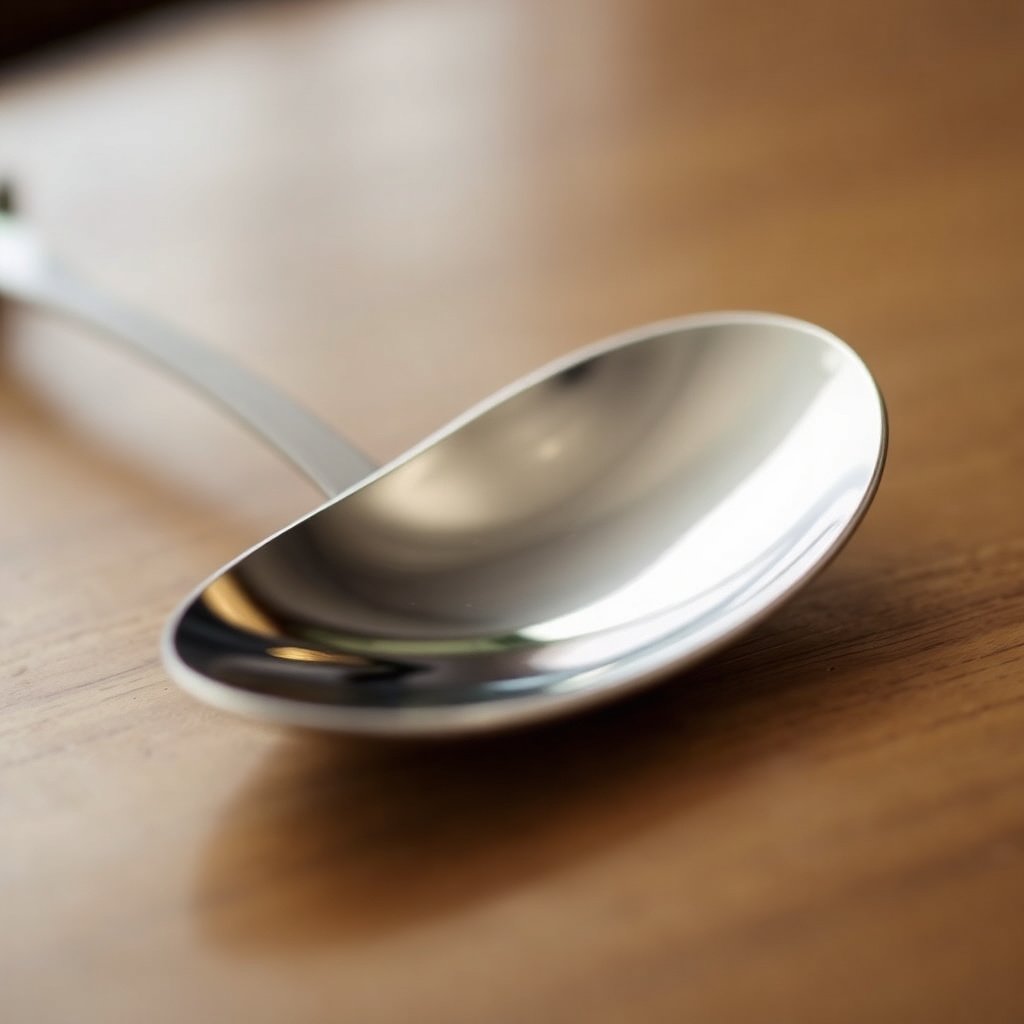
A typical bar spoon has three main parts: a long slender handle, a twisted shaft, and a small spoon bowl at one end. The handle provides reach into tall mixing glasses or shakers, while the twisted shaft helps with better grip and smooth stirring.
The other end often features a flat disc or muddler head for light muddling or layering. Understanding these parts helps bartenders utilize the spoon’s design to manipulate ingredients efficiently in cocktail making.
- Long handle for reaching into tall glasses
- Twisted shaft to improve grip and stirring control
- Small spoon bowl for mixing and measuring
- Flat disc or muddler end for delicate muddling and layering
Common Uses of a Bar Spoon in Cocktail Making
Bar spoons are primarily used for stirring cocktails gently to preserve clarity and prevent dilution. They also aid in building layered drinks by controlling pour speed and direction, and allow light muddling of herbs or fruits.
Beyond stirring, the bar spoon’s precise size makes it useful for measuring small amounts of ingredients or transferring garnishes. Its versatility is why professional bartenders consider it indispensable behind the bar.
Mastering Stirring Techniques with a Bar Spoon
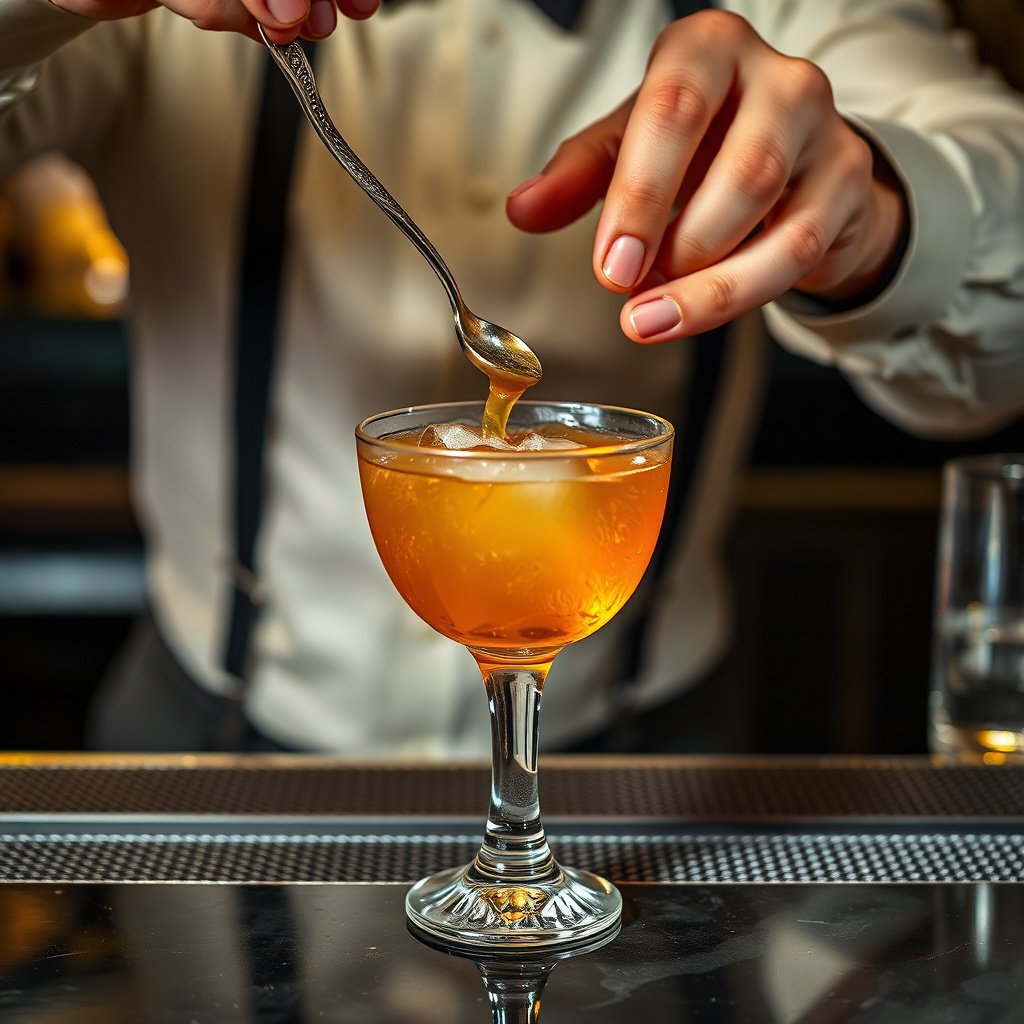
Proper Hand Placement and Movements for Stirring
Hold the bar spoon between your thumb and forefinger near the top of the handle to achieve smooth control. Keeping your wrist steady, use your fingers to rotate the spoon around the glass’s interior.
Stir slowly and steadily, swirling the liquid without splashing or introducing excess air. The twisted handle should spin gently along the inside wall, distributing ingredients evenly while chilling the drink without over-dilution.
- Hold near the top of the handle
- Rotate spoon with your fingers, not the wrist
- Use slow, smooth circular motions
- Stir against the glass interior for control
Avoiding Common Stirring Mistakes
Using too much force or stirring too quickly can break down the ice too fast, causing dilution and ruining texture. Avoid lifting the spoon out mid-stir to prevent splashes that disrupt clarity.
Keep the spoon’s bowl submerged and avoid scraping glass bottoms which can introduce unwanted shavings or affect taste. Practicing steady, gentle movements will enhance the final cocktail’s quality.
Techniques for Layering Drinks Using a Bar Spoon

How to Use the Bar Spoon for Drink Layering
To create layered cocktails, turn the bar spoon upside down and hold its back just above the glass. Slowly pour the liquid over the spoon’s back, letting it cascade gently onto the drink below without mixing layers.
The spoon diffuses the flow, allowing denser liquids to settle below lighter ones, crafting distinct and visually appealing layers in the glass.
- Hold spoon’s back near glass rim
- Pour slowly over spoon to control flow
- Use liquids with different densities
- Maintain steady hand to avoid mixing
For more on this, see our related guide: What Is a Growler? A Complete Guide to Craft Beer Storage & Use.
Tips for Layering Classic Cocktails
Choose ingredients with noticeable density differences, such as grenadine, cream liqueurs, and spirits. Practice pouring speeds and angles with water first to get a feel for layering flow.
Start with the densest liquid at the bottom and work upward. Patience and a steady hand are essential to forming crisp layers without blending.
- Use ingredients ordered from heaviest to lightest
- Pour slowly and steadily over spoon
- Avoid shaking after layering to preserve layers
Selecting the Best Bar Spoon for Cocktails
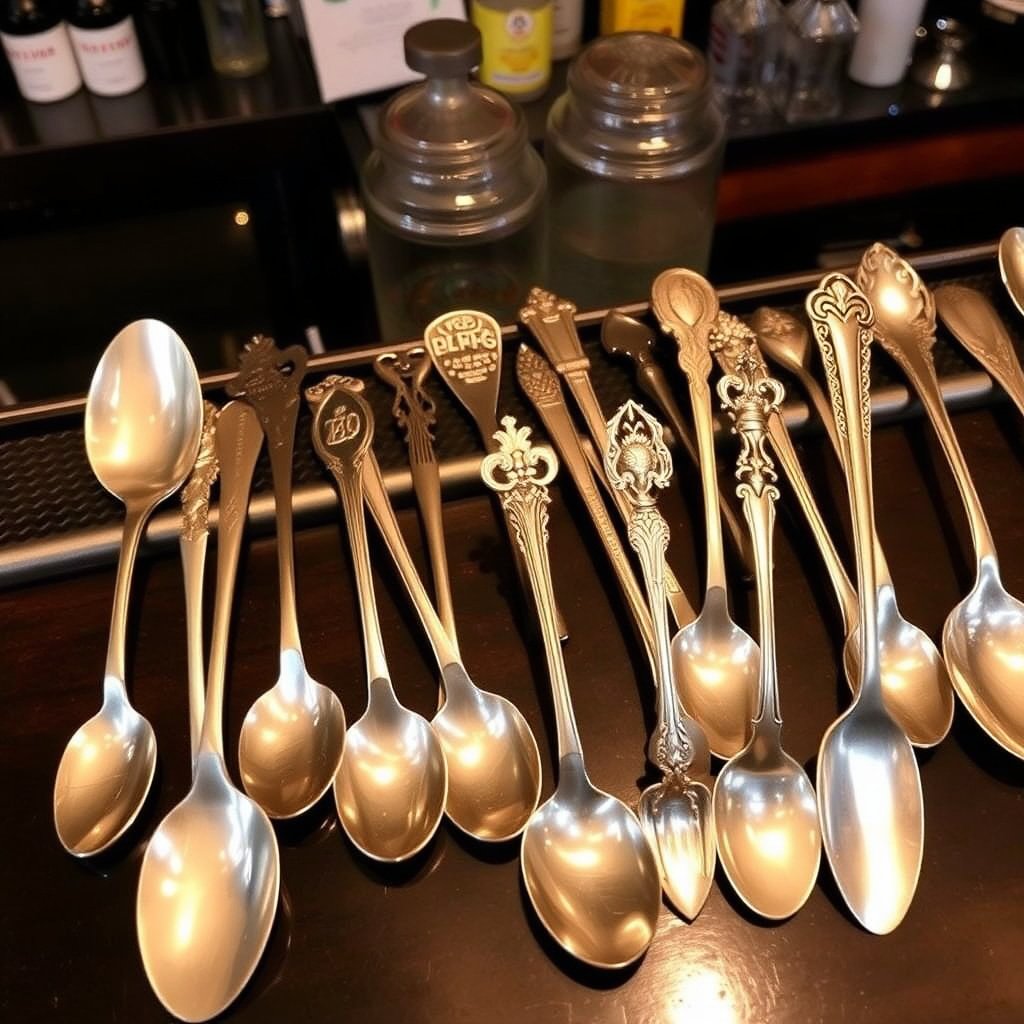
Materials and Length to Suit Your Needs
Stainless steel bar spoons resist corrosion and provide a sleek look, while some come with copper or gold plating for style. The standard length is about 10-12 inches, ideal for most glass sizes, but longer spoons help with taller vessels.
Choose a material and length that feels comfortable in your hand and matches the types of glasses you use most often.
- Stainless steel for durability
- Plated options for aesthetic appeal
- 10-12 inch length for versatility
- Longer spoons for tall mixing glasses
Special Features to Consider
Some bar spoons have tapered or weighted handles for better balance. Others feature flat discs for muddling or twisted shafts designed specifically to improve flow when stirring.
Considering these extras can elevate your experience and efficiency when stirring, layering, or measuring with your bar spoon.
- Weighted handles for control
- Twisted shafts for smooth stirring
- Flat discs for layering and muddling
- Detailed grips for comfort
Common Mistakes When Using a Bar Spoon and How to Fix Them
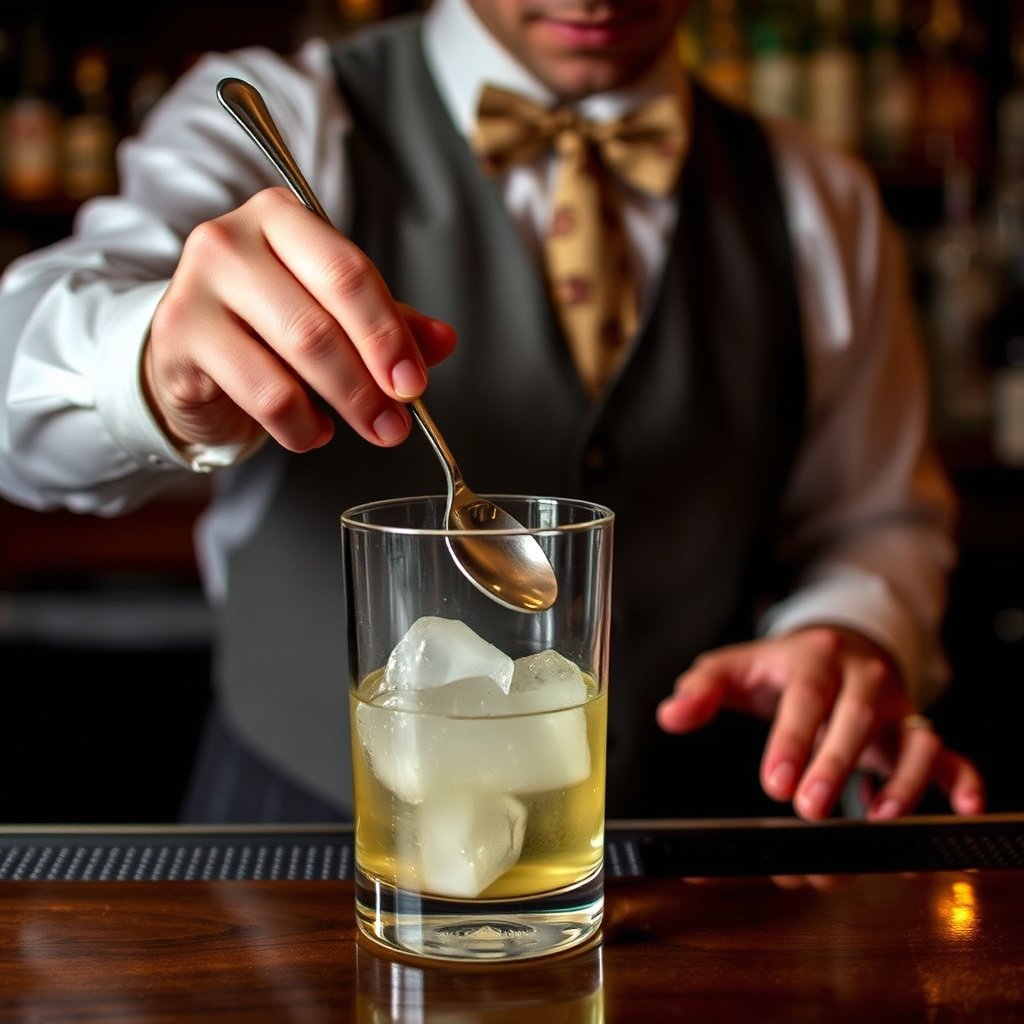
Over-Stirring and Under-Stirring
Stirring too long or too quickly melts ice excessively, diluting the cocktail’s flavor. Under-stirring can leave the drink unevenly mixed and cold spots in the glass.
Aim for about 20-30 smooth rotations per cocktail and pay attention to the sound and feel of the ice as you stir to get it just right.
- Limit stirring to 20-30 rotations
- Watch ice melt for balance
- Use gentle finger movement, not force
For more on this, see our related guide: What Is the Difference Between Ribeye and New York Strip? A Complete Guide with Cooking Tips.
Incorrect Use of the Spoon for Layering
Pouring too quickly or holding the spoon too far above the glass causes liquids to mix rather than layer. Avoid shaking or stirring after layering to keep layers distinct.
Practice pouring gently and positioning the spoon close to the glass rim for a smooth layering effect.
Maintenance and Cleaning Tips for Your Bar Spoon
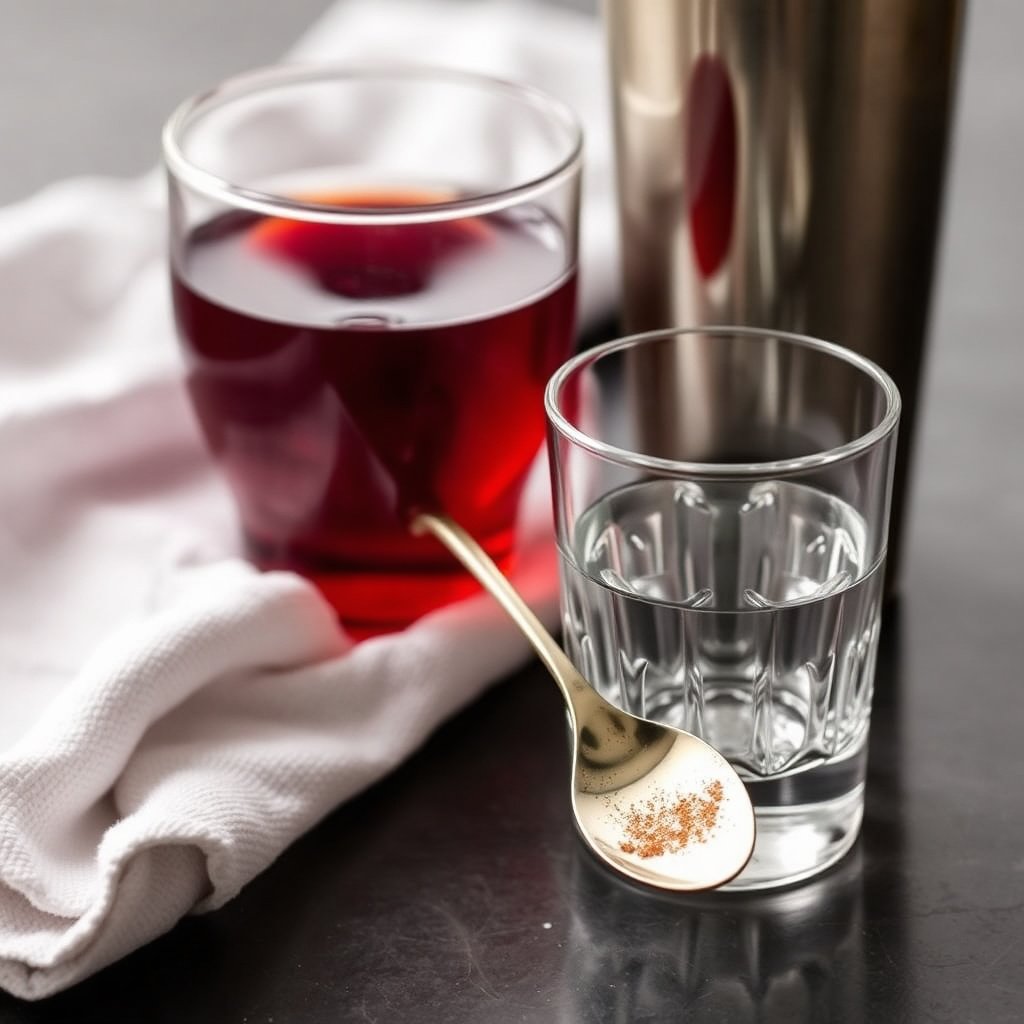
Proper Cleaning Techniques
Wash your bar spoon promptly after use with warm soapy water to prevent residue buildup and stains. Avoid harsh scrubbing that can damage plating or finishes.
Hand washing is preferred, but some stainless steel spoons can be safely run through the dishwasher if manufacturer guidelines allow.
- Use warm soapy water
- Avoid abrasive scrubbers
- Rinse thoroughly to remove all soap
- Dry immediately to prevent water spots
For further details on the history and design of bar spoons, you can explore bar spoon techniques on Wikipedia. bar spoon techniques on Wikipedia.
Storing and Maintaining Shine
Store bar spoons separately or in a utensil holder to prevent scratches. Polishing occasionally with a soft cloth preserves shine on metallic finishes and removes fingerprints.
Proper storage extends the life of your bar spoon and keeps it looking professional for years of cocktail crafting.
- Use soft cloth for polishing
- Keep in a dedicated holder
- Avoid stacking with heavy utensils
Comparison of Bar Spoon Types and Features
Here’s how different bar spoons compare by material, length, and special features to help you pick one that fits your bartending style.
| Type | Material | Length (inches) | Special Features | Price Range (USD) |
|---|---|---|---|---|
| Classic Twisted Handle | Stainless Steel | 12 | Twisted shaft, flat disc end | $10–$20 |
| Weighted Handle Spoon | Copper-plated Steel | 11 | Weighted handle for balance | $15–$25 |
| Long Bartender Spoon | Stainless Steel | 14 | Longer length for tall glasses | $12–$22 |
| Gold Plated Spoon Set | Gold-plated Stainless Steel | 12 | Aesthetic finish, twisted shaft | $20–$40 |
| Multi-Function Spoon | Stainless Steel | 11 | Twisted handle, muddler disc, strainer | $18–$30 |
Frequently Asked Questions
Can I use a regular spoon instead of a bar spoon?
Regular spoons lack the length and twisted handle design, making stirring less controlled and layering more difficult. A bar spoon is specialized for cocktail tasks and offers better precision.
How do I know when I’ve stirred a cocktail enough?
Typically, 20-30 slow, smooth rotations around the glass are sufficient. Ice should feel cold but not overly melted, and the drink should be evenly chilled and mixed.
Is it necessary to clean my bar spoon after every use?
Yes, cleaning after each use prevents residue buildup and maintains hygiene. It also keeps the spoon looking professional and functioning well for future drinks.
What is the difference between the twisted handle and straight handle spoons?
The twisted handle improves grip and creates smoother stirring motions by reducing resistance along the glass. Straight handles may be simpler but offer less control during mixing.
Can a bar spoon be used for muddling herbs?
The flat or disc end of many bar spoons can be used for gentle muddling of light ingredients like herbs or citrus peels, though a dedicated muddler is better for heavier work.
Key Takeaways
- A bar spoon’s long handle and twisted shaft enable precise stirring and layering.
- Proper technique involves smooth, controlled finger rotations rather than forceful stirring.
- Layer drinks by pouring slowly over the back of the spoon held near the glass rim.
- Choosing quality materials and features enhances bartending comfort and performance.
Conclusion
Mastering how to use a bar spoon requires understanding both its design and practical application. The bar spoon is more than a simple stirring tool—it’s engineered to control mixing speed, protect ingredient integrity, and create visual effects like layering that elevate a cocktail’s presentation. Focusing on gentle rotations, correct hand positioning, and careful layering techniques helps bartenders of all levels deliver drinks with consistency and polish. Paying attention to details such as using the twisted handle for grip and the muddler end for light crushing adds to the tool’s utility beyond simple stirring.
For casual home bartenders or professionals, choosing the best bar spoon for cocktails involves balancing comfort, length, and features. For instance, classic twisted handle spoons offer versatility, while weighted handles give extra balance for finesse in stirring. Longer spoons suit tall glasses, and plated finishes enhance aesthetics if presentation matters. Experimenting with layering techniques using the flat disc end improves visual appeal in cocktails like pousse cafés or layered shooters. Following basic stirring and layering concepts with the right bar spoon brings cocktails up from basic mixes to carefully crafted drinks.
Next steps include picking a durable, comfortable bar spoon that matches your glassware size and practicing stirring with slow, consistent motions. Test layering with different liquid densities to develop a steady hand. Regular maintenance like prompt cleaning and polishing prolongs your spoon’s lifespan and performance. Armed with these skills and the right tool, you’ll find your cocktail crafting smoother, more precise, and impressively professional.