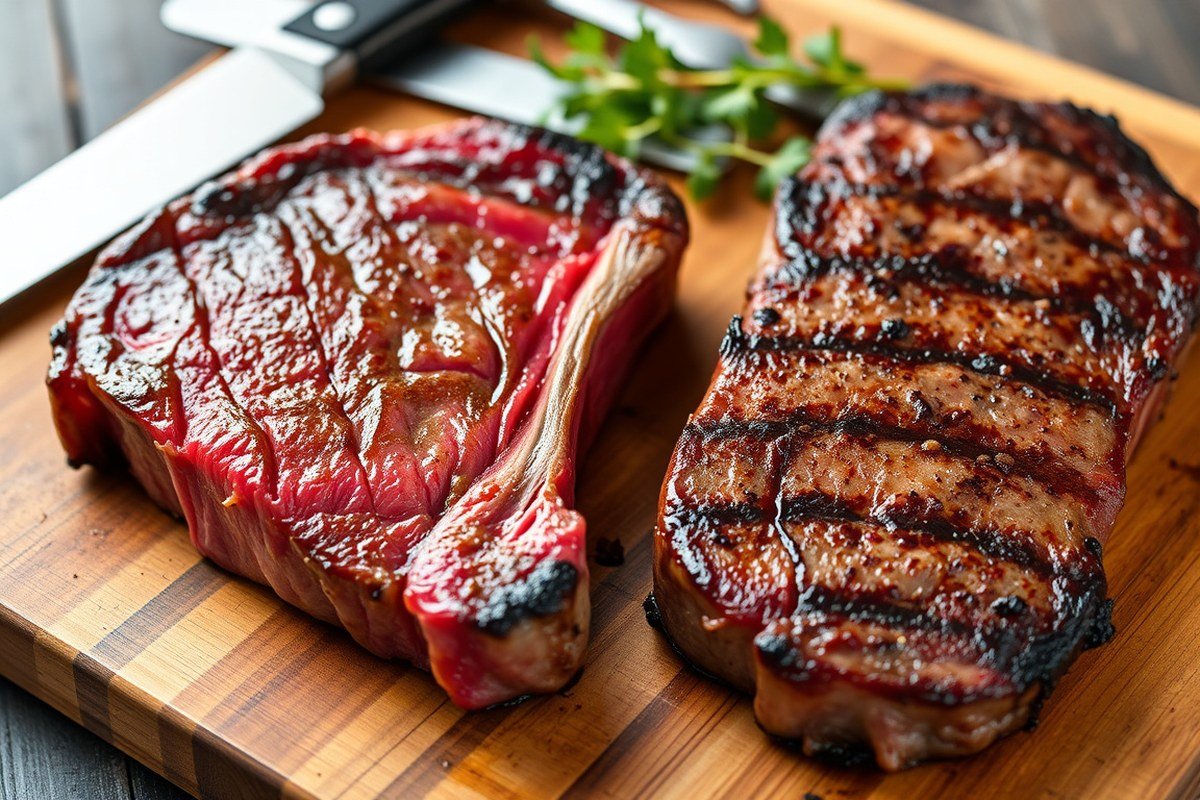
What Is the Difference Between Ribeye and New York Strip? A Complete Guide with Cooking Tips
The main difference between ribeye and New York strip steaks lies in their fat content and texture. Ribeye has more marbling, which results in a richer, juicier flavor, while New York strip is leaner with a firmer bite. These qualities influence cooking methods, taste, and tenderness. For steak lovers considering these two cuts, understanding where they come from, how fat shapes their taste, and the best cooking techniques will help you pick and cook your steak to suit your preference and occasion.
Key Takeaways
- Ribeye comes from the rib section, known for its high marbling and rich flavor.
- The New York strip steak is sourced from the short loin area and is characterized by its relatively low fat content and firm texture.
- Grill ribeye on high heat to medium-rare for best juiciness and flavor.
- New York strip steaks should be at least 1 inch thick for even cooking.
- Allow steaks to rest at room temperature 20-60 minutes before cooking to improve tenderness.
- Pull steaks at 130°-135°F for medium-rare and let rest five minutes.
What Are the Main Differences Between Ribeye and New York Strip Steaks?

The primary differences between ribeye and New York strip steaks lie in their origin and fat distribution. Ribeye comes from the rib primal section, whereas the New York strip is cut from the short loin, involving distinct muscle groups. Ribeye contains more intramuscular fat, or marbling, which improve its tenderness and flavor, making it generally softer and juicier compared to the leaner New York strip.
The ribeye includes muscles that are less exercised, allowing the fat to infiltrate the muscle fibers more thoroughly. This fat is distributed throughout the meat and appears as white streaks or flecks, providing both a richer taste and a softer mouthfeel. The New York strip comes from the longissimus dorsi muscle, which is also relatively tender but has less marbling. This leaner muscle has a firmer texture and a more pronounced beefy bite.
Marbling matters because fat melts during cooking, keeping the meat moist and improving flavor. Ribeye’s fat content can be significantly higher, often 5% to 10% more intramuscular fat, than that of the New York strip, affecting both taste and texture noticeably. For example, a 12-ounce ribeye steak may melt more fat during cooking, making it more succulent, while a 12-ounce New York strip cooks leaner and firmer, appealing to those who prefer less grease.
In terms of tenderness, ribeye delivers a softer chew because of its fat content, which cushions the muscle fibers and prevents toughness. New York strip’s muscle, while still tender compared to other cuts like sirloin, feels denser and less buttery. This difference shows in cooking results; ribeye tends to require less patience to reach a tender finish, while New York strip benefits from precise cooking to avoid becoming tough.
When comparing the appearance, ribeye usually has a more irregular shape with visible marbling throughout, while the New York strip appears as a more uniform, rectangular piece with a leaner look and a thick band of fat along one edge rather than intricate marbling. Both cuts are prized for their quality, but knowing these distinctions helps you decide which fits your preference for texture and richness.
Where on the Cow Do Ribeye and New York Strip Come From?
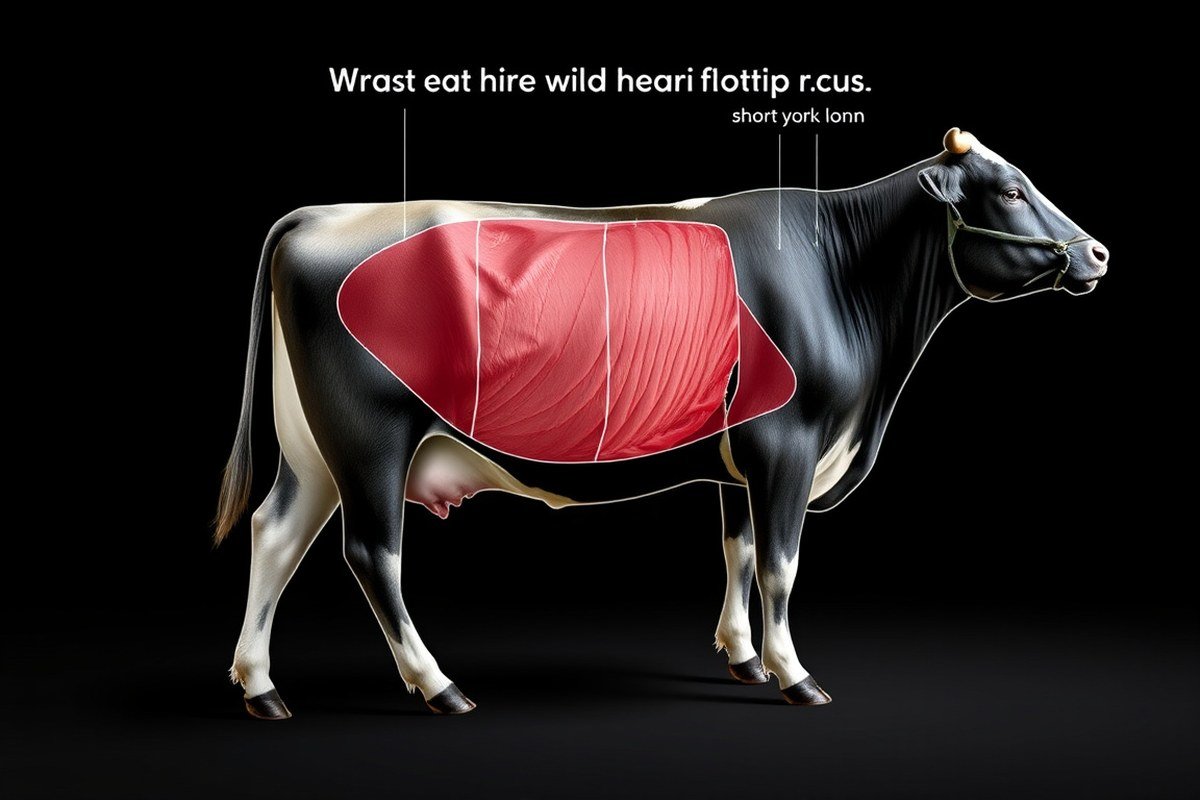
The ribeye steak is taken from the cow’s rib area, covering ribs six to twelve along the upper middle part of the back. Muscles in this region see very little heavy use, allowing significant marbling, or intramuscular fat, to form. This fat adds to the steak’s rich taste and tender feel. Because these muscles aren’t heavily worked, the meat remains soft with evenly spread fat, making it juicy when cooked.
Cut from the short loin, located just behind the rib section along the cow’s upper middle back, the New York strip steak comes from a muscle called the longissimus dorsi. This muscle is used more than those in the rib area but still has limited activity. As a result, the strip is leaner than a ribeye but remains tender. It has a firmer feel with less marbling, providing a strong beef taste that is bold but less rich than the ribeye.
The location on the cow affects both steaks in terms of fat content and texture. Ribeye tends to have more fat marbling because the rib muscles are not heavily worked. This marbling is essential for a creamy mouthfeel and depth of flavor. In contrast, the New York Strip’s leaner profile comes from the short loin’s slightly more active muscles, which makes the meat firmer and less fatty but still tender enough for a satisfying steak. The leaner nature of the strip leads to a cleaner nutritional profile, with fewer calories compared to ribeye.
The typical thickness of each steak also reflects their origin and muscle structure. Ribeyes are often cut thicker, around 1.5 inches, to highlight their tenderness and marbled fat. The New York Strip is generally cut about one inch thick, emphasizing its firmer texture and ease of cooking. This difference in muscle activity and thickness means ribeye may cook more evenly when prepared low and slow, while the New York Strip performs well on a hot grill or cast iron skillet because it holds up well to direct heat.  A clear diagram shows the ribeye located along the middle ribs and the New York Strip positioned just behind in the short loin area, highlighting their proximity and differences in muscle use.
Look for marbling within the ribeye to ensure maximum tenderness and flavor; too little marbling can result in a less juicy steak.
How Do Flavor and Texture Differ Between Ribeye and New York Strip?
The ribeye steak has a richer, more buttery flavor compared to the New York strip due to its high marbling. Fat deposits within the ribeye melt during cooking, basting the meat and creating a juicy, tender texture. This cut includes several muscles, adding complexity to its mouthfeel with a mix of softness and slight chewiness. In contrast, the New York strip offers a beefier, more straightforward taste with less fat. It delivers a firmer bite and a cleaner meat flavour, making it a solid choice if you want boldness without as much richness from fat.
Texture differences come down to fat and muscle structure. Ribeye’s considerable marbling increases tenderness and juiciness, producing a “buttery” mouthfeel that many steak lovers seek. New York strip tends to be leaner with a tighter muscle grain, so it feels denser and chewier. The lower fat content keeps the strip steak firmer after cooking, ideal if you prefer more chew and less softness. Make sure to pick New York strips at least 1 inch thick to keep them juicy and properly cooked, especially if you want to avoid drying out the leaner cut.
Marbling plays a key role in how juicy and flavorful each steak is. The fat in ribeye renders at about 130 to 140°F, thoroughly coating the meat’s fibers and improving mouthfeel. New York strip has less intramuscular fat, which means it won’t juice as much on the plate but maintains a concise texture and a beef-forward flavour. For those watching fat intake or desiring less richness, strip is the better pick without sacrificing flavor. Your priority should be richness and softness, as ribeye’s fat content justifies its typically higher price.
Choosing between these two cuts depends on your taste and texture preferences. Choose ribeye for a steak that melts with fat-infused flavor. It’s perfect for grilling, pan-searing, or reverse searing, aiming for medium-rare to medium at a target internal temperature of 130 to 135°F to maximize juiciness without overcooking the fat. For a less fatty experience, New York strip shines when cooked similarly but slightly quicker due to leaner muscle and should rest for at least 5 minutes post-cooking to redistribute juices.
In situations like a backyard BBQ, ribeye gives a luxurious, rich taste that stands up to bold seasoning and high heat. For a weekday dinner, New York strip offers a satisfying steak experience with firmer texture and beefier intensity, especially if budget or fat control matters. Both can deliver excellent flavor if cooked carefully and matched to your personal preference for tenderness and richness.
How Does Fat Content Affect Nutritional Value and Taste?
Ribeye steaks typically contain more fat and calories than New York strip steaks, making them richer and more flavorful. The higher fat content also means ribeye tends to be more forgiving during cooking, helping maintain juiciness. New York strip steaks, on the other hand, are leaner with fewer calories, which some consider a healthier option.
Protein levels in the two cuts do not differ significantly. Both offer a solid amount of protein per serving, supporting muscle repair and overall health. The main nutritional difference comes down to fat and calorie content, which impacts both how you might use the steaks in a meal and their effects on your diet. The table below provides a direct comparison of typical calorie, fat, and protein values per standard serving of ribeye and New York strip steaks:
| Nutrient | Ribeye (per serving) | New York Strip (per serving) |
|---|---|---|
| Calories | About 310, 350 | 220, 270 |
| Total Fat (grams) | 20, 25 | 10, 14 |
| Protein (grams) | 22, 26 | 22, 28 |
| Typical Price (per pound) | Higher | Lower |
These numbers show that ribeye has nearly double the fat content compared to New York strip, which explains the increased calorie count and its well-known richness. Because fat contributes heavily to flavor and moisture, ribeye delivers a bolder taste and a slightly softer texture. Conversely, New York strip’s leaner profile means it has a firmer bite but less fat-related flavor.
Choosing New York strip can be a good option if you want to reduce fat intake and calorie consumption but still want a tasty steak with ample protein. Keep in mind that while ribeye is more indulgent, it also costs more, so your choice may depend on your budget and dietary goals as much as taste preference.
What Are the Best Cooking Techniques for Ribeye and New York Strip?
Ribeye and New York strip steaks respond best to high-heat cooking but have subtle differences that affect timing and technique. Ribeye requires a hotter, shorter cook to render its fat and achieve medium-rare, while the leaner New York strip benefits from careful pan-searing. Aim for steaks about 1 to 1.5 inches thick to control internal temperature evenly. Bone-in versions can add extra flavor but may require minor adjustments in cooking time.
Grilling Ribeye: Timing and Temperature
Grilling ribeye calls for a high temperature, typically around 450°F to 500°F, to melt the marbled fat throughout the cut. Start by bringing the steak to room temperature for 30 to 45 minutes, then season it simply with salt and pepper. Place the ribeye on the hottest part of the grill for about 4 to 5 minutes per side to reach medium-rare, aiming for an internal temperature of 130°F to 140°F. Thicker cuts, close to 1.5 inches, may need an extra minute per side or a cooler part of the grill to finish cooking through without burning.
Use a meat thermometer to check temperature instead of guessing. Rest the steak for 5 to 10 minutes after grilling to allow juices to redistribute, creating more tenderness and flavor.
Don’t flip ribeye repeatedly; one flip halfway through cooks it evenly and helps develop a rich crust.
Pan-Seared New York Strip Steps
A New York strip suits pan-searing especially well due to its lean profile and uniform thickness. Heat a heavy skillet, preferably cast iron, over medium-high heat until very hot, about 400°F on the surface. Add a tablespoon of oil with a high smoke point like canola or grapeseed. Pat the steak dry, season both sides with salt and pepper, then lay it in the pan. Cook for about 4 minutes without moving it, then flip and sear the other side for 3 to 4 minutes for medium-rare doneness (125°F to 135°F internal temperature).
Finish by basting the steak with butter and crushed garlic for 1 to 2 minutes, spooning the melted butter over the top to add moisture and flavor. Thicker strips over 1.5 inches may need to be transferred to a 400°F oven for 5 to 10 minutes after searing to avoid over-browning.
Sear New York strip steaks dry and avoid overcrowding the pan to preserve their natural crust and texture.
Recommendations for Bone-In vs Boneless
Bone-in ribeye cuts hold additional flavor due to heat conducting through the bone, but they tend to take 10% to 15% longer to cook evenly compared to boneless steaks. If you opt for a bone-in ribeye of about 1.5 inches thick, reduce direct grill heat slightly or move it to indirect heat after searing. Bone-in steaks often cost a bit more, ranging closer to $17 to $20 per pound versus $13 to $16 for boneless.
New York strip steak is commonly sold boneless and is favored for ease of handling and faster, more predictable cooking times. Boneless strips grill and pan-sear uniformly, making them a practical everyday choice. Bone-in versions exist but are less typical and can be reserved for special meals where the extra flavour and slow cooking time are desired.
Choose boneless steaks for quick, reliable cooking; select bone-in when you want extra richness and don’t mind longer cook times.
How to Achieve Perfect Tenderness and Flavor When Cooking
For both ribeye and New York strip steaks, cooking to the right temperature and allowing proper resting are key to juiciness and tenderness. Pulling them at medium-rare temperatures ensures the best texture and flavor. Avoiding common errors like overcooking or skipping the rest period helps you get the most out of each cut.
Ideal Internal Temperatures
Medium-rare is the preferred doneness for both ribeye and New York strip steaks because it balances tenderness and juiciness. Aim for an internal temperature between 130°F and 135°F before removing the steak from heat. This range lets the fat in the ribeye render nicely without drying the meat, while preserving the tender texture of the New York strip.
The USDA advises cooking whole beef steaks to a minimum internal temperature of 145°F with a three-minute rest for food safety. However, many steak lovers prefer the medium-rare range for flavor and texture reasons. Use a meat thermometer inserted into the thickest part of the steak to check temperatures precisely.
Resting Time and Its Importance
Resting allows the meat’s juices to redistribute, preserving moisture and tenderness when you slice the steak. Let your ribeye or New York strip rest for at least five minutes after cooking. This resting period causes the internal temperature to rise slightly, finishing the cooking gently and improving flavor.
Also consider letting steaks sit at room temperature for about 20 to 60 minutes before cooking. Bringing the meat closer to room temperature ensures more even cooking, reducing the risk of an overcooked exterior and undercooked center.
Common Cooking Mistakes to Avoid
Avoiding these mistakes will help you achieve the perfect steak:
- Skipping the resting period and slicing immediately, which causes juice loss.
- Overcooking beyond 135°F for medium-rare, leading to toughness especially with New York strip.
- Cooking steaks straight from the fridge without tempering to room temperature.
- Using an inaccurate thermometer or guessing doneness by time alone.
- Not letting fat render properly in ribeye by cooking at too high heat for too short.
- Cutting steaks against the grain after resting for easier bites.
Pay attention to heat control. Ribeye benefits from slightly lower temperature and longer cooking to melt fat, while New York strip cooks quickly and is more sensitive to overcooking. Correct these errors by using a probe thermometer, tempering steaks before searing, and resting meat properly after cooking.
How Do Price and Availability Compare for Ribeye vs New York Strip?
Ribeye generally costs more than New York strip steaks, with prices reflecting differences in fat content, tenderness, and perceived quality. Ribeye falls in the $12 to $16 per pound range, while New York strip usually sells between $10 and $15 per pound. The higher fat marbling and rich flavor of ribeye outfits it as a more premium cut, which pushes the price up.
Several factors influence the price of each steak. Grade of beef matters a lot; Prime or Choice grades by USDA command higher prices. The source or breed of the beef can affect cost, with Angus or Wagyu often marked up. Location and demand impact availability and pricing, especially in restaurants and steakhouses located in areas with high living costs. Store brands and packaging types create variation too, with vacuum-sealed individual steaks sometimes priced higher than bulk packs. Seasonal supply fluctuations may have smaller effects but could matter depending on the retailer.
Both ribeye and New York strip steaks are widely available in most grocery stores and butcher shops, though ribeye could be slightly less common in some areas due to its higher price point. Steakhouses typically offer both cuts, but ribeye is often positioned as a signature or chef’s choice option. Finding a good quality ribeye might involve shopping specialty meat markets or ordering from online meat purveyors, whereas New York strip tends to be easier to find in regular supermarkets.
| Steak Cut | Average Price per Pound (USD) | Factors Influencing Price | Availability |
|---|---|---|---|
| Ribeye | $12 to $16 | Higher marbling, premium quality, USDA grade, beef breed, location | Common in supermarkets, specialty stores, steakhouses (premium offering) |
| New York Strip | $10 to $15 | Lean cut, moderate marbling, USDA grade, popularity in New York steakhouses | Widely available in supermarkets and steakhouses, easier to find |
To find the best deal, check weekly store ads or loyalty programs offering discounts on fresh meat. For restaurant menus, prices often include preparation and ambiance costs, so steer your choice by your budget and what matters most in your dining experience. When buying groceries, buying in bulk from a butcher or splitting a larger roast can save money compared to buying individual steaks.
When Should You Choose Ribeye or New York Strip Steak?
Choosing between ribeye and New York strip depends on your taste preference, how you plan to cook the steak, and the occasion. Ribeye offers a richer, fattier flavor ideal for those who enjoy juicy steaks, while New York strip provides a leaner, firmer texture suited to a cleaner, beefy taste. Consider your skill level with grilling and what sides you want to serve to pick the best cut.
Choosing Ribeye for Flavor Lovers
Ribeye is a great choice if you want a steak rich in flavor and tenderness. Its higher fat content, including marbling and a fat cap, melts during cooking and keeps the meat juicy. This cut suits people who prefer a buttery texture and deep beef taste, especially when grilled or pan-seared to medium rare (about 130, 135°F internal temperature). For best results, cook ribeye over medium-high heat for 4 to 6 minutes per side, depending on thickness, allowing the fat to render into the meat.
Cooking ribeye requires attention but it’s forgiving thanks to its fat, making it easier for intermediate cooks to avoid dryness. A well-cooked ribeye is juicy, tender, and full of flavor, but burning the fat can lead to flare-ups on the grill or bitter taste. You should season simply with salt and pepper to let the rich flavor shine. Ribeye fits casual dinners or special meals where bold taste is a priority.
When New York Strip Suits Your Meal
New York strip is best if you prefer a leaner steak with a firmer bite and a straightforward beef flavor. This cut has less fat marbling than ribeye but still delivers a satisfying, hearty taste. It’s well suited for grilling beginners because it requires less fat management and cooks evenly. For a New York strip, aim for medium rare at 130, 135°F, grilling 4 to 5 minutes per side, depending on thickness, turning once.
Choose New York strip for occasions where guests may want a leaner option or a steak that pairs well with stronger side flavors like grilled vegetables or spicy sauces. The texture holds up well during slicing and remains tender if not overcooked beyond medium. It works well at both casual barbecues and more formal dinners where a clean beef taste is appreciated.
Health and Cooking Skill Considerations
Ribeye’s fat content means a higher calorie and fat intake, roughly 250-300 calories per 6-ounce serving with 20 grams of fat, compared to New York strip’s 160-200 calories and 9-12 grams of fat for the same size. Those watching fat intake or calories should lean toward New York strip. You also save some trimming time since it’s leaner and less fatty.
For grilling beginners, New York strip is easier to cook evenly and less likely to cause flare-ups from dripping fat. Ribeye needs moderate skill to balance the fat rendering without burning. Use a meat thermometer to avoid overcooking either steak. Rest steaks for 5 to 10 minutes after cooking to redistribute juices. Avoid cutting immediately, which can cause dry meat.
Use a reliable instant-read thermometer; remove steaks from heat at 5°F below your target temperature for best doneness.
Pairing Steaks with Side Dishes
Ribeye pairs well with simple sides that do not compete with its rich flavor. Lightly sautéed greens, mashed potatoes, or a fresh salad offer balance. Richer sauces like herb butter or mushroom cream improve ribeye without overpowering it. For sauces, keep them moderate to let the steak’s natural flavor stand out.
New York strip works well with stronger or spicier accompaniments due to its leaner profile. Consider grilled vegetables, chimichurri, or a peppercorn sauce to complement the bold but lean beef taste. The firmer texture holds up nicely to these flavors and presents well at both casual meals and dinner parties.
Step-by-Step Action Plan for Choosing and Cooking Ribeye or New York Strip
Follow these steps to pick the right steak cut and cook it to get the best flavor and tenderness.
- Before shopping: Decide what matters most, rich flavor and marbling, or leaner texture. Ribeye suits flavor lovers, New York strip fits those preferring beefy texture.
- At the store: Look for steaks with bright red color and firm texture. Choose ribeyes with visible marbling or New York strips with even grain. Avoid steaks with dark spots or excess liquid.
- Before cooking: Let the steak reach room temperature for about 30 minutes. This helps even cooking and better searing.
- During cooking: Use high heat for 3, 5 minutes per side for medium-rare, adjusting time depending on thickness. Ribeye handles more heat and longer cooking without drying out.
- After cooking: Let the steak rest 5, 10 minutes to redistribute juices. Check tenderness and juiciness before slicing.
- Serving: Slice ribeye against the grain to maximize tenderness. Enjoy New York strip in thicker cuts to appreciate its firm texture.
- Next time: Try swapping cuts based on what you liked or disliked. Keep notes on cooking times and seasoning for future improvements.
Frequently Asked Questions
What Is a Poor Man’s Ribeye Called?
A poor man’s ribeye is often called a chuck eye steak. It comes from the same general area but is less tender and more affordable, making it a budget-friendly alternative for steak lovers.
What Are the Top 3 Best Cuts of Steak?
The top 3 best cuts usually include ribeye, New York strip, and filet mignon. Each has a unique balance of tenderness and flavor, with ribeye being richest, strip offering a firmer texture, and filet known for its buttery softness.
What Is Gordon Ramsay’s Favorite Cut of Steak?
Gordon Ramsay often prefers ribeye for its marbling and rich flavor. The extra fat in ribeye helps keep the steak juicy and tender, which he appreciates for intense taste and a good grilling experience.
How to Cook a Ribeye Steak so It’s Very Tender?
To make ribeye very tender, use high heat to sear the outside while keeping the inside juicy. Let the steak rest after cooking to allow juices to redistribute, which helps maintain its tenderness and flavor.
What Is the Major Difference in Cooking Ribeye vs New York Strip?
Ribeye’s higher fat content means it can handle higher cooking temperatures and longer times without drying out. New York strip, being leaner, cooks faster and is less prone to flare-ups on the grill, so monitor it closely to avoid overcooking.
Is Ribeye or New York Strip Better for Grilling Beginners?
New York strip is usually better for grilling beginners because it’s leaner and more forgiving with cooking times. Ribeye’s higher fat can cause flare-ups that need more attention, making the strip steak an easier choice for less experienced cooks.
Final Thoughts
Choosing between ribeye and New York strip depends on your taste preferences and cooking style. Ribeyes offer rich marbling and juicy flavor, while New York strips provide a firmer texture with a beefy bite. Start by selecting the cut that fits your meal goals, then use the right cooking method to bring out its best qualities. Trying both will help you discover which steak suits your palate and cooking routine the most.





3 Comments