What Is a Built In Microwave Oven? Understanding Its Features and Benefits
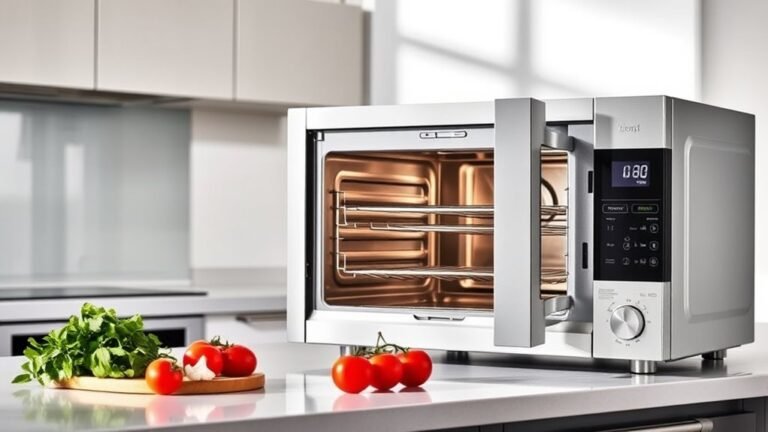
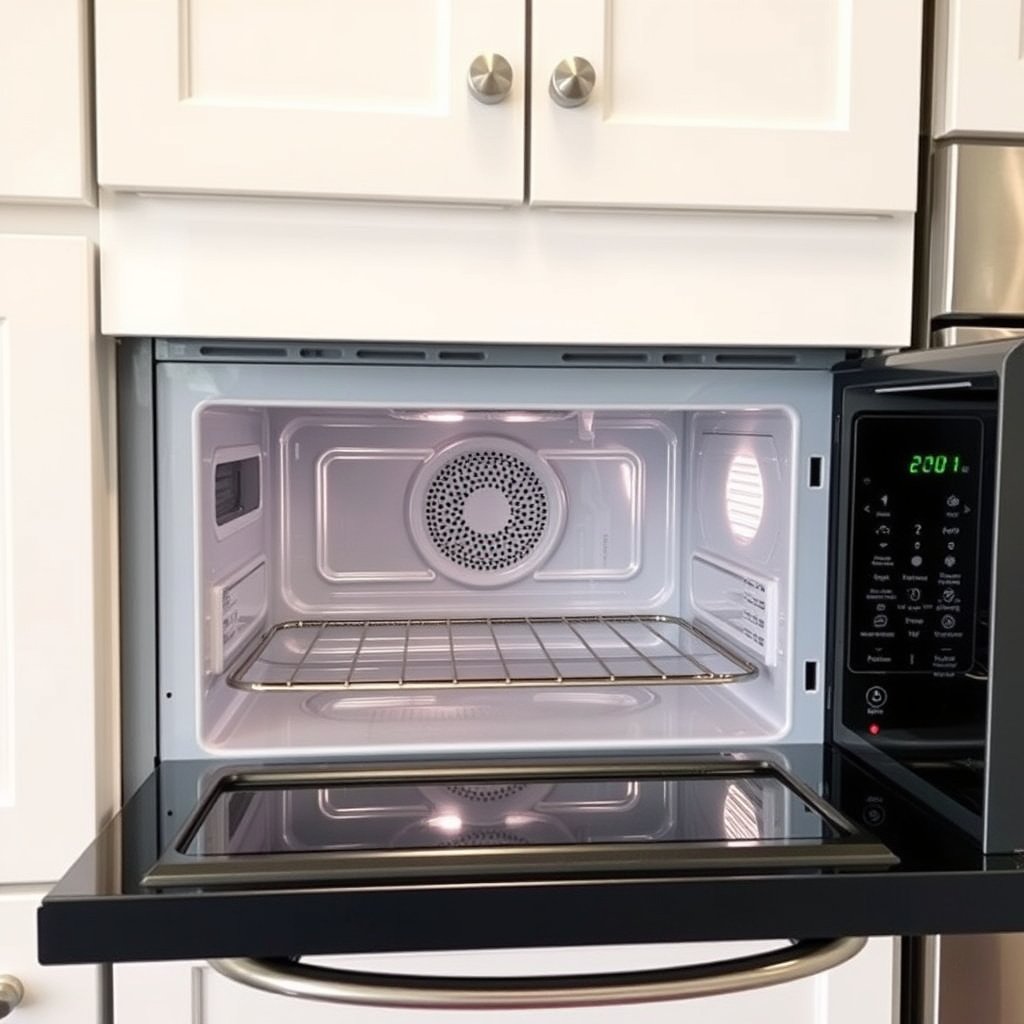
A built in microwave oven is a type of microwave designed to be permanently installed within cabinetry or walls, blending seamlessly with kitchen decor. Unlike countertop microwaves that sit on surfaces, built in models save valuable counter space and often offer a sleeker, integrated look.
These microwaves are particularly attractive for homeowners aiming for a modern, clutter-free kitchen layout. They come with specific installation requirements that can affect kitchen design, electrical setup, and cabinetry choices. Because they integrate with existing structures, built in microwaves often include features like trim kits for a custom fit.
This article will explain the main characteristics of built in microwave ovens, explore their unique features, installation considerations, available sizes and power levels, costs, and maintenance tips. By the end, you’ll understand whether a built in microwave oven suits your kitchen needs and aesthetic preferences.
What Defines a Built In Microwave Oven?

Design and Construction
Built in microwave ovens are specifically engineered to fit flush with cabinets or walls. Their frames include mounting brackets and trim kits that cover gaps for a clean, finished appearance.
Unlike portable countertop microwaves, these models require precise dimensions and are usually deeper to accommodate installation depth standards, supporting a permanent fixture.
- Integrated trim kits for seamless cabinet fit
- Deeper cavity design for installation
- More robust mounting brackets
How Built In Microwaves Differ from Countertop Models
Countertop microwaves are freestanding units you place on kitchen surfaces; they offer flexibility but use valuable countertop space. In contrast, built in microwaves are fixed, freeing up counters and lending a tidy kitchen look.
Because they integrate directly into cabinetry, built in models often come with advanced features or finishes that complement kitchen appliances.
- Permanent installation saves counter space
- More design options with finishes and sizes
- Potentially higher power and advanced settings
Key Features of Built In Microwave Ovens

Power and Cooking Performance
Built in microwaves typically come with wattages ranging from 700 to 1200 watts, offering faster and more even cooking compared to smaller countertop units.
They often have sensor cooking modes that automatically adjust time and power based on food moisture, improving results for reheating and cooking.
- Higher wattage enhances cooking speed
- Sensor cooking adjusts settings automatically
- Various power levels for different foods
Additional Functionalities
Many built in models include convection cooking options, combining microwave and hot air for baking and crisping, which countertop microwaves may lack.
Touch controls, kitchen timer functions, and child locks are common features to increase safety and usability.
- Convection mode for versatile cooking
- User-friendly digital controls
- Safety features like child lock
Built In Microwave Oven Installation

Installation Requirements and Considerations
Installing a built in microwave requires space within cabinetry that meets size specifications including width, height, and depth. Proper ventilation space is also critical to avoid overheating.
Electrical wiring must be installed in compliance with local codes, usually needing dedicated 120V outlets behind the unit.
- Check cabinetry dimensions and ventilation needs
- Use dedicated electrical outlet
- Hire professional installers for safety
Trim Kits and Finishing Touches
Trim kits finish the edges around the microwave for a built-in appearance. These kits vary by brand and microwave model, typically crafted from stainless steel or matching finishes.
Proper sizing of trim kits ensures the microwave fits snugly without gaps, preventing dust accumulation and maintaining kitchen aesthetics.
- Select trim kit compatible with your microwave model
- Stainless steel or coordinated finish options
- Requires precise measurements for a clean fit
Sizes and Models Available

Standard Size Options
Built in microwaves generally come in widths from 24 to 30 inches. Capacity ranges typically from 1.5 to 2.2 cubic feet, offering ample space for standard dishes.
Choosing the right size depends on available cabinetry space and typical meal prep needs.
- Widths: 24, 27, and 30 inches common
- Capacities from 1.5 to 2.2 cubic feet
- Depth varies between 15 to 22 inches
Specialized Models and Features
Some manufacturers offer built in microwaves with added features like steam cooking or microwave drawers for ergonomic use. These specialized models cater to specific kitchen designs or culinary preferences.
Compact built in microwaves are options for smaller kitchens that require space efficiency without sacrificing performance.
- Microwave drawers offer under-counter placement
- Steam cooking enhances moisture retention
- Compact units fit smaller cabinetry
Costs and Budgeting
Price Range Overview
Built in microwaves typically cost between $300 and $1500, influenced by brand, features, size, and finish. High-end models with convection functions or smart controls command top pricing.
The price also includes possible installation costs, which vary based on cabinetry modifications and electrical work.
- Basic models start near $300
- Convection and smart microwaves over $1000
- Installation cost ranges widely depending on complexity
Cost-Effective Tips
Purchasing a microwave with essential features suited to your cooking habits can avoid extra expense. Some brands offer reliable mid-range options providing both performance and value.
Planning for installation along with the unit purchase helps control budget surprises.
- Match features to actual needs
- Compare warranties and customer reviews
- Schedule installation to avoid rush fees
Maintenance and Longevity
Cleaning and Care Tips
Regular interior wiping with mild detergent prevents food residue buildup. Using microwave-safe covers can minimize splatters and reduce cleaning frequency.
Exterior surfaces, including trim kits, benefit from stainless steel cleaners or non-abrasive cloths to maintain appearance.
- Wipe spills promptly inside and out
- Use microwave-safe covers during cooking
- Avoid abrasive cleaners on stainless steel
For more detailed technical specifications and historical context, visit the built-in microwave oven details at Wikipedia. Built-in microwave oven details at Wikipedia.
Extending Appliance Life
Avoid running the microwave empty or with metal inside to prevent damage. Routine inspection of door seals and electric cords ensures safe operation over years.
Choosing built in microwaves from reputable brands and having professional installation adds to reliability and longevity.
- Never operate empty microwave
- Inspect seals and cords regularly
- Professional installation reduces wear risks
Built In Microwave Oven Category Comparison
Here is a comparison of typical built in microwave oven categories based on size, wattage, features, and price to guide your choice.
| Category | Typical Size (inches) | Wattage (Watts) | Key Features | Price Range (USD) |
|---|---|---|---|---|
| Basic Built In | 24 x 14 x 15 | 700-900 | Standard cooking modes, simple controls | $300 – $500 |
| Mid-Range Built In | 27 x 15 x 16 | 900-1100 | Sensor cooking, digital display, trim kit included | $500 – $900 |
| High-End Built In | 30 x 16 x 18 | 1100-1200+ | Convection cooking, smart connectivity, premium finish | $900 – $1500 |
| Specialty Models | Varies | Varies | Microwave drawers, steam cooking, compact sizes | $800 – $1500+ |
Frequently Asked Questions
Can I install a built in microwave myself?
While possible, it's usually best to hire a professional installer as built in microwaves require precise cabinetry fitting and proper electrical connections meeting safety codes.
Does a built in microwave cost more than a countertop model?
Yes, built in microwaves generally have higher upfront costs and installation fees but offer integrated design benefits and save counter space.
Are built in microwaves harder to repair?
Not necessarily; repairs depend on model complexity, but professional servicing is advised due to installation integration and electrical considerations.
Can I use a built in microwave for baking?
Many built in microwaves with convection features allow baking and roasting, providing greater cooking versatility than standard microwaves.
What is a microwave trim kit?
A trim kit is the frame installed around a built in microwave oven to cover gaps between the microwave and cabinetry for a seamless, polished look.
Key Takeaways
- Built in microwaves integrate directly into cabinetry, saving counter space and improving kitchen aesthetics.
- They offer advanced features like convection cooking and sensor controls often missing from countertop models.
- Installation requires precise measurements, ventilation, and proper electrical setup.
- Prices vary widely based on size and features, so choose models fitting your needs and budget.
Conclusion
Choosing a built in microwave oven involves balancing kitchen design priorities with functional requirements. These appliances provide a clean, integrated look and free up valuable counter space, making them ideal for modern kitchens that emphasize style and convenience. Consider the size of your cabinetry, cooking habits, and electrical access before settling on a built in model to ensure it suits your space and usage patterns well.
For those who value seamless integration and advanced cooking modes, mid-range to high-end built in microwaves offer features like convection cooking and sensor technology that elevate meal preparation. Compact built in microwaves serve smaller kitchens effectively, while specialty models like microwave drawers enhance ergonomics. Keep installation and maintenance demands in mind, as professional fitting contributes to optimal performance and appliance longevity.
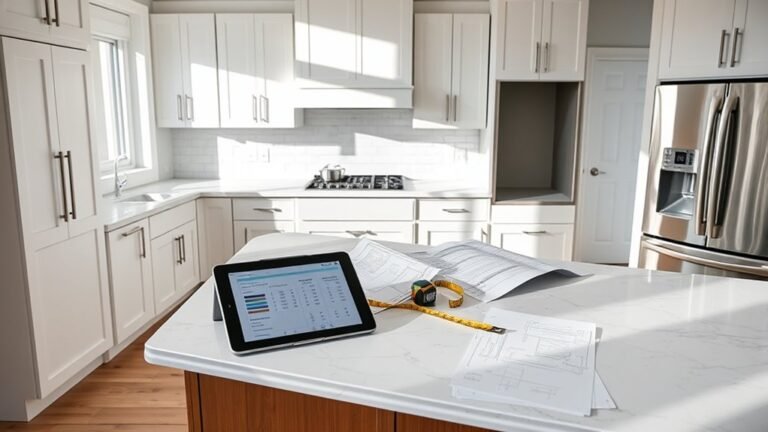
If you decide that a built in microwave oven is right for your kitchen, start by measuring your intended installation space and exploring models that meet those dimensions along with your cooking needs. Consult with installation experts to verify electrical compatibility and ventilation requirements. This approach ensures you select a built in microwave that combines style, convenience, and reliable performance.