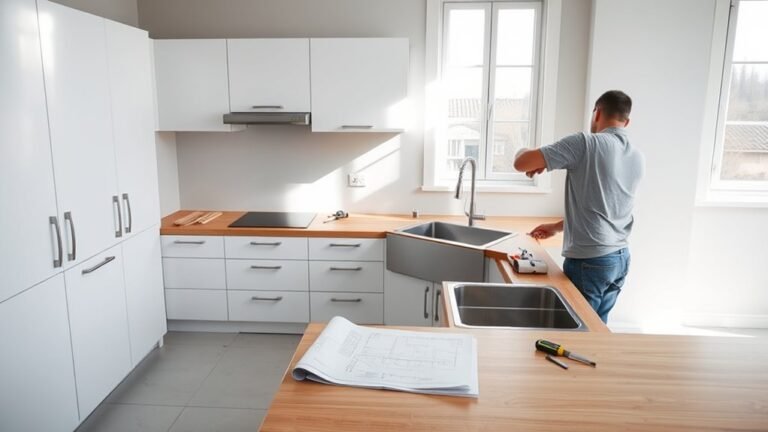
What Is a Built In Microwave Oven? Understanding Its Features and Benefits
A built in microwave oven is a kitchen appliance designed to be installed into cabinetry or walls, creating a seamless and integrated look. Unlike countertop microwaves that sit on kitchen surfaces, built in models save valuable counter space and often include a trim kit for a flush finish. They operate just like standard microwaves but focus on style and space efficiency.
This type of microwave matter because it complements modern kitchen designs that emphasize clean lines and organized layouts. It keeps your kitchen clutter-free and can often be paired with other built in appliances like ovens or warming drawers. Plus, the install location often offers easier access, making meal preparation more convenient.
In this article, you'll learn about the main features of built in microwave ovens, how to choose one that fits your kitchen, important installation considerations, the various sizes and power levels available, plus a comparison with other microwave options. We'll also answer common questions and summarize key points to help you decide if a built in microwave oven suits your home.
Understanding Built In Microwave Ovens

What Defines a Built In Microwave Oven?
A built in microwave oven is designed specifically to be mounted into a wall or kitchen cabinet. Unlike countertop microwaves, it usually includes a trim kit or frame to achieve a flush, custom appearance. This design allows integration with other kitchen appliances for a streamlined look.
These microwaves operate with the same heating technology and power levels as freestanding units but prioritize aesthetics and space-saving installation. They often have features geared toward permanent placement instead of portability.
Common Features of Built In Models
Most built in microwaves come with features like sensor cooking that adjusts time and power automatically, multi-stage cooking functions, and various power levels ranging from 800 to 1200 watts. They typically include easy-control touchpads or dials with digital displays.
Additionally, many models have interior lights, child locks, and defrost settings. Their casing and trim kits are designed to withstand heat generated from surrounding cabinetry, which is essential for safe installation.
- Sensor cooking technology
- Multi-stage cooking programs
- 800 to 1200-watt power options
- Touchpad or dial control panels
Advantages of Built In Microwaves

Space Efficiency and Aesthetics
One clear advantage of built in microwave ovens is the efficient use of kitchen space. They free up countertop areas, allowing more room for food preparation or additional appliances. Their integrated look also contributes to a tidy, modern kitchen aesthetic.
By matching cabinetry finishes and installing flush with surfaces, built in microwaves blend smoothly with your kitchen design, elevating the overall appearance and value of your home.
- Frees countertop space
- Seamless integration with cabinetry
- Modern, organized kitchen look
Performance and Convenience Benefits
Built in microwaves often include features that enhance cooking precision and convenience. Many models have sensor cooking that detects moisture levels and adjusts cooking time accordingly, reducing guesswork and overcooking.
Their fixed installation height can also be ergonomically advantageous, avoiding awkward bending or reaching typical of countertop units. Plus, some models include pre-programmed settings that simplify common cooking tasks.
- Sensor cooking reduces errors
- Ergonomic placement options
- Pre-programmed cooking modes
Choosing the Right Built In Microwave Oven for Your Kitchen

Determining the Proper Size and Capacity
Selecting the correct size involves considering both the external dimensions of the microwave and its internal cooking capacity measured in cubic feet. Kitchens with limited cabinet space may require a compact unit of around 0.7 to 1.2 cubic feet, while larger households might prefer models with 1.5 cubic feet or more.
Also, verify the cabinet or wall opening measurements where the microwave will be installed to ensure a proper fit. Manufacturers usually provide detailed sizing specifications to aid this step.
- Internal capacity ranges from 0.7 to 2.0 cu ft
- Check cabinet opening dimensions
- Balance size with kitchen space and household needs
Power and Cooking Features to Consider
Wattage determines heating speed and effectiveness. Built in microwaves generally range from 800 to 1200 watts; higher wattage means faster cooking times. Some advanced models offer convection cooking capabilities too, combining microwave energy with convection heat.
Consider additional features like sensor cooking, multi-stage programmed settings, and easy-to-clean interiors. Also review control options such as touchscreens versus dials, depending on your preferences.
- Power ratings between 800-1200 watts
- Convection feature in some models
- Sensor cooking and programmed modes
- Control panel types (touchscreen or dial)
Installation and Maintenance Tips
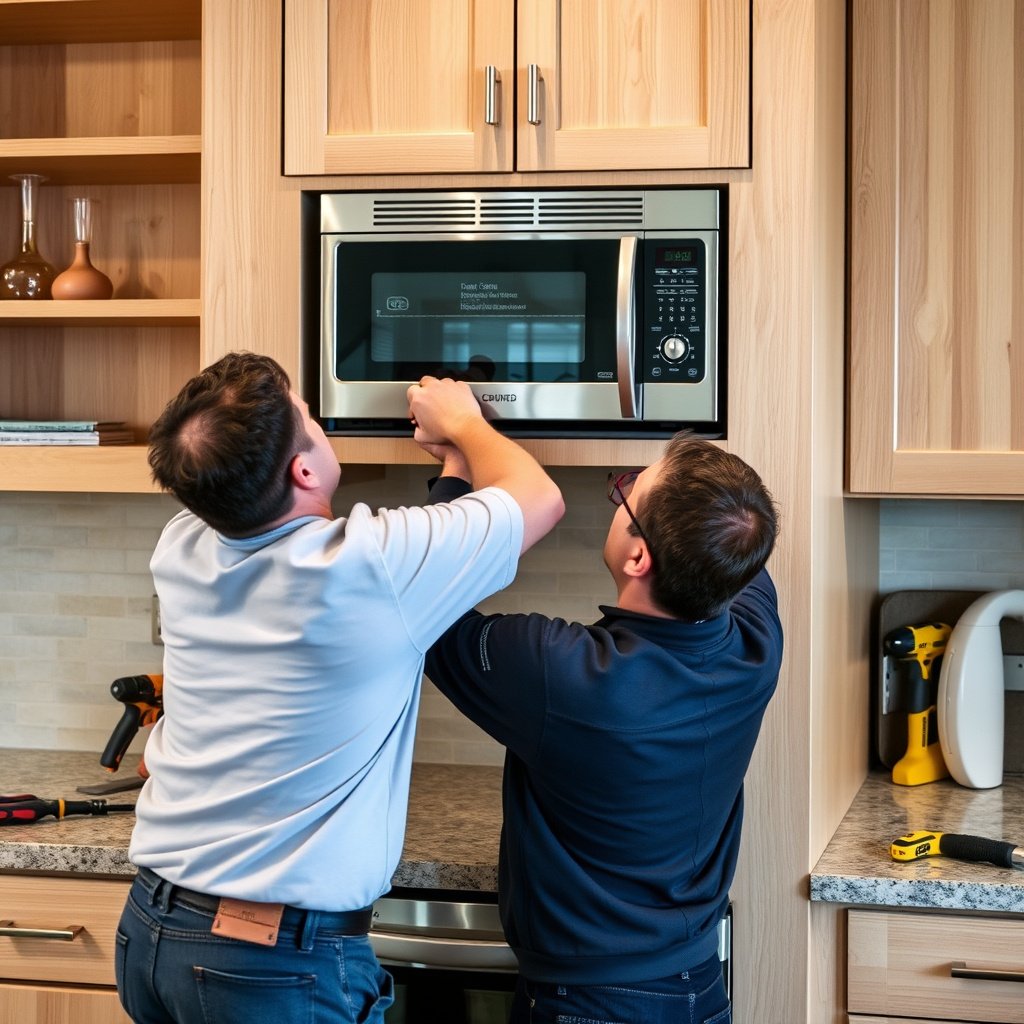
Preparing for Built In Microwave Installation
Built in microwaves require precise installation often involving cutting cabinetry openings and securing the microwave with a trim kit. Power outlets need to be nearby or additional wiring may be necessary. Clearance space must be maintained for ventilation as indicated by the manufacturer.
Professional installation is recommended to avoid improper fitting which can interfere with airflow or damage cabinets. Some microwave brands offer installation services or detailed instructions and kits for DIY enthusiasts.
- Ensure proper ventilation space
- Locate or install a power outlet
- Use manufacturer trim kits
- Consider professional installation
Cleaning and Maintaining Your Built In Microwave
Routine cleaning of the microwave interior with mild detergent and non-abrasive cloths keeps odors and residues at bay. Avoid harsh chemicals that may damage surfaces or electronics. The exterior and trim can be wiped regularly to preserve the integrated look.
Check seals and vents periodically to prevent dust buildup. If the microwave includes a removable turntable, clean it frequently to maintain performance and hygiene.
- Use mild detergent for interior cleaning
- Wipe exterior frequently for appearance
- Clean removable parts like turntables
- Inspect vents and seals regularly
Built In Microwaves Vs Other Microwave Types

Built In vs. Countertop Microwave
Countertop microwaves are portable, easy to move, and typically less expensive, making them convenient for rentals or temporary setups. Built in microwaves, on the other hand, save counter space and look more integrated in modern kitchens but involve more complex installation.
Countertop models vary widely in size and power but usually occupy surface area. Built in microwaves can be installed higher or lower than counters, improving ergonomics for some users.
- Countertop units: portable, affordable, use counter space
- Built in models: require installation, free counters, better aesthetics
- Power and size ranges overlap between types
Built In vs. Over-the-Range Microwave
Over-the-range microwaves combine a microwave with a ventilation hood usually installed above a cooking range. Built in microwaves can be located anywhere in the kitchen cabinetry and do not always include exhaust features.
If your cooking area needs ventilation, an over-the-range model may be practical. For standalone cooking prepping or secondary kitchen zones, a built in microwave could be better suited.
- Over-the-range: includes ventilation fan and light
- Built in: flexible installation locations, no exhaust required
- Choice depends on kitchen configuration and ventilation needs
Energy Efficiency and Environmental Factors

Energy Usage of Built In Microwaves
Built in microwaves generally consume similar amounts of energy compared to other microwave types, with wattages typically between 800 and 1200 watts during operation. Energy efficiency can be improved by features like sensor cooking that optimizes cooking time and power.
Selecting models with Energy Star certification helps reduce electricity consumption without sacrificing cooking performance, contributing to lower utility bills and environmental impact.
- Typical power use: 800-1200 watts
- Sensor cooking saves energy by adjusting time
- Look for Energy Star rated models
For further technical details on microwave ovens, you can visit the built-in microwave oven details on Wikipedia. built-in microwave oven details on Wikipedia.
Sustainability and Materials
Many built in microwaves include durable stainless steel or coated metal interiors for longevity and easy cleaning. Choosing appliances made from recyclable materials and from brands with sustainability commitments supports greener purchasing.
Extending appliance life through proper maintenance also decreases waste, reducing your kitchen's overall environmental footprint.
- Durable interior materials for long life
- Preference for recyclable materials
- Routine maintenance extends appliance lifespan
Built In Microwave Oven Category Comparison
Here's a detailed comparison of different built in microwave oven categories to help match features to your kitchen’s needs and budget.
| Type | Power (Watts) | Capacity (cu ft) | Key Features | Typical Price Range |
|---|---|---|---|---|
| Compact Built In | 800-900 | 0.7-1.2 | Space saving, basic sensor cooking | $150-$300 |
| Mid-Size Built In | 900-1000 | 1.2-1.5 | Advanced sensor, multi-stage cooking | $300-$500 |
| Large Built In | 1000-1200 | 1.5-2.0 | Convection option, touchscreen controls | $500-$800 |
| Built In with Convection | 1000-1200 | 1.5-2.0 | Combination microwave and convection bake | $600-$1000 |
| Premium Built In | 1100-1200 | 1.6-2.0 | Smart connectivity, stainless steel interior | $800-$1500 |
Frequently Asked Questions
Can a built in microwave oven be installed in any kitchen cabinet?
No, built in microwaves require cabinets that have proper clearance for ventilation and specific size openings. It's important to measure carefully and follow manufacturer installation guidelines to avoid airflow or fitting problems.
Is a built in microwave oven more expensive than a countertop model?
Generally, built in microwaves cost more due to their design, installation requirements, and features. You should also consider possible installation costs. However, their added kitchen value and space savings can justify the higher price.
Do built in microwaves offer sensor cooking?
Yes, many built in microwaves include sensor cooking technology which adjusts cooking time and power based on the food's moisture, helping to avoid overcooking and improving convenience.
Can a built in microwave oven replace an over-the-range microwave?
It depends on whether you need ventilation over your cooktop. Built in microwaves typically don't offer exhaust fans. If ventilation is necessary, an over-the-range model might be a better option.
How do I maintain and clean a built in microwave oven?
Cleaning should be done regularly using mild detergents and soft cloths. Avoid abrasive materials to preserve interior and exterior surfaces. Check vents and seals occasionally to keep the appliance in good working condition.
Key Takeaways
- Built in microwave ovens integrate seamlessly into cabinetry to save counter space.
- They offer advanced features like sensor cooking and ergonomic placement.
- Choosing the right size and power depends on kitchen space and cooking needs.
- Proper installation and maintenance help maximize longevity and performance.
Conclusion
Choosing a built in microwave oven involves balancing your kitchen layout, cooking habits, and aesthetic preferences. The direct integration into cabinetry provides a clean look and efficient use of space, but requires careful measurement and sometimes professional installation to fit perfectly. Understanding features like power levels, sensor cooking, and capacity will help you pinpoint a model that meets your daily needs and complements your kitchen style.
For smaller kitchens or secondary cooking spaces, compact built in models with basic sensor cooking can provide big benefits without overwhelming the area. Larger households or those wanting multifunction use will find mid-size or convection models appealing, offering speed and versatility. If ventilation above your stove is required, then an over-the-range microwave may be a better choice. However, when counter space and seamless appearance are priorities, a built in microwave oven stands out as a thoughtful investment.
Before purchasing, measure your intended installation space carefully and consider the power requirements, control options, and additional features you value. If unsure about installation, professional help ensures safe and effective fitting. With the right selection and placement, a built in microwave oven can upgrade both your cooking routine and kitchen design for years to come.