What Is a Built In Fridge? Understanding Integrated Cooling Solutions
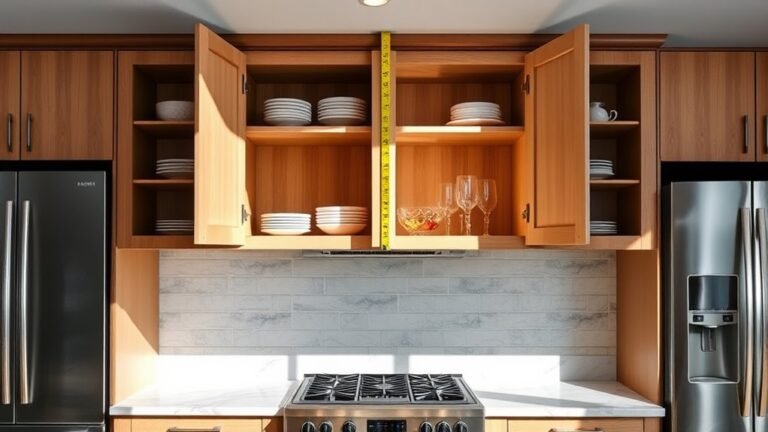
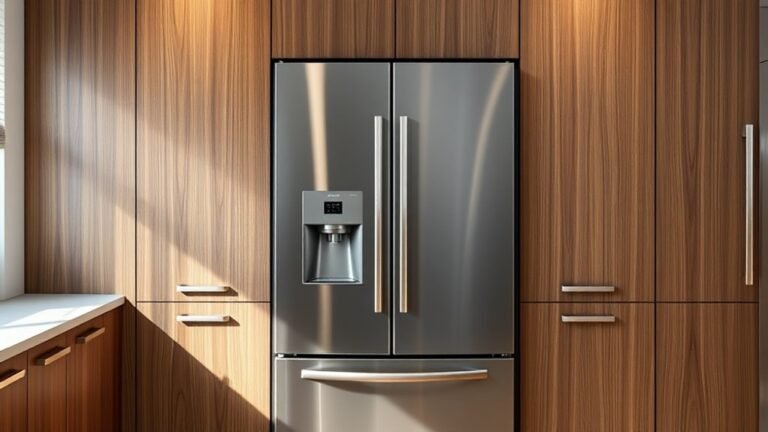
A built in fridge is a refrigerator that is designed to fit seamlessly into your kitchen cabinetry, creating a streamlined and uniform look by integrating with the surrounding units. Unlike freestanding fridges, built in models are installed flush with cabinets and often have customizable panels to match your kitchen décor. This design allows the appliance to blend in rather than stand out, offering both style and functionality.
Built in fridges matter because they contribute to a sleek, modern kitchen aesthetic while still providing full refrigeration capabilities. They maximize space efficiency, often fitting into compact or custom kitchen layouts, and reduce visual clutter, making them a favored option for designers and homeowners aiming for minimalist or high-end looks.
This article will explain the defining qualities of built in fridges, explore various types and features, discuss installation considerations, compare them with freestanding refrigerators, and provide guidance on how to select the right built in fridge for your kitchen needs.
Design and Aesthetic Benefits of a Built In Fridge

How Built In Fridges Enhance Kitchen Appearance
Built in fridges are crafted to align perfectly with kitchen cabinetry, often allowing custom panels that match wood grain, paint, or finishes. This eliminates the typical bulk and visual break created by freestanding refrigerators, giving the kitchen a clean, cohesive appearance.
The flush installation means handles, hinges, and vents are designed to minimize protrusion, enhancing streamlined lines. This approach appeals especially to homeowners who prioritize a unified kitchen design, often seen in modern or minimalist interiors.
Customization Options for Integrated Refrigerators
Many built in fridges allow full customization of the door facade, from matching materials to color schemes and hardware. This integration can extend to the interior layout where some models feature flexible shelving and modular compartments tailored for specific storage needs.
Other customization possibilities include adjustable airflow vents and quiet compressors specially designed for built in models, ensuring both performance and comfort without disturbing kitchen activities.
- Customizable door panels
- Adjustable shelving
- Quiet compressors
- Flexible vent placement
Types of Built In Fridges and Their Features

Full-Size Built In Refrigerators
Full-size built in fridges usually range from 18 to 36 inches wide and can be up to 84 inches tall. They come in single-door, French door, and side-by-side configurations, providing ample storage for larger households.
These models often include advanced features such as dual refrigeration systems, humidity-controlled drawers, water dispensers, and smart temperature controls, designed to maintain food freshness while blending with cabinetry.
Under-Counter and Compact Built In Fridges
Under-counter built in fridges are smaller units typically installed beneath kitchen counters or islands, ideal for beverages, wine storage, or secondary food storage. These compact models are easier to fit into tight spaces and add convenience without overpowering the kitchen layout.
Despite their size, many under-counter fridges offer adjustable temperature zones, LED lighting, and quiet operation, making them highly functional for specific storage needs and aesthetic preferences.
Installation and Space Considerations for Built In Fridges

Planning Space and Ventilation Requirements
Built in fridges require proper space planning because they need clearance not only for installation but also for adequate ventilation to avoid overheating. Poor ventilation can reduce cooling efficiency and lifespan.
Most manufacturers supply detailed specifications about required clearances around the fridge, often recommending vents at the top or bottom of cabinetry to facilitate airflow while maintaining the integrated look.
- Allow clearance for airflow
- Check manufacturer ventilation guidelines
- Plan for door swing space
- Consider cabinetry depth
Professional Installation vs. DIY
Due to the precise fit and electrical requirements, professional installation is generally recommended for built in fridges. Experts ensure alignment with cabinetry, proper panel mounting, and safe electrical connections.
While some compact under-counter models might be simpler to install, full-size units often involve complex adjustments including leveling, panel customization, and integrating water lines for ice or water dispensers.
- Ensures proper fit and alignment
- Safely handles electrical connections
- Offers warranty protection
- Avoids damage to cabinetry
Comparing Built In Fridges to Freestanding Models
Advantages of Built In Fridges
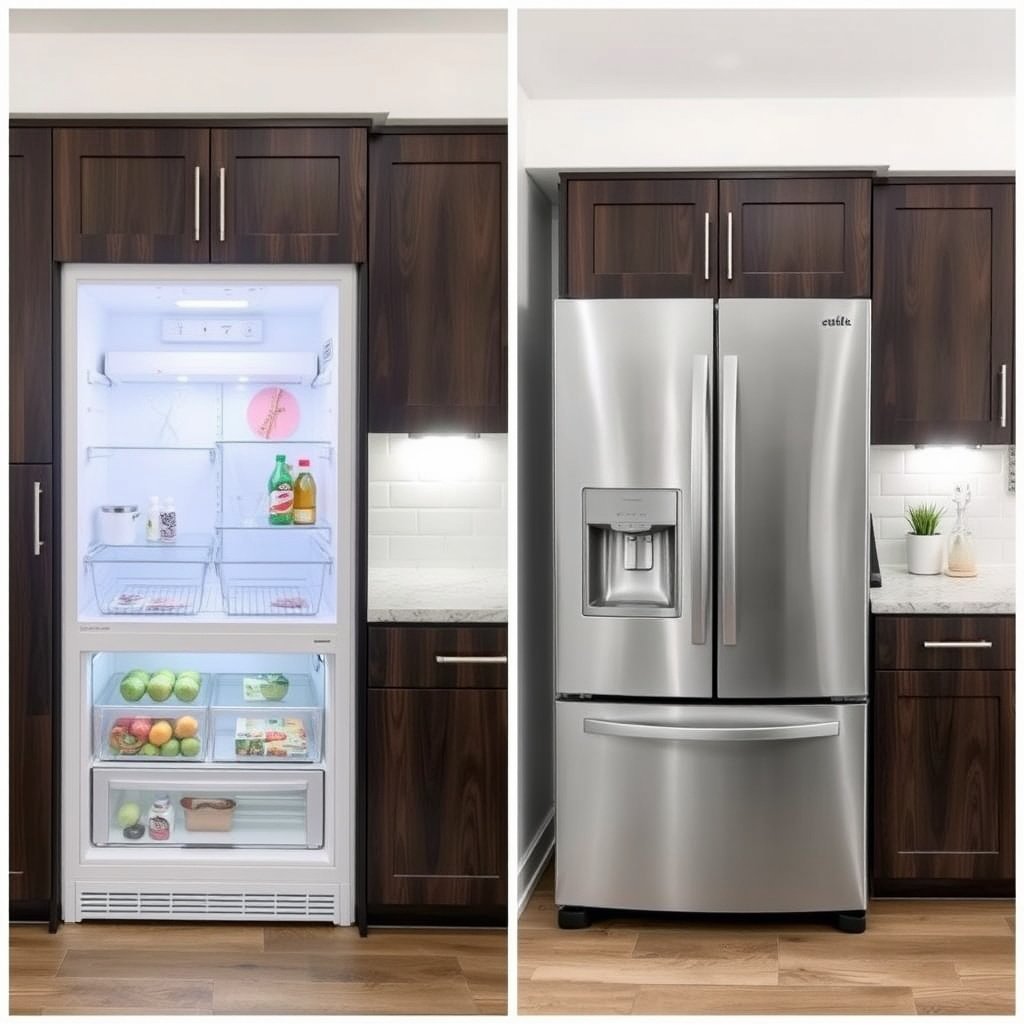
Built in fridges create an integrated kitchen look and save space by fitting flush with cabinetry. They often come with premium features and can boost the home’s resale value due to their high-end appearance.
Moreover, because these fridges can be customized with panels, they allow homeowners to coordinate appliance design with overall kitchen theme.
- Seamless design integration
- Space-efficient installation
- Customizable exteriors
- Premium feature availability
When Freestanding Refrigerators Might Be Better
Freestanding refrigerators are generally more affordable, easier to move, and require less complex installation. They can be a good choice for renters or those who prefer to avoid kitchen renovations.
Additionally, freestanding models usually offer more interior capacity for the same external dimensions and easier access to replacement parts or repairs.
- Lower purchase cost
- Simpler installation
- Greater interior volume
- Easy mobility and replacement
Energy Efficiency and Maintenance of Built In Fridges
Energy Consumption Patterns
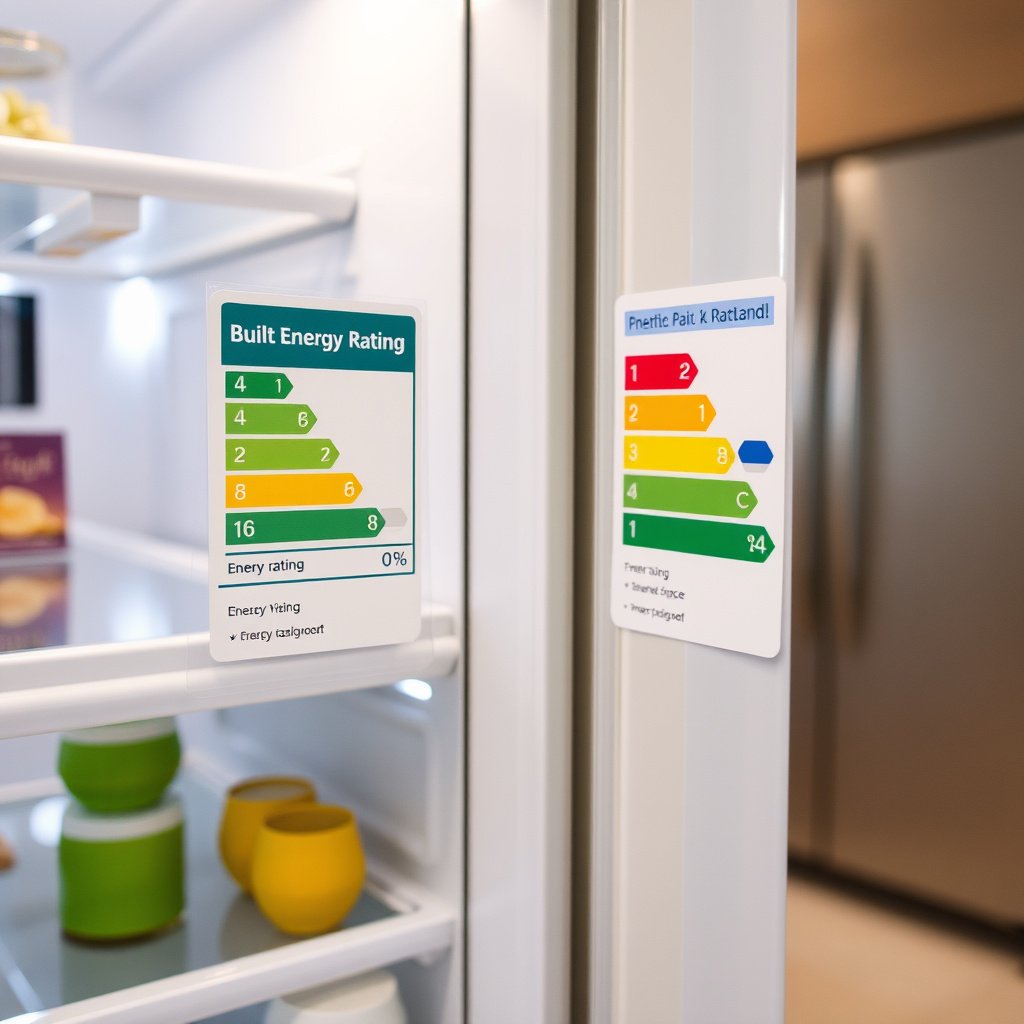
Built in fridges often have advanced technology such as LED lighting, efficient compressors, and better insulation to reduce energy use. Consumers should look for ENERGY STAR rated models to find options that minimize electricity consumption.
While initial costs may be higher than some freestanding fridges, lower energy bills and reduced environmental impact often justify the investment over time.
- Look for ENERGY STAR certification
- Consider inverter compressor models
- Check insulation quality
- Monitor usage to optimize efficiency
Routine Care and Troubleshooting
Regular maintenance includes cleaning condenser coils, checking door seals, and avoiding overloading to maintain airflow. Built in fridges may require removing panels during servicing, which should be done carefully to avoid damage.
Common troubleshooting includes addressing unusual noises, temperature inconsistencies, and frost buildup, making adherence to manufacturer instructions key for long-term performance.
- Clean condenser coils biannually
- Inspect and replace door gaskets
- Avoid blocking vents inside
- Follow panel removal guidelines
Choosing the Right Built In Fridge for Your Kitchen

Assessing Kitchen Layout and Size
Before selecting a built in fridge, measure available cabinet space precisely and consider existing cabinetry depth to find a unit that fits perfectly. Account for door swing and accessibility in daily use.
Evaluate your household’s storage needs—whether you require large freezer capacity, specialized compartments, or under-counter options—to guide which style suits your routine best.
- Measure height, width, and depth
- Plan for door clearance
- Consider storage capacity needs
- Match style with cabinetry
For a detailed overview of built in and integrated refrigeration units, see this comprehensive resource on built-in refrigerator information. Built-in refrigerator information.
Balancing Features and Budget
Identify essential features such as adjustable shelves, temperature zones, or smart connectivity but be realistic about your budget. Some high-end built in fridges offer premium tech but come with steep price tags and installation costs.
Compare warranty coverage, energy efficiency, and user reviews to ensure you select a model that delivers value and longevity while blending well with your kitchen design.
- List must-have features
- Compare pricing and installation costs
- Review warranty and customer feedback
- Check energy savings potential
Built In Fridge Categories Comparison
Below is a comparison of typical built in fridge categories to help you identify the best fit based on size, features, and price.
| Category | Size Range (inches) | Typical Price Range | Key Features | Best For |
|---|---|---|---|---|
| Full-Size Built In | 24–36 W x 70–84 H | $3,000–$10,000 | French doors, adjustable shelves, dual cooling | Larger households, full kitchen integration |
| Under-Counter Models | 18–24 W x 24–34 H | $800–$3,000 | Compact size, beverage/wine storage, LED lighting | Small spaces, secondary refrigeration |
| Column Style Units | 12–24 W x 70–84 H | $2,500–$7,000 | Separate fridge/freezer columns, modular design | Customized layouts, luxury kitchens |
| Panel-Ready Units | Varies | $3,000–$9,000 | Customizable exterior panels, flush installation | Design-centric kitchens needing full integration |
| Slim Profile Fridges | 18–24 W x 60–70 H | $1,200–$4,000 | Narrow width for tight spaces, efficient use | Apartments, small kitchens |
Frequently Asked Questions
Can a built in fridge be installed in any kitchen?
A built in fridge requires sufficient cabinet space, proper ventilation, and electrical access. Not every kitchen can accommodate them easily, especially older or smaller layouts without modifications.
How does a built in fridge differ from an integrated refrigerator?
A built in fridge is designed to fit flush into cabinetry and may have custom panels but can sometimes be freestanding. An integrated refrigerator specifically emphasizes full visual integration with matching cabinet doors.
Are built in fridges more expensive than freestanding models?
Generally, built in fridges cost more upfront due to design customization, installation complexity, and often premium features compared to standard freestanding models.
Is professional installation necessary for built in fridges?
Professional installation is highly recommended because of precise fitting, proper ventilation, electrical setup, and panel alignment to avoid damage and ensure optimal performance.
Do built in fridges consume more energy?
Built in fridges often include energy-efficient technologies and can be as efficient or better than freestanding models if selected carefully, particularly with ENERGY STAR certification.
Can I convert my existing freestanding fridge into a built in fridge?
Most freestanding fridges are not designed for flush built in installations. While some can be semi-integrated with custom panels, true built in fridges usually require purchasing a specific integrated model.
Key Takeaways
- Built in fridges blend seamlessly with kitchen cabinetry for a unified look.
- They come in various sizes and styles, including full-size and under-counter options.
- Proper ventilation and professional installation are critical for built in fridges.
- Built in fridges often offer premium features but come with higher costs.
Conclusion
Choosing the right built in fridge involves weighing your kitchen’s space constraints, design preferences, and functional needs. The core appeal lies in their ability to integrate completely with cabinetry, creating a streamlined look without sacrificing storage. Careful measurement and understanding ventilation requirements will help avoid common pitfalls, ensuring the fridge performs well and lasts long within your kitchen environment. Think about your household’s daily food storage patterns and decide if features like dual cooling or modular compartments align with your lifestyle before narrowing your options.
If you have a spacious modern kitchen and want a centerpiece appliance that blends in, full-size built in models with customizable panels and advanced temperature control provide excellent solutions. For smaller spaces or casual entertaining areas, under-counter models serve as smart secondary refrigeration without demanding significant kitchen redesign. Those interested in tailored kitchen layouts might consider column style or panel-ready units for maximal customization. Balancing features with your budget helps you find a product that meets expectations without overspending on extras you may not use.
As a next step, take precise measurements of your kitchen, including door swings and ventilation potential, and consult with kitchen design professionals or appliance retailers specializing in built in fridges. Reviewing user reviews and energy ratings ensures you select a model that performs reliably over time. By doing thorough research and planning, you can enjoy the aesthetic and functional advantages a built in fridge provides, transforming your kitchen into a cohesive and efficient space.