
How to Cook Salmon Perfectly: 8 Proven Methods with Timing & Tips
To cook salmon perfectly, use moderate heat and avoid overcooking by checking for flaky, opaque flesh. Start by placing the salmon skin-side down to achieve a crispy texture and cook for 5 to 10 minutes depending on thickness. This method works for beginners and home cooks who want reliable results every time. You will get clear, step-by-step instructions on choosing the right salmon, cooking methods, timing, and tips to avoid common mistakes.
This article covers a variety of cooking techniques including grilling, broiling, pan-frying, and gentle methods like poaching and sous vide. It also explains how to store and reheat salmon safely to maintain quality and flavor. By using these tips, you can confidently prepare salmon dishes that taste fresh and cook evenly without guesswork.
Key Takeaways
- Cook salmon skin-side down first for 4 to 6 minutes to get a crispy skin before flipping.
- Use a fork to test doneness: salmon flakes easily and is opaque when fully cooked.
- Grill salmon for about 5 to 6 minutes per side, flipping only when it releases from the grill.
- Oven broil salmon 5 to 7 minutes per side at 5½ inches from the heat source for even cooking.
- Pan-fry salmon on high heat for about 3 minutes each side, adjusting time based on thickness.
- Poach salmon gently in simmering liquid for 10 to 15 minutes until the flesh firms up.
1. How to Cook Salmon Perfectly Every Time
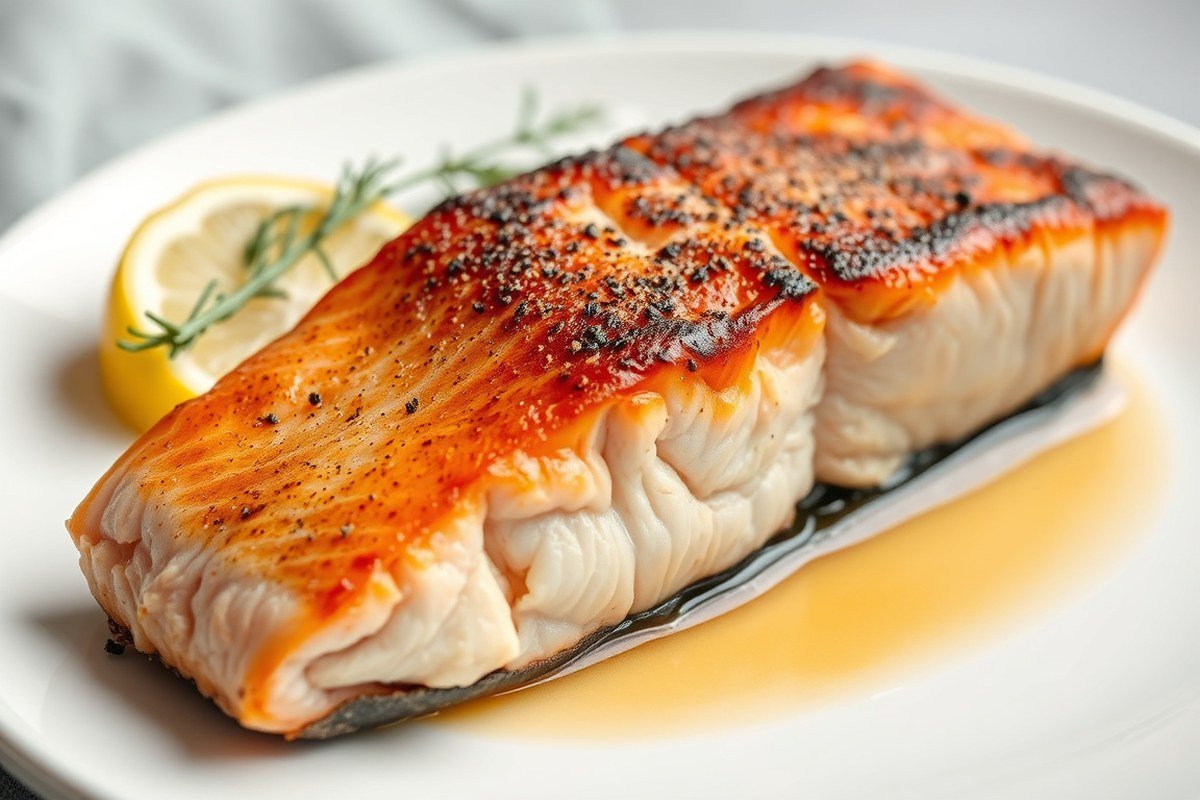
To cook salmon perfectly every time, start by bringing the fish to room temperature. Remove 6 to 8-ounce skin-on fillets from the refrigerator about 15 minutes before cooking. This helps the fillets cook evenly. Pat the salmon dry to remove excess moisture, which allows for better searing and crust development.
Season the salmon simply with salt, pepper, and a touch of oil to prevent sticking unless you plan to add sauces or marinades later. Cooking temperature aims vary depending on your preference: an internal temperature of 120 to 125°F signals medium-rare, while 130 to 135°F means medium. The USDA recommends cooking salmon to 145°F for well-done, but many cooks prefer to pull it slightly earlier for a tender, juicy result.
Check the doneness of salmon by inserting an instant-read thermometer into the thickest section of the fillet. The salmon is done when it flakes easily with a fork and shows no translucence inside. Baking at 425°F usually takes around 12 to 15 minutes; times vary based on thickness. Cooking from frozen adds 5 to 10 minutes, while smaller or larger fillets require slight adjustments in time.
Plan to rest salmon for about 3 to 5 minutes after cooking. Carryover heat will raise the internal temperature by a few degrees, helping reach the desired final doneness while locking in juices. Resting also makes the fish easier to handle and slice for serving. Skipping this step can result in drier salmon.
When pan-frying, heat oil in a skillet over medium-high heat. Place the salmon skin-side down first, cooking for 4 to 5 minutes until the skin is crisp and the sides appear mostly opaque. Flip and cook for another 3 to 4 minutes. Avoid flipping too soon; if the fish sticks, it needs more cooking time on that side. For baking or broiling, preheat the oven fully before adding salmon to ensure even cooking.
Frozen salmon should be thawed in the refrigerator overnight whenever possible to ensure even cooking. Cooking from frozen takes longer and can produce a less even texture. Poaching salmon in simmering liquid is a gentle method that keeps the fish moist and delicate, taking about 10 minutes depending on thickness. This works well if you prefer a milder flavor and softer texture.
Monitoring both temperature and the appearance of the salmon ensures the best results, alongside proper preparation steps before cooking. Starting with fillets close to room temperature and using an instant-read thermometer will give you consistent, tender results every time. Resting completes the process by ensuring the salmon stays juicy and easy to serve.
2. Choosing the Right Salmon and Preparing It Safely

Pick fresh salmon by looking for vibrant color and firm flesh that springs back when pressed; avoid dull or discolored patches and a strong fishy odor, which signal less freshness. Choose fillets with moist, shiny surfaces rather than slimy or dried edges. At the market, ask if the salmon was recently caught or delivered, as fresher fish has better texture and flavor. Wild-caught salmon often costs more but can have a richer taste, while farmed salmon is more widely available and consistent in fat content.
To safely thaw frozen salmon, submerge the sealed fillet in cold water for 30 to 45 minutes, refreshing the water at least once halfway through. This approach defrosts the fish evenly while minimizing the risk of bacterial growth. Avoid thawing salmon on the counter, as it can promote spoilage. Once thawed, cook the salmon right away or store it in the refrigerator and use within one to two days.
Let salmon sit out for at least 10 minutes before cooking to help it reach a warmer temperature. This step ensures the fish cooks more evenly by preventing the exterior from getting overdone while the center stays cold. After cooking, rest the salmon for 3 to 5 minutes so the juices can settle, making the fillet more tender.
Address skin and bones based on your recipe and preference. You don’t need to remove the skin before cooking, cooking salmon skin-side down can protect the flesh and develop a crispy texture. Removing skin is easier after cooking if you prefer to serve skinless portions. Check for pin bones by running your fingers down the fillet and use kitchen tweezers to pull out any you find; this step improves eating comfort but is optional if cooking salmon steaks.
Always thaw salmon in cold water, never warm or hot water, to prevent bacterial growth and keep it fresh for cooking.
3. Grilling Salmon: Step-by-Step for a Crispy Finish
Grilling salmon requires careful prep and timing to create a crispy skin and tender flesh. Preheat the grill well and oil both the grill grates and the salmon. Cook the fillets skin-side down first, and flip only when the skin crisps and the fish releases easily from the grill. Typically, grilling salmon takes about 10 to 12 minutes total depending on thickness, with flipping near the halfway point.
Prepping the Grill and Salmon
Start by cleaning your grill grates thoroughly to prevent sticking. Preheat the grill to medium-high heat, aiming for about 375°F to 400°F. While the grill heats, pat the salmon dry with paper towels; moisture causes sticking and prevents crispiness.
Brush the salmon fillets lightly with oil, olive or vegetable oil work well, to create a protective barrier and encourage browning. Season simply with salt and pepper or your preferred spices. Using skin-on fillets helps hold the salmon together during grilling and promotes crisp skin.
Cooking Times and When to Flip
Place the salmon fillets skin-side down on the grill. The initial skin-down cook is important to crisp the skin and cook three-quarters through the fillet. Cook uncovered for 5 to 6 minutes without moving the fish to allow a good sear.
Flip the salmon once the skin is crisp and the fish naturally releases from the grill grates. Use a wide, thin spatula to gently lift the fillet and flip it over. Cook on the flesh side for an additional 3 to 4 minutes. Total grill time should be about 8 to 10 minutes for fillets around 1-inch thick.
Check for doneness by seeing that the salmon is opaque and flakes easily with a fork. Internal temperature should reach about 125°F for medium doneness, with slight residual cooking after removing from the grill.
Tips for Crispy Skin and Avoiding Sticking
Ensure the grill is well oiled before placing the salmon on it. Apply oil directly to the grill grates by dipping a folded paper towel in oil and wiping it across the grates with tongs. Keep the salmon skin dry and generously oiled to help form a crispy crust.
Avoid flipping too soon or flipping multiple times; the skin needs time to set and release naturally. When the salmon sticks as you try to flip it, wait another 30 seconds before trying again to avoid tearing. Letting skin “char” lightly in spots improve crispiness without burning.
For cleaner handling, use a fish spatula with a thin, flexible edge. When grilling multiple fillets, leave space between them to prevent overcrowding and uneven cooking. After grilling, rest the salmon briefly before serving to let juices redistribute.
- Preheat grill to medium-high (375°F, 400°F) and clean grates well.
- Pat salmon fillets dry, brush both sides with oil, and season.
- Oil grill grates using an oiled paper towel and tongs.
- Place salmon skin-side down on grill; cook 5 to 6 minutes without moving.
- Carefully flip salmon using a thin spatula once skin crisps and fish releases.
- Grill flesh-side down for 3 to 4 more minutes until salmon flakes easily.
- Remove from grill and rest briefly before serving.
4. Broiling and Baking Salmon in the Oven: Temperature and Time Guide
Broiling and baking salmon use different heat methods that affect cooking time and texture. Broiling exposes salmon to high, direct heat from above, cooking it quickly with a crisp top, while baking surrounds the salmon with indirect heat, cooking it more gently and evenly. Use broiling for thinner fillets or when you want a caramelized surface, and baking for thicker pieces or maintaining moistness with less risk of overcooking.
Setting the Oven and Rack
For baking, place the oven rack in the middle position to ensure even heat circulation around the salmon. Preheat your oven to around 375°F for balanced cooking that keeps the salmon moist without drying the edges. For broiling, set the rack in the top third of the oven, about 5 to 6 inches away from the broiler coils, and preheat the broiler to high.
The rack position matters because baking relies on surrounding heat, so the middle rack prevents the salmon from cooking too fast or unevenly. Broiling’s intense direct heat needs the salmon close to the element to cook quickly and develop a crispy exterior without drying out the inside.
Baking Times for Different Thicknesses
Baking salmon at 375°F typically requires 12 to 16 minutes for a fillet approximately 1 inch thick. Thicker fillets or whole side portions need longer; for example, a 1.5 kilo salmon can take 30 to 35 minutes to cook through.
Check doneness by inserting an instant-read thermometer into the thickest part of the fish; aim for 140°F to 145°F. The salmon should flake easily when gently pressed with a fork, and the flesh should be opaque. Avoid overbaking by starting to check a few minutes before the shortest recommended time.
Baking at a higher temperature of 400°F can reduce cooking time to about 10 minutes but watch carefully to avoid drying. Baking in parchment paper (en papillote) or foil packets also helps retain moisture and allows you to cook with vegetables if desired.
Using the Broiler Safely and Effectively
Broil salmon by setting your oven rack so the fish is about 5 to 6 inches from the heat source and preheating the broiler to high. Broiling generally takes 6 to 10 minutes depending on thickness, with thinner fillets requiring less time.
Use an instant-read thermometer to check for an internal temperature of 140°F to 145°F. Once the surface is browned and the salmon flakes easily, turn off the broiler and let the fish rest in the hot oven for 3 to 5 minutes to finish cooking evenly without drying out.
Broiling works best for thin fillets or steaks where you want a flavorful crust. Avoid this method for very thick pieces or whole sides since the exterior may burn before the inside cooks through properly.
- Preheat the oven to 375°F for baking or set the broiler to high.
- Arrange the oven rack in the middle for baking or the top third for broiling (5-6 inches from the heat).
- Place the salmon on a baking sheet or in a parchment packet if baking; place skin-side down if it has skin.
- Bake for 12 to 16 minutes at 375°F, checking doneness with a thermometer after 12 minutes.
- Broil for 6 to 10 minutes, watching closely for browning.
- After broiling, turn off the broiler and leave salmon in the oven for 3 to 5 minutes to finish cooking gently.
- Remove the salmon when the internal temperature reaches 140°F to 145°F, and the flesh flakes with a fork.
- Let the salmon rest for a few minutes before serving to allow juices to redistribute.
5. Pan-Frying and Searing Salmon for Flavor and Texture
Pan-frying salmon delivers a golden, crispy crust and tender interior quickly. Use a heavy pan like stainless steel or cast iron, and an oil with a high smoke point such as avocado or canola oil. Start cooking skin-side down over medium-high heat to lock in flavor, then flip carefully after 3 to 5 minutes for best texture and easy release.
Choosing the Right Pan and Oil
A stainless steel or cast-iron skillet works best for pan-frying salmon. These pans retain heat well and allow you to get a good sear without sticking. Nonstick pans can be used but won’t develop the same flavorful crust.
Pick an oil with a smoke point above 400°F to prevent burning during searing. Avocado, canola, or refined grapeseed oil are strong choices. Avoid olive oil as its lower smoke point can cause smoke and a bitter taste at high heat.
Searing Salmon Skin-Side Down
Cooking salmon with skin is preferred because it helps protect the flesh and adds crunch and flavor. Always place the skin side down first when the oil is hot but not smoking. This method helps render the fat under the skin and creates a crispy surface.
Press the fillet lightly with a spatula for the first 15 to 30 seconds to ensure even contact with the pan. Watch for the fillet’s sides to turn opaque gradually from the bottom. This signals the cook progressing beneath the skin.
Finishing the Cook and When to Flip
The timing depends on thickness and whether skin is on. For skin-on fillets around 6 to 8 ounces, sear skin-side down for 3 to 5 minutes over medium-high heat. Flip once the skin crisps up and releases easily from the pan. Then cook skin-side up for another 3 to 5 minutes until the fish flakes when tested with a fork.
Skinless fillets cook a bit faster and don’t require pressing to adhere. Flip carefully using a wide spatula to avoid breaking the delicate flesh. Adjust the heat to keep the pan temperature near 350°F to avoid burning while thoroughly cooking the inside.
- Heat 1 tablespoon of a high-smoke-point oil in a stainless steel or cast-iron skillet over medium-high heat.
- Season salmon fillets with salt and pepper on both sides.
- Place skin-side down fillets into the hot oil and press gently with a spatula for 15-30 seconds.
- Cook skin-side down for 3 to 5 minutes until the skin crisps and the sides start turning opaque.
- Carefully flip the fillets using a wide spatula.
- Cook skin-side up for an additional 3 to 5 minutes until the fish flakes easily and is opaque throughout.
- Remove from pan and let rest briefly before serving.
Make sure the oil is hot enough before adding the salmon; if the fish sticks, your pan isn’t hot enough.
6. Gentle Cooking Methods: Poaching, Sous Vide, and En Papillote
Gently cooking salmon preserves its moisture and delicate texture, making poaching, sous vide, and en papillote excellent methods to achieve tender, flavorful results. Poaching involves simmering the salmon in a lightly seasoned broth at about 160°F to 180°F for 10 to 15 minutes, depending on thickness. This gentle heat keeps the fish moist without breaking it apart. The broth can include aromatics like lemon, herbs, or white wine, which infuse subtle flavors without overpowering the salmon’s natural taste. Poached salmon works well served hot, chilled, or at room temperature, making it versatile for various dishes.
Cooking salmon sous vide means sealing it in a vacuum bag and immersing it in a precisely controlled water bath, typically set around 125°F for 30 to 45 minutes for a 1.5-inch fillet. This technique produces evenly cooked salmon with an intensely savory flavor and a tender texture that can almost be spread like butter. After sous vide, a quick sear in butter adds a flavorful crust while preserving the moist interior. Sous vide requires special equipment, such as an immersion circulator and vacuum sealer, and time to reach the target temperature, but it offers unmatched consistency and control over doneness.
En papillote, French for “in parchment,” involves wrapping the salmon with seasonings and moisture-rich ingredients like lemon slices, herbs, or vegetables in parchment paper or foil. The packet is baked at 400°F for about 12 to 15 minutes, trapping steam to cook the salmon gently. This method produces tender salmon with a fragrant aroma and moist flesh, though its flavor can be somewhat milder compared to sous vide or poaching because the liquid inside the packet can dilute it. En papillote is simple, requires no special gear, and suits home cooks who want a hands-off baking method that locks in moisture.
| Method | Temperature | Time | Texture / Flavor | Equipment / Complexity |
|---|---|---|---|---|
| Poaching | 160°F, 180°F (broth) | 10, 15 minutes | Moist, mild flavor, slightly delicate | Simple pot, broth, stove |
| Sous Vide | 125°F (water bath) | 30, 45 minutes | Evenly cooked, intensely savory, very tender | Immersion circulator, vacuum sealer, water bath |
| En Papillote | 400°F (oven) | 12, 15 minutes | Steamed, tender, subtle flavor | Parchment paper or foil, oven |
Among these methods, sous vide provides the most consistent, tender, and flavorful results, especially if you prefer a rich, savory salmon texture. Poaching is excellent for a more straightforward approach that keeps the fish moist and adaptable for cold dishes or salads. En papillote is preferred when you want an easy oven-baked meal with minimal cleanup and a fragrant presentation. Avoid overcooking in any method to maintain moisture; salmon turns dry and tough if held too long at higher temperatures or exposed to direct heat.
To poach salmon, heat your broth gently and add the salmon skin-side down, ensuring it’s covered, then cook until it flakes easily. For sous vide, season and seal the filet before placing it in the preheated water bath; after cooking, finish by searing in butter over medium heat for 30 seconds per side if desired. For en papillote, fold the parchment into a sealed packet enclosing the fish and flavorings, then bake on a sheet tray. Let salmon rest briefly after cooking to redistribute juices before serving. Each method emphasizes slow, moist heat to protect salmon’s delicate proteins and preserve its tender texture.
7. Air Fryer Salmon: Quick and Crisp Cooking Guide
Cooking salmon in an air fryer lets you achieve a crispy outside and moist inside quickly and with minimal fuss. Preheating the air fryer to about 370°F helps the fish cook evenly and prevents sticking. You should spray the basket with cooking spray or lightly oil it to further reduce sticking. For fresh salmon, set the temperature at 370°F and cook for about 8 to 10 minutes, depending on thickness. Frozen salmon fillets cook well at 400°F for 7 to 10 minutes without thawing first, making the air fryer a convenient choice. To keep the salmon moist, avoid overcooking and consider seasoning it simply with salt and a light brush of oil or a marinade before cooking. Here is a straightforward process to cook salmon perfectly in an air fryer:
- Preheat the air fryer to 370°F for fresh salmon or 400°F if cooking frozen pieces.
- Prepare the salmon by patting it dry with a paper towel. This helps seasoning stick and improves crispiness.
- Season the salmon by brushing a small amount of oil on the surface and sprinkling salt, pepper, or your preferred seasoning blend.
- Spray the air fryer basket lightly with cooking spray or brush with oil to prevent sticking.
- Place the salmon skin-side down in the air fryer basket, leaving space between pieces for air circulation.
- Cook fresh salmon for about 8 to 10 minutes. Frozen salmon takes roughly 7 to 10 minutes. The salmon is done when it flakes easily with a fork and is opaque throughout.
- Check the internal temperature if you want precision; salmon should reach 145°F according to FDA guidelines.
- Remove the salmon carefully and let it rest for a few minutes before serving to allow juices to redistribute.
This method suits different seasoning styles, such as a simple salt and pepper seasoning or a spiced rub like blackened Cajun blend. The key to moist salmon is not overcooking and using enough oil or marinade to protect the fish from drying out in the dry air fryer environment. Cooking salmon directly from frozen in the air fryer works well and saves time but may require monitoring cooking time to avoid overcooking the thinner edges. Avoid covering the salmon during cooking, as keeping it uncovered helps the air fryer crisp the surface faster. This approach keeps your salmon tender on the inside and nicely browned on the outside.
8. How to Store, Reheat, and Serve Salmon for Best Results
Store raw salmon in its original packaging or wrapped tightly in plastic wrap, then place it in the coldest part of your refrigerator. Use it within one to two days for the best quality and safety. For cooked salmon, transfer leftovers to an airtight container and refrigerate promptly; it will keep well for 3 to 4 days. If you want to store cooked or raw salmon longer, wrap it tightly in plastic wrap and then foil or use a freezer-safe container, and freeze it. Frozen salmon maintains good quality for up to two to three months.
Reheating salmon is best done gently to avoid drying out the fish. Avoid the microwave if possible, as it heats unevenly and can make salmon tough. Instead, preheat your oven to 275°F (135°C). Place the salmon on a baking sheet, cover it loosely with foil to retain moisture, and warm it for about 10 to 15 minutes. Check frequently to avoid overcooking; the fish should reach an internal temperature close to 125°F (51.7°C) to stay tender. Another great option is reheating salmon in a skillet over low heat with a splash of water or broth, covering it briefly to steam the fish back to life without drying.
Salmon pairs well with many simple side dishes. Steamed or roasted vegetables such as asparagus, green beans, or broccoli offer a fresh contrast. Rice pilafs or herbed quinoa add a filling element that complements salmon’s rich flavor. For sauces, a light dill or lemon butter sauce works well, as do creamy horseradish or mustard-based sauces. A squeeze of lemon or a drizzle of olive oil and herbs on the finished fish improve its natural taste without overpowering.
Dry or overly fishy reheated salmon usually means it was reheated too long or at too high a temperature. Storing salmon improperly, exposed to air or at not-quite-cold temperatures, can speed spoilage and ruin its texture and flavor. Keeping salmon airtight and cold slows bacterial growth so your fish stays fresh and tasty longer.
Always store salmon in an airtight container and refrigerate or freeze promptly after cooking or purchasing to reduce the risk of foodborne illness.
Step-by-Step Action Plan for Cooking Salmon Perfectly
Follow these clear steps to cook salmon perfectly using your preferred method while ensuring safety and great taste.
- Before cooking: Select fresh or properly thawed salmon. Fresh fish smells mild and looks moist, not dry or slimy.
- Preheat your cooking equipment: Whether grilling, pan-frying, broiling, or using an air fryer, get your heat source ready to avoid sticking and ensure even cooking.
- Season or marinate: Lightly salt or apply your preferred seasoning just before cooking to improve flavor without drawing out moisture.
- Cook according to method and thickness: For example, grill or broil salmon for 4 to 6 minutes per side depending on thickness, or pan-sear skin-side down first for crispness.
- Check doneness: Salmon flakes easily with a fork and has an internal temperature of 125°F to 130°F for medium doneness.
- Rest briefly: Let salmon rest 3 to 5 minutes after cooking to retain juices and finish cooking gently.
- Store leftovers promptly: Cool cooked salmon and refrigerate within 2 hours in an airtight container to maintain freshness.
Frequently Asked Questions
How Do I Tell When Salmon Is Fully Cooked?
Salmon is done cooking once it flakes apart easily with a fork and the flesh is opaque, not see-through. Cook it covered for 5 to 10 minutes, checking regularly to prevent overcooking.
Can I Cook Frozen Salmon Without Defrosting?
Yes, but add 5 to 10 minutes to the cooking time for frozen salmon or defrost it first for more even cooking. Cooking from frozen can result in less even texture.
Is It Better to Cook Salmon Skin-Side Up or Down?
Cook salmon skin-side down first until the skin is golden and crispy, about 4 to 6 minutes. This helps protect the flesh and adds flavor and texture.
What Internal Temperature Should Salmon Reach When Cooked?
Salmon is best cooked to an internal temperature of around 145 degrees Fahrenheit. Use a meat thermometer to ensure safety and optimal texture.
How Long Should I Cook Salmon in the Oven?
Bake salmon at 425 degrees Fahrenheit for about 12 to 15 minutes, depending on thickness. Thicker fillets take longer; aim for opaque flesh that flakes easily.
Can I Reuse Salmon Cooking Juices or Marinades Safely?
Avoid reusing marinades or juices that have contacted raw salmon unless they are boiled first. This prevents the risk of foodborne illness.
The Bottom Line
Salmon can be cooked perfectly in many ways by controlling heat, timing, and handling. Pick a method that fits your taste and schedule, and follow the steps carefully to get a moist, flavorful result every time. Start by trying one cooking technique today and adjust seasoning and timing based on your preferences for the best salmon experience.



One Comment