How to Make Bread Pudding Perfectly: Complete Steps and Tips
To make bread pudding perfectly, soak your bread in a well-seasoned custard and bake at a moderate temperature until the custard is set and the top is golden. Bake for about 45 to 50 minutes at 325°F, allowing the dish to rest before serving for the best texture. This approach helps you avoid soggy or unevenly cooked pudding. This guide suits home cooks from beginners to intermediate bakers and offers clear steps, baking tips, and storage advice to help you achieve a classic, delicious bread pudding every time.
Key Takeaways
- Choose sturdy bread that soaks well but won’t turn mushy, such as brioche, challah, or French bread.
- Let your bread soak in the custard mixture for about 15 minutes before baking to absorb flavors thoroughly.
- Preheat your oven to 325°F to ensure even baking throughout the pudding.
- Bake the bread pudding for 45 to 50 minutes until the custard is fully set and the top springs back gently to touch.
- Cool bread pudding before storing and refrigerate within 2 hours to keep it safe and fresh.
- Wrap tightly and freeze leftover pudding for up to 3 months for convenient future servings.
What Is Bread Pudding and How Does It Work?

Bread pudding is a classic dessert made by combining slightly stale bread with a rich custard mixture, then baking it until set. The basic concept involves soaking bread pieces in a custard made from eggs, milk or cream, sugar, and flavorings like vanilla or spices. Unlike cakes or cookies, which rely on flour-based doughs baked directly, bread pudding transforms existing bread into a soft, tender dessert through this soaking and baking process.
The key to bread pudding lies in how the bread and custard interact during baking. The bread’s porous structure soaks up the liquid custard before and during baking, turning what would otherwise be a dry baked good into a moist, custardy dish. The bread absorbs enough custard to become tender and flavorful, but not so much that it turns soggy or falls apart. This balance depends on letting the bread sit in the custard mixture for about 10 to 15 minutes before baking. This step gives the bread time to fully absorb the liquid, improving texture and flavor throughout.
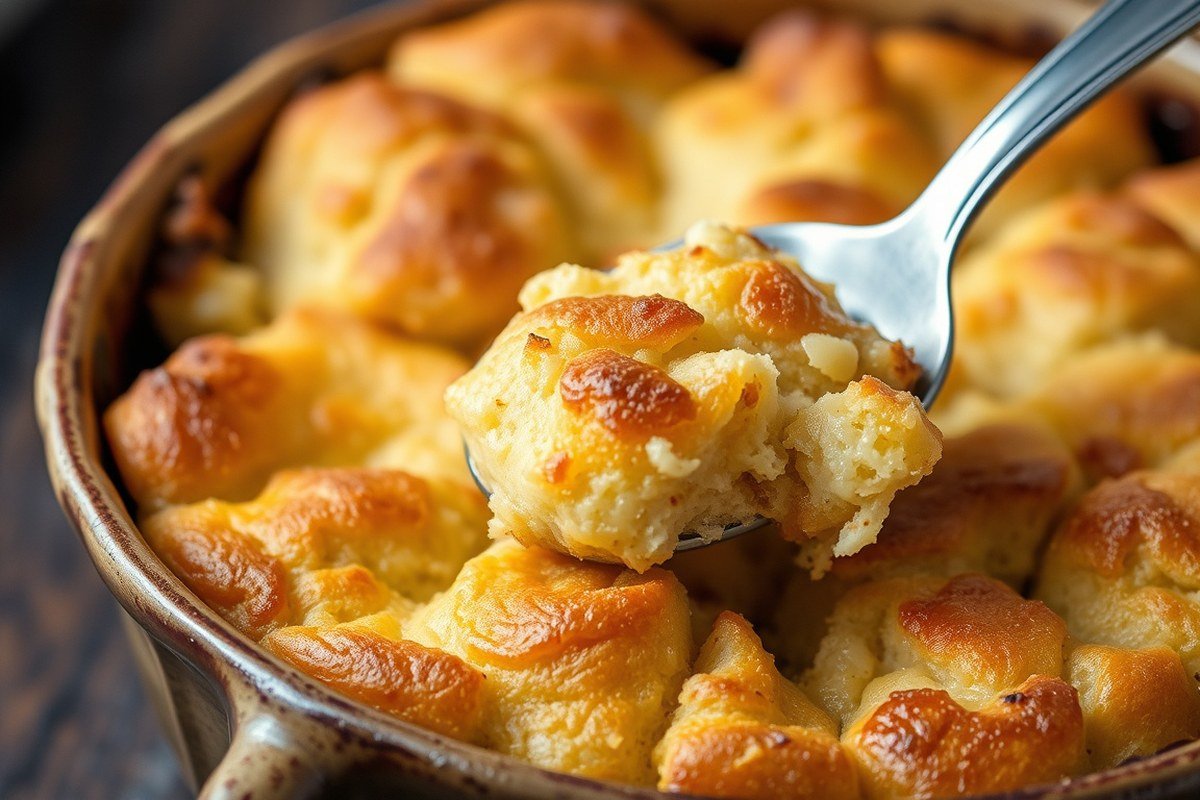
Once soaked, the bread-custard mixture bakes at a moderate temperature, usually around 350°F, for 40 to 50 minutes. During this time, the custard sets as the eggs cook, turning from liquid to a soft, pudding-like consistency. The top usually becomes golden brown and may puff slightly, while the center firms up and springs back when you press it gently. Some recipes result in bread pudding where you can still see visible custard pockets, adding a creamy texture contrast, while others have the bread soaking up nearly all the custard, creating a dense, uniform texture.
Using day-old or slightly stale bread matters because fresher bread can become too mushy. Stale bread has had time for some moisture to evaporate, creating a sturdier base that holds the custard without collapsing. The soaking time also plays a big role here. Letting the bread absorb custard for about 15 minutes before baking can improve flavor penetration and ensure an even texture throughout. If you skip this soaking step or use fresh bread, you risk ending up with either dry spots or an overly soupy pudding.
This unique combination sets bread pudding apart from other desserts like cakes or custards served alone. It combines the familiar texture of bread with the creamy richness of custard in a single dish. The transformation relies on proper soaking and careful baking to ensure that the final dessert is soft, moist, and flavorful, with the custard fully set but still tender inside the bread’s structure.
Choosing the Best Bread for Bread Pudding
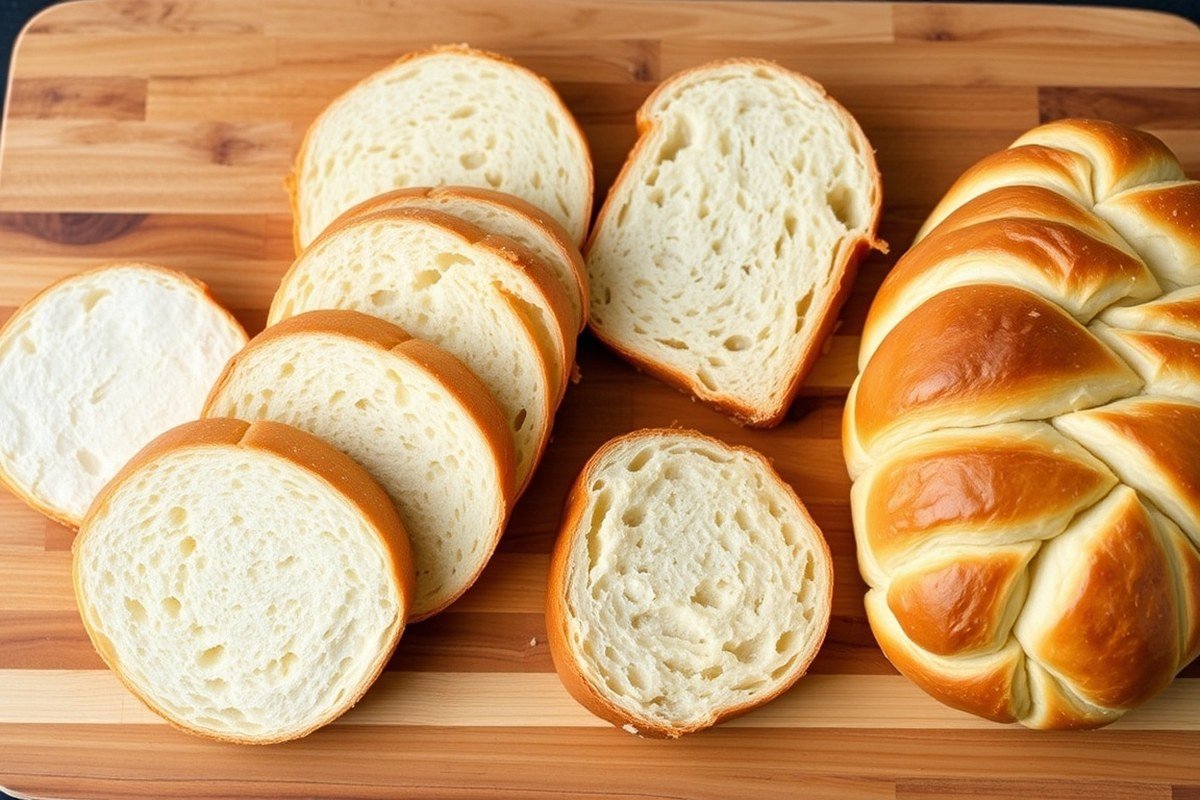
Choosing the right bread for bread pudding affects both the texture and flavor of the final dish. Rich, eggy breads absorb custard well for a soft yet structured pudding, while sturdier breads add more chew and contrast. Stale or day-old bread often works better than fresh because its drier crumb soaks up the custard without turning mushy.
White Bread
Simple white bread is a classic choice for bread pudding. Its neutral flavor allows vanilla, spices, and other ingredients to shine. Because white bread is soft and absorbs custard easily, it creates a tender and moist pudding texture.
When using fresh white bread, cut it into small cubes and lightly toast them to help the bread hold up better under custard. Day-old white bread is ideal; the dryness helps it soak up the custard mixture fully without becoming too soggy during baking.
Brioche and Challah
Egg-rich breads like brioche and challah are top picks for bread pudding. They bring a natural sweetness and buttery flavor that improve the dessert’s richness. Their soft, airy texture absorbs custard while maintaining a light, tender crumb.
Use unsliced challah or brioche cut into 1-inch cubes for even custard absorption. Both types work especially well stale or day-old but can be revived from fresh by baking cubes for 8 to 10 minutes at 300°F to dry them out before soaking.
Sourdough and Artisan Breads
Sourdough or artisan breads bring more depth of flavor and a firmer texture to bread pudding. Their tangy or rustic notes create a unique taste profile, though they may slightly change the dessert’s traditional sweet richness.
Choose day-old sourdough or similar hearty loaves for better custard absorption and texture balance. Avoid very dense whole wheat or seeded loaves because their strong flavors and heavier crumb can compete with the pudding’s softness and vanilla-spiced custard.
| Bread Type | Texture | Flavor Impact | Best Condition | Cubing Size |
|---|---|---|---|---|
| White Bread | Soft, tender | Neutral, allows other flavors to shine | Day-old or lightly toasted fresh | 1-inch cubes |
| Brioche | Light, airy, rich | Buttery, slightly sweet | Day-old or baked briefly if fresh | 1-inch cubes |
| Challah | Soft, spongy | Subtle sweetness, rich | Day-old preferred | 1-inch cubes |
| Sourdough | Firm, chewy | Tangy, more complex | Day-old, sturdy loaves | 1-inch cubes |
| Whole Wheat/Seeded | Dense, chewy | Strong, can overpower | Sometimes used; best avoided for traditional pudding | 1-inch cubes |
Understanding the bread’s texture and flavor impact helps you choose the right loaf for your taste and pudding style. Cubing evenly around 1 inch promotes uniform custard absorption and baking. Day-old bread of almost any kind will improve custard soaking, preventing sogginess and improving overall texture.
Fresh vs. Day-Old Bread
Day-old or slightly stale bread is generally better for bread pudding. Its drier crumb soaks up the custard mixture more fully and creates a pudding that holds its shape without turning mushy. Using fresh bread often leads to soggy or dense puddings because it’s too moist already.
When only fresh bread is available, dry out the cubes before soaking. Spread the 1-inch pieces on a baking sheet and bake at 300°F for 8 to 10 minutes until lightly crisp but not browned. Let the cubes cool before adding the custard to achieve the preferred texture.
Allow soaked bread pudding mixtures to rest for up to an hour covered at room temperature before baking. This gives the custard more time to penetrate and soften the stale bread gently.
Practical tip: If your bread pudding is soggy, the bread was likely too fresh or not dried enough, try using day-old bread or baking fresh cubes before mixing.
Preparing Bread and Custard Mixture Exactly Right
Preparing the bread and custard mixture correctly is key to achieving the perfect bread pudding texture. You want bread cubes that absorb custard without becoming soggy, paired with a custard that’s rich but not overwhelming. Soaking the bread for about 15 minutes before baking lets the custard fully penetrate.
Cubing and Drying the Bread
Start with stale or day-old bread for better custard absorption. Cut the bread into evenly sized cubes about 1-inch square. If your bread is fresh, dry it in the oven at 250ºF for 10-15 minutes to firm it up. Drier bread soaks up the custard better and prevents sogginess.
Avoid cubes that are too big or too small; large chunks stay doughy inside, while crumbs turn mushy. Let the bread cool completely after drying, so it doesn’t melt your custard mixture upon contact.
Mixing the Custard Ingredients
The ideal custard ratio for bread pudding is roughly 4 eggs per 4 cups of milk or cream, with added sugar and spices for flavor. This balance ensures a rich, creamy texture that sets nicely without being too dense.
Whisk together 4 large eggs, 4 cups of whole milk or half-and-half, ¾ cup of granulated sugar, 1 teaspoon of vanilla extract, and ½ teaspoon of ground cinnamon. This creates a slightly sweet, fragrant custard that complements the bread. Make sure the custard is well mixed but avoid incorporating too much air to prevent bubbles in the pudding.
Soaking Bread in Custard
To soak the bread, place the cubed dry bread in your baking dish first, then pour the custard evenly over it. Press down gently on the bread cubes to help them absorb the custard fully. Let it sit for about 15 minutes while your oven preheats to 350ºF.
This step is important for the custard to soak into every piece of bread. Waiting less than 10 minutes may leave dry spots; soaking longer than 20 minutes could make it too soggy.
- Preheat oven to 350ºF.
- Place cubed, dried bread evenly in the baking pan.
- Pour custard mixture over bread cubes, ensuring even coverage.
- Press bread cubes gently to submerge in custard.
- Let soak for 15 minutes to allow full absorption.
Adding Raisins or Mix-Ins
Mix-ins like raisins, dried cranberries, or chocolate chips add texture and flavor contrast. Use about ½ cup of your choice scattered evenly over the bread before pouring the custard or stir them directly into the custard.
Adding these extras at the soaking stage helps them soften slightly and distribute evenly throughout the pudding. Avoid adding too much mix-ins to keep the main texture focused on the custard-soaked bread.
How Long and at What Temperature to Bake Bread Pudding
Bake bread pudding at 325°F for 55 to 70 minutes to ensure it cooks evenly without drying out. The key is watching for a golden brown top and the edges pulling slightly away from the sides of the baking dish. To check for doneness, insert a toothpick or a knife blade into the center. The pudding is fully baked when it comes out clean or has only a few moist crumbs attached.
Start by preheating your oven to 325°F and prepare the bread cubes as directed beforehand, either by drying them out overnight or baking them at 200°F for about 20 minutes. Baking at a moderate temperature allows the custard to set slowly without curdling. Covering the bread pudding loosely with foil during the first half of baking helps prevent the surface from drying out too soon, which is useful for drier home ovens.
Using a water bath, or bain-marie, can improve the texture by providing gentle, moist heat that prevents the custard from cracking and keeps the pudding creamy. To do this, place the baking dish inside a larger pan and fill the outer pan with hot water halfway up the sides of your pudding dish. This method usually extends the baking time slightly, so check for doneness starting around 60 minutes. The water bath maintains even heat and moisture around the custard, making it especially recommended for richer or more delicate recipes.
Dry baking your bread pudding will develop a more pronounced brown crust on top, which some people prefer. The caramelization adds flavor and texture contrast, but watch carefully near the end of baking time since the top can burn if left too long without being shielded by foil. Choosing the water bath approach results in a soft crust without crisp edges.
Expect some variation based on your oven, pan size, and bread used. For example, a deeper dish may require the full 70 minutes or slightly longer to set completely, while a shallower pan could be done closer to 55 minutes. The pudding should feel firm but still slightly jiggly in the center when you move the pan gently, indicating the custard is just set and will continue to firm as it cools.
Common Mistakes and How to Fix Them
Soggy bread pudding usually means too much liquid or not enough time in the oven. Avoid pouring the custard mix over fresh, highly absorbent bread all at once. Instead, allow bread cubes to sit for about 10 minutes after adding the custard so they soak evenly. Baking at 325˚F helps the custard set gently without curdling, but underbaking can leave excess moisture. For a firm pudding without dryness, bake until a knife inserted near the center comes out with only a few moist crumbs, typically 45 to 55 minutes for an 8×8-inch dish.
Dry bread pudding often means the eggs cooked too much or too fast, causing the custard to over-set. Keep the oven temperature steady at 325˚F and avoid longer bake times beyond an hour. Using too many eggs or baking uncovered at higher heat dries out the mixture. Adding cream instead of all milk, or an extra egg yolk, improves richness. Buttering the baking dish also helps prevent moisture loss and sticking.
Uneven baking usually happens with wrong pan size or layering. Use an 8×8 or 9×13 casserole dish depending on the recipe quantity. Spread bread cubes tightly, keeping crusts on the edges facing up, which encourages even browning and prevents sogginess there. Avoid overfilling the dish so the heat can circulate well. Checking the pudding halfway through the bake and gently pressing down any risen bread pieces ensures uniform texture.
Custard curdling results from too much heat or incorrect egg-to-liquid ratio. Using five large eggs for a single batch balanced with about two cups of milk or cream is typical. Avoid baking at temperatures over 325˚F, and never mix the custard too aggressively; blend eggs gently with sugar and dairy to maintain smoothness. Curdling might look like scrambled eggs in the custard, which spoils the creamy texture. To fix curdling, reduce baking temperature and time on the next try, or incorporate additional dairy to dilute the mix.
Here’s a checklist to keep your bread pudding on track: choose slightly stale bread cut into 1-inch cubes, butter your baking dish, soak bread in custard for about 10 minutes before baking, maintain oven temperature at 325˚F, check doneness at 45 minutes, avoid overbaking longer than an hour, and arrange crusted bread pieces around edges facing up. These steps minimize sogginess, dryness, and uneven cooking while preventing custard issues.
Overbaking is the most common mistake; start checking your pudding around 40 minutes to avoid a dry or curdled custard.
Storage, Freezing, and Best Practices for Leftovers
Leftover bread pudding should be cooled to room temperature before storing. Store it in an airtight container in the refrigerator to keep it fresh. Proper refrigeration slows bacterial growth and helps maintain the pudding’s texture and flavor. Leftovers typically stay safe to eat for up to 3 to 5 days when refrigerated. The exact length depends on factors like how soon you chilled the pudding and your fridge temperature, which should be below 40°F.
Freezing bread pudding is generally not recommended because the custard can separate and create an undesirable texture upon thawing. If you decide to freeze it, slice the pudding into individual portions first. Wrap each piece tightly in plastic wrap or aluminum foil, then place them in a freezer-safe bag or container to avoid freezer burn and moisture loss. Bread pudding can usually be frozen for up to 1 month without a major loss in quality.
When it’s time to enjoy frozen leftovers, thaw them slowly in the refrigerator overnight. To reheat, warm the pudding gently in an oven set to 325°F or in a microwave on low power, covering it to prevent drying out. Avoid overheating, which can cause curdling or a rubbery texture.
- Cool bread pudding completely before storing in the fridge
- Keep leftovers in an airtight container for 3 to 5 days in the refrigerator
- Slicing before freezing prevents clumping and eases portion control
- Wrap each slice tightly in plastic wrap or foil before freezing
- Freeze for up to 1 month for best quality
- Thaw overnight in the fridge, then warm gently to reheat
- Avoid overheating to maintain smooth texture and prevent curdling
Following these storage practices helps you enjoy bread pudding safely and preserves its taste and texture as much as possible. Eating refrigerated pudding within a few days prevents spoilage, while freezing can salvage extra portions when done carefully. Pay attention to wrapping and reheating for best results.
Reheating Bread Pudding for Perfect Warmth and Texture
To reheat bread pudding while keeping it moist and flavorful, use your oven for whole portions and the microwave for individual servings. Both methods help preserve texture and prevent drying, but the timing and technique differ. Avoid high heat or rushing the process to keep the custard soft and the top slightly crisp.
Oven Reheating for Whole Portions
The oven is the best choice for reheating a full dish of bread pudding. It warms the pudding evenly and revives the caramelized top without drying out the custard inside. Set your oven to a moderate temperature to slowly heat through without burning the edges. Follow these straightforward steps for reheating the entire bread pudding in the oven:
- Preheat your oven to 325°F (160°C).
- Cover the bread pudding dish loosely with aluminum foil to trap moisture.
- Place the dish on the middle oven rack for even heat distribution.
- Heat for 20 to 30 minutes, checking at 20 minutes by inserting a knife or toothpick to test warmth.
- If needed, remove the foil in the last 5 minutes to crisp the top gently.
- Remove from the oven once it reaches an internal temperature of about 140°F (60°C), hot but not boiling.
- Let it rest for a few minutes before serving to allow juices to redistribute.
This method helps keep the inside soft and creamy while restoring a bit of the original crunch on top that you expect from fresh bread pudding.
Microwave Reheating Tips
Reheating individual portions in the microwave is faster and convenient but requires care to avoid a rubbery or dry texture. Microwaves heat unevenly, so reheating in short bursts with moisture helps maintain a creamy consistency. Here’s how to warm a single serving properly:
- Place the portion on a microwave-safe plate.
- Add a teaspoon or two of milk or cream on top for added moisture.
- Cover the plate loosely with a microwave-safe lid or damp paper towel.
- Heat on medium power (50-70%) for 30 seconds.
- Check the temperature and stir gently if possible.
- Continue heating in 15-second intervals until warm throughout, usually 45 seconds to 1 minute total.
- Let it sit for 30 seconds after microwaving to allow heat to spread evenly.
Using medium power and small increments of time helps avoid overcooking the edges or causing the custard to become grainy.
Avoiding Dryness and Overcooked Edges
Dryness mostly happens when bread pudding is reheated at too high a temperature or for too long. The edges cook faster, causing unwanted firmness or burning while the center remains cold. Adding moisture and covering the dish reduces evaporation, helping the pudding stay soft. For best results, keep these points in mind:
- Use moderate oven heat (around 325°F) rather than high heat settings above 350°F.
- Cover the pudding loosely with foil or a lid during oven reheating to trap steam.
- For microwaving, add a little milk or cream and cover partially to maintain moisture.
- Do not overheat; aim for warm, not hot, to preserve the custard’s creamy texture.
- Remove the foil near the end of oven reheating if you want to refresh the crust without drying the pudding inside.
Careful reheating brings back the comforting texture and flavor, making the bread pudding taste close to freshly baked. Avoid shortcuts like cranking the heat or reheating too long, which dry it out and lose that soft, satisfying bite.
Flavor Variations and Sauce Pairings to improve Your Bread Pudding
Adding mix-ins like raisins, nuts, or chocolate chips can improve bread pudding with more texture and flavor. Raisins are classic and add a sweet chewiness, while toasted pecans or walnuts introduce a crunchy contrast. Fold about ½ to 1 cup of these into your bread and custard mixture before baking. Avoid overloading with mix-ins to prevent the pudding from becoming dense or soggy.
Classic sauce pairings help improve the dessert and add richness or brightness. Vanilla sauce is a popular choice, made by simmering cream with vanilla extract and sugar until smooth. Caramel sauce adds deep, buttery sweetness, complementing the warm spices often found in bread pudding. A bourbon sauce variation is common too, soaking the pudding in warm bourbon and spiking a simple cream sauce for extra depth. Try spooning about 2 tablespoons of your preferred sauce per serving for the best balance.
A popular approach for special occasions is caramelizing the top similar to a crème brûlée. Use sugar sprinkled evenly over the cooled bread pudding surface, then melt the sugar with a kitchen torch or under the broiler for about 2 to 3 minutes until crisp and golden. This adds an appealing crunchy layer and contrasts the soft custard inside.
| Flavor Variation or Sauce | Description | How to Use |
|---|---|---|
| Raisins or Dried Fruit | Sweet and chewy texture | Fold ½ to 1 cup into custard before baking |
| Chopped Nuts (Pecans, Walnuts) | Crunchy, nutty contrast | Add ½ cup to bread mixture or sprinkle on top |
| Vanilla Sauce | Creamy sauce made with vanilla and sugar | Spoon about 2 tbsp over each serving |
| Caramel Sauce | Rich, buttery flavor | Drizzle warm sauce just before serving |
| Bourbon Sauce | Warm bourbon infused cream or caramel | Add bourbon to sauce and spoon atop pudding |
| Crème Brûlée Style | Caramelized sugar crust on top | Sprinkle sugar and torch/broil 2-3 mins |
| Tres Leches Twist | Hispanic version with condensed and evaporated milks | Use special milk blend in custard mix |
Many home cooks appreciate having a favorite bread pudding recipe to experiment with these variations. Adding a few mix-ins or sauces can make every batch feel unique. Those inspired by family recipes often find joy in sharing these flavor twists that honor tradition while creating new memories.
Tip: Avoid adding too many wet ingredients like soaked fruit without adjusting the custard; extra moisture can make the pudding too soggy.
Step-by-Step Action Plan to Make Perfect Bread Pudding
Follow these steps to make bread pudding with the right texture and rich flavor.
- Before you start: Choose sturdy, day-old bread like brioche or challah for the best soak and texture.
- Prep time: Cube your bread evenly and toast it lightly if possible; this helps keep the custard from becoming too soggy.
- Mixing phase: Whisk together eggs, milk or cream, sugar, and flavorings until smooth; your custard should coat your finger without dripping quickly.
- Soaking phase: Pour the custard over the bread and let it sit for 20, 30 minutes so the bread absorbs the liquid evenly.
- Baking time: Bake at 325°F for 45, 55 minutes until the top is golden and a knife inserted comes out mostly clean with a few moist crumbs.
- Cooling phase: Let the bread pudding cool for 10 minutes before serving to let it set and improve texture.
- Storage step: Cover leftovers tightly and refrigerate; consume within 3-4 days for best taste and safety.
- Reheating tip: Warm portions in a 350°F oven for about 10 minutes to restore softness and warmth without drying out.
Frequently Asked Questions
Can I Prepare Bread Pudding the Night Before Baking?
Yes, you can assemble bread pudding the night before and refrigerate it. This allows the bread to soak up the custard fully, often making the final dish moister and more flavorful after baking.
What Type of Milk Is Best for Bread Pudding?
Whole milk or heavy cream work best for a creamy texture. Low-fat milk can be used but will make the pudding less rich.
Can I Make Bread Pudding Without Eggs?
Eggs are essential for setting the custard, but you can substitute with a vegan egg replacer for an eggless version. The texture may be slightly different.
How Do I Tell When Bread Pudding Is Fully Cooked?
The center should be set and not jiggly, and the top should spring back when lightly touched. This usually takes about 45 minutes at 325°F.
Is It Safe to Use Stale Bread for Bread Pudding?
Yes, slightly stale bread is ideal because it absorbs the custard better without becoming mushy. Fresh bread may turn soggy more easily.
Can I Add Fruit to Bread Pudding?
Yes, fruits like raisins, apples, or berries can improve the flavor. Add them to the custard mixture before baking for even distribution.
Key Points to Remember
Mastering bread pudding means controlling each step from bread choice to baking time. Focus on the custard’s consistency and letting the bread soak well for the best results. Start by picking quality bread and assembling your custard today, it sets the foundation for a delicious dessert. Once you master this base, try adding your favorite spices or sauces to make it uniquely yours.