How to Make Marinara Sauce: Simple Steps and Expert Tips That Work
Making marinara sauce at home takes about 30 minutes, using fresh or canned tomatoes, garlic, onion, herbs, and olive oil. You can simmer the sauce on the stovetop until it thickens, then blend it smooth or keep it chunky depending on your preference. This simple method delivers a fresh, authentic flavor perfect for quick weeknight meals.
This guide is for home cooks and beginners who want to prepare authentic or speedy marinara sauce from scratch. You’ll find straightforward steps, ingredient tips, cooking times, and storage advice to help you master this classic Italian staple.
Key Takeaways
- Use fresh ripe tomatoes in summer for a bright flavor or canned tomatoes year-round for convenience.
- Sauté garlic and onions in olive oil before adding tomatoes to build a flavorful base.
- Simmer marinara sauce uncovered for 20-25 minutes until it reduces and thickens slightly.
- Blend the sauce after cooking for smoothness, or leave it chunky to retain texture.
- Store cooled marinara in an airtight container in the fridge for up to 5 days.
- Freeze marinara in zip-top bags with room for expansion, flat, for up to 3 months.
How to Make Marinara Sauce from Scratch
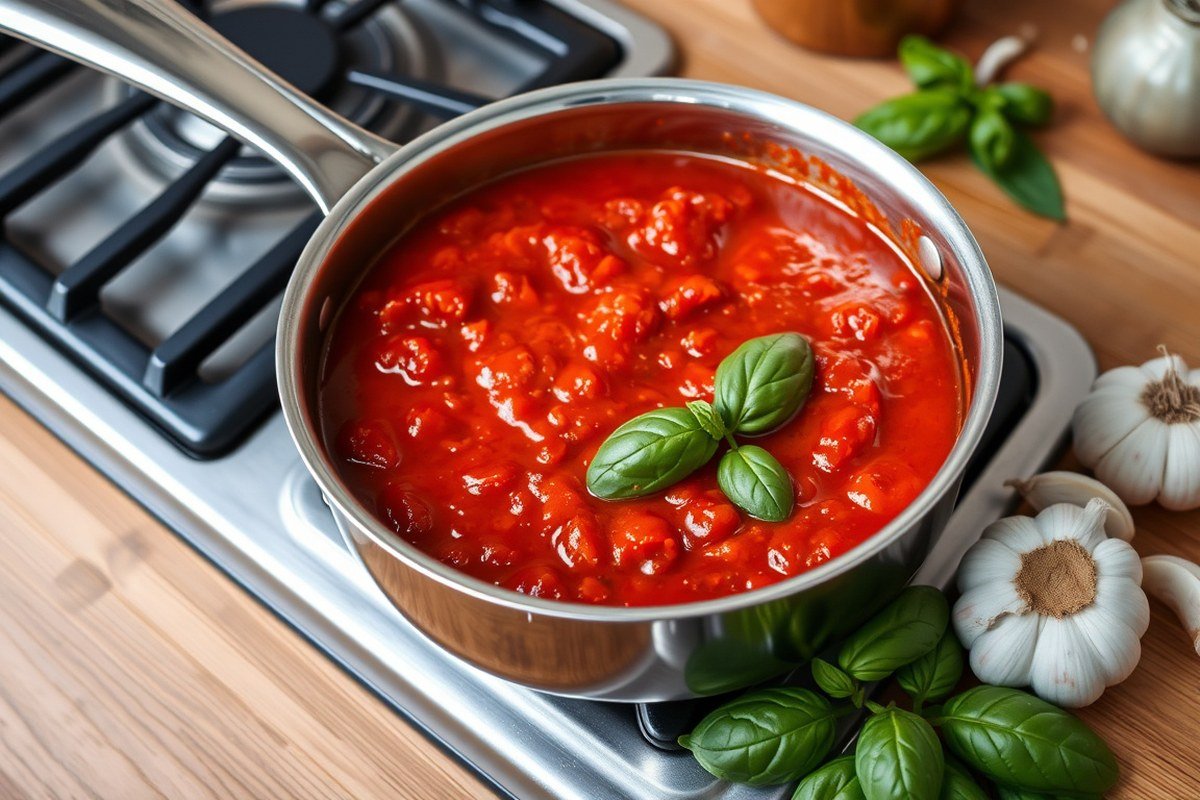
Making marinara sauce from scratch is simple and takes about 30 minutes, giving you a fresh, flavorful base for any Italian dish. At its core, it involves sautéing aromatics like garlic and onion, adding tomatoes and herbs, then simmering until the sauce thickens and flavors meld. The process is fast compared to long-simmered sauces because marinara is lighter and thinner, focusing on the bright taste of tomatoes improve by olive oil and herbs.
Using fresh tomatoes adds a lighter color and fresher taste but requires peeling and crushing before cooking, which can add extra prep time. Canned tomatoes speed up the process without sacrificing flavor and are a common choice for quick sauces. Simmering is usually done uncovered to reduce the sauce by about one cup, concentrating flavors without making it too thick. Here are the essential steps and timing for making marinara sauce from scratch on the stovetop:
- Prepare your ingredients. Peel and crush fresh tomatoes or open 28 ounces of canned whole or crushed tomatoes. Finely chop 1 small onion and mince 2 to 3 garlic cloves. Gather 1 teaspoon dried oregano, a handful of fresh basil leaves, salt, pepper, and 2 tablespoons of olive oil.
- Sauté the aromatics. Heat olive oil in a medium saucepan over medium heat. Add the chopped onion and cook until translucent, about 3 to 4 minutes. Stir in the garlic and cook for 30 seconds more until fragrant but not browned.
- Add tomatoes and seasonings. Pour in the crushed or canned tomatoes with their juices. Add oregano, salt (start with ½ teaspoon), and pepper to taste. Stir to combine all ingredients.
- Simmer the sauce. Bring the mixture to a gentle boil over medium heat, then reduce heat to medium-low. Let it simmer uncovered for about 10 minutes to reduce the liquid and concentrate the flavor. Stir occasionally to prevent sticking.
- Finish with basil and adjust flavor. Tear fresh basil leaves and stir them in during the last 2 minutes of simmering. Taste and add more salt or pepper if needed.
- Choose your sauce texture. Blend the sauce using a regular or immersion blender until smooth if you prefer it without chunks. Skip blending to keep a chunky marinara.
- Serve or store. Use your marinara sauce immediately with pasta or other dishes. Let leftover sauce cool, then store airtight in the refrigerator up to 4 days or freeze for up to 3 months.
This quick method highlights fresh tomato flavor without a long cook time. Simmering 10 to 15 minutes ensures the sauce is bright, not heavy. Overcooking or boiling vigorously can dull the taste and thicken the sauce too much, which is less typical for marinara. Following this timeline and steps will give you a fresh, balanced sauce perfect for many Italian meals.
Choosing Fresh vs Canned Tomatoes for Marinara

Choosing between fresh and canned tomatoes for marinara sauce affects flavor, texture, and cooking time. Fresh tomatoes offer a bright, vibrant taste but need more prep and longer simmering for thickness. Canned tomatoes, especially crushed or whole San Marzano varieties, provide consistent sweetness and thickness with less effort.
Fresh tomatoes can work well if they’re ripe and flavorful. To prepare fresh tomatoes, peel and core them, then crush or blend before cooking. This process can take 10 to 15 minutes and requires simmering the sauce longer to reach the right consistency. Canned tomatoes come ready crushed or whole, reducing your prep time by about 5 minutes and offering a more uniform sauce texture. You can also expect a chunkier sauce if using diced canned tomatoes.
| Aspect | Fresh Tomatoes | Canned Tomatoes |
|---|---|---|
| Preparation | Peel, core, and crush; about 10-15 minutes | Use directly from can, minimal prep |
| Flavor | Bright, fresh, slightly less sweet | Sweet, rich, consistent |
| Cooking Time | Longer simmering to thicken | Shorter, about 15-20 minutes |
| Sauce Texture | Smoother if blended well, can be watery if undercooked | Smoother with crushed tomatoes; chunkier with diced |
| Availability & Cost | Seasonal, often pricier and less consistent | Available year-round, cost-effective |
| Best Tomato Variety | San Marzano or plum types | San Marzano preferred; labeled for marinara |
Using fresh tomatoes works best when tomatoes are in season, ripe, and flavorful, giving your marinara a lively and just-picked taste. During colder months or when short on time, canned tomatoes ensure taste consistency and save prep time. San Marzano tomatoes are ideal for both fresh and canned use, known for their sweetness and low acidity.
To prevent watery sauce with fresh tomatoes, simmer at low heat until the liquid reduces and the sauce thickens.
Best Ingredients and Seasonings for Authentic Flavor
Marinara sauce is primarily made from simple, fresh ingredients that bring out a natural, vibrant tomato flavor. Key herbs and seasonings add depth without overwhelming the sauce’s bright acidity. You can tweak seasonings or swap out certain ingredients depending on what’s available or your taste preferences.
Core Ingredients for Marinara Sauce
The base for an authentic marinara sauce consists of a few essential ingredients. Tomatoes provide the rich foundation, whether fresh and peeled or canned whole peeled tomatoes for convenience and consistency. Olive oil is important for sautéing and adds subtle fruity notes, while garlic offers a classic aromatic touch. Salt improve all the flavors, helping balance acidity. Some recipes also include a small amount of onion for sweetness and complexity, but it’s optional depending on your taste. For a standard batch yielding about 4 cups of sauce, use roughly these amounts:
- 28 ounces canned whole peeled tomatoes (or about 2 pounds fresh tomatoes, peeled and chopped)
- 2 to 3 tablespoons olive oil
- 3 to 4 garlic cloves, finely minced
- 1 teaspoon salt, adjusted to taste
- Optional: ¼ cup finely chopped onion
Sauté the garlic (and onion if used) gently in olive oil over medium heat until soft but not browned. Then add the tomatoes and salt. Let the sauce simmer for about 30 minutes to allow flavors to meld properly.
Herbs and Spices That Improve Flavor
Herbs give marinara its distinctive Italian character. Fresh or dried basil is the most traditional choice, added near the end of cooking to retain its bright, sweet aroma. Oregano is another common herb that deepens flavor, often used dried and added earlier in the simmering process. Parsley can provide fresh, clean notes if fresh leaves are used just before serving.
Pepper adds gentle heat; freshly ground black pepper is versatile, and red pepper flakes give a spicier kick if you like heat. Remember, adding too much spice early can dull the sauce’s freshness, so introduce hot elements in small amounts and adjust after simmering.
- Fresh basil leaves, torn in the final minutes
- Dried oregano, added with the tomatoes
- Fresh parsley, chopped and added just before serving
- Black pepper, freshly ground
- Red pepper flakes for heat, used sparingly
Ingredient Substitutions and Adjustments
Running low on fresh garlic? Garlic powder can substitute, but use about ½ teaspoon for every clove and add it early in the cooking so it rehydrates. When fresh basil isn’t available, dried basil can be used, but use only half the amount because dried herbs are more concentrated. Onions can be replaced by shallots for milder sweetness.
To adjust seasoning, start low on salt and pepper, then taste the sauce after 20 to 25 minutes of simmering. To soften acidity that tastes too sharp, add a pinch of sugar or cook a few grated carrots in the sauce for natural balance. Avoid too much sugar; it might mute authentic flavors. Adding a splash of good-quality red wine or balsamic vinegar can add complexity but use just one or two teaspoons to prevent overpowering the sauce.
For spiciness, add red pepper flakes gradually, tasting often. Control herb strength by adding fresh herbs last and dried herbs early to avoid bitterness. Lastly, always finish seasoning with salt to fine-tune flavor intensity just before serving.
How Long to Cook and When Marinara Is Ready
Marinara sauce typically takes about 15 to 30 minutes to cook, depending on the thickness and flavor you want. Most recipes suggest simmering the sauce on medium heat for around 15 minutes until it thickens slightly and fresh basil wilts. This shorter cook time lets you enjoy a vibrant, slightly chunky sauce with fresh tomato flavor. For a thicker, richer sauce, simmer it for up to 30 minutes. The longer simmer breaks down tomato pieces, intensifies flavors, and reduces excess liquid.
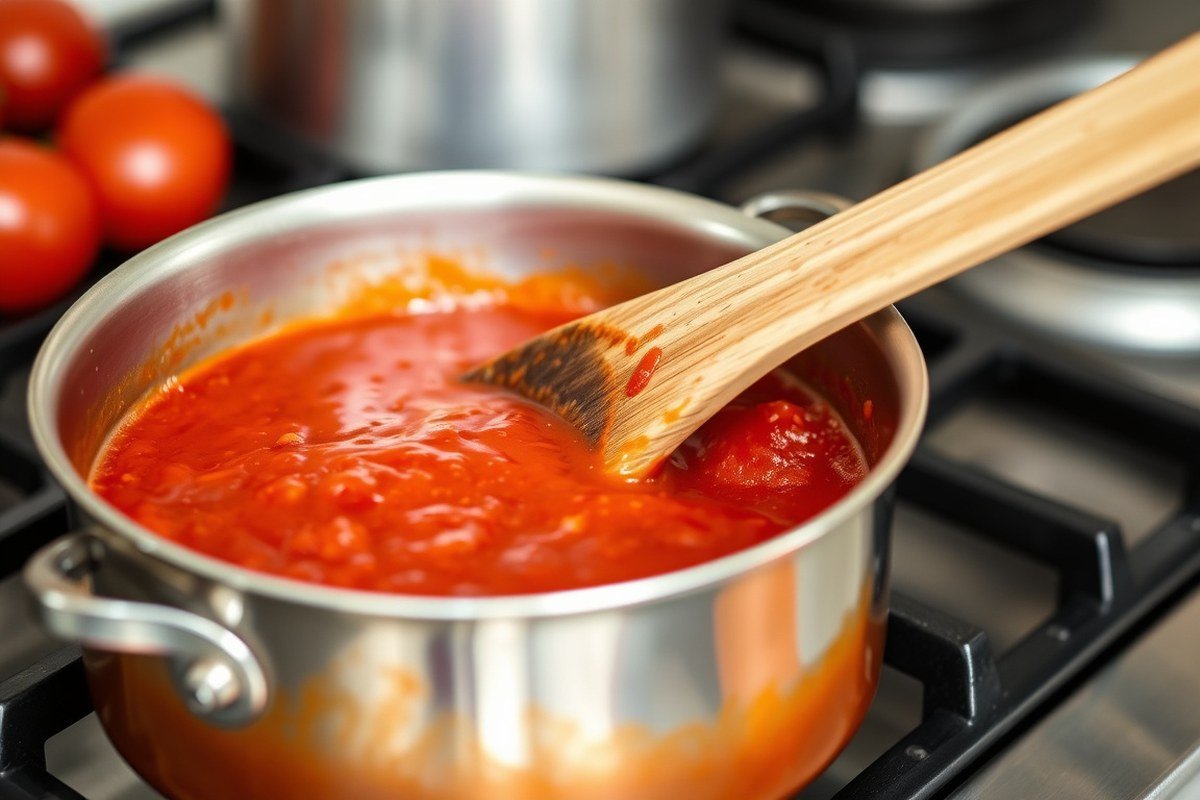
You’ll know the sauce is ready when it has thickened enough to coat a spoon without running off quickly, and the raw smell of fresh tomatoes has mellowed into a sweet, well-rounded aroma. The basil should look wilted but still bright, and the overall texture should feel silky but with some small chunks of tomato unless you blend it. A simple test is to stir the sauce gently and watch how it clings to the bottom of the pan, when it moves slowly without sliding away easily, it’s done.
Shorter simmering preserves a fresher, lighter tomato taste with thinner texture. This option suits quick meals or if you use high-quality canned or fresh tomatoes with strong flavor. Simmering longer creates a thicker sauce, concentrating the natural sugars and acidity, which adds depth and sweetness. For a thicker sauce, you can simmer for an additional 15 minutes beyond the initial 15, stirring occasionally to prevent sticking. Avoid cooking much longer than 30 minutes to keep bright notes and avoid bitterness.
Adjusting the cooking time helps you control thickness without adding thickeners. For thinner sauce, stop simmering at 10 to 15 minutes, just until the mixture melds and basil wilts. For thicker sauce, 25 to 30 minutes works well while gently bubbling on low heat. Remember that the sauce continues to thicken slightly as it cools, so factor that in if you plan to serve it later or store it.
After cooking, briefly blend the sauce using an immersion blender or food processor to achieve a smoother texture without extending the simmering time. This method preserves the fresh taste while creating a silky consistency perfect for pizza or pasta. Stir the sauce every few minutes during simmering to cook it evenly and avoid burning.
Should You Blend Your Marinara or Keep It Chunky?
Choosing whether to blend your marinara sauce smooth or keep it chunky depends on the texture and presentation you prefer. Smooth sauces offer a silky consistency that clings to pasta well and provide a uniform flavor. Chunky sauces emphasize fresh tomato pieces and create a more rustic feel in your dish. Both versions can taste equally delicious but change how your meal feels on the palate.
To blend your marinara sauce without making it too thin, start by cooking your tomatoes until they break down and release their juices, usually about 20 to 30 minutes on medium heat. Use an immersion blender directly in the pot for better control, pulsing gently until you reach the desired smoothness. Avoid over-blending; short bursts help keep some body without turning the sauce watery. Alternatively, transfer the sauce to a traditional blender in batches. Blend for 3 to 5 seconds at a time, then check the texture. Use a slotted spoon to lift some solids and see if it’s thick enough.
Leaving the sauce chunky requires no blending but rather breaking down the tomatoes with a spoon or potato masher while cooking. This method preserves natural bits of tomato and creates a heartier sauce that works well with rustic or fresh pasta styles. The minimal equipment needed is a wooden spoon or masher, which most kitchens have on hand. A non-reactive saucepan like stainless steel or enameled cast iron helps prevent any metallic taste during the cooking process.
Blending tools vary in price and convenience. Immersion blenders typically cost between $20 and $50 and are easy to clean. Countertop blenders, ranging from $30 to over $100, handle large batches but require extra clean-up. When you want a chunky sauce, you don’t need any special tools beyond what you already use to stir or mash. That can save time and dishwashing.
Choosing the right texture also depends on how you plan to use your marinara. Smooth sauce works beautifully for dishes like lasagna or pizza where even coverage is key. Chunky sauce pairs nicely with short pasta shapes or as a dipping sauce because of its texture variety. Cooking time generally remains the same for both, but blending after cooking helps you decide the final outcome precisely.
Blending your marinara sauce in short bursts helps avoid over-processing and losing thickness, ensuring your sauce remains rich and flavorful.
Storing and Freezing Homemade Marinara Sauce
Store your homemade marinara sauce in airtight containers to keep it fresh. It stays good for about a week in the fridge and can last three to four months in the freezer. Proper storage preserves flavor and avoids spoilage.
Refrigerating Marinara Sauce Safely
Chill your marinara sauce promptly after cooking by letting it cool to room temperature for no more than two hours. Transfer it into a clean, airtight container to prevent exposure to air and bacteria. Keep the fridge temperature at or below 40°F (4°C) for safe storage.
Label the container with the date so you can track freshness. The sauce maintains its best flavor and safety for up to seven days in the fridge. Avoid storing sauce in the door, because frequent temperature changes can affect quality. Instead, place it on a middle or bottom shelf.
Freezing Tips and Shelf Life
Freezing marinara sauce is a great way to extend its shelf life and have ready-to-use sauce on hand. Portion the sauce into freezer-safe containers or heavy-duty zip-top bags, leaving about half an inch of headspace to allow for expansion.
Freeze the sauce flat in bags for faster thawing and space-saving storage. It remains best-used within three to four months for optimal taste and texture, although it stays safe beyond that time. Thaw frozen sauce in the refrigerator overnight or use a warm water bath for quicker thawing.
- Use airtight containers or freezer bags designed for freezing
- Leave headspace for expansion to avoid container cracking
- Freeze in portion sizes matching typical recipes for convenience
- Label with date and contents before freezing
- Freeze sauce flat in zip-top bags to save space
- Keep freezer at 0°F (-18°C) or lower for safe storage
Freezing homemade marinara can save time during busy weeks and helps prevent waste from extra sauce. Remember to thaw slowly in the fridge for the best texture and flavor.
Best Practices for Reheating
Reheat refrigerated or thawed marinara sauce gently to maintain its taste and avoid burning. Warm it over low to medium heat on the stove, stirring occasionally. This helps even heating and prevents the sauce from sticking to the pan.
Microwave reheating is convenient but pause to stir the sauce every 30 seconds to avoid hot spots. Heat until steaming hot, at least 165°F (74°C), to ensure safe consumption. If reheating frozen sauce without thawing, heat it covered on low heat until fully warmed inside and out.
Quick Marinara Variations: 3-Ingredient and Beyond
A quick marinara sauce can be made with just a few ingredients and a short cooking time. Simple adjustments can create variations that change the sauce’s sweetness, thickness, and herb profile to suit your meal or taste preferences. These approaches save time without sacrificing flavor.
Minimalist 3-Ingredient Marinara Recipe
Start with a basic marinara sauce by combining canned tomatoes, garlic, and olive oil. Heat 2 tablespoons of olive oil in a saucepan on medium heat, then add 2 minced garlic cloves and sauté for about 30 seconds until fragrant. Pour in a 28-ounce can of crushed tomatoes, mix well, and let it simmer uncovered for 10 to 15 minutes, stirring occasionally.
This basic sauce requires just those three ingredients and about 20 minutes total. It’s perfect for quick pasta dinners or a pizza base. Season with salt and pepper at the end to taste. Avoid overcooking to prevent bitterness from burnt garlic or acidity from concentrated tomatoes.
Adding Sweetness or Thickness Quickly
You can balance the acidity or adjust the texture without starting from scratch. To sweeten your marinara, stir in about 1/2 teaspoon of granulated sugar during simmering. This softens the sharp tomato flavor without making the sauce overtly sweet.
Thickening the sauce quickly is possible by simmering it longer to reduce liquid or by adding tomato paste. A tablespoon of tomato paste stirred in during the last 5 minutes of cooking boosts thickness and deepens tomato flavor. Use longer simmering times cautiously; over-reduction can cause a burnt taste or overly thick texture.
- Add 1/2 teaspoon sugar to reduce acidity and add subtle sweetness
- Stir in 1 tablespoon tomato paste for thicker sauce and richer taste
- Simmer uncovered for 10 to 15 more minutes to concentrate the sauce
- Use pureed vegetables like roasted red peppers for natural sweetness and texture
- A splash of balsamic vinegar can add complexity and mild sweetness
Check the sauce consistency frequently when thickening. Stop simmering once it coats the back of a spoon but isn’t sticky or dry. For sweetness, add sugar gradually and taste to avoid over-sweetening.
Herb Variations and Flavor Twists
Herbs improve marinara and personalize its flavor profile quickly. Fresh basil and oregano are classic choices added at the end of cooking or stirred in off heat to preserve their brightness. For a woodsy note, add 1 teaspoon dried rosemary or thyme early in cooking to release their aroma. Other variations include:
- Adding red pepper flakes for a spicy kick
- Stirring in chopped fresh parsley or chives just before serving
- Using fresh marjoram or sage for a mild, earthy flavor
- Mixing in a splash of red wine or a pinch of smoked paprika for depth
Season herbs carefully, as dried herbs are more concentrated than fresh. Adding fresh herbs toward the end maintains their freshness and prevents bitterness.
Common Mistakes and How to Fix Them
Making marinara sauce is straightforward, but a few common mistakes can affect the flavor and texture. Avoid cooking garlic for too long because it can turn bitter and overpower the sauce. Garlic should be lightly sautéed for no more than 30 seconds to one minute on medium heat before adding tomatoes or other ingredients.
Another pitfall is ending up with a sauce that’s either too thin or too salty. A thin sauce usually means not enough simmering time or too much liquid from the tomatoes. Simmer the sauce gently for 15 to 20 minutes uncovered to reduce excess water and thicken it naturally. To fix an overly salty sauce, add a peeled, raw potato to the pot and simmer for 10 minutes; the potato absorbs some salt. Remove it before serving.
- Start with fresh or canned tomatoes that are not watery or overly acidic.
- Use medium heat to sauté onions and garlic to avoid burning.
- Simmer uncovered to control thickness and develop flavor.
- Adjust salt only after simmering; add it gradually.
- Add a pinch of sugar to balance acidity if the sauce tastes too sharp.
- If too thick, stir in a few tablespoons of water or broth slowly.
- Store leftovers in airtight containers in the refrigerator for up to 5 days, reheating thoroughly to 165°F to ensure safety.
Never add salt at the beginning; wait until after simmering to better control the final flavour.
Safety matters when making homemade sauce. Always use clean utensils and fresh ingredients. Maintain a simmer at around 180°F to 200°F instead of a rolling boil to prevent burning while killing harmful bacteria. Refrigerate your sauce promptly if you’re not serving it immediately, aiming to cool it below 40°F within two hours. Reheat leftovers to at least 165°F before serving to reduce the risk of foodborne illness.
Step-by-Step Action Plan for Making Marinara Sauce
Follow these steps to make your marinara sauce from scratch with confidence and enjoy a classic Italian flavor at home.
- Before you start: Choose your tomatoes, fresh ripe Roma or canned whole peeled tomatoes work best. Check freshness or quality for a rich base.
- First 5 minutes: Sauté finely chopped garlic and onions in olive oil over medium heat until soft and fragrant. This builds your sauce’s flavor foundation.
- Next 10 minutes: Add your tomatoes along with salt, fresh basil, and oregano. Stir well and bring to a simmer to meld flavors.
- Simmer for 20 to 30 minutes: Keep the sauce at a gentle simmer, stirring occasionally until thickened to your liking. Taste for seasoning and adjust salt or herbs.
- After simmering: Decide on texture, blend for a smooth sauce or leave chunky for rustic appeal. Make sure the sauce is hot and flavors are balanced.
- Cool and store: Let your marinara sauce cool completely before refrigerating or freezing in airtight containers. It keeps well for up to a week in the fridge.
- Use or adapt: Use the sauce immediately on pasta or as a base for other dishes. Try quick-variation recipes by adding simple ingredients like chili flakes or olives for a flavor twist.
Frequently Asked Questions
What Are the Ingredients of Marinara Sauce?
Marinara sauce typically includes tomatoes, garlic, onions, olive oil, and herbs like basil and oregano. These simple ingredients create a fresh, flavorful base for many Italian dishes.
How to Make Very Simple Marinara Sauce?
Use canned or fresh tomatoes, garlic, olive oil, and salt, simmered for about 20-30 minutes. This quick method delivers a classic sauce perfect for pasta or dipping.
What Can I Use If I Don’t Have Marinara Sauce?
You can substitute canned tomato sauce or crushed tomatoes seasoned with garlic and herbs. This mix mimics marinara’s flavor well in recipes.
Can You Give Me a 3-ingredient Recipe for Marinara Sauce?
Combine canned tomatoes, garlic, and olive oil, simmering for 20 minutes. This minimal recipe captures the sauce’s essential taste with few ingredients.
How Do I Prevent My Marinara Sauce from Tasting Bitter?
Use ripe tomatoes and avoid cooking garlic too long. Adding a pinch of sugar can balance acidity if bitterness occurs.
Can I Make Marinara Sauce Without Fresh Tomatoes?
Yes, canned tomatoes work well and offer consistent flavor and texture year-round.
Final Thoughts
Making authentic marinara sauce is straightforward with the right ingredients and steps. You can create a delicious base that suits your texture preference and store it for later meals. Try your hand at the basic recipe today and adjust seasoning to find your perfect balance of flavors.