How to Make Lasagna: A Complete Guide with Proven Tips and Techniques
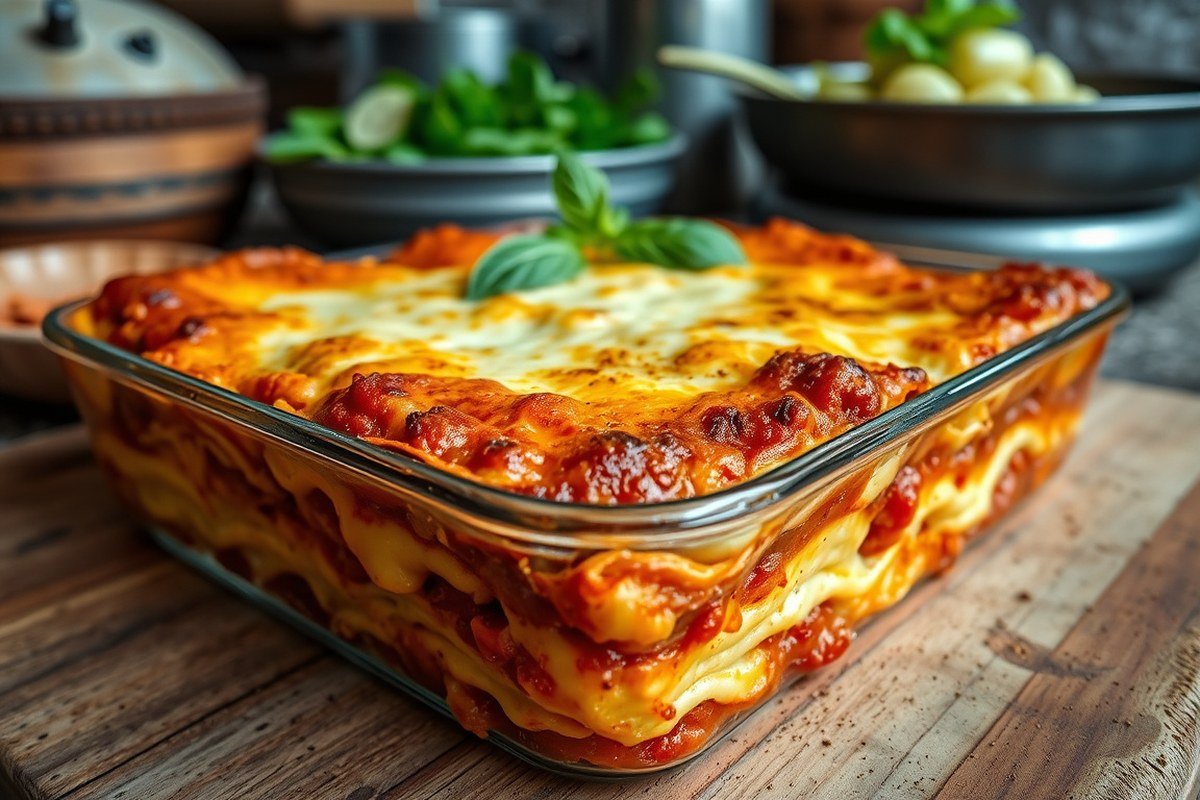
How to make lasagna starts with selecting fresh ingredients, preparing a rich sauce, layering correctly, and baking at the right temperature. Following these steps ensures your lasagna has tender noodles, flavorful filling, and a perfectly golden, bubbly top. This process suits home cooks of all skill levels who want an authentic, satisfying Italian dish without stress.
This guide equips you with straightforward techniques, proven tips for sauce options, instructions for layering, baking times, and advice on storing or reheating leftovers. You’ll also avoid common mistakes by understanding what to watch for during preparation and cooking.
Key Takeaways
- Use 80/20 ground beef for juicier lasagna, or lean ground beef for a lighter option.
- Layer noodles, sauce, cheese, and meat evenly for consistent texture across the dish.
- Bake covered initially to cook thoroughly, then remove foil to brown and crisp edges.
- Let lasagna rest for at least 15 minutes after baking to allow it to set for easier slicing.
- Check doneness by sliding a knife through layers after 1 hour to ensure noodles are tender.
- To freeze, assemble then freeze for up to 1 month; thaw 2 days refrigerated before baking.
How to Make Lasagna Step-by-Step
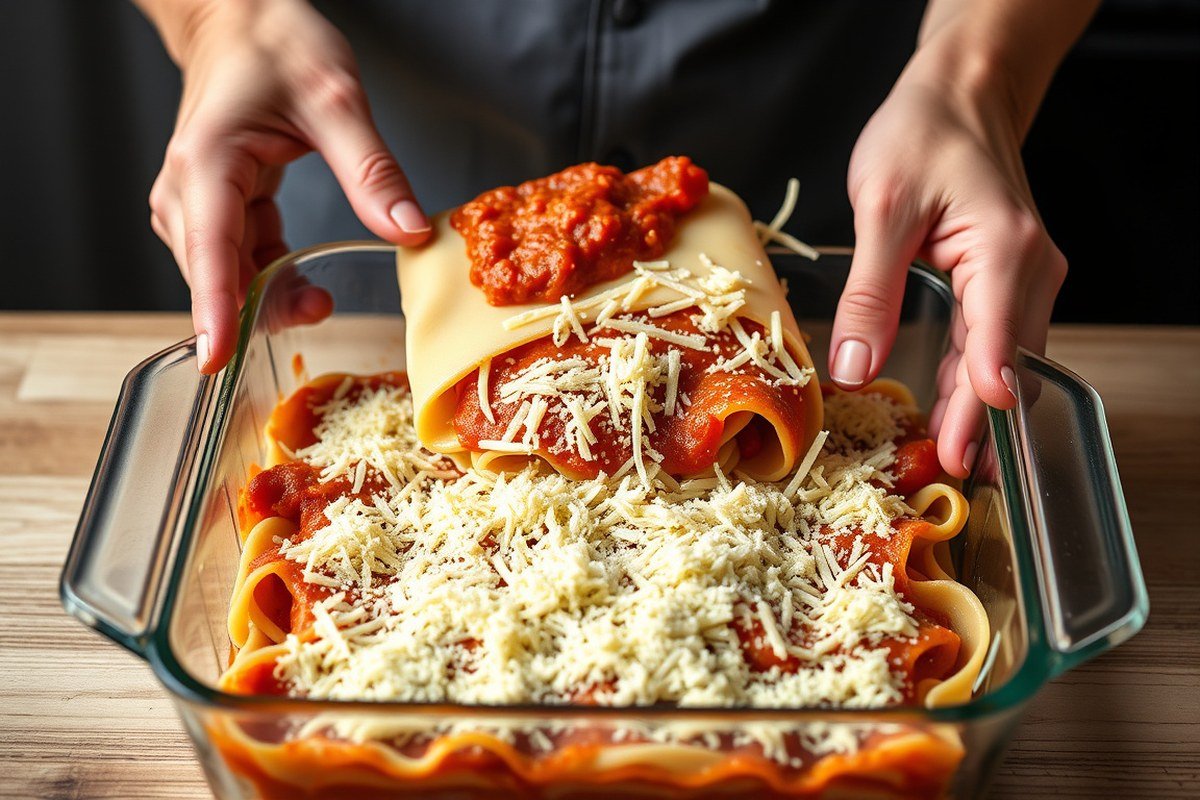
Making lasagna involves preparing your sauces and cheese mixtures, cooking noodles correctly, and then carefully layering everything before baking. The key to a well-textured lasagna is ensuring each element is prepared with care, so your finished dish has balanced flavors and layers that hold together without falling apart.
Prepping the meat sauce is the first step. Reserve about 4 to 4 ½ cups of your fully cooked meat sauce. This amount lets you spread a thin layer on the bottom of your baking dish and fill each noodle layer adequately. For the cheese layer, combine 3 cups of low-fat cottage cheese with 2 beaten eggs, which helps bind the cheese and adds creaminess. You’ll also use sliced mozzarella, plan on dividing 1 pound across the layers.
Lasagna noodles must be cooked al dente, meaning just tender but still firm. Boil 9 noodles in salted water with a splash of olive oil to prevent sticking, then drain and lay them flat to avoid clumping. Well-cooked noodles make layering easier and ensure proper texture after baking.
- Prep your baking dish. Spray a 13×9-inch pan with cooking spray to prevent sticking. Spread 1 cup of meat sauce evenly on the bottom to create a moisture barrier.
- Layer noodles and sauces. Place 3 lasagna noodles in a single overlapped layer over the sauce. Spread 1/3 of the ricotta or cottage cheese mixture on top, then add 1 cup of the meat sauce. Sprinkle 1 cup of mozzarella cheese over the sauce.
- Repeat layers. Add another 3 noodles, then repeat the cheese mixture and meat sauce. Finish this middle layer with mozzarella cheese.
- Add the final noodle layer. Top with remaining 3 noodles, spread the remaining ricotta mixture and meat sauce, and finish with the remaining mozzarella and a sprinkle of Parmesan cheese if desired.
- Cover and bake. Cover the dish with foil and bake at 350°F for about 45 minutes. Remove the foil for the last 15 minutes to brown the top nicely.
- Check doneness. To ensure noodles are cooked all the way through, poke the lasagna with a knife after an hour. The knife should slide through all layers easily, indicating a fully cooked dish.
This process works well for traditional meat lasagna with classic tomato sauce, but you can adjust times slightly if you use no-boil noodles or cream-based sauces. Make your sauces and cheese mixtures ahead of time if you prefer to assemble on baking day, which can improve flavors and save time. Good layering ensures the lasagna holds its shape when served, with bubbling cheese and tender noodles throughout.
Essential Ingredients and Sauce Options
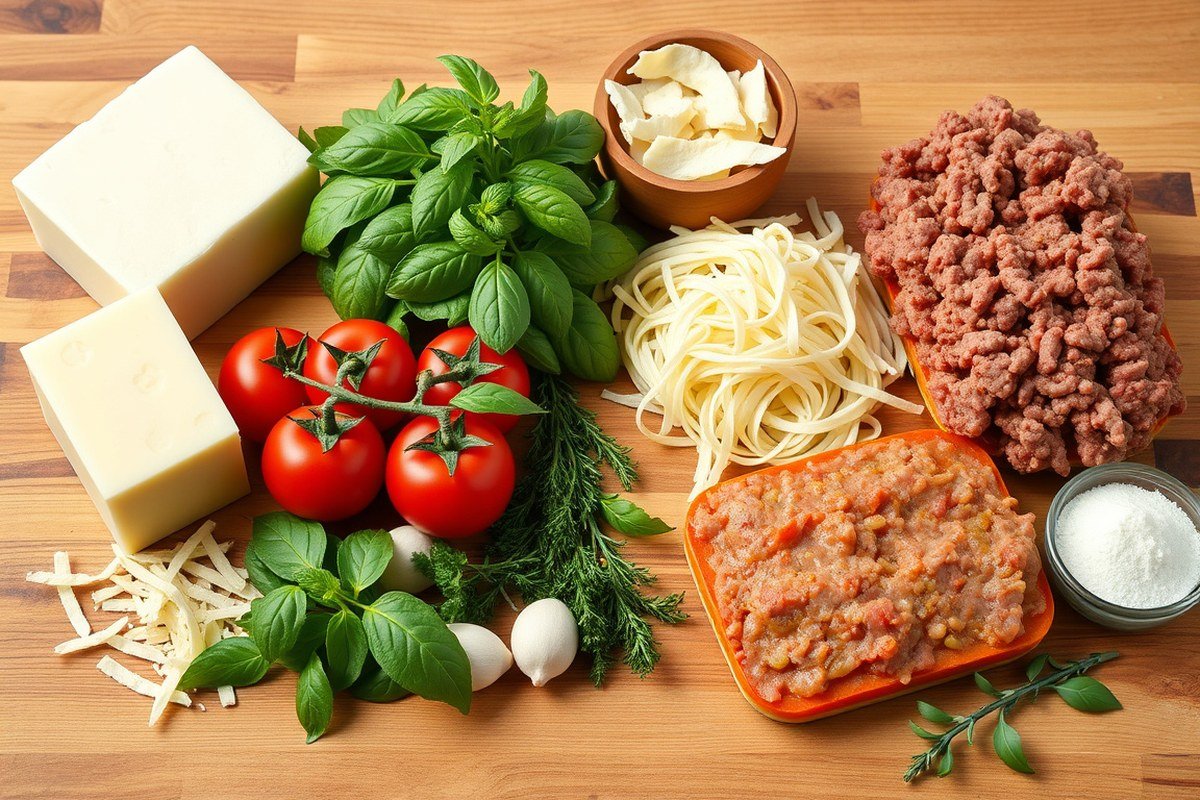
Lasagna relies on three essential ingredients: pasta sheets, sauce, and cheese. The most traditional sauce is a rich tomato meat sauce, but you can also use a creamy white béchamel sauce for variety. Choosing the right cheese or blend of cheeses also affects the texture and flavor of your layers.
Classic Tomato Meat Sauce Ingredients
A traditional tomato meat sauce forms the backbone of many lasagna recipes. It combines ground beef or a mixture of beef and pork slow-cooked with tomatoes, garlic, and herbs for a deep, savory flavor. This sauce not only moistens the pasta layers but also infuses the dish with authentic Italian taste.
To create a basic meat sauce, start with about 1 pound of ground beef cooked until browned, then add a 24-ounce jar of tomato sauce or crushed tomatoes. Simmer for 20 to 30 minutes with garlic, onions, and Italian seasoning. Using a slow cooking method helps develop the flavors and thickens the sauce so it won’t make the lasagna watery.
White (Béchamel) Sauce Components
Béchamel, or white sauce, can replace or complement red tomato sauce layers. It is made by whisking butter and flour to create a roux, then gradually adding warm milk while stirring until the mixture thickens. This creamy sauce adds moisture and a mild richness that balances the acidity of tomato sauces or stands on its own in a white lasagna variation.
For one batch of béchamel, melt 4 tablespoons of butter, stir in 1/4 cup of all-purpose flour, and slowly whisk in 4 cups of milk over medium heat until thickened. Season with salt, pepper, and a pinch of nutmeg. Béchamel firms up while baking, helping you achieve clean slices rather than sauces running across the plate.
Avoid lumps in your béchamel by slowly adding milk to the roux and whisking constantly until smooth.
Cheese Types and Their Roles in Lasagna
Cheeses in lasagna contribute creaminess, binding, and flavor depth. The classic combination includes mozzarella for meltiness, ricotta for creaminess, and Parmesan for sharpness. Each cheese plays a distinct role that affects the final texture and taste.
Mozzarella is usually shredded and layered to provide gooey, stretchy texture. Ricotta, often mixed with egg and herbs, forms a rich, moist filling that holds the lasagna together. Parmesan, used sparingly in layers or sprinkled on top, adds a salty and nutty accent that improve overall flavor.
Some recipes also include cottage cheese as an alternative to ricotta for a lighter texture. Combining cheeses instead of using one kind achieves a balance of gooeyness and creaminess essential for traditional lasagna.
| Sauce Type | Main Ingredients | Flavor Profile | Texture After Baking | Common Uses |
|---|---|---|---|---|
| Tomato Meat Sauce | Ground beef, tomatoes, garlic, herbs | Rich, savory, slightly acidic | Chunky, thick with meat and tomato pieces | Classic lasagna layers with pasta and cheese |
| Béchamel (White Sauce) | Butter, flour, milk, nutmeg | Creamy, mild, subtle spice from nutmeg | Smooth, firming up when baked | Alternative or complement to tomato sauce layers |
Either sauce can be combined with pasta sheets and cheeses to create layers. Some lasagnas use both sauces, layering meat sauce first, then béchamel on top for a rich contrast. The choice depends on the flavor profile you want to achieve or dietary preferences.
Correct Layering Order for Perfect Texture
The correct layering order for lasagna is key to ensuring balanced flavor and perfect texture. Start with a sauce layer on the bottom to stop noodles from sticking. Alternate layers of noodles, cheese, and meat sauce to build flavor and cook evenly. Finish with a top cheese layer that browns and crisps nicely in the oven.
Bottom Sauce Layer to Prevent Sticking
Begin by spreading a thin but even layer of meat sauce on the bottom of your baking dish. About ¾ cup (6 fluid ounces) works well in a standard 9-by-12-inch pan. This step prevents the noodles from sticking to the dish as they cook and absorbs moisture evenly, helping them soften without drying out or tearing.
Getting this first layer right matters because noodles placed directly on the dish can stick or become too firm around the edges. The sauce acts like a barrier and infuses flavor into the base noodles during baking.
Alternating Noodles, Cheese, and Meat Sauce
A classic layering pattern repeats the order: noodles, cheese mixture, then meat sauce. Each layer contributes moisture, body, and flavor, so balance is important. About 3 noodles per layer fit nicely without heavy overlap, some slight overlap is fine. Avoid piling too much sauce or cheese in any one part, which can cause uneven cooking or sogginess.
Divide your ingredients to create at least 3 to 5 layers total. For each noodle layer, spread ½ cup of meat sauce evenly. Top sauce with about ⅓ of the ricotta (or ricotta mixture), and then sprinkle about ⅓ of the shredded mozzarella on top. This spreading balance prevents dry spots and ensures that every bite has the right ratio of noodle, cheese, and sauce. Carefully layering improves texture by allowing steam to circulate and sauces to meld during the bake, softening noodles without making them mushy.
- Pour roughly ¾ cup of meat sauce evenly across the base of a 9-by-12-inch baking pan.
- Arrange 3 lasagna noodles evenly over the sauce, allowing slight overlap but no thick clumps.
- Spread roughly ⅓ of your ricotta or cheese mixture over the noodles.
- Sprinkle about ⅓ of the shredded mozzarella cheese evenly on the ricotta.
- Pour ½ cup of meat sauce evenly over the cheese layer.
- Repeat steps 2 through 5 two to three more times to build 3 to 5 layers, reserving some mozzarella for the top.
- Top with a final noodle layer before adding sauce and cheese.
Top Cheese Layer for Crispy Finish
Finish your lasagna with a final layer of noodles, covered completely but thinly with the remaining meat sauce, about ½ to ⅔ cup works. The sauce should just barely cover the noodles to keep them moist while preventing sogginess. Then spread the remaining mozzarella and Parmesan cheese on top.
This last cheese layer forms a golden, bubbly crust when baked. To get crisp edges, remove the foil during the last 35 to 45 minutes of baking and optionally broil for 2 to 5 minutes to brown the top. Poking toothpicks into the lasagna before covering it with foil helps avoid sticking between foil and cheese.
Baking Times and Temperatures for Best Results
For baking lasagna, setting your oven to 375°F is often the sweet spot, allowing the dish to cook evenly without drying out. Typical baking time ranges from 25 to 50 minutes depending on whether the lasagna is fresh, chilled, or frozen. Cover the lasagna with foil during the initial baking to prevent the top from burning and to help the heat distribute evenly. Remove the foil in the last 10 to 15 minutes to achieve a golden brown and bubbly surface.
When your lasagna is freshly assembled and chilled, preheat the oven to 350°F and bake it for 30 to 40 minutes, covered with foil, until it is heated evenly. Adding 10 to 20 extra minutes may be necessary if the dish is straight from the refrigerator and quite cold. For frozen lasagna, bake uncovered at 350°F for about 1 hour 15 minutes after thawing it in the fridge for two days. This longer time ensures the center cooks thoroughly and the whole dish reaches a safe internal temperature.
Heating the lasagna at a higher temperature, around 400°F, works well when you want to bake it rapidly or to reheat leftovers, especially once the dish has defrosted. At 400°F, the cooking time shortens to about 25 to 30 minutes, and the cheese topping crisps nicely. Keep the lasagna uncovered during reheating to avoid sogginess. Make sure the internal temperature reaches 165°F, indicating the dish is hot and safe to eat.
Knowing when your lasagna is done relies on several signs. The sauce should be bubbling around the edges, and the cheese on top should be melted and golden brown. A knife or skewer inserted into the center should feel hot when removed. After baking, let the lasagna rest on a cooling rack or counter for at least 15 minutes. This rest period firms up the layers and prevents the cheese and sauce from running when cut.
To check doneness effectively, use a food thermometer or simply rely on these visual and tactile cues. Keep in mind that oven temperature and lasagna thickness can cause slight variations. Cooking too quickly at high heat risks drying out the noodles or burning the top. Baking too low or too slow may leave cold spots in the center, especially if the dish is thick or dense.
Adjust baking times by the size of your lasagna and how loaded it is with ingredients. A deeper pan may need more time, while a thinner layer cooks faster. Baking frozen or refrigerated lasagna requires adding extra minutes to make sure it heats completely. Leaving the dish covered for most of the cooking prevents moisture loss and keeps the noodles tender.
Make-Ahead, Freezing, and Storage Guidelines
Lasagna can be safely made ahead and stored in the refrigerator or freezer to save time and effort later. You can assemble the lasagna up to 2 days before baking, keeping it tightly wrapped or covered in the fridge. Once baked, it can be refrigerated for 3 to 4 days, giving you flexibility for meal planning.
Freezing works well for storing lasagna longer. Wrap it securely in plastic wrap and cover with aluminum foil to avoid freezer burn, whether you freeze it before or after baking. Unbaked lasagna will keep for up to 1 month, while baked lasagna stays good up to 3 months. The best quality is usually within these limits. Keep your freezer temperature at 0°F (-18°C) or lower to store safely.
When freezing unbaked lasagna, chill it first for up to 24 hours in the fridge. Then wrap it tightly and put it in the freezer. When you’re ready to cook it, thaw it overnight in the refrigerator. This slow thaw helps keep the layers intact and avoids sogginess. After thawing, bake as you normally would. For baked leftovers, thaw frozen slices in the refrigerator overnight or reheat directly from frozen at a lower temperature for longer.
Spinach lasagna requires an extra step: thaw frozen spinach completely and squeeze out excess moisture before mixing it with the cheese layer. This keeps the lasagna from becoming watery after reheating. Use about 10 ounces of thawed spinach per lasagna as a guideline.
Proper cooling before refrigerating or freezing is critical to preserve texture and prevent food safety risks. Let the lasagna rest at room temperature for about 15 minutes after baking to cool slightly, but do not leave it out longer than 2 hours to avoid bacterial growth. Wrap it tightly with plastic wrap or use airtight containers to lock in moisture and prevent odors from other foods.
Wrap lasagna tightly in plastic wrap and then aluminum foil before freezing to avoid freezer burn and preserve taste and texture.
When storing leftovers in the fridge, use them within 3 to 4 days. Reheat thoroughly to an internal temperature of 165°F (74°C) before serving. This approach keeps your lasagna tasting fresh, prevents dryness, and keeps bacterial risks low.
Reheating Leftover and Frozen Lasagna Safely
Reheating leftover or frozen lasagna properly helps keep its creamy texture and rich flavor without drying it out. The best method for reheating lasagna is using the oven because it heats evenly and preserves the layers’ structure. When reheating, always cover the lasagna with foil to trap moisture and prevent the top from becoming hard or crusty.
For frozen lasagna, thaw it in the refrigerator overnight before reheating when possible. Place the slices or the entire dish in an oven-safe container and cover tightly with foil. Heat in a preheated oven at 375°F for about 25 to 45 minutes. The exact time depends on how thick the portions are and whether they were fully thawed. The lasagna is ready when it is heated all the way through and bubbly around the edges. For leftovers that are not frozen, reheat at 350°F covered with foil until hot, which generally takes 20 to 30 minutes. Use a food thermometer if you want to be exact: the internal temperature should reach 165°F for safe consumption according to food safety guidelines.
Using a microwave can speed up the process but needs careful handling to prevent rubbery texture or uneven heating. Place a slice on a microwave-safe plate, cover it loosely with a microwave-safe lid or a damp paper towel, and heat on medium power in 1-minute intervals. Check and stir or rearrange the layers if possible between heating cycles to warm it evenly. Generally, 3 to 4 minutes total suffice for a single serving. Let the lasagna sit for a minute or two after microwaving to allow heat to distribute properly.
Keeping the lasagna moist during reheating is key to restoring texture and flavor. The foil cover in the oven or damp paper towel in the microwave traps steam, preventing dryness. Noticing dryness after reheating in the oven? Adding a few tablespoons of water or tomato sauce on top before covering helps keep moisture. Avoid reheating at much higher temperatures, which can toughen the cheese and cause the edges to burn.
Using the oven takes longer but produces the best results, preserving the cheesy, creamy balance that makes lasagna satisfying. Microwaving is more convenient for small portions and quicker meals but may sacrifice some texture and evenness. For frozen lasagna, extra time and thawing ensure the inside heats through without overcooking the edges. In all cases, covering while reheating helps maintain the original qualities of your homemade or store-bought lasagna.
Common Mistakes When Making Lasagna (and How to Fix Them)
Watery lasagna often results from using sauce that is too thin or layering uncooked noodles without sufficient sauce coverage. Sauces with high water content can prevent proper absorption during baking, leading to excess liquid pooling beneath the layers. Using no-boil noodles without pre-soaking or using raw dried noodles can also add moisture as they cook inside the lasagna. To fix this, use a thicker sauce by simmering it longer or adding tomato paste. Soak dry noodles in hot water for about 5 minutes before assembling. This reduces the water they release during baking.
Dry lasagna happens when there is not enough sauce or cheese to keep the layers moist during baking. This can also occur if the baking time is too long or the oven temperature is too high, causing excessive evaporation. Aim for a balance of sauce and cheese, and cover the lasagna with foil for at least the first 30 to 40 minutes, removing it toward the end to brown the top. Using about 1 to 1.5 cups of sauce per 9×13-inch pan helps maintain moisture without sogginess.
Undercooked noodles can make your lasagna chewy and uneven in texture. Noodles should be cooked to al dente before layering unless you are using no-boil noodles. For regular dried noodles, boil them for about 7 to 8 minutes until they are bendable but still firm. Test doneness by piercing through a noodle with a fork or knife; it should slide through easily but not be mushy. Undercooked noodles cause lasagna to take longer to bake and may result in uneven cooking.
Layers may not stick properly if the sauce is too thick or too dry, or if the noodles are too dry and lack sauce coverage. Make sure to spread a thin, even layer of sauce on the bottom of the baking dish before adding noodles to prevent sticking. Distribute sauce and cheese evenly between layers to help them adhere and fuse during baking. The bubbling sauce during baking acts as the glue between layers, so preventing dry spots is essential.
- Use thicker sauce and simmer longer to avoid watery lasagna.
- Pre-soak dry noodles for 5 minutes to prevent excess moisture during baking.
- Cook noodles al dente (firm to the bite) before assembling if not using no-boil noodles.
- Ensure even layering of sauce and cheese for better adhesion.
- Cover pan with foil during initial baking to retain moisture and prevent dryness.
- Check doneness by slicing with a knife; it should cut easily through all layers.
- Remove foil near the end of baking to let the top brown without drying out.
Following these troubleshooting tips helps you avoid common pitfalls and achieve a lasagna with the right balance of moisture and texture. Using the right noodle preparation, a well-simmered sauce, and careful layering all contribute to a satisfying final dish that holds together well and is neither soggy nor dry.
Additional Tips: Tools, Serve Ideas, and Variations
Making lasagna at home is easier when you have the right kitchen tools, tasty side dishes to complement the flavors, and options to accommodate different dietary preferences like vegetarian or no-bake versions. Using proper equipment streamlines the process, while pairing lasagna with sides and wine improve the dining experience. Variations make lasagna accessible for busy nights or specific diets without losing satisfaction.
Essential Kitchen Tools for Lasagna
You will need a reliable ovenproof baking dish, typically a 9×13 inch pan, to accommodate standard lasagna layers and fit most home ovens. Choose a ceramic or glass pan for even heat distribution and easy cleaning. A sharp kitchen knife helps slice ingredients like vegetables or cooked meat with precision, while a ladle or large spoon simplifies spreading sauces evenly.
An offset spatula or silicone spatula works well for smoothing cheese layers to prevent clumps and ensure an even melt. If using fresh pasta sheets, a pasta roller or rolling pin helps achieve a consistent thickness. To measure ingredients like cheese or sauce accurately, use standard measuring cups and spoons. Expect these tools to cost between $10 to $40 depending on quality and brand.
For draining cooked meats or vegetables, a fine mesh strainer or colander speeds the process. Finally, a reliable oven thermometer can ensure the oven temperature stays at the correct 375°F to 400°F, avoiding undercooked or burnt lasagna.
Popular Side Dishes and Wine Pairings
Lasagna pairs wonderfully with crusty garlic bread, which adds a crunchy texture and complements the creamy cheeses and savory meat. Prepare garlic bread by spreading butter mixed with minced garlic, parsley, and a pinch of salt over sliced baguette or Italian bread, then toast at 350°F for 8 to 10 minutes. A simple side salad with mixed greens, tomatoes, and cucumbers dressed lightly with olive oil and balsamic vinegar refreshes the palate between rich bites.
Red wines like Chianti, Sangiovese, or Merlot are classic accompaniments to meat lasagnas, as their acidity balances the tomato sauce’s tang and cuts through the cheese’s richness. For vegetarian lasagnas, a medium-bodied white wine such as Pinot Grigio or Sauvignon Blanc can work well by complementing the lighter vegetable flavors. Serving between 55°F to 65°F lets wines show off their best qualities.
Other enjoyable sides include steamed green vegetables like broccoli or sautéed mushrooms to add more nutrients and texture. These options enrich the meal without overwhelming the lasagna’s distinct flavors.
Vegetarian and No-Bake Lasagna Alternatives
Vegetarian lasagna replaces meat with vegetables like spinach, mushrooms, zucchini, or eggplant, layered with the standard ricotta, mozzarella, and Parmesan cheese blend. Sautéing vegetables before layering removes excess moisture to prevent a watery final dish. Such versions reduce calories and fat while offering a fresh, lighter taste for those avoiding meat.
No-bake lasagna versions speed up prep by using no-boil pasta sheets or substituting noodles with thinly sliced vegetables like zucchini or eggplant. With no-bake pasta, layering uncooked pasta directly with sauce and cheese saves up to 30 minutes of prep time, but requires the sauce to be slightly more liquid to allow noodles to soften fully during baking at 375°F for about 45 minutes.
When using no-boil noodles, be sure to add enough sauce, around 2 to 3 cups total, to keep noodles from drying out while baking.
For a quick vegetarian no-bake option, layer ricotta mixed with spinach, sliced tomatoes, no-boil noodles, mozzarella, and your favorite marinara sauce, then bake covered with foil for 40 minutes and uncovered for the last 10 minutes to brown the cheese. This method provides convenience without sacrificing traditional lasagna flavor.
Step-by-Step Action Plan
Follow these steps to make, bake, and store your lasagna with confidence. Each step builds on the last to ensure the best flavor and texture.
- Day Before Cooking: Prepare your sauce and let it simmer to develop flavor. Taste for seasoning and thickness.
- Before Assembling: Gather and measure all ingredients including noodles, cheese, and fillings to avoid last-minute delays.
- Assembly Phase: Layer noodles, sauce, ricotta, and cheese following the correct order until the dish is fully assembled and evenly distributed.
- Baking Time: Bake the assembled lasagna at 375°F for about 45 minutes, covering with foil initially to keep it moist.
- Post-Bake Rest: Let the lasagna sit for 15-20 minutes after baking to set layers for easier slicing.
- Storage: Cool leftovers completely, then store in airtight containers in the fridge for up to 4 days or freeze up to 3 months.
- Reheating: Reheat refrigerated lasagna at 350°F until heated through, about 20-30 minutes, covered with foil to retain moisture.
- Freezing Ahead: Assemble lasagna in a freezer-safe dish, freeze before baking, then bake from frozen adding extra baking time.
Frequently Asked Questions
What Is the Correct Order to Layer Lasagna?
Start with a layer of sauce, then noodles, followed by cheese and meat. Repeat these layers and finish with sauce and cheese on top for the best texture and even cooking.
How to Make a Basic Lasagna?
A basic lasagna includes layering cooked noodles with meat sauce and cheese, then baking it. Use ground meat, tomato sauce, ricotta, mozzarella, and Parmesan cheese for classic flavor.
Do You Bake Lasagna at 350 Or 400?
Bake lasagna at 400°F for about 30 minutes until hot and bubbly for fresh lasagna. Frozen lasagna requires 350°F longer baking times.
What Are the Main Ingredients of Lasagna?
The main ingredients are lasagna noodles, meat sauce, ricotta or other cheese mixtures, mozzarella, and Parmesan cheese. These ingredients create the classic layered dish.
Can I Use No-Boil Noodles for Lasagna?
Yes, no-boil noodles work and save prep time, but add extra sauce to keep them moist during baking.
How Long Should Lasagna Rest After Baking Before Serving?
Let lasagna rest 10 to 15 minutes to firm up and make slicing easier.
Final Thoughts
Mastering lasagna starts with careful preparation and following the right steps for assembly and baking. By planning ahead and properly storing leftovers, you can enjoy great homemade lasagna anytime. Try making a batch this week and serve it with a simple side salad for a classic meal your friends and family will appreciate.