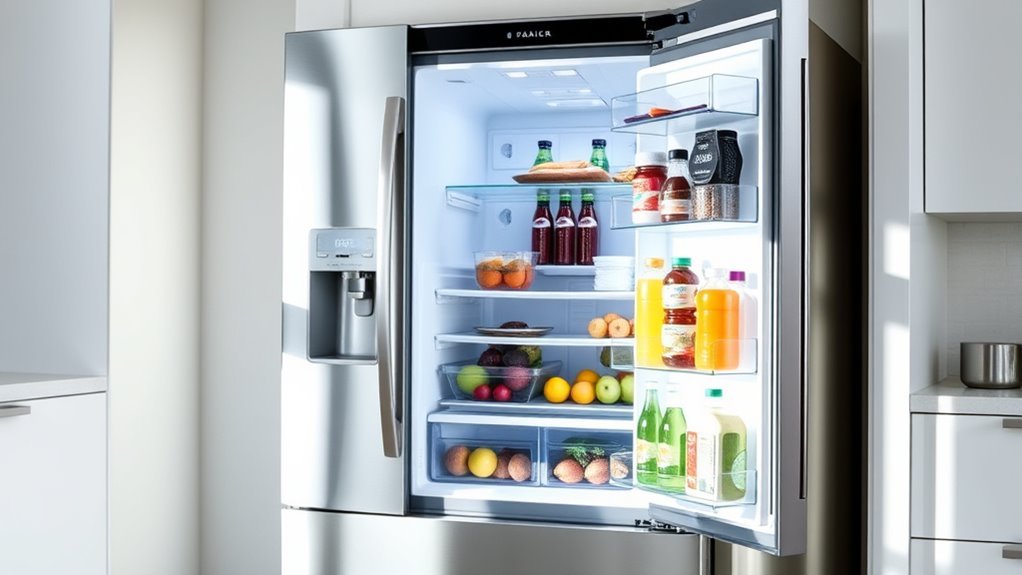
Door in Door Refrigerator: A Complete Buying Guide
Are you tired of constantly opening your fridge just to grab a snack or drink? Many people struggle with cold air escaping, which makes their fridge work harder and costs more in energy bills.
If this sounds familiar, a door in door refrigerator might be just what you need.
A door in door refrigerator lets you grab snacks and drinks quickly without opening the full fridge, keeping cold air inside and preserving freshness.
You’ll save energy by reducing cold air loss and enjoy organized, adjustable storage that fits your needs.
These models blend style with performance, perfect for modern kitchens.
Plus, energy efficiency and smart features help reduce costs and spoilage.
Keep exploring to find out how to pick the ideal size, maintain it, and optimize your storage.
Key Takeaways
- Door in Door refrigerators give quick access to your most-used items without opening the entire fridge. This helps keep cold air in and keeps your food fresh longer.
- They also boost energy efficiency by cutting down cold air loss. Many come with smart compressors, LED lighting, and eco-friendly materials to save power.
- When choosing one, think about storage capacity, energy ratings, adjustable shelves, and if it fits well in your kitchen space.
- Compared to traditional fridges, Door in Door models save energy and help you stay organized. However, they might have slightly less storage space.
- Proper installation, regular maintenance, and smart storage habits make sure your fridge works its best and stays convenient to use.
What Is a Door in Door Refrigerator and How It Works
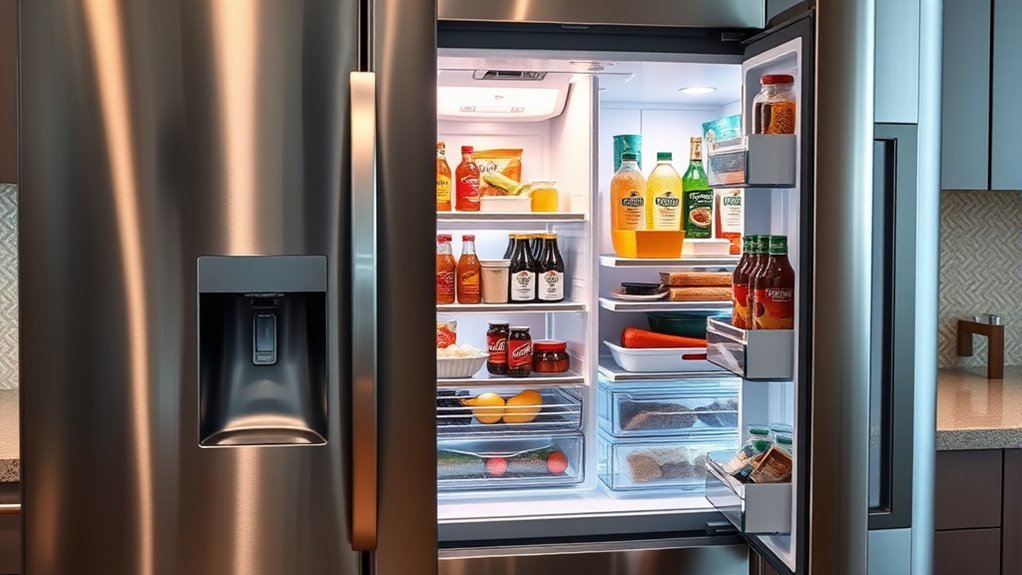
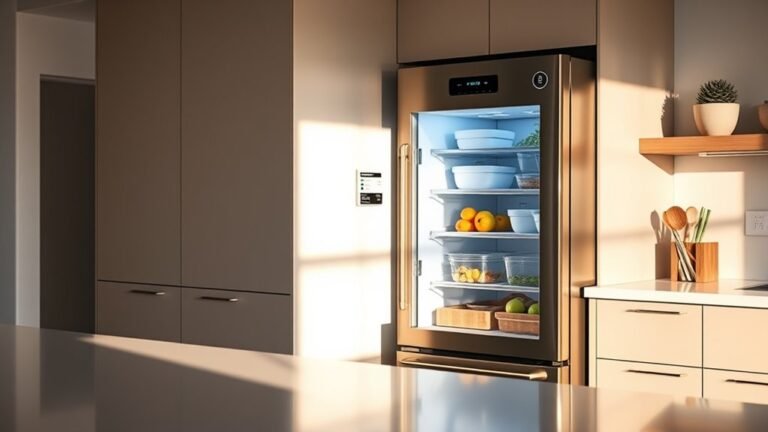
A Door in Door refrigerator makes it easy to access your most-used items without opening the whole fridge. This design has a smaller, secondary door built into the main door, so you can grab snacks or drinks quickly.
This setup helps keep the cold air inside, which boosts temperature control. It reduces how often and how long you open the full door, keeping your food fresher longer.
By limiting full-door openings, this design maintains cold air inside, enhancing temperature control and preserving food freshness.
The design looks modern and stylish, making these refrigerators stand out in your kitchen. When you open the smaller door, you don’t expose the entire interior to warm air.
That means the main compartment stays at the right temperature. This smart feature saves energy and makes your daily routine more convenient.
Knowing how the Door in Door works shows why it’s a practical choice for busy households.
Why Choose a Door in Door Refrigerator? Key Benefits Explained
Understanding how the Door in Door refrigerator works helps you see its many benefits. When you pick this model, you can easily access frequently used items without opening the whole fridge, thanks to its separate outer compartment.
This design also helps save energy by reducing cold air loss, which adds up to noticeable savings over time.
You’ll find handy storage spots for snacks, drinks, and condiments, keeping your essentials organized and easy to grab.
The quick access feature not only saves you time but also cuts down on full-door openings, making your kitchen routine smoother and more efficient.
Energy Efficiency and Freshness Advantages of Door in Door Models
You might have noticed that door-in-door refrigerators are pretty handy when it comes to saving energy. They help cut down on energy use because they limit the amount of cold air that escapes every time you open the fridge to grab a snack. It’s like keeping the cold where it belongs—inside, where it can do its job better.
Plus, this design isn’t just good for your energy bill; it also helps keep your food fresher for longer. When the temperature inside stays more steady, your groceries stay crisp and delicious, instead of getting soggy or spoiling too quickly. So, all in all, these features really make a difference in making your kitchen more efficient and your food more enjoyable.
Reduced Energy Consumption
Many door-in-door refrigerators help cut down on energy use by letting you grab frequently used items without opening the full fridge. This design reduces cold air loss, so you save on electricity bills.
These models often include energy-saving features like LED lighting and smart compressors. Plus, they’re made with eco-friendly materials, which helps reduce their environmental impact.
Here’s how reduced energy consumption benefits you:
- You’ll pay less on energy bills by limiting cold air escape.
- The compressor experiences less wear, which can extend your fridge’s lifespan.
- Using energy-saving tech and materials lowers your carbon footprint.
Enhanced Food Freshness
Because door-in-door refrigerators limit how often you open the main compartment, they help keep your food fresher longer by maintaining a more stable internal temperature. This improved freshness is thanks to advanced technology that optimizes food preservation.
By reducing temperature fluctuations, your perishables stay fresh and crisp, cutting down on waste. Here’s how freshness technology benefits you:
| Feature | Benefit |
|---|---|
| Separate access door | Minimizes cold air loss |
| Specialized compartments | Extends shelf life for produce |
| Advanced sealing | Maintains consistent humidity |
With these features, door-in-door models not only save energy but also improve food preservation. This means your groceries stay fresh longer and taste better.
Essential Features to Look For in Door in Door Refrigerators
When you’re picking out a door-in-door refrigerator, it’s a good idea to think about the storage capacity. Make sure it has enough space to fit your household’s needs without being too bulky.
Also, don’t forget to check out the energy efficiency ratings. Going for a more efficient model can really help you save on those utility bills in the long run.
All in all, these features can make a big difference in how convenient and cost-effective your fridge is over time.
Storage Capacity Options
Choosing the right storage capacity can make a big difference in how well your Door in Door refrigerator fits your lifestyle. These compact designs offer flexible storage without taking up too much space. When evaluating capacity, think about how you’ll use the adjustable shelves to stay organized.
Here are three storage options you might come across:
- Small (10-15 cu. ft.): Great for singles or couples with limited kitchen space.
- Medium (16-22 cu. ft.): Perfect for small families, offering a good balance of space and size.
- Large (23+ cu. ft.): Ideal for bigger households or those who entertain often and need lots of storage.
Energy Efficiency Ratings
Energy efficiency ratings can save you hundreds on your utility bills while reducing your environmental footprint. When shopping for a door-in-door refrigerator, pay close attention to the energy ratings displayed on each model.
These ratings help you quickly see how much electricity the fridge consumes compared to others. Doing an efficiency comparison between models guarantees you pick one that balances performance with low power use.
Higher-rated refrigerators use advanced insulation and compressors to keep your food fresh without wasting energy. Choosing a model with excellent energy ratings means you’ll spend less on electricity each month and contribute to a greener planet.
Door in Door vs. Traditional Refrigerators: Which Is Better?
How do you decide between a Door in Door refrigerator and a traditional model? It really depends on what matters most to you, like saving energy or convenience. Door in Door fridges have a special compartment that lets you grab your favorite snacks without opening the whole fridge, which helps keep the cold air in and saves energy.
Here’s a quick comparison:
- Energy Savings: Door in Door models help cut down on cold air escaping, so they use less energy than traditional fridges that need full-door openings.
- User Convenience: Getting quick access to drinks and snacks is easier with Door in Door designs, which also help keep your fridge more organized.
- Storage Flexibility: Traditional refrigerators generally offer more space overall and have adjustable shelves for bigger items.
If quick access and saving on energy are your priorities, a Door in Door fridge could be a great choice. But if you need maximum storage capacity, a traditional model might suit you better.
Top Door in Door Refrigerator Brands and Models for 2024
While Door in Door refrigerators offer clear benefits, choosing the right brand and model makes all the difference in your kitchen. Samsung stands out with sleek designs and smart tech, giving you convenience at your fingertips.
LG focuses on energy efficiency and intuitive controls, helping you save on bills while keeping your food fresh. Whirlpool emphasizes durability and user-friendly layouts, perfect for reliable performance without fuss.
Bosch is known for precision cooling and quiet operation, making it ideal for a peaceful kitchen. Frigidaire offers practical features at budget-friendly prices, so you get great value.
KitchenAid caters to culinary enthusiasts with customizable storage and advanced temperature settings. Electrolux combines style and performance, balancing aesthetics with utility.
If you’re after something different, Haier provides versatile features and compact designs that fit well in smaller spaces. Check out these brands to find the perfect Door in Door refrigerator for 2024.
Choosing the Right Size and Capacity for Your Kitchen
Before you pick out a door-in-door refrigerator, take some time to measure the space you have in your kitchen. Making sure it fits perfectly is super important. No one wants a fridge that’s either too cramped or takes up too much room.
Also, think about how much storage you really need. Is your household small, or do you shop in bulk? Knowing this will help you choose a fridge that’s just right—not too big and not too small. That way, you’ll end up with a fridge that works perfectly for your daily routine.
Measuring Kitchen Space
Since your kitchen layout determines the size of refrigerator that fits best, it’s important to measure your space carefully. Start by noting down your kitchen’s dimensions—width, height, and depth. Use a tape measure for accurate results.
Make sure to include extra clearance around the fridge for ventilation and door swing. This helps ensure the fridge opens properly without hitting cabinets or walls.
Here’s a simple checklist to follow:
- Measure the width between cabinets or walls where the fridge will go.
- Measure the height from the floor to the lowest overhead cabinet or ceiling.
- Measure the depth, including space for the door to open fully.
Assessing Storage Needs
Every kitchen has unique storage needs, so choose a refrigerator size that fits your household. Think about how much food you usually store and how often you shop.
If you cook often or host gatherings, a larger capacity with smart shelf organization can help keep everything visible and easy to reach. Door-in-door models are great for quick access to essentials without opening the whole fridge.
Consider the types of items you store most—tall bottles, fresh produce, or large platters—and make sure the shelves are adjustable to fit them comfortably.
Smart Storage Ideas to Maximize Your Door in Door Refrigerator
Although your Door in Door refrigerator offers easy access to frequently used items, smart storage ideas can help you make the most of its unique features.
To optimize shelf organization and beverage storage, try these tips:
1. Group Similar Items Together
Create sections for dairy, snacks, and condiments inside the door for quick access, while keeping fresh produce and leftovers on adjustable shelves.
2. Use Clear Containers
Store smaller items in transparent bins or organizers. This helps prevent clutter and makes it easy to find what you need without opening the entire fridge.
3. Maximize Beverage Storage
Use the Door in Door compartment for drinks you access often, like water, juice, or soda. It keeps them chilled and reduces cold air loss when grabbing a drink.
Installation and Maintenance Guide for Door in Door Refrigerators
Maximizing your Door in Door refrigerator’s storage only pays off if the appliance is installed correctly and maintained well. Start with key installation tips: make sure the fridge is level and has enough clearance for the Door in Door feature to open smoothly. Position it away from heat sources like ovens or direct sunlight to improve efficiency. Connect it to a grounded outlet and follow the manufacturer’s instructions closely to avoid issues.
Once installed, stick to a regular maintenance checklist. Clean the door seals monthly to keep them airtight and prevent energy loss. Defrost the freezer section periodically if your model doesn’t have an automatic defrost feature. Replace water filters every six months to guarantee clean ice and water. Also, clean condenser coils twice a year to maintain peak cooling performance. Following these steps helps your Door in Door refrigerator run efficiently and extends its lifespan without hassle.
Troubleshooting Common Door in Door Refrigerator Problems
When your Door in Door refrigerator acts up, knowing how to quickly identify and fix common issues can save you time and frustration. Start by checking the door seals. If they’re damaged or dirty, cold air can escape, causing temperature fluctuations. Clean or replace them as needed to keep a tight seal.
Next, if you notice uneven cooling or frequent temperature changes, it might be due to blocked vents or improper airflow. Make sure your fridge isn’t overloaded and that vents aren’t obstructed.
Uneven cooling often signals blocked vents or poor airflow—avoid overloading and keep vents clear for optimal fridge performance.
Finally, listen for unusual noises or see if the door isn’t closing properly. Misalignment can prevent the door from sealing correctly and affect performance.
Here’s a quick troubleshooting checklist:
- Inspect and clean door seals regularly.
- Verify vents are clear to prevent temperature fluctuations.
- Adjust or realign doors for a proper seal.
Frequently Asked Questions
Can I Use a Door in Door Refrigerator in a Small Apartment?
Yes, you can use a door-in-door refrigerator in a small apartment. These models are great for saving space because they let you access your most-used items without opening the whole fridge.
This can save energy and help keep your kitchen less cluttered. Their compact design often fits nicely in limited kitchen areas, making them very apartment-friendly.
Just be sure to measure your space carefully to make sure it fits comfortably without crowding your kitchen layout.
How Noisy Are Door in Door Refrigerators Compared to Others?
Imagine a gentle hum blending into your kitchen’s background, barely noticeable. Door in door refrigerators generally have comparable noise levels to standard models, thanks to improved sound insulation and vibration reduction technology.
Their compressor efficiency also helps keep things quieter, so you won’t hear loud buzzing or rattling. You can enjoy a peaceful environment while still having convenient access, making these refrigerators a great choice, even in open or small spaces.
Do Door in Door Refrigerators Require Special Cleaning Products?
You don’t need special cleaning products for door in door refrigerators. Just use mild soap and water or a gentle, non-abrasive cleaner to avoid damaging the surfaces.
Focus on cleaning techniques like wiping seals and door compartments regularly to prevent buildup. For maintenance, clean spills promptly and check the door gaskets to keep them flexible.
These simple steps will keep your fridge running smoothly without extra hassle.
Are Door in Door Refrigerators Safe for Storing Baby Food?
Imagine a cozy little nook inside your fridge, perfectly designed to keep baby food fresh and safe.
Yes, door in door refrigerators are safe for storing baby food if you follow baby food safety and storage tips.
Keep jars sealed tightly, avoid overcrowding, and maintain consistent temperatures.
This design helps you access snacks quickly without warming the entire fridge, preserving your baby’s meals just right for their tiny, hungry tummy.
Can I Convert a Traditional Refrigerator to a Door in Door Model?
You can’t easily convert a traditional refrigerator into a door-in-door model because of structural challenges and specialized door mechanisms. Making such a change isn’t straightforward.
While the benefits like easier access and energy savings sound great, these features need built-in design elements that retrofit kits usually don’t offer.
If you want those perks, it’s generally better to buy a fridge already designed with a door-in-door feature instead of trying to modify what you have.
Conclusion
Choosing a door in door refrigerator means embracing convenience without sacrificing style. While traditional models keep things simple, door in door designs offer quick access and energy savings that can change your kitchen routine.
You’ll love the ease of grabbing snacks without opening the whole fridge, yet still enjoy the freshness inside. It’s not just an upgrade; it’s a smarter, more efficient way to live.
Ready to make your kitchen feel both innovative and inviting? A door in door refrigerator is a great choice for blending convenience with modern style.