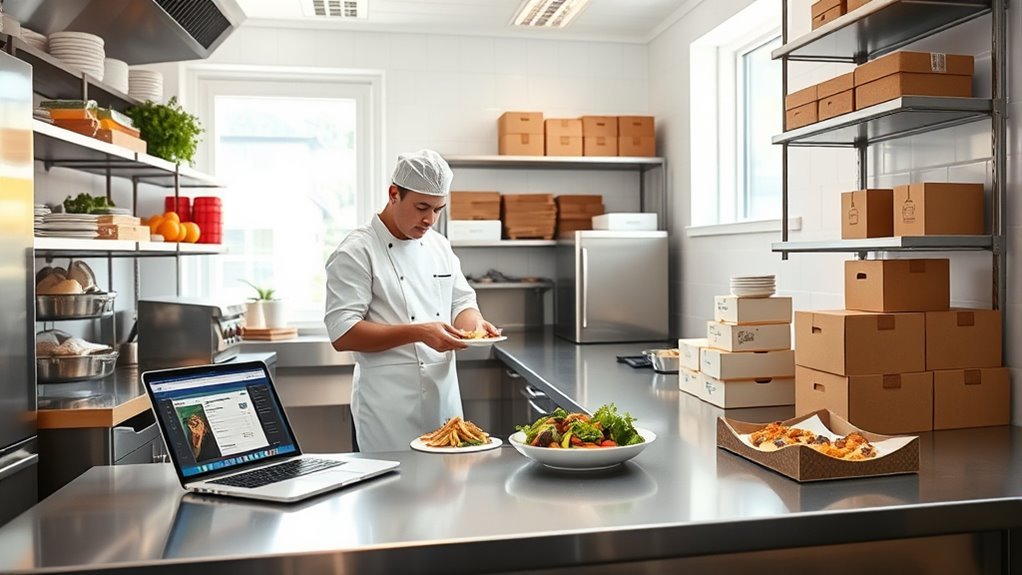
How to Start a Ghost Kitchen: A Step-by-Step Guide
Starting a ghost kitchen can seem overwhelming, especially if you’re unsure where to begin or worried about the costs and logistics. You’re not alone—many entrepreneurs struggle with turning their food ideas into a profitable delivery-only business.
Luckily, with a clear plan, you can set up a successful ghost kitchen that works for you.
Starting a ghost kitchen means setting up a delivery-only food business focused on efficient cooking without a dine-in space. You’ll choose a cuisine that matches your skills and local demand, craft a simple, trendy menu, and price items for profit.
Pick a location with good delivery reach, secure licenses, and create an efficient kitchen layout. Manage vendors, inventory, and use technology for orders and delivery.
Hiring and training the right staff guarantees quality. Keep exploring to uncover strategies for growth and success.
Key Takeaways
- Understand ghost kitchens as delivery-only food prep spaces that focus on reducing costs and increasing efficiency for rising online food orders.
- Choose a cuisine and develop a focused menu based on your skills, what the market demands, ingredient availability, and current dietary trends.
- Pick a strategic location, plan an efficient kitchen layout, and get all the necessary licenses and health certifications.
- Manage vendors well, keep track of inventory with software, and use technology to streamline ordering and delivery processes.
- Hire and train staff thoroughly, use scheduling tools to create fair shifts, and maintain quality through regular feedback.
What Is a Ghost Kitchen? Key Concepts Explained
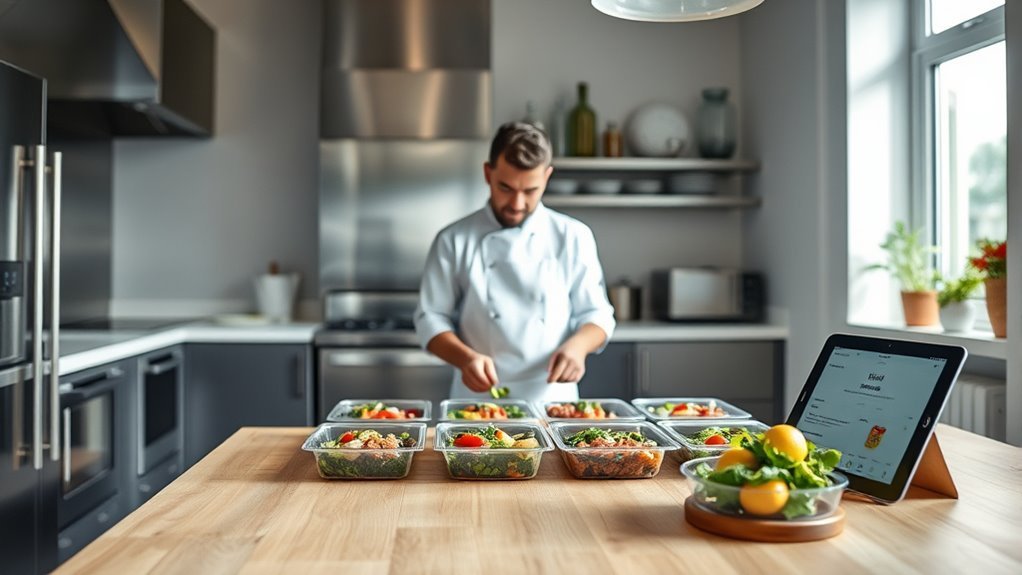
A ghost kitchen is a professional food prep space that focuses only on delivery and takeout orders. It doesn’t have a traditional dine-in area.
When you understand the ghost kitchen definition, you see it’s a cost-effective way to serve hungry customers who want convenience. This model cuts out the need for front-of-house staff and expensive real estate.
Instead, you can focus on cooking quality food quickly. Market trends show that ghost kitchens are booming, especially with the rise of online ordering and food delivery apps.
More people prefer having their meals delivered, and ghost kitchens meet that demand efficiently. By using technology and streamlining operations, you can tap into a fast-growing market.
Knowing these key concepts will help you plan your ghost kitchen with a clear vision and a competitive edge in today’s food industry.
Decide Your Ghost Kitchen Cuisine and Menu
When you’re picking a cuisine for your ghost kitchen, it’s a good idea to go with something that matches your skills and what people in your area are craving. You want to choose a style that you enjoy making and that you know well — it’ll make the whole process more fun and less stressful.
Next, think about keeping your menu simple but tempting. You don’t need to offer every dish under the sun; instead, focus on a few standout items that are easy to prepare and still really appealing. This way, you can keep things running smoothly without getting overwhelmed.
And don’t forget to check out your ingredient supplies. Picking dishes that use ingredients you can easily get and afford helps keep your kitchen efficient and your costs manageable. It’s all about finding that sweet spot where your skills, market demand, and supply chain all come together.
Choosing Your Cuisine Type
Since your ghost kitchen’s success depends heavily on its menu, choosing the right cuisine type is essential. Start by doing some market research and competition analysis to get a feel for customer preferences and dietary trends.
Look into global cuisine options and think about niche offerings that can set you apart. Use seasonal ingredients and smart food pairings to keep your menu fresh and appealing.
| Factor | Why It Matters | Tips |
|---|---|---|
| Market Research | Understand demand | Analyze local and online trends |
| Customer Preferences | Align with tastes | Survey your target audience |
| Dietary Trends | Cater to health-conscious | Include vegan, gluten-free items |
| Competition Analysis | Identify gaps | Find underserved cuisine types |
Making informed decisions now will help build a strong foundation for your ghost kitchen’s identity and growth.
Crafting A Focused Menu
Once you’ve identified the cuisine type that fits your target market, it’s time to narrow down your menu offerings. Focus on creating a menu that’s both manageable and appealing.
Use inspiration from successful ghost kitchens and trending food concepts to spark ideas. Prioritize dishes that highlight unique flavor pairings to set your kitchen apart and create memorable experiences for customers.
Keep your menu concise to maintain quality and speed in preparation. Choose items that complement each other well and share ingredients efficiently, streamlining operations without sacrificing taste.
Considering Ingredient Availability
Anyone planning a ghost kitchen needs to evaluate ingredient availability carefully before finalizing their cuisine and menu. Start by reviewing ingredient sourcing options, focusing on local suppliers to guarantee freshness and reduce lead times.
Keep seasonal availability in mind to maintain quality consistency and manage costs effectively. Building strong supplier relationships helps you negotiate better deals and respond quickly to shortages.
Use inventory forecasting to anticipate demand and avoid waste, supporting cost management and smooth operations. Design your menu with adaptability, allowing you to swap ingredients based on availability without compromising flavor.
Choose Your Ghost Kitchen Location and Setup
Choosing the right location for your ghost kitchen is key to your success. Start with a thorough location analysis—think about delivery radius, nearby competition, and access to suppliers. You want a spot that’s convenient for drivers and close to your target customers.
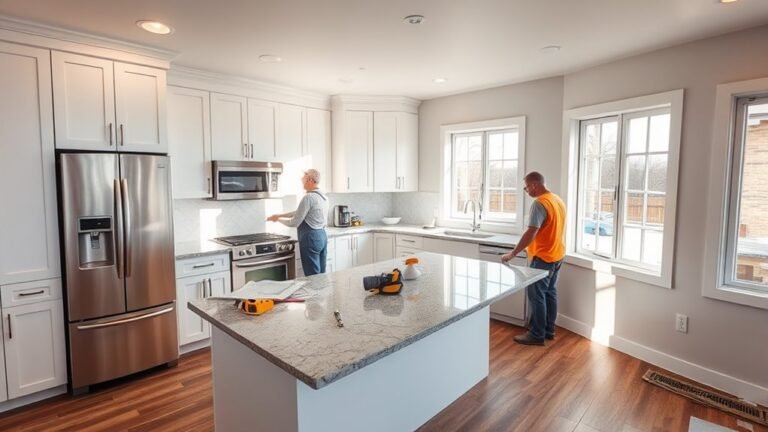
Next, focus on the kitchen layout. Design a space that maximizes efficiency and reduces cross-contamination. Plan separate zones for prep, cooking, plating, and packaging to keep things flowing smoothly. Make sure your setup matches your menu and expected volume.
Don’t forget about ventilation, storage, and equipment placement. These details help optimize workflow and keep your kitchen organized. An efficient layout speeds up orders, cuts down on mistakes, and keeps staff from getting overwhelmed.
Obtain Licenses, Permits, and Health Inspections
Before you open up your ghost kitchen, you’ll want to make sure you’ve got all the right licenses and permits from your local authorities. It might seem like a lot at first, but getting these in order is super important to keep everything legit.
Plus, you’ll need to pass health inspections to show that your kitchen meets all safety and cleanliness standards. Taking the time to understand and complete these steps will help you stay compliant and avoid any costly delays down the road.
Required Licenses Overview
Securing the right licenses and permits is a key step when starting your ghost kitchen. Knowing what’s required helps you stay on the right side of the law and keeps your business running smoothly.
Different permits cover different parts of your operation, so it’s important to identify and get each one quickly to avoid delays. Meeting health standards isn’t just about legality; it also builds trust with your customers.
Here are some of the main licenses and permits you’ll probably need:
- Food service establishment license
- Business operation permit
- Food handler’s or manager’s certification
- Fire department permit
- Zoning and occupancy permits
Getting these in place creates a strong foundation for your ghost kitchen’s success. It also helps you operate confidently and within legal requirements.
Health Inspection Process
Although obtaining licenses and permits sets the stage, passing the health inspection is what officially greenlights your ghost kitchen’s operation. You’ll need to follow strict health regulations, meet compliance standards, and implement thorough safety protocols. Preparing an inspection checklist helps you stay on track.
| Task | Description | Importance |
|---|---|---|
| Cleanliness | Sanitize surfaces and floors | Prevent contamination |
| Food Storage | Proper labeling and temperature control | Avoid spoilage |
| Equipment | Maintain and sanitize kitchen tools | Guarantee safety |
| Employee Hygiene | Handwashing and protective gear | Limit cross-contamination |
Following this process guarantees your kitchen passes inspections smoothly, letting you focus on cooking up success.
Find Suppliers and Manage Inventory for Your Ghost Kitchen
Finding reliable suppliers and managing your inventory effectively are key to keeping your ghost kitchen running smoothly. Building strong relationships with vendors ensures you get fresh ingredients on time and at the best prices.
Reliable suppliers and strong vendor relationships are essential for timely, fresh ingredients and smooth ghost kitchen operations.
Look for vendors who understand your unique needs and can handle flexible orders. At the same time, using good inventory tracking helps you avoid waste and stay lean, saving money in the process.
To stay on top of everything, focus on establishing clear communication with your suppliers. Regularly review and adjust your order quantities as needed.
Using software or spreadsheets for real-time inventory tracking makes a big difference. Keep an eye on expiration dates to minimize spoilage.
And don’t forget to have a backup list of alternative suppliers in case your usual vendors can’t meet your needs.
Set Up Technology for Ghost Kitchen Ordering and Delivery
Choose the right technology to streamline your ghost kitchen’s ordering and delivery process. Start by carefully evaluating platform options—select software that supports smooth online ordering and works well with your existing kitchen management system. This ensures orders go directly to your kitchen staff without delays or mistakes.
Next, focus on delivery logistics by using tools that optimize routes and track drivers in real-time. This helps reduce wait times and keeps your customers happy. Don’t forget about technology integration; your ordering platform should sync with inventory and payment systems to prevent discrepancies.
Use technology to gather and analyze customer feedback efficiently. This insight lets you improve your menu and service quality over time. Setting up a cohesive tech ecosystem helps keep operations smooth, enhances customer experience, and reduces hiccups.
Prioritize systems that are user-friendly for both your team and customers. This way, everything runs effortlessly and smoothly.
Price Your Ghost Kitchen Menu to Maximize Profit
Once your ordering and delivery systems are in place, it’s time to focus on pricing your menu to boost profits. Effective menu pricing hinges on a thorough cost analysis—know exactly what each dish costs you to prepare.
Combine this with a competitive analysis to see how your prices compare to others. Understand customer preferences to tailor your pricing strategies and improve the perceived value.
Don’t forget to factor in seasonal adjustments that can help optimize profit margins throughout the year. To maximize your ghost kitchen’s profitability, you should:
- Analyze ingredient and labor costs carefully
- Research competitors to find your pricing sweet spot
- Adjust prices based on what customers value most
- Use dynamic pricing to respond to seasonal demand
- Keep an eye on profit margins and tweak pricing as needed
Promote Your Ghost Kitchen With Digital Marketing
Want to get your ghost kitchen noticed? Social media is a great place to start. It’s perfect for creating buzz and connecting with hungry customers who are looking for their next meal. Just think about how engaging posts, mouth-watering photos, and quick updates can really draw people in.
And don’t forget about targeted online ads. They can help you reach the right audience fast and without wasting your budget. Whether it’s people nearby craving comfort food or those searching for specific cuisines, these tools make it easier to get your message in front of the right eyes.
Let’s explore how you can make the most of these digital marketing strategies to grow your ghost kitchen and keep those orders coming in!
Social Media Strategies
How can you make your ghost kitchen stand out in a crowded digital space? Leveraging social media platforms is essential. Focus on authentic content that connects with your audience’s emotions and cravings.
Share mouthwatering images, behind-the-scenes clips, and customer stories to build trust and excitement. These elements make your brand relatable and appealing.
Try these strategies to boost engagement:
- Post consistently so you stay top of mind
- Use high-quality photos that make mouths water
- Share your kitchen’s story to create a personal connection
- Engage with followers by responding promptly
- Collaborate with local influencers to expand your reach
Online Advertising Tips
Building a strong social media presence helps lay a solid foundation for your digital marketing efforts. To boost your ghost kitchen’s visibility, customize your SEO strategies to attract your target audience. Use content marketing to share engaging posts, and keep loyal customers informed with email campaigns.
Social media ads and influencer partnerships are great for expanding your reach quickly. Don’t forget about local outreach to connect with your community. Here’s a quick guide to balancing these tactics:
| Strategy | Purpose | Key Action |
|---|---|---|
| SEO Strategies | Improve search ranking | Optimize keywords |
| Content Marketing | Engage your audience | Share recipes and stories |
| Email Campaigns | Keep customers coming back | Send offers and updates |
| Social Media Ads | Reach more people | Target specific demographics |
| Influencer Partnerships | Build credibility | Collaborate with local foodies |
Manage Staffing, Scheduling, and Quality Control
Since your ghost kitchen operates without a traditional storefront, managing staffing, scheduling, and quality control is even more important to keep things running smoothly and ensure consistent food quality.
Focus on staff training to make sure everyone knows their role, and optimize workflows to keep your kitchen efficient. Use scheduling software to balance shifts and prevent burnout, and keep your team engaged through clear communication and motivation.
Regular performance feedback is key to maintaining high standards and encouraging continuous improvement.
Here’s how to handle these areas effectively:
- Implement thorough staff training programs to build confidence
- Optimize workflows to speed up order preparation
- Use scheduling software for fair, flexible shift management
- Encourage open communication to boost team morale
- Provide consistent performance feedback to uphold quality
Track Your Success and Grow Your Ghost Kitchen
Monitor your ghost kitchen’s performance closely to see what’s working and where you can improve. Use metrics like order volume, delivery times, and customer ratings to get a clear picture of how things are going.
Regularly gather customer feedback to understand their preferences and spot areas that need attention. Combine this with financial analysis to track profitability and control costs effectively.
Stay updated on market trends and keep an eye on your competitors. This will help you keep your menu and services relevant and competitive.
Use these insights to adapt your offerings, whether that’s expanding delivery zones, adding new cuisines, or partnering with local businesses. Constantly analyzing these factors will help you make smarter decisions that support your long-term success.
Frequently Asked Questions
Can I Run a Ghost Kitchen From My Home Kitchen Legally?
You can run a ghost kitchen from your home kitchen legally, but you’ll need to follow strict home kitchen rules and check local licensing requirements first.
Many areas require inspections, food handler permits, and proper zoning approval. It’s important to contact your local health department to understand the rules and make sure your kitchen meets all safety standards.
Ignoring these regulations could lead to fines or shutdowns, so it’s best to do your homework before getting started.
What Are the Best Packaging Options for Ghost Kitchen Orders?
You know what they say, “You never get a second chance to make a first impression.” For your ghost kitchen orders, choose packaging that uses sustainable materials to show you care about the environment.
Focus on sturdy, eco-friendly containers that keep food fresh and intact. Don’t forget to incorporate your branding design on the packaging. It’s a great way to leave a lasting impression and build customer loyalty every time they order from you.
How Do Ghost Kitchens Handle Food Allergies and Special Dietary Requests?
You handle food allergies and special dietary requests by implementing strict food allergy protocols and effective dietary request management. Make sure your staff is trained to recognize allergens and cross-contamination risks.
Use clear labeling and maintain separate prep areas when possible. Always communicate with customers to confirm their needs, and update your ordering system to capture dietary preferences accurately.
This approach helps reduce risks and build trust with your customers.
Can I Franchise My Ghost Kitchen Brand Later?
Yes, you can franchise your ghost kitchen brand later. The ghost kitchen market is expected to hit $71.4 billion by 2030, making franchising a great way to expand your brand.
To make it work, focus on building a strong brand identity, creating standardized operations, and developing systems that can scale. This will help attract franchisees and ensure consistent quality across all locations.
What Insurance Policies Are Essential for Ghost Kitchens?
You’ll need liability coverage to protect against customer injuries or food-related claims. Property insurance is essential to cover your kitchen equipment and space from damage or theft.
Don’t forget workers’ compensation to support your staff if they get injured on the job. Also, business interruption insurance can help cover lost income if your kitchen temporarily shuts down due to unforeseen events.
These policies keep your ghost kitchen secure and running smoothly.
Conclusion
Starting a ghost kitchen today is like striking gold in the Wild West. You’ve got to be smart, fast, and ready to adapt.
By choosing the right cuisine, location, and marketing strategy, you’re setting yourself up for success. Keep an eye on your inventory and team, and always track your progress.
With dedication and savvy, your ghost kitchen will thrive in this modern culinary frontier. Now, saddle up and get cooking!