What Is a Drink Special? A Complete Guide with Types, Benefits, and Tips
A drink special is a discounted or featured alcoholic beverage offered by bars or restaurants for a limited time to attract customers. These specials often include price reductions on popular drinks, unique cocktails available only during promotion periods, or bundled offers. This explanation benefits casual bar-goers, cocktail enthusiasts, and hospitality workers seeking to understand why drink specials matter and how to spot valuable deals.
You’ll learn key types of drink specials, their impact on customer behavior, and the business reasons bars use them. Whether you’re choosing your next order or working behind the bar, understanding drink specials helps you make smarter, safer decisions about your drinking and spending.
Key Takeaways
- Drink specials usually involve price cuts on select drinks to boost bar traffic during slow times.
- Common specials include happy hour discounts, themed cocktails, and combo deals with food.
- Bars use drink specials strategically to increase sales by up to 25% during promotions.
- Temporary deals create urgency, encouraging customers to buy more before the special ends.
- Customers using drink specials are more likely to have higher blood alcohol levels, raising safety concerns.
- Many states regulate drink specials to prevent excessive alcohol consumption and promote responsible serving.
What Is a Drink Special and How Does It Work?
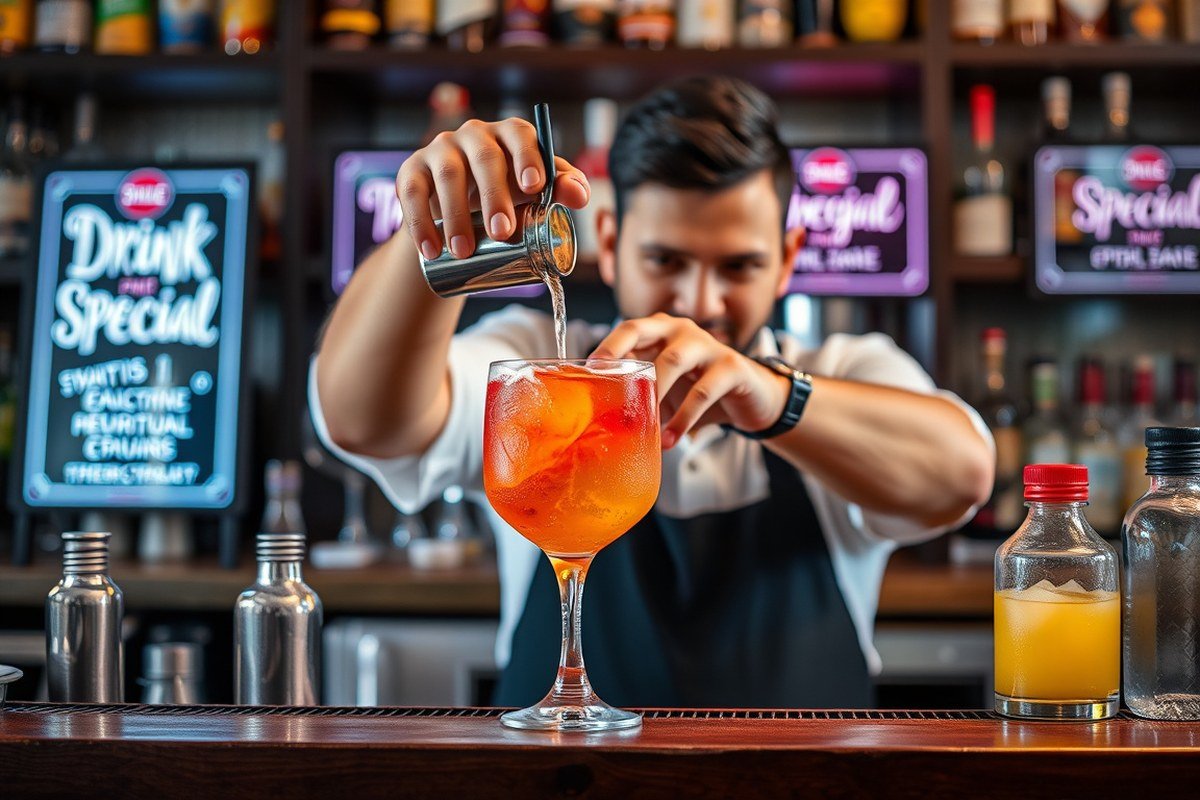
A drink special is a promotional offer in bars or restaurants where certain alcoholic beverages are sold at a reduced price or come with added perks for a limited time. This strategy encourages customers to order specific drinks, often boosting sales during slower hours or drawing larger crowds. Unlike regular pricing, drink specials typically apply discounts to select cocktails, beers, or spirits rather than the entire menu, making these offers stand out to patrons looking for a deal.
At its core, a drink special works by adjusting the price or packaging of beverages to create an attractive deal for customers. Bars might offer a discounted classic cocktail, such as the Club Special, which can be customized with various fruit juices or flavored liqueurs depending on the location. Specials often run during set periods like happy hours or themed nights, creating a sense of urgency to encourage guests to visit at specific times.
Setting up a drink special involves selecting which drinks to promote, deciding how long the special will last, and setting prices that entice customers while still maintaining profitability. For example, a bar could offer a 20% price cut on a signature cocktail from 5 p.m. To 7 p.m. On weekdays. The goal is to find a balance where the lower price attracts more patrons and results in higher overall sales volume. If the price drops too low, the bar risks losing money; if it’s too high, the promotion might fail to attract attention.
The purpose behind drink specials is both marketing and customer engagement. Bars use them to increase traffic, especially during off-peak hours, and to introduce customers to new or featured beverages. A well-timed special can make guests feel they are getting extra value, encouraging repeat visits. Some drink specials include creative variations that allow bartenders to showcase skills and experiment with flavors, improving the customer experience beyond just a reduced price.
Drink specials differ from regular pricing by their temporary and targeted nature. They are promotional tools rather than permanent menu prices, which means they are often accompanied by advertising or incentives like themed events. Because of their influence on drinking patterns, some states regulate drink specials to prevent overconsumption or binge drinking. Laws in 32 states and D.C., for instance, restrict how low bars can price alcohol or limit the availability of all-you-can-drink offers.
Successfully running a drink special requires clear communication to customers, such as posting the offer on menus or signs, and ensuring staff understands the details. Monitoring sales during these promotions helps bars measure success and adjust future specials. When done right, drink specials can increase revenue, create excitement in the venue, and offer patrons appealing ways to enjoy their night out.
Common Types of Drink Specials Customers Should Know
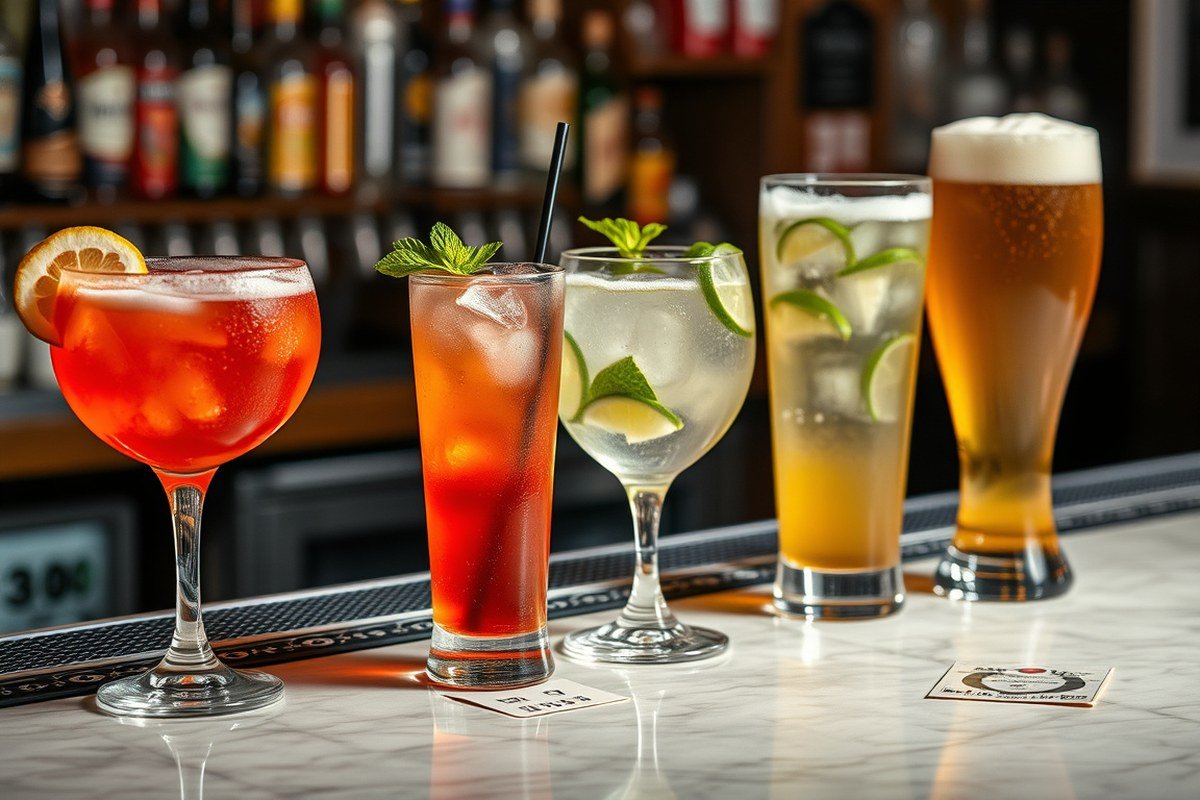
Drink specials come in several common types that grab customer attention and provide value. They usually involve pricing or timing discounts, combos of drinks or food, and themed or seasonal offers. Happy hour specials are a popular variety focusing on lower prices during specific times. Non-alcoholic drink specials also exist, catering to guests who prefer alternatives.
Price-Based Specials
These specials offer drinks at reduced prices, such as fixed dollar amounts or percentage discounts. Examples include “$6 call drinks” or “$3 well drinks.” Such pricing helps customers save money, encouraging more purchases. Bars often use these specials to attract budget-conscious patrons or increase sales on lower-demand beverages.
Price-based specials also appear as “two for one” deals or discounted shots and cocktails. They can help move inventory by featuring specific brands. However, these deals might increase consumption risk if customers order more than usual.
Time-Limited Offers
Happy hour specials are the most common time-limited offers. Bars set a window, often 3 to 6 p.m. On weekdays, when certain drinks sell at lower prices. These hourly discounts entice early-night visitors and increase bar traffic during typically slow hours.
Research shows happy hour patrons drank an average of 9.56 drinks per day, emphasizing how time limits encourage busy, continuous sales. Some bars extend specials to late-night or weekend hours, depending on local laws and customer preferences. Offering short windows can boost urgency but requires clear communication to avoid confusion.
Bundle and Combo Specials
Bundles pair drinks with food or additional beverages at a special price. For example, a “beer and burger combo” or “two cocktails for $10” can add value. These deals make customers feel they get more for their money and simplify ordering.
Combos can vary by day or event, such as pairing a themed cocktail with a snack on trivia night. When bundling, bars should balance portion sizes and price points to protect profit margins while still attracting guests.
Themed and Seasonal Specials
Themed specials center around events, holidays, or unique cocktail concepts. Bars might feature mystery cocktails, holiday drinks, or national celebrations as special offers. Seasonal drinks, like pumpkin spiced cocktails in fall or refreshing mint mojitos in summer, attract customers looking for novelty.
Themes keep the drink menu fresh, encourage bar visits for special occasions, and allow upscale pricing due to exclusivity. Rotating these specials regularly maintains interest without relying solely on discounts.
| Study (First Author, Year) | Location | Population | Sample Size | Finding |
|---|---|---|---|---|
| Babor, 1978 | Belmont, MA, USA | Adult male volunteers | 34 | Casual drinkers in happy hour consumed more drinks |
| Babor, 1980 | South of Boston, MA, USA | Regular bar patrons | 16 | Happy hour patrons averaged 9.56 drinks per day |
| Kuo, 2003 | 38 states and Washington | Various | Not specified | Drink specials influenced drinking behavior, especially in certain groups |
This table summarizes some key findings on how drink specials, particularly happy hours, affect consumption. The increased intake during these specials highlights their appeal and the importance of responsible marketing and service.
Tip: Always check the hours and rules of a drink special before ordering to ensure you get the advertised price and stay within legal limits.
Why Bars Offer Drink Specials and Their Business Benefits
Bars offer drink specials primarily to attract more customers and increase traffic during slower hours. These promotions create a sense of urgency and value, encouraging patrons to choose their venue over others. By lowering the price on popular beverages or offering unique deals, bars can fill seats that might otherwise remain empty, boosting overall sales volume. This strategy works best on weekdays or early evenings when bars typically see fewer visitors.
Drink specials also improve bar revenue by encouraging higher consumption rates. Offering deals like two-for-one cocktails or discounted pitchers entices customers to order more drinks than usual, increasing the average check size. However, bars need to balance this with portion control and pricing to maintain profit margins. Over-discounting can reduce profitability, so successful specials often bundle popular drinks with manageable price reductions.
Social media plays a important role in promoting drink specials and driving business. Bars that regularly post their latest deals on platforms like Instagram and Facebook reach a broader audience, especially younger demographics. Eye-catching photos, timely updates, and engaging captions can spark interest and encourage followers to visit. Pairing social media campaigns with events or partnerships amplifies their impact, making drink specials more visible and appealing.
Creating effective social media promotions involves a few key steps. Bars should schedule posts during peak decision times, such as late afternoons or early evenings, to remind potential customers about specials for the night. Using targeted advertising helps focus these promotions on local users likely to visit. Gathering customer feedback through polls or comments lets bars adjust specials based on preferences, further improving results.
Successful drink specials lead to increased customer engagement and help differentiate a bar from competitors. They provide a reason for patrons to return and bring friends, building loyalty and word-of-mouth promotion. Costs for these promotions generally include discounted drink pricing and marketing expenses but are offset by higher sales volume and repeat business. Monitoring sales data and customer response ensures specials contribute positively to overall profitability.
On the downside, some drink specials like “all you can drink” deals have been linked to higher blood alcohol concentration levels among patrons. Bars should design specials that encourage responsible drinking while still attracting customers. Using loyalty programs or limited-time offers can create excitement without promoting excessive consumption. Ultimately, drink specials help bars manage customer flow and revenue but require thoughtful planning and active promotion to succeed effectively.
How Drink Specials Influence Drinking Behavior and Safety Concerns
Offering discounts on drinks generally makes alcohol cheaper and prompts customers to order more in a shorter period. Research consistently indicates that people who use these specials often drink more and reach higher blood alcohol levels. One study found that those using drink specials had a 4.38 times greater chance of hitting a BAC of 0.08% or above, the legal driving limit in many areas. This higher intake poses safety concerns related to heavy drinking.
Low-price drink specials can promote heavy drinking, which may result in various adverse outcomes. These include alcohol intoxication, impaired decision-making, and risky behaviors such as driving under the influence, physical altercations, and unprotected sex. Because drink specials lower the cost barrier, customers might feel incentivized to drink quickly and overconsume, heightening the chance of accidents and health-related incidents. While these promotions can attract more patrons, they also improve the potential for alcohol-related harms both on and off the premises.
Bars offering drink specials should implement specific safety measures to reduce these risks while still benefiting from increased business. Staff training is essential to help bartenders recognize signs of intoxication and refuse service when necessary. Establishments can limit the number of discounted drinks served per customer or restrict specials to certain hours to avoid excessive consumption within short periods. Clear communication about responsible drinking, along with monitoring patrons’ behavior and cooperation with local law enforcement, also helps improve safety.
In some cases, bars might consider promoting non-alcoholic drink options alongside specials or offering food specials that encourage slower drinking and provide better absorption of alcohol. These approaches cost little but can improve customer safety and reduce the chance of harmful incidents. Adopting such measures often leads to a more controlled drinking environment, which benefits both patrons and the venue by minimizing legal liabilities and maintaining a positive public image.
Different venues face varying challenges based on their size, location, and customer base. For instance, nightclubs with large crowds might need stricter monitoring and security compared to neighborhood bars. Smaller bars could focus more on careful staff training and limiting the number of drink specials offered per shift. These tailored strategies help balance the appeal of drink specials with the critical need to manage consumption safely.
Laws and Regulations That Affect Drink Specials
Bars must follow a variety of laws and regulations when offering drink specials to prevent excessive alcohol consumption and promote responsible service. These laws vary significantly depending on the state or country, making it essential for bar owners and managers to know the specific rules that apply where they operate. Common legal restrictions include limitations on pricing, advertising, hours of sale, and the types of specials permitted.
Many states in the US prohibit “happy hour” pricing or other promotions that sell drinks below a certain price point. For example, some laws forbid offering unlimited drinks, two-for-one deals, or discounted rates during certain time frames if it encourages excessive drinking. These rules aim to reduce alcohol-related harm by discouraging binge drinking at bars and clubs. When pricing drink specials, bars must ensure they don’t price below wholesale or cost to avoid violating these rules. Variations exist across states, some allow happy hours but restrict promotional advertising, while others ban specific deal types altogether.
Advertising drink specials is another area regulated by law. Promotions cannot be misleading or encourage unsafe drinking behaviors. Bars offering specials must clearly communicate any conditions, such as limited brands eligible for the special or time limits. Some jurisdictions require that ads for specials include disclaimers about drinking responsibly or the legal drinking age. The key is transparency and promoting safe alcohol consumption while attracting customers.
Regional differences can be significant. In some countries or US states, off-premises alcohol sales (such as liquor stores) are more tightly controlled than on-premises sales at bars. This leads to more flexible rules for bar specials but sometimes strict caps on price discounts. Enforcement often depends on local alcohol control boards or liquor licensing authorities, and penalties for violations can include fines, license suspension, or closure.
Bartenders and bar owners need to regularly review their state and local laws before implementing specials. Consulting the liquor commission’s website or a legal professional specializing in hospitality law is a good practice. Staying compliant protects the business and helps avoid incidents linked to aggressive or poorly controlled drink promotions, which have been associated with adverse outcomes like accidents and over-intoxication.
Always check your local alcohol control regulations before advertising or pricing drink specials to avoid legal penalties and promote responsible drinking.
Tips for Customers: How to Spot and Choose Good Drink Specials
Choosing a good drink special means paying attention to the details that affect taste, safety, and value. Learning how to spot quality ingredients, asking the right questions, and knowing your limits help you enjoy specials that suit your preferences and keep you safe.
Ask About Ingredients and Preparation
Start by asking what goes into the drink special. Knowing the ingredients helps you decide if the flavors fit your taste and if there are allergens or dietary restrictions you should consider. Bars often create specials using seasonal ingredients, which can signal freshness and quality.
Also ask how the drink is prepared. Some specials may be shaken, stirred, or blended, affecting texture and strength. For example, a Club Special served in a Collins glass typically stays cold longer due to the glass shape, improving the experience.
Check for Time or Limit Restrictions
Drink specials often come with rules about when or how many you can order. Some bars limit specials to certain hours, like happy hour or late nights, to control costs and crowd flow. Asking about these restrictions helps you avoid surprises on the bill or disappointment if the special isn’t available.
Sometimes specials have quantity limits per customer. These limits can prevent overconsumption or keep specials from running out quickly. Knowing the timing and limits ensures you can plan your visit to get the best deal without issues.
Look for Freshness and Presentation
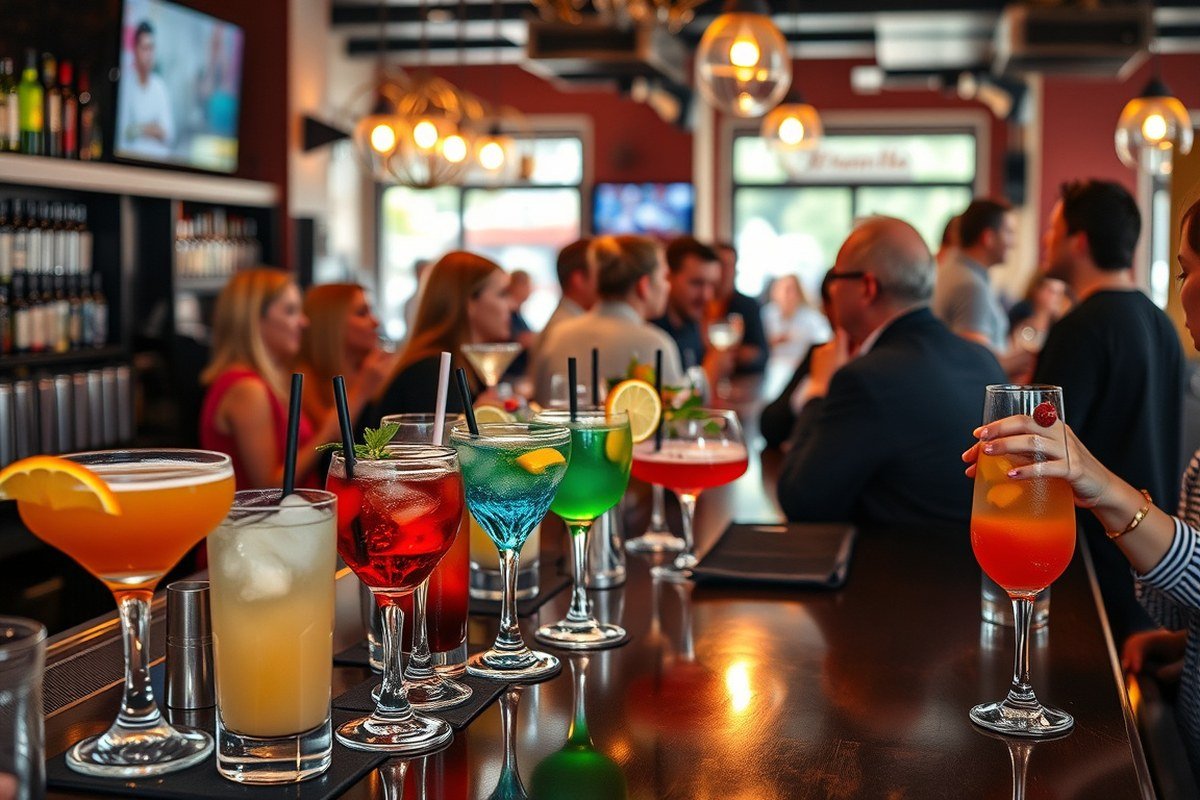
Fresh ingredients not only taste better but also offer a safer drink option. Bars that use fresh fruit, herbs, or other garnishes often signal quality. Presentation also matters; a special served in the correct glassware, like a Collins glass for long drinks, usually indicates attention to detail.
Check if the drink looks appealing and the ice is fresh and clear rather than cloudy or melted. These signs usually mean the bar cares about the drink’s quality and your experience.
- Ask if ingredients are fresh or pre-made
- Check for the use of seasonal fruits or herbs
- Notice if the drink comes in appropriate glassware
- Watch for clear, clean ice and neat garnishes
- Observe if the drink’s color and layering look vibrant
Choosing specials with these signs generally leads to a more enjoyable and well-crafted drink.
Consider Alcohol Content and Your Own Limits
Understanding the alcohol strength of a drink special helps you avoid overdrinking. Specials may be priced lower but sometimes contain more alcohol to balance cost and profit. Ask the bartender about the number of standard shots or ounces in the drink.
Keep your tolerance and drinking schedule in mind. Pace yourself and consider non-alcoholic or lower-alcohol specials if you want to enjoy a night out without overdoing it. Some bars offer mocktails or lighter versions of popular specials, giving you a flavorful option without the effects of heavy drinking.
How to Create Effective Drink Specials: A Checklist for Bars
Designing effective drink specials involves creating appealing offers that match your customers’ tastes, pricing them smartly, and promoting them clearly. Focus on popular ingredients, timing, and feedback to keep specials fresh and profitable while drawing in more foot traffic.
Choose Popular or Trendy Ingredients
Select ingredients that resonate with current customer preferences or seasonal trends. Using familiar flavors like citrus, berries, or herbs often works well. Consider incorporating local or seasonal produce to add novelty and freshness, making your specials stand out.
Themed drinks, such as pumpkin spice in the fall or tropical fruits in summer, can boost appeal. Combining these with well-known spirits ensures the drink is approachable yet exciting. Keep drink complexity manageable to maintain speed of service and consistent quality.
Set Clear Time or Quantity Limits
Establish specific time frames for your specials to create urgency and control costs. Common approaches include happy hours from 5 to 7 p.m. Or special pricing on select weeknights. Limiting quantities, such as “first 50 drinks only,” can increase demand and exclusivity.
Price your specials to balance value with profitability. Aim for discounts around 20% to 30% off regular prices to attract attention without eroding margins. Avoid overly steep discounts that encourage overconsumption or undervalue your brand.
Promote Specials Effectively
Clear, eye-catching signage inside and outside your bar helps capture walk-in interest. Use bold fonts and vibrant colors to make specials easy to spot. Incorporate themes or seasonal graphics to improve visual appeal and tie the offer to a specific occasion or atmosphere.
Use social media and email to inform regular customers about upcoming or current specials. Posting photos or brief videos of the drinks adds engagement. Consider cross-promoting with local events or holidays for greater reach.
- Place signage near entrances and the bar area
- Promote specials on social media channels regularly
- Send email reminders or follow-ups to mailing lists
- Use themed decor or music to reinforce the special’s mood
- Train staff to mention specials actively to patrons
Consistency in messaging helps build recognition and repeat visits. Avoid cluttered or confusing ads that obscure the offer’s key benefits.
Monitor Sales and Customer Feedback
Track sales data daily or weekly to identify which specials perform best and when. Look for patterns such as increased traffic or higher check averages during promotion periods. Metrics like the volume of drinks sold and revenue help gauge success.
Gather customer feedback through direct questions at the bar or digital surveys sent after visits. Use their suggestions to refine recipes, timing, or pricing. Creating specials that reflect customer preferences encourages loyalty and word-of-mouth referrals.
Examples of Popular Drink Specials and Why They Work
Popular drink specials often include happy hour discounts, themed cocktails, and buy-one-get-one-free offers. These specials attract customers by combining appealing prices with unique or familiar drinks. For example, happy hour discounts typically reduce the price by 20% to 50% for a limited time, drawing in patrons during slower hours. Themed cocktails, especially those tied to holidays or local events, create excitement and encourage social sharing. Buy-one-get-one deals foster a sense of value and can increase overall sales volume.
Presentation plays a big role in why these specials work. Drinks served in distinctive glassware or garnished attractively create visual appeal that encourages orders. Pricing must balance perceived value and profitability, too low undercuts revenue; too high deters customers. Many bars time specials to match customer habits, such as early evening or sports event times, maximizing participation. The following table shows examples of common drink specials along with their key elements and why they succeed:
| Drink Special | Typical Price Range | Timing/Duration | Key Success Factor |
|---|---|---|---|
| Happy Hour | 20%-50% off regular prices | Late afternoon to early evening (3-7 PM) | Encourages early traffic with limited duration |
| Themed Cocktails | $6-$10 per drink | Seasonal or event-based | Creates buzz and social media appeal |
| Buy-One-Get-One-Free | Varies; effective with $5-$8 drinks | Usually nights or weekends | Boosts volume and customer satisfaction |
| Shot and a Beer Combo | $7-$12 for combo | Popular near closing time | Targets groups and promotes faster sales |
| Mondays or Off-Night Specials | 10%-40% off or fixed price ($3-$6) | Typically weekdays | Drives traffic on slow nights |
These examples work well because they match price points with customer spending habits. Bars often experiment with timing to avoid overcrowding while boosting sales during low periods. Presentation, such as adding fresh fruit or using distinctive glassware, can increase a drink’s perceived value by up to 30%, according to bartending industry reports.
Set clear time limits on specials to avoid overcrowding and keep patrons feeling like they’re getting a timely deal.
Keep in mind that drink specials that are carefully targeted and visually attractive tend to generate more repeat visits. Conversely, specials that run too long can reduce profit margins and may encourage excessive drinking. Adjusting pricing and presentation based on customer feedback and sales data helps optimize outcomes.
Your First Week: How to Use Drink Specials Smartly
Start enjoying drink specials with confidence and safety using this easy plan. Follow each step to find the deals that fit you best without overdoing it.
- Before Your Visit: Check online or call the bar to learn about their current specials and happy hour times to plan when to go.
- Arrival Time: Arrive during happy hour or special event times to get the advertised deals and verify prices on the menu or with the bartender.
- First Round: Choose a well-known classic special, like a discounted draft beer or house wine, to test the quality and value.
- Mid-Visit: Monitor how the drinks make you feel and pace yourself to avoid drinking too quickly despite the low prices.
- Before Ordering More: Reassess your budget and hunger; consider ordering food to slow alcohol absorption and balance consumption.
- Later in the Visit: Opt for water or non-alcoholic drinks in between specials to stay hydrated and improve safety.
- End of the Night: Arrange safe transportation if you consumed alcohol, ideally a ride share, taxi, or designated driver.
Frequently Asked Questions
What Is the History Behind the Club Special Cocktail?
The Club Special cocktail dates back to the early 20th century. It is usually served in a tall, narrow Collins glass to keep it cold and refreshing longer.
Can Drink Specials Encourage Riskier Drinking Behaviors?
Yes, drink specials like “all you can drink” can increase alcohol consumption, especially in college-age groups. These offers often lead to binge drinking on special price nights.
How Do Drink Special Laws Impact Bar Marketing Strategies?
Drink special laws limit bars from using low-price, high-volume specials to attract customers. This forces bars to explore other marketing techniques beyond discounted drinks.
Why Do Some States Ban Happy Hour Drink Specials?
Some states ban happy hour specials to prevent alcohol overconsumption and reduce related harms. This is part of regulations aimed at promoting responsible drinking.
What Role Do Drink Special Ads Play in Customer Alcohol Choices?
Drink special ads influence customers’ attitudes and intentions toward ordering more alcohol. This advertising especially affects younger patrons, encouraging higher intake.
How Often Do Bars Update Their Drink Specials?
Bars often update drink specials weekly or monthly to keep customers interested and accommodate seasonal ingredients or drinks trends.
Wrapping Up
Drink specials give you a chance to enjoy your favorite drinks at a lower price while supporting your local bar. Try a few types to discover what you like best without rushing or straining your budget. Next time you visit, pick one special and focus on enjoying the experience responsibly and safely.