
What Is a Bar and Grill? A Complete Guide to Food, Drinks & Atmosphere
A bar and grill is a casual dining establishment offering a combination of alcoholic drinks and a full menu of grilled or fried foods. It typically features a bar area where patrons can order beverages and a dining section serving burgers, steaks, and other hearty fare. This format suits casual diners, first-time visitors, and anyone curious about the food, drinks, and atmosphere you’ll find at such venues.
This overview explains what defines a bar and grill, explores common types and typical menus, and covers the beverage options and seating styles you can expect. It also touches on family-friendliness, legal rules, private events, and tips to enjoy your experience as you visit these popular social spots.
Key Takeaways
- The “bar” in bar and grill dates back to the 17th century, originally referring to the counter separating patrons from drinks.
- Bar and grills often feature high stools around counters typically 40, 45 inches tall, with stools up to 30 inches high for seating.
- Typical menus focus on grilled or fried items like burgers, steaks, wings, and casual American fare.
- Drinks include beer, cocktails, and nonalcoholic options, with a full bar usually available.
- Many states restrict minors from bars, but some venues allow children if food service is provided.
- Private party options are common, with space for events like birthdays and gatherings.
What Defines a Bar and Grill Establishment?

A bar and grill is an establishment that blends the social and beverage-focused atmosphere of a bar with the food-centered offerings of a grill. It provides a casual dining experience where guests can enjoy a full menu of grilled foods alongside a selection of alcoholic and non-alcoholic drinks. Unlike a standalone bar that primarily serves drinks or a restaurant focusing mainly on food, a bar and grill combines both smooth, creating a versatile space for eating, drinking, and socializing.
The term “bar and grill” reflects this combination, where “bar” refers to the area serving beverages, historically linked to the counter or barrier used to serve drinks, and “grill” points to the style of food preparation involving direct heat cooking, such as grilled meats, burgers, and sandwiches. This dual nature means the venue caters to different customer needs, whether you want to grab a quick drink, enjoy a meal, or both at once.
In practice, a bar and grill operates as both a restaurant and a drinking establishment. It typically features a kitchen specializing in grilled dishes, often including items like burgers, steak, chicken, and seafood, prepared on an open grill or flat top. Meanwhile, the bar area offers a variety of beers, wines, spirits, and cocktails. Seating arrangements often include bar stools at counters alongside traditional dining tables, inviting both quick stops at the bar and longer dining experiences.
Cost and staffing for a bar and grill tend to be higher than a standard bar due to the need for a kitchen, chefs skilled in grilling techniques, and food safety protocols. It also requires compliance with regulatory standards for both food service and alcohol sales. For patrons, good bar and grill locations balance quality food and drinks at moderate prices, often between $10 and $20 for main dishes, depending on the region and specific menu.
What distinguishes a bar and grill from a purely food-focused restaurant is the emphasis on the bar experience. Many such venues encourage socializing with a lively atmosphere, sometimes including televised sports or live music. This differs from typical restaurants that center primarily on dining ambiance and culinary presentation. Conversely, bar and grills often have more extensive food options than a basic pub or drinking spot, making them destination spots for both meals and drinks.
Variations exist, such as sports bars with grills that focus heavily on game-day foods or neighborhood grills that cater to families with diverse menus and casual environments. Since the mid-20th century, the bar and grill format has evolved, adapting to changing customer preferences while maintaining its core concept: a single place to eat grilled foods and enjoy varied drinks in a relaxed setting.
Common Types of Bar and Grill Locations and Concepts

Bar and grill establishments come in various types, each catering to different tastes, atmospheres, and occasions. Four of the most common types include sports bars, country bars, chain bar and grills, and themed establishments. Knowing these types helps you choose the right spot based on your mood, company, and dietary preferences.
Sports bars focus on fans who want to watch games on large screens while enjoying a wide selection of beers and drinks. Their menus usually offer classic pub fare like burgers, sandwiches, and salads. The atmosphere is lively and designed to encourage socializing during sports broadcasts or trivia nights.
Country bars provide a more rustic, often rural vibe with country music and a casual, laid-back environment. Their menus might feature comfort foods inspired by regional or Southern cooking. These spots can be more family-friendly, offering activities or events aimed at younger guests or groups.
Chain bar and grill restaurants, such as TGI Friday’s, deliver a consistent experience with menus featuring high-quality versions of classic American dishes. They often attract families and casual diners by providing a familiar setting and reliable service. Chains usually balance casual dining with enough variety to suit different ages and palates.
Themed bar and grills revolve around a particular idea or interest, like pirate motifs or wine bars centered on wine selections. Themed venues may appeal to niche groups and often have custom decor, unique menu items, and occasionally live entertainment tailored to their concept. Some keep it simple, focusing on one core offering, such as wine bars emphasizing wine varieties and small plates.
| Type | Typical Atmosphere | Menu Highlights | Family-Friendliness | Entertainment |
|---|---|---|---|---|
| Sports Bar | Lively, social, large screens | Burgers, sandwiches, salads | Often family-friendly with events | Sports broadcasts, trivia nights |
| Country Bar | Rustic, casual, country music | Comfort foods, regional dishes | More family-friendly | Live music, dancing |
| Chain Bar and Grill | Consistent, casual dining | American classics, high quality | Highly family-friendly | Varies, occasional events |
| Themed Bar and Grill | Decor-driven, niche appeal | Menu matches theme (e.g., wine plates) | Depends on theme | Live entertainment, special events |
Choosing among types depends on your interests. Sports bars attract fans who want an interactive experience, while country bars offer a more relaxed weekend vibe. Chain bar and grills suit families looking for reliable dining, and themed bars appeal if you want an immersive outing. Some bar and grills blur these lines, combining elements to meet diverse customer needs.
Expect busy peak times, especially at sports bars during big games, so plan accordingly if you want a quieter experience.
Typical Food Menus at a Bar and Grill
Bar and grill menus offer a balanced mix of satisfying, flavorful food designed for casual dining. You can expect classic appetizers, hearty mains often based on grilled meats, and options that cater to lighter tastes or special diets. Variety depends on the establishment size and focus, but typical menus cover starters, main dishes, and sides that appeal to a broad audience.
Starters and Shareables
Starters at a bar and grill usually include shareable plates meant to be enjoyed with drinks and friends. These dishes often feature fried, cheesy, or spiced items that complement the casual atmosphere. The selection tends to be straightforward but crowd-pleasing, providing options that work well with the bar’s beverage offerings.
- Buffalo wings with dipping sauces
- Loaded nachos topped with cheese, jalapeños, and salsa
- Onion rings or fries, sometimes seasoned or loaded
- Stuffed mushrooms or jalapeño poppers
- Sliders or mini sandwiches
- Mozzarella sticks or cheese curds
These starters are usually priced between $6 and $12, making them affordable choices for sharing. They are designed to be easy to eat with fingers and pair well with beer or cocktails, setting a relaxed tone before the main course.
Main Courses and Grill Items
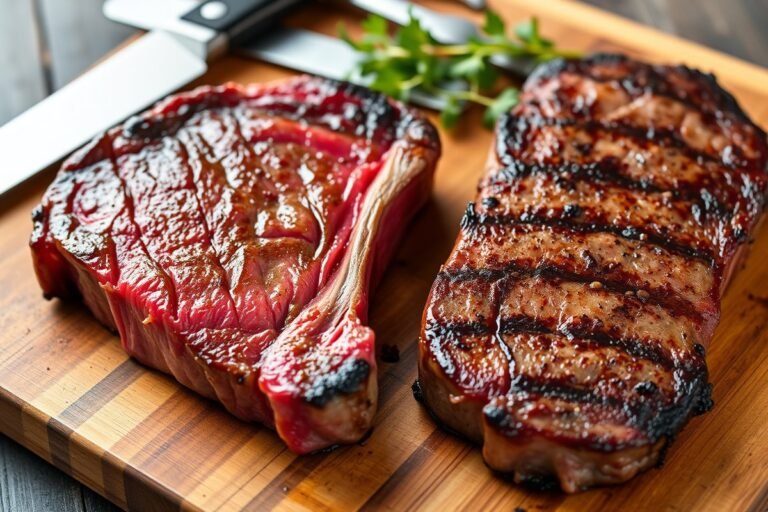
Main courses at a bar and grill typically focus on grilled proteins alongside hearty sides. Burgers and sandwiches are staples, often served with toppings and sauces that add variety. Steaks, chicken breasts, and seafood are common grill-based entrees, offering a satisfying centerpiece for the meal.
- Beef burgers with cheese, bacon, lettuce, tomato, and pickles
- Grilled chicken breast or thighs, sometimes blackened or with barbecue sauce
- Steak cuts such as ribeye or sirloin, grilled to order
- Grilled salmon or shrimp with lemon butter or herb sauce
- Ribs with barbecue sauce and coleslaw
- Sandwiches like Philly cheesesteak or pulled pork
- Salads with grilled protein for a heartier option
Expect prices for mains to range from around $12 to $25, depending on portion size and the protein chosen. The grilling process not only adds flavor but also aligns with the casual yet satisfying dining experience typical of these establishments.
Lighter and Dietary Options
Many bar and grills recognize the need for lighter fare or special diet choices. Salads, wraps, and smaller-portioned plates often appear on the menu to cater to guests seeking less heavy options. Some kitchens also offer gluten-free buns or plant-based burger alternatives to accommodate dietary restrictions.
- House or Caesar salads with optional grilled chicken
- Grilled vegetable plates or sides
- Turkey or veggie burgers served with gluten-free buns
- Wraps filled with lean proteins and fresh vegetables
- Gluten-free or low-carb options clearly marked
- Kids’ menus with smaller portions and simpler items
Special diet offerings are usually priced slightly lower or on par with regular mains, often between $10 and $20. Clear menu labeling helps you identify these choices quickly, supporting dietary preferences without sacrificing flavor or satisfaction.
Drinks and Beverage Options at a Bar and Grill
At a bar and grill, you can expect a varied drink menu that usually features a solid selection of beers, wines, cocktails, and non-alcoholic options. Beer often plays a central role, ranging from popular domestic brands to craft brews and local favorites, catering to both casual and more adventurous drinkers. Wine choices typically include a few red and white varieties, suitable for pairing with the grilled and fried foods that dominate the kitchen. Many establishments offer happy hour specials that reduce prices on select drinks and appetizers, which can be a good time to sample different options without spending much.
Most bar and grills serve a full cocktail menu, covering classic drinks such as margaritas, mojitos, and martinis, as well as seasonal or signature cocktails crafted by the bartenders. Offering a full bar means you’ll generally find the essential spirits, vodka, gin, whiskey, rum, tequila, and mixers to create a wide range of drinks. This variety supports customers looking for anything from a simple beer to a more complex mixed drink. Some bar and grills improve their offerings with beer cocktails or specialty drinks designed to pair well with their menu items. The price for cocktails usually ranges depending on ingredients and location, but happy hour discounts can make them more affordable.
Non-alcoholic options are an important part of any bar and grill’s drink list, ensuring everyone has something enjoyable to sip. Standard soft drinks like soda, iced tea, and lemonade are commonly available. Increasingly, many bars include mocktails, non-alcoholic cocktails made with fresh ingredients and crafted for flavor, as a more sophisticated alternative. Alcohol-free beers and artisanal sodas may also be featured, providing variety beyond traditional soft drinks. This is especially important at bar and grills that want to attract families, designated drivers, or patrons who simply prefer to avoid alcohol. The presence of quality non-alcoholic drinks can significantly improve the dining experience for all guests.
When designing or visiting a bar and grill, consider how the drink menu complements the food and atmosphere. Establishments with outdoor seating or patios sometimes include outdoor bars or drink stations, allowing for easy access during warmer months. Some bar and grills also offer takeout or delivery for drinks and food, broadening convenience for customers. The key to a successful drink menu lies in balance: providing familiar staples alongside options that allow guests to try something new while accommodating different tastes and preferences.
Atmosphere and Seating Options You’ll Find
Bar and grill establishments usually offer a lively but comfortable atmosphere where guests can relax and socialize. The lighting tends to be warm and moderate, balancing visibility for dining while maintaining a casual ambiance. Noise levels vary depending on the time of day and entertainment options, but expect a background mix of conversation, music, and the typical sounds of a busy hospitality spot. This noise can contribute to a fun setting but might make quiet conversations harder near the bar area during peak hours.
The layout usually includes several seating options, each catering to different guest preferences. Bar stools at the counter create a social, fast-paced environment where patrons often engage in casual chats and quick drinks. High-top tables and standard dining tables offer more space and are better suited for groups who want to enjoy their meal with some conversation. Booths provide a cozy, semi-private space for diners aiming for a more relaxed experience away from the bar’s hustle.
Outdoor seating is common in bar and grills, especially during warmer months. Patios or decks allow guests to enjoy fresh air and often feature additional attractions like live music or televised sports event screens. Outdoor areas can add variety to the experience, delivering a more laid-back vibe where people-watchers and those looking to unwind feel comfortable. However, this option depends largely on the local climate and space restrictions.
Choosing the right seating depends on what you want from your visit. Sit at the bar if you want to be part of the action and meet new people quickly. Book a booth or table if you prefer a quieter meal or deeper conversations. Use outdoor seating for a casual, fresh-air experience, especially if there’s entertainment or good weather. Deciding among these involves considering your group size, desired level of interaction, and weather conditions.
The seating and atmosphere directly impact customer satisfaction and the overall vibe of the bar and grill. For operators, investing in varied seating and thoughtful layout maximizes capacity and caters to different guest needs without sacrificing comfort. This may require a higher initial cost, bar stools and booths can cost between $100 to $300 each depending on style, yet diversifying seating pays off by attracting a wider crowd. Poor layout, such as overcrowding the bar area or insufficient outdoor space, can leave guests feeling cramped or ignored.
Reserve outdoor seating early during warm seasons and on weekends, as these spots tend to fill quickly and offer a distinctly different experience from indoor areas.
Family-Friendliness and Legal Considerations
Many bar and grill establishments welcome families, but rules vary a lot depending on where you are. Children can often dine during certain hours, but laws limit minors’ access to alcohol areas. Knowing these restrictions helps you plan a visit or operate a bar and grill responsibly.
Age Restrictions by Region
Age limits for entering a bar and grill depend on local laws, usually tied to the legal drinking age. In most U.S. States, the minimum age to enter or be served alcohol ranges from 18 to 21 years old. Some places allow minors in dining sections but not in areas designated as bars.
Since rules differ by city and state, checking with the specific establishment or local government is important. Bar and grill owners often have to enforce these laws carefully to avoid fines or license loss.
Safe Family Dining Times
Bar and grills that cater to families often set specific hours when children are welcome, typically earlier in the day or early evening before the crowd shifts to mostly adult customers. Weekday lunches or early dinners are more likely to be family-friendly.
Parents planning to bring children should call ahead to confirm whether children are allowed at those times and if there are kid-friendly menu options. Some places provide designated non-bar areas or kids’ sections, improving safety and comfort for families.
- Confirm family-friendly hours with the restaurant in advance
- Choose seating away from the bar area when dining with children
- Look for menus with child-sized portions and non-alcoholic drinks
- Visit earlier in the evening to avoid heavy drinking crowds
- Check for high chairs or booster seats availability
- Respect house rules regarding minors’ presence in bar zones
Following these tips helps your family enjoy the meal while respecting the venue’s atmosphere and legal restrictions.
Rules About Alcohol Service
Bar and grills operate under local liquor laws that govern who can be served alcohol and when. Staff must verify the age of customers before serving any alcoholic beverages to prevent underage drinking. Penalties for serving minors vary but can include fines and license suspension.
Many establishments separate the bar area from the dining area to maintain compliance with regulations about minors. Some bars cannot allow anyone under the legal drinking age past a certain time or in specific zones within the venue.
For operators, training servers on checking IDs and managing alcohol service responsibly is essential. This reduces the risk of legal trouble and helps maintain a safe environment for all patrons, including families.
How Bar and Grills Serve Private Parties and Events
Many bar and grills welcome private parties and special events, offering dedicated spaces and tailored menus to fit your needs. You can reserve a room or section in advance and work with the staff to plan food and drink options. These venues often cater to both on-site gatherings and off-site events through mobile or portable bars.
Booking a Space
Reserving a private space at a bar and grill usually requires advance notice, often at least one to two weeks depending on the size of your party and the day of the week. Contact the venue directly by phone or their online reservation system to check availability and discuss your event details. Some bar and grills have separate rooms for groups, while others may block off sections of their main dining area. Consider these steps when booking:
- Determine your expected guest count to find a suitable room or section.
- Ask about time limits or minimum spending requirements.
- Confirm deposit policies and cancellation terms.
- Discuss amenities such as audio/visual equipment if needed.
- Review options for decorating or personalizing the space.
- Get a written agreement outlining all arrangements.
Following these steps helps ensure a smooth booking process and avoids last-minute issues.
Event Menu Options
Bar and grills typically offer customizable food and drink packages for events, including appetizers, entrees, and beverage selections. You can often choose from set menus or build your own spread based on your budget and preferences. Many offer buffet-style, plated meals, or passed hors d’oeuvres.
They also provide catering services for off-site functions using mobile bars or portable setups. This flexibility suits a range of events from casual get-togethers to corporate parties. Common menu features include:
- Starter platters like wings, sliders, or nachos
- Main dishes such as burgers, grilled chicken, or steak
- Vegetarian and dietary restriction accommodations
- Beverage options from draft beer to signature cocktails
- Desserts or specialty items on request
- Drink packages with fixed prices per person
Discuss menu customization early to balance variety, quality, and cost effectively.
Typical Costs and Policies
Costs for hosting a party at a bar and grill vary widely based on the venue size, menu choices, and day or time. Small gatherings might only require covering food and drinks, while larger events often have rental fees or minimum spend requirements ranging from $300 to $1,000 or more. Deposits of 25% to 50% are common to hold your reservation.
Cancellation policies vary but typically require notice at least 48 to 72 hours ahead to avoid losing deposits. Gratuity and taxes are usually added to your final bill. Some locations have noise limits or closing time restrictions to consider. To get the best rates and secure your preferred date:
- Book well in advance, especially during peak seasons
- Request a detailed written contract
- Confirm all policies on payment, cancellations, and damages
- Ask about discounts for large parties or weekday events
- Clarify who is responsible for cleanup and setup
Clear communication before the event helps prevent surprises and ensures a positive experience for everyone involved.
Tips for Enjoying Your Visit to a Bar and Grill
Dress for a bar and grill in casual clothes, such as jeans, t-shirts, or casual dresses. Most bar and grill spots expect everyday wear rather than formal or business attire. Dressing comfortably matches the relaxed vibe and ensures you fit in well with other guests. Avoid overly fancy or revealing outfits unless the venue specifies otherwise.
You can usually order food directly at the bar in many bar and grill places. Staff often take full meal orders wherever you sit, whether at the bar or a table. Ordering at the bar can be convenient if you want a quick bite or prefer the social aspect of sitting near the bartender. Waitstaff will bring your food to you once it’s ready.
- Visit early in the week or mid-afternoon to avoid crowds and get faster service
- Check if the bar and grill offers online ordering or delivery if you prefer to eat at home
- Ask the bartender about daily specials or popular drinks for a better experience
- Reserve a spot ahead during weekends or busy evenings to secure seating
- Tip your server or bartender around 15-20% to encourage attentive service
- Request a quiet table if you want to focus on conversation or food quality
- Confirm the open hours, especially on holidays or during local events
The best time to visit depends on your priorities. For quieter dining and more menu options, try arriving before 5 p.m. On weekdays. Bars and grills tend to get lively in the evenings, especially after 7 p.m., ideal for those wanting a vibrant atmosphere and full drink selections. Weekend nights may be busier, so plan for longer wait times or make reservations.
Ordering food at the bar often speeds up service, but avoid peak hours if you want a quieter experience.
Good service, solid food, and well-made drinks matter most and can shape your overall visit. Checking online reviews or asking locals can help you pick a reliable spot. Some bar and grills offer themed nights or specials that add value to your visit without extra cost. Always follow the establishment’s posted rules and respect the staff for a positive experience.
Your First Visit to a Bar and Grill: A Step-by-Step Action Plan
Use this simple plan to get the most out of your first bar and grill outing, whether you’re dining alone, with friends, or hosting an event.
- Before You Go: Check the bar and grill’s website or call to review their menu and drink options so you know what fits your taste and dietary needs.
- Arrival: Visit during off-peak hours to enjoy a quieter atmosphere and get a good feel for the seating options available.
- Ordering Food: Choose a classic bar and grill dish to start, like a burger or grilled chicken, and note portion sizes to gauge how hungry you need to be next time.
- Choosing Drinks: Try a recommended beer or cocktail from their menu to explore beverage offerings designed to complement the food.
- Enjoying the Atmosphere: Spend a few minutes observing the vibe, seating comfort, and noise level to decide if it fits your preference for future visits.
- Asking About Events: Inquire about private party hosting options or upcoming events if you’re interested in booking the place or attending a social gathering there.
- After Your Visit: Reflect on what you liked or didn’t like, food quality, drink variety, service, and ambiance, to plan your next visit or recommend to others.
Frequently Asked Questions
What Exactly Is a Bar and Grill?
A bar and grill is a restaurant that combines a full bar with grilled food offerings. It provides a casual dining setting where customers can enjoy drinks and meals together.
How Did Bar and Grills Originate?
Bar and grills took shape in the mid-20th century as establishments combining bars with casual dining options, evolving from earlier taverns and pubs.
What Makes a Bar and Grill Different from a Regular Restaurant?
Unlike typical restaurants, a bar and grill emphasizes both a wide drink selection and grilled menu items in a casual environment.
Can You Expect Alcohol at Every Bar and Grill?
Yes, a bar and grill always serves alcoholic beverages alongside its food menu, focusing on a variety of drinks to complement meals.
Are Bar and Grills Suitable for Families?
Many bar and grills welcome families by offering kid-friendly menu items and a relaxed atmosphere, though it varies by location.
Do Bar and Grills Host Private Events?
Yes, most bar and grills can accommodate private parties and events, providing spaces for groups with customized menus and services.
Key Points to Remember
A bar and grill offers a straightforward place to enjoy familiar food and drinks with a casual, relaxed atmosphere. Treat your first visit as a taste test to see if the style, menu, and vibe suit your preferences. If you want a casual spot for good food and friendly service, try booking a table or private event to experience the full range of what a bar and grill can offer.



6 Comments