How to Grill Ribs: A Step-by-Step Guide for Tender, Flavorful Results
Grilling ribs to perfection requires patience, temperature control, and the right seasoning. To grill ribs that are tender and flavorful, start by preparing the ribs with a dry rub or marinade, then cook them low and slow over indirect heat. Finally, finish with a glaze or sauce near the end for a caramelized crust.
Getting ribs right matters because they can easily turn out tough or dry if grilled too quickly or at too high a temperature. The key is balancing heat and cooking time to break down connective tissue without drying the meat. This approach ensures juicy ribs with a smoky, slightly charred exterior.
This article covers essential topics such as rib preparation, choosing the right grill setup, controlling heat, timing your cook, and finishing with sauce. Additionally, we'll compare different rib types and grilling methods so you can pick the best approach for your taste and equipment.
Preparing Ribs for Grilling

Selecting the Right Ribs
Choosing the right ribs impacts your grilling success significantly. Baby back ribs are leaner with less cooking time, while spare ribs have more fat and connective tissue, offering richer flavor but requiring longer cooking. St. Louis-style ribs are spare ribs trimmed for a more uniform shape.
Knowing the difference helps in planning your cook. Baby backs grill well in about 2-3 hours, making them great for quicker meals, while spare ribs work best with slow cooking over 3-4 hours to tenderize fully.
- Baby back ribs: lean, quick cooking
- Spare ribs: fattier, more flavorful
- St. Louis style: trimmed spare ribs
Seasoning and Preparing the Meat
Before grilling, remove the silverskin membrane from the back of ribs to allow seasoning to penetrate and improve tenderness. Apply a dry rub or marinade at least an hour before cooking or preferably overnight for deeper flavor.
A classic dry rub includes salt, pepper, paprika, brown sugar, garlic powder, and chili powder. The sugar helps caramelize during grilling, adding a sweet crust to the ribs.
- Remove silverskin membrane
- Apply dry rub or marinade
- Let ribs rest to absorb flavor
Setting Up Your Grill for Rib Grilling
Indirect Heat Setup
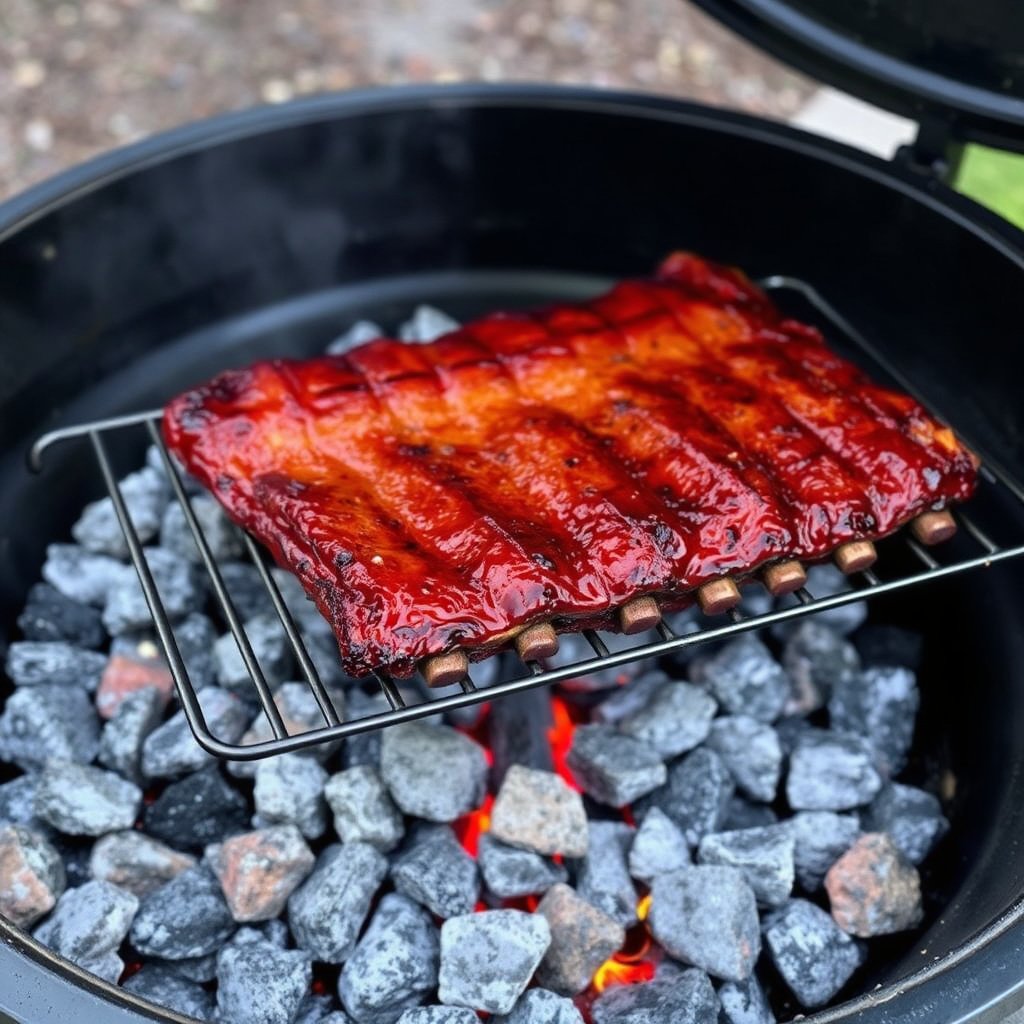
Using indirect heat is vital for grilling ribs properly. This means placing coals or burners on one side of the grill and cooking the ribs on the cooler side, which prevents flare-ups and burning while slow-cooking the meat.
If using a gas grill, light burners only on one side and place the ribs over the unlit section. For charcoal, arrange coals to one side and cook ribs on the opposite side using a drip pan below to reduce smoke flare-ups.
- Avoid direct flames under ribs
- Use drip pan to catch fat drippings
- Maintain consistent grill temperature
Controlling Temperature
Maintaining a grill temperature between 225°F and 275°F is ideal for tender ribs. Use a grill thermometer to monitor heat and adjust vents or burners accordingly.
Adding wood chips like hickory or apple can introduce smoky flavors, but keep them damp to prevent burning too fast.
- Monitor grill temperature closely
- Adjust airflow to control heat
- Use wood chips for smoke flavor
Grilling Techniques for Perfect Ribs
Low and Slow Cooking
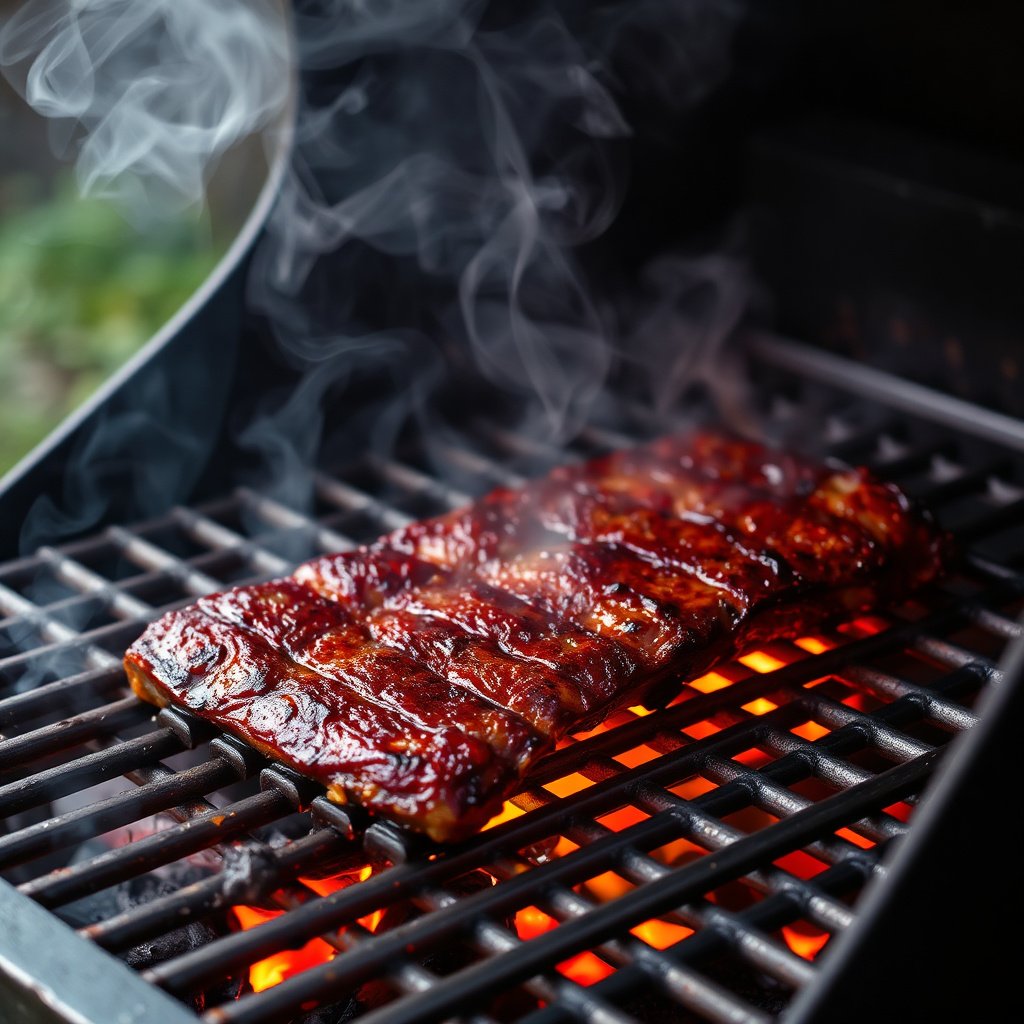
Cook ribs slowly over indirect heat for 2.5 to 4 hours depending on rib type. This slow cooking breaks down collagen, making the meat tender and juicy.
Resist the urge to flip often; rotate once or twice for even cooking. During cooking, you can spritz ribs with apple juice or vinegar every 30 minutes to keep them moist.
- Cook between 225°F-275°F
- Spritz to maintain moisture
- Flip occasionally for even heat
For more on this, see our related guide: What Is a Bar and Grill? A Complete Guide to Food, Drinks & Atmosphere.
The 3-2-1 Method for Spare Ribs
The popular 3-2-1 method involves smoking ribs for 3 hours, wrapping in foil for 2 hours to steam and tenderize, then unwrapping and cooking for 1 hour with sauce over direct heat or indirect flame until caramelized.
This technique creates tender, fall-off-the-bone ribs with a sticky, flavorful crust.
- 3 hours smoking at low heat
- 2 hours wrapped in foil
- 1 hour sauced for finishing
Applying Sauces and Finishing Touches

Choosing the Right Sauce
Barbecue sauces vary from sweet and smoky to spicy and tangy. Pick a sauce that complements your dry rub or marinade. Tomato-based sauces are classic, while mustard or vinegar-based sauces offer regional twists.
Apply sauce during the last 30 minutes of cooking to avoid burning the sugars in the sauce.
- Apply sauce late in cooking
- Avoid burning sugary sauces
- Consider regional sauce styles
Resting and Serving Ribs
After grilling, let ribs rest for 10-15 minutes lightly covered with foil. This redistributes juices and firms up the crust for easier slicing.
Cut ribs between the bones and serve with your favorite sides. Resting also enhances the final texture and flavor.
- Rest ribs 10-15 minutes
- Cut between bones to serve
- Enhances juiciness and texture
Types of Ribs and Their Cooking Differences

Baby Back vs Spare Ribs
Baby back ribs come from the upper rib cage and cook faster due to less fat and connective tissue, making them ideal for a quicker grill session.
Spare ribs are larger with more fat, requiring longer cooking to break down collagen properly but offering richer flavor and tenderness when done right.
- Baby backs: leaner, quicker
- Spares: fattier, longer cook time
For more on this, see our related guide: What Is the Difference Between Ribeye and New York Strip? A Complete Guide with Cooking Tips.
St. Louis Style Ribs
St. Louis style ribs are spare ribs trimmed to a neat rectangle, trimming away breastbone and cartilage. This uniform shape helps them cook more evenly over the grill.
Because they are spare ribs, cooking time is similar, but presentation and texture appeal to many traditional barbecue lovers.
- Trimmed spare ribs
- Uniform size for consistent cooking
Essential Tools for Grilling Ribs

Must-Have Grill Accessories
A good set of grill tongs and a basting brush are essential for handling ribs safely and applying sauces evenly. Use heavy-duty foil for wrapping ribs during cooking to retain moisture.
Quality charcoal or gas grill with adjustable airflow is critical to maintain steady temperature throughout the long cook.
- Grill tongs
- Basting brush
- Heavy-duty foil
- Reliable grill
For additional background on different rib cuts and barbecue styles, see this grilling ribs overview on Wikipedia. Grilling ribs overview on Wikipedia.
Temperature Monitoring Tools
A grill thermometer helps control the heat for low and slow cooking. Additionally, a meat thermometer ensures ribs reach an internal temperature where collagen melts (about 190-203°F) for tenderness.
Probe thermometers with alarms free you to monitor without opening the grill frequently and losing heat.
- Grill surface thermometer
- Meat probe thermometer
- Wireless models for convenience
Rib Grilling Methods Comparison
Below is a detailed comparison of popular rib grilling techniques to help you decide which suits your needs and equipment best.
| Method | Cook Time | Heat Source | Flavor Profile | Tenderness Outcome |
|---|---|---|---|---|
| Direct Grilling | 30-45 minutes | Direct flame | Charred, smoky | Tough if rushed |
| Low and Slow Indirect | 2.5-4 hours | Indirect heat | Smoky, well-developed | Very tender |
| 3-2-1 Method | 6 hours | Indirect heat + foil wrap | Rich, moist, caramelized | Fall-off-the-bone |
| Oven Pre-Cook then Grill | 3-4 hours oven + 10 min grill | Oven + direct grill | Savory with crust | Moist but slightly firmer |
| Smokehouse Style | 5-6 hours | Low indirect smoke | Deep smoky flavor | Ultra tender |
Frequently Asked Questions
How do I know when ribs are done grilling?
Ribs are done when they reach an internal temperature of 190-203°F and the meat has shrunk back from the bones slightly, showing about a quarter inch of bone. They should be tender but not falling apart completely unless using a low and slow method.
Should I remove the membrane from the ribs before grilling?
Yes, removing the silverskin membrane improves flavor absorption and tenderness. It can be slippery but peeling it off with a paper towel grip makes the process easier.
Can I grill ribs without soaking wood chips for smoke?
You can, but soaking wood chips helps them smolder and produce smoke longer instead of burning quickly. If dry, they might burn too fast, resulting in an inconsistent smoky flavor.
Is it necessary to baste ribs while grilling?
Basting or spritzing ribs with liquids like apple juice or vinegar during cooking helps keep meat moist and adds subtle flavor. It’s optional but beneficial for a juicier result.
What is the best way to get a caramelized sauce finish on ribs?
Apply the sauce during the last 20-30 minutes of grilling over indirect heat to allow the sugars to caramelize without burning. Avoid applying sauce too early as it can char and taste bitter.
Key Takeaways
- Use indirect heat and maintain 225°F-275°F for tender ribs.
- Remove the membrane and apply dry rub for flavorful meat.
- Low and slow grilling or the 3-2-1 method yield best results.
- Apply sauce late in the cook to avoid burning sugars.
Conclusion
Grilling ribs well comes down to controlled heat, time, and preparation. By choosing the right rib cut, removing the membrane, seasoning properly, and setting up your grill for low and slow indirect cooking, you transform tough meat into tender bites bursting with flavor. The balance between patience and technique is key to success in how to grill ribs effectively.
If you want quick yet tasty ribs, baby back ribs grilled over indirect heat work well. For richer flavors, try the 3-2-1 method on spare or St. Louis style ribs. Using wood chips adds smoky complexity for a more traditional barbecue feel. No matter which method you choose, consistent temperature and timing matter more than rushing or flipping frequently.
Start by prepping your ribs the night before for better seasoning absorption. Set up your grill with indirect heat and monitor the temperature closely. Finish by saucing just before serving to create a sticky, caramelized crust. With these practical steps, your next rib grilling session will impress friends and family with mouthwatering results.