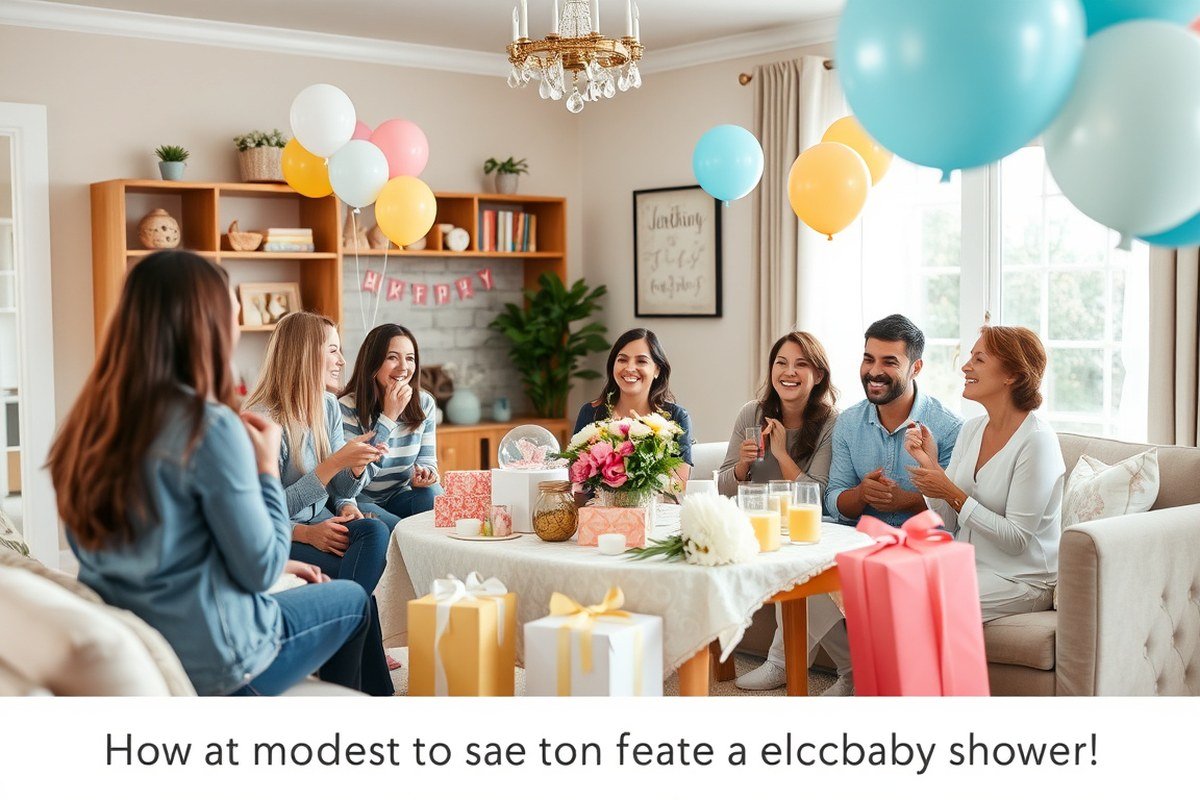
How Much Does It Cost to Host a Baby Shower? Detailed Budget Guide
How much does it cost to host a baby shower? On average, expect to spend between $500 and $2,000, depending on your choices for venue, food, and decorations. Smaller, more casual showers can be as low as $150, while large or high-end celebrations may reach $3,000 or more.
This breakdown is ideal for expectant parents, friends, or family planning a baby shower. You’ll learn practical cost ranges and how to manage your budget smartly, so you can create a memorable event without overspending.
Key Takeaways
- Venue costs usually take up 5-10% of your total baby shower budget, but hosting at home can eliminate this expense.
- Decorations typically range from $50 to $100 for DIY options and significantly more if hiring professionals.
- Food and beverages are the largest expenses, often influencing the overall cost more than venue or decorations.
- Allocating $75 to $200 for games and prizes keeps guests entertained and maintains baby shower etiquette with prize awards.
- Splitting costs between multiple hosts reduces individual expenses and makes hosting more affordable.
- Hiring a professional baby shower planner may cost $250 to $750, adding convenience but increasing your budget.
Typical Baby Shower Costs and What to Expect
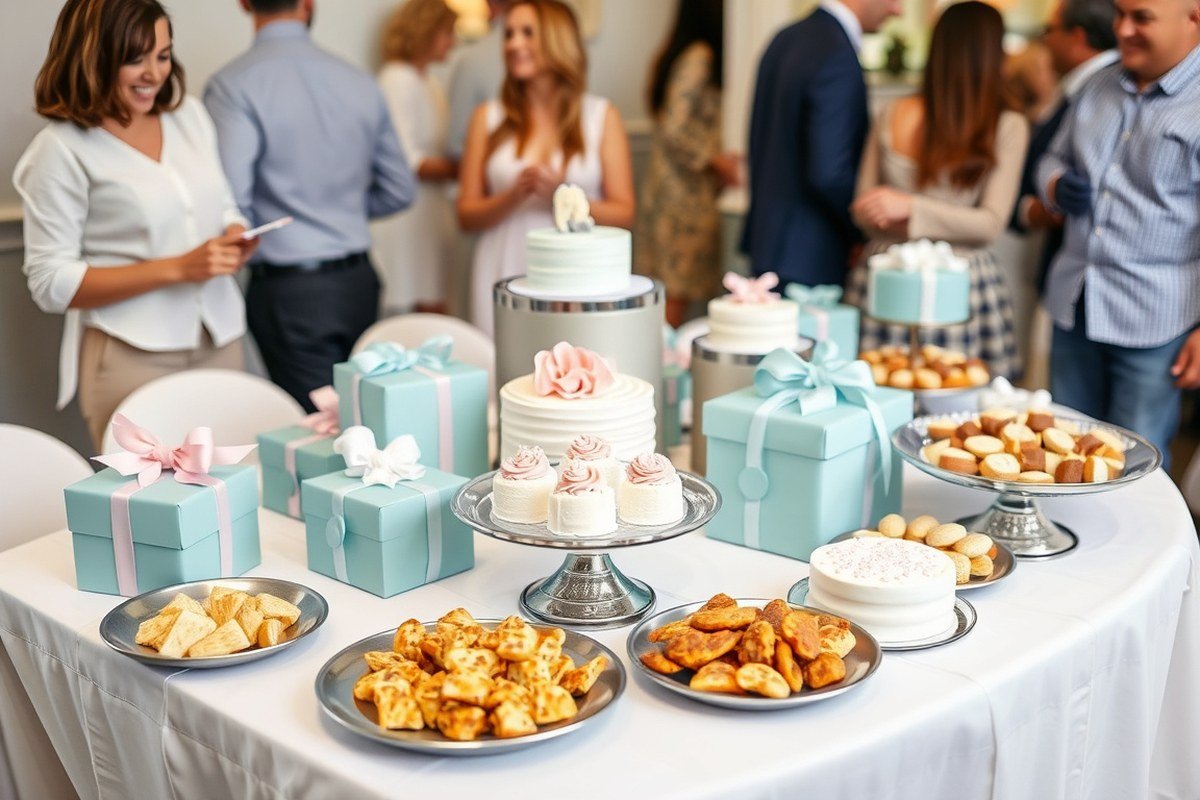
Hosting a baby shower usually costs between $150 and $600 for most celebrations, but this range can vary widely depending on the size and style of the event. Smaller showers with 10 to 20 guests tend to fall between $100 and $300, especially if you choose to host at home and keep the food, decorations, and favors simple. For a mid-size shower with around 20 to 40 guests, expect costs in the range of $500 to $900, particularly if you use a backyard or local park venue and invest a bit more in catering and decorations.
As the number of attendees grows, expenses rise sharply because food, beverages, and favors usually add about $20 to $30 for each guest. A baby shower with 30 to 50 attendees that uses professional services like catering or rental equipment can run between $1,000 and $1,500. Large, extravagant events with 40 to 75 guests often push budgets to $1,500 to $3,000 or more, covering venue rental, full-service catering, elegant decorations, and entertainment.
Food and beverage costs are a major portion of the budget, often representing half or more of total spending. The average food cost for 10 to 25 guests ranges from $50 to $200, with each guest adding about $23 to the final tally. Venue rental, if needed, can take up 5 to 10 percent of your budget, but many choose home venues to save money. Decorations usually range from $50 to $100 depending on how elaborate you want the setup, while invitations average around $50 total. Favors and small extras also add to the per-person cost.
The range from budget to luxury reflects choices in scale and sophistication. A budget-friendly baby shower planned at home with simple snacks and DIY décor can keep costs under $300. Choosing a venue with catered food and professional decor bumps the price to the $500 to $1,500 range. Opting for a fully planned event with detailed styling and entertainment pushes costs past $2,000. Guest count is the biggest factor because food and favors scale directly, and venues may require rentals of tables and chairs for events over 30 guests.
Planning wisely around guest list size, venue type, and catering options is the best way to control expenses. Smaller showers reduce costs naturally, while larger events require more careful budgeting. Keeping in mind that typical baby shower budgets fall between a few hundred to a couple thousand dollars helps set realistic expectations for each step of the planning process.
How Venue Choice Affects Baby Shower Costs
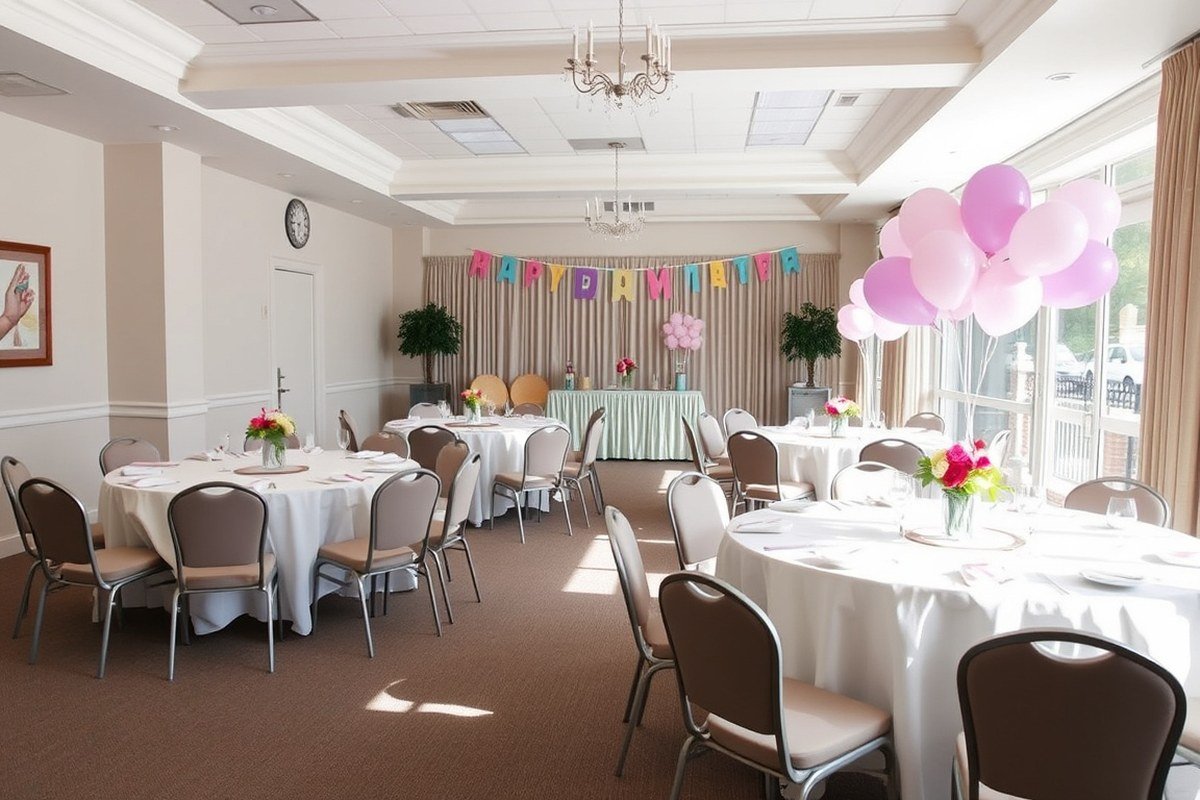
Choosing where to hold a baby shower can greatly affect your overall costs. Hosting the event at home or in a private yard usually costs nothing for the venue, making it the most budget-friendly option. Rented venues like community centers, churches, or restaurant rooms come with hourly fees and can increase the price significantly. Upscale rental spaces, including hotel conference rooms or country club venues, often charge higher rates and typically require paying for added services such as catering and staff.
Most common baby shower venues include someone’s home, local parks, community centers, churches, restaurants, and hotel or country club event spaces. Renting a small venue often costs between $100 and $300 for a few hours, though this varies by location and amenities. Upscale spaces can charge $500 to over $1,000 or more, especially if you hire caterers or event planners. Hosting at home eliminates rental fees but might require investing more time in setup and cleanup.
| Venue Type | Typical Cost | What It Looks Like |
|---|---|---|
| Home/Garden | Free (venue fee) | Small, intimate gathering; DIY food and decorations |
| Community Center/Church | $100, $300 rental fee | Casual space, often with kitchen access and seating |
| Local Park | Often free or low-cost permit ($25, $100) | Outdoor event with picnic-style setup, weather dependent |
| Restaurant Private Room | $200, $600 minimum spend or rental fee | Catered event, less setup needed, limited time slots |
| Hotel/Conference Room | $500, $1,000+ rental fee | Upscale setting, often requires catering and service charges |
Consider the guest list size and your budget when selecting the venue. For about 25 guests, a home shower often costs $200 to $400 total including food and decorations, while a rented venue usually pushes costs above $550. You can save significantly by choosing free or low-cost community spaces. Booking early is essential to secure affordable venues, especially for popular dates. Verify what’s included in rental fees, such as tables, chairs, or kitchen use, to avoid surprise expenses.
Choose a venue that allows flexibility on setup and cleanup times to avoid paying for extra hours or unexpected fees.
When hosting at home, plan for enough seating and table space, and consider renting extra chairs or tables if needed. Outdoor locations require a weather backup plan. Remember, cheaper venues often mean you take on more responsibilities like food preparation and decoration setup. Higher-end venues may reduce stress but increase your budget with mandatory minimums or service charges.
Food and Beverage Budget Breakdown
Expect to spend roughly $5 to $30 per guest on food and beverages at a baby shower, depending on the time of day and menu style. Offering finger foods and light bites in the afternoon saves about 30-40% compared to a full meal. Choosing simpler dishes and limiting alcohol also keeps costs moderate and manageable.
Finger Food and Light Bite Options
Choosing finger foods and light bites can bring your food cost down to $3 to $8 per guest. These options work especially well for afternoon showers, typically held between 2 and 4 PM, where heavy meals are unnecessary. Light refreshments like tea sandwiches, fruit platters, and bite-sized snacks create an elegant atmosphere while keeping expenses low.
You can expect to pay around $90 to $150 for 30 guests if you prepare homemade finger foods or purchase ready-made trays from grocery stores. Potluck-style events, where guests bring dishes and the host covers a main item, lower the cost further, usually $2 to $4 per person. Afternoon tea-style menus often cost 30-40% less than full meals because they require fewer ingredients and smaller portion sizes.
- Deviled eggs, cheese and cracker plates
- Vegetable crudité with dip
- Mini sandwiches or wraps
- Fruit skewers or bowls
- Small pastries or cookies
- Tea, coffee, and infused water
Keeping the food light allows you to spend less overall without losing the festive spirit of the baby shower.
Full Meal and Catering Costs
Full meal options significantly increase the per-guest cost, ranging between $12 and $25 for professional catering and about $6 to $15 for DIY meals or self-serve bars. Menus like BBQ, taco bars, or brunch buffets are popular but raise your budget because they offer heartier portions and more variety.
Catering services typically charge $20 to $50 per person, reflecting added labor and service fees. These costs also depend on the number of courses, presentation, and brand reputation. For a party of 30, a caterer can easily cost between $360 and $750. Choosing a self-serve buffet or making dishes yourself can reduce this to approximately $180 to $300.
Timing again affects your menu choice; brunch showers tend to focus on lighter cooked dishes like quiches or sandwiches, while evening showers lean on more substantial hot meals. Consider guest preferences, the time of day, and your budget before deciding.
Beverages and Dessert Expenses
Beverage choices also play a significant role in your food and drink budget. Offering non-alcoholic options such as tea, coffee, and sparkling water is cost-effective and appropriate since the guest of honor cannot drink alcohol. The absence of a full bar can reduce your beverage expenses by 20-30%.
Desserts vary widely in price. A simple cake or cupcakes usually cost between $2 and $5 per guest. Adding specialty desserts or customized cakes increases costs accordingly. You can save by baking at home or purchasing from a grocery store bakery. Light dessert options paired with finger foods balance well with the shower style and budget. Here are a few tips to manage your beverage and dessert spending without compromising quality:
- Serve water with fruit infusions instead of sodas
- Offer a selection of teas and coffee rather than cocktails
- Choose a single dessert type, like cupcakes, rather than multiple sweet items
- Bake desserts yourself or buy in bulk from wholesale stores
Carefully selecting your beverage and dessert options keeps your baby shower budget reasonable while ensuring guests enjoy refreshments throughout the event.
Understanding Decoration, Invitations, and Favors Costs
Decorations, invitations, and party favors typically make up about 15% to 25% of a baby shower budget. Decorations alone often account for 10% to 20%, which means you can expect to spend between $50 and $200 depending on the size and style of the event. Party favors usually cost an additional $25 to $75, while invitations, whether printed or digital, generally take up about 2% to 5% of the budget, or roughly $0 to $50.
Choosing digital invitations is a simple way to save money. Free or low-cost digital invitations eliminate printing and postage fees, which can add up to $20 to $50 savings compared to printed cards. Many websites and apps offer customizable templates where you can easily personalize and send invitations electronically. This option is especially cost-effective if you’re aiming for a smaller or casual gathering.
DIY decorations allow for even more savings but require time and creativity. Using supplies from dollar stores, craft shops, or items you already have, such as balloons, banners, and table centerpieces, can keep your décor budget on the lower end, sometimes under $50. Planning themed decorations using printable designs or simple materials like paper, ribbon, and fairy lights can create a warm, festive atmosphere without professional fees.
Hiring a professional decorator usually costs $300 to $1,400 or more, which can be a major portion of the overall budget but offers a polished look and saves time. Professionals often provide cohesive design, setup, and teardown services, ideal for upscale showers at rented venues. However, these costs quickly add up, so if you have a limited budget or prefer a personal touch, doing it yourself is a practical alternative.
Party favors contribute to the guest experience but can be scaled to fit your budget. Simple options like homemade treats, small plants, or personalized thank-you notes generally cost between $2 and $5 per favor. For around 25 guests, budgeting $75 is typical, but you might spend less with bulk purchases or DIY favors.
Effective planning means balancing cost and effort. Select digital invitations when you need economy and ease. Plan DIY decorations if you enjoy crafting and want to minimize expenses. Reserve professional decorating for events where budget allows and a standout look matters most. Keeping favors meaningful but simple ensures guests feel appreciated without overspending.
Games, Entertainment, and Additional Activity Expenses
Entertainment and games at a baby shower typically cost between $20 and $50, with prizes adding a small extra expense. Professional services like photographers or entertainers can increase the budget by $150 to $500. Affordable or DIY options allow you to offer fun activities without overspending.
Cost of Games and Prizes
Baby shower games usually require minimal supplies, costing around $20 to $50 depending on the type and number of games planned. For example, the popular dirty diaper game needs diapers and candy bars, which might total about $25. Printable game packs available online range from $5 to $15 for multiple game sheets, offering more variety at a low price.
Prizes for game winners can be small tokens like candles, bath products, or gift cards, with typical costs between $5 and $20 per prize. Choosing a few modest prizes keeps the budget manageable and adds excitement to the activities.
Hiring Photographers or Entertainers
Hiring a professional photographer or entertainer such as a balloon artist or children’s performer usually costs between $150 and $500 depending on the service and duration. Photographers often charge a flat fee for a few hours, which includes edited photos, while entertainers may charge by the hour or event.
When planning a baby shower with multiple hosts, splitting these costs can make professional services more affordable. For example, a $450 fee split among three hosts lowers each person’s share to $150. Always clarify what is included in the quoted price before booking to avoid unexpected charges.
DIY and Low-Cost Entertainment Ideas
Choosing do-it-yourself entertainment options saves money and can add a personal touch to the baby shower. Simple games such as baby bingo, guess the baby food, or a onesie decorating contest only require printable materials or inexpensive supplies. Consider these budget-friendly ideas:
- Use free or low-cost printable game templates from websites or Etsy
- Organize a baby photo guessing game where guests bring photos taken as babies
- Host a story-sharing session about parenting tips or funny pregnancy moments
- Create a playlist of the parents-to-be’s favorite songs for background music
- Set up a DIY photo booth with props from around the house
- Invite friends and family to contribute to a group craft or keepsake
These ideas require little to no extra expense but encourage guest participation and keep the mood lively.
Plan games with enough time for set-up and clear instructions to keep guests engaged and avoid confusion during the event.
Who Pays for the Baby Shower? Etiquette and Cost Splitting
Traditionally, the costs of hosting a baby shower are covered by a close friend, sister, or another family member, rather than the parents-to-be themselves. This custom helps keep the focus on celebrating the upcoming arrival without burdening the expectant parents financially. The person who hosts usually pays for the venue, decorations, food, and other expenses. However, this can add up quickly, especially if the shower is large or elaborate.
Modern baby shower etiquette has become more flexible, allowing for the expenses to be divided among several hosts or contributors. Co-hosting is common now, where two or three people might share the costs by dividing the categories, for example, one covers the food and drinks, another takes care of decorations, and a third handles invitations and favors. Sharing costs this way can make hosting more affordable and less stressful. You can offer to host, if you find the budget too tight, it’s fine to be upfront and ask others to co-host or chip in.
Sometimes, multiple family members chip in to help with expenses, which can ease the financial responsibility on any single person. Keep in mind, though, that asking for large contributions, such as $500 or more each, from multiple people can lead to tension. Transparent communication about what hosting entails and how costs will be handled improves cooperation and prevents misunderstandings. For example, saying something like, “I’d love to host the shower, but I’d appreciate if you could pitch in for the catering,” sets clear expectations from the start.
While it is uncommon and against traditional etiquette, some parents-to-be choose to plan and fund their baby shower themselves. This approach might suit situations where close friends or family are unavailable to host or when the parents prefer control over the event. However, contributing financially is generally not expected of expectant parents and can sometimes take away from the celebratory spirit.
The rules on who pays have eased, but good manners still focus on clear communication and respecting everyone’s budget and time. A single host paying, several people sharing costs, or the parents pitching in all work, knowing in advance who pays what keeps the event smooth and stress-free.
Budgeting Tips: How to Save Money on a Baby Shower
You can throw an affordable baby shower without sacrificing quality by focusing on smart planning and prioritizing where your money goes. Cutting costs mainly on the venue, food, decorations, and invitations makes the biggest difference. Simple choices like hosting at home, preparing your own food, and using digital invites reduce expenses while keeping the celebration special.
Venue and Timing Strategies
Hosting your baby shower at home or at a friend’s place eliminates venue rental fees, which can range from $200 to $500 or more. Choosing a non-peak time like late morning or early afternoon on a weekend also helps because it allows you to serve simpler, less expensive meals such as brunch or light snacks instead of a full dinner. Outdoor spaces like a backyard or a park can work well if weather permits, though you may need to consider rentals for tables and chairs, which add to costs.
Timing your shower around typical meal times affects food budget and guest availability. A brunch or mid-afternoon event can reduce food costs because guests expect smaller portions. Avoiding prime dinner hours means you spend less on catering or groceries while still offering delightful options.
Food and Beverage Savings
Food typically accounts for 40% or more of your baby shower budget, so saving here delivers big returns. Preparing food yourself or with a few helpers can lower costs from the $20, $30 per guest range for catering down to $10, $15 per guest. Choose easy-to-make items like finger sandwiches, fruit platters, cheese and crackers, and simple desserts. Bulk buying ingredients from grocery stores rather than specialty shops cuts costs further.
Limiting beverage options mainly to water, coffee, and tea reduces waste and expenses. Offering one signature non-alcoholic drink keeps things festive without a full bar setup. Avoiding alcohol altogether or asking guests to BYOB (bring your own beverage) can significantly trim the budget.
Decorations, Invitations, and Favors Hacks
Decorations don’t have to be themed or elaborate to feel festive. Buying solid-color basics like balloons, tablecloths, and paper goods in bulk can cost $50 to $100, much less than $200 or more for custom sets. DIY projects using craft supplies bring personalized touches without shopping for expensive decor. Shopping dollar stores or discount retailers also uncovers affordable decorations.
Digital invitations are a practical way to save money and time, costing nothing compared to $1, $2 per printed card. Free online platforms or e-cards let you customize invites and track RSVPs without printing or postage.
Party favors are often an overlooked expense. You can skip them entirely or opt for small, meaningful tokens like handmade treats or a simple thank-you card, saving $3, $8 per guest.
- Host at home or in a free community space
- Schedule during brunch or mid-afternoon for lighter food options
- Prepare homemade simple foods and desserts
- Use digital invitations for quick, cost-free RSVPs
- Choose basic, solid-color decorations from discount stores
- Limit drinks to water, tea, and coffee; skip alcohol to reduce costs
- Consider skipping favors or give small, inexpensive thank-you notes
Following this checklist helps keep the baby shower meaningful without overspending or compromising quality.
Entertainment on a Budget
Games and entertainment don’t require a big budget to be fun. Simple group activities like baby-themed trivia, guess-the-baby-photo, or a diaper raffle can involve all guests and keep the mood lively. You can print game sheets at home or use free templates online to avoid extra stationery costs.
Prizes don’t have to be costly. Small items like scented candles, bath bombs, or even candy bars purchased in bulk keep expenses between $20 and $75 total. Sometimes the joy of participation counts more than expensive prizes. Keeping entertainment low-cost also means you avoid the need for professional entertainers or paid rentals.
Sample Budget Breakdown by Shower Size and Style
You can tailor your baby shower budget based on the size of the event and the style you want. A smaller, casual gathering around 10 guests will have very different costs compared to a larger party of 50 or more. Food usually takes the largest portion, often 40% to 50% of your budget, followed by venue, décor, and extras like games or favors.
Here’s a sample budget breakdown based on three common budget levels: $150 for a small, intimate shower; $500 for a medium-sized gathering; and $1,500 for a larger, more formal party. These numbers assume food expenses average about $4 to $8 per guest and venue costs are chosen from typical options.
| Shower Size & Style | Guests | Venue Type | Venue Cost | Food & Drink | Decorations & Favors | Games & Extras |
|---|---|---|---|---|---|---|
| Small Casual | 10 | Home or backyard | $0 | $50 (50%) | $50 (33%) | $50 (17%) |
| Medium Traditional | 30 | Park pavilion | $75 | $180 (36%) | $120 (24%) | $125 (25%) |
| Large Formal | 50 | Community center | $150 | $350 (47%) | $400 (27%) | $300 (20%) |
For the $150 budget, hosting at home eliminates venue costs. You’d focus on affordable, homemade food or potluck style, simple decorations, and light entertainment like card games or a small raffle. This setup suits a close group of friends or family and keeps spending low.
The $500 budget might include reserving a small public park pavilion. Food costs reflect a slightly larger guest list with catering or deli trays, allowing for better-quality fare and store-bought decorations. Extras like prize baskets for games or a professional photographer could be included as well.
Planning a $1,500 event usually means renting a community center or similar private space. Food service costs climb with more guests and higher-end menu choices, sometimes with options for plated meals. More elaborate decor, customized invitations, party favors, and hired entertainment fit comfortably in this budget.
Calculate each category separately based on guest list size and venue fees rather than lumping all expenses into a single number to avoid surprise costs.
Remember, adjusting your guest count will directly affect food and possibly venue size needs, so these allocations shift accordingly. For example, increasing guests at home mainly raises food costs, while a rented space might require higher venue fees or deposits. Prioritize your must-haves to keep the budget balanced over all components.
Step-by-Step Action Plan to Budget Your Baby Shower
Use this plan to organize your baby shower spending and keep costs manageable. Each step helps you move closer to an affordable and memorable celebration.
- Eight Weeks Before: Decide the venue and guest list. Confirm the size fits your budget to avoid surprise costs.
- Six Weeks Before: Choose food and drink options. Request quotes and compare prices so you stay within your planned budget.
- Four Weeks Before: Select decorations, invitations, and favors. Use DIY options or bulk purchases to reduce expenses without losing style.
- Three Weeks Before: Plan games and activities. Stick to simple, low-cost entertainment that suits your group size.
- Two Weeks Before: Send invitations. Track RSVPs early to finalize headcount and adjust catering orders if needed.
- One Week Before: Confirm all bookings and purchases. Make final payments or deposits and review your total spending.
- Day Before: Set up the venue and decorations. Have a checklist to ensure all details are in place without last-minute purchases.
- After the Event: Thank guests and review the budget spreadsheet. Note what worked financially to plan your next event better.
Frequently Asked Questions
What Are the Hidden Costs in Hosting a Baby Shower?
Hidden costs may include unexpected expenses like service fees, extra decorations, or last-minute food orders. Planning a buffer of 10-15% above your budget helps cover these surprises.
How Much Does Hiring a Baby Shower Planner Add to the Budget?
Hiring a planner usually adds $250 to $750 to your total costs. It can save time and stress, but it’s worth weighing this against your budget.
Does the Time of Day Affect Baby Shower Costs?
Morning or afternoon showers often cost less since food choices are simpler, like brunch or snacks, while evening events might require full meals, increasing expenses.
How Much Should I Budget for Baby Shower Gifts If I’m Hosting?
Typically, hosts aren’t expected to provide gifts, but budgeting $25-$50 for game prizes is standard etiquette. Gifts are usually given by guests.
Is It Cheaper to Have a Co-Ed Baby Shower?
Co-ed showers can be cost-effective as shared hosting expenses are split and invitees often bring diverse gift ideas, which may reduce hosting upgrades.
What Is the Cost Impact of Digital vs. Paper Invitations?
Digital invitations are usually free or low cost, while printed invitations might add $50 to $100 to your budget depending on quantity and design.
The Bottom Line
Hosting a baby shower can cost anywhere from a few hundred to over a thousand dollars depending on your choices. Focusing your planning on key expenses like venue, food, and decorations helps you control spending without sacrificing enjoyment. Start by setting a realistic budget based on the number of guests and how elaborate you want the event to be. Taking one step at a time with clear spending limits will make the process smoother, and your baby shower memorable for the parents-to-be and everyone attending.





2 Comments