How to Tell When Steak Is Done: A Practical Guide for Perfect Cooking
Knowing how to tell when steak is done starts with understanding the visual cues, feel, and internal temperature of the meat. The most reliable method combines checking the steak’s color and firmness with a meat thermometer to reach specific temperature targets corresponding to rare, medium, and well-done levels.
Getting the ideal steak doneness influences its juiciness, tenderness, and flavor, making the difference between an enjoyable meal and a disappointing one. Whether you prefer a rare, medium-rare, or well-done steak, identifying when it has reached that state requires practical observation and tools.
This guide will cover various techniques including temperature guidelines, the finger test, resting times, and how steak thickness affects cooking time. We will also explore tips for different cooking methods to help you nail your preferred steak doneness every time.
Understanding Steak Doneness Levels

Visual Cues for Each Doneness Level
Steak changes color visibly depending on how well it is cooked. Rare steaks appear bright red and slightly cool in the center; medium-rare shows a warm red center with pink surrounds; medium steaks are pink throughout, and well-done steaks are uniformly brown or grayish with no pink.
Juices also shift color—from red and abundant in rare steaks to clear in well-done ones. These cues are useful when a thermometer is unavailable but can vary by cut and thickness.
Internal Temperature Guide for Precise Doneness
A meat thermometer is the most accurate way to tell when steak is done. For example, rare is 125°F (52°C), medium-rare 135°F (57°C), medium 145°F (63°C), medium-well 150°F (66°C), and well-done 160°F (71°C) or higher.
Insert the thermometer into the thickest part of the steak without touching bone or fat to get a true reading. Remember that the steak’s temperature will rise a few degrees after removing it from heat.
Using the Finger Test to Judge Steak Doneness

How the Finger Test Works
The finger test compares the firmness of the steak to different parts of your hand. For example, touching your thumb to your index finger and pressing the fleshy part under the thumb indicates the feel of a rare steak.
This method is quick and handy but requires practice to interpret the resistance correctly, especially for less experienced cooks.
Limitations and Tips for Accuracy
While helpful, the finger test isn’t as precise as temperature measurement and can be inconsistent depending on steak thickness and cut.
Pairing it with visual assessment and allowing the steak to rest before cutting improves accuracy and results.
Impact of Thickness and Cut on Cooking and Doneness

How Thickness Affects Cooking Time
Thicker steaks require more time to reach the desired doneness while thinner cuts cook quickly and can overcook easily. A 1-inch steak generally takes about 4-5 minutes per side for medium-rare, whereas a 2-inch thick steak may need 8-10 minutes per side.
Adjusting the heat level and flipping frequency helps manage even cooking in thicker cuts.
For more on this, see our related guide: How to Cook Tuna Steak Perfectly: 8 Easy Ways with Tips and Timing.
Differences Between Popular Cuts and Their Cooking
Tender cuts like ribeye and filet mignon cook differently than leaner cuts like sirloin or flank steak. Fat content, marbling, and muscle structure impact heat distribution and doneness indicators.
Choosing an appropriate method for the cut type, such as high heat for quick searing or lower heat for slower cooking, affects how you judge steak doneness.
Resting Steak After Cooking
Why Resting Matters for Doneness
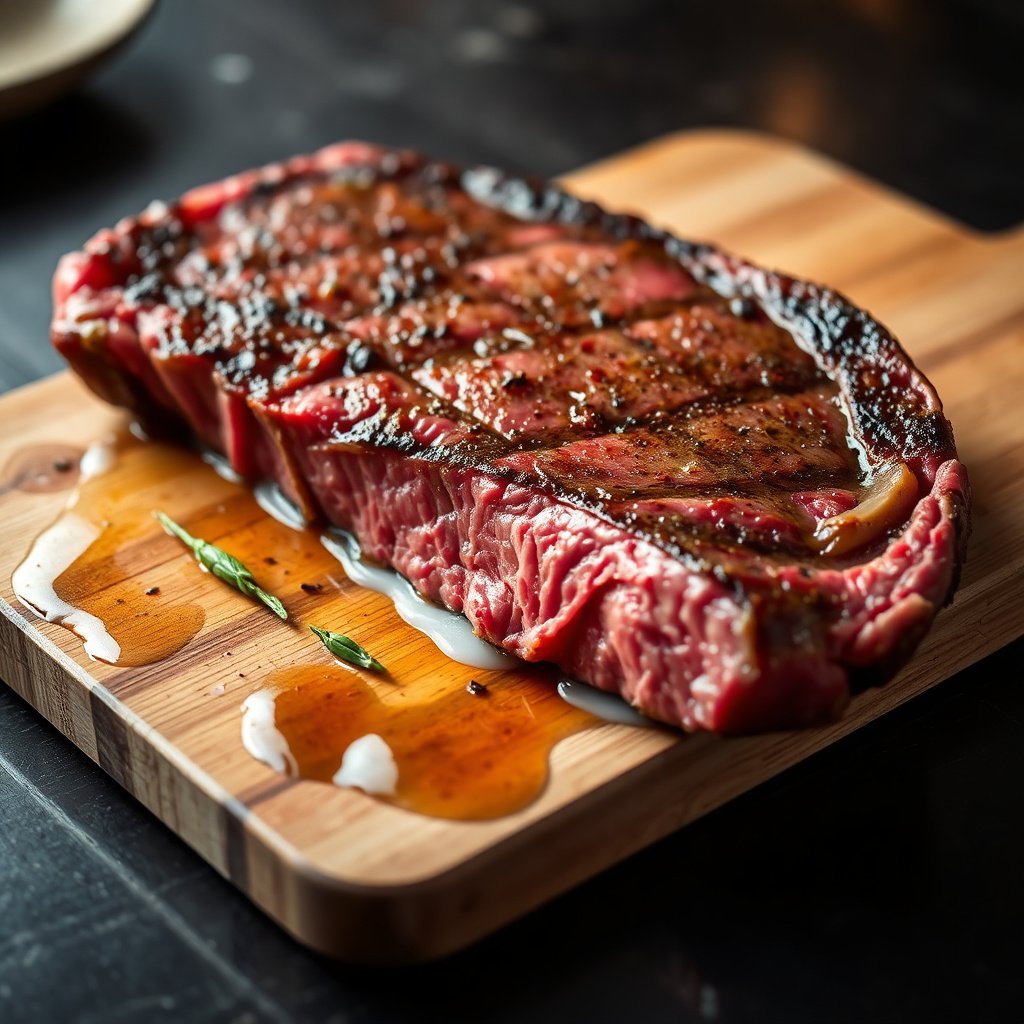
Allowing steak to rest for 5-10 minutes after cooking lets the juices redistribute, preventing them from spilling out when cut. This resting period can also cause the internal temperature to rise slightly, refining the doneness level.
Resting improves tenderness and flavor intensity, making it a crucial step in finishing steak properly.
Best Practices for Resting Steak
Cover the steak loosely with foil to keep warm without trapping steam, which can soften the crust. Place it on a warm plate or resting rack away from direct heat sources.
Use this time to prepare any sauce or sides while the steak reaches its final optimal texture.
How to Tell When Steak Is Done Using Different Cooking Methods
Grilling and Broiling Techniques
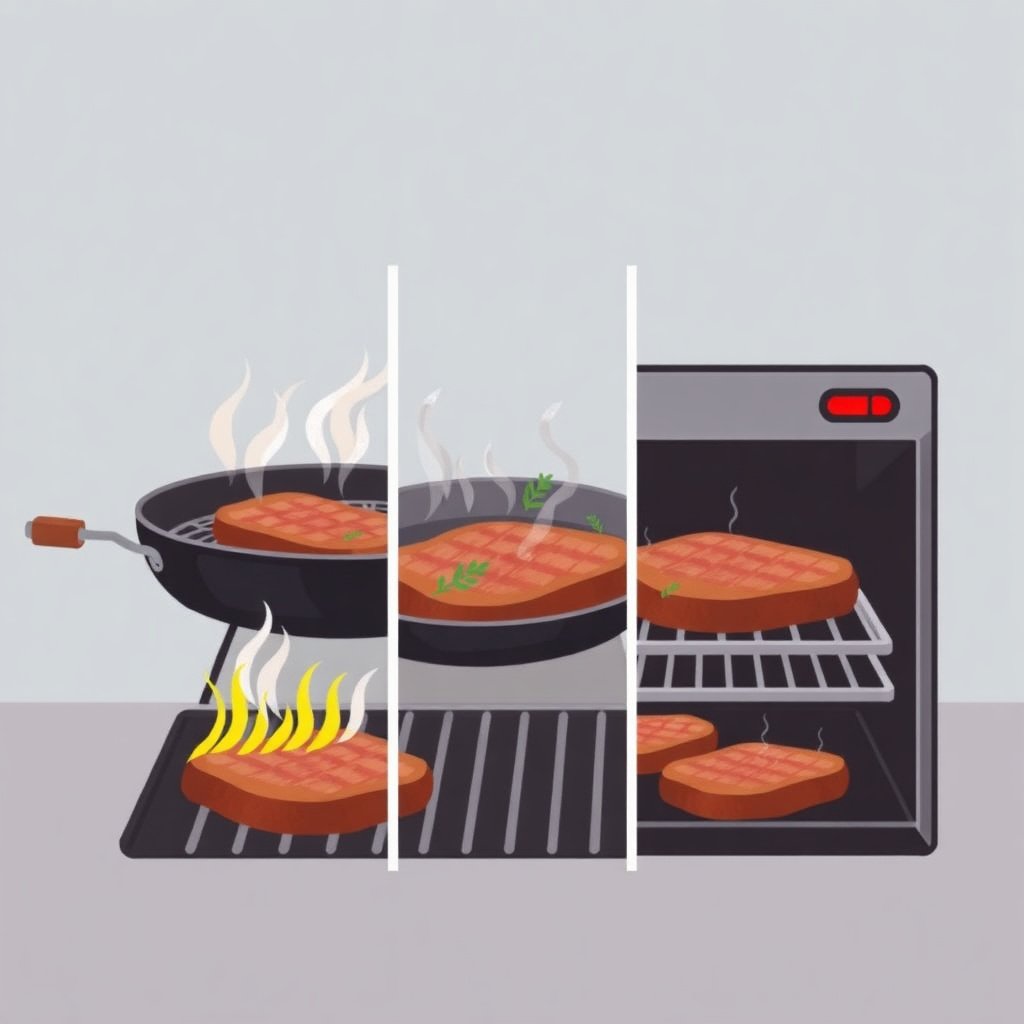
Grilling or broiling exposes steak to high, direct heat causing a seared crust. Use visual checks for char marks and slight juices on the surface. Follow internal temperature guidelines for accuracy.
Flipping steak only once or twice helps build a proper crust while monitoring doneness visually and by feel.
For more on this, see our related guide: How to Order Steak Rare: A Complete Guide with Pro Tips to Get It Right.
Pan-Searing and Oven Finishing
Pan-searing creates a flavorful crust, then finishing the steak in the oven ensures even cooking. Use a thermometer during the oven phase to avoid overshooting the doneness target.
The finger test and color changes also guide when to transfer the steak from pan to oven or remove it after resting.
Common Mistakes When Checking Steak Doneness

Relying Solely on Time or Appearance
Cooking steak only by timing or external looks invites error because thickness, cut, and heat sources vary. This can cause overcooked or undercooked meat despite following a recipe's time.
Using a thermometer or combining visual and tactile methods prevents these guesswork issues.
The USDA provides an informative steak cooking temperatures guide that complements the methods discussed here. Steak cooking temperatures guide.
Ignoring the Resting Period
Cutting steak immediately after cooking causes loss of juices and can give the impression of doneness being less than it is. This mistake reduces tenderness and flavor.
Consistent resting should be part of every steak cooking routine for reliable doneness results.
Steak Doneness Category Comparison
Here’s how different steak doneness categories compare in terms of internal temperature, color, texture, and juiciness.
| Doneness | Internal Temperature (°F) | Color Inside | Texture | Juiciness |
|---|---|---|---|---|
| Rare | 125°F | Bright red, cool center | Very soft and tender | Very juicy |
| Medium Rare | 135°F | Warm red center | Tender with slight firmness | Juicy |
| Medium | 145°F | Pink throughout | Firm but springy | Moderate juiciness |
| Medium Well | 150°F | Slightly pink center | Firm and less tender | Low juiciness |
| Well Done | 160°F+ | No pink, brown/gray | Very firm and dry | Minimal juiciness |
Frequently Asked Questions
Can I determine steak doneness just by looking at the outside?
No, external appearance alone isn't reliable since color and crust don't show internal doneness. Combining color cues with feel or a thermometer is more accurate.
What is the best way to check steak doneness without a thermometer?
Using the finger test to evaluate steak firmness along with color and juice clarity is the best thermometer-free method, but it takes practice.
How long should I rest steak after cooking?
Rest steak for about 5-10 minutes to allow juices to redistribute for better tenderness and flavor before cutting.
Does steak keep cooking while resting?
Yes, the residual heat raises the internal temperature by 3-5°F after removing it from heat, which can slightly increase doneness.
Are thicker steaks harder to judge for doneness?
Thicker steaks need longer cooking and resting times; judging doneness requires careful temperature checks or tactile methods because heat penetration varies.
Key Takeaways
- Use internal temperature readings to determine steak doneness accurately.
- Visual color and juice changes provide helpful but less precise indicators.
- The finger test offers a tactile way to estimate doneness with practice.
- Always rest steak for several minutes after cooking to enhance flavor and texture.
Conclusion
Finding out how to tell when steak is done combines understanding sensory clues, cooking science, and practical tools. Thermometers stand as the most dependable method, but cultivating skills like the finger test or color observation enrich cooking confidence. Considering cut, thickness, and cooking method adds necessary context, allowing cooks to tailor their approach for consistently satisfying results that align with personal taste.
For those who want precise results, investing in a high-quality instant-read meat thermometer is worthwhile. It removes guesswork, especially with thicker cuts such as ribeye or filet mignon. On the other hand, thinner cuts like flank steak benefit from attentive visual checks combined with timing and feeling. Grilling, broiling, and pan-searing each require slightly different monitoring strategies to accurately gauge doneness.
Readers should try applying temperature guidelines while practicing visual and tactile assessments until they find the balance that works for them. Resting the steak properly cannot be overlooked, as it seals in juices and perfects texture. Ultimately, blending these techniques empowers cooks at all levels to serve steak cooked exactly how they desire with every meal.