How to Choose a Refrigerator Built Into Wall for Seamless Kitchen Design
A refrigerator built into wall is a perfect solution for integrating your appliance seamlessly into your kitchen layout, creating a clean and modern look. This type of installation hides the fridge behind custom cabinetry or panels, offering a streamlined appearance while maintaining full functionality.
Choosing a refrigerator built into wall matters because it helps better utilize space and elevates kitchen aesthetics, especially in compact or high-design environments. It provides a sleek alternative to traditional freestanding refrigerators, making the kitchen feel more open and organized.
In this article, you will learn about the key factors to consider when selecting a built-in wall refrigerator, including types, sizes, installation requirements, and design options. We'll also compare top categories and address common questions to help you make a well-informed decision.
Understanding Types of Refrigerators Built Into Wall

Full-Height Built-In Refrigerators
Full-height built-in refrigerators are designed to fit flush within your kitchen walls or cabinetry, often matching the height of standard cabinets. They provide substantial storage while blending invisibly into the overall kitchen design.
These models usually come with customizable panel-ready fronts so you can cover them with your cabinet materials or decorative finishes. This helps the fridge appear as just another cabinet, enhancing the uniformity of your kitchen wall.
Under-Counter and Column Models
Under-counter refrigerators fit beneath countertops and are excellent for supplementary storage or beverage chilling in kitchen islands or bars. They conceal completely under a counter, saving floor space.
Column-style built-ins split the fridge and freezer into separate tall units installed side by side or stacked within cabinetry. This configuration provides flexibility and often integrates better into narrow wall spaces.
Essential Installation Considerations for Wall-Built Refrigerators

Wall and Cabinet Space Measurements
Precise measurements of your wall opening and adjacent cabinetry are critical before purchasing a built-in refrigerator. The unit should fit snugly without gaps while allowing for ventilation space to prevent overheating.
Check width, height, and depth carefully including allowance for door swing clearance. Misjudging these dimensions can lead to costly installation problems or poor appliance performance.
- Measure wall opening width, height, and depth
- Account for countertop overhangs or trims
- Consider door swing and adjacent appliances
Ventilation and Power Supply Requirements
Built-in refrigerators require proper ventilation at the top, bottom, or back to dissipate heat effectively. Wall installations must incorporate vent grilles or open spaces per manufacturer guidelines.
Ensuring an easily accessible power outlet near the installation site is also essential. Usually, a dedicated 120V grounded outlet within close proximity is necessary for reliable operation.
- Check manufacturer ventilation specs
- Install vent grilles if required
- Locate power outlet within reasonable distance
Design Options to Match Your Kitchen

Custom Cabinet Panels vs. Stainless Steel
Custom cabinet panels allow your built-in refrigerator to blend seamlessly with surrounding cabinetry, preserving a cohesive look throughout the kitchen. This option offers endless style flexibility with wood finishes, colors, and hardware.
Conversely, stainless steel panels deliver a sleek, modern, and professional appearance that stands out. This finish is easier to clean and resistant to fingerprints and smudges, popular in high-use kitchens.
- Full panel integration for seamless look
- Stainless steel for durability and style
- Consider appliance handle style matching cabinetry
Built-In Refrigerators with Display Features
Some built-in wall refrigerators come with glass doors or display zones, allowing visibility of contents without opening the door. These are popular for wine storage or showcasing gourmet ingredients.
Integrated LED lighting and touchscreen panels further modernize these models, providing convenience and enhancing kitchen aesthetics.
- Glass panel doors for display
- Interior LED lighting
- Touchscreen controls and smart features
Maintenance and Longevity of Wall-Built Refrigerators

Cleaning and Accessibility
Cleaning built-in refrigerators requires attention to both visible surfaces and hidden ventilation areas to avoid dust buildup that could cause overheating. Accessible design for quick service is key to maintain appliance health.
Regularly wiping down door seals and exterior panels along with vacuuming vents helps keep the unit running efficiently for many years.
- Wipe external surfaces weekly
- Clean door gaskets regularly
- Vacuum ventilation grilles monthly
Repair and Replacement Considerations
Since these fridges are integrated into walls or cabinetry, repairs may require partial dismantling of cabinetry or wall panels. Confirm technical support and parts availability before purchasing.
Choosing brands known for durability and accessible service options reduces downtime and inconvenience when maintenance is needed.
- Ensure local authorized repair service
- Choose models with easily replaceable parts
- Consider warranty and support coverage
Energy Efficiency and Environmental Impact
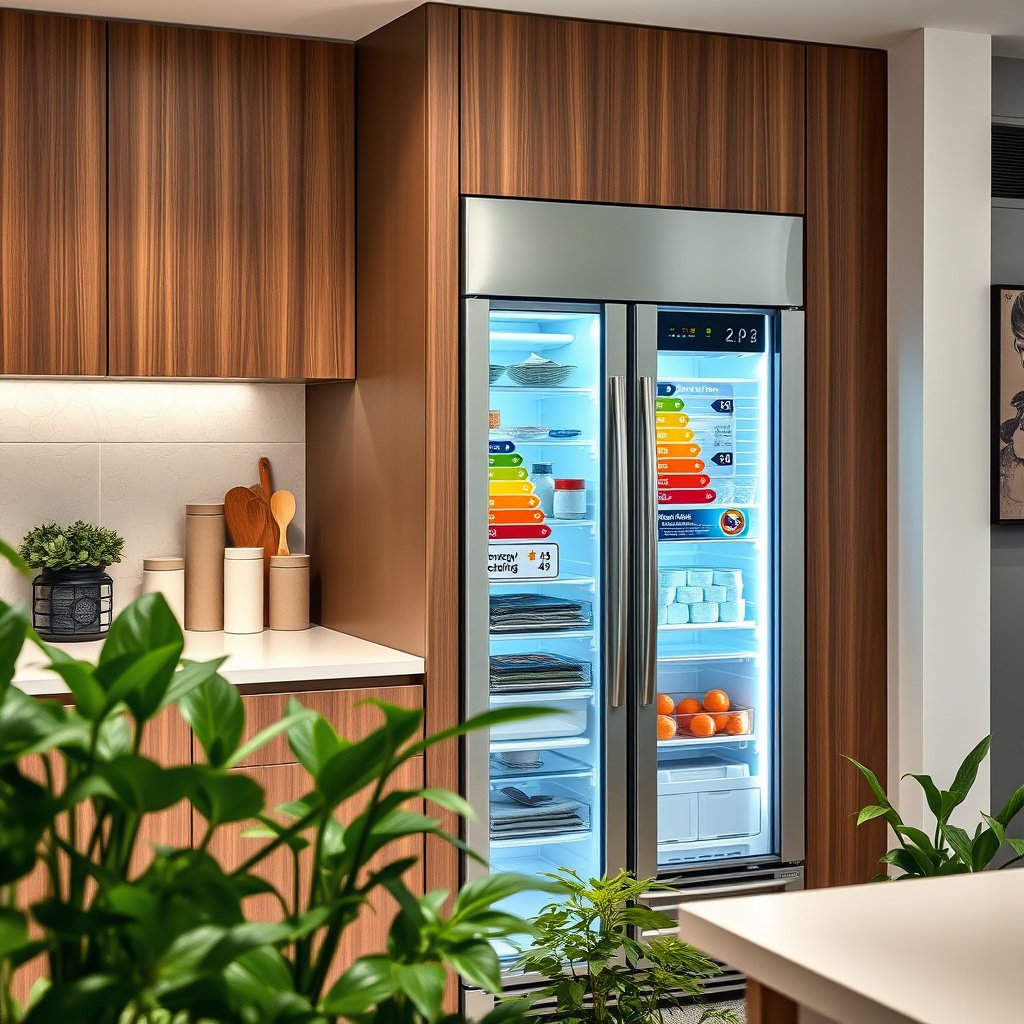
Energy Star Ratings for Built-In Refrigerators
Look for built-in refrigerators with Energy Star certification to guarantee they meet strict energy efficiency standards. These models consume less power, reducing utility bills and environmental footprint.
Energy-efficient compressors, better insulation, and smart temperature controls contribute to the fridge’s reduced energy demand.
- Verify Energy Star label presence
- Check estimated annual energy usage
- Compare operating costs between models
Eco-Friendly Refrigerants and Materials
Many modern built-in refrigerators use environmentally safer refrigerants like R600a or R290 that have lower global warming potential compared to older types.
Additionally, consider units made with recyclable materials or with certifications regarding sustainable manufacturing for a more eco-conscious purchase.
- Look for low-GWP refrigerants
- Verify manufacturer’s sustainability practices
- Prefer recyclable appliance components
Cost Factors and Budgeting Your Built-In Wall Refrigerator
Initial Purchase and Installation Costs
Refrigerators built into walls generally come with a higher price tag than freestanding models due to their design complexity and customization options. Installation costs can also vary significantly based on cabinetry work and electrical adjustments.
Budgeting accurately requires factoring in both the appliance price and carpentry or remodeling needed to fit it seamlessly into your kitchen wall.
- Price ranges from mid to high-end appliances
- Installation can add 15-30% to total cost
- Custom cabinetry increases expenses
For additional technical details, see this comprehensive built-in refrigerator information on Wikipedia. Built-in refrigerator information.
Long-Term Operating Costs
Energy consumption and maintenance costs affect the long-term affordability of built-in refrigerators. High-efficiency models save money on electricity bills, while durable components reduce repair frequency.
A comprehensive budget plan includes evaluating expected lifespan and total cost of ownership, not just upfront expense.
- Compare energy consumption ratings
- Consider warranty coverage length
- Plan for occasional maintenance and repairs
Built-In Wall Refrigerator Category Comparison
Review this table comparing key categories of built-in wall refrigerators based on size, price, customization, and energy efficiency.
| Category | Size Range | Price Range | Customization Options | Energy Efficiency Rating |
|---|---|---|---|---|
| Full-Height Built-Ins | 24"-36" width, up to 84" height | $3,000-$10,000 | Full cabinet panel, stainless steel | Energy Star certified options available |
| Under-Counter Models | 18"-24" width, 34" height | $1,200-$3,500 | Limited panel options, mainly stainless | Generally Energy Star rated |
| Column Refrigerators | 12"-24" width per unit | $5,000-$12,000 | High customization with panel-ready fronts | Most models Energy Star rated |
| Glass Door Display | Varies by model | $4,000-$8,000 | Glass panel with LED lighting | Energy Star or equivalent |
| Budget Panel-Ready | 24"-30" width | $2,000-$5,000 | Basic cabinet panel integration | Selective Energy Star models |
Frequently Asked Questions
Can I install a refrigerator built into wall myself?
Installing a refrigerator built into wall is complex and typically requires professional help due to precise measurements, electrical work, and cabinetry modifications.
Are built-in refrigerators more energy-efficient than freestanding ones?
Built-in refrigerators can be equally or more energy-efficient, especially if Energy Star certified, but efficiency depends largely on the model rather than installation style.
Do wall-built refrigerators require special ventilation?
Yes, proper ventilation is essential to prevent overheating, and manufacturers provide specific guidelines for vent placement in built-in installations.
Is it difficult to service a refrigerator built into wall?
Servicing may be more involved than freestanding units because built-ins are integrated with cabinetry, but many models are designed for accessible maintenance.
Can I customize the front panel of a built-in refrigerator?
Most built-in refrigerators allow custom front panels to match kitchen cabinetry or come with stainless steel finishes for a modern look.
Key Takeaways
- Built-in refrigerators integrate seamlessly with kitchen walls for a sleek appearance.
- Accurate measurements and ventilation planning are essential for installation success.
- Custom panel options enhance kitchen design versatility.
- Energy Star-rated models offer reduced long-term operating costs.
Conclusion
Deciding on a refrigerator built into wall means balancing aesthetics, space optimization, and appliance functionality. The decision process should start with understanding the available types: full-height, under-counter, and column models each offer distinct benefits depending on kitchen size and style. Precise measurement and ventilation considerations are critical to prevent future complications. Taking time to review customization choices ensures the fridge complements your cabinetry flawlessly while matching your personal taste.
For homeowners seeking uninterrupted kitchen design and ample storage, full-height built-in refrigerators stand out as the most versatile option, especially with customizable fronts that blend into cabinetry. Under-counter models work best for supplementary spaces like kitchen islands or bars, while column refrigerators provide modular flexibility where wall space is uneven or constrained. When environmental impact is a priority, selecting an Energy Star-rated model with eco-friendly refrigerants supports sustainability goals. Budget should be calculated to include not only the appliance price but also installation and potential remodeling expenses.
After evaluating these factors and reviewing product categories, your next step should be consulting with kitchen design professionals or appliance specialists. They can help match specifications with your needs for a refrigerator built into wall that enhances your kitchen’s style and usability. Visiting showrooms to experience different models firsthand can also aid informed selection. Ultimately, thorough research and planning will allow you to choose the ideal built-in refrigerator to elevate your kitchen's look and performance.