What Is the Best Craft Beer? Top Picks and Expert Selection Guide
The best craft beer combines bold flavors, quality ingredients, and expert brewing techniques, with fan favorites like Dogfish Head’s 90 Minute IPA topping the list. Choosing the right brew depends on your taste preferences, whether you prefer hoppy IPAs, rich stouts, or sour lambics. Beer enthusiasts and casual drinkers alike can find rewarding options by exploring popular craft styles and breweries known for innovation and consistency.
This selection guide helps you understand what sets craft beers apart from mass-produced brews, highlights top-rated beers, and offers tips for picking the perfect beer to suit your palate. You’ll also learn how different styles and brewing trends shape what may be considered the “best” craft beer for you.
Key Takeaways
- Look for craft beers with solid reviews and ratings, such as Dogfish Head’s 90 Minute IPA rated 4.27 out of 5 by Beer Advocate.
- Craft beer often features unique, bold flavors and higher ingredient quality compared to mass-produced beers.
- Favor established craft breweries known for innovation and consistency to ensure a quality drinking experience.
- Explore common craft styles like IPAs, stouts, and sours to discover which flavor profiles appeal most to you.
- Craft beer sales rose even as mass-market beer sales declined, reflecting consumer demand for diverse, flavor-forward options.
- Taproom sales and experimental brews, including non-alcoholic versions, are driving craft beer industry growth.
What Is the Best Craft Beer According to Experts and Fans

Experts and craft beer fans agree that the best craft beers combine innovation, quality, and bold flavor profiles. Top-rated beers often hail from smaller, independent breweries known for consistent excellence rather than mass-produced brands. Ratings from respected sources like Beer Advocate and Rate Beer reflect beers with standout characteristics in style, drinkability, and originality.
Below is a comparison table featuring some of the highest-rated craft beers by style, along with their average ratings and alcohol by volume (ABV). These selections showcase a range of popular styles and brewery backgrounds to help you identify what many consider the best in craft beer right now.
| Beer Name | Style | Average Rating | ABV (%) |
|---|---|---|---|
| Two Hearted Ale | American IPA | 4.2/5 | 7.0 |
| Hopslam Ale | Double IPA | 4.3/5 | 10.0 |
| Oberon Ale | American Wheat Ale | 4.0/5 | 5.8 |
| Moon Man Pale Ale | Pale Ale | 3.9/5 | 5.6 |
| Redhook ESB | Extra Special Bitter | 3.8/5 | 5.2 |
| Widmer Hefeweizen | Hefeweizen | 3.7/5 | 4.9 |
The beers listed above represent flagship offerings of some well-known craft breweries that have achieved cult status in beer enthusiast circles. For example, Two Hearted Ale from Bell’s Brewery has earned a reputation for its well-balanced American IPA profile and consistently ranks among the best. Hopslam Ale from Bell’s is a bold double IPA recognized for its intense hop character and higher ABV, favored by drinkers seeking a strong flavor punch.
Other iconic flagship beers include Oberon Ale, also from Bell’s, well-loved as a refreshing American wheat ale with fruity notes. Widmer Brothers’ Hefeweizen provides a classic example of the style, highlighting the brewery’s roots since it started in 1993. Redhook Brewery’s ESB offers a traditional English-style bitter that helped put West Coast craft beer on the map. These flagship beers are usually available widely and serve as reliable introductions to their respective breweries’ broader portfolios.
Expert consensus and fan loyalty often align around these recognized brews, but taste is subjective within the craft beer world. Access to rotating and limited releases is also a big part of craft beer’s appeal, especially at places like the Twelve Percent Beer Project in New York, where drinkers sample new and small-batch creations. Exploring these flagship beers first helps to understand what quality and style you prefer before trying more experimental or seasonal options.
How Craft Beer Differs from Commercial and Mass-Produced Beers
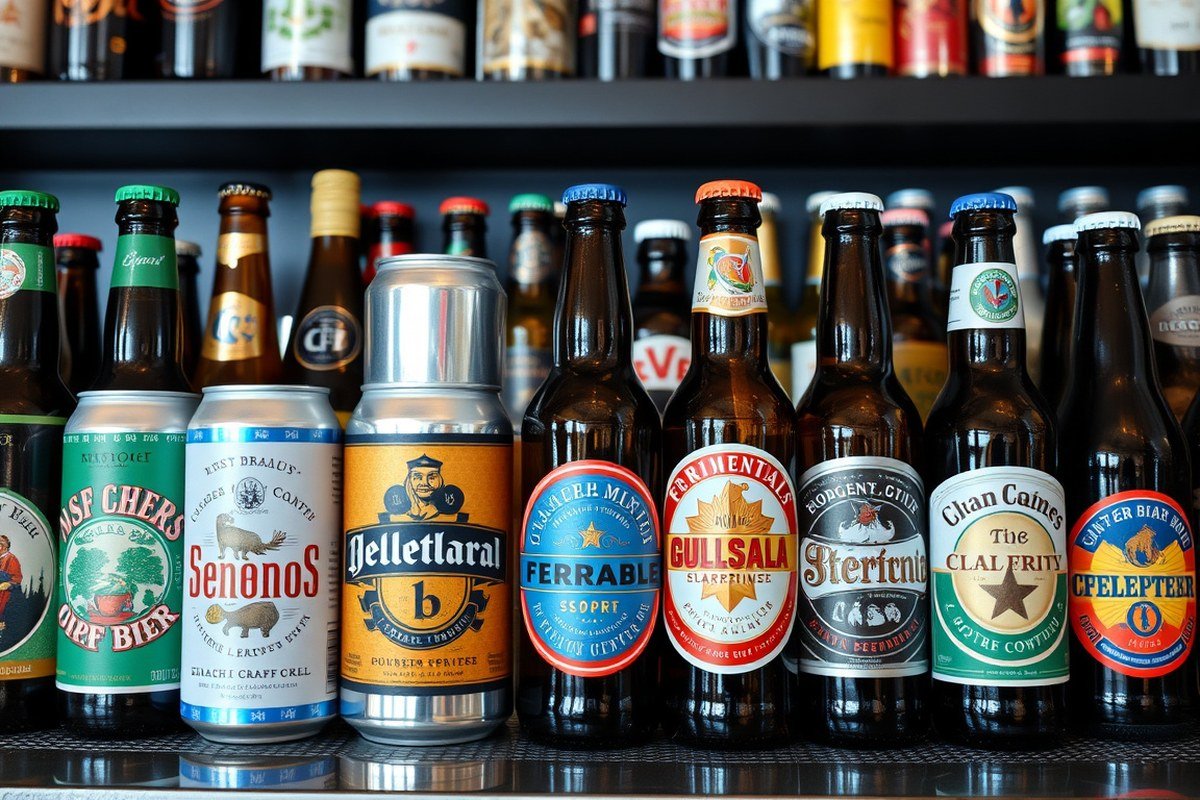
Craft beer stands apart from commercial and mass-produced beers through its focus on small-scale production, independent ownership, and a dedication to diverse, bold flavors. The brewing process emphasizes quality, traditional methods, and experimentation. These factors lead to a richer range of taste and texture compared to industrial beers.
Defining Craft Beer by Brewery Size and Independence
Craft beer comes from breweries that are typically small and independent, producing less than 6 million barrels per year according to industry standards. These breweries operate without majority ownership from large beverage corporations, allowing them to prioritize creativity and craftsmanship. The smaller scale supports attention to detail and quality control at every stage, unlike commercial breweries that mass-produce large quantities of beer for broad markets.
This smaller size also means craft breweries can quickly change recipes or introduce seasonal and experimental brews. Independence tends to foster community connection and local ingredient sourcing, increasing the uniqueness of craft beers while mass-produced beers often rely on standardized ingredients and automated processes.
Traditional and Creative Brewing Methods
Craft brewers mostly use traditional fermentation techniques and equipment. Many craft beers are unfiltered and unpasteurized, which preserves natural flavors and a fuller mouthfeel. Small batch brewing allows precise control over hop additions, malt selections, and yeast strains, which are varied extensively to create complex or unusual profiles.
Commercial beers often use high-speed, continuous brewing aimed at uniformity and shelf stability. Craft brewers experiment with dry-hopping, barrel-aging, wild fermentations, and specialty malts to build layered aromas and tastes. For example, the Dogfish Head Craft Brewery’s 90 Minute IPA is well regarded for its bold, hoppy flavor derived from continuous hopping during the brewing process, which is less common in mass-produced options.
Diverse Flavor Profiles and Ingredient Choices
The flavor variety in craft beer stems from the freedom to use diverse ingredients and brewing techniques. Local hops, herbs, spices, and unique yeast strains create distinctive profiles that commercial beers typically do not match. Craft brewers create everything from heavily hopped IPAs to sour ales, barrel-aged stouts, and experimental blends that highlight regional characteristics.
Mass-produced beers aim for consistency and blandness to appeal to the widest audience, often using adjuncts like rice or corn to reduce costs. Craft beers embrace bold, sometimes challenging flavors that don’t fit into the mainstream mold. This diversity appeals to enthusiasts who want more complexity in their beer.
Quality Control and Community Focus
Craft breweries focus on quality over quantity, investing more in raw materials and craftsmanship instead of automation. This can increase production costs but results in better flavor and freshness. Many craft brewers operate brewpubs or taprooms, fostering a direct relationship with consumers and a local beer culture.
These smaller breweries often engage their neighborhoods through events and collaborations, reinforcing their independence and commitment to quality. Commercial breweries serve national or international markets, with less personal interaction and a greater emphasis on price competitiveness.
To truly taste craft beer’s difference, seek out fresh, small-batch bottles or draft pour directly from the brewery or reputable craft beer bars. Older or mass-distributed craft beers can lose their intended flavor nuances.
Common Craft Beer Styles and How They Influence ‘Best’ Choices
Craft beer styles vary widely, each offering unique taste profiles and aromas. Knowing common styles like IPA, stout, lager, and sour allows you to match your preferences and occasions to the beer that suits you best. Taste ranges from bitter and hoppy to smooth and malty, with many blends and variations for different drinkers.
IPA and Its Variations
IPA, or India Pale Ale, stands out in craft brewing for its bold hop character and higher bitterness. Typical IPAs have an alcohol by volume (ABV) around 6% to 7.5%, with pronounced citrus, pine, or floral notes. Dry hopping techniques improve aroma without adding bitterness. Variations like Double IPAs (DIPA) increase both ABV and hop intensity, often reaching 8% to 10% ABV.
Drinkers who enjoy a strong, bitter profile with fruity or resinous aromas tend to prefer IPAs and DIPAs. These beers pair well with spicy foods like Indian curry or sharp cheddar cheese, balancing heat and richness.
Stouts and Porters
Stouts and porters offer darker, richer alternatives in craft beer. They typically feature roasted malt flavors with notes of coffee, chocolate, or caramel. Stouts, often stronger and creamier, can range from 5% to 8% ABV, sometimes higher. Porters usually sit slightly lighter, around 4.5% to 6.5% ABV. Both styles favor malt sweetness over hops.
These beers appeal to drinkers who enjoy smooth, full-bodied brews with depth. Pair stouts and porters with hearty meats like grilled steak or desserts such as chocolate cake to complement their roasted character.
Sours, Lagers, and Specialty Brews
Sour ales introduce tartness and complexity through techniques like spontaneous fermentation. They might have fruity, funky, or vinegar-like notes, attracting drinkers who seek unique and adventurous tastes. Sour beers usually have moderate ABV, around 4% to 6%, and pair well with rich, fatty foods to balance acidity.
Lagers in craft brewing differ by being cleaner and crisper, generally ranging from 4% to 5% ABV. They have mild hop bitterness and a smooth finish. Craft lagers include styles like American lagers and specialty brews such as wheat ales, which offer light, refreshing flavors. The Cocoweizen, a tropical wheat beer, is a popular choice for hot weather due to its light and fruity profile.
Session Beers and Light Options
Session beers provide lower alcohol content, typically under 5% ABV, making them ideal for longer drinking sessions without overwhelming effects. These include lighter IPAs, pale ales, and mild lagers. They feature moderate bitterness and more subdued maltiness, suitable for casual or social settings.
Light options, including some lagers and non-alcoholic craft beers, appeal to drinkers aiming to enjoy flavor without high alcohol. Keeping craft beer chilled properly improve their crispness: lagers do well with hard chills around 40°F (4°C), while stronger or darker beers prefer cellar temperatures between 45°F and 55°F (7°C to 13°C) to preserve aromas and taste. Below is a table summarizing typical ABV, bitterness (IBU), and main ingredients for each common craft beer style, helping you choose based on your flavor and strength preferences.
| Style | ABV Range (%) | Bitterness (IBU) | Main Ingredients |
|---|---|---|---|
| IPA / DIPA | 6.0, 10.0 | 40, 100+ | Pale malt, specialty malts, lots of hops (dry hopping) |
| Stout / Porter | 4.5, 8.0 | 20, 40 | Roasted malt, chocolate malt, malted barley |
| Sour Ale | 4.0, 6.0 | Low to moderate (10, 30) | Various malts, wild yeast/special bacteria |
| Lager | 4.0, 5.0 | 10, 30 | Pale malt, noble hops, lager yeast |
| Wheat / Specialty | 4.5, 6.0 | 10, 20 | Wheat malt, pale malt, specialty grains |
| Session Beer | 3.0, 5.0 | 15, 35 | Varies; lighter malts, moderate hops |
Knowing these styles helps you select craft beers that fit your occasion, food pairing, and taste preference. Sampling widely lets you find the particular brew you call the best craft beer for you.
Top Craft Breweries Known for Producing Outstanding Beers
Several craft breweries consistently stand out for producing exceptional beers with loyal followings and multiple accolades. Their flagship beers often define regional craft beer styles and carry significant influence in the industry. This list focuses on eight top breweries across the US that combine innovation, quality, and production scale to set high standards in craft brewing.
Dogfish Head Brewery
Located in Delaware, Dogfish Head is renowned for its experimental approach to brewing and its wide range of offerings. Operating from a 100,000-square-foot facility, Dogfish Head produces over twenty varieties of beer, distributed in more than half of the U.S. States. Its pioneering spirit helped improve craft beer as a whole.
The brewery’s 60 Minute IPA is a flagship beer, famous for continuous hopping that balances bitterness and aroma. Other notable brews include the 90 Minute IPA and the malty, earthy Shelter Pale Ale. Awards include multiple medals at the Great American Beer Festival, reflecting Dogfish Head’s consistent high quality.
Hill Farmstead Brewery
Hill Farmstead Brewery, located in Greensboro Bend, Vermont, has been impressing beer lovers globally since Shaun Hill started it around 2010 on his family’s historic farmland. It produces modest batches while maintaining exceptional quality, reflected in a 4.63 out of 5 average rating on Beer Advocate. This brewery demonstrates how small production can still deliver beers recognized worldwide.
The brewery’s signature brew, Heady Topper, is a hazy, unfiltered Double IPA with an 8% alcohol content. It offers rich scents of orange, tropical fruit, grapefruit, pine, and spice. Heady Topper is often regarded as a standard-setter in the hazy IPA style, generating strong demand and a loyal following.
- Small-batch production focusing on quality and freshness
- World-class ratings from beer critics and fans
- Heady Topper widely regarded as one of the best Double IPAs
- Strong emphasis on farmstead ingredients and traditional techniques
- Located in a rural Vermont setting promoting terroir-driven brewing
Hill Farmstead’s approach highlights that excellence comes from careful ingredients and traditional brewing methods over large-scale output.
Trillium Brewing
Trillium Brewing, based in Massachusetts, has rapidly gained a reputation for its bold, hop-forward beers, especially unfiltered IPAs and stouts. Starting in 2013, Trillium expanded to multiple locations and pushes quality by limiting distribution to maintain freshness.
Notable beers include their Fort Point Pale Ale and Scaled Up Double IPA. Their focus on hazy New England IPAs resonated widely among craft beer enthusiasts, positioning them among top-rated breweries nationally. Awards and high ratings from publications fuel their standing in the Northeast craft scene.
The Alchemist Brewery
The Alchemist, located in Vermont, is best known for pioneering the New England IPA style and producing Heady Topper, similar to Hill Farmstead’s flagship. Founded in the early 2000s, it drives innovation in unfiltered, juicy IPAs that emphasize aroma and mouthfeel over bitterness.
The Alchemist’s beers feature intense hop character balanced with malt sweetness. Their limited releases often sell out quickly, reflecting their craft beer status. The emphasis on quality control and freshness ensures these beers maintain their distinct profile.
- Specializes in unfiltered and aromatic IPAs
- Founder John Kimmich’s recipes set style trends
- Strong cult following and limited release strategy
- Awarded consistently at regional and national competitions
- Produces several seasonal and barrel-aged specialty beers
Other Notable Breweries
Several other breweries also fit the top craft brewery profile by producing acclaimed beers with recognized awards and substantial production. Each brings unique regional styles and strengths.
- Brooklyn Brewery (New York): Famous for Brooklyn Lager and creative IPAs, producing over a million barrels annually with innovative black stouts like Black Ops.
- Sierra Nevada Brewing Co. (California): A sustainability leader and craft pioneer producing over 1 million barrels, widely known for Pale Ale and Hazy Little Thing IPA.
- Maui Brewing Co. (Hawaii) stands out with its Bikini Blonde Lager and Big Swell IPA, showcasing Hawaiian craft beer on a larger scale since it launched in 2015.
- Four Peaks Brewing Co. (Arizona): Established in 1996, recognized for Scottish-style ales and a solid local following with expanding distribution.
- August Schell Brewing Company (Minnesota): One of the oldest breweries founded in 1860, blending heritage with craft innovation.
- New England Brewing (Connecticut): Founded in 2001, significant for pioneering craft beer in the Northeast beyond Massachusetts and Vermont.
- Iron Hill Brewery (Pennsylvania): Bob Barrar, its founder, won 19 GABF awards before expanding the brewery chain with a variety of acclaimed styles.
These breweries demonstrate that flagship beers and awards help define the best craft brewers, while regional influences and production scale vary widely depending on market and philosophy.
How to Choose the Best Craft Beer for Your Taste Preferences
Choosing craft beer that suits your taste involves understanding your flavor preferences, alcohol strength, and the occasion. Beginners should start with lighter, less bitter beers, such as wheat beers like Bira 91, which combine mild bitterness with citrus notes and typically have moderate alcohol by volume (ABV) around 4-5%. Bitterness, measured by International Bitterness Units (IBU), and ABV influence how bold or smooth a beer feels. High bitterness and ABV beers can overwhelm new drinkers, while lower values offer a gentler introduction to craft beer’s range.
When moving from commercial to craft beers, start by selecting session beers with ABV below 5% and moderate bitterness. This approach eases the transition into stronger or more complex flavors without discomfort. Matching beer styles with the occasion also matters; lighter beers suit warm weather or casual socializing, while strong ales work well for colder days or hearty meals. Follow these steps to find craft beers that fit your taste and occasion.
- Identify your preferred flavor profile. Decide if you like fruity, floral, malty, roasted, or spicy notes. For beginners, fruity and citrusy wheat or pilsner styles offer an approachable start.
- Check bitterness levels. Choose beers with lower IBUs (below 30) if you prefer mild bitterness. Higher IBUs (above 50) suit those who enjoy a sharper hop presence.
- Consider alcohol strength. Begin with beers around 4-5% ABV to stay refreshed and avoid overpowering effects.
- Select beer style based on occasion. Lighter beers are ideal for daytime or outdoor events, while stronger ales or stouts fit evening or colder weather.
- Sample beers gradually. Arrange a tasting flight from lightest to boldest, noting aroma and taste differences as you go.
- Take notes and compare. Keep track of what you like and dislike to refine your preferences over time.
- Visit local craft beer bars or breweries. They offer variety and expert recommendations suited to your evolving palate.
- Pair your beer with food thoughtfully. Complement flavors to improve the overall experience; for example, empanadas with certain ales or deep dish pizza with rich stouts.
Start your craft beer exploration with light, low-ABV beers to avoid bitterness overload and build your taste gradually.
Pairing Craft Beer with Food to improve Flavor Experience
Pairing craft beer with food can transform a simple meal into a memorable tasting experience. Different beer styles bring distinct flavors and aromas that interact with foods to highlight their best qualities. For example, an IPA’s strong hoppy bitterness and citrus notes can complement spicy or fatty dishes by cutting through richness and refreshing the palate. Stouts, with their roasted malt character, pair well with hearty, savory foods or desserts that feature chocolate or coffee. Sour beers offer bright acidity and fruity tangs that balance salty snacks or rich cheeses.
Understanding how beer flavor profiles interact with your taste buds helps you choose combinations that improve both the beer and the food. Bitterness in IPAs triggers saliva production, which cleanses your palate between bites. Meanwhile, the roasted notes in stouts can intensify flavors like smoky meats. Sour beers’ acidity acts similarly to wine, lifting fatty or creamy dishes and making them feel lighter on the tongue. Matching the intensity of the beer to the food also matters to avoid overwhelming one another.
- IPA: Pair with spicy cuisine, grilled meats, or sharp cheddar cheese to balance bitterness with heat or fat.
- Stout: Enjoy alongside braised beef, barbecue ribs, or dark chocolate desserts for complementary roasted notes.
- Sour beers: Serve with goat cheese, salty charcuterie, or citrusy salads to brighten flavors.
- Hefeweizen: Try with light seafood dishes, salads, or mildly spiced chicken for a crisp and refreshing match.
- Pale ale: Works well with burgers, roasted vegetables, and mild cheeses to highlight hop aromas without overpowering.
- Amber ales: Match with caramelized foods, roasted nuts, or grilled sausages to bring out malt sweetness.
- Porter: Pair with smoked meats, caramel desserts, or blue cheese for a rich flavor contrast.
To try these pairings at home, serve craft beer at the right temperature, about 45 to 55 degrees Fahrenheit for ales and IPAs, a bit cooler for lighter styles, to preserve aroma and flavor. Taste the beer first, then take a bite of food and observe how the flavors shift. This practice sharpens your palate and helps you learn your preferences. Start with simple pairings and experiment gradually by mixing styles and ingredients. Remember that personal taste varies, so trust your senses over rigid rules.
Good pairings will feel balanced: the beer refreshes your palate without muting the food, and the food brings out the beer’s nuances. Mismatched pairings tend to create off-putting bitterness, overpowering sweetness, or dullness. Craft beer pairing is a fun way to explore new flavors and add layers to your dining and tasting experiences at a modest cost, as even a few thoughtfully paired beers can transform a homemade meal.
Sustainability and Innovation Trends in the Craft Beer Industry
Sustainability has become a key focus for many craft breweries looking to reduce their environmental impact while maintaining high-quality beer production. Leading breweries invest in energy-efficient equipment, water recycling systems, and use locally sourced ingredients to lower their carbon footprints. For example, some breweries operate with solar panels that cut electricity costs by up to 30 percent, or compost spent grain which reduces waste and supports local agriculture. These eco-friendly practices often lead to fresher, more flavorful beers because fresh ingredients and sustainable farming contribute to better raw materials.
Among the breweries embracing sustainability, several stand out for their commitment and innovation. One craft brewery producing around a million barrels annually combines European brewing methods with American innovation while using sustainable supply chains. Others focus on tropical-inspired beers and rank among the top 20 producers by emphasizing eco-conscious brewing techniques. The cost of adopting these practices varies but can include initial investments in new technology and training. Over time, reductions in energy and water use offset these expenses, and customers often respond positively to brands promoting sustainability.
Innovation extends beyond sustainability into the styles and production methods themselves. Craft breweries widely experiment with barrel aging, which can add subtle flavors by aging beer in wooden casks previously used for bourbon or wine. This process typically takes months, allowing complex flavor development and resulting in unique beer varieties that appeal to enthusiasts. Another strong trend is the rise of non-alcoholic craft beers, which meet growing demand for flavorful options with low or zero alcohol content. These brews require precise fermentation control often involving reverse osmosis or vacuum distillation technology to retain taste without the alcohol.
Other innovations include exploring new yeast strains or infusing beers with unusual ingredients like exotic fruits, spices, or even coffee, which can redefine traditional craft beer profiles. Breweries that blend traditional techniques with these novel twists often achieve distinctive flavor combinations that stand out in a crowded market. This experimentation is important for capturing diverse customer preferences and reflects the dynamic nature of the craft beer industry.
Choosing beers from breweries committed to sustainability supports environmental goals without sacrificing quality. Sustainable breweries aim to maintain consistent taste by carefully managing ingredient quality, fermentation temperatures, and ABV levels. Tradeoffs include higher production costs and longer brewing cycles for experimental methods, but the results offer more complex and refined flavor experiences. Avoiding shortcuts like mass-produced adjuncts ensures that eco-friendly beers maintain authenticity and craft integrity.
In regions with distinct climate or water availability challenges, breweries may tailor their sustainability efforts to local conditions. Breweries in drier areas focus on water conservation techniques, while those in colder climates invest more in energy-efficient heating systems. This localized approach ensures that sustainability practices remain practical and effective, reinforcing the quality and integrity you expect from the best craft beers.
Tips for Enjoying and Storing Craft Beer to Preserve Quality
To keep craft beer tasting its best, proper storage is essential. Store beer in a cool, dark place with a stable temperature ideally between 45°F and 55°F. Avoid direct sunlight and temperature fluctuations because light and heat can degrade hop oils and create off-flavors. If you don’t have a dedicated beer fridge, a regular refrigerator works fine but cold temperatures may mute some beer’s flavor complexity.
- Keep craft beer upright to minimize oxidation and prevent yeast sediment disturbance
- Store bottles away from light sources, preferably inside a box or dark cabinet
- Maintain consistent temperature, avoid places like garages where conditions vary
- Don’t freeze beer; extreme cold can damage carbonation and taste
- Consume fresh beers like IPAs within 3 months of packaging for optimal flavor
- Higher ABV or barrel-aged beers can age longer but also need stable storage
Serving temperature depends on the beer style but generally ranges from 38°F to 55°F. Lighter beers like pilsners or wheat beers do well colder, around 38°F to 45°F. Richer or malt-forward beers such as stouts or porters reveal more flavor complexity when served warmer, between 50°F and 55°F. Letting beer warm up a little after refrigeration can improve aroma and taste.
Choosing the right glass is part of proper serving. Use a tulip or snifter glass for aromatic and fruity beers, as these shapes capture and concentrate aromas. Pilsners and lagers benefit from tall, slim glasses that showcase clarity and carbonation. Always rinse the glass with cold water before pouring to reduce head loss and keep the foam stable, which preserves flavor and appearance.
Checking for spoilage is also key to enjoying your craft beer. Signs of going bad include sour or off-putting smells, excessive cloudiness in non-hazy beers, and flavors described as cardboard, vinegar, or metallic. Flat beer lacking carbonation or with unexpected bitterness may also indicate it’s past prime. Trust your senses, if the taste or smell seems off, it’s better to discard than consume.
Store craft beer upright in a dark, cool spot and serve close to the recommended temperature to enjoy its fullest flavor.
Step-by-Step Action Plan to Find Your Best Craft Beer
Follow these steps to explore, taste, and identify the craft beers that match your preferences and expand your appreciation for quality brews.
- Day 1: Visit a local craft brewery or specialty beer store and pick 3 different beer styles you haven’t tried before. Taste each and note what you like or dislike.
- Week 1: Learn about the key flavor profiles of common craft styles like IPA, stout, and sour by reading labels or asking staff. Compare these notes with your initial tasting experience.
- Week 2: Try pairing one of your favorite craft beers from your first visit with a simple food, such as cheese or grilled meats. Observe how the flavors complement each other.
- Week 3: Research top-rated craft breweries mentioned for innovation and sustainability to find a beer that matches your values along with your taste.
- Week 4: Purchase a fresh 12-ounce bottle or can from a brewery with a good reputation. Store it properly in a cool, dark place and drink within two weeks to experience it at its best.
- Month 2: Join a local craft beer tasting event or club to sample limited releases and get expert recommendations to expand your palate.
- Ongoing: Keep a beer journal to track what styles, breweries, and pairings you enjoy most, helping you refine your definition of the best craft beer.
Frequently Asked Questions
What Is the Smoothest Tasting Beer?
The smoothest tasting beers are usually lagers or cream ales with mild bitterness and soft malt flavors. They offer a gentle, easy-drinking experience without intense hops or spice. Choosing one depends on personal taste and brand offerings.
What Are the Top 5 Best Craft Beers?
Top craft beers vary by rating sites but often include highly rated IPAs, stouts, and pale ales from well-known breweries. Quality and style play a bigger role than popularity, so exploring rated beers helps find the best fit for you.
What Is the Best Selling Craft Beer?
The best selling craft beers often come from established breweries with wide distribution, like Dogfish Head’s 90 Minute IPA. These beers balance bold flavor with accessibility, appealing to many drinkers across the US.
What Is the No. 1 Beer in the US?
Bud Light regularly ranks as the number 1 selling beer in the US by volume. Despite craft beer’s rise, light lagers still dominate the mass market due to wide availability and marketing.
Can I Store Craft Beer Like Regular Beer?
Craft beer often requires cooler, dark storage to preserve flavors; room temperature or exposure to light can spoil it faster. Store it in a fridge or a cool, dark place, especially for hop-forward styles.
How Many Craft Breweries Are There in the US?
There are over 9,000 craft breweries in the US, producing a wide variety of styles nationwide. This number continues to grow as demand for craft flavors increases.
Key Points to Remember
Finding the best craft beer depends largely on your personal taste combined with exploring quality brewers who balance traditional styles with innovation. Begin by tasting widely and pairing thoughtfully to see what stands out for you. Start with one local brewery’s selection this week and enjoy discovering flavors that make craft beer special to you.