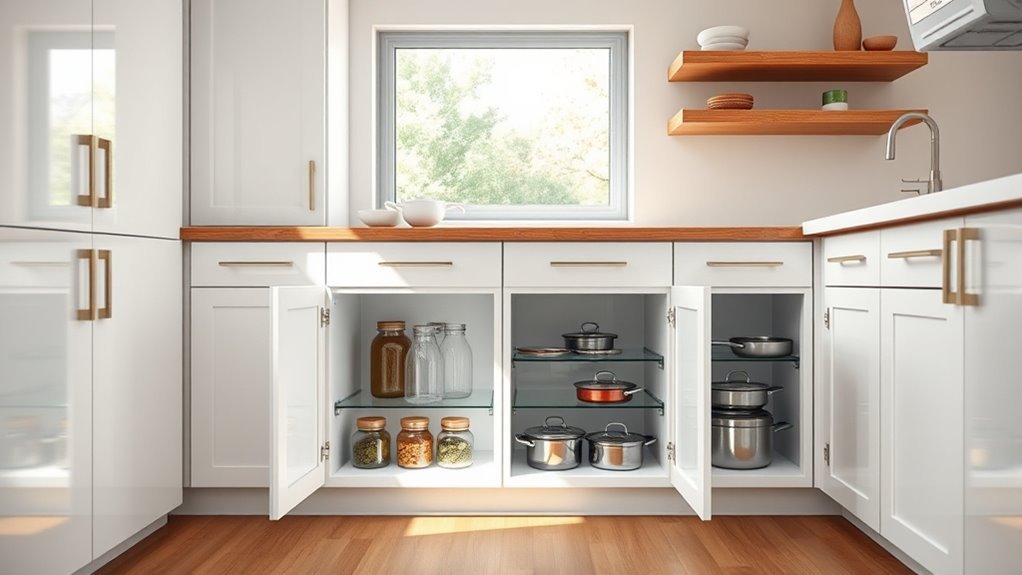
How Deep Are Kitchen Cabinets? The Complete Answer
Are you feeling overwhelmed trying to figure out the right kitchen cabinet depths? You’re not alone—many people struggle to find the perfect balance between storage space and accessibility.
Choosing the right cabinet depth can seriously improve how your kitchen functions and looks.
Kitchen cabinets typically range from 12 to 24 inches deep, with wall cabinets around 12-15 inches and base cabinets about 24 inches deep.
Pantry cabinets vary between 12 and 24 inches, depending on storage needs.
Depth affects storage capacity, accessibility, and countertop overhang.
Picking the right depth is all about balancing function and design to fit your kitchen’s unique layout.
To make the best decisions about measurements, styles, and appliances, keep exploring the details that impact your kitchen’s flow and efficiency.
Key Takeaways
- Standard base kitchen cabinets are usually 24 inches deep, while wall cabinets tend to be around 12 to 15 inches deep.
- Pantry cabinets can range from 12 to 24 inches deep, depending on what you need to store and the item sizes.
- The depth of your cabinets impacts how much storage space you have, how functional your kitchen is, and how easy it is to access items.
- Custom cabinet depths are great for small or oddly shaped kitchens and can help make the most of your space.
- To get the right fit, it’s important to measure carefully, considering door thickness, countertop overhangs, and appliance clearances.
How Deep Are Kitchen Cabinets? An Overview
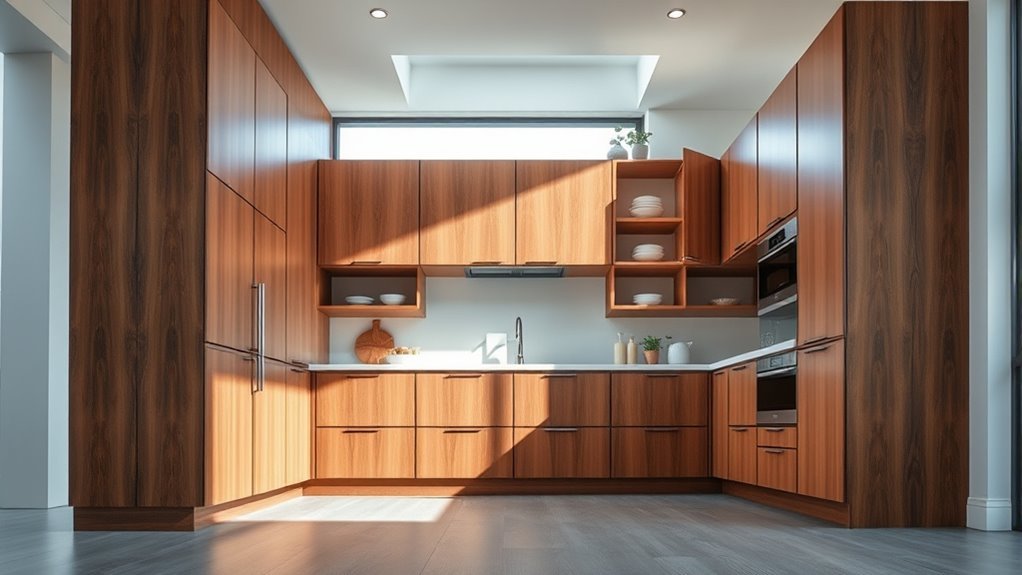
Most kitchen cabinets measure between 12 and 24 inches deep, depending on their type and purpose. When you’re choosing cabinet styles, understanding these sizes helps you pick options that fit your space and needs.
Wall cabinets are usually around 12 inches deep to keep your kitchen feeling open and accessible. Deeper cabinets serve different storage functions, making them ideal for larger items.
Kitchen trends now focus on functional and space-saving designs. You’ll find cabinets that maximize depth without making your layout feel cramped.
Frameless cabinets often offer more usable space compared to framed ones because of their construction.
As you look at different styles, keep in mind how depth impacts what you can store and how easily you can reach your items.
This overview sets the stage for exploring specific cabinet types and their dimensions, helping you make informed choices that match your style and current trends.
How Deep Are Base Kitchen Cabinets?
While wall cabinets typically stay around 12 inches deep, base kitchen cabinets offer more storage by extending further out. Most measure about 24 inches deep, providing plenty of space for pots, pans, and other essentials. When choosing materials and styles, depth is key for both function and design.
Here’s what you should know about base cabinet depth:
- The standard depth is usually 24 inches, but some custom options can go up to 30 inches for extra storage.
- Depth influences the countertop overhang, so plan accordingly to keep things balanced.
- Deeper cabinets can fit pull-out shelves or organizers, making your kitchen more efficient.
How Deep Are Wall Cabinets?
How deep should wall cabinets be to maximize both storage and accessibility? Typically, wall cabinets are 12 to 15 inches deep. This depth strikes a good balance between giving you enough room for dishes and glasses while keeping everything within easy reach. If you go deeper, it can become harder to access items, and your kitchen might start to feel cramped.
When picking wall cabinet styles, think about how they match your kitchen’s design and function. Shallow cabinets work well in smaller spaces, while deeper ones offer more storage but need careful placement. The materials you choose also matter—wood, plywood, or MDF are common options that influence durability and weight. Lighter materials suit floating or open shelves, while sturdy woods can handle heavier items.
How Deep Are Pantry Cabinets?
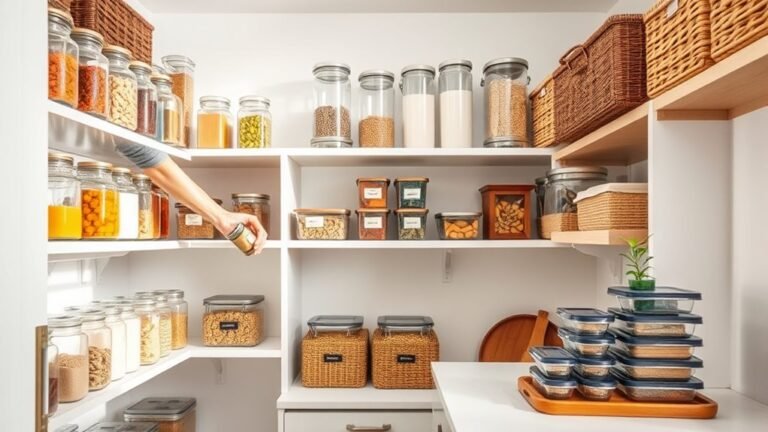
When you’re picking out pantry cabinets, you’ll notice that their depths usually fall somewhere between 12 and 24 inches. But the great thing is, you can also customize the depth to match your space and storage needs perfectly. Just remember, how deep your cabinets are will directly impact how much you can store and how easy it is to access everything inside.
Standard Pantry Cabinet Depth
Pantry cabinets usually range from 12 to 24 inches deep, giving you enough space for everything from canned goods to small appliances without crowding your kitchen.
When picking the right depth, think about how you’ll organize the pantry and what materials your cabinets are made of. Deeper cabinets hold more, but you might need pull-out shelves for easy access.
Shallower cabinets keep items visible and within reach. Deeper ones give you more storage space but may require accessories to help you reach everything easily.
Here’s a quick guide to common pantry cabinet depths:
- 12-15 inches are great for spices, jars, and small containers.
- 18 inches strikes a good balance for canned goods and everyday items.
- 24 inches work well for larger appliances and bulkier pantry supplies.
Choosing the right depth helps you make the most of your storage and keeps your kitchen organized and functional.
Custom Pantry Cabinet Sizes
If standard pantry cabinet depths don’t quite fit your needs, custom sizes are a flexible option tailored to your space and storage habits. They let you optimize your pantry by adjusting the depth for specific items or room dimensions.
You can choose a deeper cabinet for bulky goods or a shallower one to save space. Here’s a quick guide to common custom pantry cabinet depths:
| Depth (inches) | Best For |
|---|---|
| 12 | Narrow spaces, spices |
| 15 | Small appliances |
| 18 | Standard pantry items |
| 24 | Large bulk storage |
| 30 | Extra-large or deep shelves |
Custom sizes help you create a pantry that works perfectly for your kitchen and lifestyle.
Depth Impact On Storage
Because cabinet depth directly affects how much you can store, choosing the right size is key to keeping your kitchen organized. When thinking about pantry cabinet depth, it’s all about balancing storage space with easy access.
Deeper cabinets give you more room but can make it trickier to reach those items at the back. Here’s a quick look at how depth impacts your storage options:
- Shallow cabinets, around 12-15 inches deep, keep everything visible and easy to grab. Great for smaller kitchens.
- Standard depth, between 18-24 inches, helps maximize storage without making items hard to reach.
- Extra deep cabinets, over 24 inches, offer lots of space but often need pull-out shelves or other organizers to keep things accessible.
Why Cabinet Depth Matters in Kitchen Design
When you choose the right cabinet depth, you directly impact your kitchen’s functionality and flow. Proper cabinet depth blends functional aesthetics with ergonomic design, making sure your kitchen looks great and feels comfortable to use.
If cabinets are too deep, you might struggle to reach items, which disrupts your workflow. Too shallow, and you lose valuable countertop space, making prep work feel cramped.
Selecting cabinet depth that matches your layout helps keep pathways clear and balances storage with open areas. It also affects how appliances fit and how easily you can access utensils or cookware without strain.
Prioritizing ergonomic design reduces unnecessary bending or stretching, making your kitchen safer and more enjoyable.
In short, cabinet depth isn’t just about storage—it shapes how you move, work, and interact with your kitchen every day. Choosing wisely ensures your space stays stylish, efficient, and tailored to your needs.
How Cabinet Depth Impacts Kitchen Storage
Choosing the right cabinet depth isn’t just about style; it really affects how your kitchen flows and how much storage you get.
Deeper cabinets give you more space for bulky items and let you stack taller things without wasting room. This makes your storage more efficient.
With more depth, you can install bigger drawers or even double-stacked ones. That’s great for sorting utensils, pots, and pans more easily.
On the flip side, shallower cabinets take up less space behind items. This makes everything easier to reach and helps prevent clutter from building up.
How to Measure Kitchen Cabinet Depth Accurately
Want to make sure your kitchen cabinets fit just right? The key is measuring their depth accurately. Grab a tape measure and a level — trust me, these will be your best friends during the process.
Start by opening up the cabinet door, and then measure from the front of the cabinet to the back. Make sure you’re measuring straight across, not around any handles or doors, because that can give you a wonky reading. It’s best to measure at a few different spots inside the cabinet to see if everything’s consistent.
Using a level can help you keep your tape measure straight and ensure your measurements are precise. Taking your time and double-checking those numbers will make sure your new cabinets fit perfectly and give you all the storage space you’re hoping for.
Tools Needed
Tools Needed
Accurate kitchen cabinet depth measurements require just a few essential tools. To get precise readings, you’ll need reliable measuring tools and a basic understanding of the cabinet materials you’re working with. Here’s what you should have on hand:
- Tape Measure – A sturdy, retractable tape measure helps you measure both inside and outside depths easily.
- Level – Guarantees your measurements are straight and accurate, especially on uneven cabinet surfaces.
- Notepad and Pen – Keep track of your measurements and notes about cabinet materials like wood or laminate, which might affect how you measure.
With these tools, you’ll be prepared to measure cabinet depth accurately without confusion or errors. Understanding your cabinet materials also helps in adjusting your technique for the best results.
Step-by-Step Process
Now that you have the right tools ready, you can start measuring your kitchen cabinets with confidence. First, identify the cabinet style since depths vary. Traditional cabinets usually differ from modern designs.
Use your measuring tape to measure from the front edge of the cabinet door to the back wall or panel. Make sure to include any overhang or molding in your measurement.
Next, measure the base cabinets separately from the wall cabinets, as their depths often differ. Record each measurement carefully so you don’t forget.
If your cabinets have built-in features like pull-out drawers or shelves, measure those depths too. They can affect the overall space you have.
Accurate measurements help you stay aligned with current cabinet styles and design trends. This way, your kitchen updates or additions will fit perfectly.
Common Measurement Mistakes
Measuring kitchen cabinet depth might seem simple, but a few common mistakes can throw off your results. The key is knowing exactly what to measure. Here are three frequent pitfalls that can lead to depth misunderstandings.
First, many forget to include the face frame or door thickness. Measuring only the box depth can make the cabinet seem shallower than it really is.
Second, inconsistent measuring points are a problem. Always measure from the wall to the outermost edge for an accurate depth.
Finally, don’t forget about countertop overhangs. They can add to the perceived cabinet depth but aren’t part of the cabinet itself.
Custom Cabinet Depths: When and Why to Choose Them
Why should you consider custom cabinet depths in your kitchen design? Custom designs let you tailor cabinet depth to fit your unique space and needs, improving both looks and functionality. They help you use every inch wisely, especially in oddly shaped or smaller kitchens where standard depths might waste space or feel bulky.
Choosing custom depths also helps create a balanced look in your kitchen, making everything flow smoothly between cabinets, appliances, and countertops. You can get cabinets that work perfectly for your lifestyle, whether that means deeper pantry shelves or shallower upper cabinets to avoid crowding.
Here’s a quick guide to when custom cabinet depths make sense:
| Situation | Benefit |
|---|---|
| Small kitchens | Maximizes space use |
| Unique layouts | Fits awkward spaces |
| Specific storage needs | Custom storage options |
| Harmonizing aesthetics | Creates a balanced, tailored look |
With custom depths, you gain flexibility and efficiency that standard sizes often can’t provide.
How Cabinet Depth Affects Countertop and Appliance Fit
When you’re picking out your cabinet depth, it’s actually going to influence how your countertop overhangs and lines up with your appliances. It’s not just about the look; you want everything to fit smoothly without any fuss.
Make sure you pay attention to clearance requirements so your fridge, oven, and dishwasher all slide in easily. You definitely don’t want to end up blocking doors or drawers – that can be a real headache later on.
Getting these measurements right from the start will save you from having to make costly adjustments down the road.
Countertop Overhang Considerations
Although kitchen cabinets usually have standard depths, the countertop overhang can vary a lot depending on how deep your cabinets are. This difference affects both how your kitchen looks and how practical the overhang is, shaping the overall feel and functionality of your space.
When thinking about overhang, keep these points in mind:
- Cabinet depth sets the base: Deeper cabinets give you more surface area, allowing for a bigger overhang if you want seating or a bold style.
- Balance aesthetics and practicality: A subtle overhang can look nice without creating awkward edges or cutting into your usable space.
- Support matters: Larger overhangs need extra support, especially with shallower cabinets, to keep things safe and sturdy.
Appliance Clearance Requirements
Three key appliance clearance requirements depend directly on your cabinet depth, affecting how well your countertop and appliances fit together. First, your cabinet depth influences the space between the appliance front and the countertop edge. This space is vital for proper appliance clearance.
Second, it determines if your appliances sit flush or protrude, which impacts your kitchen’s ergonomics and workflow. Finally, cabinet depth affects ventilation space behind appliances like refrigerators and ovens. This space is critical for safety and performance.
If your cabinets are too deep, appliances may not align, causing awkward gaps or blocking cabinet doors. Too shallow, and your appliances might stick out, disrupting your kitchen’s flow. Balancing cabinet depth with appliance clearance helps keep your kitchen functional, safe, and comfortable to use every day.
Storage Tips for Different Cabinet Depths
Since kitchen cabinets come in various depths, adjusting your storage approach can help maximize space and accessibility. Tailoring your shelf organization and drawer solutions based on the cabinet’s size keeps everything within easy reach. Here are three tips to help:
- Shallow Cabinets: Use vertical storage to hold cutting boards, baking sheets, and trays upright. Container stacking works well here to avoid clutter.
- Standard Depth Cabinets: Incorporate multi-functional storage like adjustable shelves and pull-out drawers to make your kitchen more accessible and store everyday items efficiently.
- Deep Cabinets: Reserve these for seasonal items or bulky cookware. Use drawer dividers and tiered organizers to keep everything tidy and prevent items from getting lost in the back.
Frequently Asked Questions
What Materials Are Commonly Used for Kitchen Cabinets?
You’ll find cabinet materials like solid wood, plywood, MDF, and particleboard commonly used for kitchen cabinets.
Each offers different durability factors. Solid wood is strong and long-lasting, while plywood resists warping better than particleboard.
MDF provides a smooth surface for painting but isn’t as moisture-resistant.
When choosing, consider how durability factors like moisture exposure and daily wear will affect your cabinets.
Make sure you pick materials that suit your kitchen’s needs and style.
How Do Cabinet Door Styles Affect Kitchen Design?
Door style choices really shape your kitchen’s vibe. When you pick a cabinet door style, you’re setting the tone, from classic to current trends.
Sleek slab doors give off a modern, minimalist feel, while shaker styles offer timeless charm.
The right door style helps everything feel in harmony and shows off your space’s personality. It makes your kitchen not just functional but also stylish and fun to show off.
What Is the Average Cost of Kitchen Cabinet Installation?
You can expect the average cost of kitchen cabinet installation to range between $1,200 and $4,500, depending on factors like cabinet size, material, and labor complexity.
When you compare costs, custom cabinets usually cost more than stock or semi-custom ones.
Don’t forget to include extra expenses such as removing old cabinets or making plumbing adjustments.
Getting multiple quotes helps you make smart cost comparisons and stay within your budget.
How Often Should Kitchen Cabinets Be Refinished or Replaced?
You might be surprised how long your cabinets can last before needing attention. Typically, cabinet longevity ranges from 10 to 20 years, depending on wear and care.
You should consider refinishing options every 7 to 10 years to refresh their look and protect the wood. If you spot major damage or outdated styles, it’s time to replace them.
Staying proactive keeps your kitchen looking sharp and functional without unnecessary costs.
Can Kitchen Cabinets Be Eco-Friendly or Sustainable?
Yes, you can definitely choose kitchen cabinets made from eco-friendly materials like bamboo, reclaimed wood, or recycled composites. When you go for these options, you’re supporting sustainable practices that help reduce environmental impact.
You can also look for cabinets finished with low-VOC paints or sealants to keep indoor air quality healthier. By selecting green options, you not only create a stylish kitchen but also contribute to a more sustainable future.
Conclusion
Now that you know how deep kitchen cabinets typically are, you can choose wisely, measure accurately, and design confidently.
You’ll maximize storage, fit appliances perfectly, and create a kitchen that works for you. Whether you stick with standard depths or opt for custom sizes, your choices will shape your space’s function, style, and flow.
So, take control, make informed decisions, and transform your kitchen into a place you love to cook, gather, and live.
Understanding cabinet depth is key to creating a functional and beautiful kitchen.