Where Is Hell’s Kitchen Located? The Complete Answer
Are you curious about where Hell’s Kitchen is located in New York City? Many people struggle to find this iconic neighborhood amid the city’s endless streets and districts. If you’re looking to explore its vibrant scene, knowing its exact location can make your visit way easier.
You’ll find Hell’s Kitchen on Manhattan’s west side, bordered by the Hudson River to the west and Eighth Avenue to the east, stretching from 34th Street up to 59th Street. This neighborhood’s tough history gave it a name that reflects resilience and grit.
Today, it blends rich culture with modern living, offering tons of food, entertainment, and attractions.
Keep exploring and uncover what makes Hell’s Kitchen such a unique spot in New York City.
Key Takeaways
- Hell’s Kitchen is on the west side of Midtown Manhattan in New York City.
- It’s bordered by the Hudson River to the west and Eighth Avenue to the east.
- The neighborhood’s southern boundary is 34th Street, and the northern limit is 59th Street.
- Hell’s Kitchen is close to major transit hubs like Times Square and Columbus Circle.
- Historically, the area has been known for its tough street life and lively cultural scene.
Where Is Hell’s Kitchen Located in New York City?
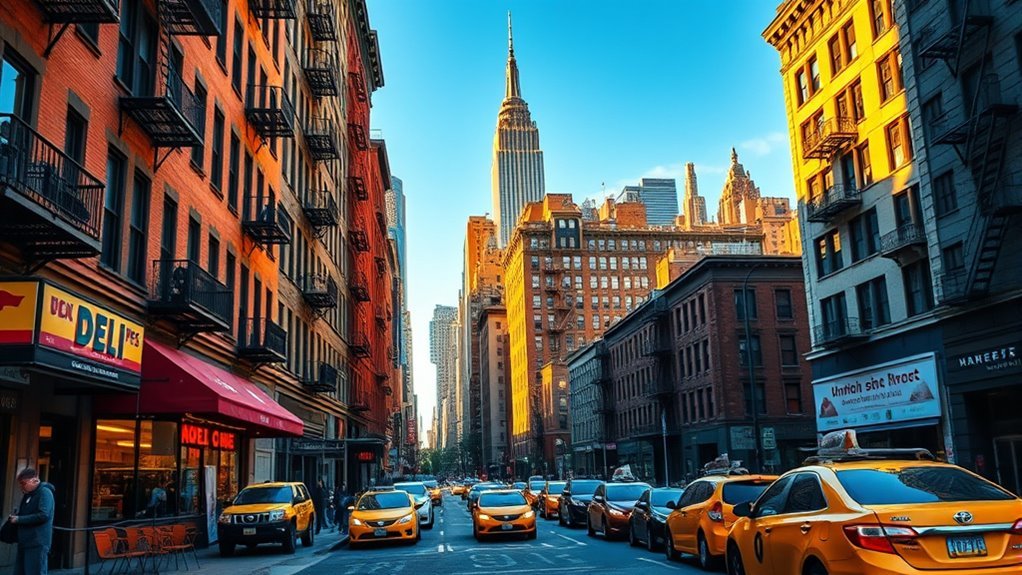
Wondering exactly where Hell’s Kitchen is in New York City? You’ll find it on the west side of Midtown Manhattan, between the Hudson River and Eighth Avenue.
This lively neighborhood is known for its rich history and energetic vibe. If you’re exploring Manhattan nightlife, Hell’s Kitchen has a great mix of bars, restaurants, and clubs that draw locals and visitors alike.
The area’s energy is full of creativity, making it a hotspot for theater lovers and food enthusiasts. As you walk its streets, you’ll see a blend of old-school charm and modern flair that shows how the neighborhood is always changing.
Whether you’re after a casual night out or an exciting evening experience, Hell’s Kitchen is a standout destination in Manhattan. It offers a unique vibe that’s hard to find anywhere else in the city.
What Are the Exact Boundaries of Hell’s Kitchen?
After investigating the vibrant atmosphere of Hell’s Kitchen, you might want to know exactly where this neighborhood begins and ends. Your boundaries examination starts with the Hudson River to the west, offering a natural edge.
On the east, Hell’s Kitchen reaches up to Eighth Avenue, separating it from Midtown Manhattan. To the south, you’ll find 34th Street marking the boundary, while 59th Street defines the neighborhood’s northern limit.
These clear lines give you precise neighborhood insights, making it easier to navigate or investigate. Knowing these exact boundaries helps you appreciate Hell’s Kitchen’s unique character within Manhattan.
As you walk between 34th and 59th Streets, from the river to Eighth Avenue, you’ll experience the mix of historic charm and modern development that defines this area. This boundaries examination guarantees you’re fully aware of where Hell’s Kitchen’s distinct vibe truly exists.
How Did Hell’s Kitchen Get Its Name?
Ever wonder how Hell’s Kitchen ended up with such a fiery name? It’s pretty interesting because the name actually has roots in the neighborhood’s rough past and some pretty colorful stories. Let’s dig into where the name came from and what it tells us about the area’s history.
Origins of The Name
The name “Hell’s Kitchen” sparks curiosity about its gritty past and colorful reputation. When you look into its origins, you’ll find a mix of cultural significance and historical connections shaping the nickname.
The term probably came about in the late 19th century, capturing the neighborhood’s tough living conditions and street life. Some say it reflected fierce gang rivalries or harsh working environments, symbolizing a “hellish” experience for residents.
Others connect it to a police officer’s vivid description, emphasizing the area’s danger and chaos. Understanding these roots helps you see how Hell’s Kitchen grew from a tough place into a lively community, with its name carrying a legacy of struggle and resilience.
Historical Neighborhood Context
Why did Hell’s Kitchen earn such a fiery name? To understand, you need to look at its historical significance. This neighborhood, once a rough and gritty area in Manhattan, has seen remarkable neighborhood evolution.
Back in the late 19th and early 20th centuries, Hell’s Kitchen was known for its tough working-class population, industrial activity, and high crime rates. These conditions shaped its reputation and influenced the name’s persistence.
As you investigate the neighborhood today, you’ll notice how it has transformed, blending its gritty past with modern developments. This evolution highlights the deep roots Hell’s Kitchen holds in New York City’s history, making it a unique place where the past and present coexist in a dynamic urban landscape.
Popular Theories Explained
How did Hell’s Kitchen earn such a fiery name? You’ll find several popular theories behind it. One suggests the name came from the tough working-class neighborhood’s rough reputation in the late 19th century, where crime and poverty were rampant.
Another theory points to the area’s intense heat from factories and tenements, making it feel like a “hellish” environment. Cultural influences also played a role, as diverse immigrant communities brought their own stories and slang that shaped the nickname.
Notably, Hell’s Kitchen’s evolving culinary scene contrasts sharply with its gritty past today. You can explore trendy restaurants and fusion eateries that highlight how the neighborhood transformed.
Understanding these theories helps you appreciate how Hell’s Kitchen reflects both its challenging history and vibrant present.
What Makes Hell’s Kitchen Stand Out?
Although Hell’s Kitchen blends historic charm with modern energy, it’s the neighborhood’s unique vibe that really stands out. When you step into Hell’s Kitchen, you’re immediately immersed in a lively culture that moves through its streets.
This area offers a mix of old-school New York grit and contemporary flair you won’t find anywhere else. One of the biggest draws is the diverse food scene. From cozy diners to upscale restaurants, you can find flavors from all over the world, reflecting its multicultural roots.
A unique blend of classic New York grit and global flavors in every bite.
You’ll discover everything from authentic Italian dishes to spicy Latin American fare, satisfying any craving. Beyond the food, Hell’s Kitchen’s lively arts scene and friendly community create an inviting atmosphere.
It’s this combination of diverse cuisine and vibrant culture that makes Hell’s Kitchen a must-visit spot in New York.
How Has Hell’s Kitchen Changed Over the Years?
You’ve probably seen that Hell’s Kitchen has changed a lot over the years. As different groups have moved in, the neighborhood’s vibe has definitely shifted. These demographic changes have really influenced its character and culture, giving it a fresh new feel.
And it’s not just the people that have changed — the city’s ongoing urban development has also had a big impact. The skyline and streetscape have been transformed, making the neighborhood look quite different from what it used to be. It’s interesting to see how all these changes come together to shape Hell’s Kitchen today.
Neighborhood Demographic Shifts
As Hell’s Kitchen transformed from a gritty, working-class neighborhood into a lively urban area, its demographic makeup has changed a lot.
You can see that gentrification has brought in more young professionals and artists, shifting the neighborhood’s socioeconomic vibe.
Some longtime residents have moved out because costs have gone up, but the area still keeps its cultural diversity.
Different ethnic communities add to its unique character, keeping that vibrant mix alive.
Hell’s Kitchen now balances new upscale developments with traces of its past.
It’s a dynamic blend of old and new, showing how growth and change shape the community.
This shift reflects broader city trends where neighborhoods evolve over time, making Hell’s Kitchen a fascinating example of urban transformation.
Urban Development Impact
When you walk through Hell’s Kitchen today, you’ll notice how urban development has dramatically reshaped the neighborhood’s landscape and lifestyle. Urban revitalization efforts have turned once-neglected buildings into modern apartments, trendy restaurants, and lively public spaces.
This change didn’t happen overnight; it involved strong community involvement. Residents shared their needs and worked together on projects that balanced growth with keeping the area’s unique character.
You’ll see parks and better infrastructure where factories and warehouses once stood, showing a commitment to making Hell’s Kitchen a livable and welcoming place. While development brought new economic opportunities, it also sparked talks about staying affordable.
In the end, the neighborhood’s growth shows how thoughtful urban renewal, driven by active community input, can create a vibrant and inclusive environment you can enjoy today.
Which Subway Stations Serve Hell’s Kitchen?
How can you easily access Hell’s Kitchen by subway? The neighborhood benefits from excellent subway accessibility, putting you just steps away from vibrant city life. Several stations serve Hell’s Kitchen, each offering convenient amenities to improve your commute.
Hell’s Kitchen offers superb subway access, placing you moments from the city’s vibrant energy and convenient transit options.
Here are the key subway stations you’ll find in or near Hell’s Kitchen:
- 50th Street Station (C, E lines): Central location with elevators and escalators.
- 57th Street – Seventh Avenue (N, Q, R, W lines): Offers multiple entry points and retail options.
- Times Square – 42nd Street (1, 2, 3, 7, N, Q, R, W, S lines): Major transit hub with extensive amenities.
- 42nd Street – Port Authority Bus Terminal (A, C, E lines): Direct access to bus services and accessibility features.
- 59th Street – Columbus Circle (1, 2, A, C lines): Easy transfers and well-maintained facilities.
With these stations, you can navigate Hell’s Kitchen efficiently while enjoying comfortable amenities throughout your journey.
What Attractions and Landmarks Are in Hell’s Kitchen?
While investigating Hell’s Kitchen, you’ll discover a lively mix of attractions and landmarks that showcase its unique vibe. Just a short walk away, you can see world-class Broadway shows in nearby theaters, diving into NYC’s famous performing arts scene.
Hell’s Kitchen itself is perfect for art lovers and history buffs, with local galleries and historic buildings that tell the neighborhood’s story. If you love food, don’t miss the Culinary Tours, which take you to hidden gems and iconic spots around the area.
The scenic waterfront at Hudson River Park offers beautiful views and plenty of outdoor activities, making it a great place to relax and recharge. Whether you’re into live performances or delicious eats, Hell’s Kitchen has a diverse range of attractions that make it a memorable place to explore.
What Are the Best Places to Eat and Drink in Hell’s Kitchen?
Looking for some of the coolest spots to eat and drink in Hell’s Kitchen? You’re in luck! This neighborhood is packed with amazing restaurants where you can enjoy unforgettable dishes—trust me, you’ll want to try them all. And don’t forget to swing by some of the popular bars and lounges; locals love to kick back there after a long day.
Before you head out, make sure you sample the neighborhood’s must-try local flavors. You definitely don’t want to miss out on the tasty bites and drinks that make Hell’s Kitchen such a vibrant place to eat and hang out.
Top Restaurants to Try
Although Hell’s Kitchen is known for its lively nightlife and theater scene, it also has some of the best places to eat in New York City. Whether you’re into fine dining or authentic street food, there’s a spot that will satisfy your cravings.
Here are the top restaurants to check out when you’re in the neighborhood:
5 Napkin Burger offers gourmet burgers in a casual, relaxed setting.
Totto Ramen is a must-visit for rich, flavorful ramen bowls.
Bea serves contemporary American dishes in an elegant atmosphere.
Los Tacos No.1 features street-style tacos that are full of flavor.
Frying Pan provides a unique dining experience on a historic boat.
These options showcase the diverse food scene in Hell’s Kitchen, blending comfort with sophistication.
Popular Bars and Lounges
If you want to experience Hell’s Kitchen beyond its restaurants, its bars and lounges offer lively atmospheres perfect for unwinding or socializing. You’ll find neighborhood favorites that highlight the area’s rich cocktail scene, mixing innovative drinks with cozy spaces for intimate chats.
Don’t miss spots with rooftop views where happy hour turns into unforgettable evenings. If you love live music or dancing, several venues host themed nights that keep the energy high and the fun going.
For a more unique vibe, check out bars with speakeasy atmospheres serving craft beers and creative cocktails. Whether you’re hanging out with friends or just soaking in the night, Hell’s Kitchen’s popular bars and lounges have options to match your mood and style.
Must-Taste Local Dishes
After enjoying the vibrant nightlife and cozy lounges, turn your attention to Hell’s Kitchen’s culinary scene, where a variety of local dishes await. You’ll find spots that perfectly blend flavor and atmosphere, making every meal memorable. Don’t miss out on these must-try options:
- Spicy tacos bursting with authentic, bold flavors at local taquerias
- Gourmet burgers crafted with premium ingredients and creative toppings
- Classic New York-style pizza slices, perfect for a quick bite
- Fresh seafood dishes reflecting the neighborhood’s coastal influences
- Decadent desserts from artisanal bakeries to satisfy your sweet tooth
Each place offers a unique taste experience, so you can dive into Hell’s Kitchen’s diverse food culture while exploring its vibrant streets.
What Types of Housing Are Available in Hell’s Kitchen?
When you explore Hell’s Kitchen, you’ll find a wide range of housing options that suit different lifestyles and budgets. Whether you’re into sleek luxury apartments with modern amenities or looking for affordable places near the neighborhood’s lively core, there’s something for everyone.
Many luxury apartments feature high-end finishes, doormen, and fitness centers—great if you want comfort and convenience. On the flip side, there are affordable options like rent-stabilized apartments, making the area accessible for those watching their costs.
You’ll also come across charming pre-war buildings and newer developments that blend historic charm with modern style. Whether you prefer a spacious studio or a multi-bedroom unit, Hell’s Kitchen offers plenty of choices.
With its mix of upscale and budget-friendly living spaces, you can settle in comfortably without sacrificing your lifestyle. Exploring these options helps you find the perfect fit in this vibrant Manhattan neighborhood.
Why Do Visitors and Residents Love Hell’s Kitchen?
What makes Hell’s Kitchen so magnetic to both visitors and residents? You’ll find it’s the perfect mix of excitement and community spirit. When you step into Hell’s Kitchen, you’re welcomed by a neighborhood buzzing with energy and cultural diversity. Whether you’re here to explore or settle down, there’s something special around every corner.
Hell’s Kitchen captivates with its vibrant energy, rich culture, and welcoming community spirit at every turn.
Here’s why you’ll love Hell’s Kitchen:
- Vibrant nightlife with trendy bars and live music spots
- Diverse culinary scene showcasing flavors from around the world
- Close to theaters and entertainment hubs for fun nights out
- Friendly, tight-knit community that welcomes newcomers
- Beautiful waterfront parks and scenic city views to enjoy
You’ll notice how Hell’s Kitchen balances its lively vibe with a warm, inviting feel. It’s a place where culture, fun, and community come together seamlessly, making it a favorite destination and home.
Frequently Asked Questions
What Is the Crime Rate Like in Hell’s Kitchen?
You’ll find that crime rates in Hell’s Kitchen have generally decreased over recent years, thanks to effective safety measures and increased community policing.
While some crime trends like petty theft or occasional disturbances still happen, the neighborhood is considered relatively safe compared to other NYC areas.
If you stay aware of your surroundings and follow local advice, you’ll feel comfortable exploring and enjoying what Hell’s Kitchen offers without much worry.
Are There Any Famous Movies Filmed in Hell’s Kitchen?
Yes, you’ll find several famous movies filmed in Hell’s Kitchen, making it a hotspot for movie landmarks. Films like *Taxi Driver* and *The Avengers* used the neighborhood’s gritty streets and iconic skyline, adding to its rich film history.
When you walk through Hell’s Kitchen, you’re literally stepping into scenes from classic and modern movies. This gives you a unique connection to both the city and cinematic history.
What Is the Average Rent Price in Hell’s Kitchen?
You’ll feel like you’re paying a king’s ransom when you check out the average rent in Hell’s Kitchen! Expect to spend around $3,500 to $4,500 per month for a one-bedroom apartment.
But don’t worry, the neighborhood amenities—like trendy restaurants, vibrant nightlife, and easy subway access—make it totally worth it. You’ll enjoy a lively atmosphere that justifies every penny spent on your new stylish pad.
How Accessible Is Hell’s Kitchen for People With Disabilities?
Hell’s Kitchen is pretty accessible for people with disabilities. You’ll find most public transportation options, like buses and subways, offer wheelchair access, making it easier to get around.
Many buildings and restaurants have ramps or elevators, too. While some older spots might pose challenges, the neighborhood has improved a lot in accommodating mobility needs.
Are There Any Annual Events or Festivals in Hell’s Kitchen?
Yes, you’ll find several annual events and festivals in Hell’s Kitchen, including popular food festivals that showcase diverse cuisines.
These events let you indulge in everything from street food to gourmet dishes. You can also enjoy vibrant cultural celebrations highlighting the neighborhood’s rich history and arts scene.
Whether you’re a foodie or love cultural experiences, Hell’s Kitchen has plenty of lively gatherings that keep the community spirit alive year-round.
Conclusion
As you walk through Hell’s Kitchen, you might feel the city’s pulse quicken around you. The vibrant streets, rich history, and ever-changing skyline hint at stories waiting to unfold.
You’re standing where grit meets glamour, past meets future. So, what will you uncover next in this iconic neighborhood?
Whether it’s the hidden eateries or the buzzing nightlife, Hell’s Kitchen promises an experience that’s anything but ordinary.
Are you ready to plunge in and explore what makes this neighborhood so special?
Where is Hell’s Kitchen located? It’s right in the heart of Manhattan, just west of Times Square, offering a perfect blend of city energy and local charm.