How to Brine Pork Chops for Juicy, Flavorful Results
Brining pork chops is a straightforward method to keep them juicy and boost their flavor. The process involves soaking the chops in a saltwater solution, which allows the meat to retain moisture during cooking and enhances its tenderness.
This matters because pork chops often become dry and tough when overcooked. Brining counteracts this by increasing the water content inside the muscle fibers and seasoning them evenly. The result is a moist, well-flavored cut that can be grilled, pan-seared, or roasted with great success.
This article will guide you through the essentials of how to brine pork chops properly, including the best brining solutions, timing, and tips for cooking after brining to achieve the perfect balance of taste and texture.
Understanding the Brining Process for Pork Chops
How Brining Works at the Molecular Level
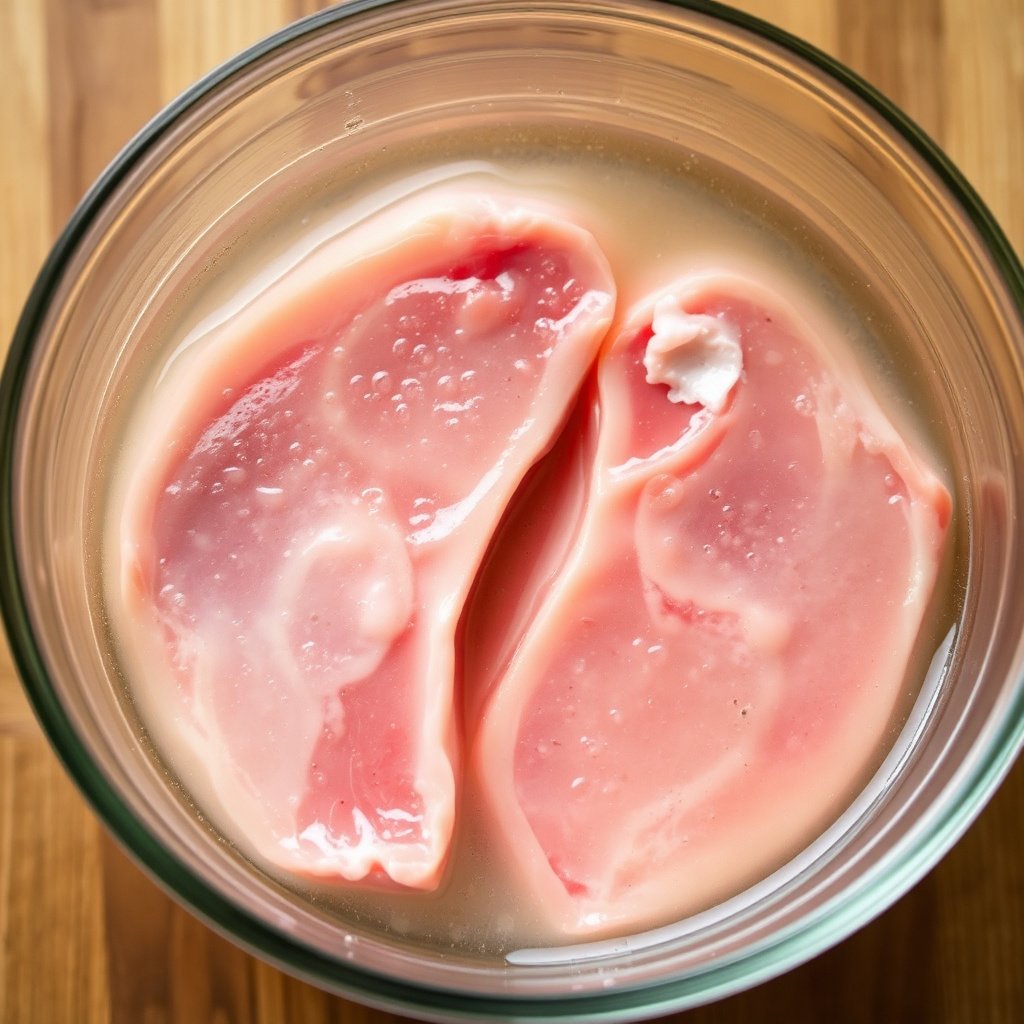
Brining relies on osmosis, where the salt in the brine solution penetrates the pork chop's muscle fibers. This draws water into the meat, increasing its moisture content.
The salt also breaks down some muscle proteins, which softens the texture and allows the meat to retain juices better during cooking.
Types of Brine Solutions
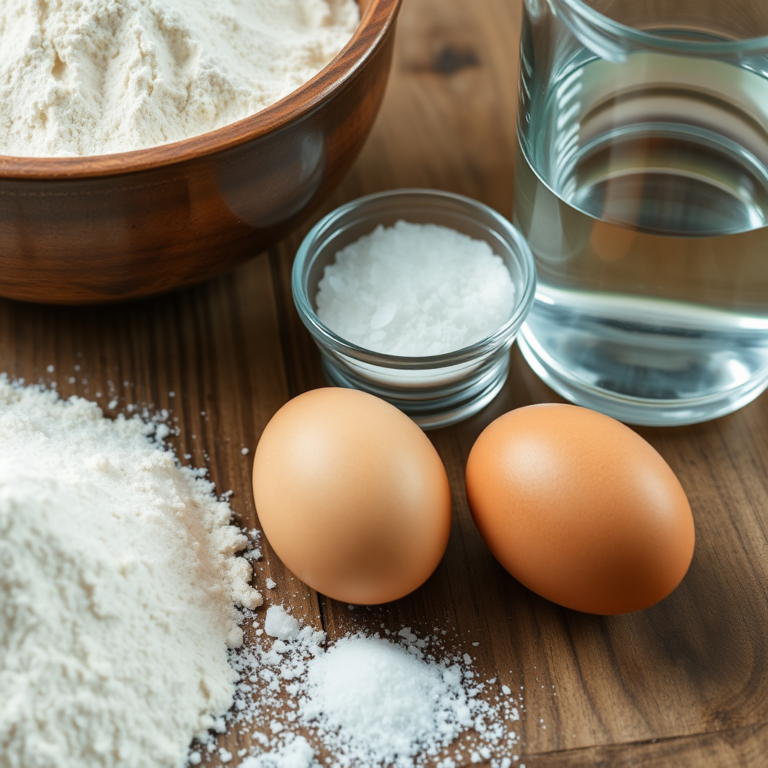
A basic brine consists of water, salt, and sometimes sugar. The salt concentration typically ranges from 5% to 10% by weight, depending on the desired intensity.
Additional flavorings such as herbs, spices, garlic, or aromatics can be added to enhance the natural taste of pork chops without overpowering them.
- Simple saltwater brine
- Salt and sugar brine
- Herb-infused brine
- Spiced brine with peppercorns or garlic
Preparing the Best Brine for Pork Chops

Choosing Salt and Sugar Types
Kosher salt is preferred for brining because it dissolves quickly and provides consistent salinity. Avoid using table salt in equivalent amounts, as it is denser and can make the brine too salty.
Brown sugar or white sugar can be added for sweetness and to balance the saltiness, also promoting a nice caramelization during cooking.
- Use about 1/4 cup kosher salt per 4 cups water
- Add 2 tablespoons sugar for a balanced brine
For more on this, see our related guide: How to Cook Bone in Pork Chops Perfectly: Timings, Tips, and Methods.
Incorporating Aromatics and Herbs
Adding ingredients like crushed garlic cloves, black peppercorns, fresh thyme, or rosemary gives a subtle layer of flavor to pork chops.
These elements infuse during brining and enhance the overall taste, working well with the meat’s natural profile.
- Garlic cloves
- Fresh rosemary or thyme sprigs
- Whole black peppercorns
- Bay leaves
Brining Timing and Methods for Pork Chops

Ideal Brine Duration
Pork chops generally benefit from a brining time of 30 minutes to 4 hours depending on thickness. Thin chops need less time to absorb moisture without becoming overly salty.
Leaving them too long can result in a cured texture or excessively salty taste, so stick to recommended times.
Cold vs. Quick Brining Options
Traditional cold brining involves keeping the chops submerged in the solution in a refrigerator to prevent bacterial growth.
Quick brining techniques include using warmer water for shorter durations, but refrigeration is still advised when soaking more than 30 minutes.
- Cold brine: 1-4 hours in refrigerator
- Quick brine: 30-45 minutes at room temperature with caution
Cooking Pork Chops After Brining

Preparing Brined Pork Chops for Cooking
After brining, it's important to rinse the pork chops under cold water to remove excess salt and pat them dry thoroughly to encourage even browning.
Letting them rest at room temperature for about 20 minutes before cooking promotes even heat distribution.
For more on this, see our related guide: What Internal Temperature Is Pork Chops Done? Proven Tips for Juicy, Safe Meat.
Best Cooking Techniques Post-Brining
Brined pork chops can be grilled, pan-seared, or baked. Using medium-high heat helps develop a crisp outer crust while keeping the inside juicy.
Because the meat retains moisture, it tolerates slightly higher cooking temperatures without drying out.
- Pan-sear on medium-high heat for 3-4 minutes per side
- Grill over indirect heat to avoid flare-ups
- Finish thicker chops in the oven at 350°F
Additional Tips and Common Mistakes When Brining Pork Chops
Avoiding Over-Brining and Over-Salting
Too long in the brine or too much salt leads to tough, overly salty chops. Stick to recommended durations and salt ratios exactly.
Rinsing thoroughly after brining helps prevent excess saltiness during cooking.
To explore more about the science and history behind brining meat, you can visit this detailed Wikipedia article on brining. brining meat techniques.
Storage and Safety Considerations
Always brine pork chops in the refrigerator to avoid bacterial growth. Use non-reactive containers like glass or plastic.
Discard brine solution after use; do not reuse it for food safety reasons.
- Refrigerate brine and pork during soaking
- Use non-metal containers to prevent metallic flavors
- Discard used brine safely
Comparison of Pork Chop Brine Types
Here's a quick comparison of common brine categories, highlighting their main benefits and flavor profiles to help you select the best brine for pork chops.
| Brine Type | Salt Concentration | Flavor Notes | Recommended Brine Time |
|---|---|---|---|
| Simple Saltwater Brine | 5%–7% | Clean, salty | 1–2 hours |
| Salt and Sugar Brine | 6% salt, 2% sugar | Slightly sweet and savory | 1–3 hours |
| Herb-Infused Brine | 5% salt | Herbal, aromatic | 2–4 hours |
| Spiced Brine | 7% salt | Peppery, garlicky | 1.5–3 hours |
Frequently Asked Questions
Can I brine pork chops overnight?
It's possible to brine pork chops overnight, but it often results in overly salty or soft texture, especially for thinner cuts. For thickness under one inch, 1–4 hours is better.
Do I need to rinse pork chops after brining?
Yes, rinsing removes surface salt residue to avoid an overly salty taste. After rinsing, pat the chops dry before cooking.
Can I reuse brine for pork chops?
Reusing brine is not recommended for safety reasons, as raw meat juices contaminate the solution. Always discard used brine.
Does brining add flavor to pork chops?
Brining enhances flavor by seasoning the meat evenly and allowing added herbs or spices to infuse. It also improves texture and moisture retention.
What is the difference between wet and dry brining for pork chops?
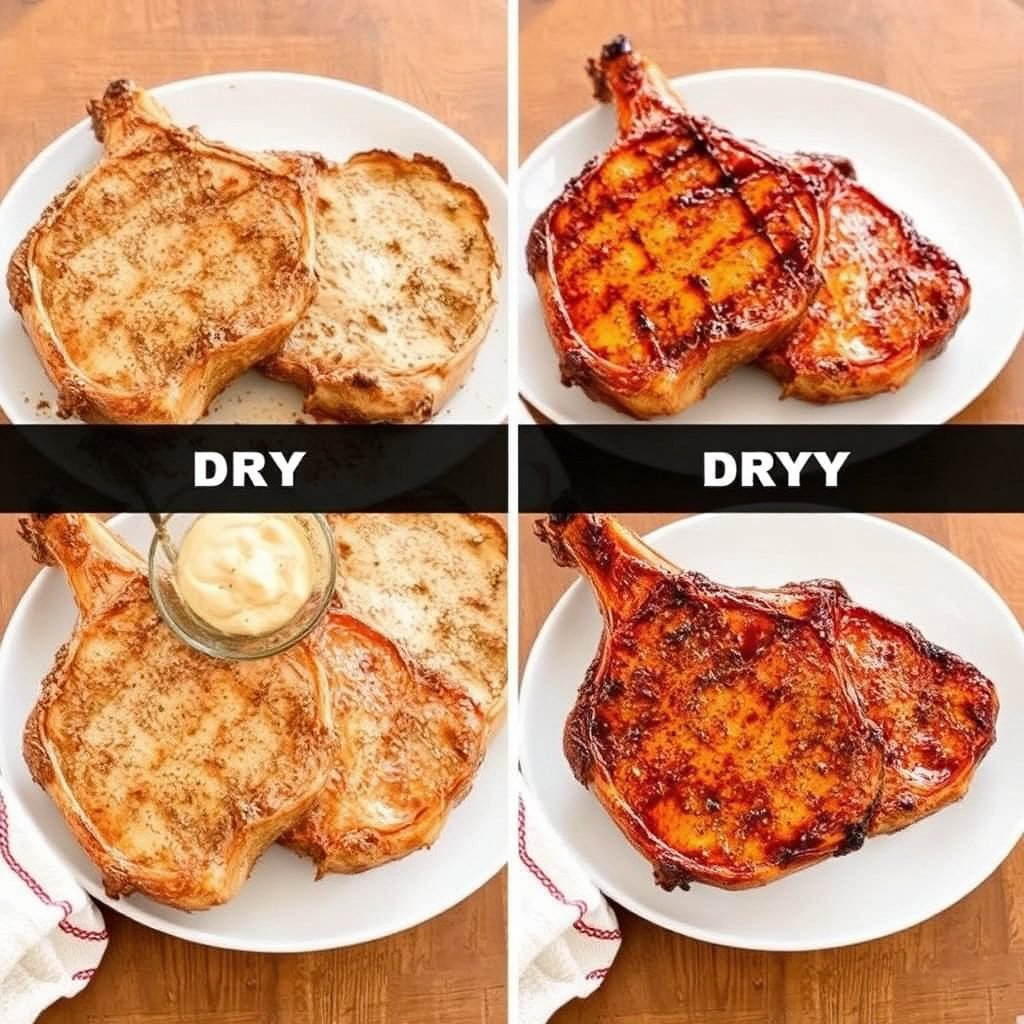
Wet brining uses a saltwater solution, while dry brining involves rubbing salt directly on the meat. Wet brines hydrate, dry brines concentrate flavor and dry the surface for crisp roasting.
Key Takeaways
- Brining pork chops locks in moisture and enhances tenderness.
- Salt concentration and timing are critical to avoid over-salting.
- Rinse and dry chops well after brining before cooking.
- Herbs and spices in brine add subtle, complementary flavors.
Conclusion
Approaching how to brine pork chops effectively involves understanding the balance between salt concentration, timing, and flavoring. The process leverages salt's ability to penetrate and tenderize the meat while enhancing moisture retention. Careful measurement and timing prevent over-brining, saving you from tough or overly salty results. Once mastered, brining opens up consistent opportunities to cook juicy, flavorful pork chops regardless of the method you prefer.
For practical purposes, a simple salt and sugar brine works well for everyday cooking, offering a slight sweetness that pairs nicely with pork. Herb-infused or spiced brines are excellent choices when you want to add complexity to your dish, especially for special meals. If you plan to grill or sear, focus on shorter brining durations and thorough drying for the best sear and caramelization.
Try starting with a basic brine recipe—about 1/4 cup kosher salt and 2 tablespoons sugar per 4 cups of water—and soak your pork chops refrigerated for 1 to 2 hours based on thickness. From there, experiment with different herbs or spices to find your favorite combination. Brining is a simple technique that can transform your pork chops from dry to delicious with minimal extra effort.