How to Cook Chicken Breast on the Stove: A Simple Guide for Juicy Results
Cooking chicken breast on the stove is a quick and straightforward way to prepare a healthy, protein-packed meal. To cook chicken breast perfectly on the stove, start by seasoning it well, then sear each side over medium-high heat for about 6-7 minutes until golden brown and the internal temperature reaches 165°F. Let it rest before slicing to keep it juicy and tender.
This method matters because overcooked chicken breasts often turn dry and flavorless. Stovetop cooking gives you control over the temperature and cooking time, making it possible to get evenly cooked, moist chicken with a delicious golden crust. Unlike baking or grilling, this technique is accessible to anyone with just a pan and a stovetop.
This article will cover how to prepare chicken breast before cooking, stove settings and timing, seasoning tips, resting advice, and simple recipe variations. By the end, you'll be confidently cooking chicken breasts that stay tender and packed with flavor every time.
Preparing the Chicken Breast for Stove Cooking
Selecting and Pounding Chicken Breast
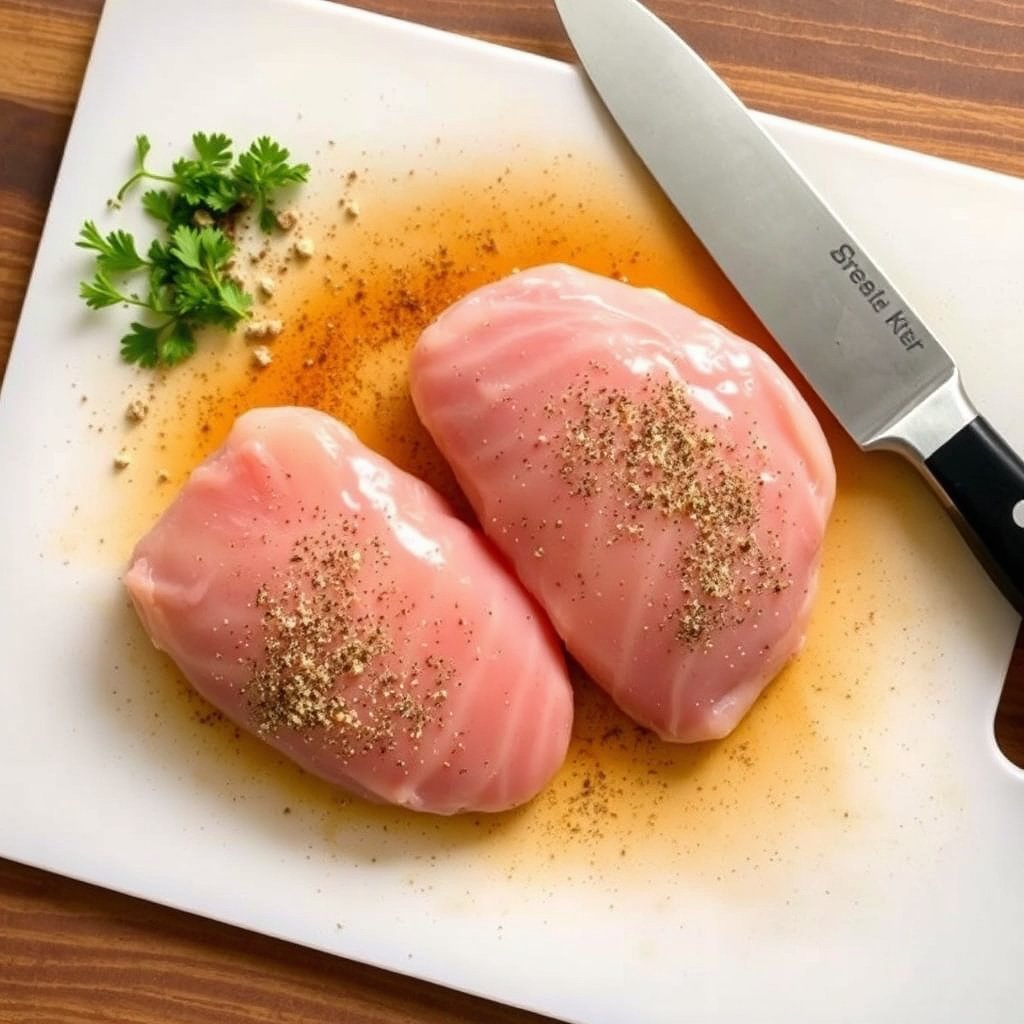
Choose boneless, skinless chicken breasts of similar size for even cooking. To prevent uneven thickness, gently pound the thickest parts with a meat mallet or rolling pin until uniformly flat, about 1/2 inch thick. This helps the chicken cook evenly without drying out thinner edges.
Pounding also tenderizes the meat by breaking down fibers. If skin-on breast is preferred, remove the skin before cooking on the stove or cook skin side down first to render fat and get a crisp texture.
- Use boneless, skinless breasts for faster cooking
- Pound to uniform thickness for even doneness
- Remove excess moisture with paper towels
Seasoning Techniques Before Cooking
Season chicken breasts with salt and pepper at least 15 minutes before cooking. For deeper flavor, add garlic powder, paprika, or dried herbs like thyme or rosemary. Lightly coat with olive oil or melted butter to help spices adhere and promote a golden crust during cooking.
Avoid heavy marinades that add moisture and prolong cooking time. Instead, use a dry rub or simple seasoning mix to maintain the best texture and allow the stove cooking process to brown the surface effectively.
- Salt helps tenderize and enhances flavor
- Oil aids in browning and spice adhesion
- Use simple dry seasonings for best results
Cooking Chicken Breast on the Stove for Juicy Results

Choosing the Right Pan and Heat Level
Use a heavy-bottomed skillet such as cast iron or stainless steel for even heat distribution. Preheat the pan on medium-high heat before adding the chicken to ensure a good sear that locks in juices. Avoid non-stick pans if aiming for a deep golden crust.
Once hot, add a tablespoon of oil with a high smoke point like avocado or canola oil. Medium-high heat cooks chicken quickly without burning, but adjust heat if the chicken browns too fast or blackens.
- Cast iron or stainless steel pans work best
- Preheat pan to get an even sear
- Use high smoke point oil for frying
For more on this, see our related guide: How to Cook Chicken so It Stays Moist: 8 Proven Ways for Juicy Results.
Proper Cooking Time and Checking Doneness
Place the chicken breast in the hot pan and cook undisturbed for 6 to 7 minutes until a golden crust forms. Flip gently and cook the other side for 5 to 6 minutes. The total time depends on thickness but plan for about 12-14 minutes.
Check doneness by slicing the thickest part; juices should run clear, and the internal temperature must reach 165°F (74°C) using a meat thermometer. Overcooked chicken becomes dry, so stop cooking as soon as it reaches the safe temperature.
- Cook 6-7 minutes per side
- Use a meat thermometer to measure 165°F
- Avoid pressing down on chicken while cooking
Advanced Cooking Tips and Flavor Enhancements

Basting and Flavor Boosting Techniques
During the last few minutes of cooking, add butter, garlic, and herbs like thyme or rosemary to the pan. Tilt the pan and use a spoon to baste the chicken breast continuously. This adds richness and infuses subtle flavors into the meat’s surface.
Basting also keeps the chicken moist and forms a glossy finish. Alternatively, deglaze the pan with a splash of white wine or chicken broth after cooking to create a quick sauce.
- Baste with butter and herbs for flavor
- Use pan drippings to make quick sauces
- Add garlic or lemon zest for brightness
Resting and Slicing Techniques
Allow chicken breasts to rest on a cutting board loosely covered with foil for 5 to 10 minutes after cooking. Resting redistributes juices internally, preventing all moisture from escaping when sliced.
Slice against the grain to maximize tenderness and present a better texture. This step makes your cooked chicken breast taste juicier and more palatable.
- Rest chicken for at least 5 minutes
- Cover loosely with foil while resting
- Slice against the grain for tenderness
Simple Stove-Top Chicken Breast Recipe Variations

Garlic Herb Chicken Breast
Season the chicken with garlic powder, parsley, and a pinch of thyme before cooking. Baste with butter and fresh garlic cloves during cooking, then serve topped with chopped parsley and a squeeze of lemon for a bright finish.
This offers a classic, vibrant flavor profile suitable for serving alongside steamed vegetables or rice.
For more on this, see our related guide: How to Make Homemade Alfredo Sauce: Simple Steps and Expert Tips.
Spicy Cajun Chicken Breast
Rub the chicken with a blend of paprika, cayenne, garlic powder, and onion powder for a smoky, spicy kick. Cook on the stove following the same timing and heat method, then rest and slice for tacos, sandwiches, or salads.
This version is a great option if you want to add bold flavors without complex sauces.
Troubleshooting Common Issues with Stove Cooking
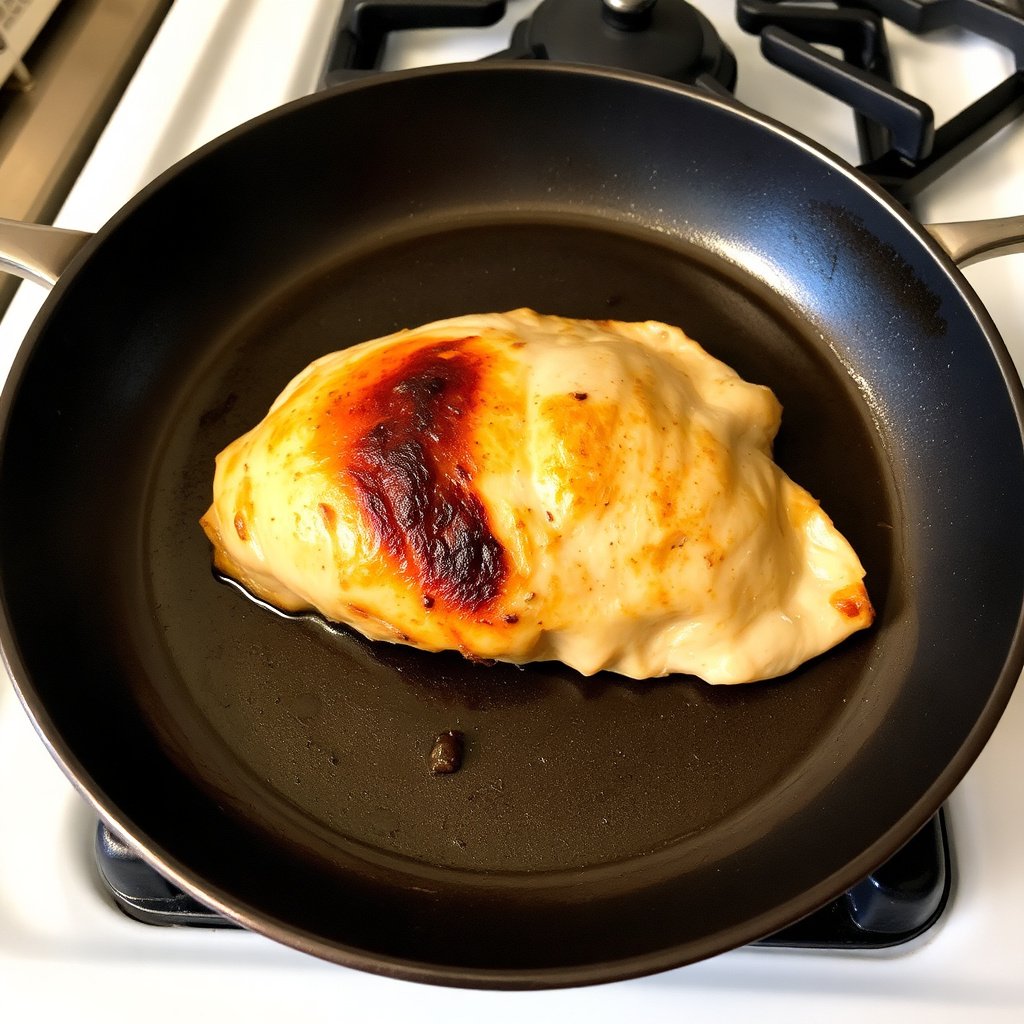
Preventing Dryness and Overcooking
Dry or tough chicken breasts usually result from high heat or overcooking. Maintain medium-high rather than high heat, and rely on a thermometer instead of cooking by sight alone. Removing chicken from heat as soon as it hits 165°F keeps it juicy.
If unsure, cut the breast thinner before cooking or pound it to even thickness to reduce risk.
- Use a meat thermometer to avoid overcooking
- Cook on medium-high, not maximum heat
- Pound chicken evenly for consistent cooking
For further details on chicken breast cooking techniques and safety guidelines, refer to reputable sources like this overview on chicken as food. chicken breast cooking techniques.
Avoiding Sticking and Uneven Browning
Chicken sticking to the pan can tear the surface and ruin appearance. Use enough oil, preheat the pan fully, and avoid moving the chicken too soon after placing it down. Wait for a natural release when the crust forms.
If uneven browning happens, check your heat settings and adjust pan temperature accordingly.
- Preheat pan thoroughly before adding chicken
- Add sufficient cooking oil
- Don’t move chicken too early during searing
Chicken Breast Cooking Methods Comparison
Here’s a quick comparison of popular chicken breast cooking methods with their benefits and considerations.
| Method | Cook Time | Texture | Flavor Development | Equipment Needed |
|---|---|---|---|---|
| Stovetop Searing | 12-14 minutes | Juicy, slightly firm | Excellent crust and flavor | Skillet, stove |
| Baking | 20-30 minutes | Moist but less crust | Milder flavor, less browning | Oven, baking dish |
| Grilling | 8-12 minutes | Charred, smoky | Strong smoky flavor | Grill or grill pan |
| Sous Vide | 1-2 hours | Very tender, even | Less crust unless seared after | Sous vide cooker, pan |
| Frying (Deep or Pan) | 8-10 minutes | Crispy exterior | Rich, fried flavor | Fryer or pan, oil |
Frequently Asked Questions
Can I cook frozen chicken breast on the stove?
Cooking frozen chicken breast on the stove is not recommended because it cooks unevenly and may remain raw inside. It's best to fully thaw chicken breasts before stove cooking for even texture and safety.
What’s the best oil to use for cooking chicken breast on the stove?
Oils with high smoke points such as avocado oil, canola oil, or vegetable oil are ideal for stove cooking chicken breast. They tolerate medium-high heat without burning and help create a nice sear.
How do I know when chicken breast is fully cooked on the stove?
Use a meat thermometer and ensure the thickest part reaches 165°F (74°C). Alternatively, slice into the thickest area; juices should run clear without pinkness.
Is it necessary to rest chicken after cooking on the stove?
Resting chicken breast for 5 to 10 minutes after stove cooking allows the juices to redistribute internally, keeping the meat moist and tender when sliced.
How can I add flavor without making the chicken wet before cooking?
Use dry rubs and sprinkle spices directly on the chicken along with a light coating of oil or melted butter. Avoid heavy wet marinades which can affect searing and texture.
Key Takeaways
- Pound chicken breast to even thickness for consistent cooking
- Cook over medium-high heat in a preheated pan for a perfect sear
- Use a meat thermometer to reach 165°F without overcooking
- Rest the chicken before slicing to preserve its juiciness
Conclusion
Cooking chicken breast on the stove is an accessible method that delivers juicy, flavorful results when done correctly. The key is preparing the chicken by pounding and seasoning it properly, using the right pan and oil, and managing heat carefully throughout the cooking process. Monitoring doneness with a thermometer minimizes dryness and guarantees safety.
For everyday meals, the stovetop method offers a reliable way to make tender chicken breast quickly, perfect for everything from salads to sandwiches. Options like garlic herb seasoning or spicy Cajun rub add variety without fuss. While baking or grilling also produce tasty chicken, stove-top cooking stands out for its balance of speed, flavor, and texture control in a single skillet.
If you want to master chicken breast cooking fast, focus on tempering your heat, seasoning with care, and allowing the meat to rest. This modest investment in technique pays off by elevating simple chicken into a juicy, satisfying centerpiece for countless recipes.