How to Give a Restaurant Gift Card: Simple Steps and Creative Ideas That Work
The best way to give a restaurant gift card is to pick an option that fits the recipient’s dining style and budget, then present it with a personal touch. Consider choosing the right card type, amount, and presentation method to make the gift feel thoughtful and useful. How to give a restaurant gift card is about matching the experience to the recipient, so they enjoy a meal without awkward surprises like having to pay extra or forgetting the card.
This advice is for anyone wanting to give a meaningful dining gift, whether it’s your first time or you want fresh, creative ideas. You’ll learn how to choose between digital or physical cards, set an appropriate amount for the restaurant, personalize your gift, and avoid common pitfalls.
Key Takeaways
- Choose a gift card amount that covers most or all of a typical meal to avoid extra out-of-pocket expenses for the recipient.
- Select from physical cards, digital e-cards, or multi-restaurant networks depending on what the recipient prefers and convenience.
- Personalize the gift card with a note or creative packaging to make it feel special and memorable.
- Plan delivery timing based on how quickly you need the card to arrive and whether you want to send it digitally or by mail.
- Consider bonus promotions like Panera Bread’s $10 bonus card for every $50 purchased to increase the gift’s value.
- Explain tipping expectations clearly if you’re giving a restaurant gift card so the recipient knows how to handle the bill.
How to Give a Restaurant Gift Card That Feels Personal and Thoughtful
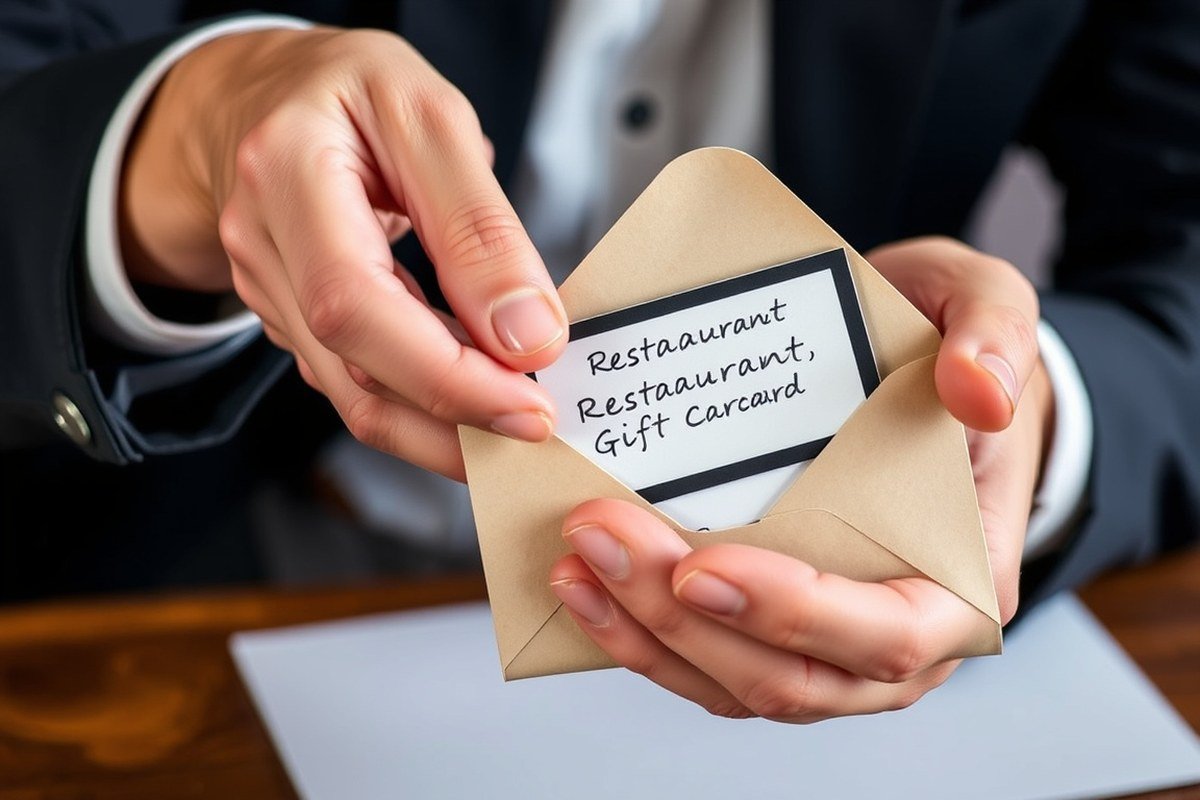
Giving a restaurant gift card that feels personal and thoughtful starts with selecting a place or type of dining experience that matches the recipient’s taste and lifestyle. Choosing a card from a restaurant they already love or one they’ve mentioned wanting to try adds meaning to your gift. For someone who values variety or lives in a larger metro area, a card from a multi-restaurant network covering thousands of options offers more freedom. Deciding whether to disclose the gift card amount depends on the occasion and your relationship. Revealing the amount can set clear expectations for the meal, while keeping it a surprise adds an element of excitement. The most common mistake is loading too little to cover a full, enjoyable dining experience, so aim to at least cover a main course and a drink or appetizer.
Timing also influences how personal your restaurant gift card feels. Popular occasions include birthdays, anniversaries, weddings, and holidays, but spontaneous gifts to celebrate achievements or “just because” moments can be especially memorable. Improving the card with a handwritten note or connecting it to shared memories can make the gift feel more meaningful. For example, pairing a sushi-themed gift card with a small sushi accessory or including photos from a previous restaurant outing personalizes the experience further. Follow these steps to give a restaurant gift card that resonates with your recipient and avoids common pitfalls:
- Research their preferences: Consider their favorite cuisines, dietary restrictions, and dining habits. Choose a restaurant or multi-restaurant card accordingly.
- Select the right restaurant or network: Choose a single-restaurant card if you’re confident they love that spot, or opt for a broad choice gift card for more flexibility.
- Decide on the gift card amount: Don’t load less than $40, $50 unless you know they prefer casual dining; this helps ensure they can enjoy a full meal without out-of-pocket costs.
- Choose presentation options: Include a thoughtful message or themed packaging tied to the occasion or the type of cuisine.
- Decide on amount disclosure: Reveal the card’s value if the occasion calls for transparency, like a milestone birthday; keep it a surprise if you want to create a sense of delight.
- Purchase the card early: Buy in advance to avoid last-minute stress and ensure availability of your desired design or restaurant choice.
- Include a personal touch: Add handwritten notes or related small gifts to connect the card to shared experiences or the recipient’s interests.
- Send or deliver thoughtfully: Choose fast, secure delivery methods or hand-deliver if possible to improve the personal connection.
Following these steps helps guarantee your restaurant gift card provides joy and convenience. Tailoring the gift toward the recipient’s tastes, considering the gift amount carefully, and presenting it with thoughtfulness all contribute to a positive experience. Avoiding cards loaded with insufficient funds or irrelevant dining options prevents frustration and ensures your gift is welcomed and used.
Types of Restaurant Gift Cards: Digital, Physical, and Multi-Restaurant Options

Restaurant gift cards come in several formats: physical cards, digital e-gift cards, and multi-restaurant network cards. Each type has its advantages, affecting how you send the gift, the recipient redeems it, and the overall experience. Choosing the right type depends on convenience, personalization, and where the recipient prefers to dine.
Physical Gift Cards
Physical gift cards are the traditional plastic cards you can hold and gift in person or by mail. They offer a tangible element that many people appreciate, especially when paired with a thoughtful presentation like a card or gift box. These cards often come with a set amount and can sometimes include bonus promotions, such as Panera Bread’s offer of a $10 bonus card for every $50 purchased.
The downside is the risk of losing the card, which leads to unused balances, reports indicate 20% of gift cards go unused, partly due to forgetfulness or misplaced cards. Shipping costs and the time taken for delivery can also delay the gift, especially during busy holiday seasons. However, physical cards are ideal if you want to give a gift right at an event or prefer a traditional gifting style.
Digital e-Gift Cards
Digital gift cards, or e-gift cards, are emailed instantly and can be used by showing a code on a smartphone. These cards are convenient when sending last-minute gifts or when the recipient lives far away. The instant delivery reduces the chance of losing or forgetting the gift, which makes digital cards popular for modern gifting.
Some platforms like GiftYa offer digital cards that cover over 190,000 restaurants and merchants, increasing the recipient’s choices. The ease of purchase and delivery makes digital gift cards very user-friendly for both you and the recipient. These cards typically cost the same as physical ones, but you avoid shipping fees, and you can buy and send them within minutes. The only drawback is that digital cards can feel less personal without a physical item or special packaging.
Multi-Restaurant Network Cards
Multi-restaurant network cards let recipients choose from a variety of restaurants, either through one card brand or a platform connecting multiple dining options. Cards like the Restaurant Choice Gift Card and GiftYa Select provide flexibility, allowing the recipient to pick their favourite restaurant after receiving the gift. This flexibility can reduce guesswork and ensure the gift fits the recipient’s tastes.
The trade-off is that these cards might not feel as personal as cards from a specific restaurant loved by the recipient. They often come digitally, simplifying delivery and redemption. Some networks cover from local spots to national favourites, expanding dining options across regions and even countries, such as cards redeemable throughout the UK or the US.
| Type | Delivery Speed | Personal Touch | Risk of Loss | Flexibility of Use | Bonus Offers | Examples |
|---|---|---|---|---|---|---|
| Physical Gift Card | Days (mail traffic) | High (tangible card) | High (easy to misplace) | Usually Restaurant-specific | Yes (e.g., Panera Bread $10 bonus per $50) | Panera Bread physical card, local restaurants |
| Digital e-Gift Card | Minutes (instant email) | Moderate (no physical card) | Low (stored on phone/email) | Varies from Restaurant-specific to Multi | Sometimes available | GiftYa, DoorDash, Panera e-gift |
| Multi-Restaurant Network Card | Minutes (instant email) | Lower (less personal to one restaurant) | Low (digital or centralized system) | High (multiple restaurant options) | Varies by platform | GiftYa Select, Restaurant Choice Gift Card |
This table helps compare the key features and trade-offs among restaurant gift card types, guiding practical choices based on your needs and the recipient’s preferences. For example, send an instant email gift card when timing matters most, or choose a physical card for a special occasion presentation.
Tip: To avoid unused cards, confirm the recipient’s preferred dining style and check if digital formats suit their tech comfort level before buying.
Choosing the Right Gift Card Amount for Different Dining Experiences
Choosing the right restaurant gift card amount depends on the dining experience you want to gift and the occasion. Think about typical meal costs, including appetizers, entrees, drinks, and tip, to avoid leaving the recipient with out-of-pocket expenses. Many restaurants have minimum gift card amounts and offer bonus credits when you spend more, which can influence the best value for your budget.
Casual Dining Amounts
Casual dining gift cards often fall between $25 and $50. This budget typically pays for a single meal or a shared starter and main course for two at many well-known casual eateries or chain restaurants. Spending $25 suits an individual meal or light fare, while $50 allows for extras such as drinks or dessert.
Numerous casual dining chains release bonus deals around busy seasons. For instance, buying a $25 IHOP gift card near the holidays might come with a $5 bonus card to use later. These promotions add value to the gift cards and help prevent recipients from having to pay additional costs.
Mid-Range Dining Amounts
For mid-range dining, gift cards from $50 to $100 are common. This range comfortably covers an entrée and appetizer or drinks for two guests. It’s a popular choice for birthdays or casual celebrations and helps avoid awkward moments when the bill comes.
A few restaurants use tiered gifting incentives worth knowing. Red Robin, for instance, offers $5 bonus bucks for $30 spent, $10 for $50, and $25 for $100 gift card purchases. Opting for $50 or $100 gift cards maximizes your bonus credits, giving the recipient more value and improving their dining experience.
| Gift Card Amount | Typical Dining Coverage | Possible Bonus |
|---|---|---|
| $25 | Casual meal for one or light sharing | $5 bonus at IHOP holiday promotion |
| $30 | Casual meal with appetizer | $5 bonus bucks at Red Robin |
| $50 | Appetizer and entrée for two, casual to mid-range | $10 bonus bucks at Red Robin, $10 bonus card plus 20% VIP card at franchise favorite |
| $100 | Generous meal for two including drinks or dessert | $25 bonus bucks at Red Robin, $20 bonus card plus 20% VIP card at franchise favorite |
| $150+ | A dinner for two at a fine dining spot, including wine and tip, is a classic choice for marking special occasions. | Some restaurants may offer limited bonus promotions |
This table shows typical gift card amounts related to dining styles and highlights bonus promotions that tweak your purchasing decisions. Taking advantage of these offers can stretch your dollar and help avoid extra costs for your recipient.
Fine Dining Amounts and Bonuses
Gift cards for upscale dining typically begin near $150 and can go beyond $250. This amount covers a celebratory meal for two, wine included, plus gratuity. Choosing a card in this price range lets recipients enjoy the experience fully without needing extra money.
Although fewer fine dining restaurants run large bonus promotions compared to casual chains, some holiday offers give additional credits based on your spending. For example, spending over $500 in gift cards can earn a Bonus eGift Card worth 10% of your order total, which could apply to several fine dining experiences combined.
When choosing the amount, consider the occasion and your relationship to the recipient. A higher gift card amount may feel more appropriate for a milestone celebration or anniversary, creating a more memorable and indulgent experience.
Creative Ways to Personalize and Present Restaurant Gift Cards
Making restaurant gift cards feel special goes beyond handing over a piece of plastic or a code. Adding a personal touch or creative presentation can improve the gift, showing thoughtfulness and making the experience memorable. Thoughtful pairing with other items can also improve the impact and create a complete dining gift experience.
Adding Personal Messages or Custom Designs
Personal messages and custom designs turn a restaurant gift card into a unique keepsake that reflects the recipient’s taste and your connection. Many restaurant gift card services allow you to add a handwritten note or a typed message during purchase, which the recipient sees alongside the card. Some platforms, such as those powered by Rezku, provide tools to customize the card’s look with themes, photos, or logos, matching the restaurant’s vibe or the occasion.
Including a heartfelt message adds warmth. For example, write: “Looking forward to sharing a cozy dinner at your favorite spot. Enjoy every bite!” The cost for adding a message or design usually comes with no extra fee or a small customization charge of $1 to $5 depending on the provider. Ensure your message fits within the character limits, often around 200-300 characters.
Creative Presentation Ideas
Presenting the gift card uniquely makes the moment more exciting and shows extra effort. Avoid just slipping the card into a plain envelope. Instead, consider packaging ideas that tie into the restaurant’s cuisine or theme.
- Place the card inside a mini takeout box or food container that echoes the restaurant’s style.
- Attach the card to a small bouquet of fresh herbs like basil or rosemary for a vibrant scent.
- Include it in a folded napkin or menu replica from the restaurant for a themed presentation.
- Use a decorative tin or box with seasoning packets or gourmet salts associated with the restaurant.
- Print the gift card code on a puzzle or scavenger hunt notes leading the recipient to the card.
- Wrap the card in a cloth napkin or kitchen towel featuring restaurant colors or patterns.
- Place it in a greeting card designed to look like a restaurant menu with your written wishes.
These options generally require $5 to $15 extra in materials, depending on how elaborate the wrapping or props are. The payoff is higher perceived value and a memorable reveal that connects directly to the dining experience awaiting the recipient.
Pairing Gift Cards with Additional Gifts
Combining a restaurant gift card with related items enriches the gift and shows attention to the recipient’s interests. Foodies, for example, appreciate sets that complement their upcoming meal or encourage culinary creativity. Here’s how to pair thoughtfully:
- Italian restaurant card with a premium pasta maker or olive oil set.
- Steakhouse card paired with a quality meat thermometer or spice rub.
- Sushi restaurant gift card bundled with a sushi rolling kit or chopsticks set.
- Farm-to-table restaurant card with a cookbook featuring seasonal recipes or local ingredients.
- Breakfast diner card combined with a coffee sampler or a French press.
- Cooking class voucher matching the restaurant’s cuisine alongside the gift card.
Pairings like these usually add $10 to $50 depending on the item chosen. They make the gift feel more personal and encourage the recipient to enjoy the moment beyond the dining itself. Avoid overdoing it with expensive extras unless you know the recipient well, to keep the gift balanced and meaningful.
Timing and Delivery: How to Send Restaurant Gift Cards Quickly and Securely
Sending restaurant gift cards quickly and securely depends on your chosen delivery method: digital or physical. Digital gift cards, often called e-gift cards, can be sent instantly by email. This method is ideal for last-minute gifts or long-distance recipients. Physical gift cards require mailing, which typically takes 3 to 7 business days depending on your shipping option and location.
Choosing digital delivery means the recipient usually gets the card within minutes. Many restaurants support instant download or email delivery, and your recipient can check their balance online anytime. This fast, trackable option reduces the risk of loss or theft compared to mailing a physical card.
Mailing physical cards can add a personal touch, especially when presented in a card or gift box. However, postal delays, misdelivery, or damage can occur. Plan several days ahead, consider tracked shipping for high-value cards, and package the card securely. The cost of mailing varies but is usually a few dollars depending on weight and shipping speed. Follow these steps to send your restaurant gift card safely and efficiently:
- Choose the delivery method: Decide between an e-gift card sent by email or a physical card mailed through the postal service.
- Purchase the gift card: Use the restaurant’s official website or trusted retailer to avoid scams.
- For digital delivery, enter the recipient’s email carefully to prevent mistakes and enable instant receipt.
- For physical cards, buy early enough to allow 3 to 7 business days for mailing.
- Protect the physical card: Place it in a sturdy envelope or gift packaging with tracking if the value is high.
- Verify delivery: Track your shipment or confirm the recipient received the e-gift via follow-up.
- Warn the recipient to confirm the card balance: Encourage them to check balances online or by phone before using it.
Never buy gift cards from unofficial third parties or online marketplaces; these can be scams and result in lost money or invalid cards.
Avoid common mistakes like mistyping the recipient’s email or sending a physical card without secure packaging. Digital gift cards cost no shipping fee and arrive instantly but lack the tactile surprise of a physical card. Mail delivery takes longer but adds a personal element. Balancing speed, security, and presentation will help your gift card arrive on time, intact, and ready to enjoy.
Understanding Tipping and Billing When Using Restaurant Gift Cards
When paying with a restaurant gift card, the tip should be based on the total service amount, not just the portion you pay out of pocket. For example, if your bill is $100 and you use a $50 gift card, you should tip on the full $100, not just on the $50 you cover yourself. Tipping on the total bill respects the service staff and reflects the level of service you received.
Before asking for the check, let your server know you plan to pay with a gift card and that you intend to include a tip. This helps them enter the payment correctly in the point-of-sale system, avoiding confusion or delays. Some restaurants may have policies on how gift cards and tips are processed, so this heads-up keeps everything smooth.
When the bill goes over your gift card balance, just cover the remaining amount with another payment method like cash or credit card. For instance, if your bill is $60 and your gift card covers $50, you will pay the remaining $10 yourself. Servers typically handle this easily, splitting the payment between the gift card and your other payment method.
In contrast, if your meal costs less than the gift card value, the leftover balance stays on the card for future visits. It helps to jot down the remaining amount on the back of the card or on the receipt that often accompanies it to keep track. This way, you won’t forget how much is left for another meal.
Occasionally, some restaurants may not allow tipping on a gift card at all or might require a separate payment method for the tip. When that happens, you can leave a cash tip or add it to a credit card. Ask the server about their tipping policy when you mention using the gift card. Tipping on the card might not be an option, so use cash or card to make sure the staff gets the right tip.
Using a gift card that covers the full meal, including tax and tip, creates a smoother experience since you won’t have to handle multiple payments or worry about additional charges. But even when you partly pay with a gift card and partly out of pocket, just remember to tip on the full bill amount. This approach maintains fair tipping and avoids awkward conversations at the end of the meal.
Clear communication with the server goes a long way. You might say, “I’m paying with a gift card and would like to include the tip on it if possible. Can you let me know if that works with your payment system?” This simple script helps you understand their process and avoid surprises during checkout.
Using Popular Bonus Promotions and Seasonal Offers with Restaurant Gift Cards
You can increase the worth of a restaurant gift card by tapping into common bonus promotions and special seasonal deals. Restaurants often offer perks like extra bonus cards, festive packaging, or sale prices near big holidays. For instance, Outback Steakhouse offers two $10 bonus cards whenever you buy $50 or more in gift cards during the holiday period. Such offers add more value to your gift and might also let you enjoy an added bonus yourself.
Bulk purchases often come with discounts or special packages, making them a smart choice for corporate gifts or group presents. Restaurants see corporate dining gift cards as key employee appreciation and client gifting tools, so they often have dedicated sales or bonus offers for large orders. Checking with the restaurant’s gift card department or official website can reveal current bulk discount opportunities.
You can combine gift card purchases with other promotions, such as themed gift boxes or experience packages. For instance, some restaurants offer gift boxes that include a gift card plus items that reflect their cuisine or ambiance, like spices or small kitchen tools. Pairing the card with a relevant item adds thoughtfulness and can turn the gift into a full dining experience. Bonefish Grill’s frequent seasonal specials on fish and sides, combined with a gift card, make a timely present that feels tailored. Here is a checklist to help you maximize value when buying restaurant gift cards:
- Check for ongoing bonus card promotions, like extra value with $50 or $100 purchases.
- Look for holiday or event-themed packaging at no added cost for easier gift presentation.
- Inquire about bulk discounts if buying gift cards for multiple recipients.
- Explore restaurant websites or newsletters for limited-time discount pricing, such as $90 for a $100 gift card.
- Consider pairing the gift card with related gift items or experiences from the restaurant.
- Time your purchase around key holidays or restaurant promotions to maximize bonuses.
- Verify the terms of bonus cards or promotions, including expiration dates, to avoid surprises.
Maximizing these offers takes a bit of planning. Start by checking the restaurant’s official gift card page or signing up for their email alerts. Holiday seasons usually bring the best bonus deals, but occasional flash sales or corporate promotions occur throughout the year. Remember to confirm whether bonus cards are usable immediately or after the initial card is redeemed. Taking these steps helps you give a gift card that offers more dining value without extra cost to you.
Avoiding Common Mistakes When Giving Restaurant Gift Cards
Giving a restaurant gift card requires more thought than just picking one off the shelf. A top mistake is choosing a card for a restaurant the recipient rarely visits or doesn’t like. This results in unused or unwanted cards, which can frustrate the recipient and waste your gift budget. To fix this, pick a restaurant they enjoy or opt for a multi-restaurant or general dining gift card, usable at thousands of locations nationwide. That way, they have flexibility.
Another common pitfall is setting the gift card amount too low. A $10 or $15 card might not cover much beyond a drink or small appetizer, and it risks feeling like an afterthought. Choose an amount that allows for a full meal or a generous portion of the menu, often starting around $25 to $50. For example, $50 at a casual dining spot usually covers a complete meal for one, sometimes two.
Not addressing tipping etiquette can also cause awkwardness. Recipients should remember that gift cards typically don’t cover tips. Including a small cash amount or a note reminding them about tipping ensures the experience remains positive for servers. Some digital platforms even allow you to add a tip portion when redeeming, so check those possibilities.
- Giving a card for a restaurant far from the recipient’s location, choose local or chain restaurants they frequent.
- Selecting a single-restaurant card without knowing their tastes, use multi-restaurant gift cards for flexibility.
- Loading a gift card with too little money, budget at least $25-$50 to cover a meaningful dining experience.
- Forgetting about tips, add a note or extra cash to help with gratuity.
- Not checking the gift card expiration or fees, verify terms to avoid surprises.
- Keeping the gift amount secret, which might confuse or disappoint, clearly disclose the value.
Unused gift cards can sometimes be exchanged or returned if allowed by the issuing restaurant or platform, so read the terms before buying. For cards you suspect might go unused, consider planning a meal together or suggesting they combine it with other gifts. Transparency about the gift amount usually helps. It avoids confusion and lets recipients plan their visit accordingly.
Always check the expiration date and any fees before purchasing to prevent losing value on a gift card.
Revealing the gift amount depends on your relationship and context. Some prefer to keep it private for surprise or politeness, but most people appreciate knowing the amount to plan their dining. You could say: “Here’s a gift card worth $50 so you can enjoy a nice meal on me.” This simple disclosure sets clear expectations and avoids awkwardness at checkout.
Step-by-Step Action Plan for Giving a Restaurant Gift Card
Follow this easy plan to select, personalize, and deliver your restaurant gift card smoothly and thoughtfully.
- Before Purchase: Decide on the type of gift card (digital, physical, or multi-restaurant) based on the recipient’s preferences and convenience. You’ll know it worked when you feel confident the card suits them.
- Day 1: Choose the right gift card amount according to the dining experience you want to offer, such as $25 for casual meals or $75 for specialty dinners. Confirm by checking if the amount covers a typical meal plus tip.
- Day 1: Personalize the gift card with a handwritten note or a themed card holder reflecting the recipient’s taste. Success is seeing a thoughtful touch that matches their style or interests.
- Day 2: Plan how to give the card, consider mailing it securely, handing it over in person, or sending it via email with a scheduled delivery. Verify by tracking or confirming receipt.
- Dining Day: Remind the recipient about tipping etiquette and how to use the card to cover partial or full bills. They’ll know it worked if they feel comfortable and prepared at the restaurant.
- Within 1 Month: Encourage the recipient to check for any bonus promotions or seasonal offers when redeeming the gift card. Confirm by finding at least one deal that adds value.
- After Use: Ask for feedback on their dining experience and how the gift card fit their plans. This helps you improve future gift-giving occasions.
Frequently Asked Questions
Can You Add a Personal Message to a Restaurant Gift Card?
Yes, many physical and digital restaurant gift cards allow you to include a personal message, making the gift more thoughtful. Checking with the provider before purchasing ensures your card can be customized this way.
What Should You Consider If the Recipient Lives Far Away?
Choose a digital or widely accepted multi-restaurant gift card that can be used near the recipient’s location. This ensures they can enjoy the gift without travel inconveniences or shipping delays.
Is It Okay to Gift a Restaurant Gift Card for a Group Meal?
Yes, a restaurant gift card is great for group meals, but pick one with a higher balance to cover multiple people comfortably. This prevents the recipient from having to add extra money out of pocket.
How Can You Make a Restaurant Gift Card Feel More Special?
Pair the gift card with related items such as a cookbook or dinnerware that matches the restaurant’s cuisine. This adds a personal touch beyond just handing over the card.
Are Restaurant Gift Cards Reloadable?
Some restaurant gift cards are reloadable, but this varies widely by brand and provider. Confirm the card’s terms so you don’t gift one that can’t be topped up for future use.
What Should You Do If You Don’t Know the Recipient’s Favourite Restaurant?
Opt for a multi-restaurant gift card or a service like DoorDash. These options offer broad choices, ensuring the recipient can find something they like nearby.
Final Thoughts
Giving a restaurant gift card with care shows you value the recipient’s tastes and desires. Taking small steps, like choosing the right type and amount and adding a personal touch, can make your gift stand out. Start today by picking the perfect card for someone you want to treat to a great meal.