What Should Freezer Temp Be Set At for Safe and Efficient Storage?
The ideal temperature for your freezer should be set at 0°F (-18°C) to keep food safely preserved and maintain its quality. At this temperature, bacterial growth is significantly slowed, preventing spoilage and ensuring your frozen foods remain safe to eat over long periods.
Setting the freezer temperature correctly matters because it balances food preservation with energy efficiency. If the temperature is too high, food can thaw and spoil, while too low a temperature might cause frost buildup and waste electricity. Achieving the right temperature helps you avoid food waste and keeps your freezer running smoothly.
This article will explore how to set and monitor your freezer temperature, explain why 0°F (-18°C) is recommended, review factors that affect freezer temperatures, and provide tips on maintaining optimal freezer conditions for different types of frozen items.
Understanding the Ideal Freezer Temperature

Why 0°F (-18°C) Is the Recommended Setting
The USDA and food safety organizations recommend setting your freezer to 0°F (-18°C) because this temperature halts bacterial growth and preserves food quality for extended periods. At this setting, most foods retain nutrients, texture, and flavor without risk of spoilage.
Freezing below 0°F doesn't necessarily improve food quality but can increase energy consumption and cause ice buildup. Temperatures above 0°F can lead to partial thawing and refreezing, which damages texture and increases health risks.
How Freezer Temperature Affects Food Safety and Quality
Maintaining the correct freezer temperature prevents the growth of dangerous bacteria that cause foodborne illnesses. Proper freezing maintains the fresh state of meat, vegetables, and prepared meals by slowing enzymatic reactions that degrade food over time.
When temperature fluctuates above the safe zone, food can partially thaw, then refreeze, causing ice crystals that damage texture and lead to freezer burn. Consistent freezing conditions are key to keeping food safe and appetizing.
How to Set and Monitor Your Freezer Temperature

Using Built-In Thermostats and Displays
Most modern freezers come with a built-in thermostat and digital display that indicates the current temperature inside. Adjust these controls to set your freezer to 0°F (-18°C). If no digital reading is available, set the dial to the recommended setting according to the user's manual.
Regularly checking the built-in temperature display helps detect deviations. Some models also have alert systems to notify if the temperature rises above safe levels, which is useful for preventing unnoticed thawing.
Using External Thermometers for Accuracy
An external freezer thermometer placed inside the freezer is the most reliable way to confirm the actual temperature. Mechanical or digital options are available, and they provide accurate readings independent of the freezer's built-in thermostat.
Checking the thermometer weekly ensures the freezer maintains the optimal 0°F (-18°C). Calibration or adjustments may be necessary if readings differ from the built-in display.
- Place thermometer in the coldest part of freezer
- Avoid placing near door or vents
- Check readings regularly
Factors That Influence Freezer Temperature Stability

Impact of Door Opening Frequency and Duration
Opening the freezer door frequently or leaving it open for long periods causes cold air to escape while warm air enters, increasing the internal temperature temporarily. This can cause food to partially thaw and refreeze.
Limiting door openings, closing doors promptly, and organizing items to minimize searching can help sustain a stable temperature close to 0°F (-18°C).
- Organize items for quick access
- Avoid keeping door open unnecessarily
- Limit number of door openings per day
Influence of Ambient Temperature and Location
Freezers located in garages, basements, or areas without climate control may experience temperature fluctuations due to extreme heat or cold outside. This can force the freezer to work harder to maintain the recommended temperature, possibly causing inconsistencies.
Placing the freezer in a temperature-controlled space with proper ventilation helps maintain a consistent internal temperature, protecting food quality and reducing energy consumption.
- Keep freezer away from direct sunlight or heat sources
- Ensure adequate ventilation around the unit
- Avoid placing freezer in unheated or uncooled spaces
Adjusting Freezer Temperature for Different Needs
Temperature Settings for Long-Term vs. Short-Term Storage
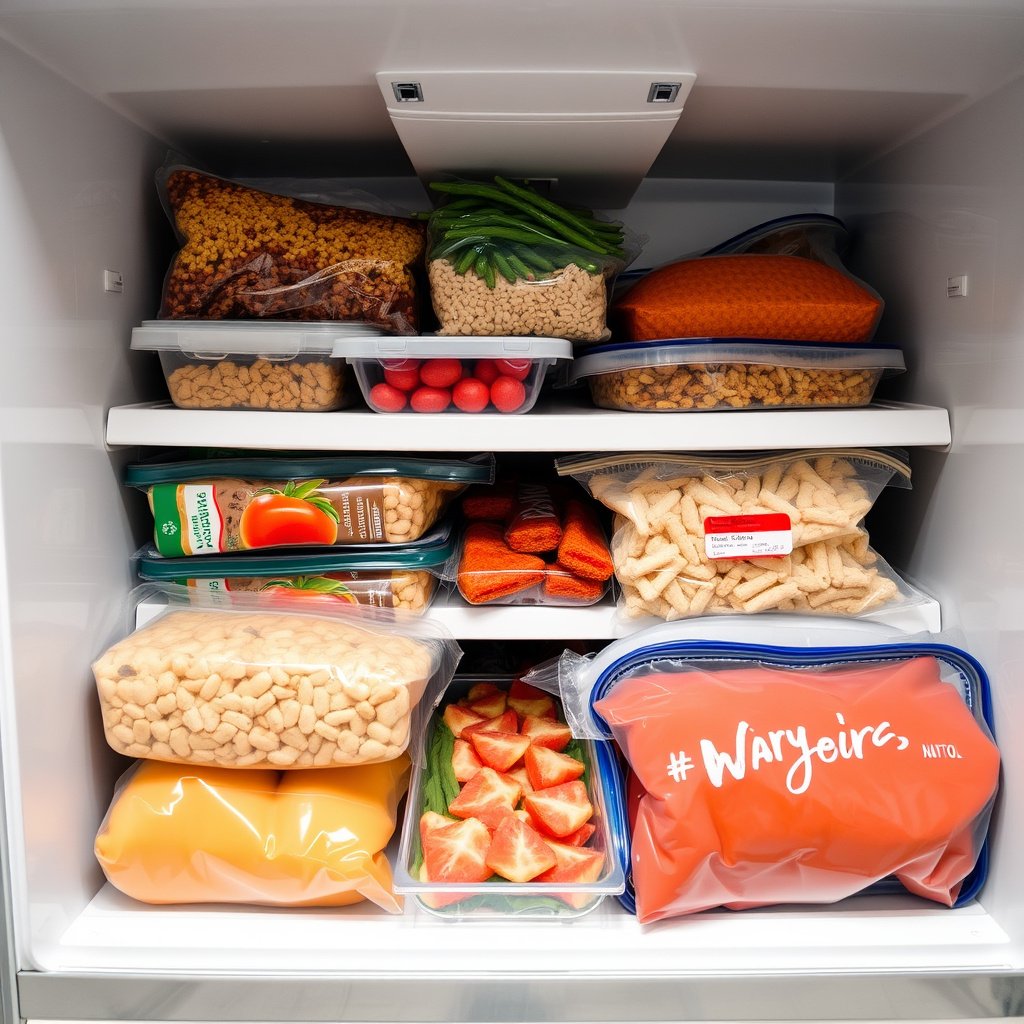
For long-term storage beyond several months, maintaining 0°F (-18°C) is vital to preserve nutrient content and prevent freezer burn. For short-term storage, temperatures slightly below 0°F can be acceptable but offer no significant benefit.
Avoid setting temperatures too low as this may reduce efficiency and increase frost buildup without improving food safety.
Adjusting for Specific Food Types
Certain foods, such as ice cream or delicate seafood, may benefit from slightly colder temperatures (around -10°F or -23°C) to maintain texture and reduce ice crystal formation. However, the general safe temperature remains 0°F for most items.
Vegetables and fruits are best blanched and quickly frozen at standard temperatures to preserve quality. Knowing your freezer's temperature helps tailor storage to food type.
Maintaining Your Freezer for Consistent Temperature

Cleaning and Defrosting Practices
Regular cleaning removes frost buildup that hinders airflow and temperature consistency. Manual defrosting or using frost-free models reduces ice accumulation, which helps maintain the ideal temperature.
Inspect door seals for damage to prevent air leaks. Replace worn seals promptly to keep cold air inside and avoid temperature fluctuations.
- Check and clean door gaskets monthly
- Defrost freezer annually if not frost-free
- Remove excess ice buildup
Energy Efficiency Tips While Maintaining Temperature
Keeping the freezer relatively full helps maintain temperature because frozen items store cold and reduce temperature swings. Conversely, overstuffing can block vents and reduce efficiency.
Avoid setting the freezer temperature excessively colder than 0°F, as this wastes energy without improving food safety. Regular maintenance and temperature monitoring optimize performance.
- Keep freezer at 0°F (-18°C)
- Maintain moderate fullness
- Seal leaks and keep gasket in good condition
Troubleshooting Temperature Issues in Your Freezer

Common Causes of Temperature Fluctuations
Temperature inconsistencies often arise from frequent door openings, faulty door seals, improper thermostat settings, or mechanical malfunctions. Poor ventilation around the freezer can also cause the compressor to overheat and fail to maintain cold air.
Identifying these causes early prevents food spoilage and loss by maintaining the correct freezer temp.
For official guidelines and food safety tips, refer to freezer temperature recommendations by the USDA. freezer temperature recommendations by the USDA.
Steps to Fix Temperature Problems
First, verify the temperature with an external thermometer and adjust the thermostat to 0°F if needed. Next, check and replace seals, clean coils, and ensure adequate ventilation. If problems persist, consult a professional technician to inspect the compressor and control systems.
Timely maintenance helps extend freezer life and keeps foods safe at the correct temperature.
Freezer Temperature Settings Category Comparison
This table compares common freezer temperature settings based on food safety, energy use, and suitability for various storage durations.
| Temperature | Food Safety | Energy Efficiency | Best For |
|---|---|---|---|
| 0°F (-18°C) | Excellent preservation, prevents spoilage | Good balance, standard recommendation | Most frozen foods, long-term storage |
| -10°F (-23°C) | Very good, slight extra protection for texture | Uses more energy | Delicate foods like ice cream, seafood |
| Above 0°F | Risk of partial thawing and spoilage | Lower energy but unsafe | Not recommended for frozen food |
| Below -10°F | No extra food safety benefit | Higher energy use, frost buildup risk | Rarely needed, specialty uses only |
Frequently Asked Questions
Can I set my freezer colder than 0°F for better preservation?
Setting the freezer colder than 0°F generally doesn't improve food safety or preservation noticeably, but it increases energy consumption and frost buildup, which can reduce efficiency.
How often should I check my freezer temperature?
It's ideal to verify the freezer temperature at least once a week with an external thermometer to confirm it stays at 0°F (-18°C) consistently.
What happens if my freezer temperature rises above 0°F?
Temperatures above 0°F can cause partial thawing of food, leading to texture damage, freezer burn, and increased risk of bacteria growth.
Does a full freezer keep food colder than a mostly empty one?
Yes, a fuller freezer retains cold better because the frozen items stabilize the temperature, reducing fluctuations compared to a mostly empty freezer.
Is using a freezer thermometer necessary if my freezer has a built-in display?
An external freezer thermometer provides the most accurate measurement and can confirm whether the built-in thermostat displays the correct temperature.
Key Takeaways
- Set your freezer to 0°F (-18°C) for safe, efficient food storage.
- Use an external thermometer to monitor actual freezer temperature.
- Minimize door openings and maintain seals to avoid temperature swings.
- Adjust storage and maintenance habits to maintain consistent freezing conditions.
Conclusion
Selecting the right freezer temperature hinges on balancing food safety, preservation quality, and energy efficiency. Keeping your freezer at the recommended 0°F (-18°C) effectively halts bacterial growth, retains food nutrients and texture, and avoids the risk of thawing and refreezing cycles that degrade food quality. Regularly checking and adjusting the freezer temperature, using accurate tools like an external thermometer, ensures that temperature control is maintained and your frozen goods remain in the best condition possible.
For everyday consumers, standard freezers set at 0°F are sufficient for most food types and storage durations. If you frequently freeze delicate items like ice cream or seafood, considering a slightly colder setting around -10°F might help maintain texture, although the trade-off in energy use should be weighed carefully. Maintaining freezer seals and controlling the freezer environment by keeping it in a cool, well-ventilated space also helps stabilize temperature. These practices keep your appliance running efficiently and extend its useful life.
Finally, for those seeking to optimize their freezer use, begin by confirming the current temperature with an external thermometer and adjusting to 0°F if necessary. Reduce door opening frequency, keep items organized for quick access, and schedule regular cleaning to prevent frost buildup. If persistent temperature issues arise, consult a qualified technician. By committing to these steps, you ensure your freezer works effectively to keep your food safe, fresh, and ready whenever you need it.