How Wide Is a Kitchen Sink? The Complete Answer
Finding the perfect kitchen sink size can feel overwhelming. Many people struggle with choosing a sink that fits well and meets their needs. You’re not alone—getting it right makes a big difference in your daily routine.
You’ll find kitchen sinks typically range from 22 to 36 inches wide, depending on your space and cooking needs. Smaller sinks (22-24 inches) fit compact kitchens or light cooking, while mid-sized ones (25-30 inches) suit most households.
Larger sinks (33-36 inches) work best for heavy cooking or double bowls. Matching your sink width to countertop depth and cabinet size guarantees a smooth fit and easy plumbing.
Keep exploring to uncover how style, installation, and functionality all come into play.
Key Takeaways
- Standard kitchen sink widths range from 22 to 33 inches, fitting most countertop depths of 25 to 27 inches.
- Single bowl sinks are usually 22 to 33 inches wide, while double bowl and farmhouse sinks go from 30 to 36 inches.
- The width of your sink should match your base cabinet size and plumbing layout. This helps avoid costly modifications and ensures a proper fit.
- For heavy cooking, wider sinks between 33 and 36 inches are a good choice. If you mainly do light use, sinks under 22 inches might be enough.
- You can find kitchen sinks at home improvement stores, online marketplaces, or specialty kitchen retailers. They offer a variety of sizes and styles to suit your needs.
What Is the Standard Kitchen Sink Width?
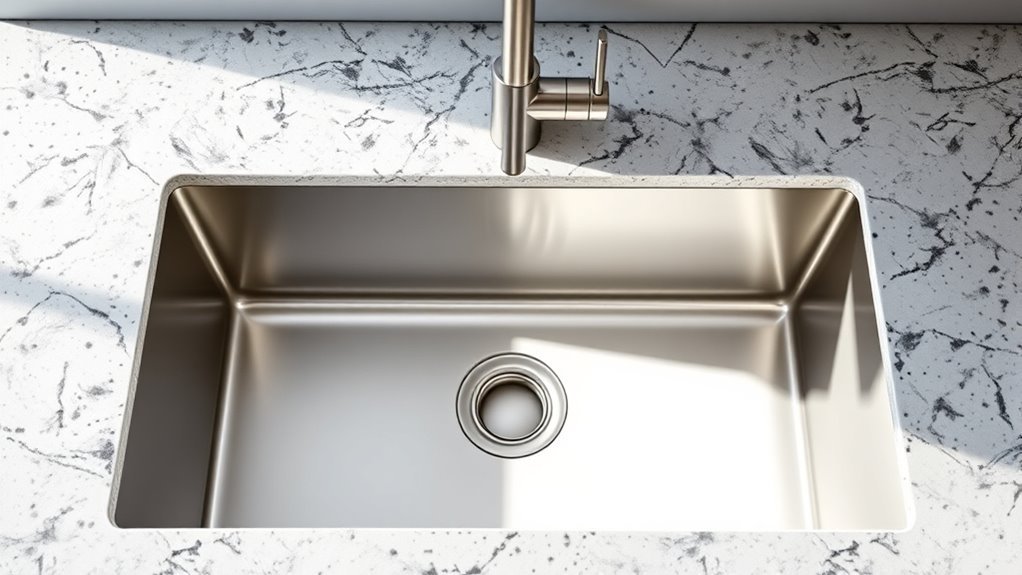
Most standard kitchen sinks measure between 22 and 33 inches wide, fitting comfortably within typical countertop spaces. When choosing your sink size, consider your available countertop width and cabinet size to ensure a good fit.
Most countertops are about 25 to 27 inches deep, so a sink that’s too wide can cause installation problems or reduce your workspace. It’s important to measure your space carefully before buying to avoid surprises during installation.
Countertop depths of 25 to 27 inches mean oversized sinks may hinder installation and limit workspace.
Your choice of sink also depends on plumbing connections and mounting style—whether undermount, drop-in, or farmhouse. These factors affect the sink’s effective width and how well it integrates with your countertop.
Sticking to the standard range of 22 to 33 inches makes installation easier and keeps your kitchen functional. Some sinks outside this range exist for special needs, but generally, this size range works best.
Balance size and usability to make the most of your kitchen sink. Proper measurement and planning will help you select a sink that fits well and suits your needs.
How Kitchen Sink Width Differs by Configuration and Style
You’ll see that single and double bowl sinks usually come in different widths to suit various needs and spaces. For example, a double bowl sink might be wider to accommodate multiple tasks at once, while a single bowl is often more compact and easier to fit into smaller kitchens.
Farmhouse sinks tend to have a wider, more prominent look, making them a real statement piece in your kitchen. On the other hand, undermount styles are generally sleeker and more compact, giving your space a modern and streamlined feel. Knowing these differences can really help you pick the perfect sink that fits both your kitchen’s layout and your style preferences.
Single vs. Double Bowls
When choosing between single and double bowl kitchen sinks, the width is really important for fitting your space and meeting your needs. Single bowl sinks usually range from 22 to 33 inches wide and are great for washing large pots.
Double bowl sinks typically measure between 30 and 36 inches wide to fit two separate basins. Your choice depends on your style preference and how much space you have on your counter.
Keep in mind that bowl depth also matters. Deeper bowls hold more water and dishes, but they might require a wider cabinet base. Double bowls are often a bit shallower to fit within standard cabinet widths.
Farmhouse Versus Undermount
Although both farmhouse and undermount sinks serve the same basic purpose, their widths vary quite a bit because of their design and installation styles.
When you choose a farmhouse sink, you’ll notice its distinctive features like an exposed front apron, which often makes it wider than typical sinks. These usually range from 30 to 36 inches wide, giving you a spacious basin perfect for large pots.
Undermount sinks, on the other hand, offer a sleeker look and help maximize counter space. Their widths typically fall between 22 and 33 inches, making cleaning the countertop easier and providing a seamless fit.
Single Bowl vs. Double Bowl Sink Widths: What to Know
Choosing between a single bowl and double bowl kitchen sink often comes down to available width and how you plan to use the space. Single bowl sinks typically range from 22 to 33 inches wide, offering a large, uninterrupted basin that’s great for washing big pots or prepping food.
Double bowl sinks usually start around 33 inches wide and can go up to 36 inches or more. They divide the space into two smaller bowls, which is perfect if you want separate zones for washing and rinsing.
When thinking about sink styles, remember that single bowls give you more uninterrupted space. Double bowls, on the other hand, offer versatility with different bowl sizes. Measure your countertop and consider how each option fits your workflow.
Choosing the right bowl sizes and sink style ensures your kitchen remains functional without crowding your workspace.
Why Sink Width Matters for Your Countertop and Cabinets
Sink width directly impacts how well your countertop and cabinets work together in your kitchen. If the sink is too wide or too narrow, it can disrupt countertop compatibility, leading to awkward gaps or overcrowding. A properly sized sink guarantees your countertop remains functional and visually balanced, giving you enough workspace around the sink for meal prep and cleanup.
Plus, sink width is key to cabinet alignment. Your cabinets need to support the sink’s size and weight without sacrificing storage or structure. Choosing a sink that fits your cabinet layout helps avoid costly modifications and keeps your kitchen’s design cohesive. When your sink lines up perfectly with your cabinets, plumbing installation becomes smoother and your cabinetry stays intact.
In the end, understanding why sink width matters helps you pick a kitchen sink that works well with both your countertop and cabinets, boosting both functionality and style.
How to Measure Your Kitchen Sink Space Accurately
To get an accurate measurement of your kitchen sink space, start by measuring the width of your current sink or the spot where you plan to install the new one. It’s a good idea to double-check those dimensions to make sure you’re getting the right size.
Next, take a peek inside your cabinet to see the inside measurements. This way, you can be confident the new sink will fit comfortably without any surprises during installation. Following these simple steps will help you choose the perfect sink for your kitchen!
Measuring Sink Width
Measuring the width of your kitchen sink space accurately is essential for a perfect fit. Start by clearing the area around your sink so you have an unobstructed view.
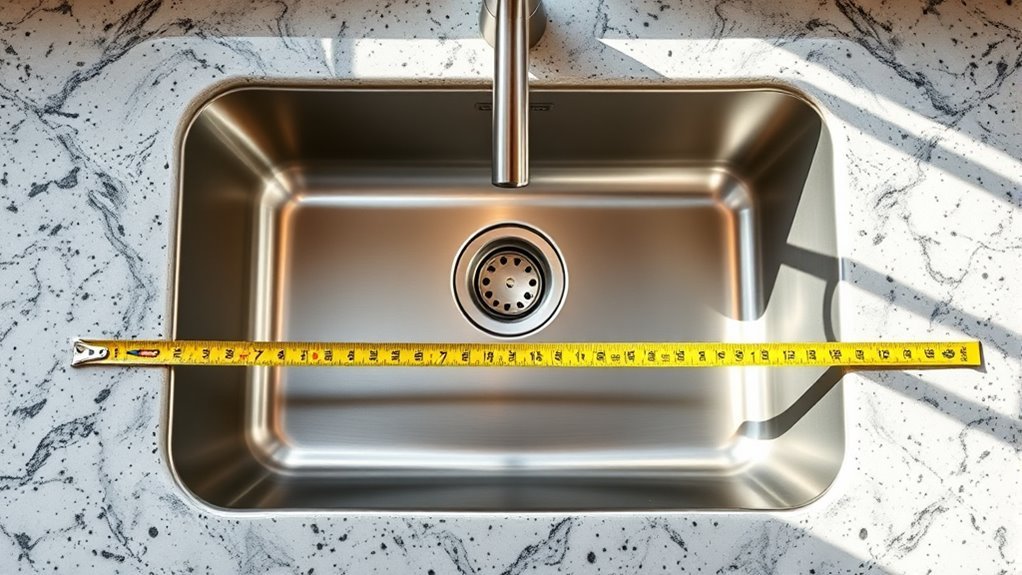
Use a tape measure to record the distance from one edge of the sink opening to the other. Keep in mind that sink width can vary—different models may need slightly different measurements, so note the exact space available.
Measure twice to avoid errors and ensure accuracy. If your sink has rounded edges, make sure to measure at the widest points.
Check for any obstructions under the sink that could impact the width you need. By following these steps carefully, you’ll make sure your new sink fits snugly without gaps or fitting issues caused by incorrect measurements.
Checking Cabinet Dimensions
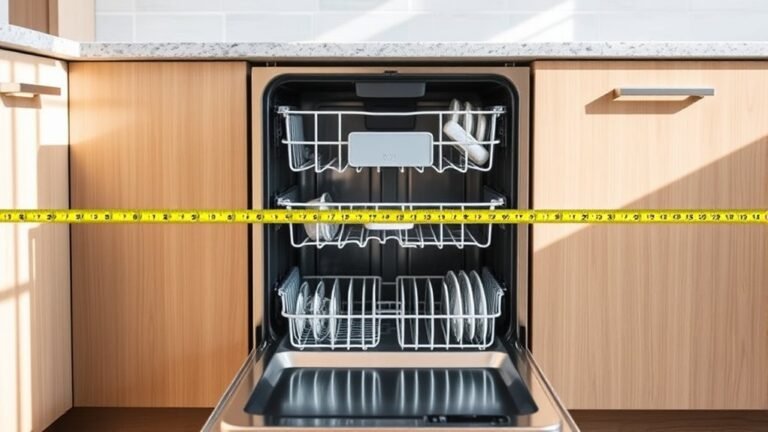
Before choosing a new kitchen sink, you’ll want to check your cabinet dimensions carefully. Start by measuring the cabinet depth from the front edge to the back wall. This helps ensure your sink will fit without sticking out or causing installation problems.
Next, check the door clearance. Make sure the cabinet doors can open fully without hitting the sink or faucet. Measure the width inside the cabinet, accounting for any supports or plumbing that might reduce space.
Don’t forget to factor in the countertop thickness if it affects the cabinet depth. Taking these measurements accurately helps you pick a sink that fits perfectly, avoids costly mistakes, and keeps the cabinet doors working smoothly.
Double-check all dimensions before finalizing your sink choice to make sure everything fits just right.
Common Sink Widths for Small and Large Kitchens
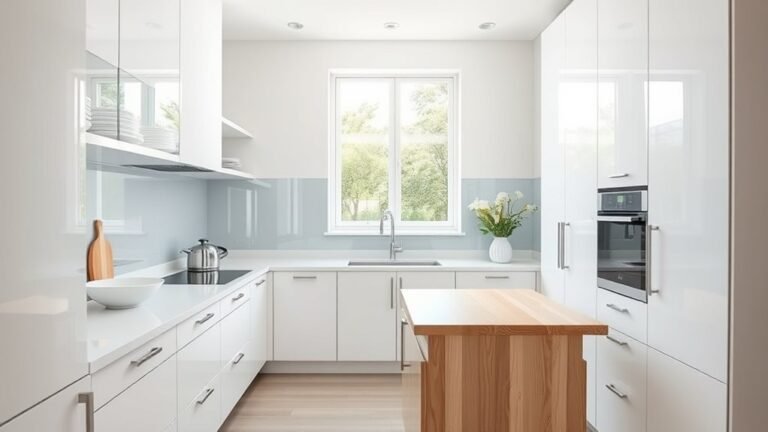
Choosing the right sink width depends largely on the size of your kitchen and how you use the space. If you have a compact kitchen, small space solutions like sinks measuring 22 to 24 inches wide can maximize your countertop area without sacrificing functionality. For larger kitchens, you can look into bigger options with sinks 33 to 36 inches wide, offering plenty of room for multitasking and washing bigger pots.
Choosing a sink width that fits your kitchen size ensures optimal space and functionality.
Here are common sink widths to consider:
- 22 to 24 inches: Great for small kitchens or secondary sinks, saving space while staying practical.
- 25 to 30 inches: A versatile mid-range size perfect for medium kitchens, balancing space and usability.
- 33 to 36 inches: Ideal for large kitchens, allowing double bowls or extra deep basins for heavy-duty tasks.
Knowing these sizes helps you pick a sink that fits your kitchen’s scale and your daily needs perfectly.
How Sink Width Impacts Installation and Plumbing
When you’re picking out the width of your sink, it’s good to think about the standard sizes and how they’ll fit into your cabinet space. Your cabinet size can really limit your options and might make the installation a bit trickier.
Plus, if you go for a wider sink, you might need to make some adjustments to your plumbing connections to make sure everything fits and works smoothly. It’s all about finding the right balance between style, space, and practicality.
Standard Sink Widths
Standard kitchen sink widths usually range from 22 to 33 inches. Knowing these dimensions helps ensure a smooth installation and proper plumbing alignment.
Your choice of sink width affects how well the plumbing fits and how the sink blends with your countertop and cabinets. Different materials and installation styles—like undermount, drop-in, or farmhouse—also influence the size you should pick.
Here’s how sink width impacts installation and plumbing:
- Narrow sinks, from 22 to 24 inches, fit smaller spaces but might limit faucet and accessory placement.
- Medium sinks, from 25 to 30 inches, offer a good balance of space, making plumbing connections easier and supporting various installation types.
- Wide sinks, from 31 to 33 inches, give you plenty of workspace but may need special plumbing adjustments and might not suit all cabinets.
Cabinet Size Considerations
Since your kitchen sink must fit within the cabinet space below, cabinet size is key in choosing the right sink width.
You’ll need to measure your base cabinet’s width accurately because different styles have varying interior space. For example, a standard 36-inch cabinet usually fits a 33-inch sink, leaving room for installation and plumbing.
If your cabinet includes built-in storage like pull-out drawers or organizers, check that the sink size won’t interfere with these features. A wider sink in a small cabinet can limit storage and make installation trickier.
Plumbing Connection Requirements
After measuring your cabinet and choosing a sink that fits, you’ll want to think about how the sink’s width impacts your plumbing setup. Wider sinks often need adjustments to drain and water supply lines, so it’s important to follow plumbing codes and installation guidelines. Here’s what to keep in mind:
- Drain Alignment: A wider sink might change where the drain is positioned. Make sure the existing plumbing lines up or can be moved according to local plumbing codes.
- Supply Lines: Check if your water supply lines can handle the sink’s width. You may need flexible hoses or extensions to connect properly.
- Mounting Space: Ensure there’s enough clearance around the sink for trap and vent connections without crowding. Confirm this with the installation guidelines.
Choosing the Right Kitchen Sink Width Based on Your Cooking Needs
How do you figure out the right kitchen sink width for your cooking style? Start by thinking about how your sink’s functionality can help you cook more efficiently. If you often cook large meals and handle big pots or many dishes, a wider sink can make your workflow smoother.
On the other hand, if you mostly prepare simple meals, a standard or narrower sink might be enough without taking up too much counter space.
Here’s a quick guide to help you match sink widths with your cooking habits:
| Cooking Style | Recommended Sink Width |
|---|---|
| Heavy cooking with large pots | 33-36 inches |
| Frequent meal prep and moderate dishes | 27-33 inches |
| Occasional cooking and light use | 22-27 inches |
| Minimal cooking and mostly washing | Under 22 inches |
Choosing the right width makes your sink more functional and helps improve your cooking efficiency. Think about your daily kitchen tasks to find a sink that fits your space and lifestyle perfectly.
Best Places to Buy Kitchen Sinks by Width and Style
Finding the perfect kitchen sink that matches your preferred width and style is easier when you know where to look. With evolving shopping trends, more retailers offer a variety of sink materials and sizes to fit your kitchen’s vibe and functionality.
Choosing the ideal kitchen sink is simpler when you explore diverse styles and sizes available today.
Here are three top places to evaluate:
1. Home Improvement Stores
Places like Home Depot and Lowe’s provide a wide range of kitchen sinks in different widths and sink materials, from stainless steel to composite granite. You can see and feel options before buying.
2. Online Marketplaces
Websites such as Amazon and Wayfair offer extensive selections with detailed specs and customer reviews. This makes it easier to compare styles and widths conveniently.
3. Specialty Kitchen Retailers
Stores focused on kitchen design often carry high-end, unique sinks. They also offer expert advice tailored to your kitchen’s style and size requirements.
Tips for Upgrading or Replacing Your Kitchen Sink Width
When you decide to upgrade or replace your kitchen sink, considering the width is essential for both functionality and aesthetics. Start by measuring your current space carefully to make sure the new sink fits perfectly.
Choose sink materials that suit your cooking habits and kitchen style. Stainless steel offers durability, while composite granite adds elegance. Follow installation tips like checking plumbing compatibility and securing proper sealing to avoid leaks.
Keep design trends in mind; wider sinks with multiple basins are popular for multitasking. Finally, apply maintenance advice to prolong your sink’s life. Regular cleaning prevents stains and damage.
| Aspect | Recommendation |
|---|---|
| Sink Materials | Stainless steel, composite granite |
| Installation Tips | Measure space, check plumbing |
| Design Trends | Wider sinks, multiple basins |
This approach guarantees a smooth upgrade that improves your kitchen’s look and usability.
Frequently Asked Questions
What Materials Are Kitchen Sinks Typically Made From?
Kitchen sinks are typically made from stainless steel, cast iron, composite granite, and fireclay. When choosing sink styles, think about how each material matches your kitchen’s look and how durable it is.
For installation tips, keep in mind that stainless steel sinks are lightweight and easier to install. Cast iron, on the other hand, requires sturdy support because of its weight.
Composite granite offers both durability and style but needs careful sealing to prevent damage. Fireclay sinks add an elegant touch but require precise installation to avoid cracks.
How Do I Maintain and Clean My Kitchen Sink?
To keep your sink spotless, focus on regular cleaning and maintenance tips. Rinse it after each use to prevent buildup and wipe it down with mild soap and a soft sponge.
For tougher stains, try using a baking soda paste or a vinegar solution. Just avoid harsh chemicals that could damage the surface.
Don’t forget to clean the drain and faucet as well. Following these simple steps will help keep your kitchen sink looking fresh and make it last longer.
What Is the Average Cost of a Kitchen Sink?
When Sarah upgraded her kitchen, she found the average cost of a kitchen sink ranges from $150 to $500, depending on sink brands and materials. High-end brands like Kohler or Blanco can push prices higher.
Don’t forget to factor in installation costs, which typically add $100 to $300. So, when budgeting, consider both the sink price and installation to avoid surprises and get a perfect fit for your kitchen.
Are There Eco-Friendly Kitchen Sink Options Available?
Yes, you can find eco-friendly kitchen sink options made from sustainable materials like recycled stainless steel, bamboo, and natural stone. These sinks help reduce environmental impact and are often designed to conserve water.
Many of these options feature efficient designs that minimize water waste, making them a smart choice for eco-conscious homeowners. When choosing, look for products that are certified for sustainability and water efficiency.
How Do I Prevent and Fix Sink Clogs?
Think of your sink’s pipes as a busy highway. Debris can cause traffic jams and slow everything down.
To prevent and fix sink clogs, use smart drainage solutions like strainers to catch food scraps. Also, avoid pouring grease down the drain, as it can solidify and cause blockages.
When a clog appears, try plunging or doing a baking soda-vinegar flush first. These simple tricks can often clear the problem without calling a pro.
These plumbing tips help keep your water flowing smoothly. They turn your sink from a blocked mess into a clear, flowing stream.
Conclusion
So, you thought picking a kitchen sink was as simple as grabbing any old basin? Turns out, width matters—a lot. It impacts your countertop, cabinets, plumbing, and cooking flow.
But don’t worry. With a little measuring and knowing your style, you’ll find the perfect fit. Who knew something as “small” as a sink could be such a big deal?
Now, go get that sink width just right and watch your kitchen magic happen!