
How to Cook Haddock: 8 Essential Methods with Times, Tips, and Flavor Ideas
Cook haddock to a safe internal temperature of 145°F (63°C) by using methods like baking, pan-searing, grilling, poaching, or broiling until the fish flakes gently. Cooking times vary with the method and fillet thickness, usually taking 3 to 8 minutes per side or 15 to 30 minutes in a 400°F oven.
Anyone looking to prepare haddock at home will find clear instructions on key cooking techniques and temperatures. This article outlines essential steps and tips to help you get tender, flaky haddock every time with the right timing and flavor combinations.
Key Takeaways
- Pan-sear haddock fillets 1 to 1.5 inches thick for 3-4 minutes per side on medium-high heat to develop a golden crust.
- Bake uncovered at 400°F for about 15-20 minutes for ½-inch thick fillets, up to 30 minutes for 1-inch thickness.
- Grill haddock for 3-4 minutes per side until opaque and flaky, or broil for 6-8 minutes.
- Poach or steam haddock gently until it reaches 145°F internal temperature and flakes easily with a fork.
- A meat thermometer helps verify that haddock has cooked through to 145°F while keeping it tender and moist.
- Flip fillets only once during cooking to maintain a crispy surface and even cooking.
1. How to Cook Haddock: Main Methods and Key Temperatures
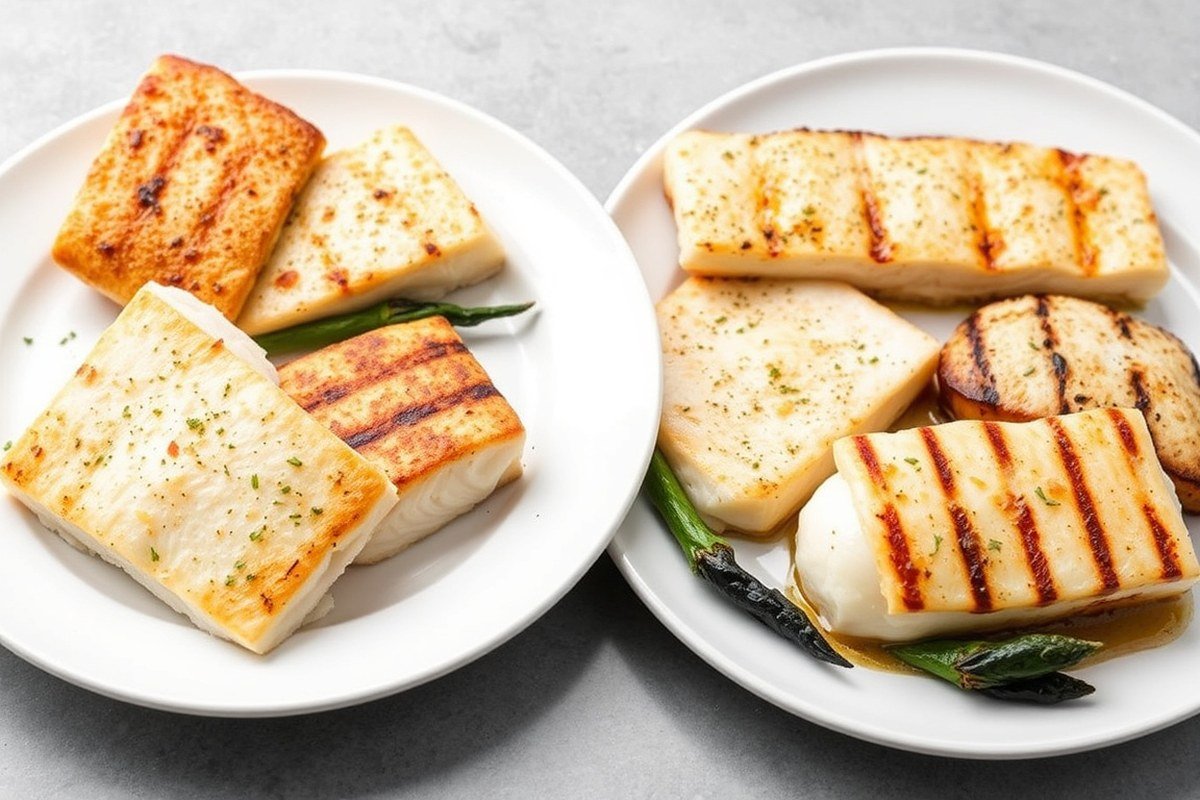
Haddock cooks quickly and is best prepared with methods that preserve its delicate texture. The most popular ways to cook haddock include pan-searing, baking, grilling, broiling, poaching, and steaming. Each method has a recommended internal temperature of 145°F (63°C) to ensure the fish is safely cooked through and flakes easily with a fork.
Achieving the right doneness is key to a good meal, and timing plays an important role. For instance, baking takes longer than pan-searing because it uses gentler, indirect heat. Cooking times also depend on the thickness of the fillet or whole fish and whether it’s fresh or frozen. Adjusting cooking times and monitoring temperature helps prevent overcooked, dry fish or undercooked, raw flesh. Here is a comparison of main cooking methods for haddock, their approximate cooking times, and key temperature guidelines:
| Method | Cooking Time | Heat Level | Internal Temperature | Notes |
|---|---|---|---|---|
| Pan-Searing | 3-4 minutes per side | Medium-high heat | 145°F (63°C) | Ideal fillet thickness 1-1.5 inches; quick cook preserves moisture |
| Baking | 10-20 minutes | 350°F – 400°F oven | 145°F (63°C) | Baste with butter every 5 minutes for flavor and moisture |
| Grilling/Broiling | 5-7 minutes per side | High heat | 145°F (63°C) | Watch closely to prevent drying; ideal for thicker fillets |
| Poaching | 6-8 minutes | Simmering liquid (low heat) | 145°F (63°C) | Gentle method that keeps fish moist and tender |
| Steaming | 6-10 minutes | Steam heat | 145°F (63°C) | Healthy method preserving texture; don’t overcook |
Using a food thermometer is the surest way to hit the perfect 145°F internal temperature without guesswork. Pan-searing and grilling develop flavor with a crisp exterior, but require careful timing due to the short cooking time. Baking, steaming, and poaching offer a gentler approach if you want tender, evenly cooked fish but take longer. Cooking from frozen adds extra minutes; plan to increase time based on thickness and method. Paying attention to these temperature targets and times will make your haddock flavorful and safe to eat.
2. Preparing Haddock Fillets for Cooking
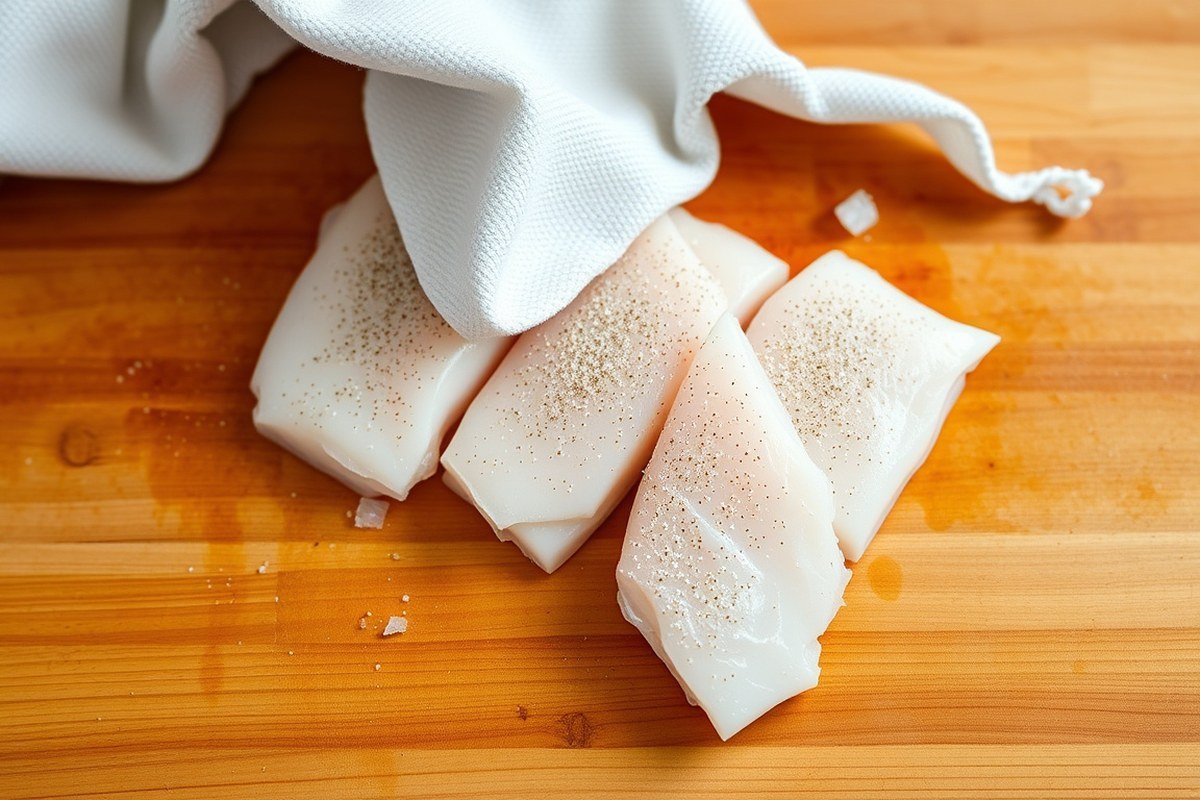
Select fresh or fully thawed haddock fillets to ensure even cooking and the best flavor. Pat them dry before seasoning to remove moisture, which helps create a better texture. Skin-on fillets add flavor and hold together well but require gentle handling during cooking.
Choosing Quality Haddock Fillets
Look for haddock fillets that weigh between 4 and 8 ounces each, ideally about 1/2 to 1 inch thick for even cooking. Fresh fillets should have a mild, slightly sweet smell without any fishy odor. The flesh should be firm and moist but not slimy or discolored.
Both skin-on and skinless fillets work well depending on your recipe. Skin-on fillets often deliver more flavor and hold their shape better during cooking, especially when pan-seared or grilled. Skinless fillets cook quickly and may be easier to handle for beginners.
Proper Thawing and Drying Techniques
Frozen haddock should be thawed completely before cooking to avoid uneven texture and undercooked spots. The best method is to transfer frozen fillets to the refrigerator for 12 to 24 hours. For quicker thawing, place fillets in a sealed plastic bag and submerge in cold water for about 30 minutes, changing the water halfway through.
Drying the fillets is important. Excess moisture on the fish surface steams it rather than searing, which affects texture and flavor. Pat the fillets gently but thoroughly with paper towels or a clean cloth to remove all surface water.
Always dry haddock fillets completely before seasoning to ensure a crispier crust and avoid sogginess.
Basic Seasoning Before Cooking
After drying, season the fillets simply to highlight the delicate haddock flavor. Sprinkle salt and pepper evenly on both sides. Onion powder is a common addition that complements the fish well without overpowering it.
Coating the fillets lightly with olive oil or melted butter before seasoning helps spices stick and assists in browning during cooking. Avoid heavy marinades at this stage, as they can mask the natural flavor and interfere with achieving the best texture. Follow this step-by-step checklist to prepare your haddock fillets:
- Select fillets that are firm, uniformly thick, and fresh or completely thawed.
- If frozen, thaw in the refrigerator for 12 to 24 hours or use a cold-water bath for about 30 minutes.
- Remove fillets from the refrigerator and place on a clean plate.
- Pat the surface dry using paper towels or a clean cloth until no moisture remains.
- Brush both sides lightly with olive oil or melted butter.
- Season evenly with salt, black pepper, and optional onion powder or your choice of mild seasoning.
- Arrange fillets skin-side down if using skin-on pieces to protect the flesh during cooking.
3. Step-By-Step Guide to Baking Haddock Perfectly
Baking haddock correctly means setting the oven to 375°F and cooking the fish for 10 to 20 minutes. Every 5 minutes, spoon melted butter or your chosen sauce over the fillets to maintain moisture and improve flavor. Let the fish rest for 5 minutes after removing it from the oven to allow the juices to settle, which makes the texture better and tastier.
Preheating and Preparing the Baking Dish
Start by preheating your oven to 375°F to ensure even cooking. Using a preheated oven allows the haddock to cook consistently without drying out. Choose a baking dish that fits your fillets in a single layer so they cook evenly. Grease the dish lightly with oil or butter to prevent sticking and add a subtle flavor boost.
Place herbs or lemon slices in the baking dish before adding the haddock fillets to infuse flavor during cooking. This adds aroma and keeps the fish moist as it bakes. Avoid overcrowding the baking dish because stacked fillets take longer to cook and can end up uneven.
Cooking Time and Basting Schedule
The thickness of haddock fillets determines how long they bake, generally requiring between 10 and 20 minutes at 375°F. Begin checking for doneness at 10 minutes by seeing if the fish flakes easily or reaches 145°F (63°C) inside.
Baste the fish with melted butter or your preferred sauce every 5 minutes. Basting helps keep the fish moist and distributes flavors evenly. Use a spoon or brush to gently coat the fillets without disrupting their placement in the dish.
- Preheat the oven to 375°F.
- Grease a baking dish and place haddock fillets in a single layer.
- Season the fillets with salt, pepper, and optional herbs or lemon slices.
- Bake for 10 minutes, then baste the fillets with melted butter or sauce.
- Continue baking, basting every 5 minutes, until the fish flakes easily or reaches 145°F internally, about 15 to 20 minutes total.
Resting and Serving Tips
Let the baked haddock rest for 5 minutes after removing it from the oven. Resting allows the juices to settle back into the fish, making it more tender and flavorful when served. Cover the dish loosely with foil to keep the fish warm during this time.
Serve the haddock with the pan drippings or an extra drizzle of melted butter for a richer taste. Avoid skipping the resting step because cutting into the fish immediately can cause juices to run out, leaving it dry.
4. Pan-Searing, Grilling, and Broiling Haddock: Best Practices
Pan-searing haddock works best on a medium-high skillet with oil that has a high smoke point, like canola, grapeseed, or avocado oil. Heat the oil until it shimmers, then reduce the heat to medium before carefully placing the fillets in the pan. Let the fillets cook undisturbed for about 2 to 3 minutes, which allows a crispy crust to form and the fish to release naturally from the pan. Use two thin, flat spatulas to gently flip the fillets. Cooking the other side should take about 1 to 2 minutes until the flesh is opaque and flakes easily with a fork. The entire pan-searing process usually takes 3 to 5 minutes total, depending on fillet thickness, thicker pieces will need the full time, thinner ones closer to 3 minutes.
Grilling haddock requires a hotter setting, typically placing the fillets over direct heat on a hot grill grate. Preheat the grill to high and oil the grates to prevent sticking. Fillets usually cook for about 3 to 4 minutes per side. Flip the fish once using a flat, wide spatula or tongs, taking care not to break the delicate flesh. Cook until the outside has light grill marks and the fish turns opaque. If the fillets are thicker than one inch, add a couple of minutes to the total time to ensure even cooking. This method imparts a smoky flavor but can dry the fish if left too long, so watch closely.
Broiling haddock is done under high heat, usually on the oven’s top rack with the broiler set to high. Place the fillets skin-side down on a foil-lined baking sheet, about 4 to 6 inches from the broiler element. Broil for 6 to 8 minutes total, flipping once halfway through if the fillets are thick, or leave skin-side down if thinner. Use a sturdy fish spatula to lift and turn the fillets gently to avoid breaking them. The broiler’s intense heat causes the surface to brown quickly, so don’t walk away. The fish is done when it flakes easily, and its internal temperature reaches 145°F. The quick cooking preserves moisture and results in a slightly crisp crust with tender flesh.
The key to flipping haddock fillets without breaking them is to use tools designed for fish, like thin, flexible spatulas, and to wait until the fish naturally releases from the cooking surface. Fish sticks to pans and grills if flipped too soon, which can tear the flesh. Avoid poking or pressing on the fillets as this squeezes moisture out. For pan-searing, use two spatulas to lift evenly. On the grill and under the broiler, a flat spatula or tongs with gentle pressure work best. Fillets of similar thickness should be cooked together to ensure even cook times.
5. Poaching, Steaming, and Air-Frying Haddock Explained
Using gentle cooking methods like poaching, steaming, and air-frying keeps haddock tender and moist. These low-heat approaches prevent drying or toughening the fish. Poaching means cooking the fillets in a flavored liquid heated between 160°F and 180°F, just below a simmer. This slower heat helps the fish cook evenly and preserves its natural mild flavor and subtle sweetness. Milk often serves as the poaching liquid because it adds creaminess and maintains tenderness. Cook the haddock for roughly 8 to 10 minutes until it reaches 145°F inside and flakes easily when tested with a fork.
Steaming is another gentle method that locks in moisture by cooking the fish with steam rather than direct heat. Place the haddock on a heat-safe plate or steamer basket set above simmering water. Cover tightly to trap steam and cook for about 6 to 8 minutes, again aiming for 145°F internal temperature. This approach works well when you want a clean, fresh taste without added fat. Steamed haddock pairs nicely with light sauces or fresh herbs.
Air-frying offers a way to cook haddock quickly while achieving a lightly crisp exterior similar to frying but with less oil. Preheat the air fryer to 375°F, then brush the haddock fillets with olive oil or melted butter to encourage browning and prevent drying. Arrange the fillets in a single layer and air-fry for 8 to 10 minutes, flipping halfway through to cook evenly. Because the fish cooks faster in an air fryer than in a traditional oven or poaching liquid, watch closely to avoid overcooking. Check for an internal temperature of 145°F and flaky texture before serving.
Choosing between these methods depends on your desired texture and cooking time. Poaching suits recipes where you want a soft, moist fish with added flavor from the liquid. Steaming works well when you prefer a clean taste with minimal fat. Air-frying offers a healthier alternative to pan-frying or deep-frying, delivering some crispness in less time. Each method requires careful temperature control to avoid exceeding 145°F, which can dry the haddock and diminish its sweet flavor.
Avoid boiling poaching liquids as high heat can toughen the fish; keep the temperature just below a simmer for the best texture.
6. Seasoning, Marinades, and Flavor Pairings for Haddock
Haddock’s mild, lean flesh pairs well with simple seasonings and gentle marinades that highlight its natural flavor rather than overpower it. Using herbs, citrus, and light spices improve the fish while keeping it delicate and tender. Quick brines and easy marinades can add moisture and subtle taste in under 30 minutes, perfect for busy cooks.
Basic Seasoning Essentials
Keeping seasoning simple improve haddock’s delicate flavor without masking it. A light sprinkle of salt and freshly ground black pepper is the foundation. Adding a little olive oil or melted butter helps the seasoning stick and adds a touch of richness. A small amount of lemon juice or zest brightens the taste and cuts through any mild fishiness. Season just before cooking to avoid drawing out excess moisture. Here’s a straightforward seasoning cheat sheet for haddock you can follow anytime:
- 1/4 teaspoon kosher salt per fillet
- 1/8 teaspoon freshly ground black pepper
- 1 teaspoon olive oil or melted butter (per fillet)
- 1/2 teaspoon lemon zest or a squeeze of lemon juice
- Optional: pinch of garlic powder or smoked paprika for subtle flavor
Applying these basics gently by rubbing the fillets ensures even flavor without drying out the fish.
No-Fail Marinade Recipes
Quick marinades add flavor and help tenderize haddock without risking a mushy texture. A simple citrus-herb marinade combines olive oil, lemon zest, minced garlic, and fresh herbs for a bright, fresh finish. Let the fillets soak in a shallow dish for 15 to 25 minutes at room temperature, then pat dry before cooking. Here is an easy marinade template to try:
2 tablespoons olive oil 1 teaspoon lemon zest 1 clove garlic, minced 1 tablespoon chopped fresh parsley or dill Salt and black pepper to taste
Combine all ingredients, coat the haddock evenly, and marinate for up to 25 minutes. Avoid longer times to prevent the acid from breaking down the delicate flesh too much.
For a simple brine that adds moisture and firms up the fish, dissolve 1 tablespoon of salt and 1 tablespoon of sugar in 2 cups of cold water. Submerge the fillets for 15 minutes, then rinse and pat dry before seasoning and cooking.
Herb and Spice Pairings
Fresh and dried herbs such as parsley, dill, thyme, and chives suit haddock well, giving clean, bright notes that complement but don’t overwhelm. Mild spices like paprika, coriander, and a pinch of cumin can add warmth if you want a little more depth. These herbs and spices blend nicely with lemon and garlic-based marinades or seasoning blends:
- Fresh dill, adds a clean, slightly tangy flavor
- Flat-leaf parsley, brings a fresh, grassy note
- Thyme, works well roasted or pan-seared with haddock
- Chives, gives a mild onion flavor that brightens dishes
- Smoked paprika, adds color and gentle smoky warmth
- Cumin, use sparingly for subtle earthiness
You can mix and match these herbs and spices with olive oil, lemon juice, and garlic for versatile coatings or finishing touches. These combinations keep haddock’s natural flavor front and center, making it a reliable choice for simple, satisfying meals.
7. How to Avoid Common Haddock Cooking Mistakes
Haddock often becomes dry or fragile due to overcooking or improper handling. Its delicate texture requires careful attention to cooking times and temperatures. Overcooked haddock turns tough and rubbery, while cooking too fast or at too low a temperature can cause it to stick and break apart, making the final dish less appealing.
To prevent haddock from sticking or flaking apart, start by heating your pan well before adding the fish. A hot pan sears the fish quickly, creating a slight crust that helps keep it intact. When flipping, use a wide spatula and gently turn the fillet to maintain its shape. Handling haddock gently throughout the cooking process is essential because it is more fragile than many other fish.
Poor texture often results from common mistakes like not monitoring the fish closely or using uneven fillets. Thick fillets, about 1 inch thick, ensure even cooking without drying out. Thin or uneven fillets may cook unevenly, leading to some parts becoming dry while others stay undercooked.
- Heat the pan until it’s hot before adding haddock to prevent sticking.
- Cook fillets about 1 inch thick for even cooking and moisture retention.
- Use a wide spatula and flip the fish gently once, avoiding excessive movement.
- Monitor cooking closely, generally 3 to 4 minutes per side, depending on thickness.
- Remove fish as soon as it flakes easily with a fork and turns opaque to avoid overcooking.
- Let fillets rest briefly after cooking; this helps retain moisture.
Following these steps means your haddock will stay moist and hold together nicely. Avoiding overcooking by checking the fish every minute after the initial cooking time lets you stop cooking at just the right moment. Handling the fish gently when flipping and serving keeps the fillet intact, improving both texture and presentation.
8. Storing, Freezing, and Reheating Haddock Safely
To keep fresh haddock at its best, store it in the coldest part of your refrigerator, ideally at 32°F to 39°F. Wrap the fillets tightly in plastic wrap or place them in an airtight container to prevent exposure to air, which can cause spoilage. Use raw haddock within 1 to 2 days for optimal freshness and flavor. Cooked haddock should also be stored in airtight containers and kept in the fridge; however, limit storage to a maximum of 2 days to maintain quality and safety.
Freezing is a good option for extending the shelf life of haddock, whether raw or cooked, but the texture and crust quality can change once frozen. For raw haddock, first pat dry to remove excess moisture, wrap tightly in plastic wrap, and then place it inside a heavy-duty freezer bag or vacuum-sealed bag to prevent freezer burn. Raw haddock can be frozen for up to 3 months without significant loss in quality. Cooked haddock freezes well too but expect the crust or breading to lose its crispness. Wrap cooked haddock in plastic wrap and foil or use airtight freezer containers to maintain moisture during freezing.
Reheating haddock without drying it out takes a gentle approach. Use a non-stick skillet over low heat and add a splash of water or broth to create steam that keeps the fish moist. Cover the skillet with a lid and heat for 3 to 5 minutes until warmed through. Avoid high heat or microwave reheating on high power, which can make the fillets rubbery and dry. For better results, reheat only the portion you plan to eat, as multiple reheatings harm texture and flavor.
| Storage Type | Temperature | Max Storage Time |
|---|---|---|
| Raw Haddock (Refrigerated) | 32°F, 39°F | 1 to 2 days |
| Cooked Haddock (Refrigerated) | 32°F, 39°F | Up to 2 days |
| Raw Haddock (Frozen) | 0°F or below | Up to 3 months |
| Cooked Haddock (Frozen) | 0°F or below | Up to 1 month (texture loss expected) |
Always cool cooked haddock in the fridge within two hours of cooking to avoid bacterial growth.
Step-by-Step Action Plan for Cooking Haddock
Follow these steps to cook haddock confidently and enjoy a flavorful, perfectly cooked meal every time.
- Before Cooking: Choose fresh or properly thawed haddock fillets with firm flesh and no strong odor to ensure quality.
- Preparation: Pat the fillets dry and season or marinate them according to your preferred flavor profile.
- Cooking Phase: Select your cooking method based on texture and timing: bake at 375°F for 12, 15 minutes, pan-sear on medium-high heat for 3, 4 minutes per side, or poach gently just below simmering point until opaque.
- Cooking Check: Use a fork to test flakiness; cooked haddock should separate easily and reach an internal temperature of 140, 145°F.
- Serving: Pair with complementary sides like steamed vegetables or rice and finish with a squeeze of lemon or fresh herbs for brightness.
- Storage: Refrigerate leftovers within two hours and consume within 1, 2 days, or freeze for up to 3 months to maintain quality.
- Reheating: Reheat gently in a low oven or covered skillet to avoid drying out the fish.
Frequently Asked Questions
How Long Does It Take to Cook Haddock Fillets in a Hot Pan?
Cooking haddock fillets in a hot pan typically takes 5 to 7 minutes per side. The fish is delicate, so avoid overcooking to maintain its flaky texture.
Can I Cook Frozen Haddock Without Thawing First?
Yes, you can cook frozen haddock, but increase the cooking time by a few minutes. Cooking directly from frozen ensures safety but may slightly affect texture.
Is It Necessary to Oil the Pan Before Searing Haddock?
Yes, lightly oiling the pan helps prevent sticking and promotes a golden-brown crust. Use a high smoke point oil for best results.
What Kind of Side Dishes Pair Well with Baked Haddock?
Light vegetables like asparagus or green beans complement baked haddock well. Their cooking times should be adjusted to avoid overcooking the fish.
Can Haddock Be Cooked in a Microwave Safely?
Cooking haddock in a microwave is possible but not ideal for texture. Use short, even intervals and check frequently to avoid overcooking.
How Do I Check If Haddock Is Fully Cooked Without a Thermometer?
The fish flakes easily with a fork and appears opaque when fully cooked. Using these visual cues helps avoid over or undercooking.
Final Thoughts
Cooking haddock well comes down to choosing the right method and paying close attention to cooking times and temperatures. Simple seasoning improve its mild flavor, making it a versatile choice for many dishes. Try baking a fillet tonight and add your favorite side for a quick, satisfying meal that’s easy to perfect.




One Comment