
How to Play Bar Trivia a Complete Guide for Beginners and Teams
How to play bar trivia starts with understanding that it’s a social quiz game where teams answer questions to win prizes or bragging rights. You join a group, listen to rounds of questions hosted by a quizmaster or an app, and write your answers down or submit them digitally. This guide is for anyone new to bar trivia or teams wanting to improve, showing you the basics and how to prepare for a fun, competitive night.
Bar trivia mixes casual fun with testing your general knowledge across different categories in a bar setting. You’ll learn what to bring, how trivia rounds are structured, scoring rules, and tips to work well with your team. It also covers common mistakes and ways to find local trivia events so you can start playing confidently where live games happen.
Key Takeaways
- Bring a pen and paper unless the venue uses a digital answer system for submitting responses.
- Arrive at least 20 minutes early to claim a good spot and get settled before trivia starts.
- Most bar trivia nights last 1 to 2 hours, typically split into 4 to 5 question rounds.
- Team sizes usually range from 2 to 6 people, balancing diverse knowledge without overcrowding.
- Pay attention to the rules about answering aloud or writing answers quietly to avoid disqualification.
- Focus on teamwork by dividing categories among team members based on their strengths for better results.
What Is Bar Trivia and How Does It Work?

Bar trivia is a social game played in bars where participants form teams to answer trivia questions across different categories. The host prepares a series of questions, typically grouped into rounds, and teams work together to write down their answers on answer sheets provided during the event. This format encourages camaraderie and friendly competition among groups ranging from solo players to teams of up to six people. Limiting teams to six members helps balance group dynamics so everyone can contribute without overwhelming communication or decision-making.
The gameplay begins with the host announcing a round and reading questions aloud or displaying them, sometimes supplemented by technology like the Bar Trivia App where players answer directly via their phones. Each round involves multiple questions, often 8 to 12, and teams discuss answers before submitting the completed answer sheet. Answer sheets must typically be turned in within two minutes after the round ends, either collected by the host or submitted through app technology, keeping the game moving smoothly and fairly.
Players interact mainly through teamwork and communication within their group while the host facilitates the event by asking questions and managing time. The host is also responsible for scorekeeping and announcing answers between rounds. Using pens and paper for answers remains common, but some venues use digital tools to modernize the experience. The pace is usually lively, so having some preparation like reading the rules or bringing a pen is helpful but no special equipment is needed.
Typically, bar trivia is free to participate in and runs between one to three hours based on the format. This setup makes it accessible and a popular midweek activity that can boost overall bar revenue by up to 50%. The game’s success depends on clear rules, timely answer collection, and engaging questions that encourage participation from all team members. Some events include extra features like raffles or fundraising to add community spirit, but the core remains simple: teams gather, solve questions, submit answers, and compete for social bragging rights or even prizes in some leagues.
While some venues prefer traditional paper answer sheets collected directly by hosts, others use apps that track answers and scores in real time, allowing faster feedback and keeping players engaged throughout the night. This variation depends on the host’s preferences and the venue’s technology. What matters most is that teams stay focused, communicate effectively, and submit their answers on time to keep the gameplay smooth and fun for everyone involved.
How Long Does a Typical Bar Trivia Night Last?
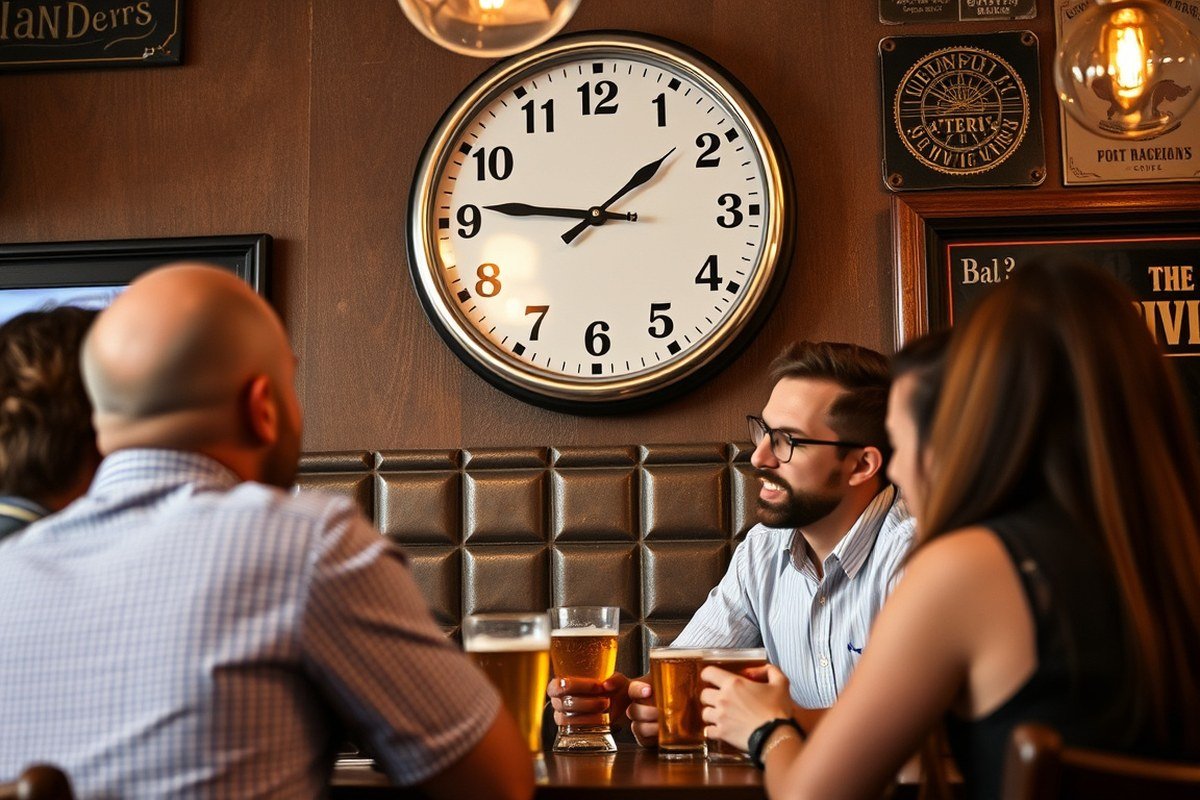
Bar trivia nights typically last about two hours, creating a lively, social experience without taking up your entire evening. This duration balances enough time for rounds of questions with breaks and score tallies, so you stay engaged but don’t get restless. Arriving around 15 to 30 minutes before the start ensures you get a good seat and time to assemble your team and register, especially if the bar fills up quickly.
The evening breaks down into several rounds, usually each lasting 10 to 15 minutes and containing about 10 to 15 questions. Between rounds, short breaks allow teams to submit answers, grab a drink or snack, and chat. The pacing keeps the event moving steadily and avoids long periods where you’re waiting. Most events include three to five rounds, depending on how competitive or social the bar wants the night to be. Here’s a step-by-step overview of a typical bar trivia night, helping you plan when to arrive, what to expect during the event, and the best time to stick around for the final results and prizes:
- Arrive early, About 15 to 30 minutes before trivia starts. This time lets you sign in, form or join a team, and order food or drinks.
- Listen to the host’s instructions, The quizmaster explains rules, scoring, and how to submit answers.
- Play each trivia round, Rounds last roughly 10 to 15 minutes with about 10 to 15 questions each, usually with themed categories.
- Submit answer sheets, After every round, hand in your answers promptly to avoid penalties.
- Use breaks wisely, Take about 5 minutes between rounds to relax, chat, order more food, and refresh your drinks.
- Stay until score announcements, Stick around at the end for final score tallying, which can take 10 to 15 minutes depending on the number of teams.
- Claim prizes if you win, Bars often award gift cards, free drinks, or discounts; sometimes the host will announce special challenges or bonuses.
- Support the bar throughout, Ordering food and drinks helps keep trivia nights running at your favorite venue.
Try to arrive early enough to settle in and order; late arrivals may miss the first round or have trouble finding seats at busy trivia nights.
What Do You Need to Bring and How to Prepare for Bar Trivia?
Bringing the right items and preparing in advance can improve your bar trivia experience and increase your chances of scoring well. Start with a reliable writing tool to record your team’s answers, such as pens or pencils, and a clipboard or a sturdy surface for writing. A notepad or printed answer sheets might be provided by the host, but having your own saves time and hassle.
Knowing the venue’s rules about phone use is critical. Most bar trivia games disallow using phones or any internet devices during rounds to prevent cheating. This rule maintains fairness and keeps the game fun for everyone. Always confirm with the host whether using phones as “lifelines” is permitted; many events prohibit outside help entirely, while some encourage you to rely on teamwork and memory.
Briefing your team on roles and strategy ahead of time helps streamline gameplay. Assign someone to write down final answers, one or two players to specialize in certain categories like sports or pop culture, and designate a speaker to communicate with the quizmaster. Having a quick team discussion before each round helps to agree on answers and avoid confusion.
- Writing tools (pens, pencils, and a hard surface for answering)
- Notepad or printed answer sheets if not provided
- Clear understanding of bar rules regarding phone and outside help use
- Team roles assigned for efficient answering and category expertise
- Pre-round team discussion to review strategies and confirm answers
Preparing by doing a light review of common trivia topics can give you an edge. Focus on general knowledge areas like geography, current events, historic milestones, and popular music from the last decade. Spend time right before the event reviewing these topics in a casual way to avoid burnout and keep your mind sharp.
Arriving a bit early gives you a chance to scope out the setup and find a good spot for your team. Check in with the host, grasp the format, and clarify any rules before the game starts. This proactive approach prevents surprises and lets you focus on the trivia itself once the competition begins.
How Are Trivia Nights Structured and What Types of Questions Are Asked?
Bar trivia nights typically include between 4 and 8 rounds, each featuring 5 to 20 questions. The questions vary by format and theme, with time limits usually set between 30 and 60 seconds per question. This structure balances challenge with pace, letting teams discuss answers without slowing the game flow.
Common Round Formats
Most trivia events feature rounds with multiple-choice, short answer, or open-ended questions. Some rounds require teams to answer questions one by one, while others ask teams to write down several answers for a single prompt. Typically, each round contains 5 to 10 questions to maintain engagement without dragging on. Timing is often controlled with a timer, allowing 30 to 60 seconds per question to keep the game moving steadily. For example, a round might start with 10 questions where teams write down answers after each, then follow with a lightning round of quicker questions.
Event hosts may vary formats to keep things interesting, sometimes mixing individual answer submission with team consensus rounds. Use of digital platforms like Quizado allows live scoring and supports various round formats, including visual and video questions. This adds variety and maintains energy throughout the night. Most rounds last about 10 to 20 minutes, fitting into a 1.5 to 2-hour overall event.
Popular Trivia Question Types
Bar trivia questions come in several styles. Multiple-choice questions offer a few options, simplifying guessing and speeding play. Short answer questions require teams to write or shout a single word or phrase, testing precise knowledge. Open-ended questions fancy award partial credit for answers, but usually require teams to agree on a best response to hand in. Picture rounds are common, showing images that teams identify or describe, while audio or video clips test recognition of songs, movie scenes, or speeches.
Questions cover a broad range of categories, including general knowledge, current events, literature, sports, history, pop culture, and science. Many nights include franchise-themed questions featuring Star Wars, Harry Potter, or Game of Thrones content. Questions often start easy and increase in difficulty as rounds progress, scoring higher points for tougher questions to reward deeper knowledge.
How Themes and Special Rounds Work
Themes set the tone and guide question selection for entire rounds or the whole event. Bars frequently use themed trivia packs to host special events, focusing on topics like movies, decades (such as the ’80s), or famous TV shows. A typical themed round might ask about the plots and characters of a franchise, or music trivia centered on a specific genre.
Special rounds may include puzzles, anagrams, or interactive challenges like “Name That Tune” using sound clips. These rounds break up the standard question-and-answer rhythm and engage players differently. Using a mix of themes and question types keeps the event lively and encourages diverse teams to shine. Timing stays consistent, with 30 to 60 seconds per question or challenge segment, ensuring that even special rounds fit smoothly into the flow without causing delays.
How Do Scoring and Rules Work in Bar Trivia?
Scoring in bar trivia typically involves assigning points for each correct answer, with clear rules for turn-in procedures and time limits to keep the game moving. House rules often cover team size, device use, and lifelines to ensure fair play. Understanding the scoring process and common rules helps you track your team’s progress and keeps the game fun for everyone.
Standard Scoring Methods
Most bar trivia formats award one point per correct answer, although some questions may be worth more, especially bonus or tie-breaker questions. Teams usually write their answers on answer sheets or submit them digitally at the end of each round. Scores are recorded by the quiz master or automatically tallied when using digital platforms. Time limits for answering each round typically range from 5 to 10 minutes. Late turn-ins usually forfeit that round’s points, so submitting your answers on time is important. Below is a scoring rules and procedures checklist to follow for smooth gameplay:
- One point per correct answer, with possible bonus points for special questions
- Answer sheets or digital submissions accepted only within allotted time
- Late submissions not scored for that round
- Scores recorded manually by quiz master or via game software
- Final scores tallied after all rounds to determine winners
- Top one to three teams typically receive prizes such as bar tabs or gift cards
Adhering to these scoring guidelines makes the game fair and easy to follow for players and hosts alike.
Typical House Rules
Rules can vary from one trivia night to another, but most venues enforce limits on team size, usually capping groups at 4 to 6 players. Use of phones or internet searches during active rounds is almost always banned. This encourages honest play, relying on your team’s knowledge rather than quick research. Many trivia nights allow teams to use a fixed number of lifelines, hints or second chances, to assist with tough questions. Check local rules before playing because some venues also restrict the use of reference books or encourage silent collaboration within teams during rounds. Here’s a chart summarizing common house rules you might encounter:
| Rule | Typical Guideline |
|---|---|
| Maximum Team Size | 4 to 6 players |
| Phone & Internet Use | Prohibited during rounds; honor system enforced |
| Lifelines / Hints | 1 to 3 allowed per team per night, use wisely |
| Answer Submission | Written sheet or digital app, turned in on time only |
| Prizes | Bar tabs, gift cards for top teams (1st to 3rd place) |
Clarifying these rules with the host before play starts will prevent confusion or disputes.
Fair Play and Etiquette Tips
Respecting game etiquette makes trivia night enjoyable for everyone. Avoid using electronic devices to look up answers during rounds, as most games operate on an honor system. Stay quiet and focused when other teams are answering to maintain a fair atmosphere. Arrive on time and submit answers promptly so the event stays on schedule. Interact politely with other teams and the quiz master to keep the mood light and welcoming. Keep these etiquette tips in mind each trivia night you attend:
- Turn off or put phones away during rounds
- Do not shout answers or distract other teams
- Respect the quiz master’s decisions and rules
- Keep team discussions quiet and contained
- Arrive early to settle in and learn any house-specific rules
Using prohibited aids like phones can lead to disqualification; play honestly to keep trivia fun and fair.
Following these guidelines ensures that trivia nights run smoothly and everyone has a good time competing.
How to Choose and Work Best with Your Trivia Team?
Forming or joining a bar trivia team starts with finding people who enjoy the game and can contribute different types of knowledge. You can invite friends or colleagues who like mental challenges, or if you come alone, ask politely to join an existing team. Teams usually have a size limit of about six players, which strikes a good balance between diverse expertise and easy communication.
The ideal team size ranges from three to six members. With fewer than three, knowledge areas may be too narrow, and more than six can make it hard to agree on answers quickly. A smaller group moves fast, while a larger group brings variety in categories like history, sports, science, or pop culture. Gathering your team at one spot near the bar helps everyone hear questions and discuss answers effectively without losing focus.
Assigning clear roles to each member improves teamwork and speeds decision-making. Some common roles to try include the quizmaster who reads questions and clarifies rules, the researcher who quickly recalls facts, the scribe who writes down answers, and the timekeeper who ensures your team answers within the time limit. Some teams designate one person to make the final call after group discussion to avoid disputes.
- Team leader: coordinates discussions and makes final decisions.
- Subject specialists: members with expertise in categories like sports, music, or science.
- Scribe: records answers visibly for team verification.
- Timekeeper: manages answer time and alerts the group.
- Strategist: guides when to risk bonus questions or skip tough ones.
Effective collaboration involves listening to each team member’s input, weighing confidence in answers, and confirming choices before submitting. Use a quick agreement method like a show of hands or thumbs-up to finalize answers. Setting ground rules about speaking one at a time and keeping the discussion focused prevents confusion. This approach helps your team stay organized and avoid lost points from rushed or misheard answers.
Sometimes teams adjust roles or size depending on the trivia format or event rules. For instance, if the quiz covers very varied topics, adding one or two specialists improves coverage. On limited space at the bar, sticking to four to five players keeps you comfortable. Working well as a team not only boosts your chances of winning prizes like drinks or merchandise but makes the night more enjoyable and social.
What Are Common Mistakes to Avoid and Tips for Winning Bar Trivia?
| Common Mistake | Why It Matters | How to Fix It |
|---|---|---|
| Rushing answers without discussion | Leads to mistakes and missed opportunities to combine team knowledge | Take a few seconds to confer quietly with your teammates before submitting answers |
| Relying on only one or two teammates | Limits the range of knowledge and slows down reaching consensus | Encourage everyone on the team to contribute, assigning topics by expertise if possible |
| Not reading questions carefully | Misinterpreting a question can cause wrong answers even if you know the facts | Have one person read and another underline key words before answering |
| Ignoring category patterns | Missing category clues slows down answering and lowers accuracy | Pay attention to categories and prep beforehand on common trivia themes |
| Breaking the bar’s rules or etiquette | Could result in disqualification or tension with the host and other players | Listen carefully to rules, limit team size as required, and keep noise reasonable |
| Not keeping track of scoring or rounds | Can cause confusion about current standing and strategy adjustments | Assign one member to track scores and rounds so your team stays informed |
- Pick a team size between 4 and 7, ensuring each player can add value
- Designate a team captain to organize answer submission and communication
- Study popular trivia categories ahead of time, such as sports, pop culture, or history
- Listen carefully to questions and verify answers with teammates before deciding
- Stay calm under pressure; fast but accurate answers beat quick guesses
- Engage with other teams to enjoy the social aspect without revealing your answers
- Celebrate small wins to keep morale high throughout the event
Common mistakes often come from excitement and a desire to answer quickly, but slowing down for a strategic approach improves your chances. Sharing knowledge across your team creates a stronger, more confident group. Selecting players with different backgrounds spreads expertise so you’re prepared for a variety of questions. Reading the host’s instructions and rules carefully prevents disqualification or confusion. Maximizing your chances means balancing speed with accuracy and communication with individual insight. Adapting your strategy based on how the rounds progress helps because some nights feature themes or bonus questions that reward certain knowledge areas. Enjoying the event with friendly competition reduces stress and makes you more focused. Avoiding disruptive behaviours like shouting answers aloud or violating team size limits keeps the social environment welcoming. Assigning roles such as a scorekeeper or team runner streamlines coordination. These simple adjustments typically result in higher scores, a better experience for your team, and often a modest bar tab or prize at the end.
Where to Find and How to Join Bar Trivia Events Near You?
Finding bar trivia events near you is easier now than ever thanks to dedicated websites and apps that list thousands of trivia nights across cities. Checking out these resources lets you browse by location, day, and venue type, so you can pick trivia nights that fit your schedule and vibe. Choosing the right event depends on what you enjoy, whether you want a casual outing, a competitive game, or something with prizes.
Top Trivia Night Directories and Apps
Several websites list bar trivia events nationwide, covering over 8,000 venues in more than 1,800 cities. Popular directories like Trivia Finder and Bar Trivia Tonight allow you to search by city, then filter by day of the week, trivia style, or venue type. These sites are free to use and frequently updated to show the latest schedules and special themes for trivia nights. Apps such as Trivia HQ also provide alerts and maps so you can find nearby games and get directions to your chosen bar or pub.
When using these apps and websites, enter your city or ZIP code to start, then narrow your search by day and type. Many platforms offer details about prizes, entry fees (if any), and the average attendance, which helps you decide how competitive or laid-back a trivia night might be. Since live trivia events usually have no entry cost, you can try visiting multiple venues without financial pressure to find one that suits your style.
Types of Trivia Venues to Expect
Bar trivia events range widely from casual pub quizzes to high-stakes competitions with cash prizes. Typical venues include local bars, breweries, and restaurants where trivia is held at fixed weekly times, often on weeknights like Tuesday or Thursday. Some bars feature trivia hosts who keep the event lively with music and themed rounds, while others rely on self-managed formats where participants write answers on sheets.
Expect quieter venues to have a more relaxed and social atmosphere, while places known for competitive trivia might be louder and more focused on winning. Family-friendly or chain restaurants sometimes host trivia nights geared toward newcomers and casual players, whereas craft beer bars or cocktail lounges might attract trivia enthusiasts searching for a challenge. You can often tell the kind of event by browsing online reviews or asking the venue about their typical crowd and game style.
How to Choose the Right Trivia Night for You
Consider what you want out of a trivia night when picking an event. Newcomers should find venues advertising casual play, friendly hosts, and relaxed scoring rules. To have a chance at prizes, choose trivia nights offering cash awards, gift cards, or bar tabs. Check the start time to make sure it fits your evening, most start between 7 pm and 9 pm and last about 60 to 90 minutes, perfect for a weeknight outing.
Size matters too. Smaller events are great for meeting people and teamwork, while bigger ones might offer more excitement and competition but could feel less personal. When checking online, see if the venue enforces team size limits or requires sign-ups in advance. Reading comments or questions from past participants on the app or directory will also help you avoid events that run late, have confusing rules, or poor sound systems.
Trying multiple venues in your city across different nights is the best way to find your trivia night sweet spot and build a regular game habit.
Quick-Start Action Plan for Your First Bar Trivia Night
Get ready to join bar trivia with confidence by following this simple step-by-step plan. Each step helps you prepare and jump into the fun smoothly.
- Before the night: Find a local bar hosting trivia using apps or websites, then check the start time and rules to know what to expect.
- Day of the event: Gather a small team of 3 to 5 people with diverse knowledge areas to cover more question categories effectively.
- One hour before start: Arrive early to claim good seating and review any available trivia themes or sample questions online to warm up.
- At the start: Listen carefully to the host’s instructions about rules and scoring, so you know how to submit answers and avoid penalties.
- During the game: Assign team roles like a scribe and a fact-checker to organize answers quickly and keep track of points in real time.
- After each round: Review your answers as a team to learn from mistakes and adjust your strategy for the next set of questions.
- Post-event: Check your team’s score and ask the host or other participants for feedback or tips to improve for next time.
- Next week: Sign up for another trivia night to build experience and connect with other players for better teamwork.
Frequently Asked Questions
Can You Play Bar Trivia Alone?
Yes, you can play alone, but teaming up often makes it more fun and improves your chances of winning. Solo players can join other teams or find groups at the event.
Is There a Fee to Participate in Bar Trivia?
Most weekly bar trivia nights are free to play, as the goal is to boost weekday bar traffic and customer enjoyment.
Do Bar Trivia Nights Support Any Prizes?
Yes, some leagues award cash or prizes, like Sporcle’s league champions who can win almost $30,000.
Can Bar Trivia Be Played Online?
Yes, many platforms offer online bar trivia with over 1,000 questions available for players who prefer virtual participation.
How Early Should You Arrive for a Bar Trivia Night?
Arriving about 15-30 minutes early helps you secure a good spot and join or form a team.
Are Bar Trivia Questions Always Multiple Choice?
Not always; questions may be multiple choice, open-ended, or true/false depending on the host’s style.
Wrapping Up
Playing bar trivia combines fun, socializing, and sharpening your general knowledge all in one. Your best move now is to find a local trivia night and try it out with friends. Each game offers a chance to improve your skills and enjoy the competition.


One Comment