Full Size Refrigerator Without Freezer Guide: What to Know Before You Buy
Are you tired of cramped freezer compartments cramping your style and limiting your fresh food storage? Many people struggle with traditional refrigerators that waste space and make organization a chore.
If you’re looking for a solution that offers more room for your fresh groceries without the hassle of a freezer, a full-size refrigerator without a freezer might be just what you need. You’re not alone—this type of fridge is gaining popularity for its simplicity and efficiency.
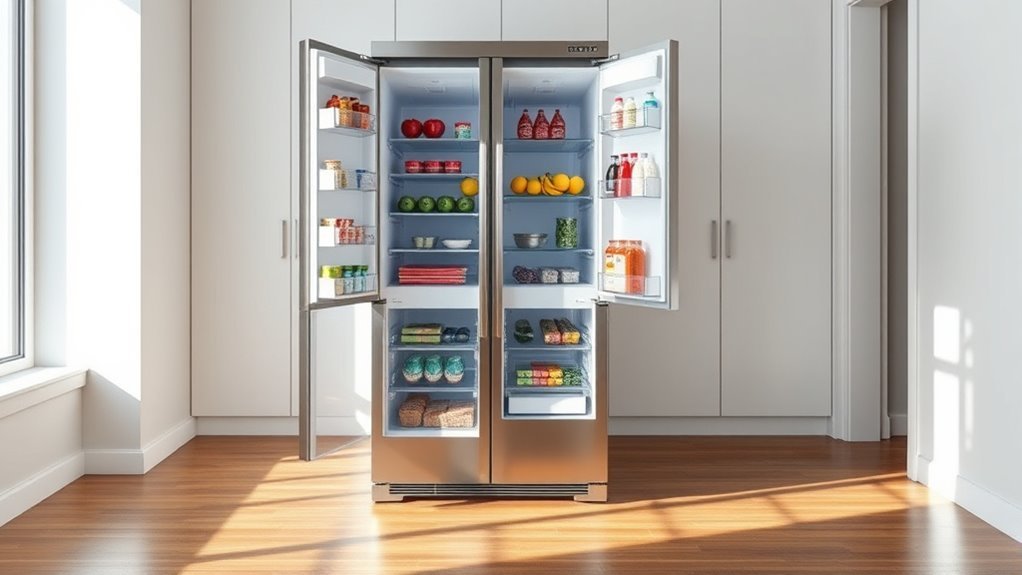
When choosing a full-size refrigerator without a freezer, consider your fresh food storage needs and kitchen space carefully. These refrigerators offer more room for fresh groceries, lower energy use, and easier organization without bulky freezer compartments.
Measure your space accurately and look for adjustable shelves, humidity-controlled drawers, and high energy ratings. Brands like Whirlpool, Samsung, and LG provide reliable, efficient options.
If you want to optimize storage and maintenance, there are useful tips to help you get the best performance.
Key Takeaways
- Choose a no-freezer fridge if you want more space for fresh food and lower energy bills.
- Be sure to measure your kitchen carefully, including door clearance, so it fits perfectly.
- Look for adjustable shelves and humidity-controlled drawers to keep your food fresh and organized.
- Go for models from trusted brands like Whirlpool, Samsung, or LG to get good energy efficiency and durability.
- Keep your fridge in top shape by cleaning it weekly, checking the seals, and manually defrosting when needed.
Full Size Refrigerators With vs. Without Freezers: Which Is Best?
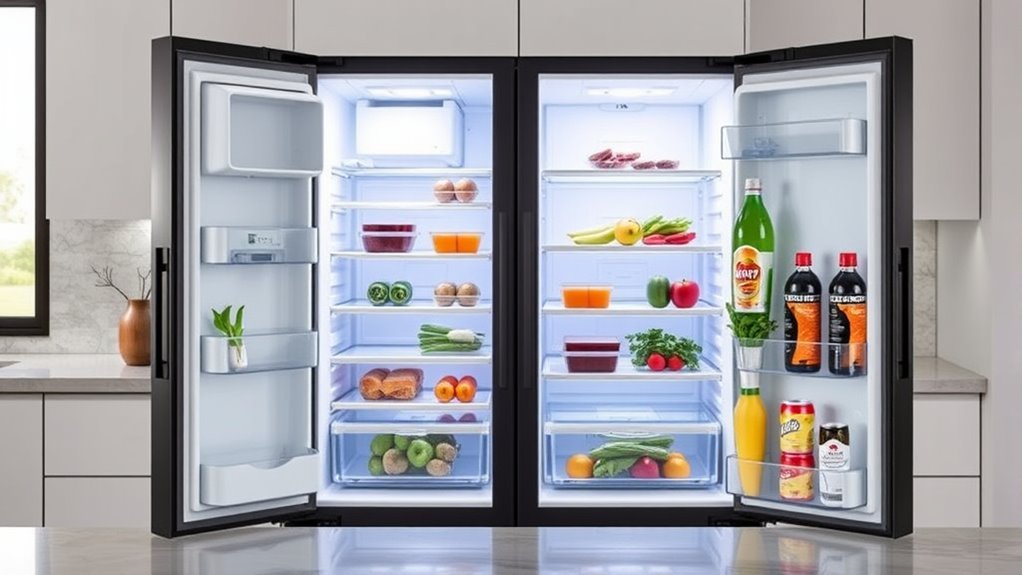
How do you decide between a full size refrigerator with a freezer and one without? It really comes down to your lifestyle and needs.
If you often buy frozen foods or meal prep in bulk, a freezer is a must-have. On the other hand, if you prefer fresh produce and cook daily, a fridge without a freezer might be more practical.
Energy considerations also play a role. Units without freezers generally consume less power, which can lower your utility bills.
Think about your dietary preferences too. If you lean towards fresh, organic items that don’t require freezing, you’ll benefit from extra fridge space.
Conversely, if frozen meals or ice are staples, a freezer-equipped model suits you better.
Ultimately, weigh your storage habits and energy goals. Picking the right model guarantees you get the best balance between convenience and efficiency.
Why Choose a Full Size Refrigerator Without Freezer?
Thinking about how to get the most out of your kitchen storage? A full-size refrigerator without a freezer might just be the perfect choice. Because it doesn’t have that bulky freezer taking up space, you’ll have more room for fresh groceries and everyday essentials. It’s a simple way to maximize your storage without sacrificing convenience.
Plus, without a freezer, the fridge tends to be more space-efficient and easier to organize. You won’t have to worry about defrosting or managing icy build-up. And with fewer compartments, controlling the temperature becomes straightforward, helping your food stay fresh longer. So, if you’re looking for a practical, spacious, and easy-to-maintain fridge, this could be the right fit for you.
Maximizing Fresh Food Storage
Choosing a full-size refrigerator without a freezer gives you more dedicated space to keep your fresh foods organized and easily accessible. This extra room allows for storing produce without cramming, which helps reduce spoilage and waste.
You can arrange fruits, vegetables, dairy, and deli items more efficiently using smart storage options like adjustable shelves, clear bins, and humidity-controlled drawers. These features help maintain freshness by controlling airflow and moisture.
Having a single compartment focused on refrigeration makes it easier to find what you need quickly. Plus, you can customize the layout to suit your lifestyle, whether stacking meal prep ingredients or storing large platters for entertaining.
Space Efficiency Benefits
When you skip the freezer compartment, you get more usable space designed for fresh food storage. This allows you to fit larger items like party platters, tall bottles, or bulk produce without a freezer taking up room.
The compact design of full-size refrigerators without freezers makes them easier to fit into tight kitchen layouts. You can slide them under counters or tuck them into small spaces without losing capacity.
This space efficiency helps you organize groceries better, reducing clutter and making everything easier to find. Choosing this type of fridge gives you a practical appliance that adapts to your kitchen’s needs.
Simplified Temperature Control
Although managing multiple compartments can be tricky, a full-size refrigerator without a freezer makes it easier to control temperatures. You don’t have to balance between freezer and fridge zones, so you can focus on keeping your food fresh.
This streamlined design simplifies adjustments, helping you maintain consistent temperatures throughout. It also reduces energy waste since the system isn’t working harder to cool multiple compartments.
Here’s a quick comparison of temperature control features:
| Feature | Benefit |
|---|---|
| Single temperature zone | Easier to set and maintain |
| No freezer compartment | Better cooling efficiency |
| Simple control interface | User-friendly adjustments |
| Consistent temperatures | Keeps food fresh longer |
Choosing this model means you’ll enjoy hassle-free temperature management and improved fridge performance.
How to Measure Your Space for a No-Freezer Refrigerator
Before you go ahead and choose a no-freezer refrigerator, make sure to measure the width and depth of the space you have in your kitchen. It’s easy to forget, but double-checking these measurements can save you a lot of hassle later on.
Don’t forget to also check the door clearance! You want to ensure the fridge door can open all the way without hitting anything. Taking these simple steps will help you find the perfect fit and make sure your new refrigerator works smoothly in your space.
Measure Width And Depth
To find the perfect no-freezer refrigerator, start by measuring the width and depth of your available space accurately. Use a tape measure to gauge the distance between walls or cabinets where the fridge will sit.
Make sure to leave a small gap, usually about an inch, on either side for ventilation. Then, measure the depth from the back wall to the front edge or countertop, depending on your setup.
Don’t forget to include any baseboards or molding that might affect the fit. Accurate width and depth measurements ensure your refrigerator fits seamlessly without crowding your kitchen.
Taking these steps now can save you from surprises later and help you choose a model that fits perfectly into your space.
Check Door Clearance
One essential step when measuring for a no-freezer refrigerator is checking door clearance to guarantee it opens fully without obstruction. Start by measuring the door width, including any handles or protrusions that affect how much space the door needs to swing open.
Make sure to account for the clearance requirements recommended by the manufacturer, which usually include a few extra inches beyond the door width. Check the surrounding area for walls, cabinets, or appliances that could block the door’s path.
Don’t forget to consider the direction the door swings, especially if you have limited space or corners nearby. Verifying these measurements ensures your refrigerator door won’t get stuck or cause inconvenience, making your kitchen setup smoother and more functional.
What Fresh Food Storage Capacity Do You Need?
How much fresh food storage do you actually need in a full-size refrigerator? It depends on your lifestyle and eating habits.
If you buy fresh produce often or like to meal prep for the week, you’ll want plenty of space to keep everything organized and fresh. Think about how many fruits, vegetables, dairy, and other perishables you typically store.
If you cook frequently and prepare meals ahead, a larger capacity helps prevent overcrowding and spoilage. On the other hand, if you mainly eat out or buy smaller amounts of fresh food, a moderate-sized fridge will do the trick.
Don’t forget to check the shelf layout and adjustable compartments. They can help you make the most of limited space. By reviewing your fresh produce usage and meal prep routine, you can pick a fridge size that fits your needs without wasting space or money.
Key Features to Look For in No-Freezer Refrigerators
Why choose a no-freezer refrigerator? If you want more fresh food space without the hassle of frost buildup or defrosting, these models are perfect. When shopping, focus on key features that boost performance and convenience.
- Energy Ratings: Look for refrigerators with high energy ratings. Efficient models cut down on electricity use, saving you money while keeping your food cool.
- Compressor Types: Different compressors impact noise and durability. Inverter compressors adjust speed for better efficiency and quieter operation, while traditional ones run at full power, which can be less efficient.
- Storage Flexibility: Adjustable shelves, crispers, and door bins help you organize fresh foods better. Since there’s no freezer compartment, making the most of your storage layout is essential.
Energy Efficiency and Cost Savings With No-Freezer Models
Choosing a no-freezer refrigerator can significantly cut your energy bills because these models usually use less electricity than traditional fridge-freezer combos. Without a freezer, the appliance needs less power to keep a steady temperature, which lowers energy use.
This efficiency means long-term savings on your utility bills, making no-freezer refrigerators a smart choice if you want to save money without giving up refrigeration space. Plus, with fewer mechanical parts, these units often require less maintenance, saving you even more over time.
Top Reliable Brands for No-Freezer Refrigerators
If you want to save energy without giving up reliability, knowing which brands are best for no-freezer refrigerators can help you make a smart choice. Look for a model that offers high energy ratings, good user reviews, stylish design, and a competitive price.
Here are three top brands to consider:
- Whirlpool: Known for solid energy efficiency and simple designs, Whirlpool models are praised for their durability and quiet operation.
- Samsung: Samsung’s no-freezer refrigerators feature modern styles and smart features, often with great energy ratings and affordable prices.
- LG: LG combines sleek looks with advanced tech, earning high marks for user satisfaction and efficiency, making it a great value for your money.
Choosing any of these brands means you’ll get a reliable appliance that fits your needs without the freezer compartment.
How to Organize and Maximize Fresh Food Storage
Want to get the most out of your fridge? Start by arranging the shelves so the items you use most often are within easy reach—no more digging through everything! It’s also a good idea to store perishables in the right temperature zones; that way, they stay fresh longer.
And don’t forget about containers! Using clear, airtight containers can really make a difference. They help keep your food fresh and reduce clutter, making your fridge look tidier overall. When you manage these little details, you’ll maximize your space and keep everything fresh and organized every day.
Optimal Shelf Arrangement
Maximizing fresh food storage starts with arranging your refrigerator shelves strategically. Adjusting shelf height lets you fit tall bottles or stack containers efficiently. Take advantage of the compartment variety to separate different food types, which helps maintain freshness and prevents cross-contamination.
Here’s how to optimize your shelf setup:
- Customize shelf height based on your most-used items to avoid wasted vertical space.
- Use compartments to group similar foods like dairy, fruits, and veggies so you can find what you need quickly.
- Keep frequently accessed items at eye level for convenience and to reduce door openings, saving energy.
With these steps, you’ll create a well-organized fridge that maximizes space and keeps your fresh foods in top condition.
Use of Storage Containers
While organizing your refrigerator shelves is essential, using the right storage containers can make an even bigger difference in keeping your fresh foods neat and lasting longer. Choosing proper storage solutions helps you separate items, reduce cross-contamination, and save space.
Look for airtight containers to preserve freshness and prevent odors. Clear container types let you quickly identify contents without opening them, making meal prep easier.
Stackable containers maximize vertical space, while adjustable or modular options adapt to your fridge’s dimensions. Using containers designed for specific foods, like produce keepers or deli trays, also extends shelf life.
Temperature Zones Management
Understanding the different temperature zones inside your refrigerator helps you organize food more effectively and keep it fresher longer. By managing temperature settings and humidity control, you can maximize fresh food storage.
Top shelves maintain a consistent temperature, making them great for leftovers, drinks, and ready-to-eat foods. Just avoid placing raw meat here to prevent cross-contamination.
Crisper drawers are perfect for fruits and vegetables. Adjust the humidity control—use low humidity for fruits and high humidity for veggies—to keep them fresh.
The bottom shelves are the coldest zone, ideal for raw meat, fish, and dairy. Proper temperature settings here are essential for safety.
Where to Store Frozen Foods When You Skip the Freezer
If you don’t have access to a freezer, storing frozen foods might seem tricky, but there are good alternatives to keep your items fresh.
Try using frozen food substitutes like vacuum-sealed fresh produce or ready-to-eat meals that don’t need freezing.
You can also get creative with preservation methods such as pickling, fermenting, or refrigerating items at their ideal temperatures to extend their shelf life.
Some full-size refrigerators without freezers have extra cold compartments or drawers that stay just above freezing. These are perfect for short-term storage of meats or dairy.
Planning your grocery shopping to buy smaller amounts more often can help you avoid long-term freezing altogether.
Buying smaller amounts more frequently helps prevent the need for long-term freezing and keeps food fresher.
By using these frozen food options and preservation techniques, you can manage your perishable goods effectively without a freezer.
This way, you’ll keep your food fresh and reduce waste.
Tips for Maintaining and Cleaning Your No-Freezer Refrigerator
Keeping your no-freezer refrigerator in good shape means regular maintenance and cleaning are essential. To keep your appliance running efficiently and lasting longer, follow these tips.
- Clean the interior regularly: Wipe down shelves and drawers weekly with a mild detergent and warm water. Avoid harsh chemicals to protect surfaces and prevent odors.
- Check door seals: Inspect the rubber gasket for cracks or dirt buildup. Clean it with a damp cloth and mild soap to keep the seal tight, which helps your fridge stay energy-efficient.
- Defrost manually if needed: No-freezer models can build up frost. Defrost when frost exceeds a quarter inch by unplugging the fridge, removing contents, and letting the ice melt naturally.
Frequently Asked Questions
Can I Convert a Freezer-Only Unit Into a Refrigerator?
Yes, you can convert a freezer-only unit into a refrigerator by using freezer conversion methods like adjusting the thermostat or installing a temperature controller.
However, you should think about energy efficiency since freezers are designed to keep things much colder. When you make the change, it might use more energy than usual.
Keep in mind that the insulation and compressor are built for freezing, so converting could impact how well it works and might make your electricity bill higher over time.
Are No-Freezer Refrigerators Compatible With Smart Home Systems?
No-freezer refrigerators with smart technology fit into home automation like a key in a lock.
If you want to control temperature, get alerts, or monitor energy use remotely, many models support these features.
You’ll find options that sync with voice assistants or smartphone apps, making your kitchen smarter and more efficient.
Just check compatibility before you buy, so your no-freezer fridge works seamlessly with your existing smart home setup.
How Noisy Are Full Size Refrigerators Without Freezers?
You’ll find that noise levels in full size refrigerators without freezers vary depending on compressor types. Inverter compressors tend to run quieter and more efficiently, so you won’t be distracted by constant humming.
Traditional compressors might produce louder sounds, especially during cooling cycles. If you’re sensitive to noise, look for models with inverter technology or those specifically rated for low noise levels.
That way, your fridge keeps things cool without disrupting your space.
What Warranty Options Are Available for No-Freezer Refrigerators?
Worry-free warranty coverage welcomes you when choosing no-freezer refrigerators. Most manufacturers offer a standard warranty that covers parts and labor, usually lasting one year.
You can often opt for extended warranties, which prolong protection and give you peace of mind against unexpected repairs. When buying, check if your warranty includes compressor coverage, since it’s essential for cooling.
Always read the fine print to make sure your warranty fits your needs well.
Do No-Freezer Models Require Special Installation or Ventilation?
No-freezer models usually don’t need special installation, but it’s still a good idea to check the specific requirements for your unit.
Ventilation is important because proper airflow helps prevent overheating and keeps things running efficiently.
Make sure to leave enough space around the sides and back of the refrigerator for good air circulation.
Following these simple tips will help your no-freezer fridge operate smoothly and avoid any issues caused by poor installation or ventilation.
Conclusion
Choosing a full-size refrigerator without a freezer is like starting fresh in your kitchen—a sleek space for your fresh foods.
By knowing exactly what you need and how to organize your space, you’ll turn your fridge into a harmonious haven of freshness.
Remember, skipping the freezer lets you focus on vibrant, crisp ingredients.
Smart storage and proper maintenance keep your cool companion running smoothly, ready to support your daily culinary adventures.
When selecting a full-size refrigerator without a freezer, consider your storage needs carefully.
This way, you’ll enjoy a fridge that’s perfectly tailored to your lifestyle and kitchen space.