What Temp Is Medium Rare Steak? A Complete Guide with Cooking Tips
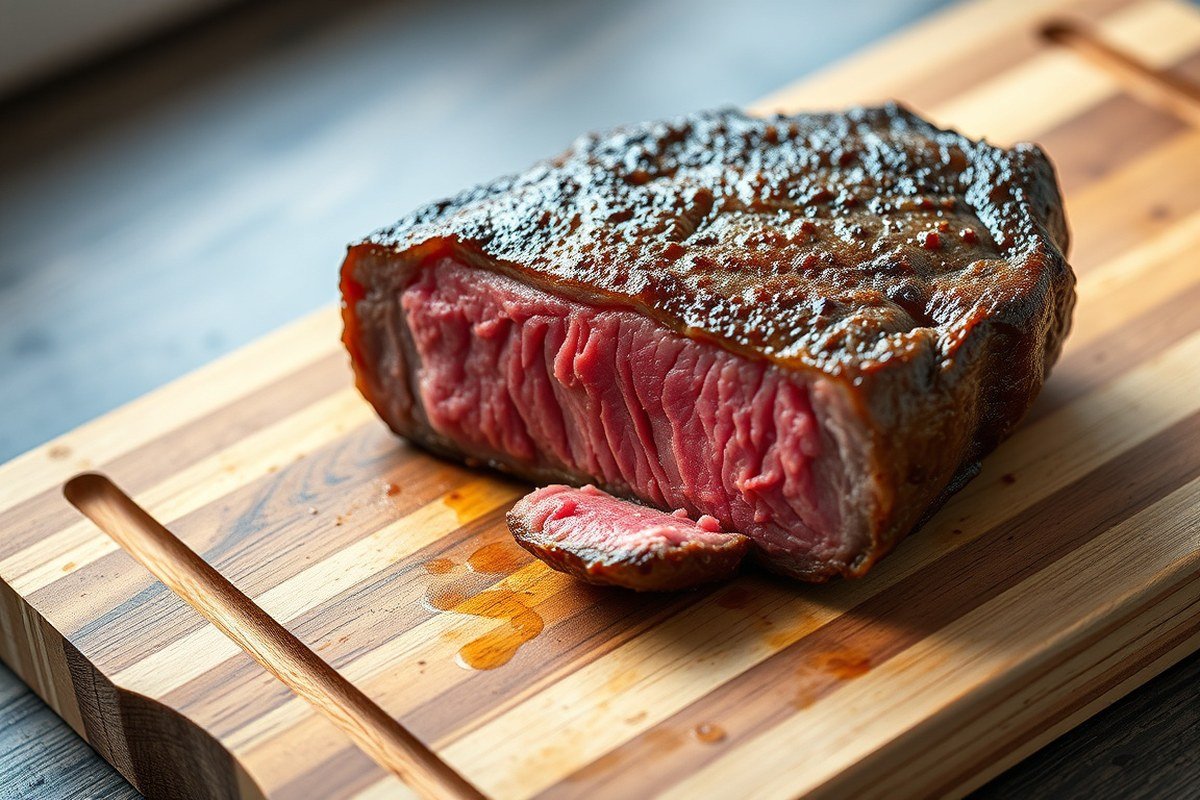
The medium rare steak temperature is between 130 and 135°F, producing a warm, red-pink center that’s juicy and tender. Use an instant-read thermometer to check the thickest part of the steak for accuracy. This temperature range strikes the ideal balance of flavor and texture preferred by many steak enthusiasts.
This guide suits home cooks and steak lovers aiming for perfect medium rare results. You’ll learn precise temperature targets, how to measure correctly, cooking times by method, and tips to avoid common mistakes while ensuring safety.
Key Takeaways
- Measure medium rare steak temperature at the thickest point with an instant-read thermometer for best results.
- Pull the steak from heat when it reaches 125°F to allow carryover cooking to bring it to 130-135°F.
- Rest your steak 5 to 10 minutes after cooking to redistribute juices evenly throughout the meat.
- Medium rare steak usually takes about 6 minutes on a medium-high grill, but timing varies by thickness.
- USDA recommends 145°F for safety, but 130-135°F is typical for medium rare with careful cooking or sous vide.
- Use sous vide cooking at 54°C (129°F) to pasteurize steak safely while maintaining medium rare doneness.
What Internal Temperature Defines Medium Rare Steak?
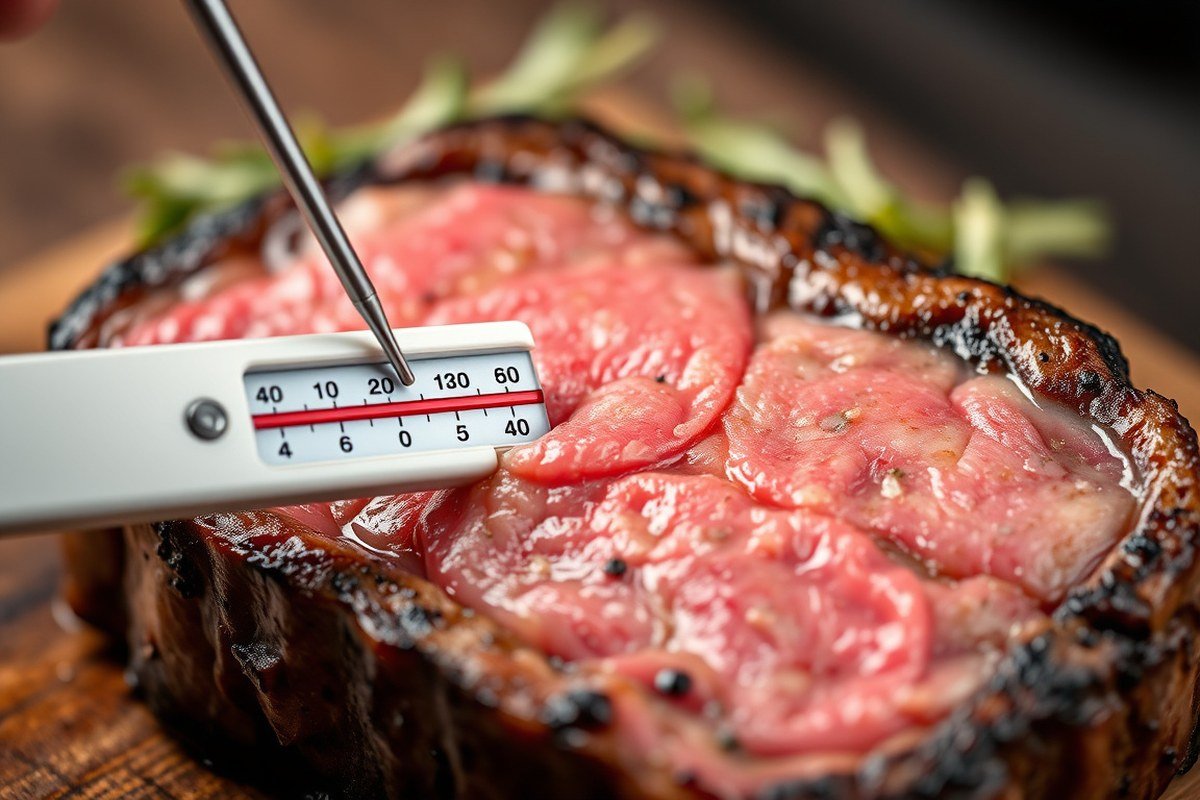
Medium rare steak is precisely defined by reaching an internal temperature between 130 and 135°F (54 to 57°C). This temperature range produces a warm red-pink centre with a thin browned crust on the outside. Cooking steak to this level balances tenderness, juiciness, and flavour, making it the preferred choice for most steak enthusiasts. Reaching this range takes careful temperature monitoring, ideally with an instant-read meat thermometer inserted into the steak’s thickest part.
The USDA recommends cooking steaks to a minimum internal temperature of 145°F for safety, which corresponds to medium doneness rather than medium rare. The higher 145°F guideline aims to eliminate harmful bacteria, but many cooks choose the slightly lower 130, 135°F range to preserve the steak’s tenderness and moisture. Staying within medium rare means accepting a small risk, as the steak may not be fully pasteurized immediately. However, culinary experts often consider 130, 135°F the “sweet spot” where tender texture and full flavour are best.
At 130, 135°F, muscle fibres begin to contract enough to create a firm but tender bite while retaining most of the steak’s natural juices. If the temperature goes above 135°F, the steak starts losing moisture and texture, moving toward medium doneness at 140, 145°F, which has more greyish-pink colour and less juice. Below 130°F, the steak is classified as rare, with a cool red centre but softer texture that some find too bloody.
Achieving medium rare takes about 6 minutes on a medium-high grill for a typical steak thickness. It’s important to measure the internal temperature accurately to avoid overcooking. An instant-read thermometer is the best tool, and reading taken in the thickest part avoids misleading results from thinner edges. Using a temperature chart helps keep track: rare is 120, 130°F, medium rare 130, 135°F, medium 140, 145°F, and beyond that well done.
For those who want to ensure safety while preserving tenderness, pasteurization tables in culinary science show that holding steak at 54, 55°C (130, 131°F) for an extended time can kill bacteria without overcooking. This method, however, requires precise timing and equipment beyond typical home cooking. For everyday purposes, hitting 130, 135°F quickly and resting the steak to allow carryover heat to raise the temperature slightly gives the best medium rare results.
In short, the 130, 135°F internal temperature range is where flavour, moisture, and texture come together perfectly. Knowing this specific target helps you cook a steak with a juicy, warm red centre and a pleasant crust, distinguishing medium rare from other doneness levels.
How to Measure a Medium Rare Steak’s Temperature Correctly
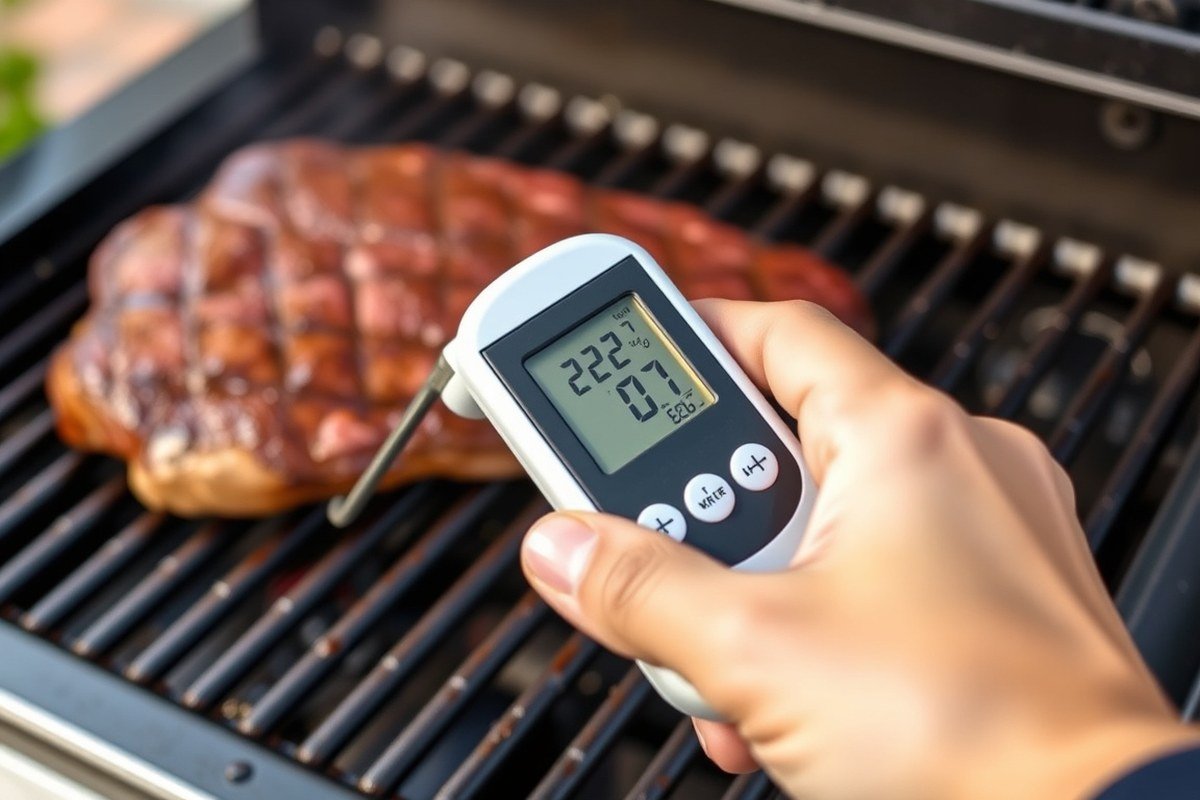
Measuring the internal temperature of a medium rare steak accurately requires using a reliable thermometer and inserting it properly into the steak’s thickest part. Checking the temperature at the right time during cooking and before resting ensures you hit the ideal 130°F to 135°F range, considering carryover cooking. Using the correct tools and technique takes the guesswork out of achieving a perfect medium rare steak.
Choosing the Right Thermometer
Instant-read thermometers are the most practical and accurate for checking steak temperature. They give a quick digital reading within seconds, ideal for thinner cuts or last-minute checks. For thicker steaks or longer cooking times, a wireless leave-in probe thermometer allows continuous monitoring without opening the grill or pan. These wireless devices often cost more, around $20 to $60 depending on features, but offer great convenience and precision.
Analog dial thermometers are less precise and slower to react, so they’re not recommended for precise doneness. Digital instant-read thermometers, like the TempPro or similar models, commonly cost about $15 to $30 and are widely available. Choose a thermometer that reads temperatures between 100°F and 200°F for steak accuracy and has a thin probe to minimize puncture.
Proper Thermometer Placement in Steak
For the most accurate temperature reading, insert the thermometer probe horizontally into the thickest part of the steak. Avoid touching any bone or large fat deposits, as they conduct heat differently and can skew the reading. For an unevenly thick steak, target the center instead of the edges because heat seeps there the slowest.
Push the probe about halfway through the steak’s thickness, ideally 1 to 1.5 inches deep for most cuts. For very thin steaks, slide the thermometer sideways through the edge to hit the center. Do not poke the thermometer straight from the top, as this can miss the thickest spot and give a falsely high temperature.
Timing When to Take Temperature
Start checking the steak’s internal temperature once it nears the lower boundary of medium rare, around 110°F to 115°F. At this point, read the temperature every few minutes depending on steak thickness. Remove the steak from heat when it reaches approximately 5°F below your target temperature, in this case around 130°F. Carryover cooking will raise the temperature by about 5°F during resting.
Insert the thermometer quickly but carefully to avoid losing heat. Instant-read thermometers require roughly 3 to 5 seconds to stabilize the temperature reading. For wireless probes, monitor the temperature continuously to catch the perfect pull-off point. These steps ensure the steak is not under- or overcooked while achieving a medium rare center.
- Let the steak come to room temperature for about 30 minutes before cooking to ensure even heating.
- Choose your thermometer: instant-read for quick checks or wireless leave-in for thick cuts.
- During cooking, insert the thermometer probe horizontally into the thickest part of the steak, avoiding bones and fat.
- Start measuring when the steak’s temperature reaches 110°F to 115°F, checking every few minutes.
- Pull the steak from heat at about 130°F to allow carryover cooking to rise it to medium rare range.
- Rest the steak before slicing to let juices redistribute and temperature stabilize.
Tip: Always calibrate your digital thermometer periodically by testing it in ice water to ensure accurate readings during cooking.
Understanding Carryover Cooking and Pull-Off Temperatures
Carryover cooking means a steak’s internal temperature rises even after you take it off the heat. To get a perfect medium rare, you should pull your steak from the heat at about 125°F. This lets the residual heat inside finish cooking the steak to the ideal 130°F to 135°F while it rests.
Temperature Rise During Resting
After removing your steak from the heat source, the internal temperature can increase by 3 to 5°F. This happens because heat continues moving from the outer parts of the steak toward the cooler center. For medium rare, pulling your steak at 125°F lets carryover heat bring it up to the final target temperature of 130 to 135°F. Usually, a rest period of 5 to 7 minutes is enough for this temperature rise to complete and the juices to redistribute evenly.
Steaks thicker than 1 inch tend to have more carryover cooking than thinner cuts. The thicker the steak, the more heat it holds, meaning the internal temperature can rise by closer to 7 to 10°F during resting. For thinner steaks, expect a smaller temperature bump. This difference is why knowing your steak’s thickness helps decide precisely when to pull it off the heat.
Pull Temperature Guidelines by Thickness
A 1-inch thick steak cooked to medium rare should be pulled at about 125°F. For steaks around 0.75 inches, you can pull closer to 123°F because less carryover heat raises the temperature. Thicker steaks, like 1.5 to 2 inches, may require pulling at 122°F or slightly cooler, allowing up to 7 to 10°F increase during resting. For example, a 2-inch steak pulled at 122°F could finish at 130°F or slightly higher after resting.
Using consistent heat methods also affects when to pull your steak. On high-heat grills, the outer layers get hot fast and retain heat well, promoting more carryover cooking. Slower, lower-temperature cooking methods like oven finishing may mean less carryover heat, so pull-off temperatures might be closer to your target internal temperature. Adjusting pull temperature based on thickness and cooking method prevents overcooking or undercooking.
How to Adjust for Carryover Cooking
Use a dependable instant-read thermometer to check your steak’s internal temperature. Pull the steak from heat about 5°F before the final medium rare goal. For medium rare, take it off at 125°F so it can rise to 130-135°F during resting. Let the steak rest on a warm plate or cutting board for 5 to 7 minutes without tightly covering, letting heat spread evenly.
Failing to account for carryover cooking risks overshooting the ideal medium rare range. Waiting to remove the steak until it reaches 130°F might cause the temperature to climb to 135 or 140°F as it rests, resulting in a medium doneness instead. On the other hand, pulling too early results in a cooler center than desired. Practicing this timing and measuring carefully gives you control over your steak’s doneness every time.
Medium Rare Steak Cooking Times by Method and Thickness
Cooking a medium rare steak requires precise control of temperature and timing, which varies by cooking method and the thickness of the steak. For grilling and pan searing, the heat should be hot enough to develop a good crust but not so hot that the outside burns before the inside reaches 130°F to 135°F. Grill temperatures in the range of 325°F to 400°F work well for steaks about 3/4 to 1 inch thick, while thinner steaks around 1/2 inch need a higher temperature, 425°F to 450°F, to achieve the right sear quickly.
Sous vide cooking takes a different approach by cooking the steak at a low, precise temperature, resulting in evenly cooked meat throughout. Sous vide settings are typically programmed exactly to the target finishing temperature (around 130°F for medium rare), but cooking times depend mostly on thickness. Take the steak out when the core reaches about 5°F below your target because carryover cooking will raise the internal temperature by the time you serve it.
| Steak Thickness | Grill Temperature | Grill Time (minutes per side) | Pan Temperature | Pan Time (minutes per side) | Sous Vide Temperature | Sous Vide Time |
|---|---|---|---|---|---|---|
| 1/2 inch | 425°F – 450°F | 2 – 3 | 425°F – 450°F | 2 – 3 | 130°F | 45 – 60 minutes |
| 3/4 inch to 1 inch | 325°F – 400°F | 4 – 5 | 325°F – 400°F | 4 – 5 | 130°F | 1 – 2 hours |
| 1 1/2 inch | 325°F – 400°F | 5 – 6 | 325°F – 400°F | 5 – 6 | 130°F | 2 – 3 hours |
Cooking thinner steaks quickly at higher temperatures helps develop surface browning without overcooking the inside. Thicker steaks benefit from slightly lower temperatures applied for a longer period to allow the heat to penetrate the center gradually. Using a pan or grill with stable heat helps avoid temperature swings that can result in uneven cooking. The sous vide method is the most forgiving, as it gently cooks the steak evenly without risk of overshooting the temperature, but it requires more time and specialized equipment.
Checking internal temperature with a reliable meat thermometer is the best way to know when to pull the steak from heat. Take the steak off about 5°F below 130°F because residual heat continues cooking the meat after removing it from the heat source. Rest the steak briefly to let juices redistribute, which preserves moisture and improves flavor.
What Medium Rare Steak Should Look, Feel, and Taste Like
A perfectly cooked medium rare steak shows a warm red center that is juicy and tender. The color shifts from a browned crust on the outside to a vibrant pink-red core, typically between 130°F and 135°F after resting. The interior does not have any gray tones, which appear in steaks cooked beyond medium rare. This red center holds the moisture within the meat fibers, contributing to the steak’s signature succulent texture.
To check the texture by touch, press the steak gently with your fingertip or tongs. A medium rare steak will feel springy and soft, yielding slightly under pressure but with some resistance. It should not feel mushy, which implies undercooking, nor should it be too firm or rigid, which indicates it’s moving towards medium or well done. You can compare this touch to the fleshy part of your hand below the thumb when your hand is relaxed. This physical test helps avoid cutting into the steak and losing precious juices.
The flavor of medium rare steak is more pronounced compared to higher doneness levels. The crust formed during searing locks in rich, caramelized flavors while the warm red interior preserves the natural beefy taste combined with juiciness. The juices are released slowly on chewing, improving tenderness and mouthfeel. Overcooking reduces this intensity and dries out the meat, resulting in a tougher bite and muted flavors.
For optimal results, remove the steak from heat when the internal temperature reads about 125°F to 130°F, then let it rest for around 5 to 10 minutes. This resting period allows heat to redistribute, raising the final temperature to the ideal range. The exterior crust remains flavorful while the inside stays moist and tender. Avoid pressing or cutting the steak right away as this causes the juices to escape, reducing both taste and tenderness.
Use the finger test: touch the steak and feel if it has a soft but slightly springy texture, similar to the feel of your thumb pad when your hand is relaxed, to check for medium rare doneness without cutting into the meat.
Is Medium Rare Steak Safe to Eat? USDA and Food Safety Facts
According to the USDA, the minimum safe internal temperature for whole-muscle beef steaks is 145°F followed by a rest time of at least three minutes. This guideline reduces the risk of harmful bacteria by ensuring that the steak reaches a temperature high enough to pasteurize the surface, where bacteria are most likely to reside. The rest period allows the internal temperature to remain stable, further killing any remaining pathogens.
Many chefs prefer cooking medium rare steaks to an internal temperature around 130°F to 134°F. This temperature range produces a warm, red center with a tender, juicy texture that steak lovers prize. Because whole-muscle steaks have bacteria mainly on the surface and not inside the meat, a rapidly browned exterior provides enough kill-off, making the lower internal temperature generally safe for healthy adults.
Holding temperature over time plays a role in steak safety through time-temperature pasteurization. This means that a slightly lower internal temperature can still be safe if held for a specific period before serving. For example, at 130°F, maintaining that temperature for at least 112 minutes can achieve the same bacterial reduction as a quick cook to 145°F. However, holding steak at lower temperatures for long periods is uncommon in home cooking, so the USDA’s 145°F standard remains a practical reference for safety.
Practically, if you choose to cook your steak medium rare below the USDA recommendation, it’s important to start with high-quality beef from trusted sources. Proper handling, refrigeration, and sourcing significantly impact safety since undercooking increases the risk of foodborne illness, especially for vulnerable individuals. Thoroughly searing the steak’s exterior is critical because this is where most bacteria live, and that surface heat pasteurizes the meat’s outside layer.
Resting your steak for at least three minutes after removal from heat is essential. During rest, the steak’s temperature continues to rise slightly, and the internal heat distributes evenly, improving safety and improving texture and flavor. Not resting the steak immediately after cooking might result in uneven heat distribution and less effective pathogen reduction.
In summary, medium rare steak cooked to around 130°F to 134°F is generally safe for healthy adults due to surface pasteurization and the low likelihood of bacteria inside whole-muscle cuts. Following USDA guidelines of cooking to at least 145°F and resting for three minutes maximizes safety, especially for at-risk populations. Understanding time-temperature pasteurization helps explain why chefs favor medium rare for better texture while balancing food safety.
Common Mistakes When Cooking Medium Rare and How to Fix Them
Common mistakes in cooking medium rare steak include pulling it from the heat either too early or too late and achieving uneven cooking. Removing the steak too soon can leave it undercooked and raw in the center, while pulling it too late risks turning it medium or even well done rather than medium rare. A standard guideline is to take the steak off the heat at about 125°F (52°C), which allows for carryover cooking to reach a final temperature of around 130°F (54°C).
Uneven cooking often results from temperature fluctuations on the cooking surface or not allowing the steak to rest properly before and after cooking. When the steak is cold before you put it on the grill or pan, the outside can cook much faster than the inside, which makes reaching medium rare tricky without overcooking the edges. Resting the steak at room temperature for 20 to 25 minutes prior to cooking helps the meat cook more evenly.
Removing the steak too early when it’s underdone allows you to put it back on the heat for a short time, though this carries the risk of overcooking the outside layers. A better practice is gently warming it in a low oven (around 200°F or 93°C) for a few minutes until it reaches the desired temperature. Conversely, if the steak is overdone, there are no safe ways to reverse this, but resting the meat allows juices to redistribute, which can improve the texture and juiciness even in tougher areas.
- Check the steak’s temperature frequently with an instant-read thermometer to avoid guesswork.
- Allow steak to come to room temperature for 20, 25 minutes before cooking for even heat penetration.
- Remove the steak from heat when it reaches about 125°F, then rest to finish cooking to 130°F.
- Use consistent heat on the grill or pan to prevent hot spots that cause uneven cooking.
- Rest steak for at least 5-10 minutes after cooking to allow juices to settle and temperature to even out.
Keeping a temperature chart visible during cooking, such as a magnetic meat temp guide placed near the grill, can help prevent common errors. A key point is removing the steak a few degrees cooler than the final desired temperature to account for carryover heat. Ensuring even cooking temperature and good timing reduces the chance of ending up with a steak that is not medium rare across its thickest portion.
How to Rest Medium Rare Steak and Why It’s Essential
Resting a medium rare steak for about 5 to 10 minutes after cooking allows its juices to redistribute evenly. This process makes the meat juicier and lets the internal temperature rise slightly, completing carryover cooking. Cutting too soon risks losing flavorful juices on the cutting board.
Optimal Resting Time Range
For a medium rare steak, resting typically takes between 5 and 10 minutes. Thinner cuts closer to ¾ inch on the lower end of that range, while thicker steaks up to 1½ inches benefit from resting closer to 10 minutes. Resting too long can allow the steak to cool below the target serving temperature, but cutting immediately skips the essential juice redistribution.
The resting period raises the internal temperature by about 5°F, so pulling your steak from heat at 125, 130°F will reach the ideal 130, 135°F medium rare range by the time you serve. This gradual warm-up prevents overcooking and improves texture.
Effects of Resting on Juices
Cooking causes steak muscle fibers to tighten and force juices inward. Allowing the steak to rest after cooking lets the fibers unwind, so the moisture spreads evenly instead of collecting only in the center. This helps the steak stay juicy and tender when you bite into it.
Cutting before resting causes the juices to rush out, resulting in a dry, less flavorful steak. Proper resting keeps more juices in the meat, so every bite stays tender and juicy.
Resting Techniques (Foil Tent, Plate Choice)
After cooking, transfer the steak to a warm plate or cutting board. Avoid stacking steaks, which traps steam and can soften the crust. Loosely tent the steak with aluminum foil to retain heat without causing steaming, which would affect texture.
Using a plate with some thickness or insulation helps hold temperature better during resting. Avoid cold or metal plates that can draw heat away quickly, lowering the steak’s temperature prematurely. Here’s a step-by-step process for resting your medium rare steak properly:
- Remove steak from heat source once it reaches 125, 130°F as measured by an instant-read thermometer.
- Place steak on a warm plate or wooden cutting board, single layer only.
- Loosely tent the steak with aluminum foil, leaving some space for air to circulate.
- Let the steak rest undisturbed for 5 to 10 minutes, depending on thickness.
- Use the instant-read thermometer again to confirm the final internal temperature reaches 130, 135°F.
- Slice against the grain and serve immediately to retain maximum juiciness.
Cutting a steak too soon causes precious juices to spill out onto the plate, leaving the meat less moist and flavorful.
Step-by-Step Action Plan for Cooking the Perfect Medium Rare Steak
Follow these steps to master a medium rare steak with ideal texture and flavor, while ensuring food safety.
- Before cooking: Choose a high-quality steak at least 1 inch thick for even cooking. Look for good marbling and freshness.
- Preheat: Bring your grill or pan to high heat (around 450°F to 500°F) before placing the steak on it, ensuring a good sear.
- Cook time: Sear the steak for about 3 to 4 minutes per side for 1-inch thickness. Adjust time by thickness, thicker steaks need more time.
- Check temperature: Use an instant-read meat thermometer in the steak’s center. Pull the steak when it reads 125°F to 130°F to allow for carryover cooking.
- Rest: Let the steak rest for 5 to 10 minutes under loose foil so the juices redistribute. The internal temperature will rise to 130°F to 135°F, hitting medium rare.
- Test doneness: Press the steak gently, medium rare steaks should feel slightly springy and warm, not soft or firm.
- Serve and enjoy: Slice against the grain and serve immediately. A properly cooked medium rare steak will have a warm red center and juicy texture.
Frequently Asked Questions
What Is the Ideal Temperature Range for Resting a Medium Rare Steak?
Resting a medium rare steak should be done at room temperature for about 5 to 10 minutes to allow juices to redistribute, improving tenderness and flavor without overcooking the meat.
How Does Steak Thickness Affect Reaching Medium Rare Temperature?
Thicker steaks take longer to reach 130-135°F internally, so adjust cooking time and use a thermometer for accuracy.
Can You Cook a Medium Rare Steak Entirely on a Grill?
Yes, you can achieve medium rare on a grill by monitoring the steak temperature closely and flipping to develop a crust without overcooking.
What Is the Main Difference in Texture Between Medium Rare and Medium Steak?
Medium rare steak is softer and juicier with a warm red center, while medium is firmer with a pink center.
How Important Is the Type of Cut for Cooking a Medium Rare Steak?
Tender cuts like ribeye or filet mignon cook evenly and suit medium rare better, while tougher cuts may need different techniques.
Can Sous Vide Help in Cooking a Medium Rare Steak?
Sous vide precisely cooks steak to 130-135°F evenly, then a quick sear adds crust without overcooking inside.
Before You Go
A medium rare steak is cooked to an internal temperature between 130°F and 135°F, which you should verify using a food thermometer for accuracy. Resting the steak after cooking allows it to reach ideal doneness and ensures food safety. Achieving a tender, juicy steak requires good searing, precise temperature monitoring, and adequate resting time. Use a dependable thermometer along with your preferred steak cut, adjusting cooking duration based on its thickness and the heat applied.