How to Grill Salmon Perfectly: A Step-by-Step Guide
Grilling salmon is a simple and delicious way to enjoy this healthy fish, requiring just a few essential steps for perfect results. You start by preparing the grill and salmon with proper seasoning and oil to prevent sticking, then cook it over medium heat until it flakes easily. This method yields moist, flavorful salmon with crisp, charred edges.
Knowing how to grill salmon matters because overcooking or improper handling can easily dry out this delicate fish. Because salmon cooks quickly, it’s important to handle it gently and monitor cooking times closely. Additionally, the smoky flavor from grilling enhances the salmon’s natural richness, making it a fresh and satisfying meal.
This article covers everything from choosing the right salmon cut and preparing your grill, to mastering timing and techniques for grilling salmon. Whether you prefer skin-on fillets or salmon steaks, you'll find practical advice and troubleshooting tips so you can confidently grill salmon for yourself and guests.
Choosing the Right Salmon for Grilling
Types of Salmon Cuts Suitable for Grilling
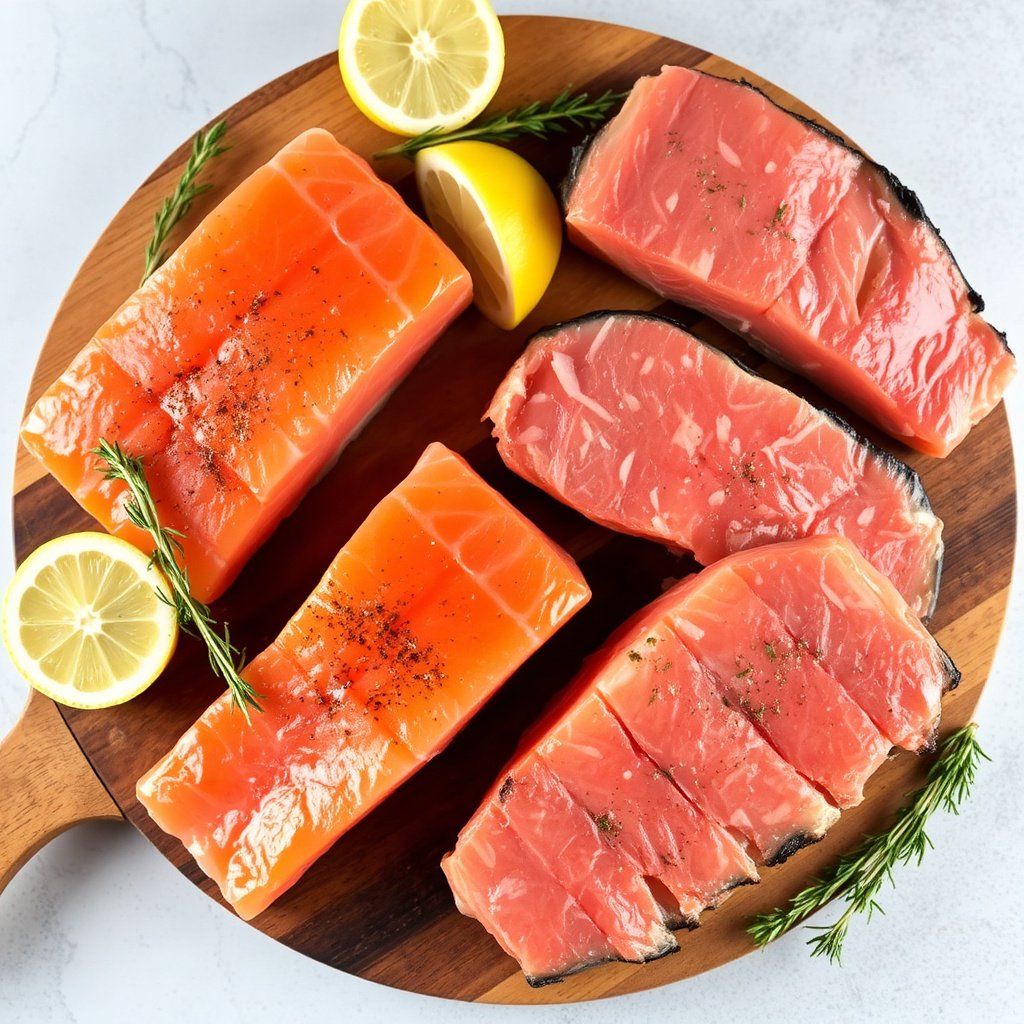
Salmon fillets and steaks are the two most popular cuts for grilling. Fillets, typically skin-on, are easier to handle and cook quickly. Steaks, cut crosswise through the bone, have the advantage of staying intact better on the grill but require slightly longer cooking times.
When picking fresh salmon for grilling, look for firm flesh, bright color, and minimal strong fish odor. Wild-caught salmon often has a richer flavor and is preferred by many grillers, though farmed salmon is more budget-friendly and readily available.
- Skin-on fillets for easier grilling and flavor
- Steaks for sturdier pieces that grip the grill
- Wild-caught for intense flavor
- Farmed for budget and availability
Fresh vs. Frozen Salmon: What Works Best
Fresh salmon is ideal for grilling due to its texture and moisture content, but high-quality frozen salmon can also be excellent if thawed properly before cooking. Thaw frozen salmon slowly in the refrigerator overnight to maintain its texture.
If using frozen salmon, pat it dry after thawing to remove excess moisture, which helps prevent sticking and promotes even searing on the grill. Avoid refreezing thawed salmon to preserve flavor and texture.
Preparing Your Grill for Perfect Salmon

Cleaning and Oiling the Grill Grates
Cleaning grill grates before cooking salmon is critical to prevent sticking and ensure clean grill marks. Use a sturdy grill brush to remove residue from previous cooking sessions and heat the grill to burn off lingering debris.
Oiling the grates after cleaning creates a slick surface. Use a paper towel dipped in vegetable or canola oil, and with tongs, rub it over the hot grates carefully. This step will allow the salmon to release easily when it’s ready to be flipped.
Setting the Right Temperature for Grilling Salmon
Medium heat, roughly 350-375°F (175-190°C), is ideal for grilling salmon. This temperature ensures the fish cooks evenly without burning the exterior before the interior is done.
If using a charcoal grill, bank the coals on one side to create a two-zone fire with a direct heat area and a cooler zone. This allows you to sear the salmon over direct heat then move it to indirect heat to finish cooking gently.
Seasoning and Marinating Salmon for Grilling

Simple Seasoning Options for Grilled Salmon
A classic and effective way to season salmon for grilling is with salt, freshly ground black pepper, and a drizzle of olive oil. This lets the natural flavor shine and helps the fish brown nicely.
Additional spices like garlic powder, smoked paprika, or dried herbs can be used for variety. Lemon zest or lemon juice adds refreshing acidity to balance salmon’s richness.
- Sea salt and black pepper basics
- Olive oil to prevent sticking
- Optional garlic powder or paprika
- Lemon juice or zest for brightness
For more on this, see our related guide: What Is a Flame Grilled Steak: Complete Guide with Expert Tips.
Marinating Tips for Enhanced Flavor
Marinating salmon before grilling can infuse bold flavors and moisten lean cuts. Popular marinades include combinations of soy sauce, honey or maple syrup, garlic, and citrus juice.
Marinate salmon for no more than 30 minutes to avoid breaking down the flesh excessively. Always pat the fish dry before placing it on the grill to promote caramelization.
Step-by-Step Guide to Grilling Salmon

How to Grill Salmon Without Sticking
Start by placing skin-side down salmon fillets directly onto the hot, oiled grill grates. Press down gently for a few seconds to prevent curling. Avoid moving the fillet excessively; let it sear for about 4-5 minutes.
Once the edges look opaque and the flesh releases easily, use a wide spatula to flip the fillet carefully. Cooking skin-side first protects the flesh and creates crispy skin.
- Preheat and oil grill grates
- Place salmon skin-side down
- Press gently to avoid curling
- Flip only when salmon releases easily
Cooking Times and Doneness Indicators
Salmon typically takes 8-12 minutes total to grill depending on thickness, with 4-6 minutes per side. It’s done when the flesh flakes easily with a fork and has turned opaque throughout but remains moist.
For accuracy, an internal temperature of 125-130°F (52-54°C) is perfect for medium-rare, balancing juiciness and safety. Use a meat thermometer if uncertain.
- 4-6 minutes per side for average fillets
- Look for opaque color and flaking flesh
- Aim for 125-130°F internal temperature
Serving and Storing Grilled Salmon

Best Serving Suggestions for Grilled Salmon
Serve grilled salmon with fresh lemon wedges to enhance its flavor. It pairs beautifully with simple sides like steamed vegetables, rice, or a crisp salad. A drizzle of herb sauce or a dollop of tzatziki adds brightness.
You can also flake leftover grilled salmon onto salads or mix into pasta dishes for quick meals. Warm or cold, grilled salmon keeps its delightful texture and taste.
For more on this, see our related guide: What Is a Bar and Grill? A Complete Guide to Food, Drinks & Atmosphere.
Storing Leftovers and Reheating Tips
Store leftover grilled salmon in an airtight container in the refrigerator for up to 3 days. To reheat, warm gently in a low oven or covered skillet to avoid drying it out.
Avoid microwaving if possible, as it can make the salmon tough and unevenly heated. Instead, use residual heat and short intervals when reheating.
- Refrigerate in airtight container for up to 3 days
- Reheat gently in oven or skillet
- Avoid microwave reheating for best texture
Troubleshooting Common Grilling Salmon Issues

How to Prevent Salmon from Sticking to the Grill
Sticking happens mostly due to inadequate oiling or moving the salmon too early. Always preheat and oil your grill grates well before placing salmon to ensure a natural non-stick surface.
Wait until the salmon releases easily before flipping. If it sticks, give it another minute. Salmon that’s stuck often tears, so patience is key.
- Preheat grill and oil grates
- Place salmon skin-side down
- Flip only when fish releases naturally
For more detailed information about salmon cooking methods, see this grilling salmon details on Wikipedia. grilling salmon details on Wikipedia.
Fixing Overcooked or Dry Salmon
Overcooking is the most common mistake and results in dry, crumbly salmon. To salvage it, serve with sauces or dressings that add moisture, like herb vinaigrettes or creamy tzatziki.
Prevent this by monitoring cooking time closely and using a meat thermometer. Removing salmon from heat slightly before done will allow carryover cooking to finish it perfectly.
Grilling Salmon Categories Comparison
This comparison table highlights different salmon grilling options based on cut type, flavor profile, cooking time, and best use cases.
| Category | Cut Type | Cooking Time | Flavor Intensity | Best For |
|---|---|---|---|---|
| Wild-caught Fillets | Fillet | 8-10 min | Rich and robust | Everyday grilling |
| Farmed Fillets | Fillet | 8-10 min | Milder, buttery | Budget-friendly meals |
| Wild-caught Steaks | Steak | 10-12 min | Deep, meaty | Firm texture lovers |
| Farmed Steaks | Steak | 10-12 min | Milder flavor | Larger portions |
| Sockeye Salmon | Fillet/Steak | 8-12 min | Distinct and bold | Flavor-focused grilling |
Frequently Asked Questions
Can I grill salmon without skin?
Yes, you can grill skinless salmon, but it’s more delicate and prone to sticking or falling apart. Use a well-oiled grill and handle the fish gently to minimize these issues.
Is it better to grill salmon on direct or indirect heat?
Start salmon over direct medium heat to sear and develop grill marks, then move it to indirect heat to finish cooking gently without burning.
How do I know when grilled salmon is done?
Salmon is done when it flakes easily with a fork and the flesh turns opaque. For precision, aim for an internal temperature of 125-130°F (52-54°C).
Should I marinate salmon before grilling?
Marinating is optional but recommended if you want extra flavors. Limit marinating to 30 minutes to avoid affecting the texture negatively.
Can grilled salmon be cooked from frozen?
Grilling salmon from frozen is not advised. Thaw it completely in the refrigerator first to ensure even cooking and better texture.
Key Takeaways
- Use medium heat and well-oiled grates for grilling salmon
- Skin-on fillets are easier to grill without sticking
- Watch cooking times closely to avoid drying out the fish
- Marinate briefly or simply season to enhance flavor
Conclusion
Understanding how to grill salmon perfectly involves balancing heat, timing, and preparation to highlight the fish’s natural flavor and texture. Grilling salmon properly means recognizing the difference between fillets and steaks, preheating and oiling your grill thoroughly, and choosing your seasoning wisely. The main keyword 'how to grill salmon' directs home cooks to focus on controlled cooking temperatures and handling techniques that prevent sticking and preserve juiciness. These details come together to make sure your salmon is tender, flaky, and delicious every time.
If you prefer ease and clean presentation, skin-on fillets cooked over medium heat make a reliable choice. For those who enjoy a meatier bite, salmon steaks provide some extra sturdiness with a slightly longer cook time. Using wild-caught salmon enhances the flavor profile with distinctive richness. Bringing in the secondary keyword 'best salmon grilling tips' within seasoning advice and grill prep sections helps expand your approach, making the process more versatile and rewarding. Simple salt, pepper, and a drizzle of oil work wonders, while short marinades add exciting flavor twists without compromising texture.
To start your own grilled salmon success, select fresh or properly thawed fish, prepare your grill and seasoning thoughtfully, and pay close attention during cooking to timing and temperature. Avoid rushing or excessive flipping, and use a reliable meat thermometer if you want confidence in doneness. Once you've grilled salmon yourself a few times, you’ll notice the rewarding combination of crispy exterior and tender inside that makes grilling salmon a satisfying technique for any home cook.