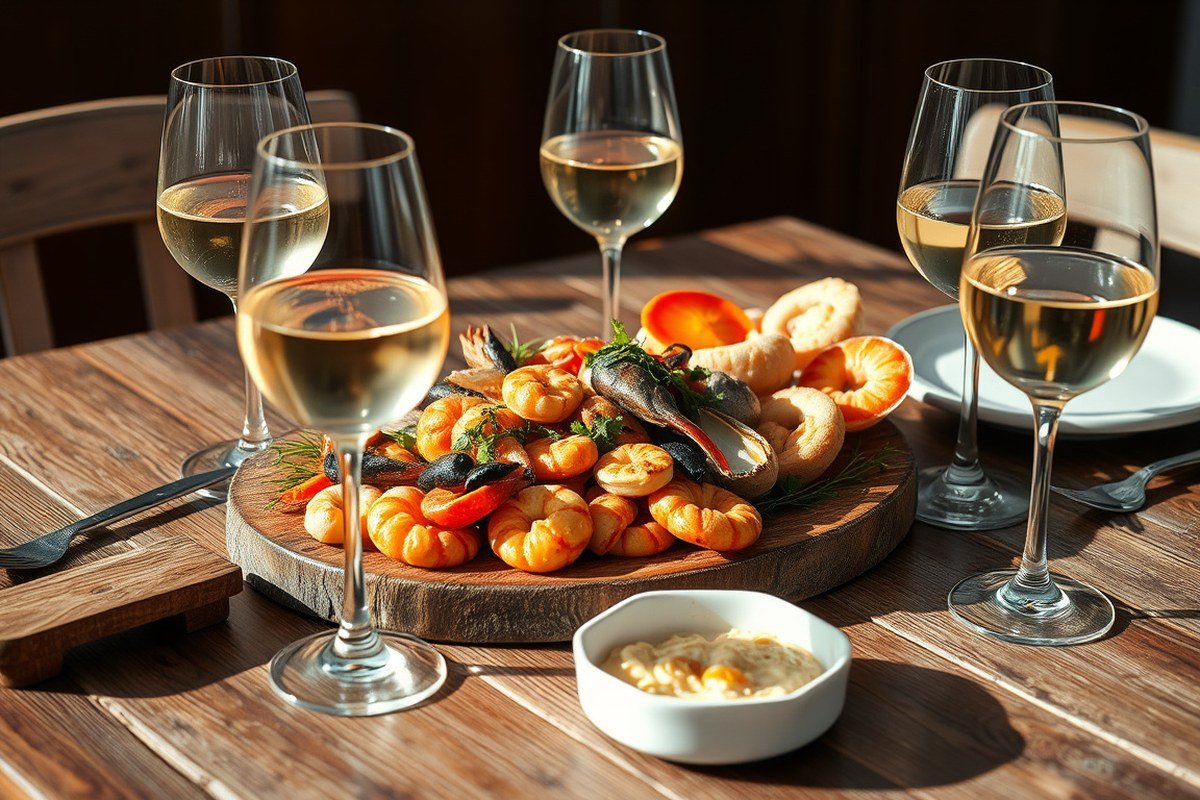
How to Pair Wine with Seafood: 8 Expert Tips for Perfect Matches
Pairing wine with seafood starts by matching the wine’s weight and acidity to the texture and flavor of the seafood dish. Dry white wines like Sauvignon Blanc or Pinot Gris work well with most fish and shellfish, while light reds can complement richer seafood preparations. Basic principles focus on balancing flavors without overpowering the delicate nature of seafood.
This advice suits casual wine drinkers and seafood fans eager to confidently select wines that improve their meals. You’ll find straightforward tips covering cooking methods, seasoning, and how to pick wines that highlight your favorite seafood dishes.
Key Takeaways
- Match the wine’s body to the seafood’s texture; lighter wines go with delicate fish, fuller-bodied whites suit richer seafood.
- Serve white wine chilled between 45 to 50°F to bring out fresh flavors without dulling aroma.
- Cooking methods like grilling or frying add intensity that may call for wines with more acidity or tannins.
- Dry whites such as Sauvignon Blanc or Grüner Veltliner pair well with cod, tilapia, crab, and clams.
- Shellfish pairs nicely with light white wines like Vouvray or a crisp Pinot Gris for an elegant balance.
- Consider sauce and seasoning acidity to match with wines offering similar or complementary brightness.
1. What Are the Basics of Pairing Wine with Seafood?

White wine generally works better with seafood because of its bright acidity and lighter body, which complement the delicate flavors and textures typical of most fish and shellfish. The acidity in white wine acts much like a squeeze of fresh lemon, it lifts the natural flavors without overpowering them. This balance allows the seafood’s subtleties to shine, creating harmony between the dish and the wine. For example, a crisp Pinot Grigio or Sauvignon Blanc serves as a clean backdrop that improve light, simply prepared seafood dishes, especially those featuring lemon or mild seasoning.
Acidity and body are important when matching wine with seafood because they influence how the wine interacts with the texture and richness of the dish. Seafood is often delicate and low in fat, so wines with high acidity and a lighter body typically provide a refreshing contrast that cuts through any natural oils without weighing down the palate. Heavier or tannic wines tend to clash unless the seafood is prepared with richer ingredients or bolder flavors. For instance, grilled swordfish, a denser, meatier fish, pairs better with a fuller-bodied white wine or, if served with a red wine sauce, a red wine with moderate tannins can work. The key is to match the weight and intensity of the wine to the preparation and richness of the seafood.
Despite the reputation for white wine with seafood, certain red wines can be excellent partners when selected carefully. Light-bodied reds like Pinot Noir offer moderate acidity and gentle tannins that complement oily fish such as salmon or tuna. When deciding on a red wine, you want one that balances enough acidity and softer tannins to avoid overpowering the seafood’s flavors. In many cases, seafood cooked with heavier or more flavorful ingredients allows room for red wine pairing. This balance depends on both the fish itself and how it’s prepared, so paying attention to these factors will help you pick the right wine.
Unlike a strict rulebook, pairing wine with seafood is more about achieving harmony between the dish’s flavors and the wine’s characteristics. You don’t have to follow conventions rigidly, if your favorite white wine makes your seafood taste better, it’s the right choice for you. Take note of the dish’s richness, seasoning, and cooking method before choosing your wine. Lighter, simpler seafood preparations pair well with crisp, high-acid whites, while richer or more intensely flavored seafood can support wines with more body and structure. This approach ensures your wine improve rather than overwhelms your meal.
The idea that wines and seafood from the same region pair well stems from their shared environment. Coastal white wines often complement seafood caught nearby because the climate and soil influence both flavors. This link clarifies why fresh seafood matches so well with these local wines. Sake, not a wine but similar in alcohol content, has been made for centuries to go with seafood like sushi, showing that pairing seafood extends beyond grape-based wines.
2. How Does Cooking Method Influence Wine Pairing Choices?
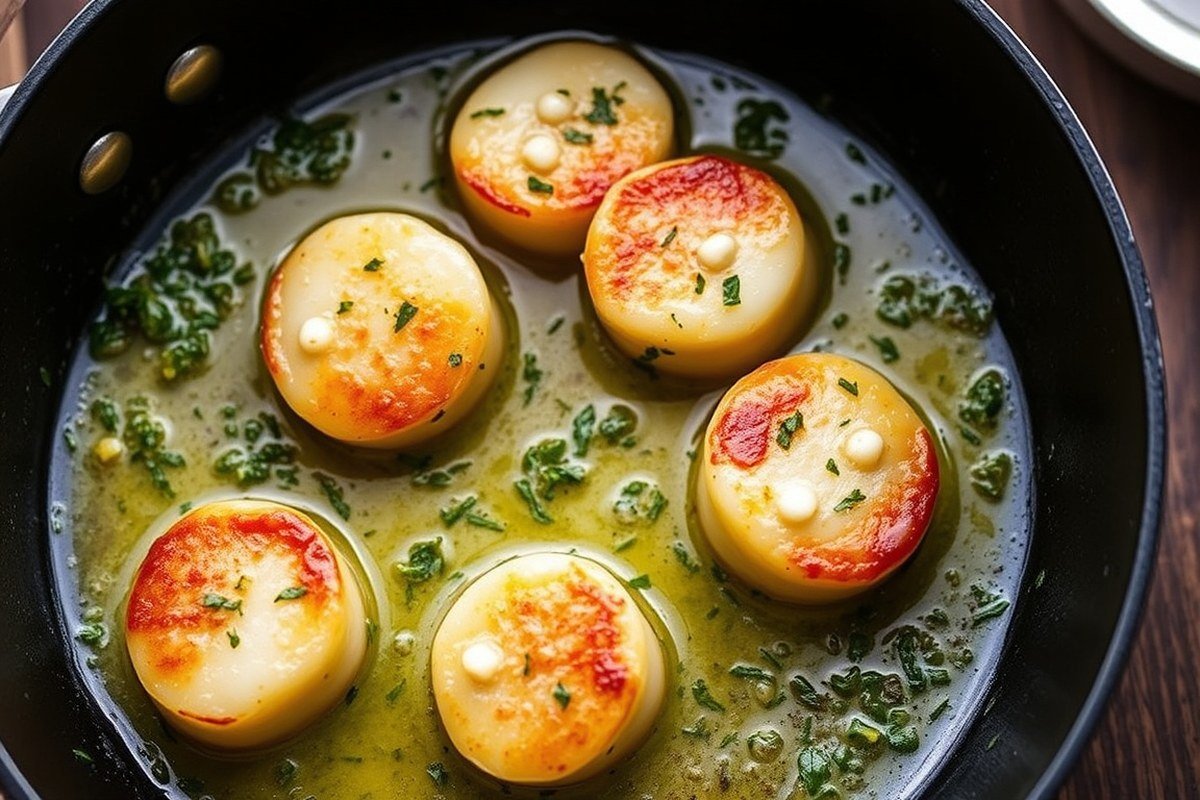
Cooking methods change the flavor and texture of seafood, which in turn affects the best wine to pair with it. Steamed and lightly seasoned seafood tends to have a delicate, clean taste that pairs well with crisp, light wines. Fried seafood often has a richer, fattier profile due to the oil and batter, requiring wines with enough acidity or body to cut through the grease. Grilling adds smoky, charred notes and can deepen the flavor of the fish, suggesting wines with a bit more structure or fruitiness. Finally, raw seafood and sushi need bright, refreshing wines that complement freshness without overpowering it.
Steamed seafood keeps the fish’s natural flavors intact, making wines like Sauvignon Blanc, Pinot Gris, or a Grüner Veltliner excellent choices. These wines usually have high acidity that improve the subtle flavors without overshadowing them. Fried seafood, such as tempura or fish and chips, benefits from wines that balance its richness. Dry Riesling or sparkling wines with good acidity and bubbles refresh the palate by cutting through the oiliness.
Grilled seafood introduces smoky and charred flavors that go well with wines having a bold fruit character but moderate tannins. Rosé wines, especially those made from Syrah-Grenache blends, complement the grilled, smoky profile without overwhelming it. Heavier reds like a light Pinot Noir can also work, particularly with fatty grilled fish like salmon.
Raw seafood, including sushi and sashimi, calls for clean, crisp wines that highlight freshness and minerality. Champagne or dry Riesling are common winners here, while sake options such as Suigei Tokobetsu Junmai or Kikusui Junmai Ginjo specifically complement nigiri and sashimi. These drinks don’t mask the taste of the fish but improve it subtly. Follow these steps to match wine to your seafood’s cooking style:
- Identify the cooking method: steamed, fried, grilled, or raw.
- For steamed or lightly seasoned seafood, select crisp white wines with high acidity.
- With fried seafood, choose wines or sparklers that have bright acidity and bubbles to cleanse the palate.
- Match grilled seafood with fruity, medium-bodied rosés or lighter reds to balance smoky intensity.
- Pair raw seafood with fresh, mineral-driven white wines or delicate sparkling wines, or opt for traditional sake.
- Adjust for seasoning level: heavier sauces or spices may require wines with more body or sweetness.
Overtly bold or tannic wines can overwhelm delicate steamed or raw seafood, so choose lighter styles or sparkling options to maintain balance.
Cost, time, and equipment don’t greatly impact these pairing choices except in wine selection, wines like Sauvignon Blanc and dry Riesling are widely available and typically range from $10 to $25 per bottle. Sparkling wines and rosés may cost slightly more but improve festive or special meals. Good results look like a wine that highlights the seafood’s flavors without overpowering them, leaving you refreshed with each sip. Poor pairings often mute the seafood’s nuances or make oiliness taste heavier.
3. Matching Wine to Specific Seafood Types and Flavors
Pairing wine with seafood depends largely on the type of seafood and its flavor profile. Delicate, mild fish pair best with crisp white wines, while rich, oily fish like salmon and tuna can handle fuller-bodied reds. Shellfish like crab, lobster, and oysters often shine alongside moderate white or sparkling wines.
White Wines for Delicate & Mild Seafood
Delicate seafood like cod, halibut, and flounder benefits from the clean, bright qualities of light-bodied white wines. Crisp whites such as Sauvignon Blanc or Pinot Grigio work well because they offer fresh acidity and subtle fruit flavors that complement the mildness without overpowering it. Sauvignon Blanc brings citrus and green apple notes, improving the fish’s natural flavors, while Pinot Grigio’s lightness supports the texture without adding heaviness.
Shellfish like shrimp, lobster, and crab also pair well with white wines that balance their gentle sweetness and briny qualities. Moderate whites such as Chardonnay with subtle oak or a well-chilled Pinot Grigio match the richness and delicate textures of these shellfish. Some slightly aromatic whites like Gewürztraminer complement mildly spicy seafood dishes and flaky fish with a firm texture, including halibut.
Red Wine Options for Oily and Rich Fish
Oily fish like salmon and tuna carry more richness and fat, needing wines with a bit more body and structure. Light- to medium-bodied reds, such as Pinot Noir, Merlot, or Zinfandel, work well because they offer enough fruit and acidity to balance the fats without overwhelming the fish’s flavor. Pinot Noir is particularly versatile, pairing nicely with grilled salmon or tuna and even salmon served with mushroom sauces.
The selection of red wine depends on seasoning and preparation. For instance, a lighter Rosé or a softer red like Merlot supports salmon’s richness, while a fruitier Zinfandel works if the dish features bolder spices. Avoid heavy tannic reds, which can clash with the oily texture and leave a metallic taste.
Sparkling and Rosé Wines for Versatile Pairings
Sparkling wines stand out as some of the most dependable choices for seafood. Their high acidity, bubbles, and refreshing character complement a wide range of seafood textures and flavors. Grilled shrimp, raw oysters, and even spicy seafood dishes benefit from the clean finish that sparkling wines offer. Blanc de Noir is a sparkling option that pairs particularly well with salty, delicate shellfish like oysters and lobster.
Rosé wines are another versatile pairing, offering enough fruit and acidity to harmonize with a variety of seafood without overwhelming their nuances. They work well with shellfish and some oily fish, particularly when the preparation involves herbs or mushrooms. Rosés especially shine when you want a red wine character but lighter weight and freshness, making them suitable for a broad range of preparations. The following table summarizes matched seafood types with their ideal wine pairings:
| Seafood Type | Recommended Wine | Why It Works |
|---|---|---|
| Cod, Halibut, Flounder | Sauvignon Blanc, Pinot Grigio, Gewürztraminer | Light-bodied with bright acidity improve mild, flaky texture |
| Shrimp, Lobster, Crab | Chardonnay, Pinot Grigio, Blanc de Noir Sparkling | Moderate body and freshness complement sweet, briny shellfish |
| Salmon, Tuna | Pinot Noir, Merlot, Zinfandel | Medium-bodied reds balance oily richness with fruit and acidity |
| Oysters | Blanc de Noir Sparkling, Crisp Sauvignon Blanc | High acidity and bubbles improve salty, delicate flavors |
| Spicy Seafood Dishes | Alsatian Gewürztraminer, Sparkling Wines | Sweetness and acidity tame spice and brighten flavors |
Choosing the right wine within these categories often depends on personal taste and preparation style. Serving white wines chilled between 45-50°F helps preserve their crispness, while red wines are best slightly cool at 55-60°F to avoid masking delicate fish flavors. Sparkling wines should be well chilled, around 40-45°F, to maintain their bubbles and refreshing acidity that improve seafood dishes.
4. How to Pair Wine Based on Sauce and Seasoning?
Choosing the right wine for a seafood dish depends heavily on the sauce and seasoning. Creamy and buttery sauces call for wines with enough richness and structure to match. For example, lobster bisque or seafood pasta in a cream sauce pairs best with an oaked Chardonnay. The wine’s buttery notes and vanilla hints complement the sauce’s texture and flavor, creating a balanced taste without overpowering the dish.
Tomato-based seafood dishes, like cioppino or shrimp with marinara, feature acidity and bright flavors that require a wine equally crisp and lively. Sauvignon Blanc or an unoaked Chardonnay works well here. These wines have higher acidity, which matches the tanginess of the tomato sauce and refreshes the palate.
Spicy or herbaceous seafood dishes need a wine that can temper heat while improving aromatic qualities. Off-dry Riesling or an aromatic Rosé are solid choices. Their subtle sweetness cools the palate and offsets spice, while fresh herbal notes in the wine echo common seasonings like cilantro, basil, or cajun spices. Follow these steps to pair wine based on your seafood’s sauce and seasoning:
- Identify the dominant flavor in the sauce: creamy, tomato-based, or spicy/herbaceous.
- For creamy or buttery sauces, select a rich, oaked white wine such as Chardonnay.
- For tomato-based sauces, pick crisp, acidic whites like Sauvignon Blanc or unoaked Chardonnay.
- For spicy or herb-accented dishes, choose wines with slight sweetness and aromatic qualities, such as off-dry Riesling or Rosé.
- Consider the intensity of the dish; richer preparations require fuller-bodied wines with depth and complexity.
- Serve white wines chilled between 45°F and 50°F to improve fresh, crisp flavors.
- For sparkling wines, the bubbles cut through rich sauces and refresh the palate.
Getting the pairings right improve both the seafood and the wine rather than causing taste clashes. Overly tannic or heavy reds often clash with delicate seafood but can sometimes work with grilled or smoky preparations. Creamy sauces demand wines that have some weight to match, while lighter, herbal, or spicy dishes call for wines that don’t overwhelm but complement bright or piquant flavors.
Cost varies but expect to spend around $15 to $30 for quality bottles from popular varietals suited to seafood, oaked Chardonnays and off-dry Rieslings commonly fall in this range. Investing in wines with expressive flavor profiles makes a noticeable difference, especially with complex sauces. Serving wine at proper temperatures also ensures optimal enjoyment and showcases the best characteristics for your seafood pairing.
5. What Role Do Acidity, Tannins, and Sweetness Play in Pairings?
Acidity is often the key to a great wine and seafood pairing because it brightens flavors and refreshes the palate. Wines with high acidity, like Sauvignon Blanc or Pinot Grigio, cut through the natural oils and richness of seafood, making each bite and sip taste balanced. For example, a lemony, crisp white wine improve the delicate texture of cod or trout, lifting the flavor without overpowering it. To use acidity effectively, choose wines with a noticeable but not overwhelming tartness, look for wines with a pH around 3.1 to 3.3. This level of acidity works well with most seafood dishes and prevents the wine from tasting flat or dull against the lighter flavors.
Tannins, the compounds that add bitterness and dryness to red wines, usually do not pair well with seafood. Tannins interact with the natural proteins and oils in fish, often causing a metallic or bitter aftertaste that masks both the wine and the food’s flavors. For mild fish like haddock or trout, you want to avoid heavy tannins and lean towards light reds with gentle tannins and brighter acidity, such as a Pinot Noir. This wine style offers fruity notes with just enough tannic structure to complement, rather than clash. When dealing with fattier seafood, like salmon, a wine with moderate tannins might work, but always test a small sip first to avoid unpleasant bitterness.
Sweetness in wine influences pairing by balancing or contrasting the flavors of the seafood dish. Dry wines, with little to no residual sugar, tend to highlight the natural taste of fresh seafood and are safest for straightforward preparations. Sweeter wines, including off-dry Rieslings or certain Champagnes labeled “Brut” or “Extra Dry,” can soften the heat in spicy seafood dishes or complement sweeter sauces, like a mango glaze on shrimp. The key is measuring sweetness relative to your dish: your wine should be as sweet as or slightly sweeter than the food to keep a harmonious taste. For example, a wine with about 10 to 20 grams per liter of residual sugar works with spicy seafood, but a very sweet wine could overwhelm delicate fish like sole.
Always taste your wine and seafood together before serving; the right acidity, tannin level, and sweetness can make or break the experience.
6. Which Red Wines Can Work with Fish and Shellfish?
Yes, drinking red wine with seafood can work well, mainly when you select light, low-tannin red wines that complement richer fish. Delicate seafood often suffers under heavy reds, but meaty fish like salmon and tuna pair nicely with moderate reds such as Pinot Noir and light Merlot. The key lies in matching the fish’s texture and flavor intensity with wines that don’t overwhelm or clash.
Pinot Noir and Other Light Reds
Pinot Noir is often the best red wine choice for seafood because of its soft tannins and bright acidity. It pairs particularly well with fatty, meaty fish such as salmon, tuna, swordfish, and even marlin. Its red berry flavors and moderate body complement the rich texture of these fish without overpowering their natural flavors. Pinot Noir’s versatility allows it to work with a variety of cooking methods, especially grilled or pan-seared preparations.
Other light reds like Gamay and light Merlot are good alternatives if you want a variation. For example, a light Merlot around $15 to $25 can handle grilled tuna due to its smooth mouthfeel and softer tannins. These wines keep the pairing balanced, especially when the seafood is cooked with a smoky or herbaceous seasoning.
Mediterranean Reds for Rich Seafood
Mediterranean reds, such as those made from Grenache or Sangiovese, can also pair with richer seafood, depending on the preparation. Their medium body and moderate tannin levels support the strong texture of oily fish like mackerel or bluefish. These wines typically feature bright, fresh acidity and spicy or herbal notes, which match Mediterranean-style sauces and seasonings well.
To avoid overpowering the seafood, choose younger, fruit-forward styles of these wines without heavy oak aging. They work best with grilled or roasted fish where the char and herbs can stand up to the wine’s flavor profile.
Tips to Balance Tannins and Seafood Texture
Tannins in red wine can clash with seafood’s delicate proteins, causing a metallic taste or astringency. Following these practical steps helps you enjoy reds without overpowering the dish:
- Choose low to moderate tannin wines like Pinot Noir, Gamay, or Merlot instead of high-tannin reds.
- Serve red wine slightly chilled, about 55 to 60°F, to soften tannins and improve acidity.
- Match the wine’s body to the fish’s richness; light-bodied reds for lean fish, medium-bodied for oily or meaty fish.
- Consider preparation style, grilled or smoked seafood pairs better with reds than delicate poached dishes.
- Avoid heavy tannins by skipping big reds like Cabernet Sauvignon or Syrah with seafood.
- Use sauces and seasonings that can bridge wine and seafood, such as tomato-based, herbaceous, or umami-rich elements.
Following these tips helps you find a harmonious match where the red wine complements the seafood’s flavor, improving rather than masking it. Serving the wine at a cooler temperature also makes tannins feel softer, creating a more enjoyable experience with fish or shellfish dishes you love.
7. Why Sparkling and Rosé Wines Are Top Seafood Pairings
Sparkling wines pair well with seafood because of their bright acidity, bubbles, and usually dry taste. Drinks like Brut Champagne or Spanish Cava have lively carbonation that helps clear away the richness and oils common in many seafood dishes. This refreshing quality works especially well with fried items like calamari, fish and chips, or crispy shrimp. The fizz keeps your palate clean, so every bite tastes fresh. Serving the wine chilled to about 45 to 50°F improve its crispness and maintains balance with fried seafood.
Rosé wines also offer strong versatility when paired with seafood due to their refreshing acidity and fruit-forward profiles. Dry to off-dry rosés provide a touch of berry flavor and structure that complements a range of seafood dishes, from briny oysters to heartier preparations like crab cakes or seafood pasta. The moderate tannins and bright acidity in rosé help it bridge the gap between lighter shellfish and richer crustaceans or fish cooked with tomato-based sauces. To enjoy rosé at its best with seafood, serve it slightly chilled, around 50, 55°F, which improve its crispness without muting its fruity aromas.
The unique ability of sparkling and rosé wines to pair well across a spectrum of seafood preparations comes from their balance of acidity, subtle fruit notes, and texture. Lighter sparkling wines match perfectly with shellfish like oysters, scallops, and clams because they complement the mineral qualities without overwhelming the delicate flesh. Meanwhile, sparkling rosés add complexity and berry nuances that hold up nicely to Mediterranean-style seafood dishes, where herbs and olive oil are prominent. For dishes with richer sauces, bubbly offers contrast, making each bite feel less heavy, while rosé supports complex flavors without clashing.
Choosing between sparkling and rosé depends on the seafood and preparation method. For fried or rich seafood, dry sparkling wine works well by cutting through oils and grease, offering a lively and refreshing experience. For seafood served with strong seasonings, grilled preparations, or tomato-infused sauces, rosé adds a complementary layer of fruit and acidity. Experimenting with different sparkling wines, such as Prosecco, Cava, or Champagne, can reveal subtle differences that better match specific dishes, like Prosecco’s softer bubbles with light shellfish or Champagne’s higher acidity with oysters and richer fish. Rosés range from bone dry to slightly fruity, so tasting your wine alongside a bite will guide you to the ideal match.
8. Serving Tips: Temperature and Presentation for Best Pairing
Serving wine at the right temperature and presenting it well improve your seafood dining experience by balancing flavors and aromas. Cooling white and sparkling wines properly ensures freshness without muting their taste. Thoughtful pouring and presentation make the meal feel special and can even affect how your palate perceives the pairings.
Chilling White Wines Correctly
White wines should be served chilled between 45 and 50 degrees Fahrenheit. This temperature range highlights their bright acidity and fruit flavors, complementing seafood’s delicate texture. Overchilling can mute these qualities, making the wine taste flat or overly sharp.
To chill white wine properly, place the bottle in the refrigerator for about 2 hours before serving. Alternatively, use an ice bucket filled with a mix of ice and water for about 20 to 30 minutes for quicker cooling. Avoid just ice alone, as it can chill too fast and unevenly.
Don’t leave white wine on ice for more than 30 minutes to prevent it from becoming too cold and dulling its flavors.
Once chilled, pour the wine slowly to avoid warming it in the glass. If the wine warms up too quickly, you can briefly return the bottle to the cooler or ice bucket between pours.
Serving Sparkling Wines for Seafood
Sparkling wines pair excellently with seafood due to their lively bubbles and refreshing acidity. Serve them colder than still white wines, usually around 40 to 45 degrees Fahrenheit. This sharp temperature preserves the bubbles and crisp profile that cleanse the palate between bites.
Chill sparkling wine in an ice bucket of half ice and half water for 20 to 30 minutes. Avoid chilling in the refrigerator for too long, as it may result in uneven cooling and affect carbonation. Open sparkling wine carefully to maintain the bubbles and pour gently at an angle to reduce foam and loss of effervescence.
Wine Glassware and Presentation Tips
Use the right glassware to improve aroma and flavor. For white wines, choose a glass with a narrower bowl to concentrate delicate aromas and keep the wine cool longer. Sparkling wines demand a flute or tulip-shaped glass to preserve bubbles and direct aromas toward your nose.
Present the wine bottle on a chilled coaster or in an ice bucket at the table for a polished touch. Serve seafood plated neatly with complementary garnishes to maintain the eye appeal and avoid overpowering the flavors that the wine should highlight.
- Chill wine bottles 2 hours in the fridge or 20-30 minutes in ice water mixture
- Pour wine slowly to avoid warming and preserve aromas
- Serve sparkling wine at 40-45°F to keep bubbles lively
- Use appropriate glassware: narrow bowls for white, flutes for sparkling
- Use an ice bucket or chilled coaster to maintain temperature at the table
- Plate seafood with simple garnishes to keep flavors clear
Keeping these steps in mind ensures that temperature and presentation work together to improve the seafood and wine pairing.
Step-by-Step Action Plan for Pairing Wine with Seafood
Use this plan to start matching wine with your favorite seafood dishes confidently. Each step builds your knowledge and tasting experience.
- Before your next seafood meal: Choose a light, crisp white wine like Sauvignon Blanc or Pinot Grigio to pair with simply prepared fish. Notice how the wine’s acidity balances the seafood’s natural flavors.
- During your cooking prep: Consider your sauce or seasoning. If you’re using creamy or buttery sauces, pick a wine with a creamy texture, such as Chardonnay. Check if the wine improve the richness without overpowering the dish.
- When serving grilled or smoky seafood: Offer a fuller-bodied white or a light red with low tannins like Pinot Noir. Observe if the wine stands up to the smoky flavors and complements the seafood.
- At your next shellfish dinner: Bring out sparkling or dry rosé wines. See if the bubbles or fruitiness refresh the palate between bites of shellfish.
- After tasting the wine and seafood together: Adjust the wine choice next time based on your preference for acidity, sweetness, or tannin. Your palate will guide better matches over time.
Frequently Asked Questions
Is It Okay to Drink Wine with Seafood?
Yes, you can enjoy wine with seafood, and it often improve the meal. The key is to choose a wine that complements the seafood’s flavors and cooking style, balancing acidity, tannins, and sweetness for the best experience.
Why Doesn’t Red Wine Usually Pair Well with Seafood?
Red wine often overwhelms delicate seafood flavors due to its higher tannins and strong taste. However, lighter reds like Pinot Noir can work with oily fish or dishes cooked with richer sauces that match the wine’s profile.
What Red Wine Pairs Well with Shrimp Dishes?
A light-bodied red like Pinot Noir pairs well with shrimp, especially if they’re grilled or cooked with heavier ingredients. This helps balance the wine’s tannins and complements the shrimp without overpowering it.
What Wine Pairs Best with Lobster?
Lobster usually pairs well with rich, fuller-bodied white wines, which lift the sweetness of the meat without overshadowing it. Whites like Chardonnay are classic, but sparkling wines can also add a festive touch.
Are There Tips for Pairing Seafood with Red Wine?
Choose lighter, low-tannin reds like Pinot Noir and pair them with seafood prepared using richer sauces or grilling. This approach helps the wine and seafood flavors harmonize without one overpowering the other.
Should Sparkling or Rosé Wines Be Considered for Seafood?
Yes, sparkling and rosé wines are excellent with seafood for their refreshing acidity and minerality. They work well with lightly seasoned dishes, providing variety beyond just whites and complementing seafood like shrimp or salmon.
The Bottom Line
The right wine can bring out the best in any seafood dish, highlighting flavors without overwhelming them. Start by matching your wine to the dish’s main elements, then experiment with different styles as you learn what excites your taste buds. Next time you plan a seafood meal, pick a wine based on the sauce or cooking method to see how much better your meal can be.





One Comment