
What Is the Best Seafood to Order at a Restaurant: 12 Expert Tips for Perfect Choices
The best seafood to order at a restaurant often includes fresh choices like wild salmon, scallops, shrimp, and tuna, offering superior taste and texture. Look for items that highlight quality and freshness because these factors make the biggest difference in flavor and enjoyment. This advice suits seafood lovers and occasional diners seeking confident ordering decisions that guarantee a satisfying meal.
You will find expert tips on how to identify fresh seafood, choose the right shellfish, and understand regional specialties. The guidance covers health, sustainability, and preparation styles that maximize flavor, helping you pick dishes that deliver on quality and dining experience.
Key Takeaways
- Choose wild seafood like salmon or tuna for better flavor compared to farm-raised options.
- Fresh seafood should smell clean and ocean-like with no strong fishy odor.
- Order shellfish such as scallops or shrimp that are kept cold and closed when live.
- Select dishes with simple preparations highlighting the seafood’s natural taste.
- Consider regional specialties to enjoy the freshest, locally sourced options available.
- Look for seafood on the menu marked as sustainably sourced to support ocean health.
1. The Best Seafood to Order for Taste and Quality
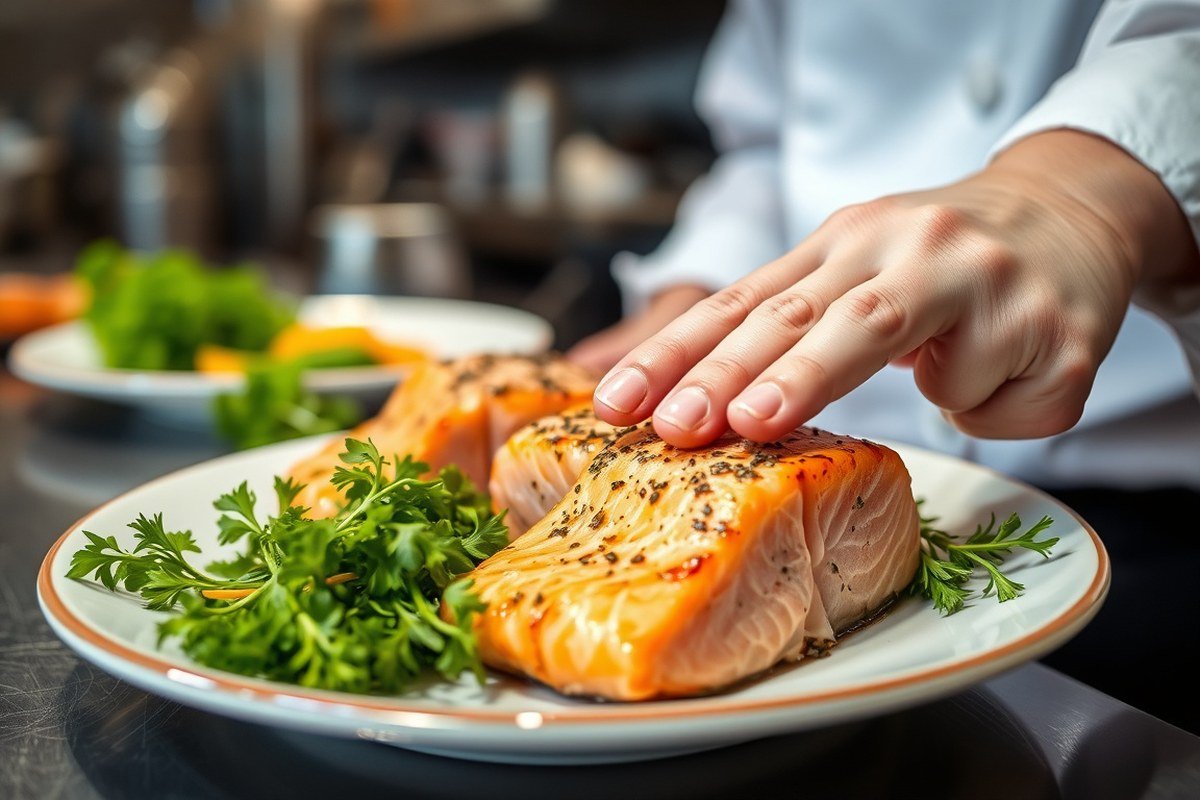
Among seafood choices, certain fish and shellfish stand out for their consistent flavor, texture, and quality at restaurants. Wild-caught salmon ranks high for taste, offering a rich, buttery flavor and firm texture that holds up well in grilling or roasting. Red snapper is another favorite, prized for its mild, slightly sweet taste and flaky, moist flesh, making it a reliable pick across many menus. Tuna, especially sushi-grade varieties, delivers a meaty texture and bold flavor that appeals to those who enjoy raw bars or seared preparations.
Shellfish such as Dungeness crab and scallops also consistently excite diners. Dungeness crab offers tender, sweet meat with a subtly briny finish, perfect for steamed or chilled presentations. Scallops provide a delicate texture that is firm yet buttery when seared properly. Shrimp and prawns bring a satisfying snap and sweetness, but quality can vary more by source and preparation, so they are best ordered when the restaurant has a strong reputation for freshness.
| Seafood Type | Flavor Profile | Texture | Best Ordering Situation | Typical Price Range (per serving) |
|---|---|---|---|---|
| Wild-Caught Salmon | Rich, buttery, slightly oily | Firm, flaky | Grilled, roasted, or pan-seared main dishes | $18, $30 |
| Red Snapper | Mild, sweet | Flaky, moist | Baked, fried, or steamed entrees | $20, $35 |
| Sushi-Grade Tuna | Meaty, clean, mildly briny | Dense, tender | Raw preparations, seared steaks | $25, $40 |
| Dungeness Crab | Sweet, slightly salty | Tender, flaky | Steamed, chilled, or in crab cakes | $25, $50 (based on market) |
| Scallops | Sweet, delicate | Firm yet buttery | Seared or in pasta dishes | $20, $35 |
Ordering wild-caught over farm-raised fish usually results in better flavor and quality because wild fish have varied diets and natural exercise, improving their texture and taste. Seek menu terms like “wild-caught” or “sustainably sourced” to make a better choice. Freshness also plays a critical role; fish and shellfish that arrive quickly from the source or are served shortly after catch maintain their natural flavor
Costs for these premium seafood dishes vary widely based on your location and season. Salmon and snapper plates often start around $18 to $20 at casual restaurants and can reach $30 or more at high-end spots. Shellfish prices fluctuate more with market conditions; live or fresh Dungeness crab can cost $25 to $50 per serving, and scallops typically run $20 to $35.
For a reliable dining experience, choose restaurants known for their commitment to freshness and sourcing. This approach reduces the risk of disappointing textures like mushiness or off-flavors from overly frozen or farmed fish. Trying à la carte allows tasting different kinds before committing to a larger portion, especially for firmer or meatier fish like tuna or salmon.
2. How to Recognize Fresh Seafood at a Restaurant

Freshness is the cornerstone of great seafood at a restaurant. You can judge it by appearance, smell, and texture, which greatly impact taste and safety. Asking your server targeted questions about sourcing also helps ensure you get high-quality seafood.
Visual Signs of Fresh Seafood
Look for bright, clear eyes in whole fish, they shouldn’t be cloudy or sunken. Gills should be vibrant red or pink, not brown or dull. Flesh must look firm and moist, not slimy or dry. Shellfish like clams and mussels should have tightly closed shells or close quickly when tapped.
Menu descriptions sometimes indicate if seafood is caught daily or locally sourced. Spots highlighting daily specials or fresh catches can also signal higher freshness.
Smell and Texture Indicators
Fresh fish and seafood have a clean, ocean-like scent, not strong, fishy, or sour. Any off-putting odor is a warning sign. The flesh should spring back when pressed gently; if it leaves an indentation or feels mushy, it’s likely past peak freshness. For raw seafood like sushi or oysters, freshness is critical for food safety.
Questions to Ask Your Server
Don’t hesitate to ask where the seafood comes from and how recently it arrived. Here are some precise questions to cover key points:
- “Is this seafood caught locally or imported?”
- “When did this fish or shellfish arrive at the restaurant?”
- “Are there daily specials featuring fresh catches?”
- “Is the seafood wild-caught or farm-raised?”
- “How is the seafood stored before cooking or serving?”
Servers usually know sourcing details and can confirm if items are fresh or previously frozen. This info helps you decide confidently, especially if freshness is a priority.
How Freshness Affects Flavor and Safety
Fresh seafood tastes sweeter and has a better texture compared to older products, which can taste bland or have off flavors. Foodborne illness risks rise when seafood isn’t fresh, especially with raw or lightly cooked dishes. Reliable freshness safeguards health while improving your dining experience.
Freshness also affects preparation outcomes. For example, firm fish holds together well for grilling, while mushy fish is prone to falling apart.
Ask about freshness upfront, restaurant staff expect these questions and it improves your seafood dining quality and safety.
3. Best Shellfish Choices to Order at a Seafood Restaurant
Shellfish like shrimp, crab, lobster, scallops, and oysters offer distinct flavors and textures, making them top choices at many seafood restaurants. Shrimp is firm and slightly sweet, versatile for grilling, frying, or boiling. It tends to be one of the freshest options when served chilled on the half shell or as part of a cocktail. Crab meat, prized for its delicate sweetness, shows up in dishes like crab cakes and steamed crab legs. Pick crab when you want a flavorful, flaky texture that’s less dense than lobster but richer than scallops. Lobster offers a firmer, more buttery texture with a subtle sweetness, especially in Maine lobster tails, which typically weigh 5 to 6 ounces each and are often flash-frozen to lock in freshness. Its richness pairs well with simple preparations like boiling or grilling to highlight natural flavors.
Scallops have a soft texture with a slight bounce and a mild sweetness. They cook quickly and absorb seasonings well, making pan-seared scallops a great choice when you want a dish that’s light but satisfying. Oysters and clams are often enjoyed raw on the half shell, paired with lemon, cocktail sauce, or mignonette. They provide a fresh, briny taste with a smooth and creamy texture. To appreciate their ocean-fresh flavor, eat these shellfish right away. Quality seafood restaurants usually source them from coastal waters just a few days before serving to ensure freshness.
Choosing the right shellfish depends on your texture and flavor preferences. Choose scallops or crab for a light dish that also brings natural sweetness. For a heartier and richer experience, lobster is ideal. Shrimp offers a middle ground with a firm snap and mild sweetness, while oysters provide a fresh, slightly briny taste with a creamy mouthfeel. For example, a shrimp po’boy sandwich combines fried shrimp’s crunch with a soft bread roll, showcasing the shrimp’s texture and taste through New Orleans tradition. When ordering, keep in mind that shellfish like lobster and crab might cost more, around $20 to $50 per dish depending on portion and location. Shrimp and scallops are often priced more affordably, making them good everyday options.
Look for shellfish described as wild-caught or sourced from a direct supply chain linked to coastal waters, especially from regions known for quality seafood like Maine for lobster, or Gulf Coast for shrimp. Shellfish should be firm and moist, not slimy or dry, which signals freshness or age. Soft-shell crabs, when available, provide a tender, buttery flavor that differs from the firmer taste of hard-shell crabs. For oysters, freshness means a clean briny aroma without off-putting fishiness.
Occasionally, restaurants bundle several shellfish choices into sampler platters, allowing you to taste a variety of textures and flavors in one meal. These samplers might include crab, lobster tail, scallops, oysters, and mussels, giving a broad seafood experience. When enjoying shellfish, it helps to pair dishes with light accompaniments that won’t mask the natural flavors, such as lemon wedges, cocktails sauces, or a crisp white wine. Avoid heavy sauces that can overpower delicate textures, especially with scallops or oysters.
4. Healthiest Seafood Options for Nutritional Benefits
Seafood rich in omega-3 fatty acids offers significant health benefits, especially for heart and brain health. Salmon, sardines, mackerel, and trout are among the best fish to order for these nutrients, providing between 1,000 to 2,000 milligrams of EPA and DHA omega-3s per 3-ounce serving. These fish typically carry lower mercury levels, making them safer choices. Tuna and halibut also contain omega-3s but vary more in mercury content depending on species and size. Checking local advisories or trusted guides like the Monterey Bay Aquarium’s Seafood Watch can help you pick options that balance omega-3 richness and low contamination.
Farmed versus wild seafood often raises questions on nutrition and safety. Wild-caught fish generally have a more natural diet, sometimes resulting in higher omega-3 content and fewer contaminants, depending on the source. However, responsibly farmed fish such as Atlantic salmon from certified farms can offer similar health benefits with minimal pollutants. Farmed shellfish like mussels, oysters, and clams are nutrient-dense and low in contaminants due to their filter-feeding nature. Opting for seafood with sustainability certifications often also means better safety and quality.
Balancing taste and nutrition requires attention to your restaurant’s menu details and preparation methods. Rich, oily fish like salmon and mackerel offer both flavor and omega-3s but can be heavy if overcooked. Ordering these fish grilled or steamed preserves their nutrients without added fat. Leaner fish like cod or tilapia may appeal with milder taste but provide fewer omega-3s. Including shellfish such as shrimp or scallops offers lean protein with benefits but usually less omega-3. If taste is a priority, try dishes featuring a mix of seafood types to enjoy a range of textures and nutritional profiles.
For practical ordering, ask your server about the source and type of fish, focusing on species listed as low-mercury and high in omega-3 by local health guidelines. Pick dishes described as grilled, broiled, or steamed to retain nutrients and avoid added unhealthy fats. For example, a grilled wild salmon fillet or steamed mussels make excellent choices. Avoid fried fish options that can add excess calories and negate some health benefits.
In situations where budget is a concern, frozen wild-caught fish typically cost less than fresh and maintain much of their omega-3 content, making them a nutritious, affordable alternative. On the other hand, for special occasions or dining at high-end locations, fresh wild salmon or sustainably farmed trout offer premium nutrition and flavor. For families, choosing a variety pack of seafood, often offered as combinations of salmon, white fish, and shellfish, can provide balanced nutrition while pleasing diverse tastes.
5. Seafood Preparation Styles That improve Flavor
Restaurants use several popular methods to prepare seafood, each shaping taste and texture differently. Grilling imparts a smoky, charred flavor that highlights the firmer textures of fish like salmon or swordfish. It’s best done over medium-high heat for 3 to 5 minutes per side to lock in juices without drying out the seafood. Pan-frying offers a crisp exterior and rich caramelization, especially on thinner fillets like flounder or trout. Using a moderate amount of oil and cooking for 2 to 4 minutes per side ensures a golden crust while keeping the inside tender.
Boiling or simmering seafood, like shrimp or crab, cooks it evenly while preserving moisture but can sometimes dilute delicate flavors if overcooked. This method typically requires 3 to 5 minutes in seasoned water once the liquid boils. Steaming is gentler, using indirect heat to maintain the clean, natural flavor of shellfish such as clams or mussels and fish with a flaky texture like cod. Steaming for 5 to 7 minutes avoids toughness and keeps the seafood moist.
Serving seafood raw, through sushi or sashimi, showcases the purest flavor and silky texture but demands impeccable freshness and careful handling. Raw preparations require high-quality, sashimi-grade fish and immediate consumption to reduce risks.
| Preparation | Flavor Profile | Texture | Ideal for | Potential Downside |
|---|---|---|---|---|
| Grilled | Smoky, bold | Firm, slightly charred | Salmon, swordfish, lobster | Overcooking leads to dryness |
| Pan-fried | Rich, caramelized | Crisp outside, tender inside | Smaller fillets like flounder | Can be greasy if too much oil |
| Boiled | Mild, sometimes diluted | Moist, firm | Shrimp, crab, shellfish boils | Flavor loss if overcooked |
| Steamed | Clean, delicate | Soft, moist | Clams, mussels, cod | Can be bland without seasoning |
| Raw | Pure, fresh | Silky, tender | Sushi-grade tuna, salmon | Requires exceptional freshness |
The best way to decide which preparation suits your seafood choice depends on how you want to experience its flavor. For delicate white fish with subtle taste, steaming or raw preparations preserve natural nuances. Heartier fish like salmon or chunkier lobster benefit from grilling or pan-frying to add boldness and texture. Shellfish often shine in boiled or steamed dishes since those methods improve juiciness while allowing accompanying spices or aromatics to fully infuse.
Consider the restaurant’s style and your preferences. A casual seafood boil pairs well with boiled or steamed shellfish tossed in seasoning, while a fine-dining spot may serve grilled fish with herb compound butter to balance smoky and fresh flavors. Steaming seafood with added aromatics like lemongrass or ginger can improve simple dishes and work well if you prefer lighter seasoning.
Always check seafood freshness before choosing raw preparation; even the best cooking methods can’t fix fishiness or poor quality.
6. Which Seafood Dishes to Avoid and Why
Seafood specials can seem like a tempting choice, but they often turn out to be less fresh or lower quality than regular menu items. Chefs may reserve their best seafood for signature dishes or market selections, while specials might use leftover or frozen stock. Avoiding these specials reduces the risk of being served seafood that lacks the optimal texture and flavor you expect at a restaurant.
Some seafood dishes are frequently prepared poorly or simply don’t hold up well in a restaurant setting. Items heavily masked by rich sauces often use lower-grade seafood to compensate for flavor loss. Asking how such dishes are prepared can help you identify when the restaurant is trying to cover up subpar ingredients.
Another warning sign comes from the live fresh catch display many seafood restaurants offer. Although selecting your own seafood can guarantee freshness, not all guests have access to this feature. Be wary if the restaurant does not allow you to see the catch or if the seafood looks dull or lacks shine, which indicates less fresh product.
- Seafood specials that sound vague or use generic terms like “catch of the day”
- Dishes drenched in thick sauces or heavy breading that may hide the seafood quality
- Items that are lower-priced or significantly cheaper than typical seafood dishes
- Seafood presented without clear sourcing or not labeled as fresh or local
- Overused species like tilapia or pangasius that may come from farmed, low-quality sources
- Sushi or raw bar selections lacking reputation for strict hygiene and reputable suppliers
- Seafood in dishes that require extensive reheating or long hold times, such as buffet-style offerings
Recognizing these red flags requires paying attention to the menu wording and restaurant practices. Focusing on clearly described dishes with transparent ingredient sourcing improves your chances of getting fresh seafood. Something that sounds too good to be true or is loaded with sauces might be better to skip.
Cooking methods also affect the quality you receive. For example, paella relies on fresh seafood cooked in a large batch and shared, so a small individual portion labeled as paella could use older stock and lose its traditional taste. Depending on the restaurant’s proximity to the coast and its sourcing strategy, certain types of fish like Mahi-mahi and red snapper might be available only on special occasions or local specials where freshness is more likely assured.
Taking these considerations into account will help you avoid common pitfalls when ordering seafood. Asking pointed questions about sourcing, preparation, and freshness shows that you know what to expect and gives the staff a chance to confirm the quality of what they offer.
7. How Regional Specialties Affect the Best Seafood Choices
Your best seafood choices often depend on where you are dining because local catches and culinary traditions shape what’s freshest and most flavorful. Restaurants near the coast typically highlight fish and shellfish native to that region, crafted with recipes passed down or inspired by local culture. Ordering region-specific seafood connects you to the freshest options and authentic tastes that define the area.
Signature Regional Dishes and Why
Each coastal region boasts its own seafood specialties based on what’s caught nearby and its cultural history. For example, the Cape Cod area is famous for stuffed quahogs, locally known as “stuffies,” which are clams filled with a seasoned breadcrumb mixture. In Dhaka, Fish n’ Grill features an extraordinary menu blending Turkish, Thai, and Bengali influences with the finest local coastal seafood. These signature dishes use the freshest ingredients available seasonally and reflect centuries of culinary tradition.
Regions with strong fishing traditions often have unique preparations that highlight their catches. New Orleans is celebrated for Cajun-style crawfish boils, while Mediterranean coastal towns may serve grilled octopus with lemon and olive oil. When you spot dishes that include native fish or shellfish combined with traditional spices and techniques, you’re likely enjoying a signature regional meal.
Finding Local Fresh Seafood on Menus
Look for mentions of local waters, seasonal availability, and native species on menus to find the freshest seafood. Many restaurants will note if the fish came from nearby fisheries or highlight local specialties during certain months. For instance, a restaurant near a freshwater source might feature freshly caught tilapia, which is a popular freshwater fish often arriving daily. Ask your server about the day’s catch or any regional favorites prepared that evening.
Some places add regional flair by transforming classic dishes with local seafood, such as Fish n’ Grill’s Ramadan Iftar and Sehri menus, which offer coastal seafood blended with traditional Bengali dishes. Spotting these menu descriptions or seasonal specials is your clue to freshness tied closely to local supply and culinary heritage. When dining away from coastal areas, seasonal and flash-frozen seafood options shipped from local suppliers or online retailers can provide good quality alternatives, but fresh local catches usually surpass these in taste and texture.
Benefits of Ordering Region-Specific Seafood
Seafood caught locally usually reaches your plate within hours or days, making it more tender, moist, and flavorful. Freshness declines during long-distance shipping, so choosing region-specific fish often ensures better quality at the same or lower cost than imported varieties. This fresher seafood also tends to retain more nutrients and has a firmer texture, improving your overall dining experience.
Beyond quality, ordering region-specific seafood supports the local fishing community and helps preserve regional culinary traditions. When you stick to locally sourced options, your meal connects you to the culture and natural environment of that place. Restaurants benefit, too, as they build reputations on authentic offerings tied to the sea or river nearby.
Ordering local seafood can also reduce environmental impact since less transportation is involved. In some regions, seasonal menus reflect spawning and migration periods, so the availability of specific fish fluctuates. Being aware of peak seasons or festival menus like Ramadan specials at coastal restaurants helps you time your visits for the best seafood selections.
8. Sustainable Seafood: What to Order to Support Oceans
Ordering sustainable seafood supports ocean health and helps preserve fish populations for the future. To know if seafood is sustainable, look for species that come from well-managed fisheries or responsible farms. A reliable guideline is to check if the seafood you want is recommended by organizations like Seafood Watch, which rates seafood based on environmental impact. Swordfish caught in the North Atlantic or the Pacific, for example, ranks as one of the more sustainable options. This is because these fisheries follow strict rules to prevent overfishing and allow populations to recover.
Choosing seafood caught near the restaurant helps too. Local sourcing often means the fish is fresher and has a smaller carbon footprint due to less transportation. When dining, ask the server or chef about the source of the seafood. Transparency about origin and fishing methods shows the restaurant’s commitment to sustainability and responsible sourcing.
Look on the menu for certifications or labels that indicate environmentally friendly seafood. Common certifications to watch for include the Marine Stewardship Council (MSC) for wild-caught fish and the Aquaculture Stewardship Council (ASC) for farmed seafood. These labels mean the fishery or farm meets independently audited standards focused on sustainability, minimal environmental harm, and proper fishery management.
To decide if the seafood is sustainable, follow a simple checklist: Is the species abundant and not overfished? Does the fishery or farm have certification like MSC or ASC? Was the seafood caught or farmed in a way that minimizes bycatch and habitat damage? Is the source nearby or known to the restaurant? If the answer is yes to these questions, the seafood is likely an eco-friendly choice.
Be cautious with species known to be overfished or farmed with harmful practices, such as some types of bluefin tuna or shrimp produced with high pollution or mangrove destruction. Ask about substitutes or alternatives if you spot these on the menu. The cost of sustainable seafood may be higher in some restaurants because it involves careful sourcing and sometimes lower yields, but the environmental benefits often outweigh this tradeoff.
Ask your server specifically where the seafood was caught and if the restaurant has any sustainability certifications, it’s the best way to avoid buying fish caught with harmful methods.
In specialty spots like sushi restaurants, sashimi-grade fish sometimes comes from dedicated family businesses known for sustainable practices. This attention to quality and sustainability ensures you enjoy top-grade seafood without contributing to ocean depletion. Flash-frozen seafood that arrives carefully packaged with dry ice is another sustainable option since it reduces waste and extends freshness without harmful additives.
Supporting sustainably sourced seafood has a real impact on ocean ecosystems. By choosing fish from well-managed fisheries, checking for certifications, and asking about origins, you help keep seafood populations healthy and protect marine environments from damage. This approach fits your dining experience while aligning with conservation goals.
9. Safe Seafood Ordering Tips for Allergy and Contaminant Concerns
Seafood allergies mainly involve reactions to shellfish and fish. Common allergens include crustaceans like shrimp, crab, and lobster, as well as mollusks such as clams, oysters, and mussels. Fish allergies often refer to species like salmon, tuna, and cod. Your immune system can react severely even to tiny amounts, so clear communication is essential when ordering at a restaurant.
Informing the restaurant staff about your allergy should start with the server as soon as you sit down or before ordering. Use a clear and firm statement such as, “I have a severe allergy to shellfish, so I cannot have any dishes containing it or prepared near it.” If possible, ask to speak with the chef or manager to confirm they understand your needs. Avoid vague terms like “I don’t eat shellfish” because cross-contact or hidden ingredients may be overlooked.
Mercury and other contaminants can be a concern if you eat seafood frequently. Larger, longer-lived fish tend to accumulate higher mercury levels. Choices to limit include shark, swordfish, king mackerel, and tilefish. To reduce exposure, select seafood lower on the food chain such as salmon, sardines, and trout, which generally have less mercury. Pregnant women and children are advised to follow the FDA and EPA guidelines for safe seafood consumption, which typically recommend 2 to 3 servings (8 to 12 ounces) per week of low-mercury fish. Use this checklist to order seafood safely when allergies or contaminants are a concern:
- Clearly state your specific allergy to your server and ask for detailed ingredient info
- Request that the kitchen avoids cross-contact by using separate utensils and cooking surfaces
- Avoid fish known for high mercury levels, especially if you consume seafood often
- Choose fresh or properly frozen seafood to reduce risk of bacterial contamination
- Ask if the seafood was tested or handled with cold chain controls like temperature indicators
- Confirm preparation methods to avoid hidden allergenic ingredients like sauces with shellfish stock
- Be cautious with raw or undercooked seafood if you have a sensitive immune system
An allergy-friendly order might cost more if the restaurant needs to prepare it separately or use special ingredients. However, the cost is often justified by safety and peace of mind. Good results mean you enjoy your meal without symptoms like hives, swelling, or respiratory distress. If symptoms occur, seek medical help immediately and inform staff about the incident.
For those concerned about contaminants, sharing your frequency of seafood intake with the server can help them recommend lower-risk options. Some restaurants participate in seafood quality programs and may have certificates or information about sourcing and testing. Asking these questions upfront can protect your health and improve your dining experience.
10. Best Raw Bar and Sushi Seafood Selections to Order
When ordering raw seafood at a restaurant, selecting familiar options like fresh tuna, wild snapper, or ahi tuna offers a good starting point for beginners. Quality, freshness, and safe handling matter most to enjoy raw bar and sushi dishes without risk. Focus on proven freshness markers and confirm that seafood is labeled sushi or sashimi grade.
Top Raw Seafood Choices at Restaurants
Fresh tuna and wild snapper rank among the best raw seafood for beginners because their firm texture and mild flavor suit sushi and sashimi well. Ahi tuna, often served in poke or sushi, remains a popular choice due to its rich taste and availability. Cod sometimes appears as a raw option but is less common because of its softer texture. Prices vary widely; ordering in bundles such as Big Box or Crab Feed Kits helps lower the per-pound cost, especially when feeding groups or hosting events. For single orders, ask if the seafood is “sushi grade,” which means it has been processed under strict temperature controls to maintain safety and quality for raw consumption.
Other raw bar staples include oysters and scallops. Oysters should be local and freshly shucked to ensure the best flavor and safety. Scallops are often served raw or lightly cured, but confirm their source and freshness with the server. Restaurants specializing in sushi may also offer octopus and sea urchin, though these can be less approachable for those new to raw seafood due to texture and taste. Sticking to familiar fish types reduces the chance of an unpleasant surprise.
Freshness Criteria for Sushi and Oysters
Freshness for raw seafood begins with appearance and smell. Fish flesh should be translucent and moist, not cloudy or dry. Tuna and snapper for sushi or sashimi will look vibrant and slightly shiny. Avoid pale or dull flesh, which can indicate age. When selecting oysters, the shells should be tightly closed or close quickly when tapped, proof they are still alive and fresh. Slime or an off-putting odor signals spoilage.
Ask the restaurant how recently the seafood arrived. Ideally, raw fish should be kept at temperatures below 38°F from catch through service to slow bacterial growth. Proper handling eliminates risk like parasite damage. For oysters, check if they are stored on crushed ice and consumed the same day they are shucked. The freshest seafood has a clean, slightly briny aroma, not fishy or sour. This freshness checklist helps you judge quality before ordering raw items.
Safety Tips for Ordering Raw Seafood
Choose raw seafood dishes labeled as sushi or sashimi grade because these products undergo specific freezing or handling methods to reduce parasites and bacterial risks. The FDA requires freezing at -4°F for at least 7 days or flash freezing at -31°F until solid for safe raw consumption. Confirming that your restaurant follows these safety standards can protect you from foodborne illness.
Raw shellfish like oysters can carry bacteria such as Vibrio vulnificus. People with weakened immune systems or chronic illnesses should avoid raw shellfish. When uncertain about the restaurant’s safety reputation, opt for lightly seared or marinated seafood instead of raw. Always ask questions about the source and handling of raw menu items, especially if you have allergies or other health concerns.
For beginners, ordering smaller portions or mixed raw bar platters allows sampling without committing to a full entrée. Pair raw seafood with acidic accompaniments such as lemon juice or vinegar-based sauces, which can slightly reduce bacterial risk. Trust your senses: if anything smells or tastes off, stop eating and report it to the staff. Prioritizing these safety tips ensures a delicious and worry-free raw seafood experience at restaurants.
11. How to Order Seafood for Groups or Mixed Preferences
Ordering seafood for a group with mixed tastes means balancing popular flavors with allergy considerations and dietary preferences. Start by choosing crowd-pleasers like grilled salmon, fried calamari, or shrimp cocktail. These options often satisfy both seafood lovers and those less experienced with fish. Such dishes tend to have familiar tastes and textures, making them safe bets for a variety of palates.
Consider seafood allergies or preferences carefully. Ask the server about cross-contamination risks and verify if the kitchen can prepare allergy-friendly dishes without shellfish or specific fish. For groups with dietary needs, include plant-based or non-seafood side dishes to accommodate everyone. A clear discussion with your server before ordering helps prevent any health issues and keeps everyone comfortable with what’s on the table.
Sharing platters and combo meals maximize variety and value. A seafood tower or mixed grill platter lets everyone sample crab legs, scallops, shrimp, and fish in one order. These shareable options often feature multiple preparation styles, from steamed to grilled, covering diverse tastes. They also save money compared to individual dishes. Look for platters priced between $35 and $75, depending on size and location.
- Ask the restaurant for allergy-safe or customizable dishes before ordering
- Choose grilling, steaming, or light frying to keep dishes broadly appealing
- Mix shellfish and finfish platters to offer different textures and flavors
- Include a vegetarian side or salad for non-seafood eaters
- Order extra lemon wedges and dipping sauces to improve mild flavors
- Request separate plates or utensils to avoid cross-contact
- Check if group meal deals or combos offer better pricing than individual orders
A simple script for communicating with your server: “We have a few allergies in our group and some dietary preferences. Can you recommend dishes that cater to these? Could we get a seafood platter with grilled and steamed options? Also, would you mind bringing extra dipping sauces and lemon on the side?” This helps ensure everyone’s needs are understood and met.
Always disclose known seafood allergies explicitly to your server and double-check kitchen protocols to avoid serious allergic reactions.
Success looks like a dinner where everyone tastes a variety of seafood without discomfort or confusion. Problems arise when allergy information is unclear or when dishes offer too narrow a range of flavors, leaving some guests dissatisfied. Sharing platters with multiple kinds of seafood, paired with simple vegetable or starch sides, provide balance and convenience for groups with mixed preferences.
12. Common Mistakes When Ordering Seafood and How to Avoid Them
Ordering seafood at a restaurant can be tricky if you don’t know what pitfalls to avoid. A common mistake is choosing dishes based on price alone, which may lead to stale or overprocessed seafood. Another error involves not asking about the catch date or the source of the seafood, which can result in poor freshness and subpar taste. Avoiding these mistakes helps ensure you get the best flavor and quality possible.
To steer clear of low-quality seafood, ask specific questions when placing your order. For example, inquire when the fish or shellfish arrived at the restaurant and whether it’s locally sourced or frozen. Fresh seafood should have a mild ocean scent, not a strong fishy smell. Requesting this information signals to the server that freshness matters to you, and many restaurants will appreciate the interest.
- Ask when the seafood was caught or delivered to the restaurant.
- Check if the dish is made with fresh or frozen seafood.
- Request how the seafood is prepared to suit your taste preferences.
- Avoid dishes that sit under heat lamps or have been on the menu too long.
- Verify if the seafood is from a sustainable source, which often indicates better quality control.
- Limit ordering raw dishes like sushi or oysters at places without a good reputation for seafood safety.
- Order popular dishes at peak meal times to reduce risk of stale seafood.
Freshness is a key factor in seafood satisfaction, so don’t hesitate to ask detailed questions. For instance, ordering the catch of the day can increase the chance of freshness but verify how recently it arrived. You might say, “Could you tell me when this fish was caught and whether it was delivered fresh today or previously?” This conversation helps you avoid leftovers.
Another frequent oversight involves the cooking method. Some seafood tastes best steamed or grilled rather than fried or heavy with sauces that mask the natural flavor. Knowing how you want your seafood prepared and requesting that style avoids disappointment. For example, if you prefer simple seasoning with lemon and herbs, let your server know.
Planning your order during busy hours benefits freshness, as popular items rotate more quickly. Conversely, dining late or well after peak service may increase the chance the seafood has been sitting for too long. If freshness is a priority, consider visiting seafood-focused restaurants known for ocean-to-table sourcing and verify their handling practices.
Step-by-Step Action Plan for Ordering the Best Seafood at a Restaurant
Use this guide to confidently select and enjoy seafood that meets your taste, health, and sustainability standards every time you dine out.
- Before you arrive: Check the restaurant’s menu online for seafood options and sustainability notes to prepare your choices.
- Upon seating: Ask your server about the freshness of the seafood and regional specialties to tailor your order.
- When ordering shellfish: Choose oysters, clams, or mussels if the restaurant sources them sustainably; confirm their origin for freshness.
- For raw bar or sushi orders: Request seafood served very fresh and inquire about any special handling or allergy precautions.
- Review preparation styles: Opt for grilled, steamed, or lightly sautéed dishes to improve natural seafood flavors without heavy sauces.
- Order for groups: Select a variety of dishes with different seafood types and preparations to suit everyone’s preferences.
- Watch for warning signs: Avoid dishes with off smells, overly fishy flavors, or breaded deep-fried items that can hide low quality.
- After your meal: Reflect on what you liked best and note any specific seafood or restaurant practices to guide future orders.
Frequently Asked Questions
What Seafood Should I Order If I Want a Mild Flavor?
Mild-flavored seafood like fluke or cod is best for subtle tastes. Fluke, known for its firm texture and gentle taste, works well in various dishes and often appears on top seafood restaurant menus.
Which Seafood Pairs Best with White Wine?
Light, flaky fish like sole or halibut usually complements white wine. These fish have delicate flavors that don’t overpower the wine, making the dining experience balanced and enjoyable.
Is Smoked Seafood a Good Choice at Restaurants?
Smoked seafood offers rich, intense flavor when fresh and properly prepared. Smoked salmon is popular and serves as an excellent appetizer or part of a seafood platter with simple sides.
What Seafood Is Easiest to Eat Without Special Tools?
Shrimp and small scallops are generally easy to eat without tools. They’re often served peeled or shucked, ideal for casual dining without needing extra utensils or shells to crack.
Can I Order a Seafood Boil for a Group Without Concern?
Yes, seafood boils often accommodate groups well and offer variety. They typically include a mix of shellfish, potatoes, and corn, ideal for sharing and creating a festive atmosphere.
What Is the Best Seafood for Someone with Mild Allergies?
Opt for well-cooked, lower-risk fish like salmon or fluke instead of shellfish. Cooking seafood thoroughly reduces allergens, but always check for cross-contamination and inform the restaurant about allergies.
The Bottom Line
Choosing the best seafood to order means focusing on freshness, taste, and responsible sourcing. Take time to ask questions about your options and pay attention to preparation styles that highlight quality. Start today by asking your server about the freshest catch or local specialties to get the best dining experience possible.






2 Comments