
How to Make Biscuits and Gravy: A Complete Guide with Tips and Tricks
Mastering how to make biscuits and gravy starts with simple steps that deliver tender, flaky biscuits paired with creamy sausage gravy. This classic Southern comfort dish can come together in about 45 minutes, making it achievable for cooks with beginner to intermediate skills. You’ll learn how to prepare both elements from scratch, ensuring the best taste and texture without relying on store-bought shortcuts.
This guide provides clear instructions and tips so you can confidently make everything from the perfect dough for biscuits to thickening and seasoning your sausage gravy. You’ll also discover storage advice and common mistakes to avoid, helping you enjoy biscuits and gravy anytime with great results.
Key Takeaways
- Use cold butter and mix dough gently to achieve tender, flaky biscuits.
- Preheat your oven to 300°F to warm pre-baked biscuits before serving with gravy.
- Reduce heat and simmer sausage gravy for about 5 minutes, stirring until thick enough to coat a spoon.
- Store biscuits and gravy separately in airtight containers in the fridge for up to 4-5 days.
- Reheat biscuits in a 350°F oven for 5 minutes to restore fresh-baked texture.
- Use 2% milk or buttermilk for richer gravy; thinner options include skim or nondairy milk substitutes.
How to Make Southern Biscuits and Sausage Gravy from Scratch
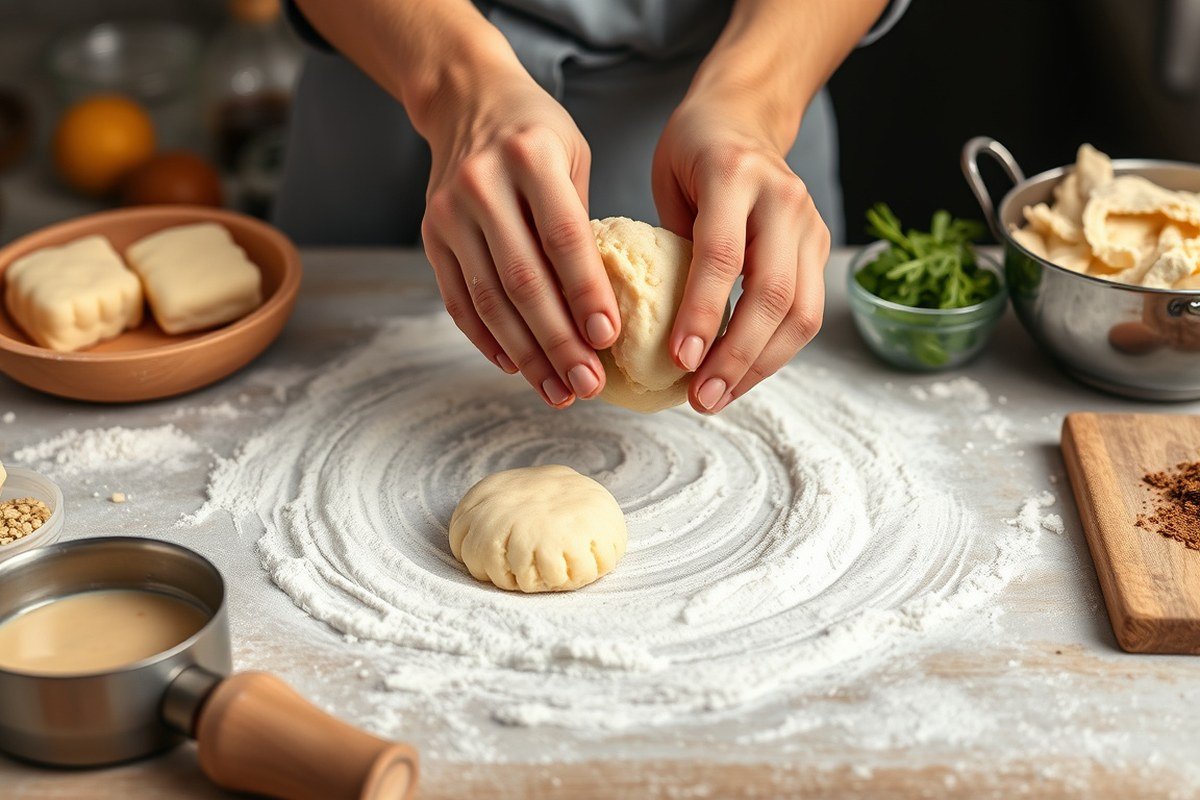
Making southern biscuits and sausage gravy from scratch requires a few straightforward steps and common pantry ingredients like all-purpose flour, buttermilk, breakfast sausage, milk, and seasoning. The biscuits should come out soft and flaky with a golden crust, while the gravy needs to be creamy, slightly peppery, and full of sausage flavor. Timing matters because the biscuits bake quickly, and the gravy thickens rapidly, so coordinating both ensures they arrive piping hot and fresh.
This recipe takes about 45 minutes total, including baking time for the biscuits and cooking time for the gravy. Start the biscuits first since they take 15 to 20 minutes to bake at 425°F (220°C). The sausage gravy cooks in about 15 minutes and involves browning the sausage and making a roux in the same pan to capture all the flavors.
- Preheat your oven to 425°F (220°C) and prepare the biscuit dough by combining 2 cups of all-purpose flour, 1 tablespoon of baking powder, 1 teaspoon of salt, 1/4 cup of cold unsalted butter (cut into small pieces), and 1 cup of cold buttermilk. Use a pastry cutter or fork to blend the butter into the flour until it resembles coarse crumbs, then stir in the buttermilk until just combined.
- Roll out the dough on a lightly floured surface to about 1-inch thickness. Use a 2.5-inch biscuit cutter or a round glass to cut out biscuits without twisting to keep the layers tender. Place the biscuits on an ungreased baking sheet close but not touching.
- Bake the biscuits for 15 to 20 minutes until they rise tall, turn golden brown, and the bottoms are cooked through. Avoid opening the oven door too often to maintain temperature. When done, remove from oven and keep warm wrapped in a clean towel.
- Brown 1 pound of breakfast sausage in a large skillet over medium heat, breaking it up with a wooden spoon. Cook until well browned and no pink remains, about 7 to 10 minutes. Use a slotted spoon to transfer the sausage to a plate, leaving the fat in the skillet.
- Make the roux by sprinkling 1/4 cup of all-purpose flour over the hot sausage fat in the skillet. Stir constantly for about 2 minutes to cook the flour and avoid a raw taste. This step thickens the gravy while incorporating sausage flavor.
- Gradually whisk in 3 cups of whole milk to the roux, stirring constantly to prevent lumps. Bring the mixture to a gentle simmer. The gravy will start thickening within 3 to 5 minutes. Add the browned sausage back to the pan, season with 1 teaspoon black pepper and salt to taste, then cook for another 2 to 3 minutes until thick and creamy. Adjust seasoning if needed.
- Keep the biscuits warm by wrapping them in a towel or placing them in a 300°F (150°C) oven while finishing the gravy. Serve the hot sausage gravy spooned over the warm biscuits immediately.
Essential Ingredients for Perfect Biscuits and Gravy
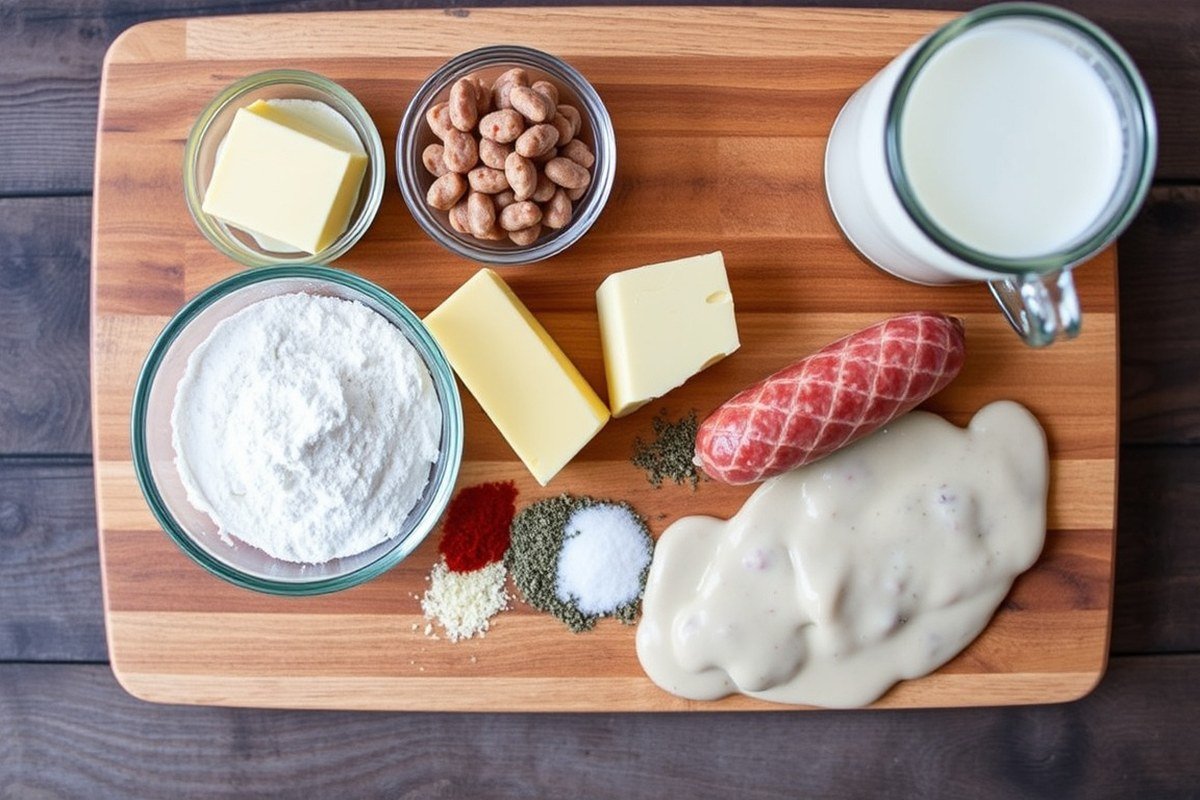
Making biscuits and gravy starts with the right ingredients to achieve the classic taste and texture you expect. For the biscuits, you will need all-purpose flour, baking powder, salt, cold butter, and whole milk or buttermilk. The flour provides structure, while baking powder acts as a leavening agent to make the biscuits rise. Salt improve flavor. Using cold butter cut into small pieces helps create flaky layers as it melts during baking. Whole milk or buttermilk adds moisture and tenderizes the dough, giving the biscuits a soft inside and a golden crust.
For the gravy, the type of sausage you choose makes a significant difference. Ground pork sausage with a good fat content, around 20-30% fat, is best for a rich, flavorful gravy. Country-style sausage, which is seasoned with sage and pepper, gives the gravy its signature taste. You want sausage that crisps nicely but remains juicy to keep the gravy hearty. Cooking the sausage first and draining excess fat before adding milk helps control the consistency.
Milk plays a key role in the sausage gravy’s texture. Whole milk is the best choice, lending a creamy thickness and rich taste. Using 2% or skim milk thins the gravy, so it won’t be as decadent. Non-dairy alternatives like almond or oat milk can be used for dairy-free versions, but expect a lighter, less creamy result. For biscuits, nondairy butter and milk substitutes allow a dairy-free meal, although texture may shift slightly. Adjust seasoning by tasting and adding black pepper or seasoned salt to balance flavors.
| Ingredient | Purpose | Ideal Type or Notes |
|---|---|---|
| All-purpose flour | Structure for biscuits | Regular flour with medium protein |
| Baking powder | Leavening for rise and fluffiness | Fresh, double-acting |
| Salt | Improve flavor | Table salt or kosher salt, adjust to taste |
| Butter (cold) | Flakiness and richness | Unsalted preferred, cut into small cubes |
| Milk or Buttermilk | Moisture and tenderness | Whole milk for biscuits and gravy; nondairy milk for alternatives |
| Country sausage | Flavor and fat for gravy base | Ground pork with seasoning; 20-30% fat for best texture |
| Seasonings (pepper, seasoned salt) | Flavor balance in gravy | Add gradually and taste |
Keeping the butter cold before mixing into flour is important. Melted butter leads to dense, tough biscuits. With the sausage, cooking it until browned but not dry gives the gravy more juicy flavor. You can even cook the sausage up to 24 hours ahead, store it in the fridge, and then combine with milk to finish the gravy later. Adjust the amount of milk in the gravy to control thickness; start with 2 cups for about a pound of sausage and add more if needed.
Use cold ingredients and minimal mixing to get flaky biscuits; overworking the dough makes it tough.
Step-by-Step Biscuit Making: Tips for Tender, Flaky Results
Making tender, flaky biscuits requires attention to how you mix, shape, and bake the dough. The key is handling the dough gently to maintain small chunks of butter, chilling it well, and baking at the right temperatures for a good rise and golden crust. Follow these steps and tips to get that classic biscuit texture and flavor every time.
Prepping and Mixing the Dough
Start with cold ingredients, especially the butter, for a flaky biscuit. Using a pastry cutter to cut butter into the flour creates tiny pockets that steam during baking and make layers in the biscuit. Avoid overmixing to keep the dough light and tender.
Using a cold bowl and measuring ingredients precisely helps maintain temperature and consistency. Baking powder is essential for rise, while baking soda contributes to a soft texture when buttermilk or acidic ingredients are present.
Shaping and Cutting Biscuits
After mixing the dough, place it on a floured surface and gently press it out to around 3/4 inch thick. Use a floured round biscuit cutter to cut straight down without twisting, which keeps the edges from sealing and helps the biscuits rise. Place the biscuits near each other but not touching on the baking sheet to encourage height during baking.
Chilling the cut biscuits for 30 minutes before baking or freezing for 15 minutes helps relax the gluten and firm up the butter, resulting in a softer texture and taller rise. Handle the dough and cut biscuits carefully and keep everything cool to avoid melting the butter prematurely.
Baking and Finishing Touches
Preheat the oven to 425°F for best results. Place the biscuits on a rimmed baking sheet and brush the tops with melted butter for a golden finish. Bake until the biscuits start to rise, about 5 minutes, then rotate the pan and reduce the oven temperature to 400°F. Bake an additional 10 to 15 minutes, or until light golden brown on top.
After baking, a 5-minute rest in the oven’s residual heat helps set the biscuits’ structure and keeps them tender. To reheat and keep biscuits soft, cover them with foil and warm in a 350°F oven for 5 to 7 minutes. Preparing biscuits first and baking them while the gravy thickens allows for the best timing and texture.
- Preheat oven to 425°F and prepare a rimmed baking sheet with parchment paper or lightly greased surface.
- Use a pastry cutter to cut cold butter into flour until pea-sized chunks remain for flakiness.
- Add liquid (buttermilk or substitute) and stir gently to combine without overmixing.
- Turn dough onto a floured surface and pat into a 3/4-inch thick rectangle.
- Use a floured 3-inch round biscuit cutter to cut dough straight down without twisting; gather scraps and repeat gently once or twice.
- Place biscuits close but not touching on the baking sheet; chill for 30 minutes or freeze for 15 minutes if time allows.
- Brush biscuit tops with melted butter before baking.
- Bake for 5 minutes; rotate pan and reduce oven to 400°F, then bake 10 to 15 more minutes until light golden brown.
Making Sausage Gravy: How to Cook, Thicken, and Season
Sausage gravy starts with properly browned sausage, followed by creating a roux with flour and the rendered fat. Gradually adding milk to this roux, while stirring, produces a thick, smooth gravy. Seasoning with black pepper and salt finishes the gravy with balanced flavor and the right texture for biscuits.
Browning the Sausage Correctly
Brown sausage in a skillet over medium heat, breaking it into small pieces as it cooks. Cooking for about 7 minutes allows the meat to brown well and the fat to render out, which is essential for flavor and the base of the gravy. Avoid overcrowding the pan to ensure even browning and prevent steaming the sausage.
Use a cast-iron skillet if you have one, as it retains heat evenly and helps develop a better crust on the sausage. Stir occasionally and keep the heat moderate to avoid burning while allowing the sausage to develop a rich brown color.
Incorporating Flour and Making a Roux
Once the sausage is browned and the fat rendered, sprinkle all-purpose flour evenly over the sausage. This step forms the roux, which thickens the gravy. Stir the flour into the sausage and fat, cooking it for about 1 minute to avoid a raw flour taste. Aim for a pale roux; you don’t want to brown the flour here.
The key is to mix the flour thoroughly, making sure it coats the sausage and fat evenly without clumping. Avoid dumping all the flour at once by adding it gradually while stirring. This will keep the texture smooth and help the gravy thicken uniformly rather than in lumps.
Adding Milk and Adjusting Consistency
Slowly pour in cold milk while stirring continuously to prevent lumps. Using a 1:1 ratio of 1 tablespoon flour to 1 cup milk typically yields a gravy thick enough to coat a spoon with a silky texture. For extra richness, some recipes mix whole milk with a tablespoon or two of heavy cream.
Bring the mixture to a gentle simmer, then reduce heat. Simmer and stir for about 5 to 7 minutes, scraping the skillet’s bottom to loosen any browned bits. This creates flavor and helps thicken the gravy evenly. Add milk one tablespoon at a time to thin the gravy until it reaches the thickness you want.
Seasoning and Final Simmer
Season sausage gravy with freshly ground black pepper and seasoned salt to taste. These seasonings complement the sausage’s natural flavors and help balance the richness. Start with about 1/2 teaspoon black pepper and 1/4 teaspoon seasoned salt, adjusting after the gravy thickens.
After adding the seasonings, allow the gravy to cook gently for a few more minutes, stirring regularly to prevent it from sticking or burning. Aim for a silky, creamy consistency that clings lightly to the back of a spoon. Serve it hot poured over freshly warmed biscuits for the best flavor.
- Cook sausage over medium heat, breaking it up until browned and fully cooked, about 7 minutes.
- Sprinkle 1/4 cup all-purpose flour evenly over sausage and stir to coat, cooking for 1 minute.
- Slowly pour in 1 cup of cold milk while stirring constantly to prevent lumps.
- Bring mixture to a simmer, then reduce heat to low.
- Simmer for 5 to 7 minutes, stirring frequently and scraping skillet bottom.
- Season with 1/2 teaspoon black pepper and 1/4 teaspoon seasoned salt; stir to combine.
- Continue simmering until gravy thickens enough to coat the back of a spoon.
- Add additional milk by the tablespoon if gravy becomes too thick.
Best Ways to Serve Biscuits and Gravy
Serve your biscuits and gravy traditionally by splitting each warm biscuit in half and ladling a generous amount of hot sausage gravy over the top. The biscuits should be freshly baked and warm enough for the gravy to gently soak in, which usually means serving them within 5 to 10 minutes of baking. This method ensures the creamy, seasoned gravy melds with the soft, flaky biscuit, delivering the classic comfort breakfast experience.
Because biscuits and gravy are hearty and filling, you don’t need much on the side to feel satisfied. If you want to create a fuller breakfast spread, choose lighter or contrasting flavors. Classic sides include eggs cooked to your preference, fried, scrambled, or hard-boiled, and simple breakfast potatoes or hash browns. For a refreshing balance, fresh fruit or a light green salad works well. You may also substitute the biscuits with savory waffles or serve the gravy over sunny-side-up eggs for a twist. This variety keeps the meal balanced and prevents it from feeling too heavy.
Presentation makes a difference, especially if you’re serving guests or enjoying a leisurely weekend breakfast. Place the biscuit halves neatly on a warmed plate before spooning the gravy over them to maintain the biscuit’s texture without making it soggy too quickly. Arrange any sides around the plate in a way that adds color and contrast, like a small bowl of berries or thinly sliced tomatoes. Garnishing the gravy with a sprinkle of freshly ground black pepper or chopped fresh herbs like parsley improve both the appearance and flavor. Keep portions generous but neat, focusing on clean lines and minimal spills, so the dish stays visually appealing and easy to eat.
Serve the gravy immediately after it thickens to the perfect consistency to prevent it from becoming gummy or separating, especially when poured over warm biscuits.
Storing, Freezing, and Reheating Biscuits and Gravy Safely
To keep their textures and flavors intact, store the biscuits and gravy separately. Biscuits should be kept in a sealed container at room temperature and can last up to two days or refrigerated for about five days. The gravy should be cooled to room temperature before transferring to a sealed container and refrigerated, where it remains good for around four days.
Freezing is a good option if you want to save leftovers beyond a few days. Cool both biscuits and gravy completely before freezing. Wrap biscuits individually or place them in a freezer-safe bag to prevent freezer burn and keep them fresh for up to 3 months. Gravy freezes well too when stored in a sealed, freezer-safe container for 3 to 5 months. Keep biscuits and gravy in separate containers to reheat more evenly and avoid sogginess.
- Cool biscuits and gravy to room temperature before storing or freezing.
- Use airtight containers or wrap tightly to prevent moisture loss.
- Store biscuits at room temperature up to 2 days, refrigerated up to 5 days.
- Keep gravy refrigerated for up to 4 days; freeze up to 5 months.
- Freeze biscuits and gravy separately for best texture.
- Label containers with date to track freshness.
- Thaw frozen items overnight in the fridge before reheating.
The best reheating method varies by item. For biscuits, reheat in a preheated 350°F oven for about 10 minutes to restore a flaky exterior and warm interior. Avoid microwaving biscuits as they can get rubbery or dry quickly. For sausage gravy, gently heat on the stovetop over low to medium heat, stirring frequently to prevent scorching. Add a small amount of milk or water to the gravy during reheating to thin it out if it thickens too much in the fridge or freezer.
Planning and proper storage save time and reduce waste. Following these steps helps maintain the taste and texture you enjoy in fresh biscuits and gravy, even after storing or freezing.
Common Mistakes in Biscuits and Gravy—And How to Fix Them
Dense or flat biscuits usually result from overmixing the dough or using too much liquid. Mixing the dough gently until just combined keeps the gluten from developing too much, which helps your biscuits remain tender and flaky. Use cold ingredients, especially butter, to create steam pockets that produce light layers. To fix dense biscuits, try cutting down on the mixing time and chilling the dough before baking. Also, check your leavening agents like baking powder; using old or expired powder can cause flat biscuits. A typical biscuit rises best with about 1 to 1¼ teaspoons of baking powder per two cups of flour.
Lumpy gravy often happens when flour is added directly to hot fat without enough stirring, or when cold milk is added too quickly. To avoid lumps, sprinkle the flour over the cooked sausage fat and whisk constantly over medium heat before adding milk slowly while continuing to whisk. When your gravy turns lumpy, strain it through a fine mesh sieve to make it smooth, or gently use an immersion blender before reheating.
Greasy or separated gravy occurs when too much fat is rendered from the sausage and isn’t properly incorporated. Brown the sausage well to reduce excess fat, then carefully drain off some grease before adding flour. Whisking flour into the sausage fat and cooking it before adding milk creates a stable roux that prevents separation. When separation happens, add a small splash of cold milk while whisking vigorously off heat to bring it back together, then warm gently.
Overcooked biscuits turn dry or hard, usually from baking too long or at a temperature that’s too high. For soft, tender biscuits, bake between 425°F and 450°F for about 12 to 15 minutes, watching closely near the end. When they’re already overbaked, try slicing them open and spreading some butter or sausage gravy onto the warm interior to add moisture and soften the crumb. You can cover biscuits with a towel right after baking to keep heat and moisture inside, which helps prevent hardening as they cool.
Paying careful attention to mixing times, temperature, and ingredient freshness can save most biscuit and gravy problems before they start. Small adjustments in technique like gradual milk addition or draining extra sausage fat make a noticeable difference in texture and flavor. These tips help you recover from common mistakes without starting over, getting you closer to that perfect, comforting Southern breakfast you’re aiming for.
Milk Types and Buttermilk Substitutes for Gravy and Biscuits
You can use regular milk or dairy-free alternatives when making biscuits and gravy, but they affect flavor and texture differently. Buttermilk or its substitutes add acidity, helping biscuits rise and giving gravy a silky quality. Different milk types change how thick or thin the gravy becomes.
Types of Milk and Their Impact
Whole milk provides a creamy flavor and rich texture for both biscuits and gravy. It’s the most common choice for gravy because its fat content helps create a velvety sauce. Using 2% milk results in a thinner gravy, which may be preferred if you want a lighter sauce. Skim milk makes gravy thinner and less flavorful, and it can cause biscuits to be less tender.
Dairy-free milk options like almond, soy, or oat milk work as substitutes but usually lack the richness of dairy milk. They often produce a thinner gravy and a less flaky biscuit because they lack fat and acidity. Some dairy-free milks are sweetened or flavored, which can affect the taste of your dish, so unsweetened varieties are best. Here is a comparison of popular milk types and their effects on biscuits and gravy:
| Milk Type | Fat Content | Effect on Gravy Texture | Effect on Biscuit Flavor/Texture | Dairy-Free |
|---|---|---|---|---|
| Whole Milk | 3.25% | Creamy, thicker gravy | Rich, tender biscuits | No |
| 2% Milk | 2% | Thinner gravy | Less tender biscuits | No |
| Skim Milk | 0-0.5% | Thin, watery gravy | Dryer, less flaky biscuits | No |
| Buttermilk | 1-2% | Silky, smooth, slightly tangy gravy | Fluffy, tender, tangy biscuits | No |
| Almond Milk (unsweetened) | 0% | Thin, less creamy gravy | Less tender, mild flavor biscuits | Yes |
| Soy Milk (unsweetened) | 1.5-2% | Moderately creamy gravy | Fairly tender biscuits | Yes |
| Oat Milk (unsweetened) | 1.5-2% | Thick, creamy gravy | Soft, slightly sweet biscuits | Yes |
Choosing milk with some fat helps the gravy thicken well and enriches biscuit texture. Buttermilk’s acidity also improves rise and flavor in biscuits. Dairy-free options may need adjustments for thickness or seasoning to compensate for missing fat or tang.
Making Buttermilk Substitute Easily
Buttermilk adds acidity and moisture, important for fluffy biscuits and creamy gravy. A simple homemade substitute mixes 1 cup of whole milk with 1 tablespoon of vinegar or lemon juice. Let it sit for 5 to 10 minutes until it curdles slightly before using. This substitute mimics the tangy flavor and acidity but lacks some of the depth of true buttermilk.
You can use the same method with dairy milk alternatives like unsweetened soy or almond milk to create a vegan buttermilk substitute. The acidity improves biscuit texture and helps thicken gravy, even when using non-dairy milk. For thicker biscuits or richer gravy using buttermilk substitute:
- Combine 1 cup milk (whole or unsweetened dairy-free) with 1 tbsp lemon juice or white vinegar.
- Stir and let stand at room temperature for 5-10 minutes.
- Use in your biscuit dough or gravy recipe as a 1-to-1 swap for buttermilk.
Use fresh vinegar or lemon juice for acidity; old or diluted products may not curdle milk properly, affecting texture.
Choosing Milk for Gravy Thickness
The choice of milk strongly influences sausage gravy’s thickness. Whole milk produces a thick, creamy gravy that clings well to biscuits. To thin gravy, 2% milk works better but can require less thickening flour or longer simmering.
If gravy turns out too thick when reheating, add a splash of milk to loosen it without diluting flavor too much. Using skim milk or dairy-free alternatives often results in thinner gravy, so increase the flour slightly or cook the gravy longer to achieve the right consistency. Follow this decision rule to pick the best milk for your gravy:
- For thick, rich gravy, use whole milk or buttermilk (or substitute).
- For thinner, lighter gravy, use 2% milk or add some water to whole milk.
- For dairy-free, use unsweetened oat milk for creaminess or soy milk if you prefer a neutral taste; increase thickener slightly.
The ideal texture is a gravy that coats a spoon without running off quickly but isn’t heavy or pasty. Adjust milk type, cooking time, and thickening steps accordingly.
Step-by-Step Action Plan
Follow these steps to make delicious southern-style biscuits and sausage gravy from scratch with confidence.
- Before You Start: Gather all essential ingredients including all-purpose flour, baking powder, cold butter, buttermilk (or its substitute), breakfast sausage, milk, and seasonings. Proper preparation ensures smooth cooking and the best flavor.
- Mix Dough (10 minutes): Combine dry ingredients and cut in cold butter until the texture is crumbly. Add buttermilk and mix just until combined. The dough should hold together without being sticky.
- Shape and Bake Biscuits (15-20 minutes): Pat dough to about 1-inch thickness, cut with a biscuit cutter, and bake at 425°F until golden. Biscuits should rise and have a flaky texture.
- Cook Sausage (8-10 minutes): Brown sausage in a skillet over medium heat, breaking it up as it cooks. It should be fully cooked with no pink remaining.
- Make Gravy (5-8 minutes): Stir flour into sausage drippings, cook briefly to remove raw taste, then whisk in milk gradually. Simmer until thickened, and season with salt and pepper to taste.
- Serve Immediately: Split biscuits open and ladle warm gravy on top. Serving fresh keeps the biscuits fluffy and the gravy smooth.
- Store Leftovers Properly: Cool biscuits and gravy separately, then refrigerate in airtight containers for up to 3 days. Reheat gently to avoid drying out or separating gravy.
Frequently Asked Questions
Can I Make Biscuits Ahead of Time and Bake Them Later?
Yes, you can prepare raw biscuits ahead, keep them refrigerated, and bake just before serving. This saves time and ensures fresh, hot biscuits when your gravy is ready.
How Do I Know When the Sausage Gravy Is Thick Enough?
The gravy is thick enough when it coats the back of a spoon. It should simmer and thicken for about 5 minutes, stirring occasionally, to reach this consistency.
Is It Better to Use Fresh or Frozen Biscuits for This Recipe?
Fresh homemade biscuits work best for texture and flavor, but frozen raw biscuits can be baked fresh. Avoid freezing cooked gravy; make it fresh for best taste and texture.
Can I Use Turkey Sausage Instead of Pork Sausage for the Gravy?
Yes, turkey sausage can replace pork, offering a leaner option. Adjust seasoning as turkey sausage is often less salty and may need extra spices.
What Temperature Should I Reheat Leftover Biscuits?
Reheat biscuits in a 350°F oven for about 5 minutes to restore fresh-baked texture. A toaster oven works well and prevents drying out, unlike microwaving.
How Much Gravy Should I Pour over Each Biscuit Serving?
Pour about a heaping half cup of gravy over each biscuit for generous flavor without overwhelming the bread. This balances taste and texture for each serving.
Before You Go
Making biscuits and gravy from scratch takes a bit of attention but rewards you with warm, comforting flavors. Your next step is to focus on getting the biscuit dough just right by handling it lightly and using chilled butter for those tender layers. Mastering this will improve both your biscuits and the overall dish significantly.






One Comment