What Is the Best Seafood Restaurant Dish? 10 Top Choices and How to Pick
The best seafood restaurant dish often depends on your taste preferences and occasion, but classic favorites like fresh oysters, shellfish pastas, and grilled fish reign supreme. Dishes featuring high-quality, fresh ingredients prepared with care offer the best flavors and textures. Knowing how cooking methods and sauces affect your dish can help you choose the perfect meal to satisfy your seafood cravings.
This advice fits seafood lovers eager to improve their dining experiences with carefully selected dishes and combinations. You’ll find recommendations for different occasions, diets, and how to spot freshness, plus tips on enjoying raw options safely and deciding between shellfish and fish meals.
Key Takeaways
- Choose dishes cooked using gentle methods like grilling or steaming for tender, flavorful seafood.
- Pair seafood with classic sauces like lemon butter or garlic cream to improve natural flavors.
- Look for fresh catches or trusted regional specialties to ensure quality and authenticity.
- Opt for shellfish dishes if you prefer sweet, firm textures over flakier fish.
- Try seasonal menu items that highlight local seafood at peak freshness and flavor.
- Raw seafood dishes such as ceviche or oysters demand strict freshness and proper preparation for safety.
What Is the Best Seafood Restaurant Dish to Order?

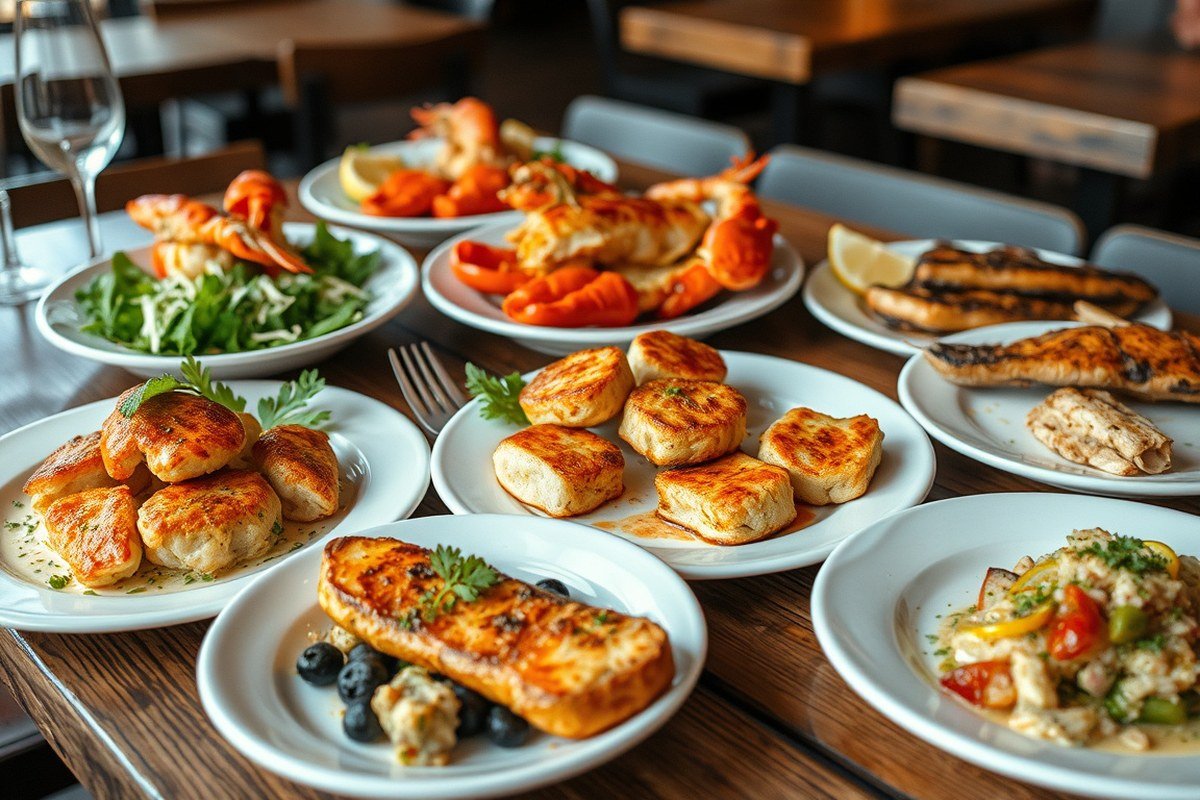
Some seafood dishes stand out in restaurants because of their popularity, flavor balance, and ease of preparation, making them the best choices to order. The best seafood restaurant dish combines freshness, method of cooking, and how well it pairs with sides or sauces. Dishes that offer familiar flavors while highlighting quality seafood tend to appeal widely to diners, ensuring satisfaction and repeat visits.
Popularity and flavor often go hand in hand in seafood dishes. For example, shrimp scampi cooks quickly and uses simple, familiar ingredients like garlic and lemon, making it a flexible choice for many menus. Fish and chips remain popular worldwide for their comforting, satisfying combination of crispy fried fish and tender fries. Dishes like branzino, known as European sea bass, appeal to guests looking for a lighter, elegant entrée that still stands out visually.
The choice of dishes varies depending on what guests expect and the restaurant’s approach. Classic dishes such as crab cakes reflect regional culinary traditions, especially in Maryland, while ceviche is celebrated from Peru through much of Latin America for its citrus-marinated seafood freshness. For restaurants aiming at a higher-end clientele, offerings like seared scallops or multi-course tasting menus featuring seafood like hamachi and salmon caviar create that improve dining experience.
The table below highlights some of the top seafood dishes in restaurants, showing why they are popular and what flavor profiles make them distinctive. This decision rule can help you choose the best dish to order depending on your taste preferences and dining goals.
| Dish | Why Popular | Flavor Profile / Notes |
|---|---|---|
| Shrimp Scampi | Quick to prepare; flexible as appetizer, entrée, or pasta | Garlic, lemon, butter; bright and savory |
| Fish and Chips | Comfort food classic worldwide; familiarity and affordability | Crispy batter, mild white fish, salty fries |
| Branzino | Light and elegant; visually impressive | Delicate, mild sea bass flavor; often grilled or roasted |
| Ceviche | Fresh, chilled citrus-marinated seafood; popular in Latin America | Tart, bright, often with onion and cilantro |
| Crab Cakes | Regional specialty; rich crab meat | Savory, sometimes with a slight spice or herb mix |
| Seared Scallops | Elegant, often upscale | Sweet, tender with a caramelized crust |
| Oysters | Raw, popular for freshness | Briny, slightly sweet, served chilled |
Choosing one of these dishes depends on what kind of seafood experience you want. For a quick, flavorful meal, shrimp scampi or fish and chips are reliable and tasty. For a special occasion or fine dining, seared scallops or branzino provide sophistication. Regional specialties like crab cakes or ceviche offer a chance to enjoy authentic, culturally significant flavors.
The best seafood dish in a restaurant stands out because it delivers fresh, quality ingredients cooked to highlight the natural seafood flavor. It pairs well with complementary sides and sauces, and it fits the dining occasion and atmosphere. Prices can vary widely, from under $20 for dishes like shrimp scampi or fish and chips to over $100 for tasting menus with premium fish and shellfish selections.
How Cooking Methods Impact Seafood Flavor and Texture
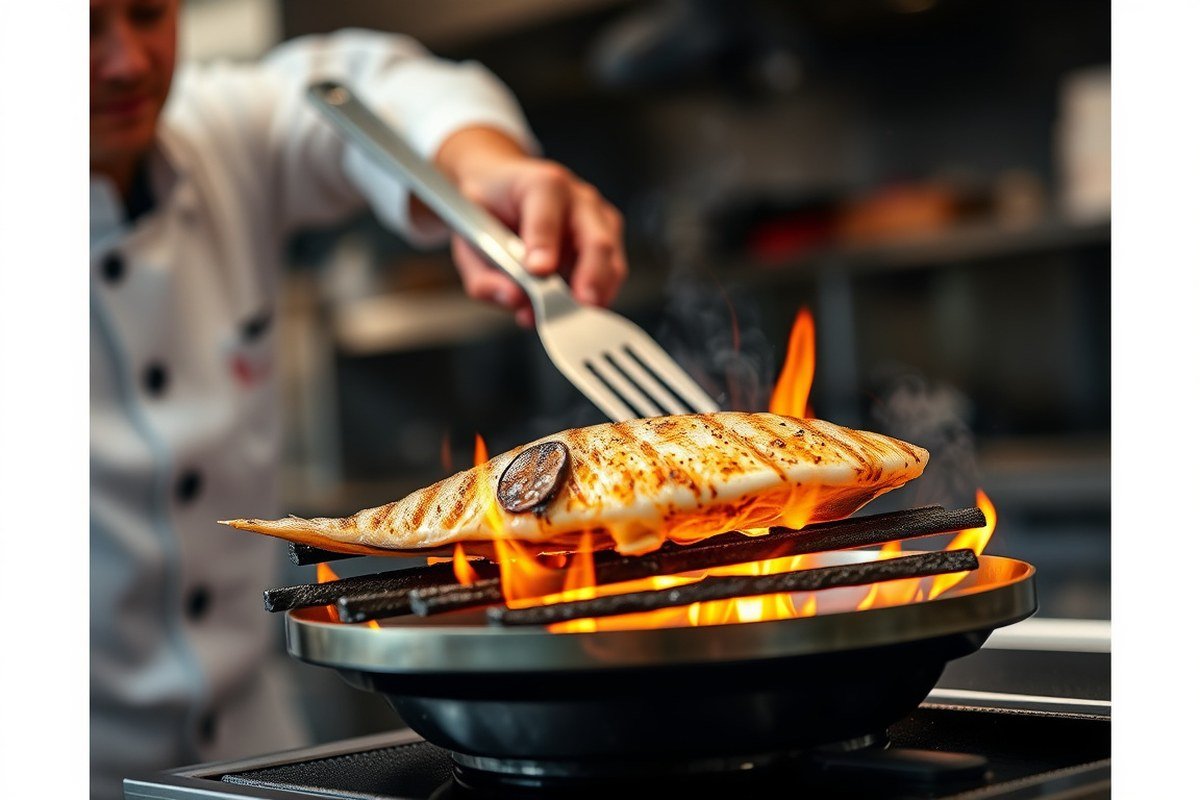
Cooking methods change seafood dishes dramatically, defining their taste and texture. Grilling adds smoky flavors and a firmer bite by cooking over high heat, perfect for hearty fish like salmon or shellfish like shrimp. Frying delivers a crispy crust but can mask delicate seafood flavors if overdone; it suits dishes like fried fish where texture contrasts are key. Steaming preserves the seafood’s natural moisture and sweetness, ideal for clams or white fish, while raw preparations like sashimi or ceviche highlight freshness and tenderness without heat, relying on acidity or seasonings for flavor.
Each method also affects cooking time and complexity. Seafood cooks quickly, so grilling or frying can take just a few minutes per side, preserving juiciness if monitored closely. Steaming takes slightly longer but ensures even cooking without drying out. Raw dishes require careful handling to maintain safety and quality but offer instant flavor and texture. Understanding these impacts helps you choose dishes that suit your taste and dining style.
| Cooking Method | Effect on Flavor | Effect on Texture | Typical Seafood Types | Typical Cooking Time |
|---|---|---|---|---|
| Grilling | Smoky, charred notes | Firm exterior, tender interior | Salmon, shrimp, swordfish | 3, 6 minutes per side at 400°F |
| Frying | Crispy, sometimes oily | Crunchy crust with moist inside | White fish, calamari, soft shell crab | 3, 5 minutes in 350°F oil |
| Steaming | Delicate, subtle sweetness | Moist, tender | Clams, mussels, cod | 5, 10 minutes depending on size |
| Raw (e.g., sashimi, ceviche) | Fresh, clean, bright (acidic if marinated) | Soft, silky | Tuna, snapper, oysters | No cooking; marinate ceviche 15, 30 minutes |
Grilling seafood at about 400°F for around 3 to 6 minutes per side works best for firm fish, which benefits from direct heat creating a crispy exterior. Cooking seafood quickly here is important to avoid toughness. Frying at 350°F gives a golden crust but watch for overcooking that dries the inside. Steaming requires gentle heat for 5 to 10 minutes, preserving moisture but needing close timing so delicate fish don’t overcook or become mushy. Raw dishes depend on quality fish and safe handling; marinating ceviche for 15 to 30 minutes changes texture and brightens flavor without heat.
Overcooking seafood with any method results in rubbery texture and loss of natural flavors, so timing and temperature control are essential for the best results.
Popular Sauces and Sides That improve Seafood Dishes
Pairing the right sauces and sides with seafood dishes sharpens their flavor and presentation. Different seafood types benefit from specific sauce styles and complementary sides that either highlight the seafood’s delicate taste or balance richer preparations.
Best Sauces for Various Seafood Types
Sauces improve seafood without overpowering it, so matching sauce texture and flavor to the dish is key. Light, acidic sauces suit milder seafood, while spicy or buttery sauces pair well with heartier flavors.
For shellfish like oysters and clams, classic options include cocktail sauce and mignonette, which add a refreshing zest and cut through natural brininess. Crab dishes can vary: Chinese crab in oyster sauce offers savory depth, while Indonesian Padang crab features a spicy, lighter sauce that avoids heaviness. Fish dishes such as grilled salmon or halibut benefit from a lemon-herb butter sauce or a fresh salsa verde that brightens their flavor without fattening the palate.
Choosing Sides Based on Seafood Style
The ideal sides should support, not compete with, the main seafood dish. Rich, butter-heavy seafood calls for lighter, neutral sides to prevent an overly creamy meal, while simpler seafood dishes can be improve with richer or more flavorful accompaniments.
Rice is a versatile side, especially when a seafood dish includes sauce or gravy; it acts as a neutral canvas to absorb and highlight the main flavors. For grilled or fried fish, seasonal vegetables or a crisp salad provide needed texture and freshness. Potato-based sides like roasted or mashed potatoes go well with heartier seafood such as crab or lobster, balancing richness with starchiness.
Simple Sauce and Side Pairing Checklist
Refine your seafood experience with these essential sauce and side pairings:
- Oysters and clams: Mignonette or cocktail sauce with lemon wedges
- Grilled salmon or halibut: Lemon-herb butter or salsa verde with steamed seasonal vegetables
- Butter-sauced shrimp: Light green salad or steamed rice to avoid excess creaminess
- Crab in oyster sauce: Jasmine rice and sautéed greens to absorb savory sauce
- Padang crab: Pickled vegetables or fresh cucumber salad to balance spiciness
- Fried seafood: Crisp coleslaw or French fries for contrasting texture
- Baked white fish: Roasted root vegetables or quinoa with herbs for earthy complement
These combinations help restaurants improve dish appeal and improve profitability by using cross-use sauces and premium sides without complicating the kitchen process.
How to Match Sauces and Sides for Balanced Plates
Start by assessing the seafood’s cooking method and base flavors. A rich butter sauce on shrimp calls for sides low in fat, like steamed vegetables or rice. Drier grilled fish pairs well with a moist, flavorful sauce and a side that adds texture, like a crisp salad.
Focus on balancing intensity and texture across the plate. Avoid layering creamy sauces and creamy sides together to prevent heaviness. Instead, contrast a creamy seafood sauce with an acidic or fresh side, such as lemony greens or pickled vegetables, to sharpen the palate.
Measure or monitor portion sizes carefully, especially for premium sides, to control costs and maximize flavor impact. The right balance improves customer satisfaction and helps restaurants optimize menu pricing.
Common Pairing Pitfalls and How to Avoid Them
One common mistake is pairing a rich seafood sauce with another heavy side, making the dish feel overwhelming. For example, shrimp in a butter sauce served with creamy risotto can create an excessive mouthfeel rather than balance.
Avoid sides that compete with seafood flavors, like strong, spicy sauces paired with delicately flavored fish. Overpowering the main ingredient can mask its freshness.
Also, skip overly complex sides in busy kitchens, which can detract from consistency and increase preparation time. Instead, focus on simple, versatile sides like steamed rice or seasonal vegetables that complement a wide range of seafood preparations.
Classic vs Modern Seafood Dishes on Restaurant Menus
Classic seafood dishes focus on traditional recipes and preparation methods that have been enjoyed for generations. Modern seafood dishes, on the other hand, reflect innovation through new cooking techniques, presentation, and ingredient combinations. Both types offer distinct experiences on restaurant menus, appealing to different tastes and occasions.
Characteristics of Classic Seafood Dishes
Classic seafood dishes typically feature simple, time-tested recipes emphasizing the natural flavors of fresh fish and shellfish. Examples include pan-seared salmon, clam chowder, fried calamari, and traditional seafood boils. These dishes often use familiar cooking methods such as steaming, grilling, frying, and baking. Many classic dishes come from specific coastal regions and rely on seasonal or locally sourced seafood.
Signature classic dishes at renowned restaurants highlight their regional heritage. For instance, a seafood boil at Clawdaddy combines shrimp, crab, and potatoes boiled together with cajun spices, offering a communal, hearty meal. Fried calamari is a staple on many Mediterranean and Italian restaurant menus, prized for its crisp texture and mild flavor. Such dishes deliver comfort and reliability that diners often seek.
Defining Features of Modern Seafood Offerings
Modern seafood dishes introduce novel ingredients, plating styles, and fusion techniques to create unique taste experiences. Chefs may incorporate international spices, sous-vide cooking, or raw preparations with creative presentations to update traditional methods. Examples include seafood tacos with avocado crema, ceviche bowls featuring tropical fruits, or salmon tartare with inventive garnishes.
Restaurants like Penny, a seafood bar opened in 2024 aimed at walk-ins and after-work crowds, showcase these innovative dishes. They create casual yet refined menus that break from strict tradition while maintaining a focus on freshness and quality. Flexibility and visual appeal also come into play, attracting younger diners and social media attention.
Side Dishes and Accompaniments: Tradition Meets Innovation
Sides serve as both complements and contrasts to seafood, influencing how a dish feels and tastes. Classic sides such as baked beans or coleslaw often accompany traditional seafood boils and fried dishes. However, baked beans can be tricky due to their sweetness and texture sometimes overpowering delicate seafood.
Modern menus pair seafood with a wider variety of sides that improve the dish, including quinoa salads, roasted vegetables, or citrus-infused slaws. Sides are chosen not just for their flavor but also for their nutrition and color to improve presentation.
- Classic sides: baked beans, coleslaw, hush puppies, tartar sauce
- Modern sides: kale and quinoa salad, avocado mousse, pickled vegetables, citrus slaw
- Commonalities: Both types balance texture, flavor, and visual appeal
- Sides can transform a simple dish into a memorable meal
- Side choices often reflect the restaurant’s overall concept
Signature Dishes from Famous Seafood Restaurants
While many classic dishes have stood the test of time, some restaurants have become known for either perfecting these staples or pioneering modern creations. Clawdaddy in Manila is celebrated for its traditional seafood boil that combines a variety of shellfish with herbs and spices in a communal style. King Chef Seafood Restaurant offers lavish set menus for occasions like Mother’s Day, blending classic dishes with refined preparation and premium ingredients.
In contrast, Penny in the US has gained attention for reinventing seafood options geared toward a younger, urban audience. Their menu includes shareable small plates and contemporary seafood dishes featuring fresh, local catches prepared with bold sauces and innovative textures, suiting a fast-casual dining model. Boston’s seafood scene also exemplifies this duality with establishments that blend centuries-old classics and new interpretations of shellfish and fish dishes.
Choosing Between Classic and Modern Seafood Dishes
Deciding which type of seafood dish to order depends on your mood, occasion, and dining preferences. Classic dishes often provide familiar comfort and predictable flavors that work well for family outings and traditional celebrations. They usually come at moderate price points, with dishes like pan-seared salmon typically costing $18, $30 in coastal US restaurants.
Modern seafood dishes suit adventurous eaters and casual social gatherings where presentation and creative flavors matter. These dishes may use premium exotic ingredients or more involved techniques, pushing their prices higher, between $25 and $45 per plate on average depending on location. Modern menu items also encourage sharing and experimenting with complementary sides and drinks.
Top Seafood Dishes for Different Occasions and Diets
Different occasions and dietary preferences call for specific seafood dishes that improve your dining experience. For special celebrations, dishes like a hot seafood tower packed with lobster, crab, shrimp, and oysters offer visual appeal and variety to impress guests. Shrimp scampi stands out as an elegant yet efficient choice, combining buttery garlic flavors with pasta for a dish that feels upscale without demanding complex preparation.
Health-conscious diners benefit from selecting seafood that is grilled, steamed, or poached, reducing added fats and calories. Lean fish like flounder, prepared with fresh herbs and a light sauce such as miso butter, provides a balance between flavor and nutrition. Avoid fried options if you want to minimize intake of unhealthy fats or excess sodium.
When dining with groups or families, sharing is key. Seafood platters or dishes designed for multiple servings allow everyone to sample various items. Choosing a combination of shellfish and fish gives guests a range of textures and tastes. Portion sizes should be planned to prevent waste while ensuring enough to satisfy diverse appetites.
- Pick seafood towers or large platters for celebrations to create a festive and shareable centerpiece.
- Opt for grilled or broiled fish with simple sauces for health-focused meals.
- Consider shrimp scampi or crab cakes as moderately priced, crowd-pleasing dishes.
- Shareable dishes should include a mix of shellfish and fish to please different preferences.
- Request allergy info to avoid cross-contamination risks in group settings.
Check with your server about preparation methods and portion sizes to match your health goals and the number of diners.
An effective decision rule for selecting seafood dishes involves asking yourself three questions: What is the occasion? How important is healthfulness? And how many people will share the dish? For celebrations, lean toward elaborate or visually striking plates like seafood towers. For health, choose steamed or baked fish with minimal heavy sauces. When feeding multiple people, prioritize variety and shareability to keep everyone satisfied.
Freshness and Quality: How to Spot the Best Seafood Dish
Freshness directly affects the taste and texture of seafood dishes. Fresh seafood should smell clean and slightly briny, not fishy or sour, which signals spoilage. Quality seafood maintains its natural moisture and firmness, avoiding dryness or mushiness that come with poor handling or age. A fresh piece of fish or shellfish will have vibrant, natural colors and a firm texture that holds together when gently pressed.
Recognizing freshness starts with your senses. Look for shiny, moist flesh that springs back when touched. The color should reflect the species, salmon pink, bright white, or translucent for shellfish, without dullness or discoloration. A fresh shellfish dish, like oysters, should be served cold, often on a bed of ice, ensuring it hasn’t warmed up, which can impact safety and flavor.
- Fresh seafood has no overpowering smell, expect a mild ocean-like scent
- Fish flesh should be slightly firm and bounce back when pressed
- Shells on shellfish like clams or mussels must be closed or close when tapped
- Clear, bright eyes on whole fish indicate freshness
- Gills (if visible) should be moist and red or pink, not brown
- Dishes should be served at appropriate temperatures, with cold seafood on ice
- Look for natural, vibrant coloration, avoiding any dull or off shades
Texture is just as important as visual cues. Well-prepared seafood will be tender without being mushy. Overcooking causes toughness, while undercooking leaves a raw, slimy texture that may be off-putting unless expected in dishes like sushi. A fresh scallop or shrimp, for instance, feels firm and springy. Aroma also guides quality; freshly cooked seafood carries a mild, pleasant scent rather than a heavy or chemical smell.
Knowing what good results look like helps you make informed choices. Fresh, firm, aromatic seafood suggests proper sourcing and handling by the restaurant. Crisp textures in shellfish and intact presentation demonstrate attention to detail. Dishes failing these indicators may indicate older stock, rushed preparation, or poor storage practices, leading to flavor loss or food safety risks.
Checking a seafood dish carefully costs only your attention but can save disappointment or health risks. When dining out, you can gently ask how recently the seafood arrived or if it comes from local suppliers, which often ensures better freshness due to shorter transport. Some situations, like late evening dining or busy weekends, might affect freshness, so ordering earlier or choosing cooked rather than raw items could help.
Safe Enjoyment of Raw Seafood Dishes Like Ceviche and Oysters
Eating raw seafood like ceviche and oysters can be safe and enjoyable if you follow specific precautions. Key factors include freshness, proper handling by the restaurant, and your own awareness when ordering. Avoid dishes that seem old or improperly stored to reduce the risk of foodborne illness.
Types of Safe Raw Seafood Dishes
Common raw seafood dishes at restaurants include oysters on the half shell, ceviche made with citrus-cured fish, and sushi featuring sushi-grade fish. These dishes rely on either freshness or acid curing to reduce bacteria risk. Oysters and clams served from reputable raw bars generally come from controlled environments that meet safety standards.
Ceviche differs from other raw dishes by using lime or lemon juice to “cook” fish chemically. It still requires fresh fish but lowers the risk of parasites and bacteria compared to fully raw fish. However, avoid ceviche if you have a compromised immune system because it is not cooked with heat.
Signs of Freshness in Raw Seafood
Freshness is critical when selecting raw seafood dishes. Look for oysters and fish described as freshly harvested or caught the same day. Daily specials often showcase the freshest offerings. Avoid seafood that has a strong fishy, sour, or ammonia-like odor, which indicates age or spoilage.
Visual cues include shiny, moist flesh without discoloration or dryness. Shellfish should have tightly closed shells or close when tapped. Ask the server about the source and timing of the catch to confirm quality. Seafood stored at less than 40°F (4°C) has a lower risk of bacterial growth.
Best Practices When Dining Raw Seafood
Eating raw seafood safely involves careful restaurant choice and personal vigilance. Follow these steps to reduce the risk of getting sick while enjoying raw seafood dishes:
- Choose reputable restaurants known for their raw bar or seafood quality.
- Ask about the source and harvest date of raw seafood before ordering.
- Check for proper refrigeration and clean presentation when served.
- Inspect the seafood visually and smell it lightly for off odors before eating.
- Avoid raw seafood if you have weakened immunity, are pregnant, or have certain health conditions.
- Start with smaller portions to monitor your body’s reaction.
- Avoid cross-contamination by ensuring utensils and plates are clean and separate from cooked foods.
- Report any unusual taste, texture, or discomfort immediately to the restaurant staff and seek medical advice if needed.
Common mistakes include ordering raw seafood from questionable sources or when the restaurant has poor hygiene. Avoid seafood that looks dull, smells strong, or is left out at room temperature for extended periods. When in doubt, opt for cooked seafood dishes to eliminate risk.
Shellfish vs Fish: Choosing the Right Seafood Dish for You
Choosing between shellfish and fish dishes depends on the texture, flavor, and dining experience you prefer. Fish often offers a milder, more delicate taste, with a flaky or firm texture depending on the species. Shellfish tends to deliver a richer, sometimes sweeter flavor with a chewier or more tender bite. Consider what suits your appetite and the occasion. Shellfish like shrimp, lobster, crab, and scallops are popular for their bold taste and are frequently featured in dishes such as seafood stews, gimbap, and butter-gui. Meanwhile, fish dishes might include wild-caught sea bass or seasonal options served lightly seasoned or infused with regional flavors like fennel and Calabrian chile paste.
| Aspect | Shellfish | Fish |
|---|---|---|
| Flavor Profile | Rich, sweet, sometimes briny | Mild, fresh, sometimes subtle |
| Texture | Chewy to tender (varies: scallops are tender, crab more fibrous) | Flaky to firm |
| Common Dishes | Stews, gimbap, butter-gui, seafood pancakes | Steaks, fillets, thin-sliced wraps |
| Typical Serving | Often served whole or in chunks; some grilled or steamed | Filleted, grilled, pan-seared, or lightly cooked |
| Price Range | Generally higher, especially lobster and crab | Varies widely; wild-caught is pricier than farmed |
| Best for | Rich, festive meals; special occasions | Everyday dining; lighter meals |
| Ordering Tip | Look for fresh, sustainably sourced shellfish | Choose wild-caught fish for better flavor and freshness |
Shellfish dishes excel when you want a hearty and memorable meal, often associated with special occasions due to their higher price and rich flavors. They pair well with strong spices or seasoning like chili paste. Fish dishes are versatile, fitting well in light lunch options or meals featuring subtle seasoning that highlights freshness. Restaurants inspired by locations such as Busan offer shellfish with creative twists like scallop DIY gimbap or soft-shell crab, providing a playful way to enjoy shellfish’s texture and flavor. Freshness is critical for shellfish to avoid off flavors and ensure safety, given their delicate nature.
Always check that shellfish is sourced from reputable suppliers and properly cooked or stored to reduce the risk of foodborne illness.
Seasonal and Regional Variations in Popular Seafood Dishes
Seafood dishes vary widely based on the season and the region where they are served. Freshness is key in seafood, so restaurants often feature species that are abundant locally during specific months. This means the best seafood dish in one area may differ greatly from another, driven by which fish or shellfish are at peak availability. Paying attention to seasonal catches and regional specialties not only ensures fresher, tastier meals but also supports sustainable seafood practices.
For example, on the East Coast of the United States, lobster is most plentiful from late spring to early summer, making lobster dishes a top choice then. Meanwhile, oysters show peak freshness in colder months, from September through April. On the West Coast, Dungeness crab sees its prime season in late fall and early winter. Fish like salmon run in specific areas typically between June and September, influencing regional menus accordingly. Consider these tips for selecting the best seafood dishes by season and location:
- Choose shellfish like shrimp or scallops in spring and early summer when their populations increase.
- Look for wild-caught salmon in the summer months, as farmed varieties may not match the same quality or flavor.
- Order crab dishes in fall or early winter in coastal regions known for crab fisheries.
- Opt for hearty seafood stews or chowders featuring winter-harvested fish in colder months.
- Explore regional specialties such as New England clam bakes in summer or Pacific Northwest black cod year-round.
Seafood restaurant menus often reflect these cycles, so asking servers about the day’s catch or locally sourced options can guide you to the freshest dishes. Prices may also fluctuate with seasonality, with off-season items costing more due to scarcity or import logistics. A dish featuring seasonal seafood can deliver superior taste and texture compared to out-of-season alternatives, which might be frozen or sourced from distant waters.
Regional culture shapes not only what seafood is available but also how it’s prepared and seasoned. For instance, Cajun-seasoned catfish is common in Louisiana, while Mediterranean-inspired grilled seafood is popular in California coastal restaurants. Paying attention to seasonal and regional factors allows you to enjoy dishes that highlight the best of what the local waters and culinary traditions offer at the time of your visit.
Mistakes to Avoid When Choosing Seafood at Restaurants
Ordering seafood at restaurants can be tricky, especially if you want to avoid disappointment. One common mistake is choosing dishes with too many seafood types mixed together. This can lead to uneven cooking or clashing flavors, reducing the overall enjoyment. To fix this, select dishes focused on one type of seafood, prepared in a way that highlights its texture and taste.
Another error is not checking how fresh the seafood is. Freshness matters because as seafood ages, it loses flavor and gains an unpleasant texture. Ask your server about the catch of the day or the source of the seafood to ensure you get a fresh dish. Fish served within 24 hours of being caught is usually a good sign of freshness, especially for delicate types like flounder or snapper.
Ordering raw seafood without confirming food safety can lead to health risks. Raw dishes like oysters or ceviche should come from reputable sources and be stored properly. Look for menu notes on sourcing or ask your waiter about the restaurant’s safety standards. Restaurants that follow food safety protocols usually display certifications or mention their suppliers.
Sustainability is another key factor. Many diners want to avoid seafood caught in ways that damage the environment. To spot sustainable choices, look for menu labels like “MSC certified,” “wild-caught,” or “farm-raised responsibly.” You can also ask your server if the seafood comes from sustainable fisheries or aquaculture.
- Avoid dishes with multiple seafood types cooked together
- Check freshness by asking about the catch date and source
- Confirm proper handling and storage for raw seafood
- Look for sustainability certifications or responsible sourcing notes
- Avoid seafood items that have been on the menu for a long time
- Ask about cooking methods to ensure the seafood isn’t overcooked
Seafood that’s overcooked becomes rubbery and bland. Confirming with the kitchen how your dish is prepared can help you avoid this. For example, grilled salmon usually should be cooked to an internal temperature of 125°F for medium-rare, or 145°F for well done, but avoid the well-done option unless you prefer firmer texture. Also, asking about the menu’s most popular seafood dishes can point you toward well-executed items.
Menus sometimes do not clearly indicate sustainable or eco-friendly options. Direct questions about where and how seafood is caught or farmed can provide critical information. Sustainable seafood might cost a bit more due to responsible practices, but the environmental benefits and better quality often make it worth the price. Watch for seafood labeled as local, seasonal, or certified to balance taste and ethics.
Step-by-Step Action Plan for Choosing the Best Seafood Restaurant Dish
Use this guide to confidently pick a top seafood dish that suits your taste and occasion.
- Before your visit: Research the restaurant’s specialty seafood dishes and fresh catch options to ensure quality. Check recent reviews for freshness and service.
- At the restaurant: Ask your server about the day’s freshest seafood and recommended cooking methods to match your flavor preference. Confirm any allergy or dietary needs upfront.
- Ordering phase: Choose a cooking method that highlights the seafood’s natural texture, such as grilling for firmer fish or steaming for delicate shellfish. Pair with sauces and sides that complement rather than overpower the dish.
- Upon receiving your dish: Evaluate the appearance, aroma, and temperature as indicators of freshness and proper preparation. The seafood should smell clean and taste vibrant.
- During your meal: Note how the dish matches your expectations on flavor balance and texture. Consider if the side dishes improve the main seafood flavor.
- After your meal: Provide feedback to the staff about what worked well or what could improve your next seafood dining experience.
- At your next visit: Experiment with a new seafood variety or preparation style to expand your palate and find more favorite dishes.
Frequently Asked Questions
What Is the Best Seafood Restaurant Dish?
The best seafood dish depends on your taste, but seared scallops and branzino are top choices for their elegance and flavor. These dishes stand out because they offer a delicate texture and a visually impressive presentation, often making them restaurant favorites.
What Is the Most Popular Seafood Dish?
Fish and chips is among the most popular seafood dishes worldwide due to its familiar taste and comfort food vibe. Its combination of crispy fried fish and fries appeals to many diners looking for a classic option.
What Are the Top 10 Seafood Dishes?
Popular seafood dishes include shrimp scampi, ceviche, crab cakes, oysters, chilli crab, fish and chips, branzino, seared scallops, clams, and lobster with bacon. These highlight a range of flavors and preparations tailored to different regional and seasonal preferences.
What Are Some Good Seafood Dishes?
Good seafood dishes often include shrimp scampi and crab cakes, as they offer quick cooking times and approachable flavors. Many restaurants also feature oysters and clam chowder for classic tastes that appeal to most diners.
What Are Some Popular Seafood Dishes?
Popular seafood dishes include ceviche, chilli crab, and fish and chips, each reflecting cultural origins and widely loved textures. Their popularity often comes from a balance of flavor, tradition, and accessibility on restaurant menus.
What Is a Healthy Seafood Dish to Order at a Restaurant?
Grilled branzino is a healthy choice due to its lean protein and light preparation, making it ideal for health-conscious diners. This dish typically features minimal added fats and highlights the natural flavors of the fish.
Key Points to Remember
Choosing the best seafood dish comes down to freshness, your flavor preferences, and knowing how the cooking method affects texture. Start by asking about the freshest catch and recommended preparations to find dishes you’ll truly enjoy. Next time you dine out, focus on those details to pick a seafood meal that stands out to you.






2 Comments