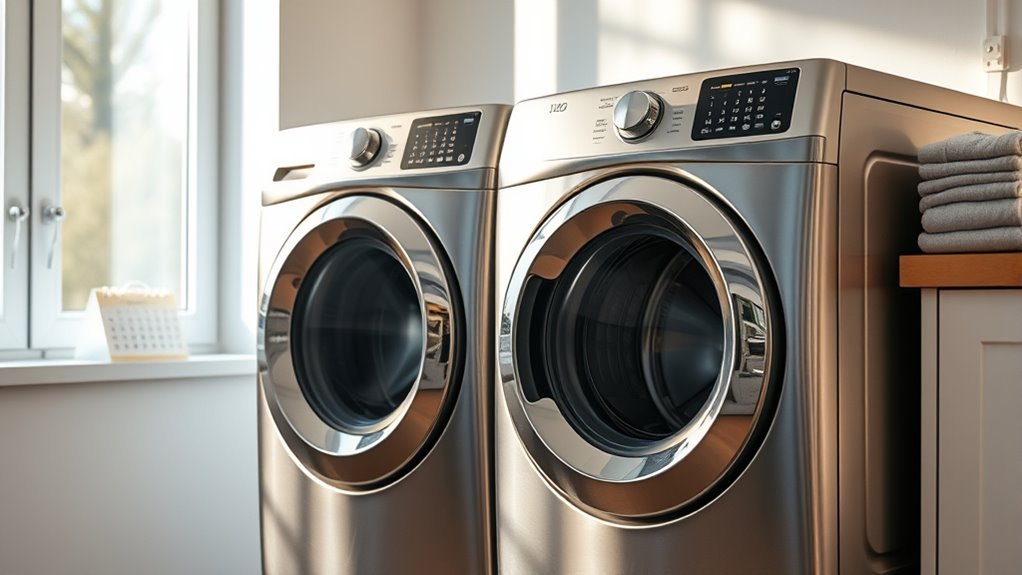
How Long Do Washers and Dryers Last? The Complete Answer
Are you tired of replacing your washer and dryer sooner than expected? You’re not alone—many people struggle with appliances that break down or wear out faster than they’d like.
Understanding how long these essential appliances typically last can help you make smarter choices and keep them running smoothly longer.
You can typically expect your washer to last between 10 and 15 years, with front-loaders outlasting top-loaders.
Dryers usually run reliably for 10 to 15 years as well, with electric models generally lasting longer than gas ones.
How well you maintain and use these appliances greatly impacts their lifespan.
Keeping them clean and avoiding overloads helps extend their life.
If you want to get the most from your appliances, exploring their types and care routines will be helpful.
Key Takeaways
- Washers usually last around 10 to 13 years. Front-load models tend to last longer, about 12 to 15 years, compared to top-loaders which last around 10 to 12 years.
- Dryers have an average lifespan of 10 to 13 years. Electric dryers often last longer, about 13 to 15 years, while gas dryers usually last between 10 and 13 years.
- Regular maintenance, like cleaning lint traps and hoses, can really help extend the life of your washers and dryers.
- Choosing energy-efficient, ENERGY STAR certified models can reduce wear and tear, helping your appliances last longer and saving you money on energy bills.
- Keep an eye out for signs like strange noises, longer cycles, or burning smells, as these could mean your appliance needs repair or replacing soon.
How Long Do Washers Typically Last?
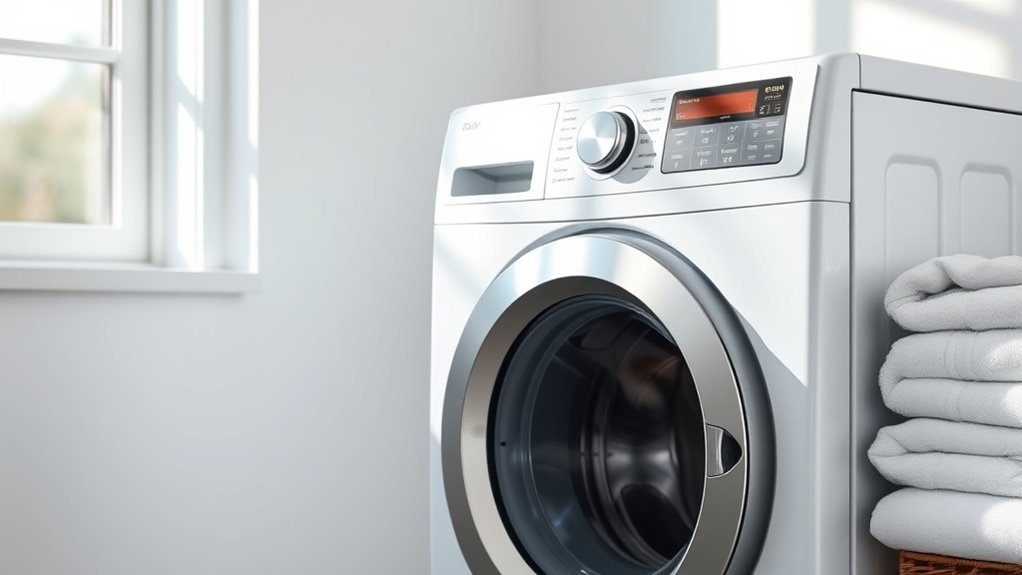
Although the lifespan of washers varies by brand and usage, you can generally expect your washing machine to last between 10 and 13 years. The specific washer types you choose influence this timeframe. For instance, front-loading washers often last longer than top-loading ones because they use less water and have fewer moving parts.
However, regular maintenance plays a huge role in prolonging any washer’s life. Energy efficiency also affects durability. High-efficiency washers don’t just save you money on utility bills; they tend to experience less wear and tear due to gentler cycles.
When shopping for a new machine, consider models with Energy Star certification to guarantee you get efficient performance and lasting value. By understanding how washer types and energy efficiency impact longevity, you can make smarter choices that keep your laundry running smoothly for years.
How Long Do Dryers Usually Last?
Typically, a dryer will last around 10 to 13 years if you take good care of it. Of course, how long it actually sticks around can depend on a few things like how often you use it, how well you maintain it, and the quality of the brand you bought.
It’s a good idea to keep an eye out for signs of wear and tear—that way, you’ll know when it might be time to start thinking about a replacement.
Average Dryer Lifespan
Most dryers last between 10 and 13 years, depending on how often you use them and how well you maintain them.
Different dryer types, like electric or gas models, can influence lifespan slightly, but both usually fall within this range.
If you choose an energy-efficient dryer, you might see savings on your utility bills without sacrificing durability.
Energy-efficient models often have advanced features that help reduce wear and tear, which can extend their useful life.
Remember, while the average lifespan gives you a general idea, your dryer’s performance and longevity depend on your specific usage and care.
Keeping your dryer clean and running efficiently helps you get the most out of its expected lifespan.
Factors Affecting Durability
The lifespan of your dryer depends on several factors beyond just its average years of use. One key element is the material quality. Dryers built with durable components and sturdy construction usually last longer.
You’ll also find that energy efficiency plays a role. Not only does it save you money on utility bills, but energy-efficient models often incorporate advanced technology that reduces strain on parts, extending the dryer’s life.
Moreover, how often you use the dryer and how well you maintain it impact durability. Regularly cleaning the lint trap and vents prevents overheating and wear.
Signs of Wear
Several clear signs indicate when your dryer is nearing the end of its lifespan. You’ll notice wear indicators such as longer drying times and clothes coming out damp.
A persistent burning smell or unusual noises can also signal internal issues. These signs point to a performance decline that simple maintenance may no longer fix.
If your dryer struggles to heat properly or shuts off unexpectedly, it’s time to evaluate replacement. Monitoring these wear indicators helps you avoid unexpected breakdowns and keeps your laundry routine smooth.
Key Factors That Affect Washer and Dryer Lifespan
How often you run your washer and dryer really impacts how long they’ll last. If you’re doing laundry multiple times a week, it’s good to be aware that this can wear them out faster.
Also, keeping up with regular maintenance and care is super important. Simple things like cleaning out lint traps or checking hoses can prevent early damage and keep them running smoothly.
And of course, the build quality of the appliances matters a lot. Higher-quality models tend to be more durable and can handle frequent use better over time.
Usage Frequency Impact
Because you use your washer and dryer regularly, their lifespan depends a lot on how often and how hard you run them. Your usage patterns really matter; daily cycles can wear out the machines faster than occasional use.
Running large loads all the time can put extra stress on parts like the motor and drum, speeding up wear and tear. On the flip side, smaller, balanced loads help your appliances last longer.
Overloading or running multiple cycles in a row can shorten their lifespan. Being mindful of how often you use them and avoiding excessive loads can help extend their life.
Ultimately, the way you use your appliances really impacts how long they last.
Maintenance And Care
Proper maintenance and care play an essential role in extending the lifespan of your washer and dryer. By following preventative measures and consistent routines, you can avoid common mistakes that often shorten appliance life.
Here are some key tips to keep in mind:
- Regularly remove lint, detergent buildup, and check hoses to prevent blockages. Sticking to cleaning schedules helps keep your appliances running smoothly.
- Follow usage guidelines to avoid overloading and using improper detergents, which can damage internal parts.
- Perform seasonal checks and monitor performance to spot early signs of wear or leaks. This way, you can catch problems before they get worse.
- Learn basic troubleshooting to address minor issues early on, saving you time and money.
Build Quality Differences
Build quality plays a crucial role in determining how long your washer and dryer will last. When you choose appliances made with high-grade build materials, you’re investing in durability. Strong metals, quality plastics, and well-designed components resist wear and tear better than cheaper alternatives.
Manufacturing standards also matter a lot. Brands that maintain strict standards guarantee each unit meets consistent performance and safety criteria, which reduces breakdowns. Conversely, lower standards often mean shortcuts that can shorten your machine’s lifespan.
How Often You Use Your Washer and Dryer Matters
Although washers and dryers are built to handle frequent use, how often you run them really impacts how long they last. Your habits and routine play a big role in their durability.
If you use your appliances daily, they’ll experience more wear and tear compared to occasional use. Here’s how your routine affects their lifespan.
- Daily Use: Running your washer and dryer every day speeds up mechanical wear.
- Load Size: Overloading stresses parts, while underloading wastes cycles.
- Cycle Selection: Using heavy-duty cycles often can cause parts to wear out faster.
- Maintenance Frequency: Regular cleaning and upkeep help your machines stay in good shape, even with frequent use.
Signs Your Washer or Dryer Is Nearing the End
Knowing how your usage affects your washer and dryer helps you spot when they might be wearing out. If you notice longer wash cycles, clothes coming out wetter than usual, or strange noises during operation, these are red flags.
Dryers taking more time to dry or emitting a burning smell also signal trouble. Before you face unexpected replacement costs, try simple troubleshooting tips like checking hoses, filters, and vents.
Persistent leaks, excessive vibrations, or machines that won’t start despite power supply checks often mean parts are failing. Ignoring these signs can lead to costly repairs or the need for a full replacement.
By staying alert to these symptoms, you can plan better and avoid sudden breakdowns. Recognizing when your washer or dryer is nearing the end gives you the chance to budget for replacement costs and look into repair options early.
This can save you stress and money in the long run.
How Maintenance Helps Your Washer and Dryer Last Longer
Taking care of your washer and dryer is the best way to make sure they stick around for a long time. Just a little bit of regular cleaning and a quick check of the hoses and vents can go a long way. It’s all about catching those small issues early before they turn into expensive repairs.
If you stay on top of maintenance, you’ll actually save yourself time and money down the road. Plus, your appliances will run more efficiently and last much longer, so you won’t have to replace them as often. It’s really worth the effort!
Regular Cleaning Importance
Because regular cleaning removes buildup and prevents damage, it plays an essential role in extending the life of your washer and dryer. Using proper cleaning techniques guarantees your appliances run efficiently and last longer. Skipping this simple step can lead to costly repairs or early replacement.
To keep your appliances in good shape, focus on these key cleaning tasks:
- Wipe down the drum and door seals to prevent mold and residue buildup.
- Clean detergent dispensers regularly to avoid clogs and ensure proper water flow.
- Remove lint from the dryer lint trap after every use to improve airflow and reduce fire risk.
- Run a monthly maintenance wash or drying cycle with cleaning agents designed for washers and dryers.
Following these steps will help your appliances stay in top condition and save you money over time.
Inspecting Hoses And Vents
While regular cleaning keeps your washer and dryer running smoothly, inspecting hoses and vents is just as important for their longevity. You should check hoses every six months for cracks or leaks that could cause water damage or reduce efficiency.
Similarly, cleaning vents regularly helps prevent lint buildup, which can lead to overheating or even fires. Keeping these parts well-maintained ensures your appliances last longer and work safely.
| Inspection Task | Recommended Frequency |
|---|---|
| Washer hose check | Every 6 months |
| Dryer vent cleaning | Every 3–6 months |
| Look for cracks | During hose check |
| Clear lint buildup | During vent cleaning |
| Replace damaged parts | Immediately |
Regular attention to hoses and vents keeps your machines in top shape.
Timely Repairs Matter
When you notice a small issue with your washer or dryer, fixing it quickly can prevent bigger problems later on. Timely repairs not only make your appliances last longer but also save you money on costly replacements.
Ignoring minor faults can lead to more serious damage, which can be expensive to fix. Addressing problems early helps keep everything running smoothly and efficiently.
Here’s how timely repairs make a difference:
- Fixing small leaks or clogs early can stop water damage from spreading.
- Catching unusual noises can prevent motor or belt failures.
- Repairing faulty sensors or heating elements keeps your appliances energy-efficient.
- Taking care of repairs promptly reduces the chances of breakdowns that disrupt your routine and cost more to fix.
Which Washer and Dryer Types Last the Longest?
If you want your laundry appliances to last a long time, it’s helpful to know which washer and dryer types are the most durable. Front-load washers and electric dryers usually last longer because they’re made with better materials and more efficient designs.
Energy efficiency is also a factor. Newer models with high-quality parts tend to be more durable and save you money in the long run.
| Appliance Type | Average Lifespan (Years) | Notable Features |
|---|---|---|
| Top-load Washer | 10-12 | Simpler parts, less energy efficient |
| Front-load Washer | 12-15 | Better material durability, energy efficient |
| Electric Dryer | 13-15 | Consistent heat, durable components |
| Gas Dryer | 10-13 | Faster drying, moderate durability |
| Combo Units | 8-10 | Space-saving, slightly less durable |
Choosing front-load washers and electric dryers helps maximize lifespan because they tend to be built with higher quality and are more energy efficient.
When to Repair vs. Replace Your Washer or Dryer
Knowing how long different types of washers and dryers typically last can help you decide whether to repair or replace. It’s important to consider repair costs versus the price of a new unit to make the best decision.
Start by looking at the age of your appliance. If it’s nearing 10-12 years, it might be time to think about replacing it.
Next, consider repair costs. If fixing the machine costs more than half the price of a new one, replacing it could save you money in the long run.
Frequent breakdowns are also a sign. Multiple repairs in a short period suggest that investing in a new machine may be the better choice.
Lastly, newer models tend to be more energy and water-efficient. Upgrading can lower your utility bills and help offset the cost of a replacement.
How to Choose Washers and Dryers That Last
How can you guarantee your next washer or dryer will last? Start by focusing on energy efficiency and brand reliability—two key factors that influence durability.
Choose models with high energy ratings to save on utility bills while ensuring the appliance uses advanced technology built to last. Also, research brands known for consistent quality and excellent customer service.
Check this quick comparison to guide your choice:
| Feature | What to Look For |
|---|---|
| Energy Efficiency | ENERGY STAR® certified |
| Brand Reliability | Positive reviews, long warranty |
| Build Quality | Stainless steel drum, sturdy components |
Tips for Maximizing Your Washer and Dryer’s Value
While washers and dryers are built to handle regular use, taking good care of them can make a big difference in how long they last and how well they perform. Proper maintenance saves you money and helps your appliances run more efficiently.
Here are four simple tips to get the most out of your washer and dryer:
- Follow energy efficiency tips: Use cold water when you can and remember to clean the dryer lint filter after each load. This keeps airflow clear and lowers energy use.
- Practice load management strategies: Avoid overloading or underloading your machines. Proper loads help prevent strain and ensure your clothes get clean and dry properly.
- Regularly inspect hoses and vents: Check for leaks or blockages regularly. Keeping these clear helps prevent damage and keeps your appliances running smoothly.
- Schedule routine maintenance: Clean detergent dispensers often and have your appliances serviced once a year. This catches small problems early before they turn into costly repairs.
Frequently Asked Questions
What Brands Offer the Best Customer Service for Washers and Dryers?
You’ll find that brands like Whirlpool, LG, and Bosch offer the best customer service for washers and dryers. They consistently earn high customer service ratings and are known for brand reliability.
When you choose these brands, you’ll get prompt support and durable machines. If you want a hassle-free experience, focus on brands with strong customer service ratings. They really stand behind their products and make repairs or replacements much easier for you.
Are Energy-Efficient Washers and Dryers More Durable?
Energy-efficient washers and dryers aren’t always more durable, but they do help you save on utility bills.
You’ll want to focus on regular appliance maintenance to keep them running smoothly over time.
These models often use advanced technology, which can be both a pro and a con. While they’re designed for efficiency, some parts might be more delicate.
How Do Warranty Terms Vary for Washers and Dryers?
Warranty terms for washers and dryers can be a mixed bag, like a patchwork quilt of protection.
You’ll find basic warranty coverage usually lasts one year, covering parts and labor. Some brands offer extended warranties that stretch that safety net for several more years, often for a fee.
Make sure you read the fine print so you know exactly what’s covered and for how long. That way, you can keep your appliance worries at bay.
Can Washer and Dryer Placement Impact Their Lifespan?
Yes, washer and dryer placement can impact their lifespan. You should consider installation factors like proper ventilation, level flooring, and avoiding moisture buildup.
These things help prevent wear and tear on your appliances. Also, maintaining them well is important—regularly cleaning vents and checking hoses can reduce strain.
If you place and care for your washer and dryer thoughtfully, you’ll extend their life and avoid costly repairs later on.
What Are Common Myths About Washer and Dryer Longevity?
You might believe washer and dryer installation myths, like thinking any spot in your laundry room works, but improper setup can shorten their life.
Maintenance misconceptions also trick you into skipping regular cleaning, yet 70% of appliance failures stem from neglect.
You shouldn’t assume frequent use drastically cuts lifespan either; instead, focus on proper care and placement.
Understanding these myths helps you keep your appliances running longer and more efficiently.
Conclusion
Your washer and dryer won’t last forever, but with mindful care, you can extend their prime years. Paying attention to signs of wear and knowing when to repair or refresh keeps your laundry routine smooth.
Choosing durable models and using them wisely helps you get the most from your investment. Accept the natural cycle of appliance life; it’s just a gentle nudge toward upgrading to something new and even better.
When you care for your washer and dryer, they’ll serve you well longer. Regular maintenance and prompt repairs can make a big difference in their longevity. Remember, knowing how long washers and dryers last helps you plan for replacements and upgrades.