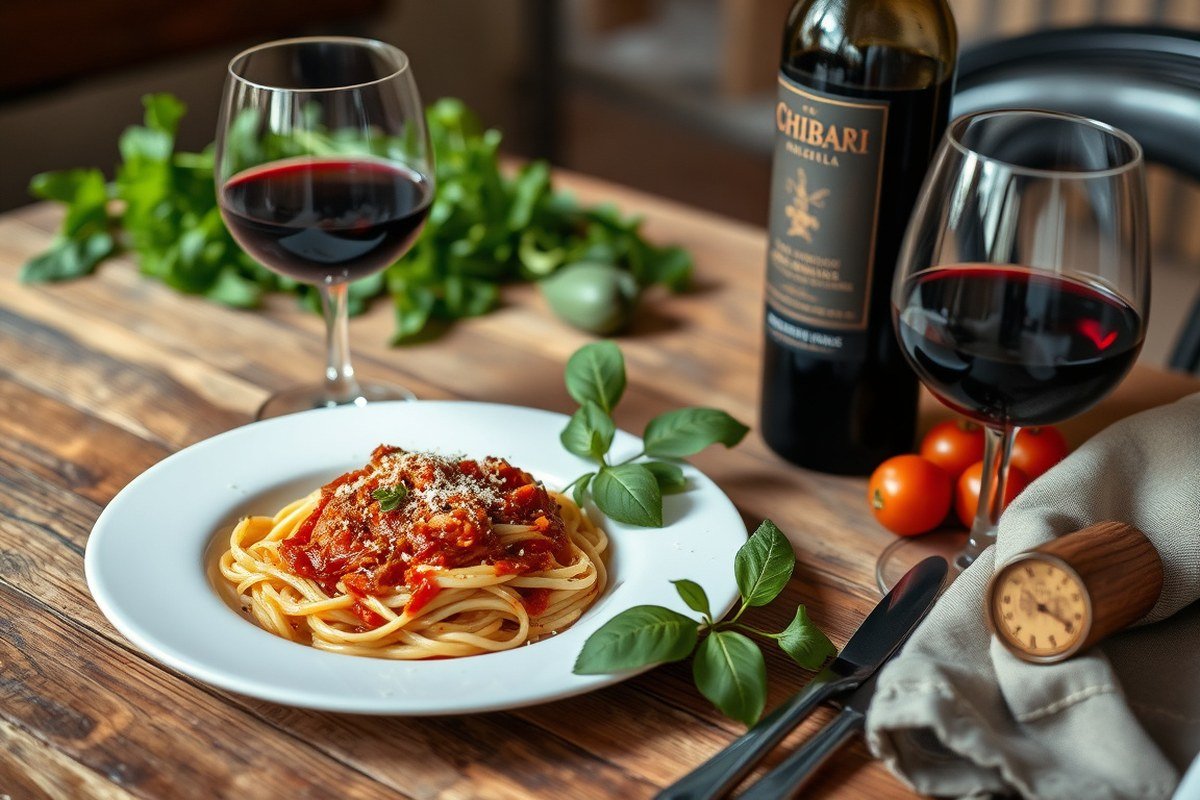
What Is the Best Wine with Pasta? A Complete Guide to Perfect Pairings
The best wine with pasta depends largely on the sauce and ingredients rather than the pasta alone. Generally, a medium-bodied red wine with 12 to 13.5 percent alcohol, like Chianti or Barbera, pairs well with tomato-based sauces, while lighter whites suit cream, seafood, and pesto dishes. Rosé and sparkling wines offer versatile options for a broad range of pasta styles.
This is for home cooks and casual wine drinkers who want straightforward advice to improve their pasta and wine pairings. The recommendations cover how sauce type influences wine choice, specific red and white wine suggestions, and practical tips to help you serve the perfect glass with your meal.
Key Takeaways
- Choose red wines with bright acidity, like Sangiovese or Barbera, to match tomato-based pasta sauces.
- Pair cream sauces with fresh, crisp whites such as Pinot Grigio or Chardonnay to balance the richness.
- Match seafood pasta with citrusy, mineral-driven whites like Vermentino or chilled sparkling wines for refreshing contrast.
- Decant medium-bodied reds for 30 minutes to improve aromatic complexity before serving.
- Serve wines slightly below room temperature, 16 to 18°C for reds, 10 to 12°C for whites and sparkling.
- Pasta shape matters: use spaghetti or penne with tomato sauces, fettuccine or fusilli with cream sauces, and linguine or bucatini with seafood.
What Is the Best Wine to Pair with Pasta?
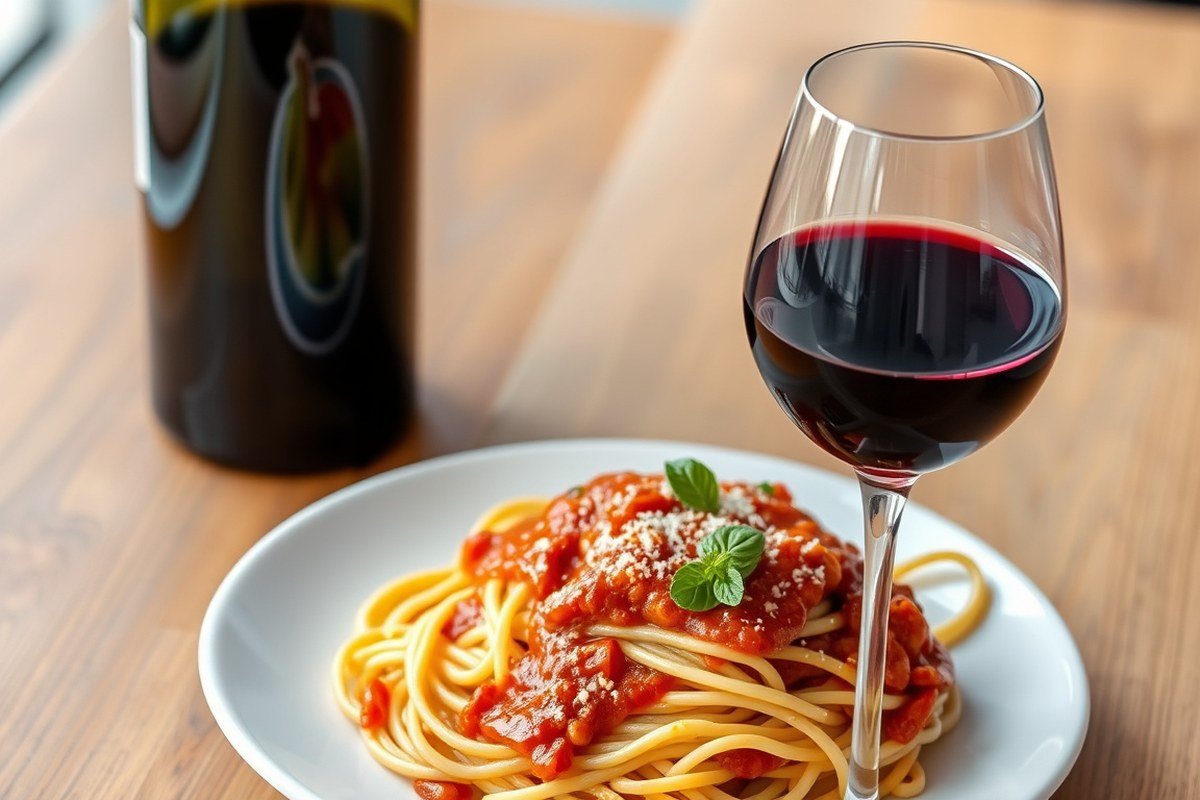
The best wine to pair with pasta depends on the type of sauce and ingredients used in the dish. A simple decision rule is to match the wine’s acidity and body to the richness and flavor profile of the pasta sauce. For pasta dishes with tomato-based sauces, medium-bodied red wines such as Chianti, Sangiovese, or Barbera work well because their acidity complements the tomato’s natural tartness and the wine’s structure balances the sauce’s heartiness. Italian reds like Montepulciano also excel with these dishes, improving the savory depth without overwhelming the palate.
Pasta with meat or ragù sauces calls for a bold red wine with ample structure and tannins to match the richness of the meat. Wines around 12 to 13.5 percent alcohol by volume often feel fresher and integrate better with pasta than heavier 15 percent bottles. For cream-based or seafood pasta, whites with bright acidity like a Planeta Chardonnay I.G.T. Sicilia provide a creamy texture that complements the sauce’s richness while balancing it with fresh acidity. Seafood pasta particularly benefits from crisp white wines to improve subtle ocean flavors without overpowering delicate textures.
Light red wines such as Pinot Noir offer a versatile pairing option if you prefer red wine but your pasta includes lighter ingredients like vegetables or cream. Pinot Noir’s lower tannins and fresh character make it suitable for creamy sauces or vegetable-based pasta, where a heavier red wine might overshadow the dish. Rosé and sparkling wines also serve as flexible companions for various pasta types, bridging the gap between red and white wines depending on sauce intensity and dish elements.
One wine can pair well with multiple pasta dishes when it aligns with the general flavor and acidity profile common to those dishes. For example, a Chianti Classico with good acidity and minerality can pair with herb and tomato vegetable pastas as well as certain meat and tomato sauces. Wines with balanced acidity, moderate tannins, and medium body tend to offer this versatility. However, the best approach is to identify the sauce family, tomato, cream, seafood, or meat, and then select a wine that complements those core flavors.
Red wines are not automatically better with red sauces, nor are white wines always superior with cheese or cream. Understanding the pasta’s ingredients and sauce characteristics matters more. A fresh, lighter-bodied red wine often pairs better with bright tomato or vegetable sauces than a heavy, tannic red. Meanwhile, whites shine with seafood and many creamy sauces but won’t suit hearty meat ragù dishes as well. Quality Italian wines like Chianti, Montepulciano, and Chardonnay represent accessible choices that consistently complement traditional pasta dishes.
In practice, serving temperatures also impact success: reds are best served slightly below room temperature, around 60 to 65°F, while whites and rosés benefit from being chilled between 45 and 55°F. Selecting a well-balanced wine with moderate alcohol and matching acidity, then pouring an appropriate temperature, can improve the overall tasting experience. This makes pasta and wine pairing approachable even for casual dinners, elevating the flavors without requiring perfect sommeliers’ knowledge or expensive bottles.
How Pasta Sauce Influences Wine Selection
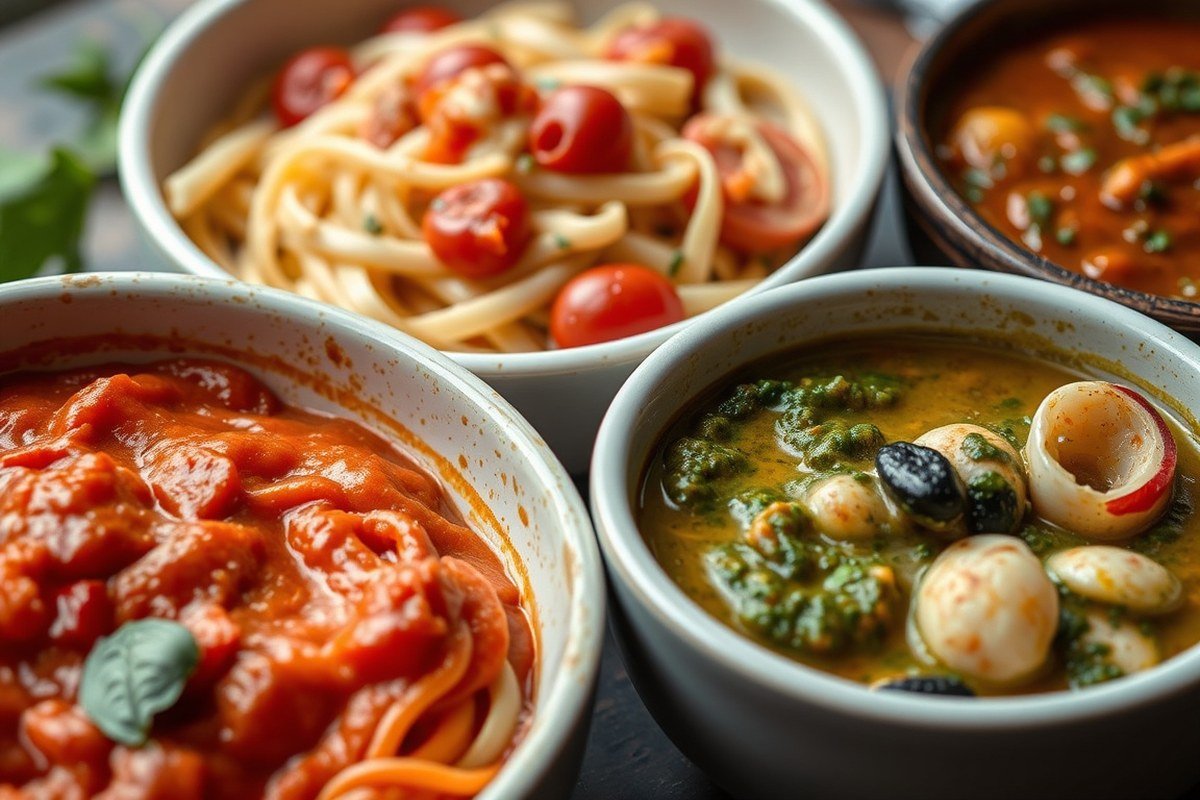
The type of pasta sauce is the main factor when picking a wine to pair with pasta. Sauces vary widely in acidity, richness, and flavor profile, which directly influences how a wine will interact with the dish. The acidity in wine is especially important because it needs to match or balance the acidity in the sauce. For example, a tomato-based sauce has high acidity, so it calls for a wine with equally high acidity, like Chianti or Sangiovese. These wines brighten alongside tomatoes instead of tasting flat or dull. Conversely, creamy sauces like Alfredo are rich and fatty, requiring wines with fresh acidity to cut through the heaviness, such as Pinot Grigio or Chardonnay.
Focusing on the sauce rather than the pasta shape is the most effective approach for wine pairing. Sauce dominates flavor and texture; pasta only carries it. Wine’s acidity, tannin, alcohol, and body should be in harmony with the sauce’s intensity and character. For instance, a hearty meat sauce pairs well with a full-bodied red that has some tannins and acidity to match the sauce’s richness without overwhelming the palate. Lighter sauces, such as pesto or seafood with lemon, suit fresher, lighter wines that reflect those flavors with citrus notes and minerality.
Acidity influences nearly every successful pairing. It acts as the wine’s backbone, cleansing the palate and balancing sauce richness. High-acid sauces like those with tomatoes need equally high-acid wines to maintain balance and prevent the wine from tasting heavy or flabby. Low-acid, creamy sauces require wines high in acidity but moderate in body to refresh the mouth and highlight the sauce without overmatching its delicate flavor. You can think of acidity as a balancing act: too little acid in the wine against a tart sauce results in an off-kilter, flat experience, while too much acid with a rich sauce might make the wine seem sharp or biting.
The best practice is to start by identifying the sauce’s dominant feature, acidity, fat, or spice, and choose a wine that complements that trait. Matching the weight, or body, of the sauce with similar wine intensity avoids one overpowering the other. For example, heavy cream sauces need fuller-bodied whites, while herbaceous, light sauces work best with delicately perfumed whites or sparkling wines. Red wines generally align with hearty tomato or meat sauces, as their tannins help cut through richness and their acidity matches the sauce brightness.
| Pasta Sauce | Best Wine Style | Why It Works |
|---|---|---|
| Tomato (marinara, arrabbiata) | Chianti, Sangiovese, Barbera | High acidity matches tomato brightness |
| Cream, Alfredo | Pinot Grigio, Verdicchio, Chardonnay | Fresh acidity balances rich fat and cheese |
| Seafood, Lemon, Clam | Vermentino, Sauvignon Blanc, Sparkling | Citrus and salinity improve seafood flavors |
| Pesto | Light, aromatic whites like Sauvignon Blanc | Delicate herbs need pale, fresh wines |
Start every wine and pasta pairing by assessing the sauce’s dominant taste and texture, then pick a wine with matching acidity and weight to keep the flavors balanced and enjoyable.
Best Red Wines for Tomato-Based and Meat Sauces
Medium-bodied red wines with balanced acidity and moderate tannins pair best with tomato-based and meat sauces on pasta. Varietals like Chianti and Sangiovese match the acidity of tomato sauces, while richer meat ragùs benefit from reds with more structure and depth. Choosing wines around 12-14% alcohol helps maintain fresh flavors without overwhelming your dish.
Classic Italian Reds for Tomato Sauces
Tomato sauces have high acidity that can clash with wines lacking freshness. Italian reds such as Chianti and Sangiovese are ideal because their bright acidity complements the tanginess of tomatoes, while their moderate tannins provide enough grip to balance garlic, olive oil, and cheese.
Chianti, often made from Sangiovese grapes, delivers red cherry and plum flavors with herbal hints that improve the sauce without overpowering it. Barbera is another medium-bodied option with vibrant acidity, making it a versatile pairing for simpler tomato pasta dishes like spaghetti al pomodoro.
Medium-Bodied Reds for Meat Ragù
Meat-based sauces, especially slow-cooked ragùs like Bolognese, call for adults reds with more depth and tannin to counteract the richness of the meat. Medium-bodied reds such as Merlot, Cabernet Franc, and certain Rhône blends offer this balance, providing structure without heaviness.
These wines bring fruit-forward notes, balanced tannins, and earthy undertones that lift the flavors of beef, pork, or sausage in your pasta. Tannin helps soften the texture of protein and fat while acidity cuts through the sauce’s richness, making the combination harmonious on your palate.
The ideal wine alcohol level ranges between 12% and 14%. This range maintains acidity and freshness important for tomato-based dishes while providing the body needed for meat sauces. Avoid very high alcohol reds, as they can overwhelm delicate tomato flavors or amplify sauce acidity uncomfortably. Below is a table summarizing good red wine options for tomato and meat pasta sauces with key flavor characteristics:
| Wine | Body | Acidity | Tannin | Flavor Profile | Best Sauce Type |
|---|---|---|---|---|---|
| Chianti (Sangiovese) | Medium | High | Moderate | Red cherry, plum, herbal | Tomato-based, light to medium sauces |
| Barbera | Medium | High | Low to moderate | Bright, juicy red fruits | Tomato-based sauces, simple pasta dishes |
| Merlot | Medium | Medium | Moderate | Ripe plum, black cherry, smooth | Meat sauces, ragù |
| Cabernet Franc (Loire Valley) | Medium | Medium to high | Moderate | Herbal, red fruits, light pepper | Herb-spiced meat ragùs, tomato sauces |
| Côtes du Rhône blend | Medium to full | Medium | Moderate to firm | Red and black fruits, spice, earth | Rich tomato meat sauces, baked pasta |
| Aglianico | Medium to full | Medium to high | Firm | Dark fruits, smoky, tannic | Hearty meat ragùs and sausage pasta |
This range covers classic Italian reds and other varietals that complement the acidity and richness in tomato and meat sauces. Let your sauce’s intensity guide the wine body and tannin level for the best match.
Tips for Serving Red Wine with Rich Pasta
Serve your chosen red slightly below room temperature, around 60 to 65°F. This brings out freshness and balances alcohol perception, especially with wines in the 12-14% range. Overly warm wine can make tannins feel harsher and alcohol more pronounced.
Decant medium- to full-bodied reds for at least 30 minutes to soften tannins and reveal aromas, improving harmony with meat ragù. For lighter reds such as Barbera or Pinot Noir, opening the bottle 15 minutes beforehand usually suffices.
When pairing red wine for tomato and meat sauces, start with a medium-bodied option that matches the sauce’s intensity. Adjust according to your dish’s richness, preferring wines with medium acidity and balanced tannin for smooth, flavorful results. Experiment within this framework to find what you enjoy most.
Top White Wines to Pair with Cream, Seafood, and Pesto Pasta
White wines that offer fresh acidity and balanced flavors make the best partners for creamy, seafood, and pesto pasta dishes. Freshness and acidity in these wines cut through the richness of cream sauces, highlight the delicate flavors of seafood, and complement the herbal brightness of pesto without overpowering the pasta’s ingredients.
Cream-Based Pasta and Elegant Whites
Rich, creamy sauces like Alfredo or carbonara benefit from fuller-bodied white wines such as lightly oaked Chardonnay. The wine’s buttery texture mirrors the creaminess while its natural acidity keeps the pairing from feeling heavy. Sparkling wines also work well by adding refreshing bubbles that lift the palate between bites. Chardonnays priced around $15 to $25 often strike a good balance between oak influence and crispness for these dishes.
Choosing wines with enough body to match the sauce’s richness is key. If the wine is too light, it may be overwhelmed by the cream; too heavy, and the dish might seem cloying. Aim for wines with moderate alcohol (12.5-14%) and bright acidity to maintain freshness.
Seafood Pasta Paired with Crisp Whites
Seafood pastas require lighter white wines with citrus or mineral notes that improve but do not overshadow the delicate flavors of shellfish or fish. Dry, crisp varieties like Sauvignon Blanc, Pinot Grigio, or Falanghina excel here. They offer refreshing acidity to cleanse the palate and a flavor profile that complements lemon, garlic, or light butter sauces.
Seafood dishes with cream or butter sauces can handle fuller-bodied whites such as Chardonnay, especially those with a clean finish. For simple preparations like linguine with clams or shrimp scampi, opt for lighter whites priced between $12 and $20 that highlight freshness over oakiness. Avoid overly bold wines to prevent masking the seafood taste.
Herbaceous Pesto Pasta and Lemony Wines
Pesto’s fresh, herbaceous qualities call for aromatic and crisp white wines that echo the flavors of basil and pine nuts. Sauvignon Blanc or Vermentino serve this role well, bringing floral herbal notes and vibrant acidity that lift the dish. These wines also have a slight citrus character, which balances the oiliness of pesto without adding heaviness.
Aromatic dry rosés are another option that pairs nicely due to their bright fruit and subtle herbal undertones. Look for bottles in the $12 to $18 range to add a refreshing layer to pesto pasta without overwhelming its delicate herb flavors. Below is a table summarizing popular white wine varieties and why they pair well with these pasta styles.
| White Wine | Pasta Style | Pairing Reason |
|---|---|---|
| Chardonnay (lightly oaked) | Cream-based sauces | Buttery texture complements cream; acidity balances richness |
| Sauvignon Blanc | Seafood and Pesto | Crisp acidity and herbal notes improve fresh seafood and pesto flavors |
| Pinot Grigio | Seafood pasta | Light body and citrus notes support delicate fish without overpowering |
| Falanghina | Seafood and vegetable pasta | Mineral and citrus elements refresh the palate with seafood |
| Vermentino | Pesto and herbaceous pasta | Floral and citrus characters echo fresh herbs and balance oiliness |
| Dry Rosé (aromatic) | Pesto pasta | Bright fruit and herbal undertones complement basil pesto |
| Sparkling Wine | Creamy sauces | Bubbles add freshness and cut through richness |
Fresh acidity in these white wines is essential because it cuts through creamy textures and oily pesto, preventing the wine from tasting flat or heavy. Wines with lower acid may leave a cloying sensation when paired with these dishes. Look for wine labels that mention brightness, citrus, mineral, or herbal notes to guide your selection toward a lively, food-friendly option.
Rosé and Sparkling Wines for Versatile Pasta Pairings
Rosé and sparkling wines offer a unique versatility that makes them excellent choices for pairing with pasta dishes featuring spicy, bold, or vegetable-centered sauces. Their acidity and fruit-forward profiles can brighten spicy Arrabbiata or bold vegetable ragù, while their effervescence cleanses the palate between bites. These wines provide balance without overwhelming flavors, especially when you want a refreshing contrast to heat or herbal intensity.
Spicy pasta dishes work best with wines that have lower tannins and noticeable fruit character, qualities often found in rosé wines. The moderate alcohol and bright red fruit of a dry rosé help tame the heat without masking delicate flavors. Similarly, sparkling wines, particularly dry options, bring a lift that complements vibrant vegetable sauces or seafood pasta dishes, improving freshness and preserving the dish’s brightness. Here are solid options for rosé and sparkling wines to match your pasta flavors:
- Dry rosé from Sangiovese or Grenache grapes, which show bright cherry and berry notes
- Brut or extra brut sparkling wines like Blanc de Noir, known for light body and crisp acidity
- Vermentino or Pigato as a rosé alternative with herbal and citrus undertones
- Italian dry sparkling wines, which pair well with pesto or light seafood pastas
- Fruit-forward rosés for spicy Arrabbiata-style sauces, balancing heat and flavor
- Rosé with a moderate alcohol level around 12-13% to avoid intensifying spice
For example, pairing a fruit-forward rosé with spicy tomato sauce lets the wine’s fruit notes soften the heat, while its acidity complements the tomato’s natural tartness. When serving vegetable-based pasta, a dry sparkling wine cuts through fresh herbs and oil-based textures, leaving your palate ready for more. The balance relies on avoiding wines that are too tannic or heavy, which can clash with spice or vegetal brightness.
Avoid overly sweet sparkling wines with spicy pasta, as the sweetness can conflict with the heat and create an unbalanced taste.
Serving rosé or sparkling at the right temperature improve pairing success, rosé chills well between 50-55°F, while sparkling wines shine colder, around 45-50°F. This temperature range keeps wines crisp and refreshing, important for cutting through bold pasta flavors without dulling aroma or taste. Expect to pay $15 to $30 for quality bottles suitable for these pairings, with many available at local wine shops or online. This investment brings versatility and a festive quality to your pasta dinners, especially for casual or vegetarian options where reds might overwhelm.
Does Pasta Shape Affect Wine Pairing Choices?
The shape of pasta does influence the wine pairing, but not as much as the sauce does. The dominant flavor and texture of the sauce will guide your choice of wine first because wine is meant to complement those elements. Pasta itself acts mainly as a vehicle for the sauce, so its shape matters because it holds and interacts with the sauce differently. For example, hollow shapes like penne trap chunky sauces well, while flat ribbons like fettuccine suit creamy sauces. The texture and surface area of the pasta can affect how the sauce is experienced, which indirectly impacts how the wine pairs.
Texture plays a subtle but important role in matching flavors. A rougher pasta like rigatoni has ridges that hold onto thick, hearty sauces, which can call for bolder red wines with more tannins. In contrast, delicate angel hair is better with light-bodied wines and fine, smooth sauces because heavy wines can overwhelm the tender texture. Fusilli, with its spiral shape, is a versatile example that traps sauce well and pairs nicely with a range of wines depending on the sauce it carries. This mirroring of pasta texture and sauce consistency helps the wine feel more integrated into the dish.
To pair wine properly, start by identifying the sauce’s dominant flavors and textures. Choose a wine that complements those characteristics, acidic tomato sauces often match well with medium-bodied reds like Chianti, while cream sauces work well with fuller-bodied whites like Chardonnay. Then select a pasta shape that supports the sauce texture, which will improve the overall experience and influence how the wine interacts on your palate. For instance, a thick Bolognese sauce on pappardelle benefits from a structured red wine, while a light seafood sauce on linguine pairs with crisp white.
Ignoring the sauce and focusing on pasta shape alone can lead to mismatches. A rich, creamy sauce on spaghetti may feel off if paired with a light wine suited for a thin sauce carried by angel hair. The texture of the pasta can reinforce or dilute the sauce’s flavor, but it rarely changes the suitable wine type completely. In most cases, considering the sauce first will get you much closer to a successful pairing.
The cost and effort involved are minimal beyond understanding your sauce and pasta combination. You can experiment with common shapes like fusilli or penne to suit different sauces, adjusting wines accordingly. Good results mean the wine improve the dish without overpowering it, giving a harmonious balance of acidity, body, and flavor with both sauce and pasta. Poor pairings often feel disjointed or leave the wine tasting flat or overly sharp.
How to Read Wine Labels for Pasta Pairing Success
Reading a wine label carefully helps you choose a bottle that complements your pasta dish perfectly. Key characteristics like acidity, body, grape variety, and region influence how well the wine pairs with different pasta sauces and ingredients. Knowing what to look for on the label can make your selection more confident and successful.
Acidity is one of the most important factors for pairing with pasta, especially tomato-based sauces. Wines with higher acidity balance the tanginess and richness of tomato and meat sauces. Look for labels that mention grapes known for acidity, such as Sauvignon Blanc, Pinot Grigio, or Chianti (from Sangiovese grapes). The alcohol level also correlates with body and intensity; wines around 12% to 13.5% alcohol tend to have moderate body suitable for most pasta dishes.
- Grape variety: Names like Nebbiolo, Sangiovese, Barbera, or Pinot Noir indicate red wines with varying tannins and acidity that suit different meat or tomato sauces.
- Region: Italian regions such as Tuscany, Piedmont, or Veneto often produce wines that pair well with traditional pasta sauces.
- Alcohol by volume (ABV): Look for 12% to 14%; lower ABV may mean lighter body, higher ABV might overpower delicate pasta.
- Sweetness level: Dry wines are best for savory pasta; avoid sweet wines unless pairing with a sweet sauce or dessert.
- Body indication: Terms like “full-bodied,” “medium-bodied,” or “light-bodied” help gauge richness; cream-based pasta pairs better with fuller bodied whites like Chardonnay.
- Oak treatment: Notes on oak aging or “oaked” signal flavors like vanilla and butter, suitable for creamy or mushroom sauces.
Use the label details to match the wine’s acidity to your pasta sauce’s richness. For example, a Chianti with fresh acidity and moderate tannins improve tomato-based sauces without clashing. Cream sauces call for medium to full-bodied whites, so look for a label describing Chardonnay that is oaked or unoaked depending on the sauce intensity.
Remember, a higher alcohol percentage generally means a fuller-bodied wine, which could overshadow pasta with light seafood or herb sauces. Checking the grape and region can guide you towards classic pairings, like Barolo (Nebbiolo grape) with meat ragu or a light Pinot Grigio from Veneto with seafood linguine.
Labels sometimes include tasting notes or pairing suggestions; these can confirm if the wine’s profile fits your pasta dish. This label-reading approach saves you from trial and error and helps avoid pairing a wine that’s too heavy, too sweet, or lacking in acidity for your meal.
Serving Tips and Common Pairing Mistakes to Avoid
Serving wine correctly with pasta improve both the wine’s character and the dish’s flavors. Pay attention to temperature and decanting to bring out the best aromas and balance. Avoid common pairing mistakes to maintain harmony between your wine and pasta.
Optimal Temperature for Red and White Wines
Red wines for pasta pairings should be served slightly below room temperature, ideally between 60°F and 65°F (16, 18°C). This temperature range softens tannins and preserves the wine’s structure without muting its fruit and spice notes. Chilling red wine too much can dull its flavors, while serving it too warm exaggerates alcohol and flatters bitterness.
White wines benefit from being served cooler, around 50°F to 55°F (10, 13°C). This temperature highlights the brightness and acidity of whites like Albariño or Verdicchio, which often complement light vegetable or seafood pasta. Avoid serving whites ice-cold because excessive cold masks their delicate aromas and flavors.
Decanting Times for Better Aromas
Decanting can improve many red wines commonly paired with pasta, especially those with tomato or meat sauces. Decanting for 30 to 60 minutes allows oxygen to soften tannins and releases complex aromas and flavors prone to hiding upon opening. Young wines with high tannins benefit most from this process.
Most white wines do not require decanting, but some fuller-bodied varieties, such as oaked Chardonnay, may open up slightly if given 15 to 30 minutes in a glass or decanter. Avoid decanting delicate whites with high acidity or mineral notes, as this can cause them to lose freshness.
Top Wine and Pasta Pairing Mistakes
Some typical errors disrupt the balance between wine and pasta, undermining the overall dining experience. Understanding and avoiding these preserves harmony and highlights the strengths of both.
- Serving red wines too warm or white wines too cold
- Skipping decanting for young, tannic reds
- Choosing wines with overpowering oak or alcohol for delicate pasta sauces
- Pairing high-acid wines with heavy cream sauces without enough body
- Ignoring the pasta’s sauce and ingredients when selecting wine
- Pouring wine too cold after chilling, which mutes aromas
- Overloading pasta with strong cheese, overshadowing nuanced wines
Fix these issues by adjusting temperature carefully, decanting as needed, and balancing wine intensity with the pasta’s flavors. Adding a touch of fresh parsley or a squeeze of lemon on your pasta can also lift both dish and wine.
Chilling red wine too much or skipping decanting on strong reds frequently dulls the tasting experience; aim for proper temperature and a 30-minute decant for best results.
Step-by-Step Action Plan for Pairing Wine with Pasta
Use this plan to confidently choose wine that fits your pasta dish, ensuring a tasty and balanced meal every time.
- Before dinner: Identify the main sauce of your pasta (tomato-based, cream, pesto, or meat) to narrow down wine options.
- 30 minutes prior: Chill white, rosé, or sparkling wines to around 45-55°F; bring reds to room temperature for the best taste.
- During preparation: Consider the texture and intensity of the sauce; match light sauces with lighter wines and richer sauces with fuller-bodied wines.
- Just before serving: Check the wine label for grape variety and region to confirm it suits your sauce type (e.g., Sangiovese with tomato sauces).
- At mealtime: Pour a small glass and taste the wine with your pasta, adjusting your choice if the pairing feels off (e.g., switch to a more acidic or smoother wine).
- After tasting: Take note of what works well for future reference to build your personal pasta and wine pairing preferences.
- Next occasion: Experiment by trying rosé or sparkling wines with versatile pasta dishes to add variety and discover new matches.
Frequently Asked Questions
What Do Italians Drink with Pasta?
Italians usually drink regional wines that complement their pasta sauces, such as Chianti with tomato-based dishes or Vermentino with seafood pasta. They focus on pairing wine acidity and body to improve the flavors rather than strictly choosing red or white.
Does Pasta Go with Red or White Wine?
Pasta pairs well with both red and white wine depending on the sauce. Tomato and meat sauces call for medium-bodied red wines, while cream or seafood sauces suit lighter white wines. Matching acidity and weight is key.
Do Italians Drink Red or White Wine with Pasta?
Italians select red or white wine based on the pasta sauce rather than the pasta itself. Red is common with rich, tomato-based sauces, while white accompanies lighter, cream or seafood sauces for balance.
What White Wines Pair Well with Pasta?
Crisp white wines like Sauvignon Blanc or Vermentino work best with seafood and herb-based pasta dishes. Their acidity complements lighter sauces and fresh ingredients like basil and olive oil.
What Is the Best Wine with Pasta?
The best wine matches the pasta sauce: Chianti or Sangiovese for tomato sauces, Pinot Noir for cream sauces, and Sauvignon Blanc for seafood. Focus on acidity and body to complement the dish.
Can Sparkling Wine Be Paired with Pasta?
Yes, sparkling wines pair well with many pasta dishes because their acidity and bubbles cleanse the palate, especially with rich or creamy sauces.
Wrapping Up
Selecting the best wine for pasta depends largely on the sauce and style of the dish. Keeping your pairing simple and focused on balancing acidity, richness, and flavor intensity will lead to a satisfying experience. Start by trying the recommended wine types with your favorite pasta sauces today, and you’ll quickly gain confidence in making choices that improve your meal. Your next step is to pick a bottle based on your dinner’s sauce and enjoy the combination.






One Comment