How to Make Carbonara: A Classic Italian Pasta Recipe
Making carbonara involves combining simple ingredients: pasta, eggs, cured pork, cheese, and black pepper. The key is to create a creamy sauce without using cream, relying instead on the heat of the pasta to gently cook the eggs. Traditional carbonara uses guanciale, Pecorino Romano cheese, and freshly ground black pepper for an authentic taste.
Carbonara stands out because it balances richness and simplicity. The cured pork brings a salty depth, while the eggs and cheese create a silky texture that coats every strand of pasta. This dish has strong regional roots in Rome and has been embraced worldwide for its comforting flavor and quick preparation.
This article will guide you through the step-by-step process of making carbonara, from selecting ingredients to mastering the perfect sauce consistency. You will also learn tips for adapting the recipe to your kitchen and how to avoid common mistakes when preparing this beloved Italian dish.
Understanding the Ingredients for Carbonara

Choosing the Right Pasta
Spaghetti is the classic choice for carbonara, offering a perfect balance of texture and sauce adherence. Other long pastas like bucatini or linguine can also work well, but stick to shapes that easily capture the silky sauce.
Avoid short or tubular pastas like penne or rigatoni as they don’t blend as seamlessly with the creamy egg-based sauce typical of carbonara.
Selecting the Meat: Guanciale vs. Pancetta
Guanciale, cured pork cheek, provides a rich, flavorful fat crucial to authentic carbonara. Its fattiness renders into a slightly crispy texture when cooked, adding complexity to the dish.
Pancetta, pork belly, is a common substitute if guanciale isn’t available, but it has a milder flavor and less fat. Avoid bacon, which usually has a smoky profile that alters the traditional taste.
- Guanciale: rich, fatty, authentic
- Pancetta: milder, similar texture
- Avoid smoked bacon for true flavor
Mastering the Carbonara Sauce Technique
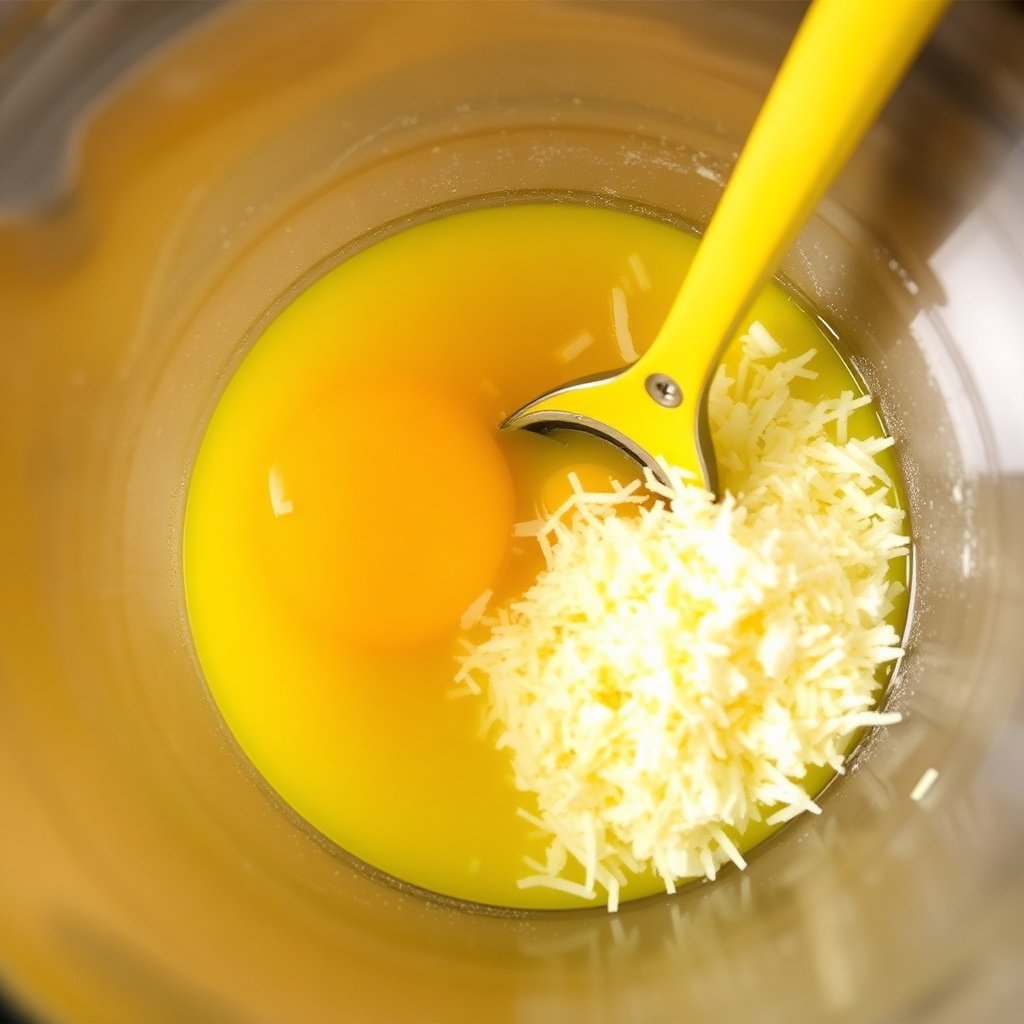
Preparing the Egg and Cheese Mixture
Combine egg yolks with freshly grated Pecorino Romano cheese to create a thick, creamy mixture. Use only the yolks for richness and avoid the whites to keep the sauce smooth and silky.
Add a generous amount of freshly ground black pepper to the mixture for spice and aroma, which completes the sauce’s flavor profile.
For more on this, see our related guide: What Is the Best Wine with Pasta? A Complete Guide to Perfect Pairings.
Incorporating Heat Without Scrambling Eggs
After cooking and draining the pasta, quickly toss it with the warm guanciale fat off heat to prevent the eggs from scrambling. The residual heat cooks the eggs gently into a creamy sauce.
If needed, slightly warm the pan off direct heat while stirring continuously to achieve a smooth texture without curdling.
Step-by-Step Carbonara Preparation
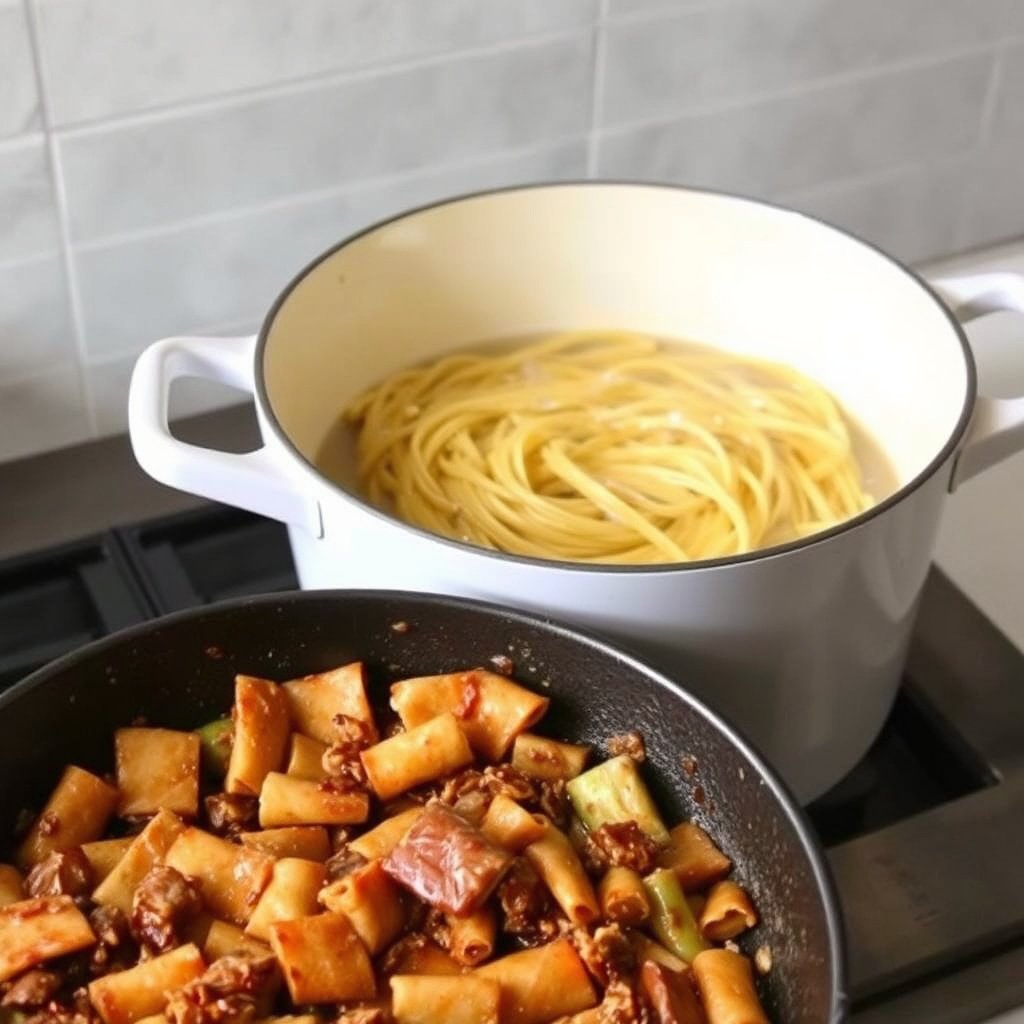
Cooking the Pasta and Guanciale
Bring a large pot of salted water to a boil and cook spaghetti until just al dente. At the same time, sauté diced guanciale over medium heat until crisp and fat is rendered, then remove from heat.
Reserve some pasta water before draining. This starchy water helps adjust sauce consistency when combining pasta with the egg mixture.
- Salt pasta water generously
- Cook pasta to al dente
- Render guanciale fat slowly
- Reserve pasta water before draining
Combining All Elements
Transfer the hot pasta to the pan with guanciale, tossing to coat. Remove from heat, then add the egg and cheese mixture while stirring vigorously.
Use reserved pasta water sparingly to loosen the sauce as needed. The result is a glossy, creamy coating enveloping each strand of pasta.
Tips and Variations for Making Carbonara
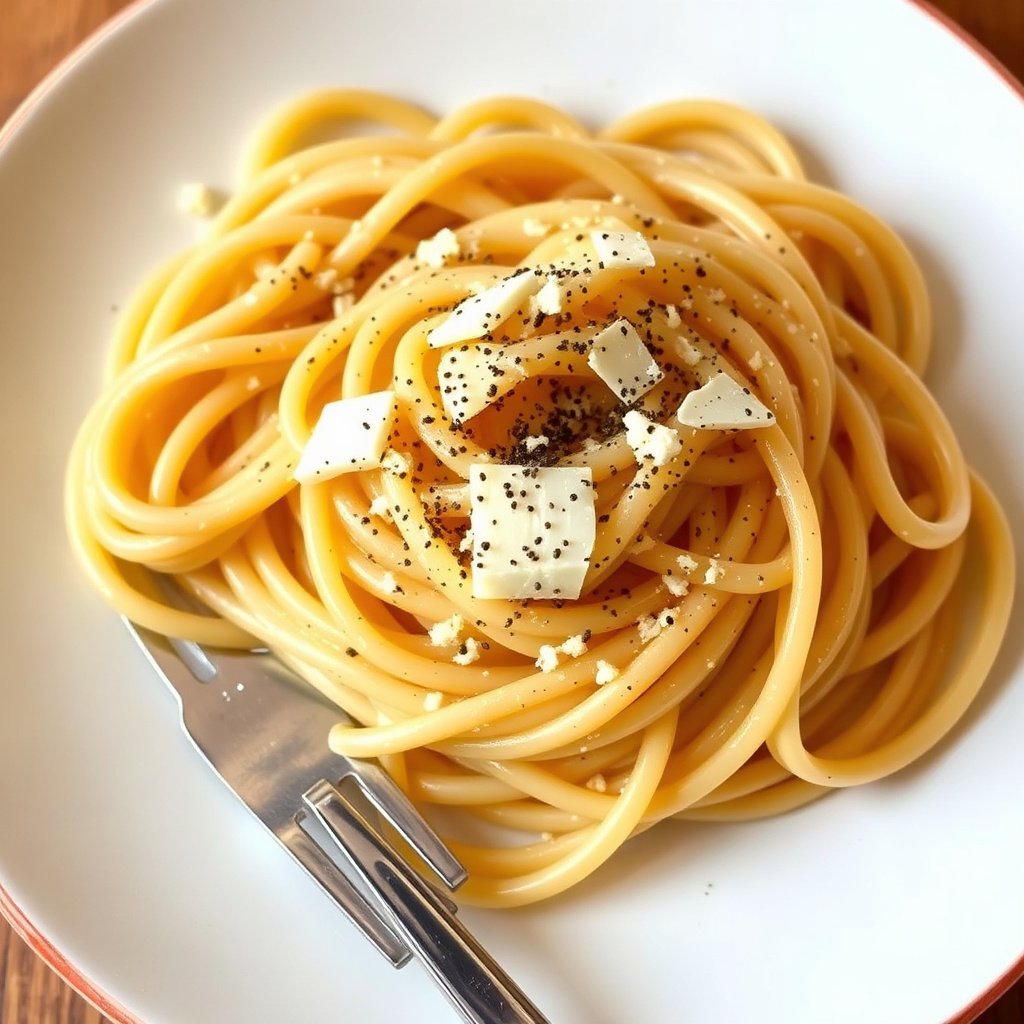
Common Mistakes to Avoid
Avoid adding cream or milk, which is not traditional and changes the texture. Overheating the eggs can cause scrambling; always control the temperature carefully.
Don’t skip black pepper, as it provides essential spice. Also, resist undercooking or overcooking the pasta; the texture complements the sauce perfectly.
- No cream or milk
- Mix eggs off direct heat
- Use fresh black pepper
- Cook pasta al dente
Recipe Variations and Ingredient Swaps
Some home cooks add garlic or onion, though traditionalists avoid these. Using Parmigiano-Reggiano instead of Pecorino gives a milder taste but changes the flavor profile.
Vegetarian versions substitute guanciale with smoked mushrooms or sun-dried tomatoes; these provide umami but lack the pork’s richness.
Serving and Storing Carbonara

Best Serving Practices
Serve carbonara immediately to enjoy its silky texture. Garnish with extra Pecorino Romano and a sprinkle of freshly ground black pepper for added flavor.
Pairing carbonara with a dry white wine enhances the dish’s richness without overpowering it.
For a detailed history and variations of carbonara, you can check the Carbonara page on Wikipedia. Carbonara on Wikipedia.
Storage and Reheating Tips
Carbonara is best eaten fresh, but leftovers can be refrigerated in an airtight container for up to 1 day. Reheat gently in a pan with a splash of water to loosen the sauce.
Avoid microwaving as it can cause the eggs to curdle and the sauce to separate, ruining the creamy texture.
Carbonara Recipe Ingredient Comparisons
Here's a comparison of common ingredient options and their impact on flavor and authenticity in carbonara recipes.
| Ingredient | Flavor Profile | Traditional Use | Availability |
|---|---|---|---|
| Guanciale | Rich, fatty, porky | Yes, original Italian | Limited outside Italy |
| Pancetta | Milder, less fatty | Common substitute | Widely available |
| Bacon | Smoky, strong | No, alters flavor | Widely available |
| Pecorino Romano | Sharp, salty | Yes, classic cheese | Specialty stores |
| Parmesan (Parmigiano-Reggiano) | Mild, nutty | No, but used sometimes | Widely available |
Frequently Asked Questions
Can I use cream in carbonara sauce?
Traditional carbonara does not use cream. The creamy texture comes from mixing raw eggs and cheese with hot pasta. Using cream changes the dish and is not authentic.
What is the difference between guanciale and pancetta?
Guanciale is cured pork cheek with more fat and stronger flavor, while pancetta is pork belly with a milder taste. Guanciale is traditional for carbonara.
How do I prevent the eggs from scrambling?
Toss the pasta and egg mixture off direct heat and stir quickly. Use reserved pasta water to adjust texture gently without overheating the eggs.
Can I make carbonara without pork?
Yes, but it won’t be traditional. Some use smoked mushrooms or sun-dried tomatoes for vegetarian versions that provide umami but lack pork’s richness.
Is it better to use whole eggs or only yolks?
Using only yolks makes the sauce richer and creamier, which is closer to the traditional Roman carbonara. Whole eggs are sometimes used but result in a lighter sauce.
Key Takeaways
- Traditional carbonara uses guanciale, egg yolks, Pecorino Romano, and black pepper.
- Avoid using cream and do not overheat eggs to keep the sauce smooth.
- Choose spaghetti or similar long pasta for best results.
- Serve carbonara immediately for ideal texture and flavor.
Conclusion
Knowing how to make carbonara centers on understanding the balance of fresh, quality ingredients and careful technique. The simplicity of eggs, cheese, and pork requires precise timing to achieve the signature creamy sauce without scrambling. This makes decision-making about ingredients and cooking methods vital for success.
If you want the most authentic result, stick with guanciale for the savory pork element and Pecorino Romano cheese for sharpness. Using only egg yolks and pasta like spaghetti replicates the classic Roman dish. For those prioritizing accessibility, pancetta offers a close substitute without straying far from tradition. Variations can be playful, but the core technique defines great carbonara.
After mastering these foundational steps, trying your own twists or pairing carbonara with complementary sides and wines will expand your culinary skills. Experiment slowly, but always rely on this recipe's technique to maintain carbonara’s revered creamy texture. Your next meal can bring the warm flavors of Italy right to your table.