How to Make Garlic Bread: Easy Recipes and Tips for Perfect Results
Garlic bread is made by spreading a butter and garlic mixture on bread, then baking or toasting it until golden and fragrant. This simple process yields deliciously crispy, buttery bread infused with the rich aroma and flavor of fresh garlic, perfect as a side or snack.
Everyone loves garlic bread for its irresistible crunch and savory taste. It pairs wonderfully with pasta, soups, or salads and elevates even the simplest meals. The technique requires only a few ingredients and can be customized with herbs, cheese, or seasoning to suit your palate.
This article will cover various methods to make garlic bread, including oven baking, skillet toasting, and using a grill. You’ll also learn about ingredient choices, seasoning options, and techniques for topping and serving to make perfect homemade garlic bread.
Choosing the Right Bread for Garlic Bread

Why Bread Choice Matters
Selecting the right bread significantly affects the texture and flavor of your garlic bread. A crusty bread like a baguette or Italian loaf provides a crunchy exterior and chewy interior that holds up well to butter and toppings without becoming soggy.
Soft breads, such as sandwich loaves or ciabatta, absorb butter deeply, resulting in a softer, more tender garlic bread. Depending on your preference for crunch versus softness, the bread you use will shape the final outcome.
Best Bread Types for Garlic Bread
Classic garlic bread is often made with a French baguette or a rustic Italian loaf. Their sturdy crumb and thick crust promote even toasting and great flavor absorption.
Alternatives include sourdough for a tangy complexity, ciabatta for a porous texture, and whole wheat for a heartier, earthy flavor. Avoid bread that’s too thin or very soft, as it might become mushy when buttered and baked.
- French baguette
- Italian bread
- Sourdough
- Ciabatta
- Whole wheat loaf
Preparing the Garlic Butter Mixture
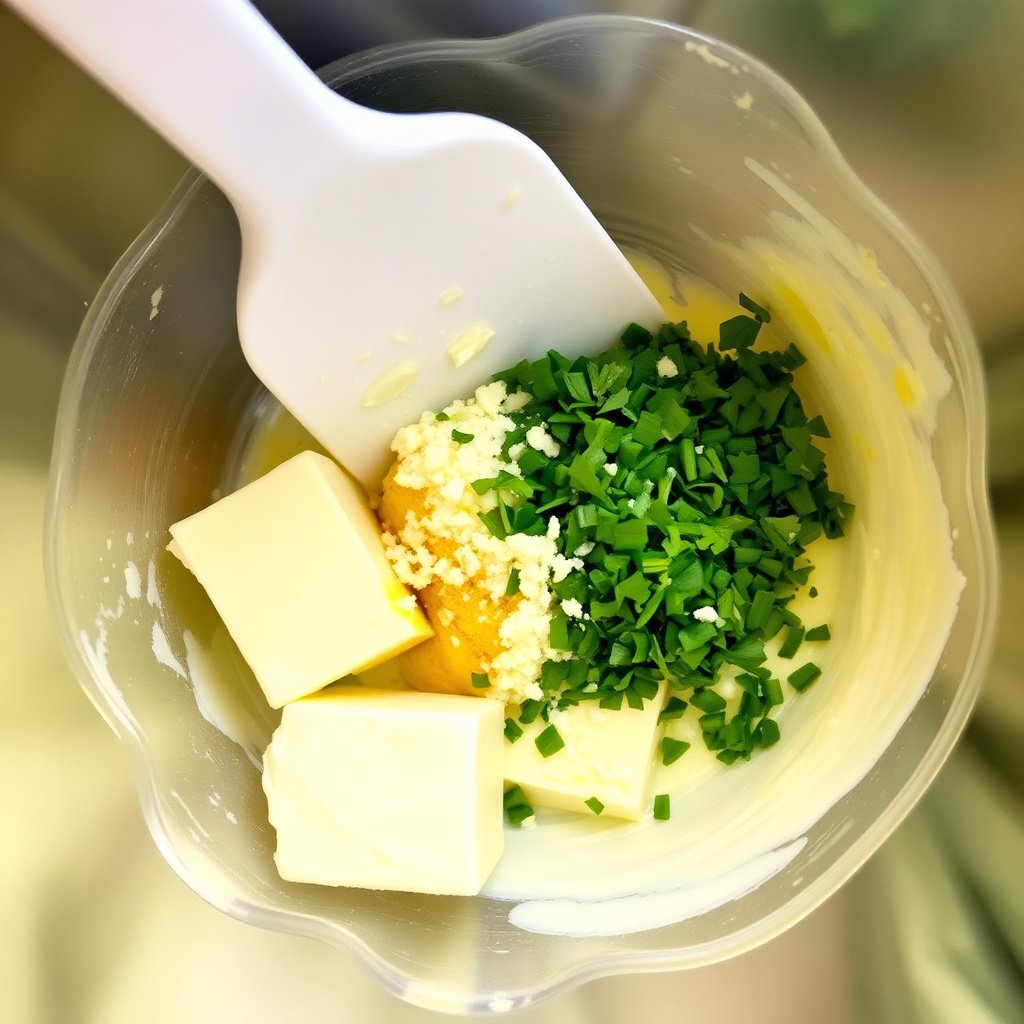
Basic Garlic Butter Ingredients
A simple garlic butter typically includes softened butter, finely minced or pressed fresh garlic, and salt for seasoning. Using high-quality butter enhances creaminess and flavor.
Fresh garlic should be used for best aroma, while garlic powder can be added for a subtle nuance. Salt balances the strong garlic flavor and helps bring out richness.
- Softened unsalted butter
- Fresh minced garlic
- Salt
Adding Herbs and Enhancers
Fresh or dried herbs like parsley, basil, or oregano add a fresh, herby note that complements garlic and butter. Adding grated Parmesan or mozzarella cheese creates a richer, cheesy garlic bread.
Lemon zest or a pinch of chili flakes can introduce brightness or heat, customizing the flavor profile. Stir these ingredients evenly into the butter mixture for consistent taste.
- Chopped fresh parsley
- Grated Parmesan cheese
- Lemon zest
- Chili flakes
Techniques for Making Garlic Bread

Oven-Baked Garlic Bread
Preheat the oven to 375°F (190°C). Spread the prepared garlic butter evenly across sliced bread arranged on a baking sheet. Bake for 10-15 minutes until the bread edges turn golden and crispy.
For extra crispness, broil the bread in the final 1-2 minutes. Watch carefully to avoid burning. Oven baking ensures even heat distribution and is ideal for making larger batches.
For more on this, see our related guide: How to Make Pizza at Home Fast and Easy with Perfect Dough and Baking Tips.
Skillet and Grill Methods
Garlic bread can also be made in a skillet on medium heat. After spreading the butter mixture, toast each side until golden brown and fragrant. This method offers quick results and a smoky flavor from the hot pan.
Using a grill adds char marks and subtle smokiness. Brush butter on the bread and grill for 2-3 minutes per side. Keep a close eye to prevent over-charring, adjusting heat as needed.
- Skillet toasting provides quicker preparation
- Grilling adds smoky flavor and grill marks
Customizing Garlic Bread for Different Tastes

Cheesy Garlic Bread Variations
Cheese can be added before or after baking. Mozzarella or a blend including Parmesan works well for meltiness and flavor. Spread butter mixture first, then sprinkle cheese and bake until bubbly and golden.
For an indulgent twist, add cream cheese or ricotta inside the butter spread before baking for creamier texture. This transforms garlic bread into a rich appetizer or side.
- Mozzarella
- Parmesan
- Cream cheese
- Ricotta
Spicy and Sweet Variations
Add red pepper flakes or a dash of cayenne pepper for spicy garlic bread. Alternatively, a drizzle of honey or balsamic reduction after baking creates a sweet- savory balance.
Experimenting with spices such as smoked paprika or cumin offers more depth, yielding unique versions tailored to personal preferences.
- Red pepper flakes
- Cayenne pepper
- Honey drizzle
- Smoked paprika
Serving and Storing Garlic Bread

Serving Tips
Serve garlic bread warm for the best texture and flavor, alongside pasta dishes, salads, or soups. Cut into slices or sticks for easy sharing and dipping.
Pairing with marinara sauce or garlic aioli enhances the experience. Garnish with fresh herbs like parsley for color and extra aroma.
For more on this, see our related guide: How to Make Spaghetti and Meatballs with Easy Steps and Expert Tips.
Storing and Reheating Leftovers
Store garlic bread in an airtight container or wrapped tightly in foil at room temperature for up to two days. For longer storage, freeze wrapped bread for 1-2 months.
Reheat in an oven at 350°F (175°C) for 5-10 minutes to restore crispness. Avoid microwaving as it makes bread soggy.
Common Mistakes When Making Garlic Bread

Avoiding Soggy or Burnt Bread
Applying too much butter or not baking long enough can make garlic bread soggy and undercooked. Spread butter evenly and bake until crisp edges appear.
Conversely, high heat or broiling without monitoring can burn the garlic and bread quickly, creating bitterness. Maintain moderate heat and watch closely during broiling.
For more historical and cultural details about garlic bread, visit the Garlic bread Wikipedia article. Garlic bread Wikipedia article.
Balancing Garlic Flavor
Using too much fresh garlic can overwhelm the flavor, while too little makes the bread bland. Fresh garlic potency varies, so start with moderate amounts, taste, and adjust accordingly.
Avoid pre-made garlic powders alone as they lack the vibrancy of fresh garlic but can be blended with fresh garlic for balanced taste.
Garlic Bread Preparation Methods Comparison
Here's a quick guide highlighting the pros and cons of the main garlic bread preparation methods.
| Method | Texture | Time Required | Flavor Notes | Best For |
|---|---|---|---|---|
| Oven Baking | Crispy exterior, soft inside | 10-15 minutes | Classic buttery garlic flavor | Large batches, consistent results |
| Skillet Toasting | Crispy both sides | 5-7 minutes | Slightly smoky, quick | Small quantities, quick prep |
| Grilling | Crispy with grill marks | 4-6 minutes | Smoky charred flavor | Outdoor cooking, smoky taste |
| Toaster Oven | Medium crispness | 7-10 minutes | Similar to oven, convenient | Small portions, easy cleanup |
Frequently Asked Questions
Can I use garlic powder instead of fresh garlic?
Garlic powder can be used as a substitute but has a milder, less vibrant flavor. Combining a small amount of powder with fresh garlic can balance convenience and taste.
What bread is best for making garlic bread?
Crusty bread like baguette or Italian loaves are ideal for garlic bread because they toast well and hold up to butter without getting soggy.
How do I keep garlic bread from becoming soggy?
Spread butter evenly, avoid over-buttering, and bake until the edges turn golden. Using crusty bread also helps maintain crispness.
Can garlic bread be frozen and reheated?
Yes, garlic bread can be wrapped tightly and frozen for up to two months. Reheat in an oven to restore its texture without sogginess.
Should I add cheese before or after baking garlic bread?
Cheese is typically added before baking so it melts thoroughly, but adding some cheese after can be used as a garnish or for extra texture.
Key Takeaways
- Choose crusty bread for the best garlic bread texture
- Use fresh garlic blended into softened butter for flavor
- Bake or toast garlic bread until crisp for ideal texture
- Customize with herbs, cheese, or spices to suit your taste
Conclusion
Making garlic bread is both simple and rewarding, with the right combination of bread, garlic butter, and cooking technique playing essential roles. The process centers on balancing texture—crisp crust with tender crumb—and infusing the bread with fragrant garlic flavor. Given the variety of bread types and preparation methods, the key is to match your choice to the flavor and texture you desire, whether that's a crunchy baguette toasted in the oven or a soft ciabatta grilled outdoors. Each method changes the outcome subtly but noticeably, empowering you to tailor the bread to your meal and preferences.
For those who want a classic, dependable garlic bread, oven baking with a crusty Italian or French loaf and fresh garlic butter is reliable and flavorful. If pressed for time, skillet toasting provides a quick alternative, ideal for smaller servings. Cheese lovers should try adding mozzarella or Parmesan before baking for a melty, indulgent upgrade, while adventurous eaters might explore spicy or sweet flavor enhancements such as red pepper flakes or honey. Ultimately, experimenting with ingredients and cooking styles helps uncover your favorite version of garlic bread that perfectly complements any dish it accompanies.
To get started, pick your preferred bread and gather fresh garlic and quality butter. Prepare your garlic butter mixture and choose a method—baking, skillet toasting, or grilling—that fits your schedule and equipment. Baking remains the most consistent option for even cooking and texture. Once cooked, serve your warm garlic bread alongside pasta, soup, or salad to elevate the meal instantly. With these straightforward steps and tips, you can confidently make delicious garlic bread anytime, satisfying cravings with homemade flavor and aroma.