How Much Does a Dishwasher Cost? The Complete Answer
Many homeowners find choosing the right dishwasher confusing and overwhelming. With so many options and features, it’s easy to feel lost in the details.
You can expect to spend between $400 and $1,200 on a dishwasher, depending on the type, brand, features, and installation needs. Basic models cost less but lack extras, while high-end dishwashers offer advanced cleaning and smart tech at higher prices.
Installation typically adds $150 to $300, and energy-efficient models save money long-term.
Knowing what affects costs helps you pick the right dishwasher for your budget and needs. There’s plenty more to explore about features, savings, and maintenance to make the best choice.
Key Takeaways
- Dishwashers usually cost between $400 and $1,200, depending on the model type and features.
- Installation typically adds $150 to $300, and there might be extra charges if you need modifications or plumbing work.
- Basic models are affordable but don’t have many advanced features, while high-end ones offer energy savings and smart technology.
- Energy-efficient dishwashers cost more upfront but can save you money on utility bills over time.
- Looking for deals during seasonal sales and comparing prices can help you get a better deal on your dishwasher.
How Much Does a Dishwasher Cost on Average?
Wondering how much you’ll need to spend on a dishwasher? On average, dishwashers range from $400 to $1,200, depending on features and brand.
Dishwashers typically cost between $400 and $1,200, varying by brand and features.
When planning your budget, think about not just the upfront cost but also the energy expenses over time. Energy-efficient models might cost more initially but can save you money on utility bills later on.
Basic models are usually at the lower end of the price range. They’re perfect if you want a functional dishwasher without extra features.
Mid-range dishwashers offer better performance and energy savings. They strike a good balance between cost and long-term benefits.
High-end models come with advanced features and lower energy consumption. They’re best if you want top results and are willing to invest more upfront.
What Factors Affect Dishwasher Prices?
You’ll see that the brand and model really make a difference when it comes to dishwasher prices. Some brands tend to charge more because they’re known for their quality or extra features.
Then there are the features themselves—things like adjustable racks or smart technology can bump up the cost too. And don’t forget about capacity. If you’re always dealing with big loads, a larger dishwasher might be a better choice, but it could also cost more.
Brand And Model
Several key factors tied to the brand and model influence how much you’ll pay for a dishwasher. When comparing options, brand comparisons are important because well-known brands often charge more due to better reliability and customer support.
Additionally, specific model features affect prices without overlapping with general features or capacity. Here’s what to keep in mind:
- Brand reputation: Premium brands tend to have higher prices but offer better warranties and service.
- Model release year: Newer models might cost more because of updated technology and design.
- Build quality: Higher-end models use durable materials, which can influence the overall price.
Features And Capacity
Although brand and model set the baseline cost, the features and capacity of a dishwasher play a major role in determining its final price. You’ll find size options ranging from compact to large, which can affect how much you pay.
Energy consumption also matters. Models with better efficiency often cost more upfront but can save you money in the long run. Cycle efficiency, noise levels, and wash settings influence the price too.
Quieter machines with multiple wash options generally come at a premium. Design aesthetics and loading flexibility impact both usability and cost, offering features like adjustable racks or sleek finishes.
Finally, installation requirements can add to the total price, especially if you need custom fittings or plumbing work. Understanding these factors helps you pick a dishwasher that fits your needs and budget.
How Do Different Dishwasher Types Compare in Cost?
When choosing a dishwasher, understanding how different types affect cost can help you find the best fit for your budget. Dishwashers vary not only in style but also in price, depending on their design and features.
Here’s a quick breakdown:
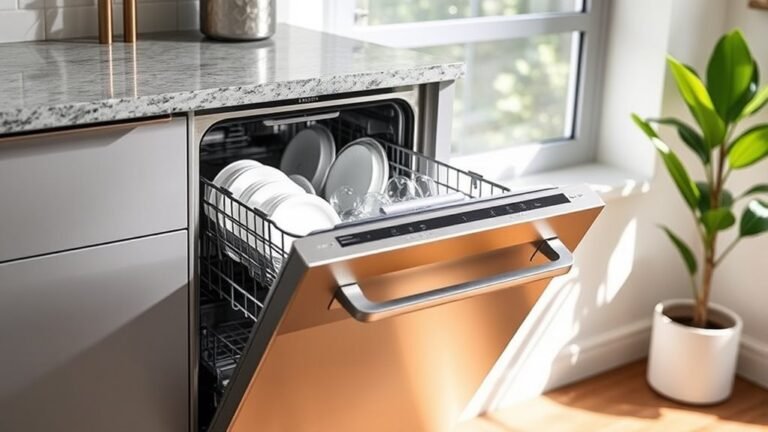
- Built-in Dishwashers. These are the most common and usually fall into an affordable to mid-priced range. They fit seamlessly under your counter and offer a good balance of cost and capacity.
- Compact Models. If space is tight, compact models are a smart choice. They cost less upfront but hold fewer dishes, making them perfect for small households or apartments.
- Luxury Options. High-end dishwashers come with advanced technology, quieter operation, and premium finishes. They can significantly increase the price but offer better performance and aesthetics.
Knowing these distinctions helps you pick a dishwasher that fits both your kitchen and your wallet.
Which Dishwasher Features Add to the Price?
You’ll see that dishwashers with fancy cleaning features tend to be a bit pricier because they do a better job at getting your dishes spotless. Then there are energy efficiency ratings, which can also bump up the price. The good news is, these eco-friendly models can save you money on your utility bills in the long run. And don’t forget about smart connectivity — those cool features that let you control your dishwasher from your phone. They’re super convenient, but they usually come with a higher upfront cost.
Advanced Cleaning Technologies
Because dishwashers vary a lot in how well they clean, advanced cleaning technologies can really affect the price. When you’re shopping, you’ll notice that models with advanced sanitizing features and innovative wash systems usually cost more but give better results.
Here are three key technologies that add to the price:
- Advanced Sanitizing Features These use higher temperatures or steam to kill more bacteria, making sure your dishes are hygienically clean.
- Innovative Wash Systems Multiple spray arms and targeted jets improve coverage and tackle tough stains more effectively.
- Soil Sensors These detect how dirty your dishes are and adjust cycle length and intensity, saving water and energy.
Buying these technologies means you’ll get cleaner dishes with less hassle, but it will also increase the dishwasher’s cost.
Energy Efficiency Ratings
Energy efficiency ratings play a major role in determining a dishwasher’s price and long-term cost savings. When you compare models, those with higher energy ratings often cost more upfront but use less water and electricity over time, saving you money on utility bills.
An efficiency comparison helps you weigh the initial investment against potential savings. Dishwashers labeled ENERGY STAR certified meet strict energy consumption standards, making them a smart choice if you want to reduce your environmental impact without sacrificing performance.
Keep in mind that models with better energy ratings often feature advanced insulation and sensors, which can add to the price. Ultimately, choosing a dishwasher with favorable energy ratings balances upfront cost with ongoing efficiency, providing value both now and in the future.
Smart Connectivity Options
Smart connectivity options have become a popular feature in modern dishwashers, but they can also raise the price. If you want seamless control and convenience, these features are worth considering.
Smart home integration allows you to connect your dishwasher with other devices so you can monitor and control it through your smart home system. App connectivity adds another layer of convenience by letting you start, stop, or check cycles from your phone.
Here are three ways smart connectivity can increase the cost:
- Advanced sensors and Wi-Fi modules boost manufacturing expenses.
- Developing user-friendly apps and maintaining software adds to costs.
- Better compatibility with multiple smart home platforms requires extra engineering.
Investing in these features means paying more upfront but gaining easier control and efficiency in the long run.
How Much Should You Budget for Dishwasher Installation?
When planning to install a dishwasher, you’ll want to factor in the installation costs alongside the appliance price. Budgeting tips suggest setting aside around $150 to $300 for typical installations, but this can vary depending on your kitchen’s setup. You’ll need to take into account the cost of installation materials such as hoses, connectors, and possibly electrical wiring or plumbing adjustments.
If your space requires modifications like changing cabinetry or upgrading water lines, expect higher expenses. Hiring a professional guarantees the dishwasher is installed safely and meets local codes, which is worth the investment. To keep costs manageable, gather multiple quotes and clarify what installation materials are included.
What Hidden Dishwasher Costs Should You Watch For?
Sure! Here’s a more conversational version of the text:
—
You might look at the price tag of the dishwasher and think that’s all there is to consider. But honestly, there are some hidden costs that can sneak up on you if you’re not careful. For example, extra installation fees can pop up if your setup isn’t straightforward. Then there’s the ongoing cost of maintenance and repairs—things like replacing filters or fixing parts can add up over time. And don’t forget about your energy bill; a more powerful or older dishwasher might use more electricity than you expect. Being aware of these hidden costs can help you plan your budget better and avoid surprises down the line.
Installation Fees Explained
Although the dishwasher itself can be a significant expense, installation fees often catch people off guard. You’ll want to understand installation requirements and the scope of services before you commit. These fees can vary widely depending on your kitchen setup.
Here are three common factors that influence installation costs:
- Plumbing and Electrical Work. If your kitchen doesn’t have proper hookups, extra plumbing or wiring can add to the cost.
- Dishwasher Type & Location. Built-in models or moving your dishwasher to a new spot might require more labor.
- Removal of Old Appliance. Some installers charge to take out and dispose of your old dishwasher.
Maintenance And Repair Costs
Several unexpected expenses can come up after buying a dishwasher, especially with maintenance and repairs. Keep an eye on how often you need repairs since frequent fixes can add up quickly.
Common issues include clogged spray arms, faulty door seals, or drainage problems. Each of these can cost between $100 to $300 to fix. To keep costs down, follow simple maintenance tips like cleaning filters regularly, checking for leaks, and running empty cycles with dishwasher cleaner.
Ignoring small problems can lead to more costly repairs later on. Spending a little time on routine upkeep can extend your dishwasher’s lifespan and reduce how often you need repairs. Staying proactive helps you avoid hidden costs that can catch you off guard.
Energy Consumption Impact
Keeping up with maintenance helps prevent repair costs, but there’s another ongoing expense you should watch. Your dishwasher’s energy use directly impacts your utility bills, so understanding this can save you money.
Here are three key points to keep in mind:
- Choose Energy Star-rated dishwashers. They use less energy without sacrificing performance.
- Run your dishwasher only when it’s full. This maximizes efficiency and avoids unnecessary cycles.
- Opt for eco or energy-saving modes. These lower water temperature and cycle length, reducing energy consumption.
How to Choose a Dishwasher Within Your Budget
Where should you start when choosing a dishwasher that fits your budget? Focus on budget-friendly options that still offer essential features like multiple wash cycles, adjustable racks, and energy efficiency. Prioritize what matters most to you so you don’t overspend on extras you won’t use.
Here’s a simple guide to help you balance cost and functionality:
| Feature | Why It Matters |
|---|---|
| Wash Cycles | Tailors cleaning to your needs |
| Energy Efficiency | Saves money on utility bills |
| Adjustable Racks | Fits various dish sizes |
| Noise Level | Ensures quieter operation |
Compare models based on these key features instead of just the price. Look for reliable brands that offer warranties to protect your investment.
When Does Paying More for a High-End Dishwasher Make Sense?
Why might you consider spending more on a high-end dishwasher? It makes sense when you focus on the high-end benefits and long-term investments that come with premium models. If you want reliability and advanced features, paying extra upfront can save you hassle and money later.
Here are three situations when investing in a high-end dishwasher pays off:
- You value durability. High-end dishwashers often use better materials and craftsmanship, so they last longer and reduce repair costs.
- You want exceptional cleaning and efficiency. Premium models provide better wash cycles, quieter operation, and energy savings that cut down utility bills over time.
- You seek smart features. Wi-Fi connectivity, customizable settings, and improved drying options give you convenience that cheaper models can’t match.
If these factors matter to you, a high-end dishwasher isn’t just an expense. It’s a smart long-term investment.
How to Find the Best Dishwasher Deals and Discounts
Looking to save money on your next dishwasher? Start by mastering discount hunting. Keep an eye on major retailers’ websites and sign up for newsletters to get notified about exclusive deals. Seasonal sales like Black Friday, Labor Day, or year-end clearances often feature big discounts on dishwashers. Shopping during these times can really lower your purchase price.
Don’t forget to compare prices across different stores and online platforms. Use price-tracking tools to monitor price changes and grab the best deal when it drops. Also, consider buying floor models or open-box items, which are usually sold at a discount but are still in great condition.
Combining these strategies helps you get the best value without sacrificing quality. Stay proactive and patient, and you’ll find a reliable dishwasher that fits your budget.
What Dishwasher Maintenance Costs Should You Expect?
Although dishwashers are built to last, you’ll need to budget for regular maintenance and occasional repairs to keep yours running smoothly. Routine checkups help spot issues early, which can reduce repair needs and save you money over time. You can do simple cleaning and DIY maintenance yourself, but some repairs will require professional help.
Here’s what to expect:
Replacement parts like racks or spray arms usually cost between $20 and $100, depending on your model.
Professional repair services typically range from $100 to $300 per visit, depending on the problem’s complexity and whether you have warranty coverage.
Routine maintenance, such as cleaning filters and inspecting seals, costs little if you do it yourself. If you hire a technician, it may run between $50 and $100.
Frequently Asked Questions
How Long Do Dishwashers Typically Last Before Needing Replacement?
You can expect a dishwasher to last about 9 to 12 years before needing replacement.
But how long it lasts really depends on how often you use it, how well you take care of it, and the quality of the model.
If your dishwasher starts leaking, doesn’t clean properly, or makes strange noises, it might be time to think about replacing it sooner.
Regular maintenance can help it last longer, but eventually, wear and tear will catch up.
Are Energy-Efficient Dishwashers Really Worth the Investment?
Yes, energy-efficient dishwashers are worth the investment because they save you a lot on energy over time.
When you compare costs, you’ll notice that even though they might cost more upfront, your utility bills will go down quickly.
Plus, they usually use less water, which saves you money and helps the environment.
Choosing one means you’re cutting costs and doing your part for the planet at the same time.
What Are Common Dishwasher Troubleshooting Tips for Minor Issues?
When your dishwasher acts up, don’t let it rain on your parade. Start with simple fixes. Check for a clogged filter, which can block water flow and cause poor cleaning.
Inspect for faulty wiring if the machine won’t power on or stops mid-cycle. Also, clean spray arms and make sure the door latch closes properly. These quick steps often solve minor issues, saving you time and avoiding costly repairs.
How Noisy Are Different Dishwasher Models During Operation?
Dishwasher noise levels vary widely, so it’s a good idea to check decibel ratings before buying. Quieter models usually run between 40-50 decibels, which is about as loud as a whisper or a quiet library.
Noisier dishwashers can reach 60 decibels or more, similar to normal conversation. If noise bothers you, look for models labeled “quiet” or “ultra-quiet” and avoid those with high decibel ratings to keep your kitchen peaceful during operation.
Can Dishwashers Be Used for Cleaning Items Besides Dishes?
You might think dishwashers only clean dishes, but they’re great for kitchen gadgets too! You can safely wash items like silicone spatulas, plastic containers, and even some small toys. Using your dishwasher for these hacks saves time and effort, especially when handwashing feels tedious.
Just make sure your items are dishwasher-safe to avoid damage. So, go ahead and expand your dishwasher’s role beyond plates and cutlery!
Conclusion
When shopping for a dishwasher, keep in mind that the average cost ranges from $400 to $1,200, but high-end models can go beyond $2,000. Understanding what influences prices—like features and installation—helps you stay on budget.
Spending a little more on energy-efficient models can save you money in the long run. These models might cost more upfront but pay off through lower utility bills.
By knowing these factors, you’ll be able to choose a dishwasher that fits your needs and your wallet. This way, you’ll get the best value without any surprises.