How to Cook Burgers on the Stove: A Simple Guide for Perfect Patties
Cooking burgers on the stove is a straightforward method that yields juicy, flavorful patties with a delicious crust. To start, heat a skillet over medium-high heat, form your ground beef into evenly sized patties, season them well, and cook each side for about 3-4 minutes depending on your preferred doneness. Using a cast-iron or heavy-bottomed pan will help you achieve a nice sear, locking in the burger's natural juices.
Stove-top cooking is often favored for its ease and control compared to grilling, especially when outdoor space or weather conditions limit grilling options. It allows the cook to manage temperature closely while evenly cooking thicker or thin patties. Plus, it’s perfect for any season or kitchen setup, turning ordinary ground beef into a tasty meal quickly.
This article covers the step-by-step process of stove-top burger cooking, including selecting the right meat, seasoning tips, ideal cooking times, and finishing touches such as melting cheese or toasting buns. You'll also find advice on handling common issues like uneven cooking or preventing burgers from drying out.
Choosing the Right Ground Beef for Stove-Top Burgers
Understanding Fat Content
The fat percentage in ground beef significantly affects the flavor and juiciness of your burgers. For stove-top cooking, a blend of 80% lean and 20% fat is ideal, providing enough fat for flavorful, moist patties without excessive shrinkage during cooking. Leaner blends like 90% lean may dry out faster, while fattier blends can cause flare-ups if grilled but will render beautifully in a pan.
Choosing the right fat content balances flavor and texture, helping the burger develop a crispy crust while staying juicy inside. Remember, the rendered fat also contributes to the browning reaction that gives cooked burgers their signature taste.
- 80/20 ground beef is preferred for burgers
- Higher fat means juicier burgers but more shrinkage
- Lean beef can be combined with added fat or moisture
Grinding or Buying Pre-Ground Meat
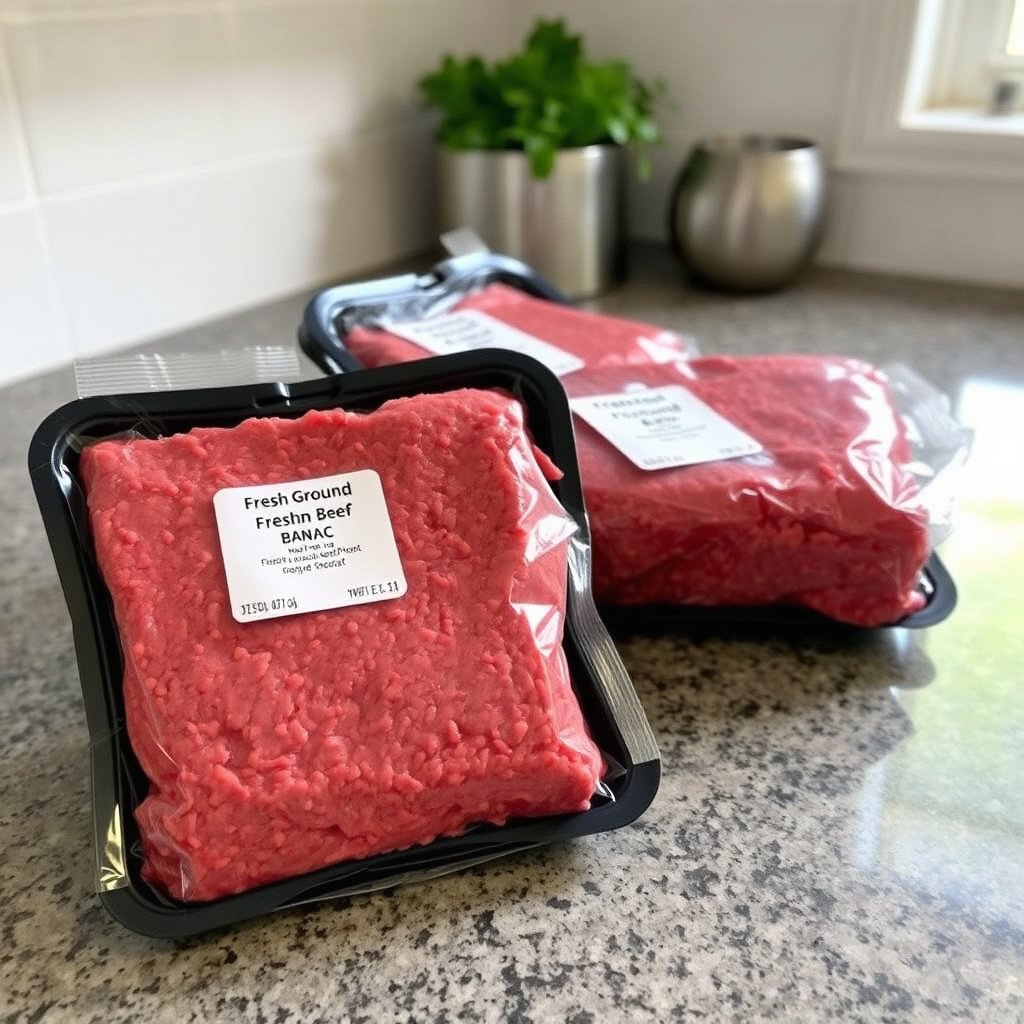
While pre-ground beef is convenient, grinding your own meat at home from chuck or brisket cuts allows you to control texture and freshness. Freshly ground meat typically improves the burger’s flavor and tenderness when cooked on the stove.
If using pre-ground meat, choose freshly packed beef with a good pink-red color without brown tints. Avoid meat that appears overly wet or smell off, as freshness impacts taste and safety.
Preparing and Seasoning Patties for Stove-Top Cooking
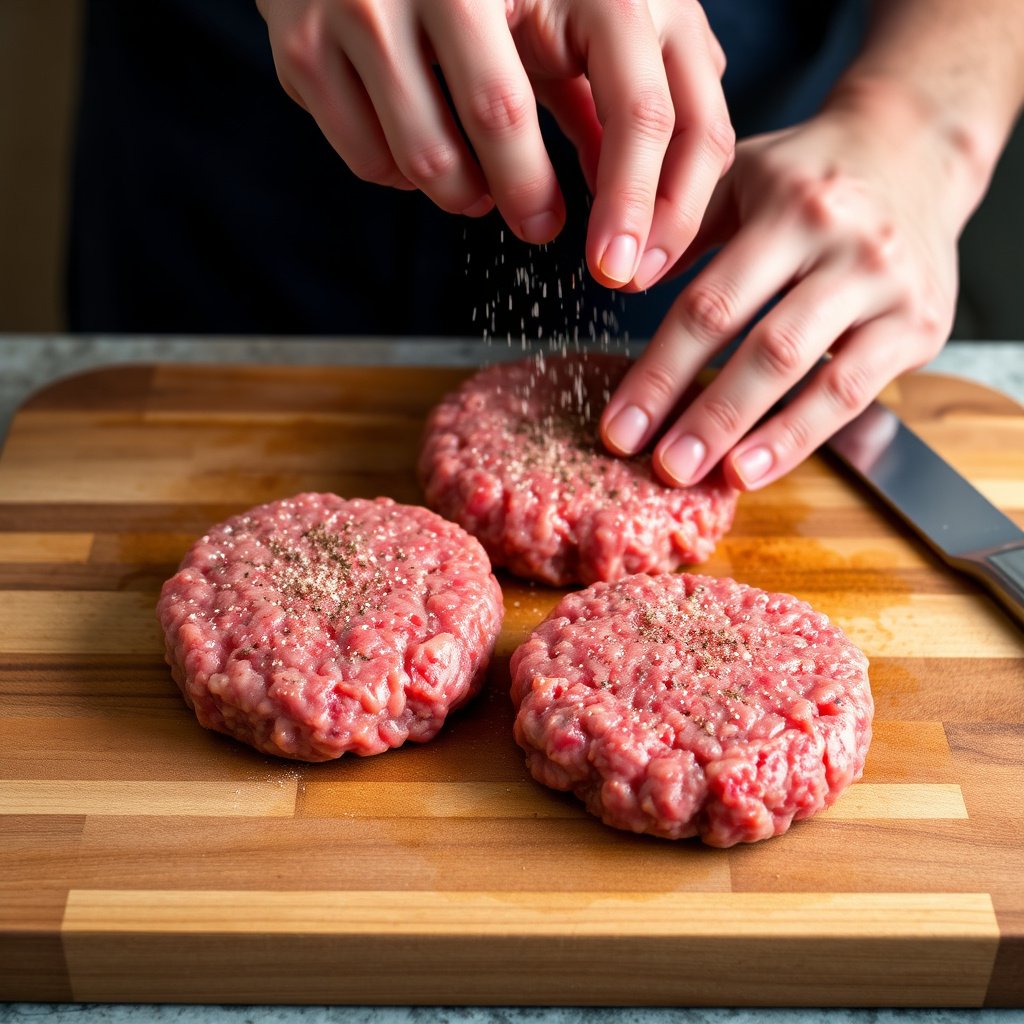
Forming Burger Patties
When shaping patties, handle the ground beef gently to maintain a tender texture. Divide the meat into equal portions, about 4 to 6 ounces each, and pat them into rounds roughly ¾-inch thick. Creating a slight indentation in the center of each patty prevents it from puffing up too much during cooking, helping maintain an even flat surface.
Avoid overworking the meat, which can lead to dense, tough burgers. Use your fingers, not a press, and keep the shape uniform for consistent cooking across all patties.
- Make a shallow dimple in the middle of each patty
- Keep edges slightly thicker than the center
- Do not pack the meat too tightly
Seasoning Tips for Flavorful Burgers
Season your patties just before cooking to prevent drawing out moisture prematurely. Classic seasoning is simple salt and freshly ground black pepper, applied generously on both sides. You can also add garlic powder, onion powder, or smoked paprika for extra depth without overpowering the beef.
Avoid mixing seasoning into the raw meat to keep the texture lighter and prevent a crumbly patty. The surface seasoning will caramelize during cooking, enhancing both browning and taste.
- Season immediately before cooking
- Use coarse salt and freshly ground pepper
- Optional spices: garlic powder, onion powder, smoked paprika
Cooking Burgers on the Stove: Step-by-Step Process

Heat Management and Pan Choice
Using a heavy skillet like cast iron or stainless steel retains heat well and distributes it evenly, which is key to good burger searing on the stove. Begin by preheating your pan over medium-high heat until it's hot enough to sizzle water droplets on contact.
Avoid overcrowding the pan to maintain temperature and prevent steaming. Cooking in batches may be necessary for multiple patties; leave enough space so each burger gets direct heat contact for crust development.
- Preheat pan on medium-high heat for 3-5 minutes
- Use cast iron or stainless steel pans for best sear
- Cook in batches if necessary to avoid overcrowding
For more on this, see our related guide: How to Make Onion Rings: Simple Steps for Crispy, Perfect Results.
Timing and Flipping Burgers Correctly
After placing the patties in the pan, let them cook undisturbed for about 3-4 minutes to develop a brown crust. Flip only once using a thin spatula, and cook the other side for a similar duration. Avoid pressing down on patties, which squeezes out juices and dries them out.
For medium doneness, aim for an internal temperature of about 160°F. Use a meat thermometer for precision if desired. Adding cheese should happen in the last minute of cooking to melt perfectly.
- Cook 3-4 minutes per side for medium doneness
- Flip only once, avoid pressing patties
- Add cheese in last minute to melt
Enhancing Flavor and Texture After Cooking

Resting Your Burgers
After cooking, let the burgers rest for a few minutes off the heat to allow juices to redistribute evenly inside the meat. This step helps retain moisture and ensures each bite will be juicy rather than dry.
Resting also gives you time to prepare buns and toppings so everything comes together perfectly when assembled.
- Rest 3-5 minutes after cooking
- Keep burgers loosely covered to stay warm
Toasting Buns and Adding Toppings
To add extra texture and flavor, toast your buns in the skillet with a little butter or oil until golden brown. This protects the bun from becoming soggy and complements the burger’s richness.
Choose toppings that balance juiciness and crunch, such as lettuce, tomato, onions, pickles, and classic condiments like mustard or mayo. Layer toppings thoughtfully to avoid overwhelming the burger’s flavor.
- Toast buns in pan with butter for 1-2 minutes
- Use fresh, crisp toppings for contrast
Troubleshooting Common Stove-Top Burger Problems

Preventing Dry or Overcooked Burgers
Overcooking is the most common cause of dry stove-top burgers. Keeping your heat at medium-high prevents burning the outside while undercooking the inside. Using a meat thermometer helps track internal temperature precisely.
Also, avoid pressing patties during cooking which forces out moisture, and ensure to rest burgers to lock in juices after cooking.
- Maintain medium-high heat
- Use a meat thermometer for best results
- Do not press patties while cooking
For more on this, see our related guide: Your Guide to Electric Range With Griddle: Choosing With Confidence.
Handling Uneven Cooking or Sticking
Uneven cooking often comes from inconsistent patty thickness or insufficient pan heat. Make sure patties are evenly shaped and the pan is fully preheated.
To prevent sticking, lightly oil the pan or brush patties with a small amount of oil before cooking. Using a non-stick or well-seasoned cast-iron skillet further reduces sticking risks.
- Shape patties evenly about ¾-inch thick
- Preheat pan thoroughly
- Lightly oil pan or patties before cooking
Alternative Stove-Top Burger Techniques

Smashed Burgers on the Stove
Smashed burgers start with loosely packed meat balls that are pressed flat in a hot skillet immediately after hitting the surface. This technique creates maximum crust and a thinner, crispier patty popular in diner-style burgers.
Cooking time for smashed burgers is generally shorter: about 1-2 minutes per side, and seasoning is often added after smashing for optimal crust development.
- Press meat ball flat immediately in hot pan
- Cook 1-2 minutes per side for crisp crust
- Add seasoning after smashing
For broader background on burger history and variations, see the Wikipedia article on Hamburger. Wikipedia article on Hamburger.
Using a Grill Pan vs. Flat Skillet
Grill pans with ridges mimic outdoor grilling by creating char marks and allowing fat to drain below the patty. They add smoky flavor and textured searing but can cook less evenly due to raised ridges.
Flat skillets provide consistent pan contact, yielding uniform browning and juicy results but without grill marks. The choice depends on your texture and appearance preferences.
- Grill pan adds char marks and fat drainage
- Flat skillet provides even contact and browning
- Choose based on desired burger texture
Stove-Top Burger Methods Category Comparison
Here’s a comparison of common stove-top burger cooking methods to help you pick the right style for your preferences and kitchen setup.
| Method | Patty Thickness | Cooking Time Per Side | Texture | Best For |
|---|---|---|---|---|
| Traditional Patties | ¾-inch thick | 3-4 minutes | Juicy with crisp crust | Classic burger lovers |
| Smashed Burgers | Thin, pressed flat | 1-2 minutes | Extra crispy, thinner | Crisp crust enthusiasts |
| Grill Pan Burgers | ¾-inch thick | 3-4 minutes | Charred lines, smoky flavor | Those wanting grilled texture indoors |
| Non-Stick Pan Burgers | ¾-inch thick | 3-4 minutes | Evenly cooked, soft crust | Easy cleanup and even cooking |
Frequently Asked Questions
What is the best pan to cook burgers on the stove?
A cast-iron skillet is generally best because it retains and distributes heat evenly, helping to create a flavorful crust while keeping the burgers juicy.
How do I know when a burger is cooked on the stove?
Use a meat thermometer to check the internal temperature; 160°F signals safe medium doneness. Visual cues include a browned crust and juices running clear.
Can I use lean ground beef for stove-top burgers?
Lean ground beef can become dry when cooked on the stove. It’s better to use at least 80/20 lean-to-fat for juicy results or add other fat sources.
Should I press burgers while cooking on the stove?
No, pressing patties squeezes out juices, resulting in drier burgers and less flavor.
How do I prevent burgers from sticking to the pan?
Make sure the pan is well preheated and lightly oiled. Using a cast-iron skillet seasoned properly also reduces sticking.
Key Takeaways
- Use 80/20 ground beef for juicy, flavorful stove-top burgers.
- Shape patties gently with a slight center indentation.
- Cook burgers over medium-high heat without pressing them.
- Rest burgers after cooking for best moisture retention.
Conclusion
Mastering how to cook burgers on the stove involves balancing heat, timing, and technique to get the perfect sear while retaining juiciness. Choosing the right ground beef with adequate fat content sets the foundation, while careful patty preparation and temperature control guide the cooking process. This method offers reliable results in any kitchen without the need for an outdoor grill, making quality homemade burgers accessible year-round.
If you prefer a traditional thick burger with a rich crust, use the classic approach with cast iron and 80/20 beef. For a crispier, thinner texture, try the smashed burger technique on a flat skillet. Alternatively, a grill pan can add extra char and flavor reminiscent of outdoor grilling. Each method suits different tastes and burger preferences, providing options from juicy and tender to crunchy and seared. Knowing your preferred burger style helps streamline the cooking process and ingredients selection.
Start by selecting quality fresh ground beef and preparing even patties seasoned just before cooking. Use a heavy skillet over medium-high heat and avoid pressing the patties to lock in moisture. Finish with a thoughtful rest period and toasted buns to complete the perfect stove-top burger experience. Experiment with toppings and seasoning variations as you get comfortable; soon, stove-top burger cooking will become a go-to meal preparation method.