What Is a Garbage Disposal? The Complete Answer
Are you tired of dealing with lingering food scraps and unpleasant odors in your kitchen? You’re not alone—many people struggle with keeping their sinks clean and odor-free. Luckily, a garbage disposal can be a game-changer.
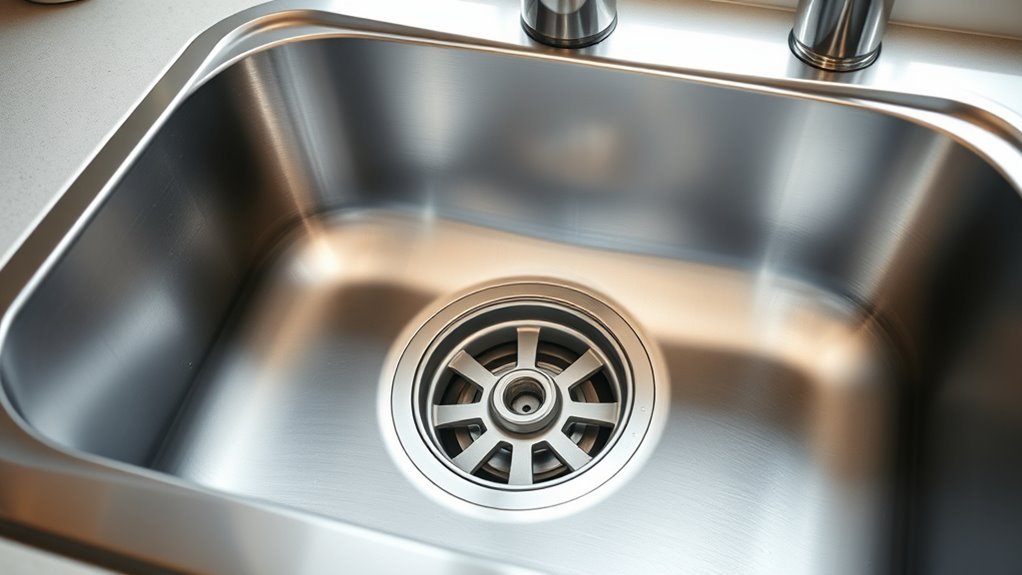
A garbage disposal grinds your food waste into small pieces, making it easy to flush away and keeping your kitchen clean. It uses an electric motor to spin a grinding plate that pulverizes scraps like vegetable peels and coffee grounds, while preventing clogs and odors.
Connected to your sink’s plumbing, it helps reduce landfill trash and supports eco-friendly waste management.
If you want to understand how it works, installs, or maintains, there’s plenty more to investigate.
Key Takeaways
- A garbage disposal grinds food waste into small particles for easy disposal and improved kitchen hygiene.
- It uses an electric motor, grinding plate, and impellers to shred and flush food waste efficiently.
- There are two main types: continuous feed for constant operation and batch feed for safer, controlled use.
- Proper installation connects the disposal to sink plumbing with leak-proof seals and dishwasher drainage.
- Regular maintenance helps avoid jams and odors, and it’s important to steer clear of hazardous items like grease and hard objects.
What Is a Garbage Disposal and How Does It Work?
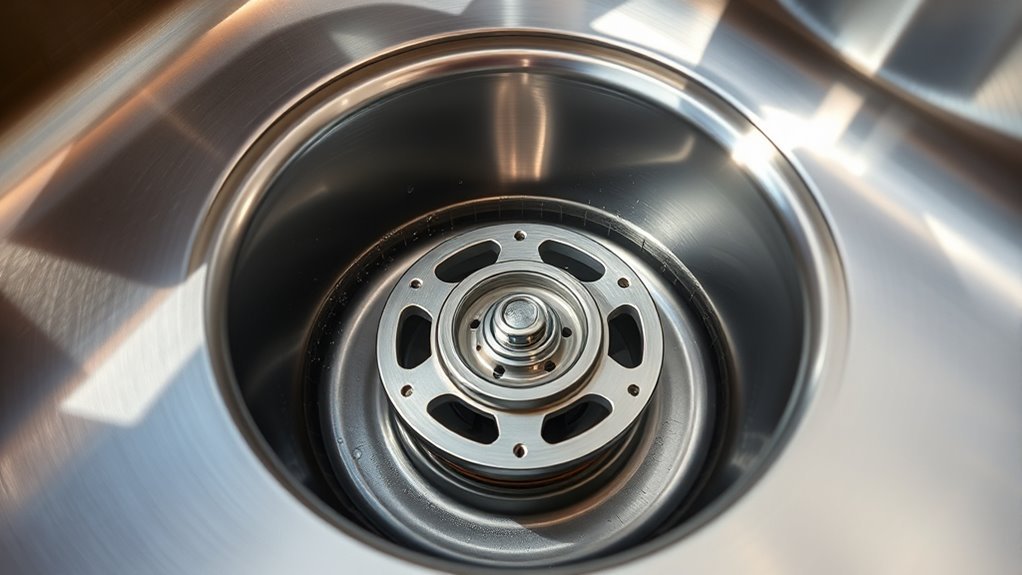
A garbage disposal is a handy kitchen appliance that grinds food waste into small particles, making it easy to flush down the drain. When you turn it on, an electric motor spins a grinding plate that breaks down scraps like vegetable peels and small bones.
This process helps keep your kitchen hygienic by quickly removing food waste and preventing bad odors or pests. Using a garbage disposal also improves waste management by reducing the amount of food debris in your trash bin, which helps cut down landfill waste.
You just feed leftovers into the disposal while running water to wash the particles through your plumbing. This efficient system keeps your sink clean and supports eco-friendly practices by making waste processing easier.
What Are the Main Parts of a Garbage Disposal?
A garbage disposal is made up of a few main parts that work together to get rid of food waste. Knowing what each part does can help you understand how everything runs smoothly. So, let’s take a closer look at the key components and their roles inside the unit.
Key Components Overview
Understanding the main parts of a garbage disposal helps you troubleshoot issues and do basic maintenance. The key components include the grinding chamber, motor, impellers, splash guard, and discharge pipe.
Each part’s materials affect how durable it is and how well the disposal works. For example, stainless steel impellers resist rust and grind food waste efficiently, boosting performance. The motor powers the impellers, while the grinding chamber contains the entire process.
The splash guard keeps debris from flying out during use, helping to keep your kitchen clean. Lastly, the discharge pipe carries the ground waste into your plumbing system.
Knowing these parts helps you identify what might need repair or replacement. This way, your disposal runs smoothly and lasts longer.
Internal Mechanism Functions
Knowing the key components helps you understand how each part works together inside your garbage disposal.
The motor powers everything, driving the grinding mechanism to break down food waste efficiently. When you turn it on, the motor spins and activates the blades, shredding scraps into tiny particles for a smooth, mess-free disposal.
Understanding these internal functions lets you appreciate the engineering behind your kitchen helper. Here are the main parts you’ll find inside:
- Electric motor provides the power to spin the blades.
- Grinding mechanism shreds food waste into fine pieces.
- Turntable rotates to move waste toward the blades.
- Impellers push food against the grinding ring.
- Grinding ring helps pulverize waste for easy flushing.
Each part plays a crucial role in keeping your disposal running smoothly.
How Your Garbage Disposal Connects to Plumbing
Your garbage disposal usually connects straight to the sink’s drain pipe, helping to handle the waste water. It’s all about making sure everything flows smoothly down the drain.
And don’t forget about the plumbing trap—that’s the curved pipe underneath the sink. Its job is to stop nasty sewer gases from sneaking back up into your kitchen.
If you’ve got a dishwasher, there’s typically a connection from the dishwasher’s drain to the disposal unit. This way, any leftover food or water from the dishwasher gets caught and drained properly.
Disposal Drain Connection
Although a garbage disposal grinds up food waste inside your sink, it needs a proper drain connection to carry the debris away efficiently. During disposal installation, making sure the link between the disposal outlet and your plumbing is secure is really important.
This connection helps prevent leaks and clogs, making drain maintenance much easier. Usually, a flange and a dishwasher inlet port are part of this setup, guiding water and waste smoothly out of your sink.
Getting this right means you’ll enjoy peace of mind from leak-free operation, fewer clogs, and backups. It also simplifies drain maintenance, improves kitchen hygiene, and can extend the life of your disposal.
A proper disposal drain connection keeps your system running smoothly, saving you stress and costly repairs down the road.
Plumbing Trap Integration
Once your garbage disposal is securely connected to the drain, the next step is linking it with the plumbing trap. Plumbing traps are essential because they prevent sewer gases from entering your home while letting wastewater flow freely.
You’ll connect the disposal’s outlet to the trap, usually a P-trap, which creates a water seal acting as a barrier. This setup helps direct food waste and water safely into the sewage system without clogging the pipes.
Properly installing the plumbing traps also makes maintenance easier and reduces odors. When you connect your garbage disposal with the plumbing trap correctly, you keep your kitchen hygienic and protect your plumbing system from damage caused by improper waste flow.
Dishwasher Drain Link
Because your dishwasher needs a way to drain water efficiently, it often connects directly to the garbage disposal. This connection guarantees dishwasher compatibility while improving overall drainage efficiency. When set up correctly, wastewater from your dishwasher flows smoothly through the disposal, preventing clogs and backups.
Make sure your disposal has a dishwasher drain inlet and that the hose fits snugly for a secure attachment. Proper installation helps you avoid leaks and protects your plumbing system.
Here’s why this link matters to you:
- Keeps your kitchen running smoothly
- Prevents costly water damage
- Extends the lifespan of your dishwasher and disposal
- Saves you time on maintenance
- Gives you peace of mind with reliable drainage
Connecting your dishwasher to the disposal is a smart move for efficient plumbing.
Deciding If a Garbage Disposal Is Right for Your Home
How do you know if a garbage disposal will fit your lifestyle and kitchen needs? Start by weighing the benefits against your daily habits. If you cook often and have lots of food scraps, a disposal can make cleanup faster and cut down on trash.
But don’t forget to consider the costs. Units can range widely in price, and installation might add to the total. You’ll want to budget for professional help unless you’re confident with DIY plumbing and electrical work.
When thinking about installation tips, remember that proper fitting depends on your sink and plumbing setup. Some homes may need extra modifications, which can raise costs and make the process more complicated. Also, check local regulations since some areas restrict disposal use because of sewage system concerns.
Types of Garbage Disposals Available
When it comes to garbage disposals, you’ll mainly come across two types: batch feed and continuous feed. They each have their own unique features, so it’s good to know what they offer. For instance, some models pack more power, while others are quieter—so it really depends on what you’re looking for.
Getting a handle on these options can help you choose the best fit for your kitchen. Whether you prefer the convenience of continuous feed or the safety of batch feed, understanding the differences makes the decision easier.
Batch Feed Disposals
Although batch feed disposals might seem less common than continuous feed models, they offer unique safety and convenience features that many homeowners appreciate. With batch feed benefits, you only operate the disposal when the cover is securely in place, which helps prevent accidental starts. This design provides peace of mind, especially if you have curious kids or pets.
You’ll enjoy:
- Reduced risk of injury with automatic shutoff
- Controlled waste processing in small, manageable batches
- Less noise during operation
- Prevention of foreign objects entering the disposal
- Easy-to-use cover activation for added safety
Choosing a batch feed disposal means you’re prioritizing safety without sacrificing performance or convenience in your kitchen.
Continuous Feed Disposals
Continuous feed disposals make handling kitchen waste quick and easy. You can add food scraps while the unit is running, which saves time during cleanup.
One big advantage is that you don’t have to stop and wait between batches. Just turn it on and keep feeding it until you’re finished.
But there are some downsides too. Since the blades are exposed during operation, there’s a higher risk of injury if you’re not careful.
They also need a steady water flow to work properly, which might use more water than other types.
Power and Noise Levels
When choosing a garbage disposal, considering power and noise levels can really improve your kitchen experience. You want a unit that balances efficient power use with effective noise reduction.
More powerful disposals handle tough scraps smoothly but might use more energy. On the other hand, models with advanced noise insulation keep your kitchen quiet, so you won’t dread running them during meals.
Here’s what to keep in mind:
- Low power consumption saves energy and reduces bills
- Quiet motors minimize disruption during use
- Higher horsepower means faster, smoother grinding
- Sound-dampening technology improves comfort
- Efficient designs prevent jams and prolong lifespan
Safe and Unsafe Items for Your Garbage Disposal
Since your garbage disposal relies on sharp blades and water flow to break down waste, you need to be careful about what you put into it. Safe materials include soft food scraps like vegetable peels, fruit waste, coffee grounds, and small amounts of cooked meat. These items break down easily without damaging the disposal.
On the other hand, hazardous items can cause clogs, jams, or damage. Avoid fibrous materials like celery stalks, corn husks, and onion skins, which can tangle blades. Also, don’t grind grease, oil, or fat, as they solidify and block pipes.
Hard objects like bones, fruit pits, or non-food items should never go into the disposal—they can shatter or dull the blades. Paper, plastic, and glass are also dangerous and can lead to costly repairs.
How to Install a Garbage Disposal Step-by-Step
Knowing which items are safe for your garbage disposal helps prevent damage, but eventually, you’ll need to install the unit itself. Installing a garbage disposal might seem intimidating, but with the right safety mindset and tips, you can do it confidently.
Start by turning off the power to avoid accidents. Next, disconnect the existing drain and prepare the mounting assembly. Align the disposal unit, secure it firmly, and connect the plumbing.
Finally, restore power and test the unit. Remember these quick tips to make the process smooth and worry-free:
- Turn off electricity to avoid shocks
- Use a mounting ring for a secure fit
- Check that all seals are tight to prevent leaks
- Connect the dishwasher drain if needed
- Test the disposal under running water before finishing
Following these steps guarantees safety and a properly installed garbage disposal you can rely on daily.
How to Maintain and Clean Your Garbage Disposal
Keep your garbage disposal running smoothly by maintaining and cleaning it regularly. Proper upkeep not only extends its life but also guarantees disposal safety. Start by running cold water while operating the disposal to solidify grease and flush debris.
Avoid putting fibrous or starchy foods down the drain, as they can clog the unit. Use these maintenance tips to keep your disposal fresh and efficient:
| Task | Frequency | Benefit |
|---|---|---|
| Run cold water | Every use | Prevents clogs and odors |
| Clean with citrus | Weekly | Removes buildup and freshens |
| Avoid harsh chemicals | Always | Protects internal parts |
| Inspect for leaks | Monthly | Ensures disposal safety |
Regular cleaning with ice cubes and coarse salt can sharpen blades and clear residue. Remember, always disconnect power before any deep cleaning to keep things safe.
Following these simple steps will help your garbage disposal stay in top shape.
Common Garbage Disposal Problems and Solutions
Although garbage disposals are built to handle kitchen waste efficiently, they can still run into common problems like jams, leaks, and strange odors. When your disposal gets clogged or the blades are jammed, it’s often because of improper use, like putting fibrous or hard items down the drain.
Garbage disposals handle waste well but can jam or leak if misused with fibrous or hard materials.
Unusual noises might mean there’s faulty wiring or installation mistakes, which should be checked out quickly. Regular maintenance can prevent many issues, but if problems keep happening, a troubleshooting guide can help you find the cause.
Here are some common problems and solutions:
- Feeling frustrated by a clogged disposal that stops your workflow
- Annoyed by strange noises signaling internal damage
- Worried about jammed blades that won’t spin properly
- Confused by leaks caused by installation errors
- Stressed over faulty wiring that could be a safety hazard
How Garbage Disposals Reduce Kitchen Waste and Environmental Impact
After addressing common issues with garbage disposals, it’s worth exploring how these devices help reduce kitchen waste and lessen environmental impact. When you use a garbage disposal, you improve kitchen efficiency by quickly breaking down food scraps that would otherwise end up in the trash.
This process cuts down on the volume of solid waste you produce, promoting waste reduction right at your sink. Instead of bagging and throwing away leftovers or peelings, the disposal grinds them into small particles that wastewater treatment plants can handle more effectively.
This reduces landfill waste and methane emissions, a potent greenhouse gas. Plus, by redirecting food waste from trash bins, you lower the risk of attracting pests and reduce the need for plastic garbage bags.
Using a garbage disposal encourages responsible kitchen habits, helping you contribute to a cleaner environment while keeping your kitchen neat and efficient.
Frequently Asked Questions
Can a Garbage Disposal Increase My Home’s Resale Value?
Yes, a garbage disposal can boost your home’s resale value by appealing to buyers who want modern, convenient kitchen features. Many buyers see it as a helpful upgrade that makes cleanup easier and reduces kitchen waste.
Installing one shows you’ve invested in practical upgrades, which can make your home more attractive in a competitive market. So, adding a garbage disposal might help you sell faster and possibly at a higher price.
Are Garbage Disposals Noisy and How Loud Are They?
Garbage disposals can sound like a tiny rock concert in your sink, but their noise levels vary. Modern models are designed to run quieter, so you won’t feel like you’re next to a jackhammer.
If you’re sensitive to noise, you can invest in soundproofing options like insulated mounting assemblies or under-sink sound barriers. These tricks help keep the racket down, turning that noisy symphony into a gentle hum you barely notice.
What Is the Average Lifespan of a Garbage Disposal?
You can expect your garbage disposal to last about 10 to 12 years with proper care. To help it last longer, make sure to follow good maintenance habits like running cold water during use and avoiding hard or fibrous materials.
If you notice any issues, don’t hesitate to try simple repair tips like resetting the unit or clearing jams right away. Staying proactive with maintenance will help you get the most out of your disposal without needing costly replacements.
Do Garbage Disposals Affect Septic Systems?
Yes, garbage disposals can affect septic systems if you’re not careful. They add extra food waste, which can overload your septic tank and disrupt its health.
To keep everything running smoothly, avoid grinding large amounts of fibrous or greasy foods. Use your disposal sparingly to prevent issues.
Regular maintenance and mindful use help keep your septic system working well without causing clogs or costly repairs down the line.
Are There Any Local Regulations About Installing Garbage Disposals?
They say, “Better safe than sorry.” Yes, you’ll want to check local regulations before installing a garbage disposal. Many areas have specific installation requirements and might require you to get local permits to ensure everything’s up to code.
Ignoring these rules can lead to fines or complications later. So, it’s a good idea to contact your local building department or plumber to find out what’s needed for a smooth, legal installation.
Conclusion
Now that you know how a garbage disposal works and its benefits, you might be surprised to learn that over 90% of U.S. homes have one installed.
It’s a handy tool that makes cleaning up easier and helps reduce kitchen waste heading to landfills.
By choosing the right type and maintaining it well, you can keep your kitchen running smoothly.
Plus, using a garbage disposal is a great way to do your part for the environment.