What Are Bar Rules: A Complete Guide to Etiquette, Tips, and Legal Basics
Bar rules are the basic guidelines that help maintain respect, order, and safety inside bars. They cover tipping, behavior, ordering, and legal limits to ensure everyone enjoys their time. Understanding what are bar rules helps you navigate social and legal expectations at bars, making your experience smoother and more pleasant. This information is valuable for anyone who visits bars regularly or occasionally and wants to avoid awkward situations or legal issues.
Knowing key aspects of bar etiquette, tipping standards, and licensing laws equips you to interact respectfully with staff and other patrons. Following these rules prevents common mistakes and creates a positive atmosphere for everyone involved. Whether you’re ordering drinks, playing bar games, or leaving, clear guidelines keep you on the right path.
Key Takeaways
- Tip bartenders 15-20% of your total drink cost, adjusting based on the service quality.
- Place your drink orders clearly and consistently, especially when ordering shots for a group.
- Respect personal boundaries; tipping doesn’t grant permission for unwanted physical contact.
- Understand basic legal restrictions like age requirements and licensed hours to avoid fines or ejection.
- Follow common sense etiquette: don’t jump ahead in line or dominate shared spaces.
- Familiarize yourself with rules of popular bar games like pool, where “bar rules” may differ from official ones.
What Are the Essential Bar Rules Everyone Should Know
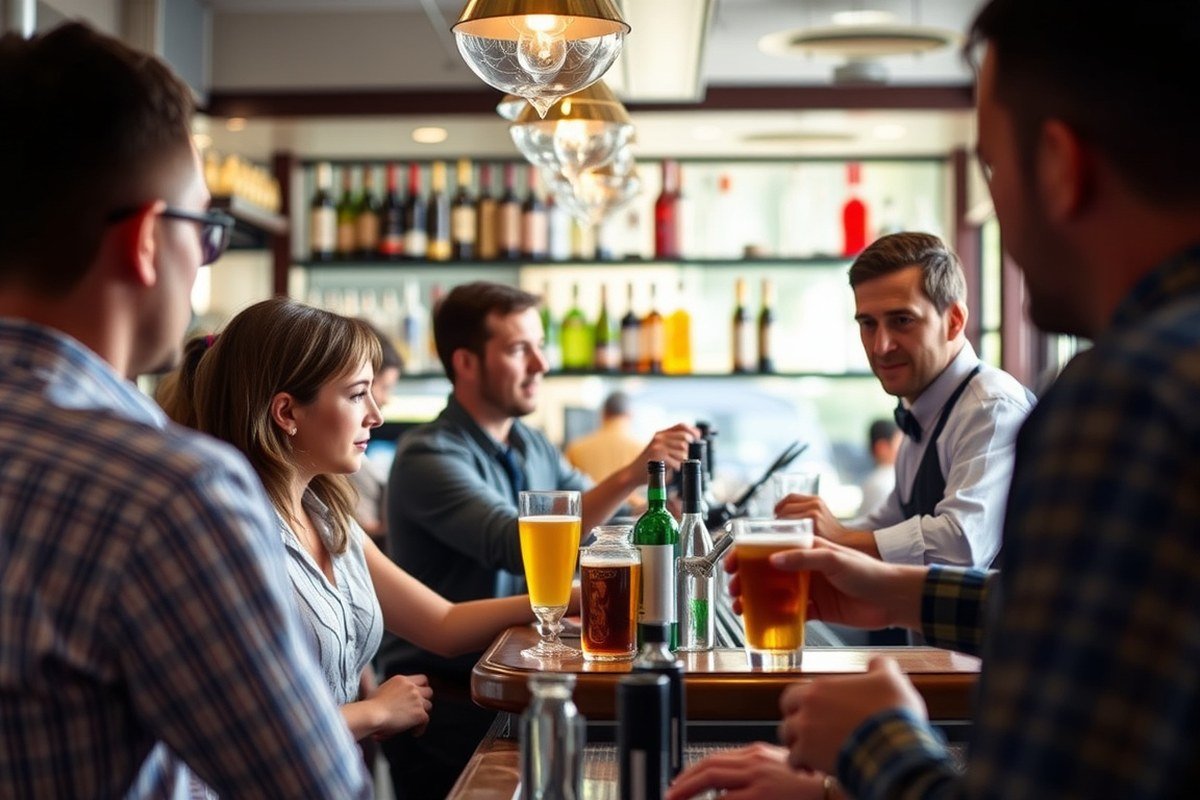
Every bar has basic social rules that help keep the atmosphere friendly and comfortable. You should always respect the staff and other patrons by using polite language and exercising patience. Avoid raising your voice, especially in smaller bars, since loud talking or shouting can disrupt conversations and annoy fellow customers. Keep your phone use discreet and step away from the bar when making calls, so others can place their orders without delay. Being mindful of the noise level creates a more enjoyable environment for everyone.
Understanding and following the dress code is another essential aspect. Many bars have informal dress expectations, like no gym clothes or flip-flops, while upscale venues may require smart casual or business attire. Check the dress code before you go to avoid embarrassment or denial of entry. Wearing appropriate clothing shows respect for the establishment and helps you fit the venue’s vibe, which makes your experience and that of others better.
Respecting personal space is important. Avoid leaning over the bar excessively, crowding the bartender, or standing too close to other patrons without cause. It’s discourteous to touch the bartender or bar staff, a rule that can lead to immediate removal from the venue. When ordering, have your payment ready and speak directly and clearly to the bartender to avoid confusion and delays. Waiting your turn patiently at busy times shows good manners and helps the staff manage service effectively.
Never pressure someone into drinking or buy drinks on their behalf without consent. Similarly, don’t assume it’s acceptable to share drinks or invitations without clear agreement. These actions can make others uncomfortable and may lead to conflicts. Keep your behavior friendly but considerate, especially with people you don’t know well. Good behavior also includes not arguing loudly or becoming physically confrontational, which are sure ways to be asked to leave.
Offering a tip of 15% to 20% on your total bill is standard and signals your appreciation for good service. This encourages bartenders to continue providing attentive service. Even if the bar is busy, tipping remains important because bartenders often work with a high volume of orders and few breaks. When in doubt, rounding up the bill or leaving at least a dollar or two per drink is a polite minimum. Refrain from using foul language and try not to complain loudly or criticize the staff in front of other patrons; address any issues discreetly with a manager.
Good bar etiquette also covers how you interact socially with others at the venue. Engage in conversations politely, listen actively, and avoid interrupting. Bar settings are social spaces where positive energy helps everyone relax. If you feel intoxicated, stepping outside or arranging safe transportation reflects responsibility and respect for everyone’s safety. Following these social and behavioral rules ensures a smoother, more pleasant experience for you and those around you.
How Much Should You Tip at Bars? Standard and Situational Guidelines

Tipping at a bar usually ranges between 15% and 20% of your total bill, depending on the level of service you receive. This practice acknowledges the bartender’s effort and helps maintain a positive relationship in a social setting. For standard service, aim for a 15% tip. If the service is attentive, quick, or personalized, increasing your tip to 20% or more rewards that good service. Slower or distant service justifies tipping closer to the 15% mark.
Calculating the tip can be straightforward. Multiply your bill by the appropriate percentage. For instance, if your drinks cost $40 and you choose to tip 18% for friendly and timely service, multiply $40 by 0.18. This results in a $7.20 tip. You can round up to $7.50 for convenience. For poorer service on the same bill, multiply $40 by 0.15, which equals a $6 tip.
Exceptional service, such as a bartender remembering your name, making drink recommendations, or going beyond a standard pour, can justify tipping above 20%. In such cases, a 22% to 25% tip demonstrates appreciation without being excessive. For example, on a $60 bar tab, 25% amounts to a $15 tip, signaling your recognition of excellent service.
A common tipping mistake is leaving no tip or less than 15%, which may be seen as disrespectful unless the service was truly unacceptable or the bartender was unprofessional. Another error is tipping the same fixed amount regardless of the bill size, which can be unfair when bills vary. It’s better to calculate based on percentages, adjusting up or down for the service quality rather than sticking to a flat dollar value.
Keeping cash on hand to tip per drink or at the end of your visit is practical since some bars or clubs may not easily split tips on credit card payments. Also, avoid tipping too early or too late in your visit; tipping promptly maintains good bartender relations and shows appreciation during the interaction.
Leaving a 15% tip for slow or unfriendly service shows courtesy but tipping below that can cause tension or even refusal of service in future visits.
Ordering and Interaction Etiquette: How to Behave at the Bar
Ordering drinks quickly and politely helps keep the bar running smoothly and ensures you get served without delays. Getting a bartender’s attention respectfully and interacting with them and other patrons in a courteous way makes the experience better for everyone. Following a few key steps and avoiding common mistakes will help you navigate bar social rules without trouble.
Ordering Shots Efficiently and Politely
Ordering shots requires clarity and efficiency. Always order all shots at once to help the bartender prepare them together, saving time. Avoid making separate orders for each shot or different types of shots within a group because it slows down service and can cause confusion. Group orders show consideration for the bartender and other customers waiting.
Have your payment ready when you order to speed up the process. Place your order clearly and politely, stating the exact number and type of shots in one request. Avoid asking the bartender to hold drinks for you or to separate payments for multiple drinks, since these practices complicate their workflow.
- Decide the type and number of shots you want before approaching the bar.
- Move close enough to the bar to signal you’re ready to order without blocking the bartender’s work area.
- Politely get the bartender’s attention with a nod or a simple “Excuse me.”
- Say, “I’d like six tequila shots, please,” or a similar clear, complete order.
- Present your payment or card promptly after placing your order.
- Thank the bartender once your order is confirmed.
Strategies to Get Bartender Attention
Approach the bar with a clear intention to order and avoid behaviors like snapping fingers, whistling, or shouting, which bartenders find disrespectful. Position yourself visibly near the bar or move closer if you are standing too far away to make your presence known. A polite “Excuse me” or eye contact usually works best.
Wait patiently if the bartender is busy. Avoid interrupting them while they’re serving other customers or preparing drinks. Good manners encourage better service and reduce tension during crowded times.
Remember that bartenders often multitask and move behind the bar, so keep your hands and belongings out of their path to ensure safety and ease of movement. This also shows respect for their workspace and helps them work faster.
Behaviors to Avoid with Bar Staff
Never behave as if bartenders are your personal servants. Rudeness, impatience, or demanding tones create a hostile atmosphere and can lead to slower service or refusal. Avoid getting upset publicly if something goes wrong; instead, address issues calmly and respectfully to increase chances of a positive solution.
Do not order drinks from anyone behind the bar other than the bartender unless you know they are authorized to serve. Don’t request bartenders to hold your drinks or order multiple rounds with separate payments; these slow down service and inconvenience other patrons.
Always use “please” and “thank you.” These simple courtesies go a long way. Don’t block the bartender’s workspace or crowd the bar excessively, as it interferes with their efficiency and safety.
Legal Rules and Licensing Regulations Affecting Bars and Patrons
Bars must follow strict legal rules that regulate the sale and consumption of alcohol to ensure safety and compliance with the law. First, bars need a valid liquor license issued by the local or state government. This license defines when and how alcohol can be sold, including permitted hours, types of alcohol served, and location restrictions. Serving alcohol without a license can lead to heavy fines, closure, or criminal charges for the business.
Age limits are a critical part of bar licensing laws. Patrons generally must be at least 21 years old to legally purchase and consume alcoholic beverages in the United States. Bars are required to check identification to verify age before serving, and refusing service to customers who cannot prove they meet the legal drinking age is mandatory. Failure to comply can result in penalties such as fines or loss of license.
Bars must also follow serving laws designed to prevent excessive drinking and related harm. Staff are trained to avoid serving visibly intoxicated customers and must refuse service when patrons show signs of intoxication. Some states enforce mandatory training programs for servers to recognize and manage intoxicated patrons. These measures help reduce accidents, violence, and liability for the establishment.
Smoking and vaping restrictions in bars vary by location but are generally strict due to health concerns. Most U.S. States have banned indoor smoking in public places, including bars. Some allow designated outdoor smoking areas separated from entrances and windows. Vaping is often regulated under the same rules as smoking. Patrons who want to smoke or vape may be required to step outside to comply with these regulations. The following table compares key legal rules for bars and patrons, along with the potential consequences for noncompliance:
| Legal Requirement | What It Is | How to Comply | Consequences for Bars | Consequences for Patrons |
|---|---|---|---|---|
| Liquor License | Official permission to sell alcohol | Obtain and display license, follow hours and conditions | Fines, suspension, closure, criminal charges | Illegal possession or consumption may lead to fines or arrest |
| Age Verification | Must verify customers are 21 or older | Check valid ID before serving alcohol | Fines, loss of license, legal action | Refusal of service; underage drinking penalties |
| Responsible Serving | No service to intoxicated customers | Train staff, refuse service to visibly intoxicated patrons | Liability for incidents, fines, license penalties | Denial of alcohol; legal liability for actions |
| Smoking/Vaping Restrictions | Bans on indoor smoking and vaping in many areas | Enforce no indoor smoking; provide outdoor areas if allowed | Fines, violations noted by health inspectors | Fines for smoking/vaping indoors where prohibited |
Bars must carefully adhere to these rules to avoid penalties and ensure a safe environment. Patrons should be prepared to show valid identification and comply with service refusals. For smoking or vaping, step outside to a designated area to remain within the law. Understanding these legal requirements helps both bars and customers avoid common issues associated with alcohol service and consumption.
Differences Between Bars, Pubs, and Clubs: What Changes in Rules and Atmosphere
Bars, pubs, and clubs each offer unique experiences shaped by different rules, atmospheres, and customer expectations. Understanding these differences helps you choose the right spot and behave appropriately, avoiding awkward moments or conflicts.
A bar typically focuses on serving a wide range of alcoholic beverages, often with a casual or upbeat atmosphere. Pubs, short for public houses, tend to emphasize a cozy, social environment and may offer food with a local or traditional flair. Clubs prioritize dancing and loud music, with a higher energy crowd and often stricter entry requirements.
Dress codes also vary in these settings. Bars usually have relaxed or no dress codes, but upscale bars may expect business casual. Pubs generally encourage casual attire reflecting their laid-back vibe. Clubs often enforce stricter dress codes, such as no athletic wear or hats, and may refuse entry without meeting these standards. Being aware of dress expectations prevents being turned away at the door.
| Feature | Bar | Pub | Club |
|---|---|---|---|
| Primary Focus | Drinks and socializing | Drinks, food, community gathering | Music, dancing, nightlife |
| Atmosphere | Casual to trendy | Relaxed, homey | Loud, energetic |
| Typical Clientele | Broad, varies by location | Local regulars, community members | Younger crowd, party-focused |
| Dress Code | Casual to business casual | Casual | Strict, often enforced |
| Entry Rules | Usually open | Open, family-friendly in some | ID check, cover charge common |
| Typical Hours | Afternoon to late night | Daytime to late evening | Late night to early morning |
| Customer Interaction | Bar staff available; no behind-bar access You as a customer should never go behind the bar |
More communal, may have bar areas | Limited interaction beyond entry and bar |
Knowing these distinctions helps you pick your spot and prepare accordingly. Bars suit casual drinkers, pubs work well for social meals and relaxed chats, while clubs cater to those looking for nightlife entertainment. Dress and entry rules carry different weight depending on the venue type, so check any posted guidelines beforehand.
Always respect the venue’s dress code and never attempt to go behind the bar, as it is off-limits to customers and strictly enforced for safety and legal reasons.
Common Mistakes and How to Fix Them: Bar Etiquette Troubleshooting
Common mistakes at bars often stem from misunderstandings or rushed behavior, which can disrupt the atmosphere and affect the service you receive. Knowing how to recognize and correct these errors politely helps maintain a friendly environment and keeps interactions smooth.
Typical Bar Etiquette Mistakes
One frequent error is placing orders without making eye contact or waiting for the bartender’s attention, which can seem impatient. Another is speaking loudly or using aggressive language that may upset other patrons or staff. Overordering at once or calling out orders can overload busy staff, slowing service for everyone. Not tipping or tipping inadequately also creates tension given the bartender’s reliance on tips for income. Some other common mistakes include:
- Interrupting the bartender during tasks
- Using a phone loudly or taking calls at the bar counter
- Leaving a mess, such as spilled drinks or trash
- Playing bar games competitively without regard for others’ enjoyment
- Cutting in line or hovering too close to others waiting
Fixing these involves simple changes like making eye contact, speaking calmly, ordering one drink at a time, and keeping your area tidy. Respecting personal space and waiting your turn lets staff serve efficiently, especially when the bar is busy.
How to Apologize Effectively
When ordering incorrectly or behaving rudely, a quick, sincere apology goes a long way. A straightforward script is: “I’m sorry about that mistake, could you please help me fix my order?” or “Apologies if I seemed impatient; I appreciate your help.” This shows respect and acknowledges the staff’s effort.
In cases of accidentally offending fellow patrons, saying, “I didn’t mean to upset you; I’m sorry,” can ease tension. Avoid making excuses; take responsibility with a calm tone and offer to make amends if appropriate, like moving to a less crowded spot or lowering your voice.
Handling Complaints Respectfully
If you need to address a problem, keep your voice steady and avoid blaming language. For example, say, “I noticed my drink was different from what I ordered. Could you please check?” instead of accusing the bartender of making a mistake. This approach helps staff feel respected and willing to resolve the issue.
Should you offend staff or patrons unintentionally, approach the person quietly and express regret promptly. A polite statement such as, “I realize I upset you earlier and I apologize,” can prevent conflicts from escalating. Remaining calm and patient while waiting for a response is important for a positive resolution.
Playing by Bar Game Rules: Pool, Darts, and Other Popular Activities
Pool, darts, and other bar games often combine official rules with informal variations that fit the social and casual bar setting. For example, the official rules of eight-ball pool, as set by organizations like the World Pool-Billiard Association, require players to pocket all of their designated balls (stripes or solids) and then the eight ball to win. In many bars, players adopt simplified or more relaxed versions of these rules, such as allowing a ball to be called only when hitting the eight ball or agreeing on a “no fouls” approach to keep the game flowing. Similarly, darts typically follows the official 501 or 301 scoring games, but some bars add house rules like “double in, double out” or unique scoring for bullseyes.
Knowing these differences matters because bar games are social activities, and sticking rigidly to tournament rules can slow down play and create tension. Respectful etiquette includes waiting your turn without crowding the table, clearly announcing your shot in pool when necessary, and standing to the side when others throw darts to avoid disturbance or accidents. Keeping noise levels reasonable and avoiding distractions during an opponent’s turn shows good manners and fosters a friendly atmosphere.
Disputes over rules or scoring can arise, especially when official and local variations clash. The best approach is to agree on the rules before starting the game, either by referring to a recognized set, like those posted near the game area, or by consensus with your opponents. If a disagreement happens mid-game, pause and calmly discuss it without raising your voice. When needed, a neutral player or the bartender can serve as a mediator to maintain fairness. Always avoid escalating arguments because many bars may ask disruptive players to leave.
Playing by bar game rules also involves practical considerations. In pool, you should handle cues with care, don’t lean on the table or use the cue as a prop. When waiting for a turn, avoid placing your drink near the balls or racks to prevent spills. For darts, stand behind the throwing line and retrieve your darts only after all players have thrown to keep the game orderly. These behaviors cost nothing but contribute to smooth, enjoyable play.
Following these game-specific and social etiquette guidelines produces a positive experience. You’ll see shorter wait times between turns, fewer disputes, and better relationships with other patrons and staff. Bad results come from ignoring rules or etiquette: longer games, frustrated players, and potentially being asked to stop playing. Maintaining clear communication, patience, and civility during bar games ensures they’re fun and welcoming for everyone involved.
When and How to Leave a Bar Politely: Exit Etiquette and Safety Tips
Leaving a bar politely means signaling your intent clearly, settling your bill properly, and exiting without disturbing the staff or other patrons. Doing so shows respect and helps keep the environment friendly and safe for everyone. Proper exit etiquette also ensures you avoid confusion over unpaid tabs or causing a scene.
Signaling Your Intent to Leave
To let staff know you’re ready to leave, close out your tab or prepare to pay in advance. Avoid silently leaving your drink unattended on the bar, as this can result in it being poured out or become a safety risk. Feeling tired or intoxicated? Signaling promptly shows you’re finished and helps staff keep track of your well-being.
Make eye contact with the bartender or server and politely say something like, “I’m ready to settle my tab, thank you.” This is a clear cue they can begin processing your bill. Avoid abrupt actions like grabbing your coat loudly or pushing your chair back suddenly, which might disrupt conversation or service flow.
Settling Your Tab Correctly
Paying before you leave prevents confusion and shows appreciation for the staff’s service. Keeping a running tab? Request your bill and check it closely to make sure all your orders are listed. Always consider tipping 15% to 20% of the total bill, depending on service quality, as customary in the US. Have payment methods ready to avoid delays. Follow these steps to settle your tab smoothly:
- Signal the bartender or server politely that you’d like to pay.
- Receive your bill and verify its accuracy.
- Prepare your payment method, cash or card.
- Hand over your payment and calculate a tip based on service.
- Wait for your receipt and take it with you.
- Thank the staff with a simple “thank you” or “have a good night.”
Never walk away without settling your tab; unpaid bills can lead to uncomfortable consequences including being banned from the bar.
Exiting Without Disruptions
Leaving quietly benefits everyone. Gather your belongings calmly and avoid creating noise by dragging chairs or bumping into others. The bar is crowded; wait for a break in foot traffic before heading to the exit. This shows consideration for patrons still enjoying their time.
In venues with a coat check or designated parking area, retrieve your items before starting your departure to prevent having to backtrack. For groups, say polite goodbyes to your companions and the staff. Walking out with a smile avoids negative impressions.
Step-by-Step Action Plan for Following Bar Rules
Get comfortable with essential bar rules by following these simple steps to improve your experience and avoid common pitfalls.
- Before your visit: Check the bar’s hours and dress code online to avoid surprises. This ensures you won’t be turned away at the door and sets the right tone.
- Upon arrival: Wait for the bartender’s attention before ordering. If the bar is busy, be patient and use polite gestures to signal your readiness. This helps maintain smooth service.
- While ordering: Know what you want and ask clearly. Confirm your order before paying to avoid mistakes, improving your overall satisfaction.
- During your stay: Observe legal rules, no underage drinking or bringing outside alcohol, and be respectful to other patrons and staff. This keeps the environment pleasant and safe for everyone.
- Playing bar games: Learn the specific game rules before joining, and respect turn order and sportsmanship. This prevents disputes and makes the experience fun.
- When tipping: Tip at least 15% on drinks, increasing for exceptional service or complicated orders. Watch your bartender’s responsiveness as a clue you’re tipping fairly.
- As closing time nears: Signal your last round clearly and prepare to leave within the posted time limits. This helps staff close efficiently and avoids overstaying your welcome.
- Exiting the bar: Pay your tab fully, thank the bartender, and leave calmly without causing disruption to others. This goodwill gesture encourages positive treatment on future visits.
Frequently Asked Questions
What Are the Unwritten Rules That Can Get You Kicked Out of a Bar?
Never touch the bartender or other patrons without permission as it can lead to immediate removal. Respect personal space and follow any posted rules to avoid trouble.
Can You Bring Outside Food or Drink into a Bar?
Most bars do not allow outside food or drinks, as it violates their licensing agreement and health codes. Always check with the bar staff before bringing anything in.
Are Patrons Required to Show Identification Every Time They Order a Drink?
Bars typically ask for ID if you look under the legal drinking age, but age verification policies vary. Carrying valid ID is important in case staff asks.
Is It Okay to Pay with Cash Only at a Bar?
Paying with cash is generally accepted, but some bars prefer cards for faster and cleaner transactions. Always have a backup payment method just in case.
Can I Order One Drink for Someone Else at the Bar?
Yes, ordering a drink for someone else is common, but both parties should comply with legal drinking age laws. Bartenders may ask for ID of the recipient.
What Happens If a Bar Over-Serves a Customer and They Cause Trouble?
Bars can be held legally responsible if they serve intoxicated patrons who then cause harm. Many bars train staff to cut people off professionally.
Key Points to Remember
Understanding bar rules helps you navigate social and legal expectations smoothly. Start by observing common etiquette at your next visit and notice how it improves your interaction and enjoyment. Respecting rules and people creates a better atmosphere for everyone involved.




One Comment