
What Is a Call Drink? A Complete Guide to Ordering and Choosing
A call drink is an alcoholic beverage ordered by specifying a brand of liquor, such as ordering a “Jack Daniel’s and coke.” It lets you choose the exact spirit you want, unlike a well drink, where the bartender uses a house brand without asking. Knowing what a call drink is helps you order confidently at bars and understand pricing and quality differences.
This explanation targets casual drinkers, bar patrons, and beginner mixologists curious about drink options. You’ll learn how call drinks differ from well drinks, how to order them properly, and tips on when choosing a call drink works best for you.
Key Takeaways
- Call drinks specify the liquor brand; well drinks use the bar’s standard or “house” spirit.
- Ordering a call drink lets you control the quality, often resulting in a better-tasting cocktail.
- Call drinks usually cost more than well drinks because of the premium liquor used.
- During happy hour, call drinks may be discounted, making them a smarter choice than usual.
- Knowing common call liquor brands helps you order precisely and avoid generic mixes you don’t like.
- You should order a call drink when you want to enjoy a particular flavor or higher-quality spirit.
What Exactly Is a Call Drink in Bartending?

A call drink is a mixed drink where you specify the brand of liquor you want used. Instead of accepting the default, less expensive liquor usually stocked “in the well,” you tell the bartender the particular brand you prefer. This term fits into common bar vocabulary as the opposite of a “well drink,” which is made without any specific brand request, using whatever house liquor the bar keeps in its speed rack.
Bartenders identify call drinks primarily by listening to your order. For example, if you order a “Jack and Coke” instead of just “whiskey and coke,” the bartender knows to use Jack Daniel’s whiskey rather than the generic or well brand. Your mention of the brand name calls for a call drink. Similarly, asking for a “Grey Goose martini” signals the use of Grey Goose vodka instead of the vodka stocked in the well. The bartender will swap out the regular well bottle for a premium or mid-range bottle, which typically costs more and yields higher profit margins for the bar.
This distinction matters because call drinks often cost more than well drinks. The bar invests in recognizable brands like Stolichnaya for vodka or Jim Beam for bourbon as call brands, which are usually mid-range in price. They keep well liquors as a lower-cost default option for speed and affordability, used when no brand is called out. Call drinks give you more control over the flavor profile since premium brands tend to have smoother, more consistent taste compared to the generic well spirits. For example, ordering a Tanqueray and tonic instead of just a gin and tonic means you get the specific qualities of Tanqueray gin, while gin and tonic alone would be poured with the bar’s well gin, which is often cheaper and lighter.
To order a call drink, you simply include the brand name in your drink order. A straightforward script is: “I’ll have a [Brand Name] and [Mixer], please.” For instance, “A Crown and Coke” or “A Tito’s and soda.” This tells the bartender exactly what bottle to grab. If you’re unsure of what a bar offers as call brands, it’s okay to ask the bartender quietly or glance at the menu, which often lists premium brands alongside drinks where you can specify the spirit.
Call drinks usually require the bartender to reach for a standard 750 ml bottle on the shelf rather than the larger plastic “well” bottles at 1.75 liters, which house the default liquors. This difference affects your drink’s cost: the same mixed cocktail using a call brand might be priced at $6 during happy hour or more at other times, while the well version could be $3 or less. Bars set these prices based on typical profit margins, with one well drink covering the cost of an entire well bottle, yet it takes several call drinks to cover higher-priced bottles.
When placing your order at a busy bar, keep your call drink request clear but polite. Use the phrase “[Brand] and [mixer]” or “[Brand] cocktail name” to ensure your drink is made with the preferred brand. Avoid vague requests like “just make it a call drink” unless the bartender knows which brands the bar carries. Clear ordering helps reduce mix-ups and ensures you get the quality and taste you expect from your drink choice.
How Are Call Drinks Different from Well Drinks?
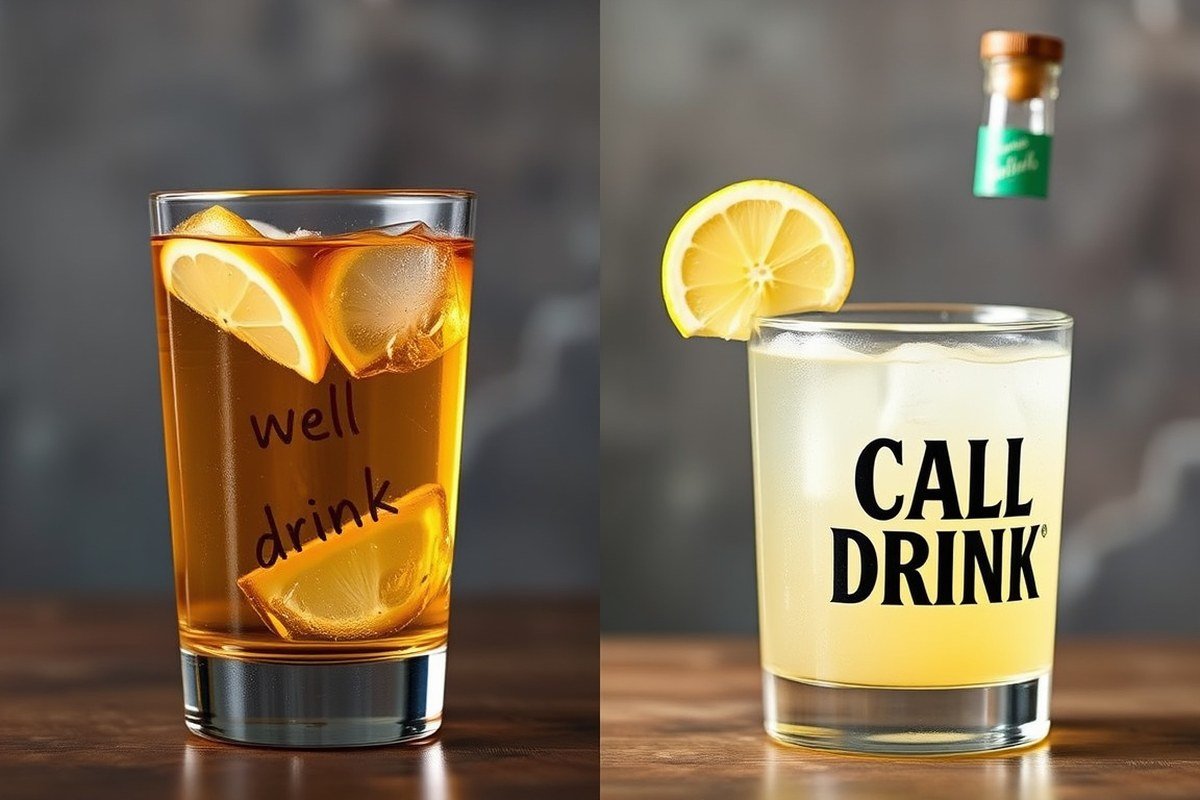
Call drinks differ from well drinks mainly by the brand of liquor used and how you order them. Well drinks use the bar’s standard, usually lower-cost liquors from the “well” or speed rack. When you order a well drink, you don’t specify a brand; you simply say something like “rum and cola.” The bartender uses the house rum for you, which is quick to pour and costs less. Call drinks require you to name the brand of liquor you want, such as “Bacardi and cola.” This makes preparation a bit more deliberate because the bartender grabs the exact bottle you requested.
Ordering a specific brand for your call drink means the bartender identifies and selects that bottle, ensuring your drink matches your taste preferences. Accuracy here prevents mix-ups and makes sure you get exactly what you want. While well drinks get served quickly, often in under a minute, call drinks might take a little longer, depending on how busy the bar is and the availability of the requested brand.
The price difference between call and well drinks reflects the liquor cost and how the bar sets its pricing. Well drinks typically have a low food cost around 5%, making them very profitable for bars, so they’re priced lower. Call drinks use better-known or higher-quality brands, which raises the cost. Because pricing varies by venue and liquor brand, asking the bartender about what qualifies as a call brand or drink special is a good idea.
| Aspect | Well Drink | Call Drink |
|---|---|---|
| Brand of Liquor | Standard house liquor from well | Specific brand requested by customer |
| Ordering Style | No brand named (e.g., “vodka soda”) | Brand named (e.g., “Grey Goose and soda”) |
| Preparation Time | Quick, about 1 minute | May take longer due to brand selection |
| Pricing | Lower price, higher profit margin (about 5% food cost) | Higher price, varies by brand and venue |
| Customer Preference | Good for budget-conscious or unspecified brand preference | Ideal for customers with specific brand preference |
| Examples | Well rum, well gin, well vodka | Bacardi rum, Tanqueray gin, Grey Goose vodka |
Tip: Always tell the bartender your preferred brand if you want a call drink to avoid confusion and ensure you get exactly what you ordered.
The key difference lies in control and price. Call drinks give you control by letting you call out the brand, so you get your favorite taste every time. Well drinks sacrifice choice for speed and cost savings. The bartender’s role changes by focusing on speed and volume with well drinks, but accuracy and brand knowledge with call drinks. Because call drinks cost more, they usually sit higher on the menu, while well drinks serve as affordable staples for busy nights. Knowing these differences helps you decide which option fits your mood, budget, and taste on any bar visit.
Common Brands and Liquors Used in Call Drinks
Call drinks usually involve mid-range liquor brands known for consistent quality and reasonable pricing. Typical bar menus list specific brands for vodka, gin, whiskey, rum, and tequila that customers can request by name. These brands are not the cheapest well liquors but also not the ultra-premium options, offering a balance of better taste and fair cost.
Vodka and Gin Call Brands
For vodkas, common call brands include Absolut, Smirnoff, Tito’s, and sometimes Stolichnaya. These vodkas fall into the mid-range price tier and deliver smoother, cleaner mixes than the basic well options. Bars use these brands to give drinkers a more refined flavor without charging premium prices like Grey Goose or Belvedere, which are considered premium or super-premium.
Gin call brands often feature Tanqueray, Bombay Sapphire, or Beefeater. These gins are popular for classic cocktails like the Gin and Tonic or martinis, where the distinct botanical flavors matter. Tanqueray and Bombay Sapphire are usually rated as mid-tier brands, offering higher quality than the well gin but less than luxury options such as Hendrick’s or Monkey 47.
Whiskey and Bourbon Call Brands
Whiskey call drinks typically involve brands like Jameson, Jack Daniel’s, and Maker’s Mark. These whiskeys appeal to a broad audience and represent the middle shelf in terms of price and taste. A standard serving is about 1.5 ounces of 40% ABV whiskey, which gives the bartender a consistent base to create mixed drinks like the Whiskey and Coke or Old Fashioned.
Bourbon brands such as Buffalo Trace and Woodford Reserve often appear as call brands in many bars due to their quality and approachable price points. They’re not the cheapest well bourbons but also cost less than premium single malts or specialty blends. Choosing these brands usually raises the drink’s price slightly but delivers noticeable improvement in flavor.
Rum and Tequila Call Brands
Mid-tier rum brands commonly used in call drinks include Bacardi, Captain Morgan, and Mount Gay. These rums cover a range of styles from light to spiced and deliver solid flavor for classics like Rum and Coke or Mojitos. Bars rely on these recognizable names to satisfy drinkers who want quality without paying the high prices of premium aged rums.
Tequila call brands usually consist of Jose Cuervo, Patron, and Sauza. Jose Cuervo often serves as the standard middle-range option, suitable for margaritas and other tequila cocktails. Patron moves toward the premium tier, so ordering a Patron call drink costs more but offers a smoother, more refined taste. Sauza strikes a middle ground and is sometimes used to bridge well and premium tequila pricing.
When Should You Order a Call Drink Instead of a Well Drink?
You should order a call drink when you want a specific brand of liquor or a higher-quality cocktail experience, especially if you care about taste or presentation. Call drinks generally cost more but offer better control over the spirit used and can improve your enjoyment, particularly with classic cocktails or neat pours. On the other hand, well drinks work fine for casual or budget-conscious situations where brand doesn’t matter as much.
Occasions Favoring Call Drinks
Special occasions like birthdays, date nights, or celebrations are good times to order a call drink. These moments call for a drink that tastes refined and matches the mood, so specifying a premium brand can improve the experience. For example, ordering a “Tanqueray and tonic” instead of just a gin and tonic ensures you’re getting a specific, higher-end gin that suits your taste.
Another scenario is a cocktail designed around a particular liquor’s flavor profile. Classic cocktails such as a mojito with Bacardi or a daiquiri with a well-known rum benefit from a call drink because the spirit quality directly affects the final taste. For cocktails served neat or on the rocks, call drinks are preferable to ensure the spirit is enjoyable without mixers masking it.
Customer Preferences and Taste
Choosing a call drink makes sense if you have strong preferences for a specific brand or type of liquor. Many people recognize that different brands vary in flavor and quality. If you know you prefer Bombay Sapphire over the house gin, calling it out delivers a drink that matches your expectation. This is especially true for cocktails where the liquor plays a starring role rather than being overshadowed by mixers.
Some customers find well drinks less satisfying because the house liquors are often lower cost and may lack the smoothness or distinct taste of call spirits. Investing a few extra dollars in a call drink usually results in better flavor and a more consistent drinking experience. Ordering call drinks also makes sense when you want to avoid the guesswork of what you’ll get with a well pour, which can vary by bar.
Cost and Budget Considerations
Call drinks tend to be more expensive than well drinks, often costing several dollars more due to the use of premium brands. For example, a call cocktail might run $10 to $12, while a well drink might be closer to $6 or $7. You should weigh the extra cost against how much you value the taste and experience. At a casual happy hour, sticking with well drinks can save money, especially if paired with discounted food.
Ordering a call drink is worth the extra cost if you’re celebrating, want consistent quality, or prefer a drink where the spirit stands out. That said, a call drink that’s prepared carelessly might not taste better than a well drink crafted with attention. A good rule is to choose call drinks when the brand matters to you or when you want to ensure the cocktail matches your expectations, but choose well drinks for casual, budget-friendly options where brand loyalty is less important.
How to Properly Order a Call Drink at the Bar
Ordering a call drink means asking for a specific brand of liquor in your cocktail. This lets the bartender know exactly what bottle to use, usually one from the back bar instead of the well. Naming your preferred brand prevents confusion and guarantees you get the taste you want, although this might cost more than a well drink.
Step 1: Specify the Drink Type
Start by telling the bartender what kind of drink you want. This can be the cocktail name or the type of spirit and mixer. For example, say “rum and cola” if you want a basic mix, or “negroni” if you know the cocktail recipe. This helps the bartender understand what you expect before you mention the brand.
Be clear when you name the drink. Saying “vodka soda” sets the base for your order, which you’ll specify next with a brand. When you don’t state the brand, the bartender will assume you want a well drink, made with the bar’s standard liquor.
Step 2: Name the Brand Clearly
After stating your drink, say the brand you prefer. For instance, order “Grey Goose and tonic” instead of just “vodka and tonic.” This tells the bartender to grab the Grey Goose bottle, which is usually kept on the back bar with higher-end spirits.
Use the exact brand name so there’s no guesswork. For example, order “Bacardi rum and cola” or “Tanqueray gin and tonic.” This avoids confusion and ensures you get what you want, although prices for call drinks tend to be higher than those for well drinks.
Step 3: Confirm with the Bartender
Once you’ve named the drink and brand, look for confirmation from the bartender before they start mixing. You can say “Does that work?” or “Is that available?” to check if that brand is in stock. When it isn’t, you can decide to have the well version or choose another brand.
This step helps avoid mistakes or misunderstandings. Confirming your order makes the process smoother and clarifies any pricing differences upfront, as call drinks often cost more than well drinks.
- State the type of drink you want, like a cocktail name or spirit and mixer.
- Specify the brand clearly by saying the liquor’s name, for example “Jack Daniel’s” or “Grey Goose.”
- Ask if the brand is available before finalizing your order.
- Decide if you want to stick with the call drink or switch to the well brand.
- Confirm your final order so the bartender knows exactly what to prepare.
Ordering a call drink without naming a brand usually results in a well drink, which is cheaper but may not taste the way you expect. Always say the brand to avoid surprises.
Popular Call Drinks and Their Typical Recipes
Popular call drinks include well-known combinations where you specifically request a brand-name liquor rather than the bar’s standard or well liquor. For example, a “Jack and Coke” uses 2 ounces of Jack Daniel’s whiskey poured over ice in a highball glass, topped with cola, and often garnished with a lime wedge. Ordering this as a call drink ensures your bartender uses Jack Daniel’s instead of a generic whiskey, which changes the flavor and price.
An example from the rum category is “Bacardi and Coke,” featuring 2 ounces of Bacardi rum and cola. Both of these drinks are similar in recipe to their well drink counterparts but differ mainly in the liquor brand. Well drinks might use a less recognizable rum or whiskey, often less expensive, which can affect taste especially if the drink is mostly liquor with fewer mixers.
Drinks like mojitos and Moscow mules can be call drinks too, depending on the brand of liquor you call for. A standard mojito recipe includes 2 ounces of rum (often Bacardi if called), fresh lime juice, 2 teaspoons of sugar, mint leaves, and club soda. As a call drink, you would specify Bacardi or another brand of rum. The bartender muddles the lime, sugar, and mint, adds the rum, fills the glass with ice, and tops it off with club soda. For a Moscow mule, the key spirit is vodka, usually 2 ounces, combined with 4 to 6 ounces of ginger beer and a 1/2 ounce lime juice, served in a copper mug over ice. Calling for a specific vodka brand like Tito’s instead of the well vodka influences the drink’s smoothness and price.
Recipes do not typically change when you order a call drink, but the ingredients’ quality does. You still use the same measurements, mixers, and garnishes, only the alcohol brand is specified. This distinction matters because named brands often have distinctive flavor profiles and smoother finishes, which can be noticeable even in mixed drinks. For instance, a Bacardi rum will taste lighter and smoother than a generic well rum in a mojito.
Costs rise with call drinks since branded liquors usually retail for more. Knowing that Jack and Coke or Bacardi and Coke will cost more than the well versions helps you avoid surprises when the bill arrives. The bartender prepares the drink the same way but uses the specific bottle you asked for, which they may keep behind the bar rather than the easily accessible well spirits stored near the sinks and mixers.
In summary, call drinks like Jack and Coke, Bacardi and Coke, mojitos, and Moscow mules become call drinks when you name the liquor brand. Drink recipes stay consistent, but quality, taste, and cost increase. Ordering a call drink guarantees you get the specific liquor you want, which shapes your overall drinking experience, especially with classic cocktails and simple mixed drinks.
Cost, Pricing, and Profit Margins of Call Drinks
Call drinks typically cost more than well drinks, with price differences ranging from about 25% to 100% higher depending on the establishment and the liquor brand used. Well drinks serve as the most affordable option, made with lower-cost “well” spirits selected by the bar, while call drinks feature specific brands you request. Bars often scale call drink prices in tiers, charging more for premium brands or specialty liquors.
Several factors influence call drink pricing. The cost of the liquor brand is the primary driver; popular or premium brands carry higher wholesale prices, which push up the retail price. Other factors include the bartender’s pour size, state taxes on alcohol, local competition, and whether the venue offers happy hour specials. Because well drinks rely on inexpensive base liquors, their cost tends to stay low, which keeps them highly profitable for bars.
| Drink Type | Typical Price Range | Food Cost Percentage | Profit Margin |
|---|---|---|---|
| Well Drinks | $4.00, $6.00 | 5% | High |
| Call Drinks (Standard Brands) | $6.00, $9.00 | 10, 15% | Moderate |
| Premium Call Drinks | $9.00, $15.00+ | 15, 20% | Lower |
Bars aim for a food cost percentage on call drinks between 10% and 20%, compared to about 5% for well drinks. Maintaining a low food cost percentage means most call drinks still offer decent profit margins, especially when poured in standard sizes without excessive waste. In practice, bars maximize their profits on well drinks because the lower cost of spirits and simple ingredient requirements translate into higher margins.
To manage pricing effectively, bars may advertise happy hour specials with reduced pricing on well drinks but not on call drinks, encouraging volume for high-margin beverages. If you want to order a call drink but keep costs down, choosing from the lower-tier call brands or asking about specials can help. Keep in mind that premium call drinks with rare or imported liquors carry the highest price and the lowest profit margin for the bar, so you’ll pay more to enjoy those options.
Common Mistakes When Ordering Call Drinks and How to Avoid Them
Ordering call drinks can be confusing, and common mistakes often lead to getting a well drink instead. One usual error is not clearly specifying the liquor or brand. Saying just “vodka soda” might result in a cheaper well vodka being poured. To avoid this, always name the exact brand first, like “Tito’s vodka soda.”
Miscommunication also comes from speaking too quickly or mumbling. Bartenders work fast, especially during busy hours, so clarity matters. Take a moment to speak clearly and confirm your order if necessary. When you want a drink served on the rocks, neat, or mixed in a particular way, clearly state your preference instead of expecting the bartender to guess.
Another frequent mistake is not knowing the difference between call and well drinks and accidentally ordering a well drink when expecting a call. For example, saying “gin and tonic” without specifying a call brand usually defaults to the well gin. This usually saves you money but won’t deliver the flavor or experience you want.
Proper etiquette also affects your experience. Avoid ordering during peak rush times unless you’re ready to be patient and repeat your request if needed. Hand the bartender cash or your card politely after ordering, and say “thank you” to encourage good service.
- Always name the liquor brand first to specify a call drink.
- Speak slowly and clearly, especially in noisy bars.
- Specify how you want your drink served (neat, on the rocks, mixed).
- Avoid ordering call drinks at busy times without patience.
- Be polite and patient when paying and tipping your bartender.
- When uncertain, politely ask the bartender which call brands are available.
- Check your drink before taking a sip to avoid confusion or mistakes.
Always double-check your order with the bartender before they start mixing to ensure you get exactly what you want.
Certain situations call for extra care. In crowded bars, noise or haste can cause errors, so a friendly checkback during making the drink helps. When ordering call drinks of higher price, like top-shelf whiskey, confirming the brand upfront matters to prevent being charged for a premium but delivered a well pour.
Ordering call drinks may cost between $1 and $3 more than well drinks, depending on the brand and bar location. This makes precision important, so you don’t pay extra for the wrong pour. Careful ordering ensures good taste, value, and satisfaction during your visit.
Your First Steps: How to Order and Enjoy Call Drinks
Follow this simple plan to order call drinks confidently and enjoy your choice without surprises.
- Before You Go: Check the bar’s menu or ask about their call liquor brands. This helps you pick a drink that matches your taste and budget.
- Arriving at the Bar: Start with a clear call drink order by naming the brand and type of liquor you want, such as “Tanqueray gin and tonic.” You’ll see a difference in quality and taste right away.
- During Your Order: Pay attention to the bartender’s response. If they confirm your choice, your drink is a call drink; if they suggest a well brand, clarify your preference again.
- After Receiving Your Drink: Taste your drink carefully. The distinct flavor should reflect the quality of your call liquor, which usually tastes cleaner and smoother than a well drink.
- After 1, 2 Visits: Notice the pricing difference and decide if the extra cost fits your enjoyment level. You can adjust your orders based on taste and budget preferences.
Frequently Asked Questions
What Does “Call Drink” Mean?
A call drink is an alcoholic beverage where you specify the brand of liquor you want in your drink. Bartenders use the customer’s chosen brand instead of the bar’s default well liquor.
What’s a Call Drink Bjs?
At bars like BJ’s, a call drink means you ask for a specific liquor brand rather than the standard well brand. It’s the same concept applied at their bars and restaurants.
What Is the Difference Between a Well Drink and a Call Drink?
A well drink uses the bar’s default, cheaper liquors when you don’t specify a brand, while a call drink includes a requested, often higher-quality brand. This typically increases the drink’s price and quality.
What Is the #1 Unhealthiest Drink?
The unhealthiest drinks often have high sugar and calorie content, like sugary cocktails or creamy liqueur mixes. Call or well brands don’t change this since mixers usually add the most sugar.
When Should You Order a Call Drink Instead of a Well Drink?
Order a call drink if you want a specific liquor brand in your cocktail or prefer higher quality over potential savings. It’s common in spirit-forward cocktails or premium mixed drinks.
Does Ordering a Call Drink Always Cost More Than a Well Drink?
Call drinks usually cost more because they use premium brands, but prices vary by bar and drink specials may affect the cost. Some bars offer call drink specials on select brands.
Final Thoughts
Choosing a call drink lets you control the brands and quality in your glass, making your bar experience more personal and enjoyable. Next time you’re at a bar, confidently name the brand you want and enjoy a drink tailored to your taste. This simple step changes how you experience cocktails and spirits.

2 Comments