What Temperature to Serve Red Wine for the Best Taste Experience
The ideal temperature to serve red wine varies depending on the type, but generally falls between 55°F and 65°F, cooler than typical room temperature. Serving red wine at this temperature range helps preserve its aroma, balance tannins, and highlight the nuanced flavors intended by the winemaker.
Wines served too warm can taste flat or overly alcoholic, while wines served too cold may mask their complex notes, making the drinking experience less enjoyable. For instance, lighter reds such as Pinot Noir benefit from the lower end of the temperature spectrum, whereas fuller-bodied reds like Cabernet Sauvignon can be served slightly warmer to unlock their depth.
This article will explore the best serving temperatures for different red wine varieties, how to adjust wine temperature properly, and the effects of temperature on wine tasting. Understanding this will allow wine lovers to appreciate their bottles at their best.
Understanding Red Wine Serving Temperature
Why Temperature Matters for Red Wine
Serving red wine at the right temperature impacts its aroma, flavor, and mouthfeel. Warmer temperatures amplify alcohol perception, which can overshadow subtle fruit and spice characteristics. Cooler temperatures help control tannins, making the wine feel smoother.
Temperature influences the chemical reactions in wine. At ideal serving temperatures, volatile aroma compounds are released just enough to engage the senses without being overwhelmed. This balance enhances the overall wine tasting experience.
Common Mistakes with Serving Temperature
Many people pour red wine directly from room temperature, which often exceeds 70°F, too warm for most varieties. This leads to a dull, heavy sensation and diminishes the wine's finesse.
Conversely, chilling red wine excessively, like putting it in the fridge and serving under 50°F, can mute flavors and create an unpleasant sharpness. Finding the middle ground with slight chilling or brief warming is key.
- Serving at room temperature is often too warm.
- Over-chilling masks wine complexity.
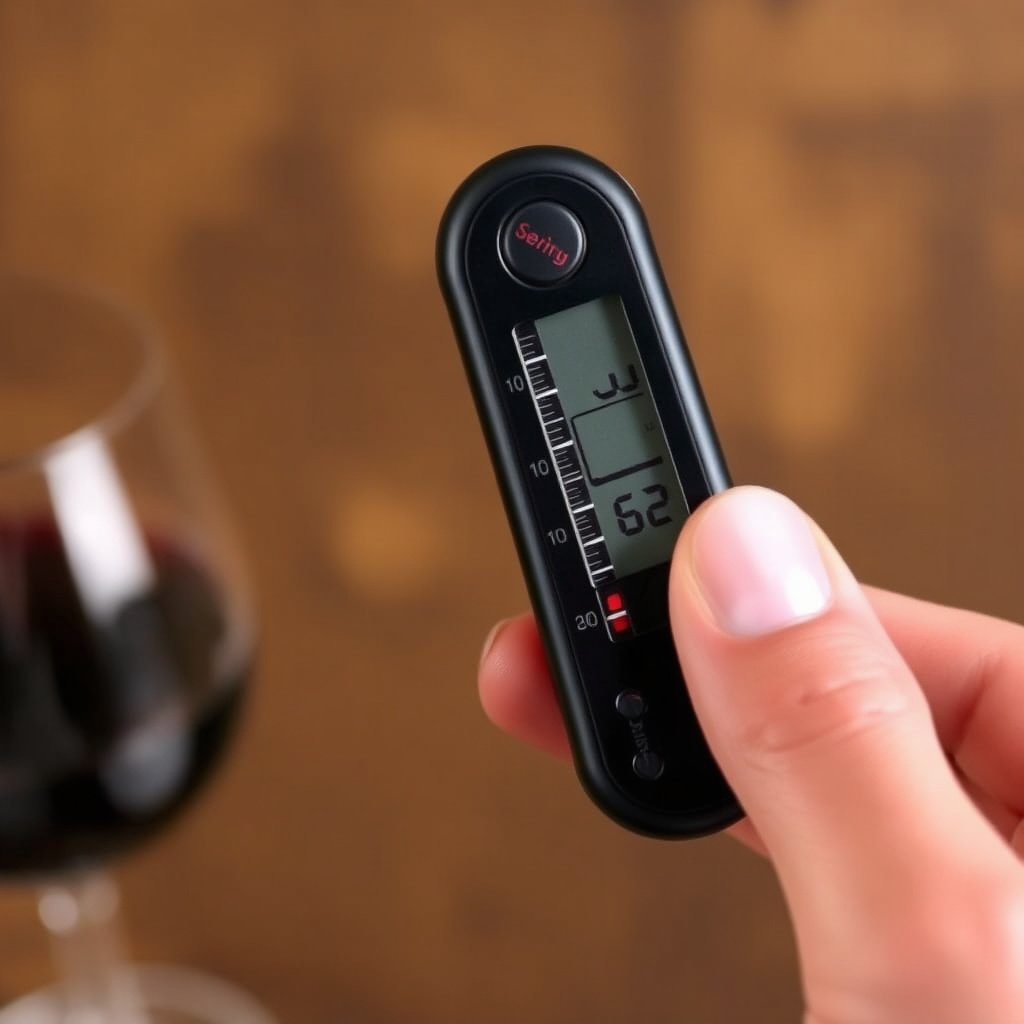
- Use a thermometer or cool for 10-20 minutes if needed.
Best Serving Temperatures for Different Red Wines
Light-Bodied Reds
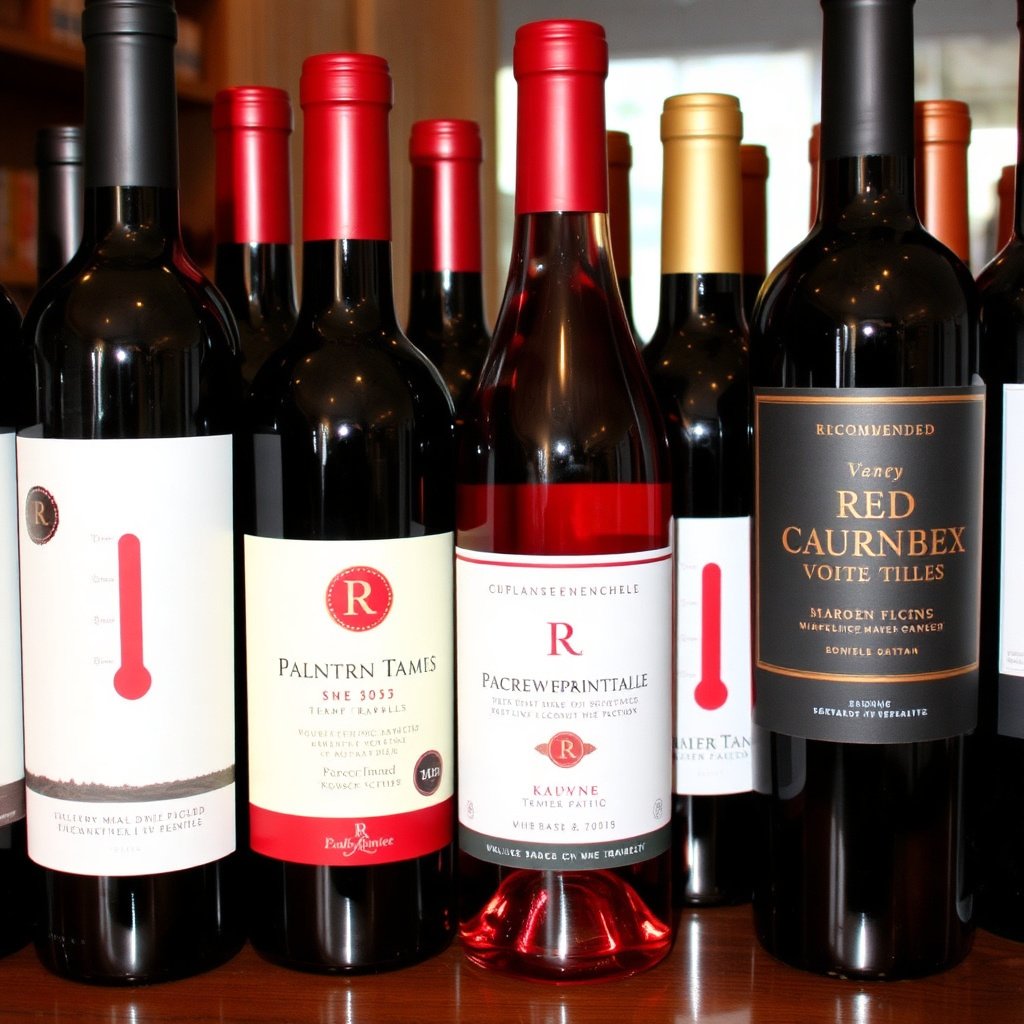
Light-bodied red wines like Pinot Noir or Gamay are best served at cooler temperatures, roughly between 55°F and 60°F. This temperature range emphasizes their bright acidity and delicate red fruit flavors without dulling the palate.
Serving them too warm softens their crispness, making the wine seem flabby. Conversely, a slight chill enhances their refreshing qualities and subtle aroma notes.
- Pinot Noir: 55-60°F
- Gamay: 55-60°F
Medium to Full-Bodied Reds
Wines such as Merlot, Syrah, and Cabernet Sauvignon show their best between 60°F and 65°F. This helps balance the structure of tannins and fruit concentration, highlighting complex flavors like dark berries, leather, and spice.
Overly warm servings increase alcohol perception, which can mask these flavors. Slight chill can also freshen the palate on warmer days.
- Merlot: 60-65°F
- Cabernet Sauvignon: 60-65°F
- Syrah: 60-65°F
Techniques to Achieve the Ideal Red Wine Temperature
Chilling Methods Before Serving
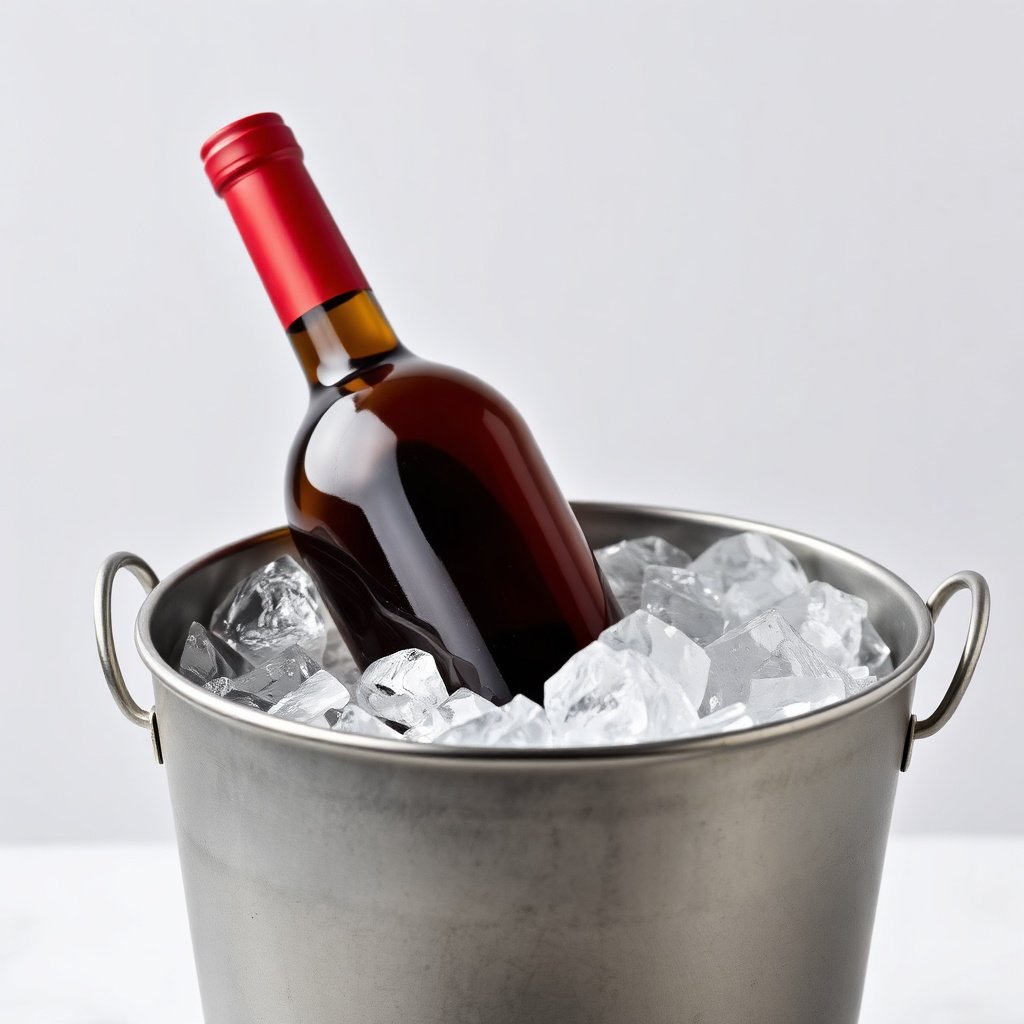
If red wine is stored at room temperature, chilling in a refrigerator for 15-30 minutes can bring it closer to the optimal serving range. Using an ice bucket with water and ice for 5-10 minutes offers faster cooling without risking overchilling.
Allowing the bottle to warm up naturally after removal from the fridge helps reach the precise temperature, especially when serving lighter reds that require cooler conditions.
- Use refrigerator chilling for gradual cooling.
- Ice bucket speeds the process.
- Avoid leaving wine in ice too long to prevent overly cold serving.
For more on this, see our related guide: What Is the Best Wine with Seafood: A Complete Guide for Perfect Pairings.
Warming Techniques for Too-Cold Wine
Red wine taken straight from the fridge may need warming to approach the optimal temperature. Leaving the bottle at room temperature for 10-20 minutes is often sufficient. Alternatively, swirling the wine in the glass warms it slightly through body heat.
Heating wine over excessive warmth risks damaging its structure. Use gentle methods such as holding it in your hands rather than applying direct heat.
- Room temperature resting for 15-20 minutes.
- Swirling wine in the glass.
- Avoid microwave or hot water.
Temperature's Effects on Red Wine Aromas and Flavors
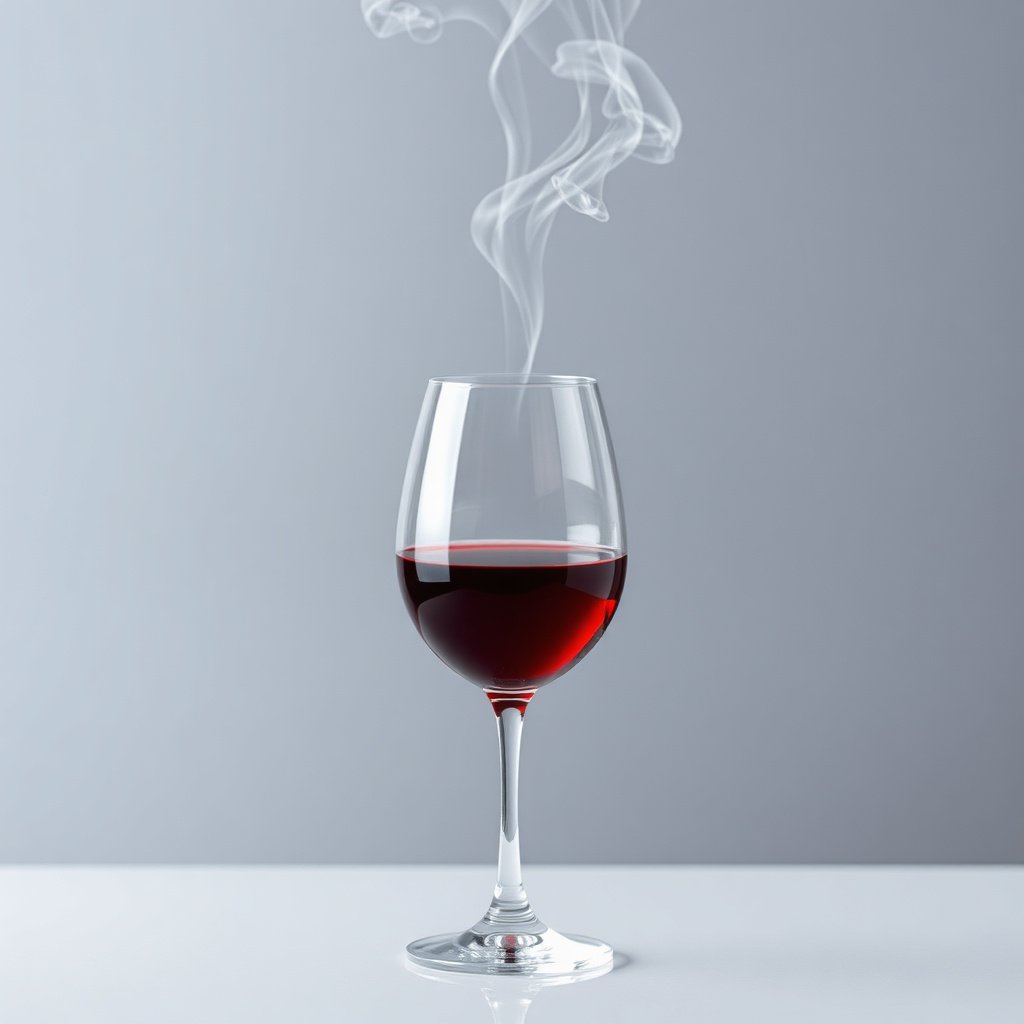
Impact on Aroma Release
At optimal serving temperatures, red wines release a balanced bouquet. Cooler temperatures preserve subtle floral and fruity notes in lighter reds, whereas warmer temperatures help fuller reds express bold aromas like tobacco and earthy hints.
Too warm, volatile compounds can dissipate too quickly, resulting in a diminished nose; too cold stifles aroma release.
Flavor Profile Adjustments
Serving temperature affects perceived acidity, sweetness, and tannic structure. Cooler red wines tend to taste more acidic and refreshing, while warmer presentations bring out richness and roundness.
Adjusting the serving temperature can balance these elements, creating a more harmonious sipping experience tailored to the specific wine style.
Using Glassware and Storage to Support Proper Serving Temperature
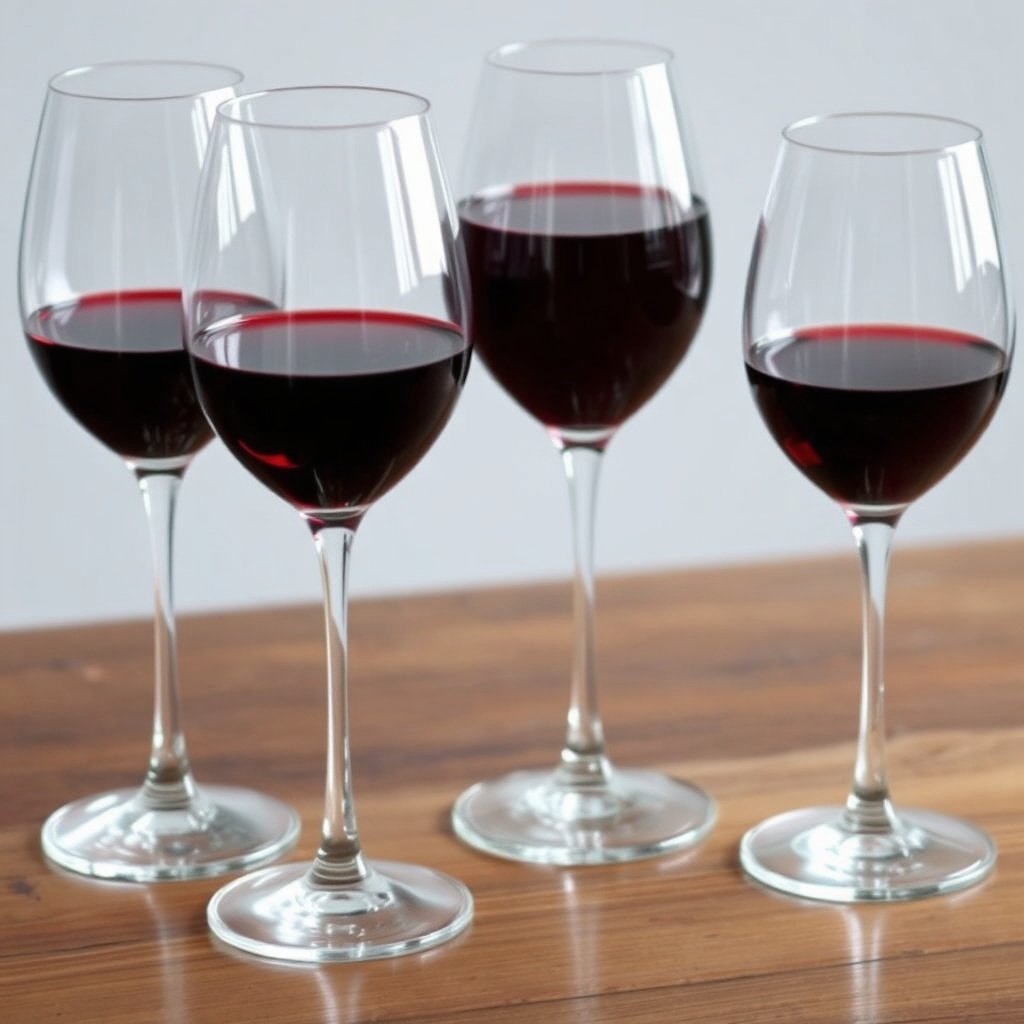
Glassware's Role in Temperature Perception
The shape and thickness of wine glasses affect how wine warms in the glass, which changes taste perception. Thin, large-bowled glasses allow the wine to aerate and warm slightly, enhancing flavor release for fuller-bodied reds.
Smaller glasses keep chilled wines cooler longer, making them ideal for light-bodied reds served cooler.
For more on this, see our related guide: What Is Seafood Alfredo? A Complete Guide with Tips and Variations.
Storage Effects on Serving Temperature
Keeping red wine in a proper wine fridge with controlled temperature around 55°F helps maintain the ideal serving temperature before pouring. Standard room temperature varies widely, often too warm for red wine storage.
Proper storage minimizes the need for chilling or warming immediately before serving.
Myths and Facts About Serving Red Wine Temperature
Common Myths Regarding Red Wine Temperature
A common myth is that all red wines should be served at room temperature. This ignores the fact that modern room temperature tends to be too warm, negatively impacting the wine’s balance.
Another myth suggests red wine improves if warmed significantly, but too much heat can kill delicate flavors and spoil the drinking experience.
For more detailed information on serving temperature guidelines, you can refer to the Wikipedia article on the serving temperature of wine. serving temperature of wine.
Facts That Really Affect Flavor
The real factors influencing flavor are wine type, tannin structure, and acidity, each having its own ideal serving temperature. Adjusting wine temperature to match these characteristics enhances flavor clarity and enjoyment.
Allowing wine to breathe or decant can complement serving temperature, improving texture and aroma.
Comparison of Red Wine Types by Ideal Serving Temperature
This table compares common red wine categories, their typical body styles, and recommended serving temperatures for the best taste experience.
| Wine Type | Body | Ideal Serving Temperature | Typical Flavor Notes |
|---|---|---|---|
| Pinot Noir | Light | 55-60°F | Red fruits, floral, earthy |
| Gamay | Light | 55-60°F | Bright cherry, raspberry |
| Merlot | Medium | 60-65°F | Plum, chocolate, soft tannins |
| Cabernet Sauvignon | Full | 60-65°F | Blackcurrant, oak, robust tannins |
| Syrah/Shiraz | Full | 60-65°F | Spicy, blackberry, peppery |
Frequently Asked Questions
Can I serve red wine straight from the fridge?
Serving red wine directly from the fridge is often too cold, especially for full-bodied reds. It's best to let the wine warm slightly for 10-20 minutes to reach the ideal serving temperature and reveal its flavors.
Is it okay to serve red wine at room temperature?
Modern room temperature often exceeds the ideal for red wine, making it too warm and dulling flavors. Slightly cooling the wine improves balance and taste.
How can I quickly chill a red wine bottle?
Placing the wine bottle in an ice water bath for 5-10 minutes is an effective way to chill it quickly without overcooling.
Does glassware affect the serving temperature of red wine?
Yes. Thin-walled glasses can promote faster warming of the wine, while smaller glasses help keep cooler wines chilled longer, affecting the tasting experience.
What happens if red wine is served too warm?
Red wine served too warm can taste overly alcoholic and lose its delicate fruit and aroma notes, producing a heavy or dull palate sensation.
Key Takeaways
- Red wine is best served between 55°F and 65°F depending on the type.
- Lighter reds prefer cooler temperatures around 55-60°F.
- Fuller-bodied reds benefit from slightly warmer ranges near 60-65°F.
- Proper chilling or warming steps enhance wine flavor and aroma.
Conclusion
Choosing the right temperature to serve red wine is a straightforward but impactful way to elevate your wine experience. Understanding that red wine should be served cooler than typical room temperature allows the delicate balance of fruit, tannins, and aromas to shine through. This involves recognizing the differences in serving temperatures among styles, from light-bodied Pinot Noir to robust Cabernet Sauvignon, and making adjustments accordingly with simple chilling or warming techniques.
For wine enthusiasts who enjoy lighter wines with vibrant acidity, cooling them to about 55-60°F is ideal as it preserves fresh fruit and floral notes. In contrast, medium to full-bodied reds need slightly warmer conditions around 60-65°F to soften tannins and reveal complex flavors. Utilizing tools like wine refrigerators or ice buckets can help maintain or reach these temperatures. Additionally, selecting suitable glassware can affect how temperature influences your tasting, making the right glass an important part of the overall enjoyment.
Ultimately, aiming to serve red wine within these temperature ranges—using gradual chilling or gentle warming if needed—will highlight its best qualities. For your next bottle, measure the temperature or time your chilling accordingly, and appreciate how this simple step transforms your wine from ordinary to exceptional. A calibrated approach to serving temperature makes all the difference in savoring red wine as it was meant to be enjoyed.