How Long Does Beer Last? Understanding Shelf Life and Freshness
Beer generally lasts anywhere from six months to two years depending on its type, packaging, and storage conditions. Most commercially brewed beers remain fresh and taste best within 3 to 6 months after purchase. However, some high-alcohol or specialty beers can last longer when stored properly.
Knowing how long beer lasts is important because consuming beer past its prime can result in stale flavors, loss of carbonation, and unpleasant aromas. Proper storage significantly extends beer's freshness and helps you enjoy it at its peak quality.
This article explores the factors influencing beer shelf life, how to recognize when beer has gone bad, the impact of different packaging on longevity, and practical beer storage tips that will preserve taste and prevent spoilage.
Factors That Affect How Long Beer Lasts
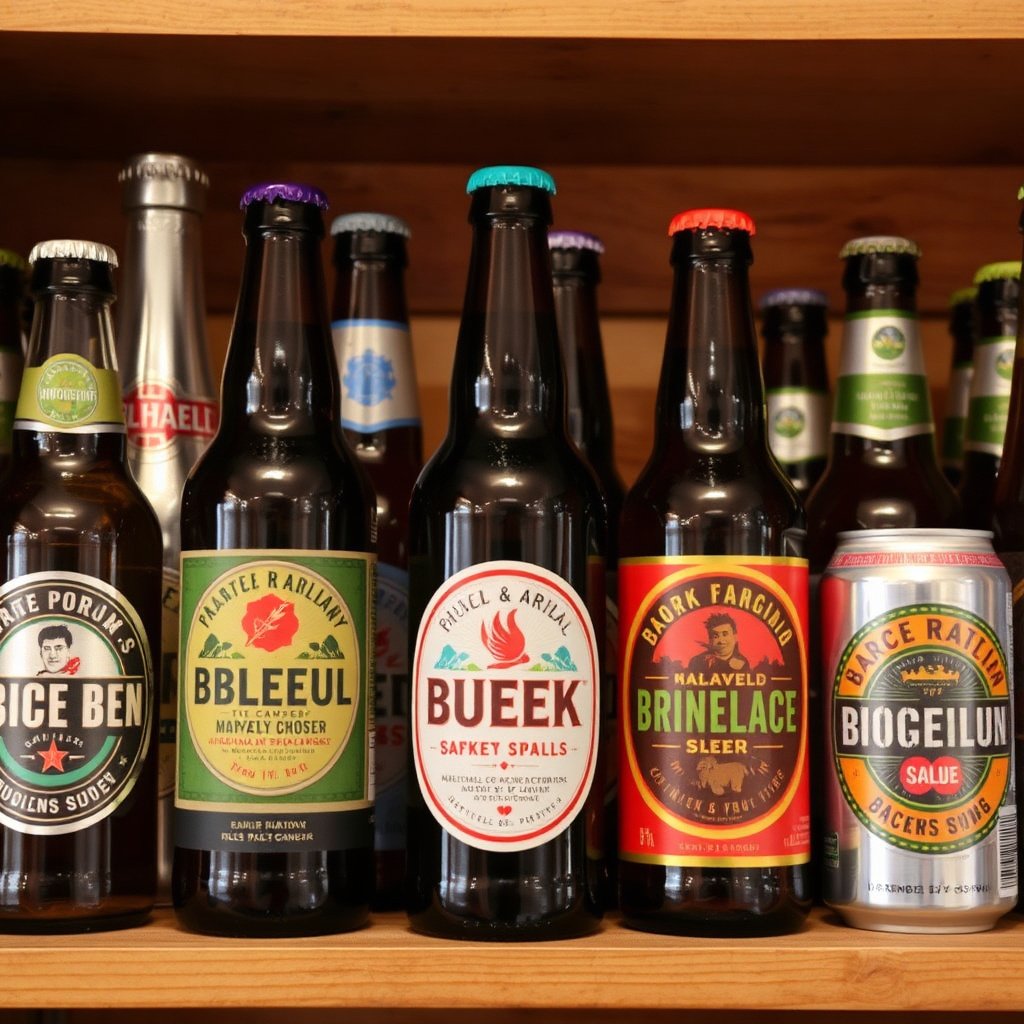
Beer Style and Alcohol Content
Beers with higher alcohol content and more robust flavors, like imperial stouts or barleywines, tend to last longer due to their preservative qualities. Conversely, lighter beers such as pilsners and wheat beers age faster and should be consumed sooner for best taste.
Hoppy beers, such as IPAs, are sensitive to oxidation and tend to lose their characteristic flavors quickly, often within a few months. Understanding the style can help predict how long your beer will keep.
Packaging and Its Impact
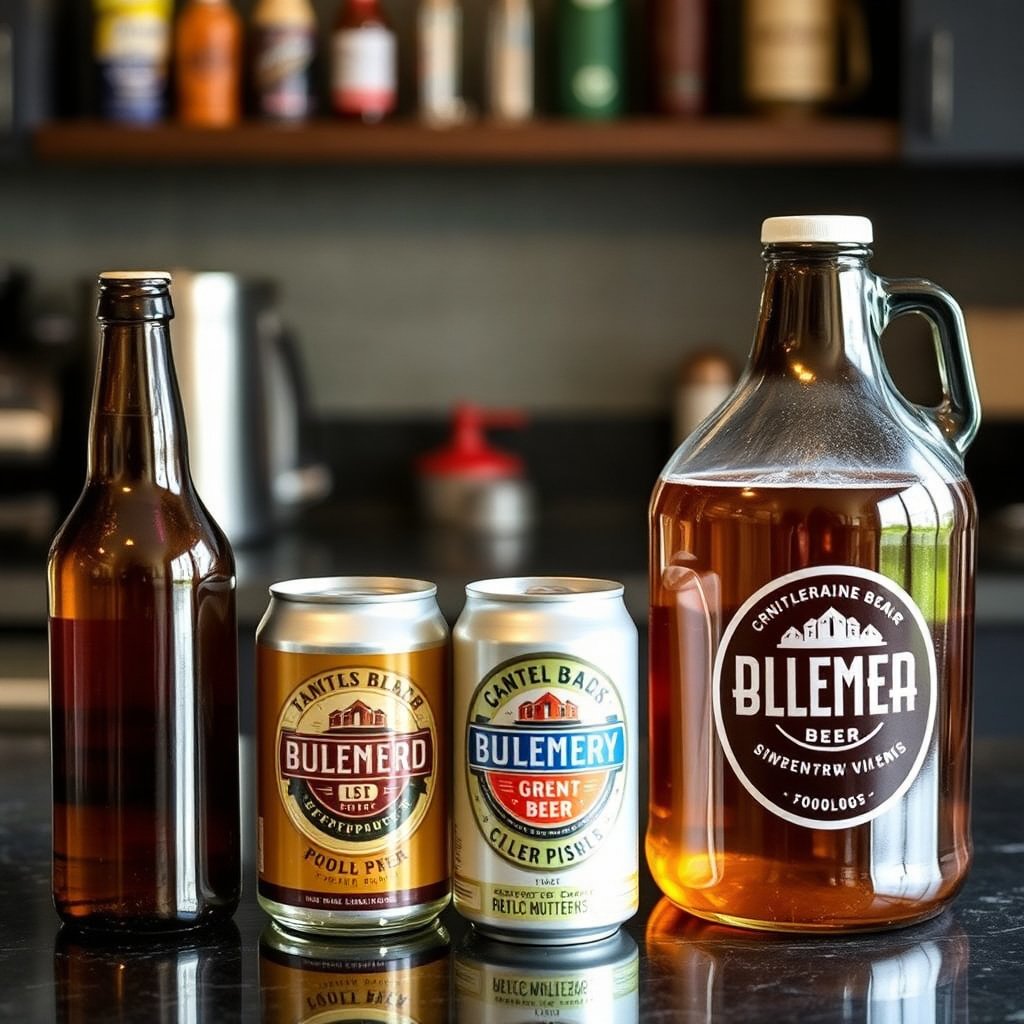
Beer packaged in cans often has better protection against light and oxygen, extending shelf life compared to bottles. Dark glass bottles help reduce harmful light exposure but may still allow more oxygen ingress than cans.
Growlers and draft beer generally have a shorter lifespan and should be consumed quickly. Vacuum-sealed or nitrogen-purged packaging can slow degradation, but once opened, beer freshness declines rapidly.
- Cans protect better from light and oxygen
- Dark bottles reduce light damage
- Growlers and drafts have shorter freshness windows
How to Store Beer to Maintain Quality
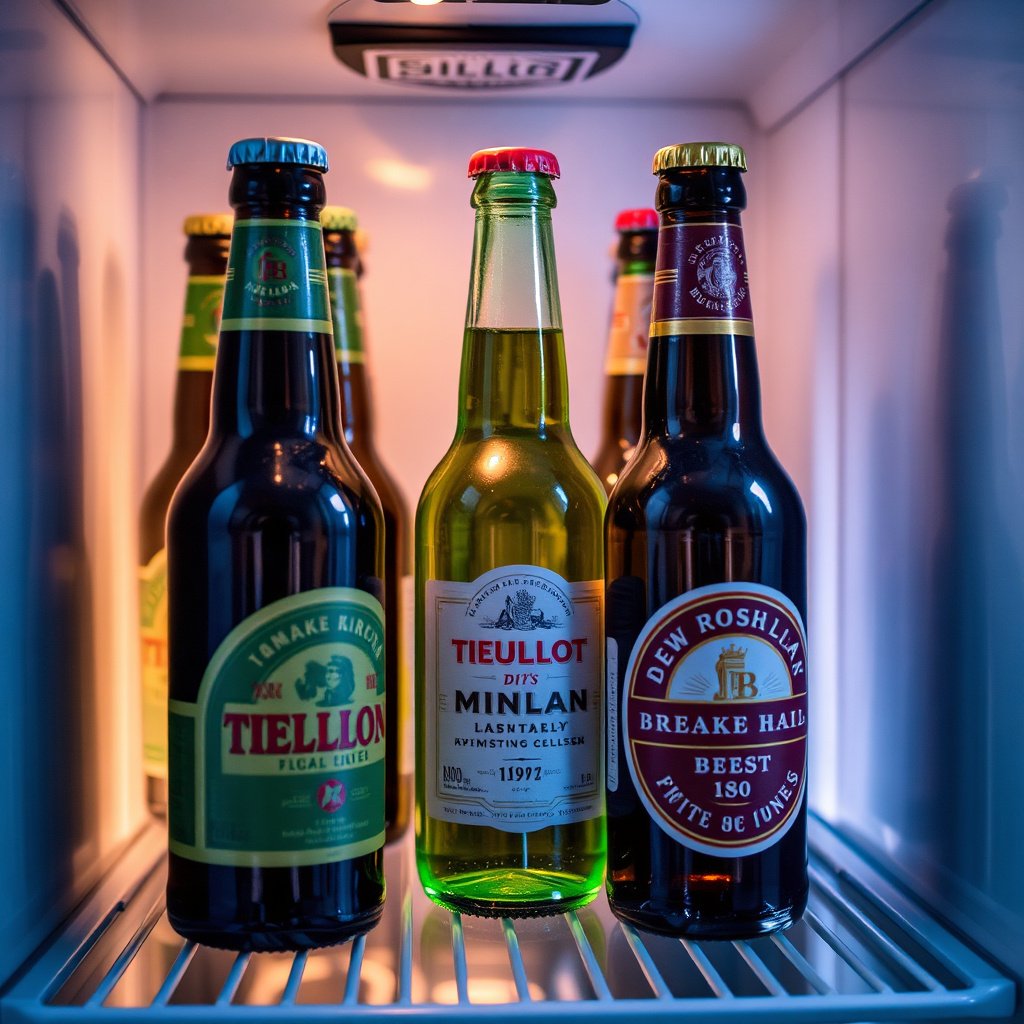
Temperature and Positioning
Storing beer at a stable, cool temperature between 45-55°F (7-13°C) slows chemical reactions that cause spoilage. Refrigeration is ideal for most beers, especially hop-forward styles that degrade quickly at warmer temperatures.
Keeping beer bottles upright helps minimize oxidation by reducing surface contact with air inside the container. It also prevents yeast sediment from mixing into the beer in bottle-conditioned styles.
- Ideal storage temperature range: 45-55°F
- Store bottles upright to limit oxygen contact
Avoiding Light and Heat
Exposure to sunlight or fluorescent light causes 'skunking' — a sulfur-like off-flavor that severely impacts beer taste. Keep beer in a dark place or in opaque packaging.
Heat accelerates oxidation and microbial activity, which deteriorate beer quickly. Avoid storing beer near heat sources or in fluctuating temperatures like garages or car trunks.
- Prevent exposure to direct light
- Keep away from heat and temperature swings
Signs Your Beer Has Gone Bad
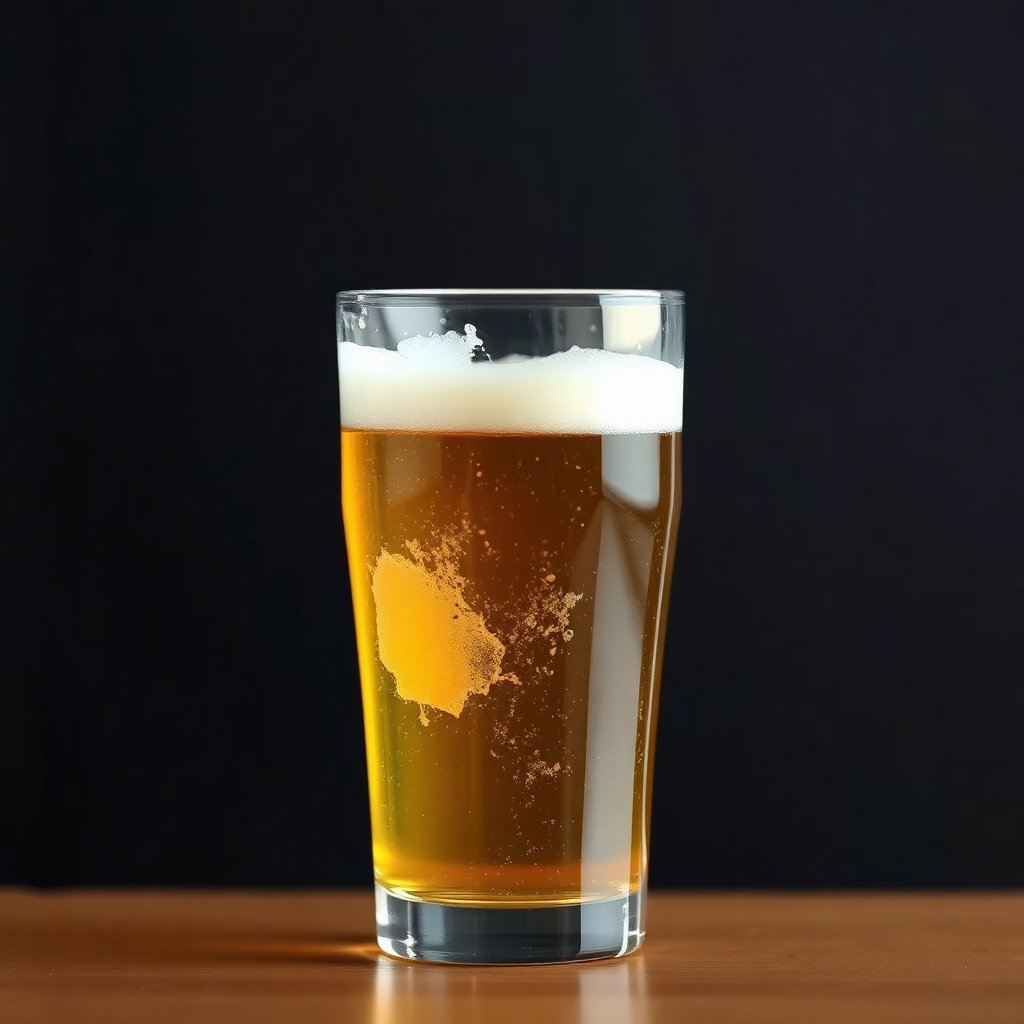
Visual and Aroma Changes
Cloudiness, sediment not typical to the style, or unusual foam in beer may indicate spoilage. A sour or musty smell suggests bacterial contamination or oxidation, signaling that the beer has passed its freshness window.
Discoloration or a dull appearance can also hint the beer is no longer good. Knowing your beer style’s normal look helps spot these signs early.
For more on this, see our related guide: How Much Does It Cost to Rent a Banquet Hall? A Complete Cost Breakdown.
Taste and Carbonation Loss
Flat beer lacking carbonation typically tastes stale and dull. Off-flavors like vinegar, cardboard, or excessive bitterness also reveal degraded quality.
If the beer tastes markedly different from the style’s typical profile or unpleasant, it is safest to discard it. Avoid consuming beer that seems spoiled to protect your palate and health.
Shelf Life of Different Beer Types
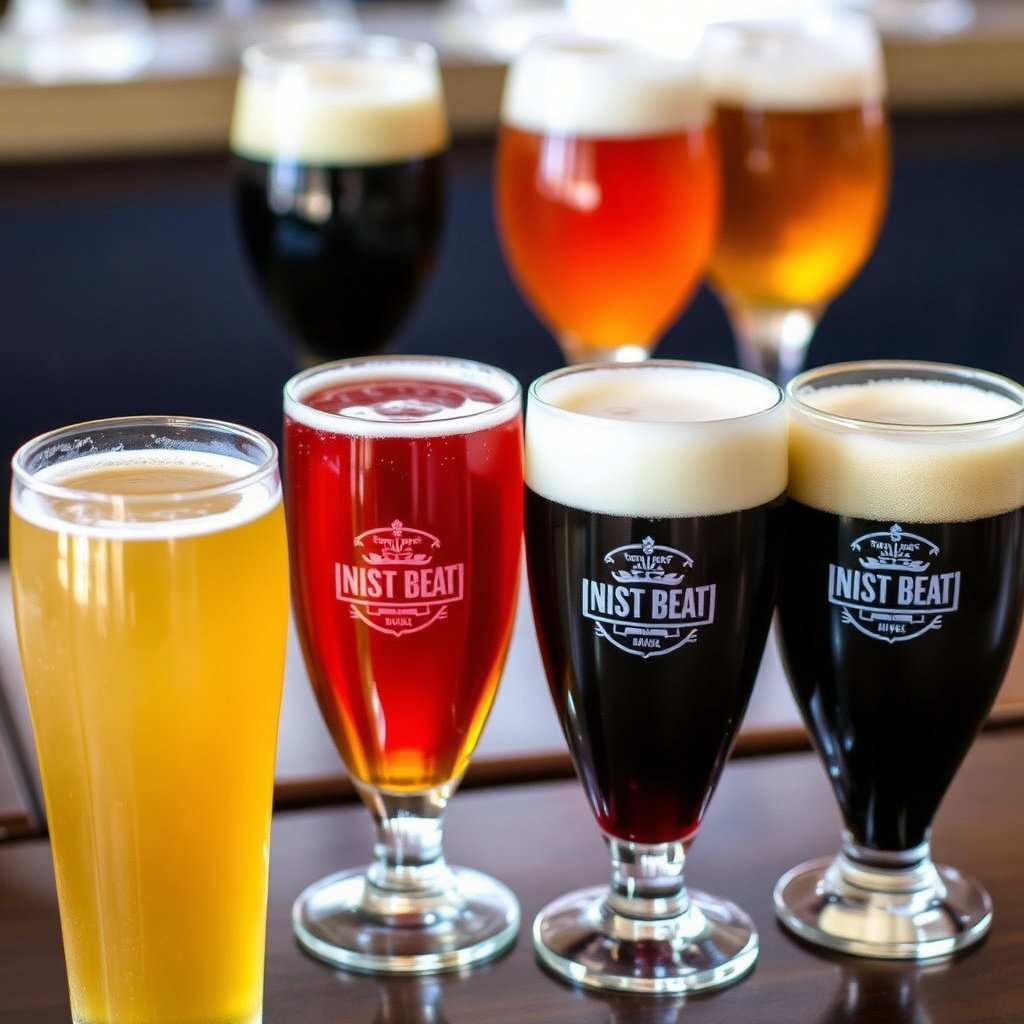
Light and Session Beers
Light lagers, pilsners, and session ales usually maintain optimal freshness for 3 to 6 months when stored well. Their delicate hop and malt profiles fade rapidly, making early consumption best.
Avoid holding these beers beyond 6 months as the flavors become muted and oxidation flavors appear, detracting from drinkability.
Strong and Barrel-Aged Beers
Beers with 8% ABV or higher, including imperial stouts and barrel-aged varieties, can often improve with age under proper conditions, lasting from 1 to 3 years or more.
These beers develop complex flavors as some chemical reactions mellow harsh notes and add rich depth, but storing them too warm or too long can spoil them.
How Packaging Affects Beer Longevity
Advantages of Cans Over Bottles
Cans are airtight and block all light, effectively preserving fresh flavors by reducing oxidation and light-struck flavors. They are lightweight, portable, and often more eco-friendly.
Modern canning technology ensures high-quality packaging, making canned beer reliable for longer shelf life, especially for hop-forward beers sensitive to freshness decline.
- Complete protection from light
- Less oxygen exposure
- Better portability and sustainability
For more on this, see our related guide: How Much Does It Cost to Host a Rehearsal Dinner? A Complete Budget Guide.
Considerations for Bottled Beer
Brown bottles help block harmful light but do not prevent oxygen ingress completely, which can lead to gradual flavor deterioration. Green and clear bottles offer minimal protection, accelerating spoilage especially in bright light.
Bottle-conditioned beers may contain yeast sediment and require storage upright to avoid off-flavors. Once opened, bottled beer freshness declines within hours.
- Brown bottles reduce but don't stop light damage
- Green/clear bottles are weakest against light
- Bottle-conditioned beers need careful handling
Practical Beer Storage Tips for Best Freshness
Ideal Fridge Organization
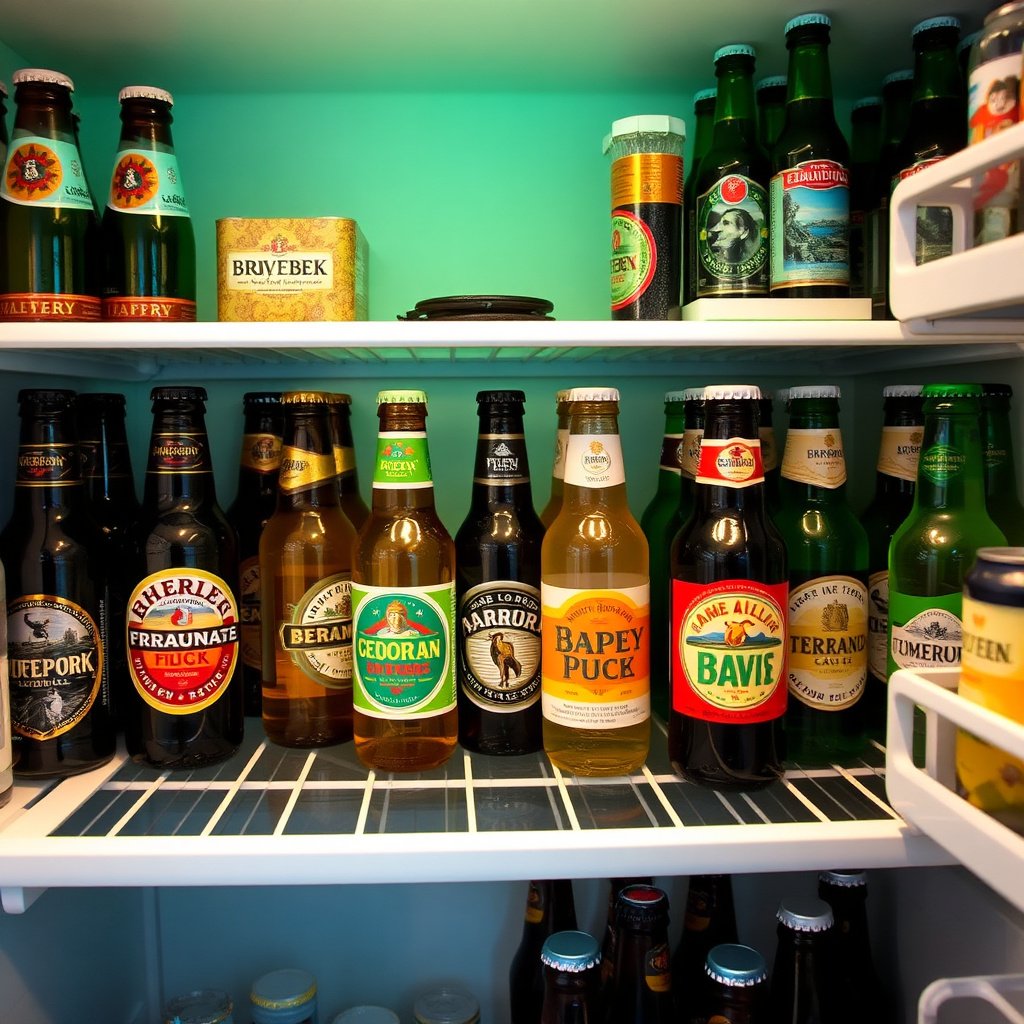
Store beer in the main fridge compartment where temperature stays most stable, not in the door. Keep styles that age quickly, like IPAs, in the coldest part and consume them first.
Grouping by beer type and consumption priority makes managing freshness easier and helps prevent accidental long-term storage.
- Store in main fridge area, not door
- Prioritize quickly aging beer options
For more scientific details on beer shelf life and storage practices, see this informative beer shelf life details resource. beer shelf life details.
Using Secondary Coolers and Cellars
If fridge space is limited, a dedicated beer cooler or cellar with temperature control offers excellent long-term storage for high-value or aging beers. Maintaining steady temperatures prevents quality loss.
Avoid storing beer in warm basements or garages where temperature shifts occur frequently. Consistency in storage conditions is key for preservation.
- Use temperature-controlled beer cellar for aging beers
- Avoid fluctuating temperatures in garages/basements
Beer Packaging Types and Shelf Life Comparison
This table compares various beer packaging types to help you choose based on expected shelf life and freshness preservation.
| Packaging Type | Typical Shelf Life | Light Protection | Oxygen Exposure | Ideal Storage |
|---|---|---|---|---|
| Cans | 6-12 months | Complete | Very Low | Cool, dark place |
| Brown Bottles | 3-6 months | Good | Moderate | Cool, upright storage |
| Green/Clear Bottles | 1-3 months | Poor | High | Cool, dark, upright |
| Growlers | 1-3 days (opened) | Minimal | High once opened | Refrigeration, upright |
| Kegs (Draft) | 1-2 months (sealed) | N/A | Low if pressurized | Cold, pressurized |
Frequently Asked Questions
Can expired beer make you sick?
Expired beer usually isn't harmful but may taste unpleasant or flat. However, drinking heavily spoiled beer with off-putting flavors is not recommended.
Does refrigeration extend beer shelf life?
Yes, refrigeration slows chemical reactions that cause spoilage, helping beer stay fresh longer, especially hop-forward and light beers.
Is canned beer always fresher than bottled beer?
Cans generally offer better protection from oxygen and light, which helps freshness, but storage conditions also significantly impact beer quality.
How can I tell if beer is skunked?
Skunked beer smells like sulfur or wet dog caused by light exposure. It often tastes off and should be discarded.
Do all beers improve with aging?
No, only certain strong, complex beers benefit from aging. Most beers are best consumed fresh to enjoy original flavors.
Key Takeaways
- Beer shelf life varies by style, packaging, and storage conditions.
- Cans protect beer longest by blocking light and oxygen.
- Store beer cool, dark, and upright for best freshness.
- Recognize spoilage by off-flavors, aroma, and carbonation loss.
Conclusion
Understanding how long beer lasts depends on knowing the style, packaging, and storage conditions that affect its freshness and taste. While lighter beers with lower alcohol content generally spoil within months, stronger and barrel-aged beers may develop complexity over years. Packaging plays a significant role; cans typically preserve freshness better by shielding from light and limiting oxygen exposure compared to bottles. Maintaining a cool, dark environment and storing bottles upright slows spoilage. Ultimately, how long your beer stays good hinges on a combination of these factors.
Different scenarios call for different storage approaches: hop-heavy IPAs and pale ales should be consumed within a few months and kept refrigerated to retain their delicate flavor profiles. Lagers and light beers also benefit from quick consumption and cool storage. Conversely, imperial stouts, barleywines, and barrel-aged beers can be aged for up to a few years under controlled cellar conditions, developing unique flavors over time. Selecting appropriate packaging—favoring cans or brown bottles over green or clear—adds to preserving freshness.
If you want the freshest experience, prioritize beer storage tips such as refrigerating beer in your main fridge compartment, keeping it upright, and grouping by type and consumption timeline. Avoid exposing beer to heat or sunlight to prevent undesirable off-flavors. When purchasing, check production or best-by dates, especially for hop-forward brews. With this knowledge, you can confidently enjoy beer at its best or store it correctly to savor later.