How to Taste Beer Like a Pro: A Step-by-Step Guide
Tasting beer involves more than just sipping—it requires paying attention to its appearance, aroma, flavor, mouthfeel, and finish. When you taste beer thoughtfully, you can detect subtle notes, balance, and character that reveal its style and quality.
Understanding how to taste beer lets you appreciate the complexity of different brews, whether it’s a crisp pilsner or a rich stout. This skill enhances your enjoyment and can sharpen your ability to select beers you’ll love or pair well with food.
This guide covers the key steps to taste beer properly, including examining its look, smelling its aromas, savoring the taste, and interpreting the finish. We’ll also discuss common flavor profiles and techniques to develop your palate.
Examining Beer Appearance
Evaluating Color and Clarity
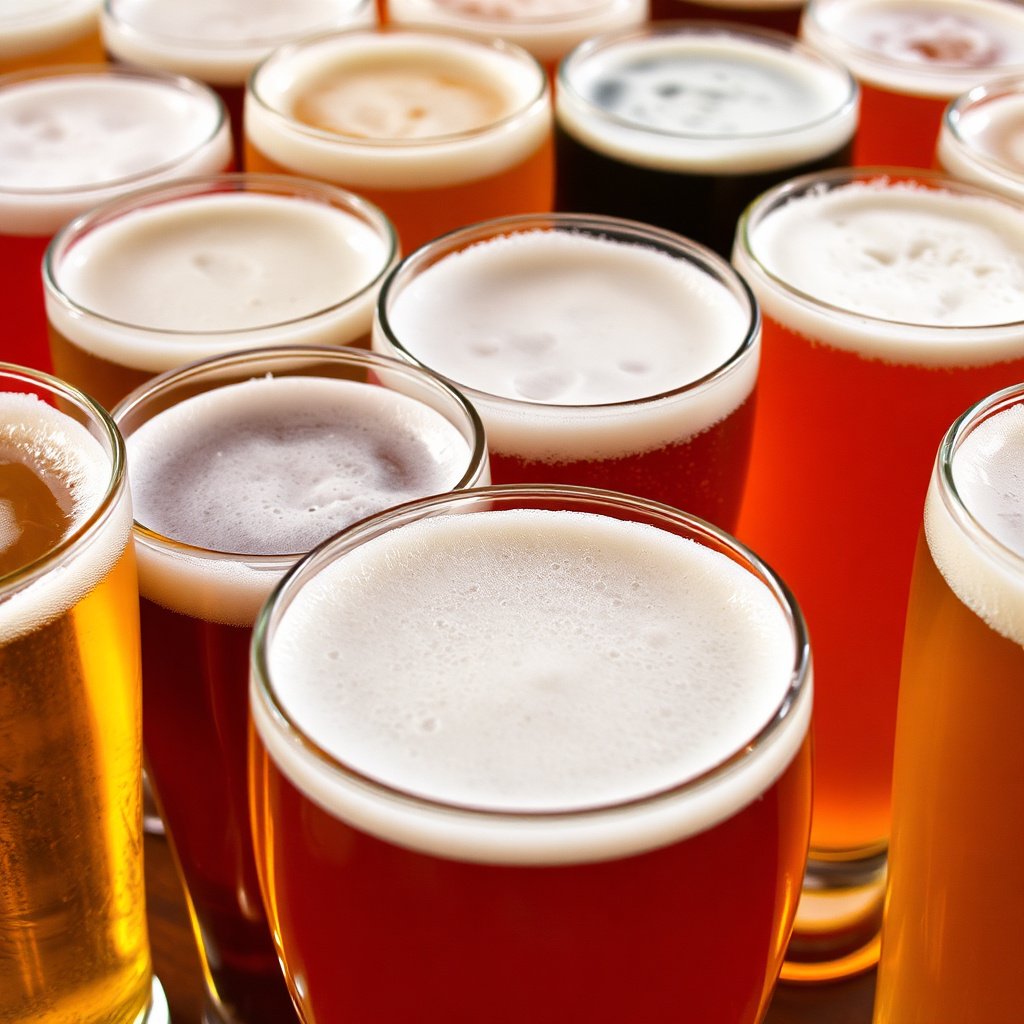
Look at the beer’s color against a white background to judge its hue, ranging from pale straw to deep amber or black. The color often corresponds to the malt type and roasting level, which impacts flavor expectations.
Clarity varies by style; some beers like lagers are usually clear, while others like hazy IPAs or wheat beers have intentional cloudiness. Observing clarity can give clues about the beer’s filtration and ingredients.
Assessing Head and Lacing
Note the foam’s thickness, texture, and retention. A good head helps contain aroma and adds to mouthfeel. Different styles produce varying head profiles, such as creamy for stouts or frothy for Belgian ales.
Head lacing—the foam clinging to the glass after drinking—can indicate quality and the presence of proteins or hops. Persistent lacing often reflects a well-crafted beer.
Appreciating Beer Aroma
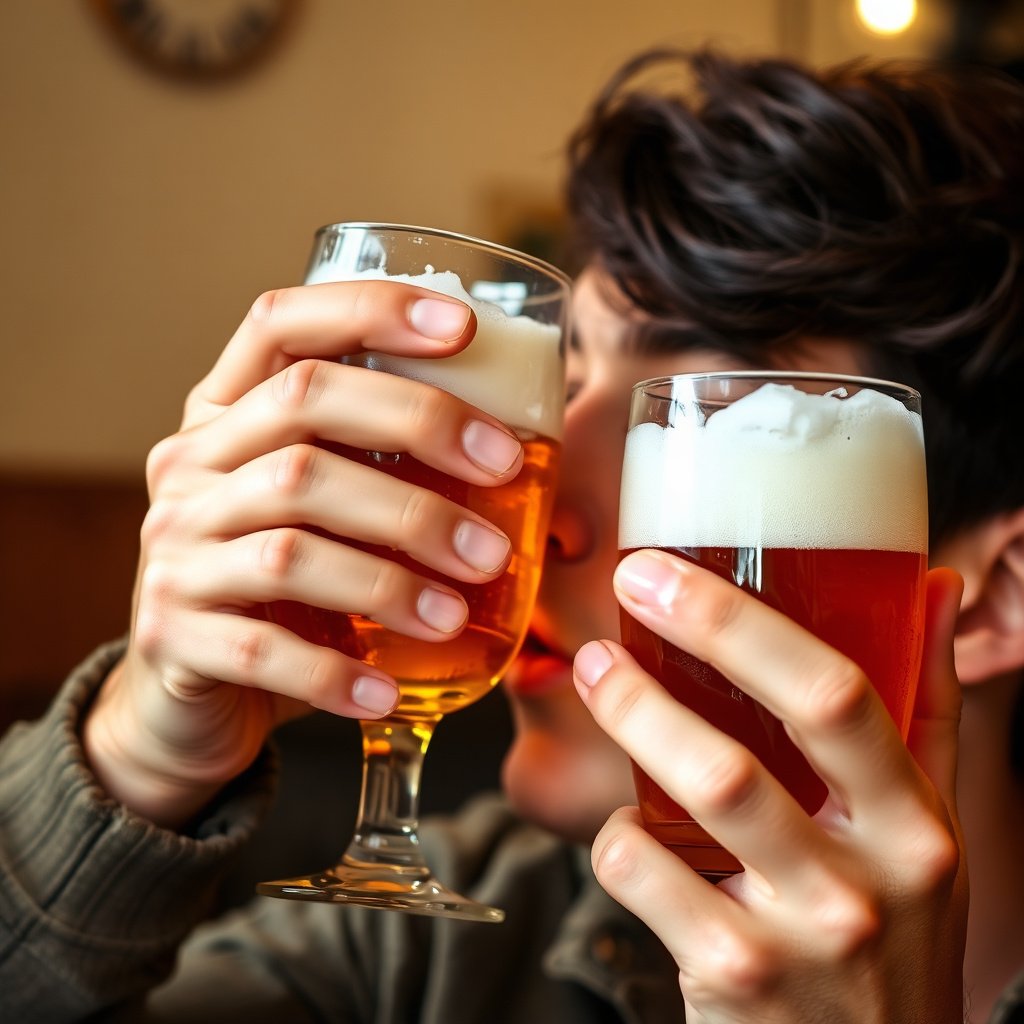
Techniques for Scent Analysis
Before tasting, swirl the beer gently to release volatile compounds, then inhale deeply through your nose. Smell helps identify hops, malt, yeast, and any added ingredients like fruit or spices.
Try to pick out layers in the aroma—for example, floral, citrus, pine from hops or caramel, chocolate, coffee notes from malt. The complexity of aromas enhances the beer’s character.
Common Aromatic Profiles
Hop-forward beers often present piney, resinous, or tropical fruit aromas, while maltier brews may smell toasted, nutty, or sweet. Yeast can add spicy, fruity, or earthy scents depending on the strain.
Recognizing typical aromas will help differentiate beer styles and detect quality or off-flavors caused by spoilage or poor storage.
Tasting and Flavor Identification
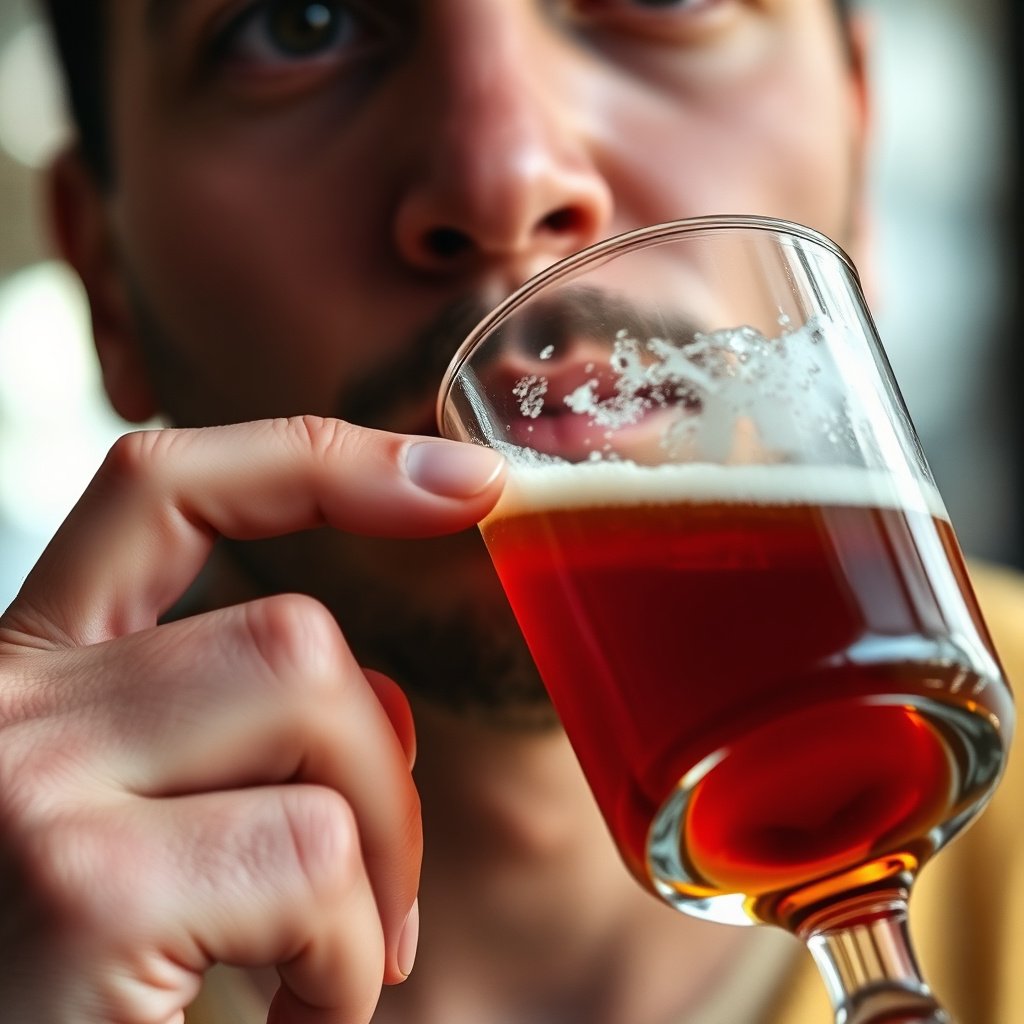
Savoring the First Sip
Take a moderate sip and let the beer coat your entire tongue and palate. Pay attention to initial impressions such as sweetness, bitterness, sourness, and carbonation.
Identify dominant flavors and how they shift as the beer warms in your mouth. This helps reveal the balance between malt sweetness, hop bitterness, and yeast character.
For more on this, see our related guide: What Is a Draft Beer? A Complete Guide Explaining Its Taste, Serving & Types.
Detecting Flavor Notes
Look for common flavor notes like caramel, citrus, pine, chocolate, coffee, or spices. Consider the intensity and harmony of these flavors rather than just naming them.
Taste perception varies with personal experience, so practice helps improve your ability to recognize subtle or complex profiles.
Understanding Mouthfeel and Body
Evaluating Texture and Carbonation
Notice the beer’s weight or body on your palate, which ranges from light and crisp to thick and creamy. Carbonation level affects how bubbly or smooth the beer feels.
Mouthfeel influences drinkability. Fruity, hazy beers may feel smooth and soft, while certain lagers with higher carbonation can offer a sharp, clean sensation.
Assessing Alcohol Warmth and Astringency
Some beers exhibit a warming sensation from alcohol content, which can be pleasant or overpowering depending on strength. Astringency from tannins or hops may cause a drying feeling.
Balance in mouthfeel and warmth contributes to overall harmony and enjoyment during tasting.
Evaluating the Finish and Aftertaste
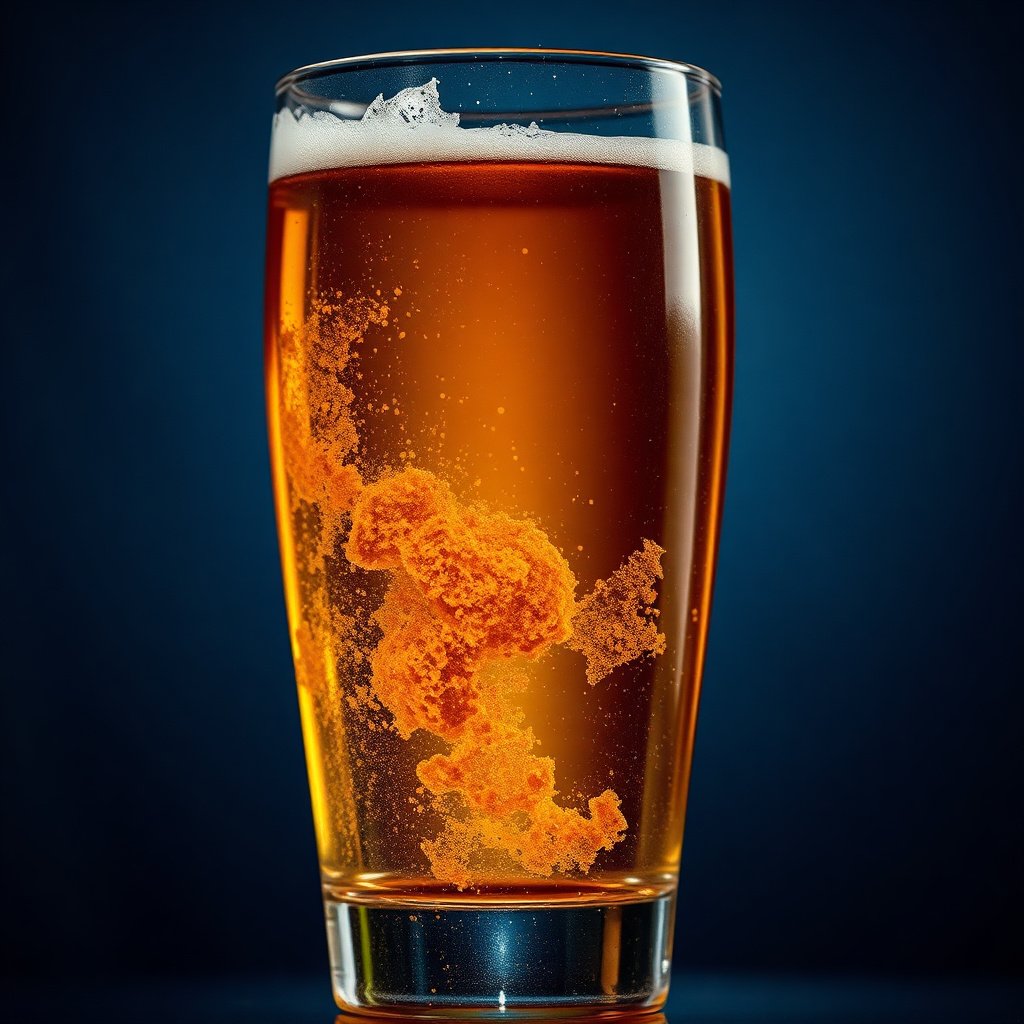
Noticing Lingering Flavors
After swallowing, observe how long the flavors persist and whether they change. A pleasant finish is clean and balanced, while undesirable aftertaste might be sour, metallic, or harsh.
The finish can highlight specific ingredients like hops’ bitterness or malt’s sweetness, affecting your final impression.
For more on this, see our related guide: How Much Beer per Person for a Party: A Complete Planning Guide.
Recognizing Off-Flavors
Be alert for off-flavors such as skunky notes from light exposure, sourness from contamination, or cardboard-like taste from staleness. These impact beer quality negatively.
Understanding common off-flavors improves your ability to judge beer freshness and storage conditions.
Practicing Beer Tasting Techniques

Setting Up a Tasting Session
Choose a quiet, neutral environment free from strong smells to maintain focus on beer flavors. Use clean glasses and serve beers at recommended temperatures to showcase true characteristics.
Taste beers in increasing order of intensity or bitterness to preserve your palate and prevent flavor fatigue.
For additional technical details about beer tasting, you can explore the Beer tasting techniques from Wikipedia. Beer tasting techniques from Wikipedia.
Recording and Comparing Notes
Take notes on appearance, aroma, taste, mouthfeel, and finish for each beer. Use descriptive language rather than just 'good' or 'bad' to track flavors and preferences over time.
Comparing notes between different styles and brands sharpens your skills and deepens appreciation.
Beer Styles Flavor Profile Comparison
This table contrasts popular beer styles based on flavor intensity, bitterness, and typical aroma notes to aid tasting evaluation.
| Style | Bitterness (IBU) | Flavor Notes | Typical Appearance |
|---|---|---|---|
| Pilsner | 25-40 | Crisp, light malt, floral hops | Pale gold, clear |
| IPA | 40-70+ | Citrus, pine, tropical fruit hops | Amber to copper, clear to hazy |
| Stout | 30-50 | Roasted coffee, chocolate, creamy | Deep black, opaque |
| Wheat Beer | 10-20 | Fruity, spicy yeast, smooth | Pale, often hazy |
| Belgian Tripel | 20-40 | Spicy yeast, fruity esters, sweet malt | Golden, slightly hazy |
Frequently Asked Questions
Why is smelling the beer important?
Smelling beer reveals aromatic compounds that strongly influence flavor perception, helping identify style characteristics and detect freshness or off-flavors before tasting.
How does temperature affect beer tasting?
Serving temperature alters flavor perception; colder temps can dull aromas and bitterness, while warmer temps enhance complexity but may reveal flaws.
What is astringency in beer?
Astringency is a drying, puckering sensation on the palate caused by tannins from hops or grains, affecting the beer's mouthfeel and balance.
Can I use beer tasting techniques for craft and commercial beers?
Yes, these techniques apply broadly to all beers and help you appreciate subtle differences regardless of production scale.
How should I cleanse my palate between tastings?
Neutral options like water, plain crackers, or unsalted bread help clear residual flavors and prepare your palate for the next sample.
Key Takeaways
- Focus on appearance, aroma, taste, mouthfeel, and finish when tasting beer.
- Different beer styles have distinct flavor and aroma profiles to learn.
- Practice beer tasting techniques improves flavor recognition over time.
- Using a systematic approach helps avoid palate fatigue and notice details.
Conclusion
Tasting beer is an engaging process that involves observing its appearance, carefully inhaling its aromas, savoring the flavor, noting mouthfeel, and evaluating the finish. This holistic approach helps you discern many layers in a beer’s character, making the experience more rewarding beyond casual drinking. Training your palate by tasting different beers regularly broadens your appreciation and refines your ability to distinguish quality and style.
If you’re new to beer tasting, begin by exploring styles like pilsners and wheat beers to familiarize yourself with light, approachable flavors. Gradually try more complex options like IPAs or stouts to experience bolder bitterness and roasted maltiness. Using beer tasting techniques such as noting aroma profiles and recording flavor impressions supports developing your sensory skills and understanding beer’s diversity.
The next step to enhance your enjoyment is hosting dedicated tasting sessions with friends or joining beer clubs where guided tastings introduce you to new varieties and context. Combining these experiences with personal practice deepens your knowledge and transforms beer tasting into a fascinating hobby that enriches social times and heightens culinary pairings.